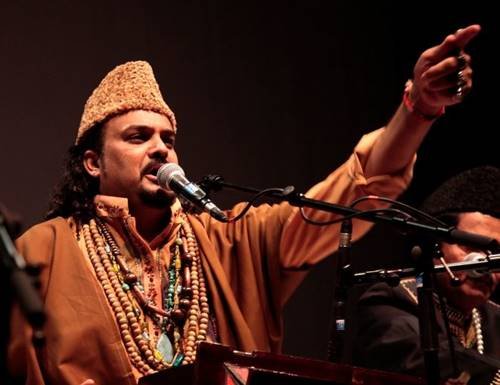
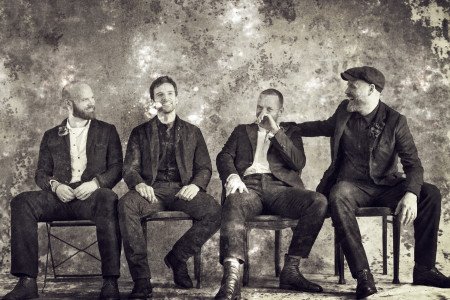
British band Coldplay has released a new album titled Everyday Life and it features the late qawwal Amjad Sabri.
In an interview with Entercom, the band’s lead singer Chris Martin while talking about the second song in the album Church — released as a single — shared the inspiration behind it sharing that the band have incorporated samples from Sabri’s hit track Jaga Ji Laganay into it.
“There’s two cool other singers on that one. There’s this guy who was a Pakistani singer, called Amjad Sabri. He was sadly murdered by people who didn’t like what he stood for. Then there’s a friend of ours called Norah who is a guy from Jerusalem.”
Martin described Church as a love song that “fell through the sky,” referring to how the band received inspiration to make a song they think is great.
Whether Coldplay obtained permission from Sabri’s family to use the track is not known as of yet.
Meanwhile, Everyday Life has already made it to the top of the Official Album Charts.
We have all heard of shoes being stolen outside of mosques while people offer their prayers but a new shoe theft has set a new record of sorts.
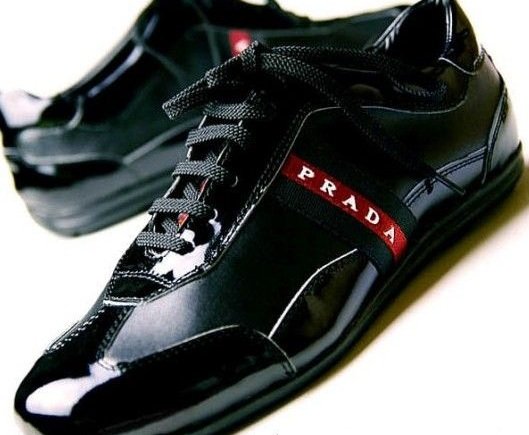
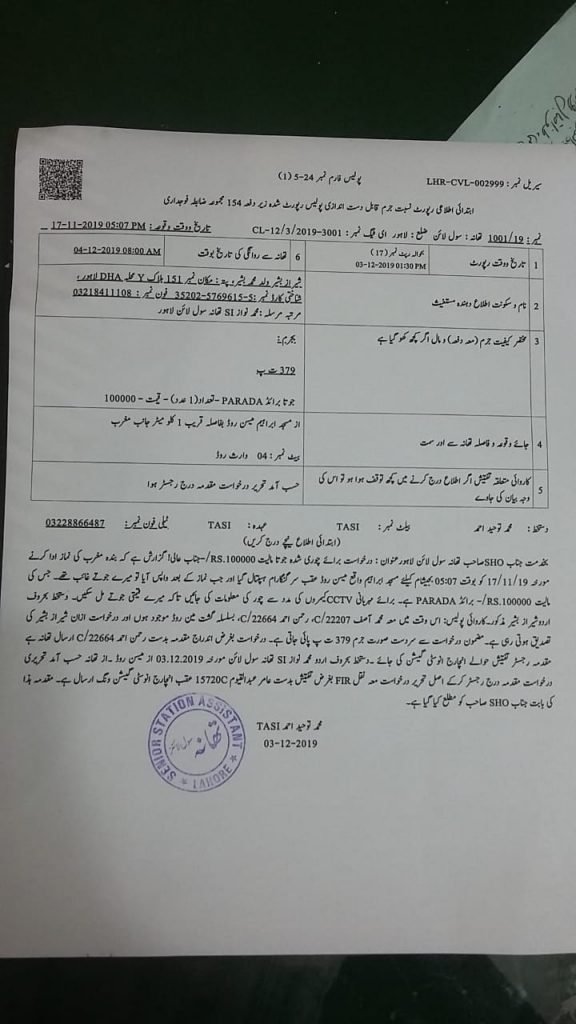
According to ARY News, a pair of shoes worth Rs 100,000 were stolen from outside a mosque in Lahore during prayers.
Police say that Sheeraz Bashir went to offer prayers in the mosque situated near Ganga Ram Hospital. When he came back from prayers, he found his expensive shoes had gone missing.
Bashir, a resident of the Defence area of Lahore, came to Ganga Ram Hospital to visit an ailing relative.
Sheeraz Bashir has asked the police to catch the thief with the help of CCTV footage and recover his shoes.
Police say they are doing everything possible to recover the expensive shoes.
Climate change, gun violence, the very nature of democracy and an angsty little movie star called Forky helped propel existential to Dictionary.com’s word of the year.
The choice reflects months of high-stakes threats and crises, real and pondered, across the news, the world and throughout 2019.
“In our data, it speaks to this sense of grappling with our survival, both literally and figuratively, that defined so much of the discourse,” said John Kelly, senior research editor for the site, ahead of the announcement.
The word earned “top of mind awareness” in sustained searches at Dictionary.com in the aftermath of wildfires and Hurricane Dorian, and mass shootings in Christchurch, New Zealand, and El Paso, Texas. It also reared itself in presidential politics and pop culture.
Oxford Dictionaries picked climate emergency as its word of the year, noting usage evidence that reflects the ethos, mood, or preoccupations of the passing year, the company said in a statement.
Dictionary.com crunches lookup and other data to decide which word to anoint each year. The site has been picking a word of the year since 2010.
The word ‘existential’ dates to 1685, deriving from Late Latin’s existentialis. Dictionary.com defines existential as of or relating to existence and of, relating to, or characteristic of philosophical existentialism; concerned with the nature of human existence as determined by the individuals freely made choices.
Meanwhile, last year, Merriam-Webster had chosen “justice” as its 2018 word of the year while Oxford Dictionaries chose “toxic.” “Misinformation” was Dictonary.com’s word of the year in 2018.
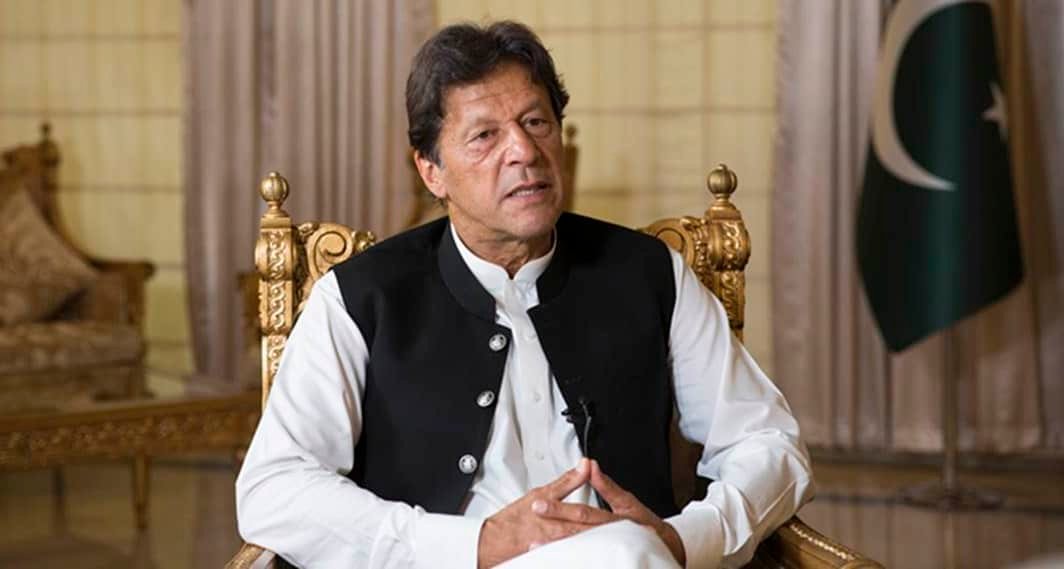
Prime Minister Imran Khan has requested PTV to air famous Turkish historical fiction series Dirilis: Ertugrul. The drama is popularly referred to as the Turkish ‘Game of Thrones‘ by fans.
According to a report in Arab News, the drama will soon air on PTV after being dubbed in Urdu. PTV has gotten exclusive rights for dubbing and screening it in Pakistan and voice actors for the drama have been selected.
The report said that PM Khan had recommended the popular TV opera to all Pakistanis as promoting the true Islamic values.
Special Assistant to the Prime Minister on Information and Broadcasting Dr Firdous Ashiq Awan said that the initiative has been taken at the behest of the prime minister to protect “our social, cultural and religious norms.”
She said that the Muslim world has its own cultural heritage and values and that the drama can enlighten and broaden the understanding of the history of Islam, especially among younger generations.
“It is also PM Khan’s vision to share media content to counter Islamophobia and improve understanding of Islamic values,” Awan added.
Back in September PM Khan has shared that Pakistan, Turkey and Malaysia will jointly launch a TV channel to fight Islamophobia. PM Imran had said that the English language TV Channel will be like BBC which will also highlight the issues faced by the Muslim world.
Our meeting in which we decided to set up a BBC type English language TV Channel that, apart from highlighting Muslim issues, will also fight Islamophobia. pic.twitter.com/GA6o15oJFH
Dirilis: Ertugrul is set in 13th century Anatolia, before the establishment of the Ottoman Empire. It illustrates the struggle of Ertugrul Gazi, the father of Osman I – the founder of the Ottoman dynasty.
Since its premiere on state-run Turkish TV channel TRT 1 in November 2014, the serial has been telecasted in 60 countries.
Like it or not, plus-size individuals very much exist. Fat-shaming and fatphobia are real and not just in Pakistan but across the world as well. People look down upon those who don’t fit the society’s standard of what a person should look like. ‘Thin-ess’ is equated to beauty and fat is considered ugly, no matter what.
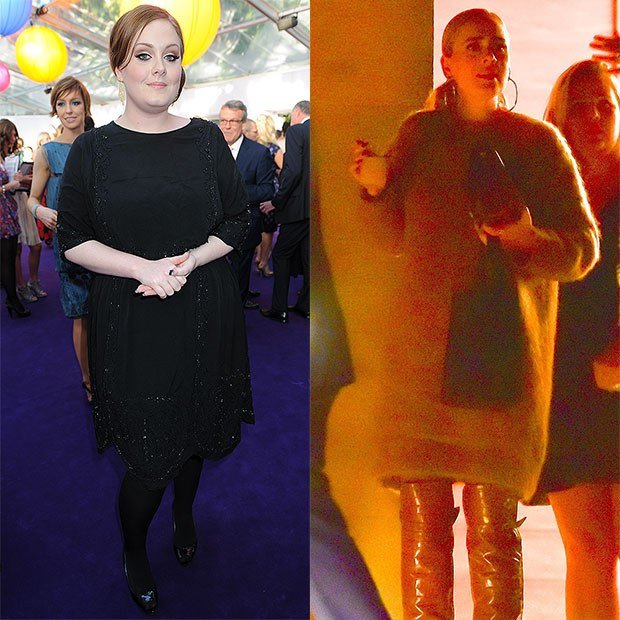
For instance, award-winning singer Adele recently lost 10 kgs following her divorce and people cannot stop praising her for hitting back at her estranged husband by losing weight. Any other reason is irrelevant.
Closer to home, across the border, Bollywood actor Sonakshi Sinha recently released a powerful video in which she recounted being fat-shamed and shared all the names which were used to describe her. They ranged from ‘Fatso’ and ‘Aunty’ to harsher ones like ‘Motakshi Sinha’. Just reading such terms should be enough to make you uncomfortable.
Despite all this, the world is making efforts to tackle body shaming. You visit any international clothing brand and you’ll find a section dedicated to plus-sized outfits. However, in Pakistan, this is not the case.
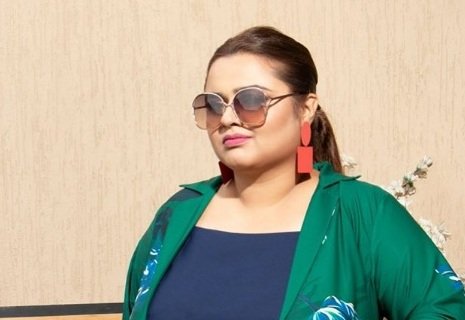
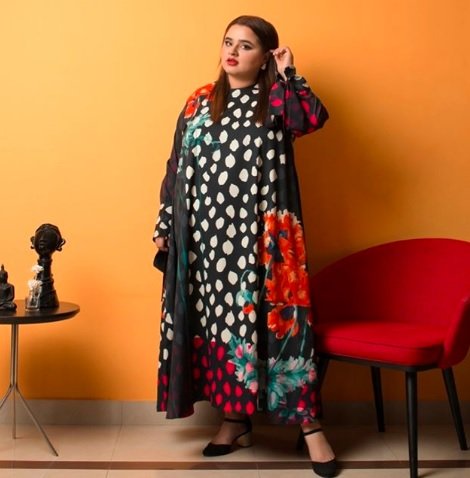
Last month, comedian and actor, Faiza Saleem, who is one of the leading ambassadors of plus-sized women in our country, did a campaign with Lulusar for plus-sized clothing. While on one hand people appreciated the campaign for being inclusive, there was a large population of people who wrote degrading comments on social media posts.
Speaking exclusively to The Current about the collection and backlash, Lulusar said: “Initially, this collection was never intended to become a body positivity statement. From our end, ‘Faiza Saleem x LULUSAR’ was just another collaboration in our series. We did introduce a new size-set so that Faiza could be represented accurately and fully.”
“However, the comments and messages we received on the campaign were a shock. We debated on deleting disparaging & hateful comments in the beginning, but they multiplied every hour,” they stated.
“After this, we did release a statement with Faiza standing up for our values and our philosophy, highlighting the fact that Lulusar is for all. As a brand, we realised we have the platform to ignite change and breakthrough social barriers that all of us are bound by in this society,” added Lulusar.
Speaking further, the brand said, “We began to see comments from women talking about how they regained confidence, how they wanted to dress in bright colors and patterns and never thought they could until this campaign, and the overwhelming support that poured in helped us realise the impact we had made.”
On whether plus-sized fashion has made its way to Pakistan, Lulusar said, “We think that there is definitely a dialogue that has started about the concept of inclusivity, but it hasn’t reached the masses yet.”
“Major brands still don’t have options for women of all shapes and sizes and, if they do, they’re not advertised or they are extremely limited. Plus-sized women are not invited to take part in the newest trends, prints or designs and still have to resort to unstitched dresses. There’s a long way to go in local fashion when it comes to making sure it’s available for all women,” they added.
On the other hand, Khadijah Shah, who is the brains behind one of Pakistan’s most successful fashion brands, Élan said that plus-sized fashion has not yet made its way to Pakistan as it should have.
“I don’t think it has as [of] yet. But, I feel like I see the winds of change,” said Khadijah in her interview with The Current.
In the past, Generation has experimented with plus-size clothing and has even received a positive response for it, but apart from a few campaigns here and there, no one has really carried forward the idea or made it a permanent feature.
On why most Pakistani brands resist from making plus-size clothing, Lulusar remarked, “Cost could definitely be a factor since this is a very niche market and the lower return on investment when compared to conventional campaigns wouldn’t be preferable.”
“However, more than that, it’s the fact that our general society is more receptive towards conventional campaigns, models and fashion. Fear of backlash is probably a greater reason why most brands haven’t taken a step towards inclusivity. For most brands, the negative response is just not worth it.”
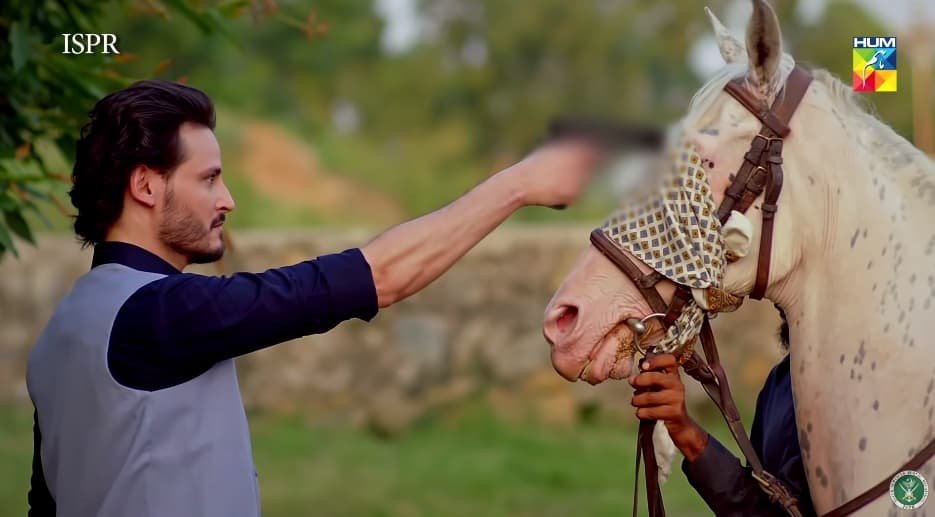
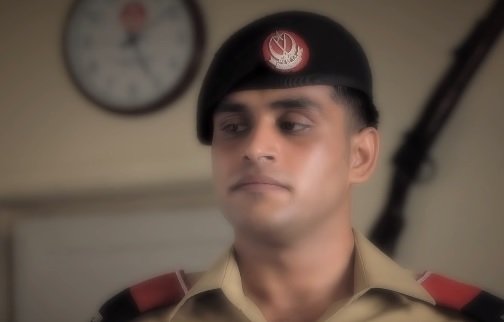
Eleven episodes in, ISPR and Hum TV’s joint collaboration Ehd-e-Wafa has begun to gather momentum and is picking up pace.
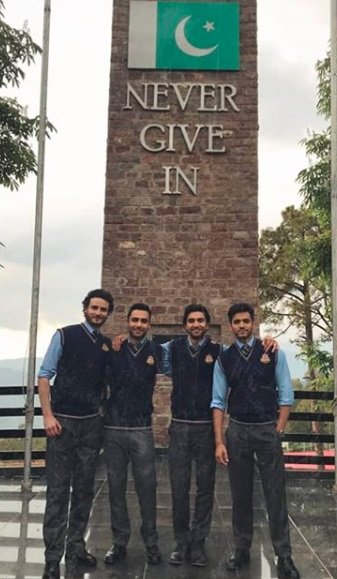
Directed by Saifee Hassan, the drama follows the life of four friends – Shahzain (Osman Khalid Butt), Saad (Ahad Raza Mir), Sheheryar (Ahmed Ali Akbar) and Shariq (Wahaj Ali). The boys were together in Lawrence College Murree before they were expelled because of their shenanigans. While Saad went onto join the army, Shariq is pursuing a career and education in journalism. Sheheryar’s profession is still unclear and Shahzain, who belongs to a feudal family is incorporating himself into the family business.
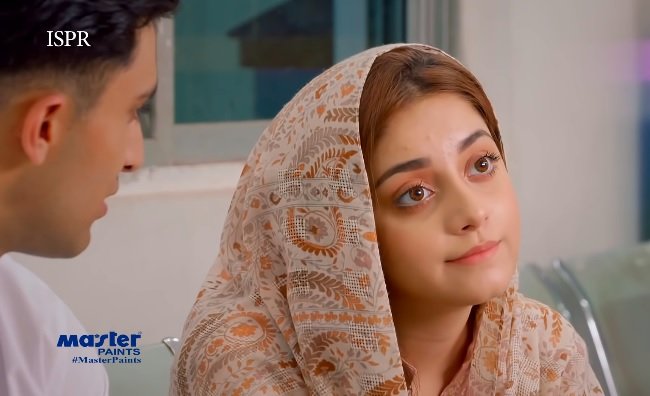
All four boys also have their love interests, though the stories of Shariq and Sheheryar aren’t as well developed yet. Alizeh Shah as Dua plays Ahad’s love interests while Zara Noor Abbas as Rani is Osman’s.
While the premise and central plot of the story is the life of the four boys, there are several subplots running side by side because of which the episodes are a bit packed and muddled at some points. Instead of one scene flowing into the next, the episode tends jumps from scene to scene.
However, the acting of all the main characters is superb. Particularly note-worthy is Zara Noor Abbas as Rani, whose lively and colourful performance puts a smile on your face no matter what. Adnan Samad Khan, who is playing Gulzar Hussain from Basti Malook, Dera Ghazi Khan, is phenomenal in his character and has won the audiences with his strong performance. Ahad and Alizeh’s chemistry is very lit and their scenes together are very adorable.
Zara Noor Abbas as Rani
Adnan Samad Khan as Gulzar Hussain
Saad and Dua
The supporting cast of the drama including Vaneezah Ahmed and Syed Muhammad Ahmed are also doing a commendable job.
Last but not least, the background score and OST is very enjoyable – the upbeat tune perfectly complements the mood of the drama.
Ehd-e-Wafa is no Alpha Bravo Charlie but the drama is a much-needed refresher in the list of dramas which are either tackling serious topics such as rape (Ruswai) or are the usual masala fest (Meray Paas Tum Ho). Moreso, it also qualifies as a great family entertainer.
We’ve always heard of innovative and unusual bridal entries but in this case, a bridegroom made headlines with his extraordinary shaadi entrance.
Bridegroom Akaash Yadav, who was getting married in Los Cabos, Mexico joined the ‘baraatis’ by skydiving from an aircraft.
The video, which went viral on social media showed Aakash, all strapped-in and wearing a black paragliding suit, gliding down with a yellow and white parachute. The excited applause and hoots can be heard in the background of the video as he lands.
Now that’s what you call a dramatic entry.
Watch the video here:
https://www.instagram.com/p/B5lGbI8Bmtu/
In the video, one guest can be heard saying, “Only he would do this!”
According to reports, the couple, who are both professional dancers and actors in the US, tied the knot in a Hindu ceremony in Mexico.
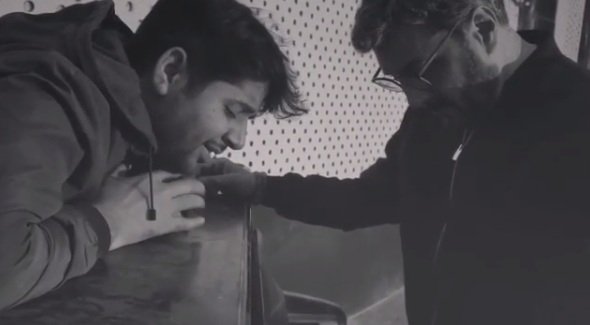
Imran Ashraf and Adnan Siddiqui’s impromptu rendition of Meray Paas Tum Ho’s title track is pretty cool.
As the two got together at Evernew Studios to begin work on their upcoming project Dum Mastam, they made use of an old piano there to record their own version of the title track of Meray Paas Tum Ho.
Watch the video here:
https://www.instagram.com/p/B5hhsK0lWGd/
We all knew that Adnan Siddiqui was a pro at playing the flute but turns out he’s equally good with the piano as well.
Meanwhile, in case you missed it, Adnan Siddiqui is donning the producer’s hat and will be producing Imran’s debut film Dum Mustam. The film is being directed by Superstar director Ehteshamuddin and will also star Amar Khan and social media sensation Momin Saqib.
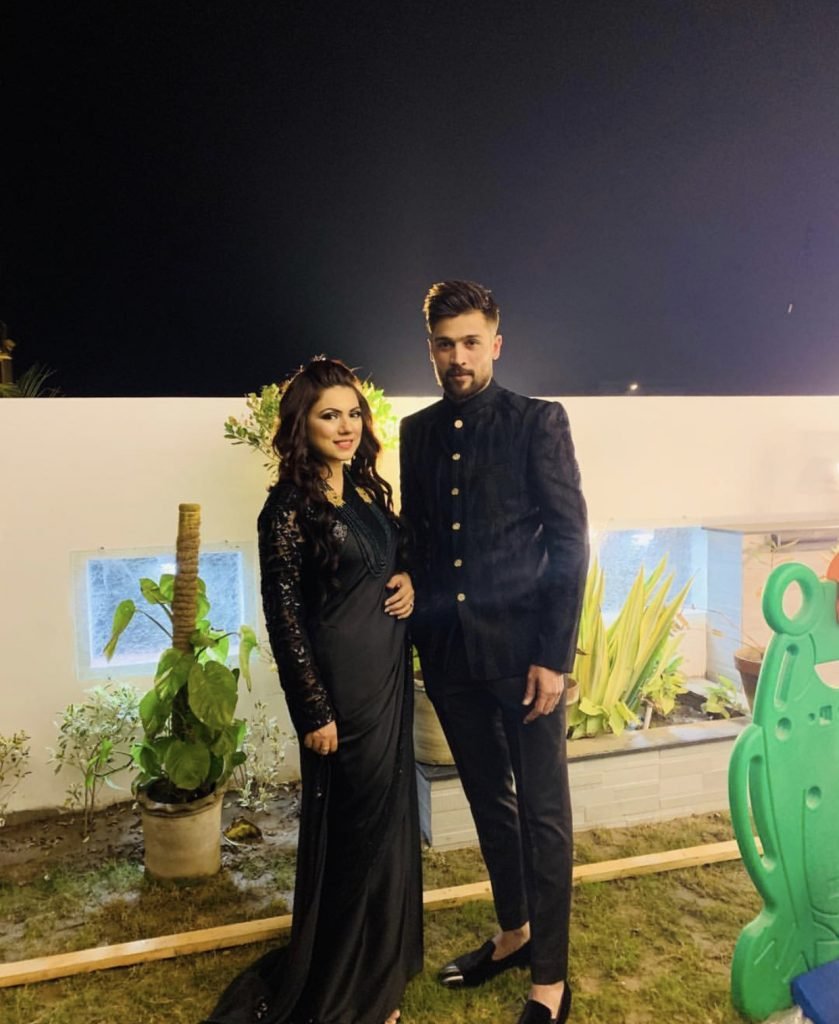
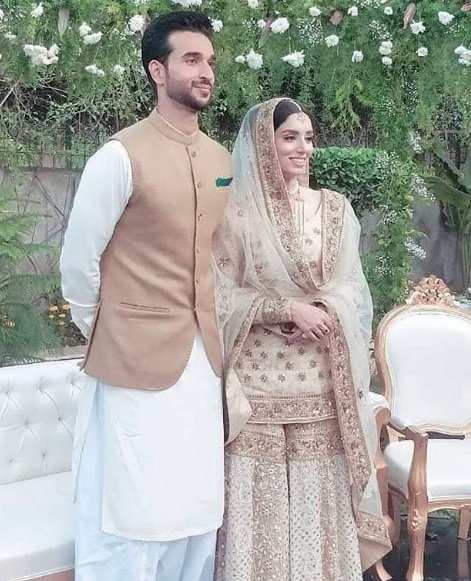
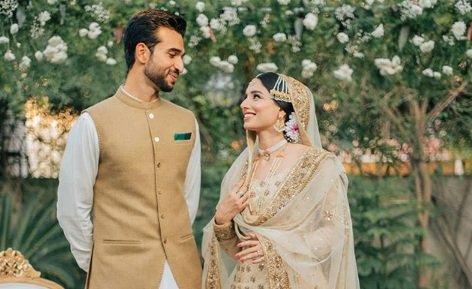
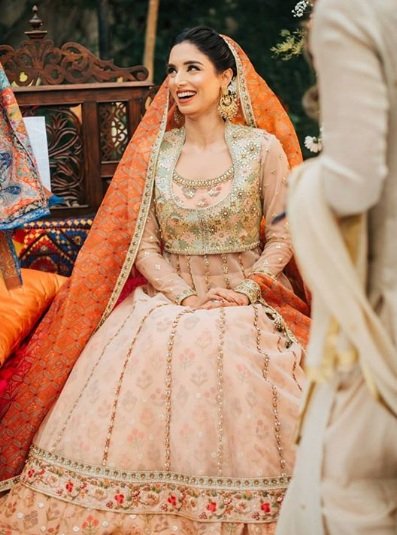
Zainab Abbas’ wedding festivities came to a close Sunday night with a grand valima.
Among those in attendance were PTI’S Jahangir Khan Tareen, Fawad Chaudhry, Dr Yasmin Rashid and cricketer Mohammad Amir. Zainab’s mother, Andleeb Abbas is an integral member of PTI.
Jahangir Khan Tareen
Fawad Chaudhry with the newly weds
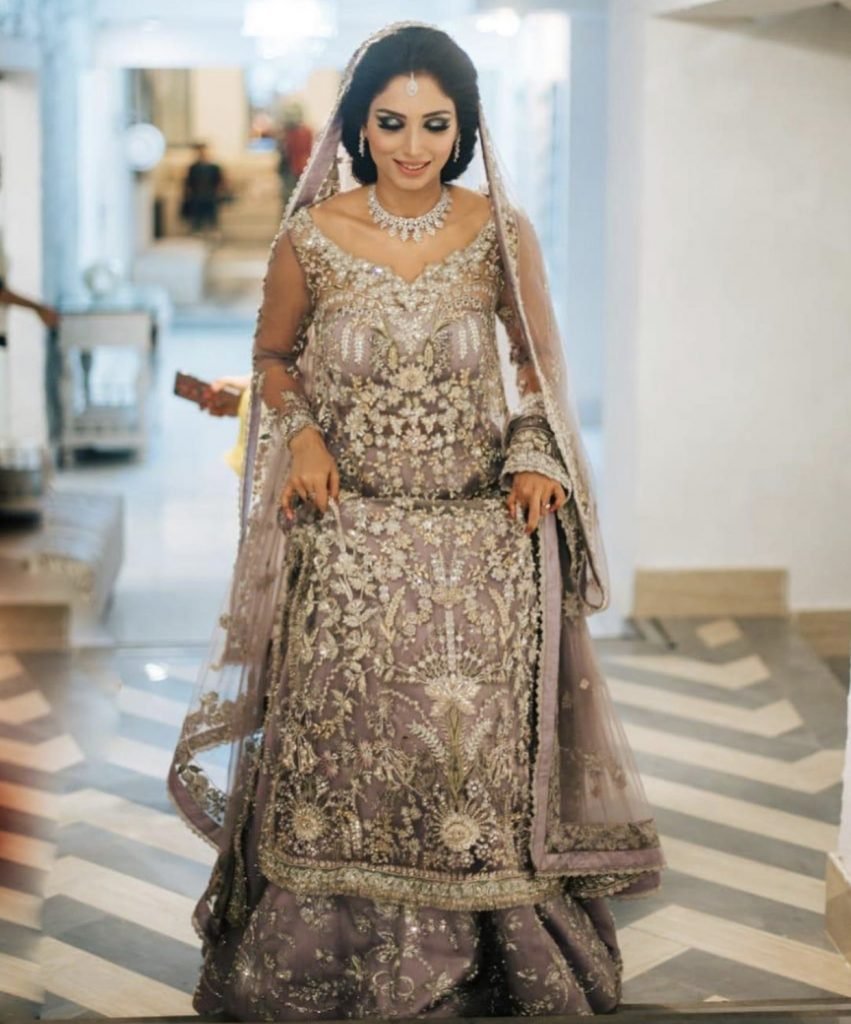
Zainab looked ethereal in a lavender outfit by Élan.
The glowing bride being escorted by her parents
Aren’t these two adorable?
Zainab tied the knot with Hamza Kardar in an intimate nikkah last month. Hamza is the son of the former finance finance minister and former governor of State Bank of Pakistan, Shahid Hafeez Kardar and the grandson of the renowned cricketer Abdul Hafeez Kardar. Zainab’s other events included a mayun and a shendi.
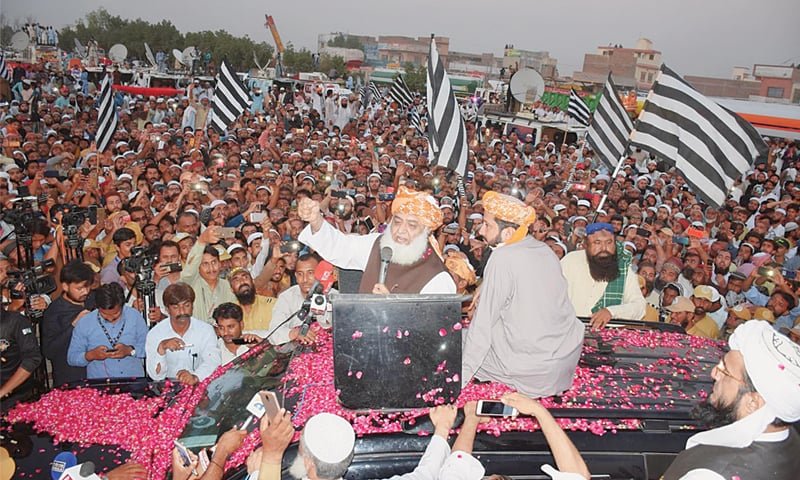
Maulana Fazlur Rehman’s ‘Azadi March’ which took place from October 31 to November 13 cost the government over Rs240 million, Rs248 million to be exact.
According to a report in Dawn, this amount is payable to contractors/vendors whose services were hired for security and other arrangements which included lodging, meal and transportation of police called from other districts.
As many as 5,000 from the capital police along with 3,000 Frontier Constabulary, 1,500 Punjab Constabulary, 2,000 from KP police and 500 from Kashmir and railway police were deployed in Islamabad during the sit-in. 550 containers were also arranged to block roads as a part of security measures and 105 vehicles, including 88 buses, were used to transport the security personnel.
The rent of a 40-foot container was Rs20,000 a day and Rs14,000 for a 20-foot container. On the other hand, the rent of a bus was Rs25,000 per day and Rs15,000 of a wagon/truck. The fuel for these vehicles cost the police Rs 20 million.
The capital police also purchased anti-riot gears to deal with confrontations, though none took place in the 13-day sit-in.
Other expenses included the rent of nine buildings hired for the force requisitioned from other provinces.
Meanwhile, Rs695.6 million were spent during PTI and PAT’s dharna in 2014.