We have all grown up playing board games like Monopoly, Scrabble, Cluedo, Snakes and Ladders, Ludo and many more, there are some new board games that are equally fun!
Board games industry has seen a resurgence. According to the BBC, industry forecasters predict the global board game market will be worth more than £9bn by 2023.
The Current recommends these three board games that you must try:
Wits & Wager
This is an extremely fun party game. It is played in seven rounds. One trivia question is asked each round, and each player gives a numerical answer to every trivia question. Players simultaneously place their written answers to the trivia question on the betting mat, and then bet on the answer they believe is closest to the right answer but not over it. The house pays players who choose the correct answer based on the odds marked on the board. The player with the most chips after the seventh question is the winner.
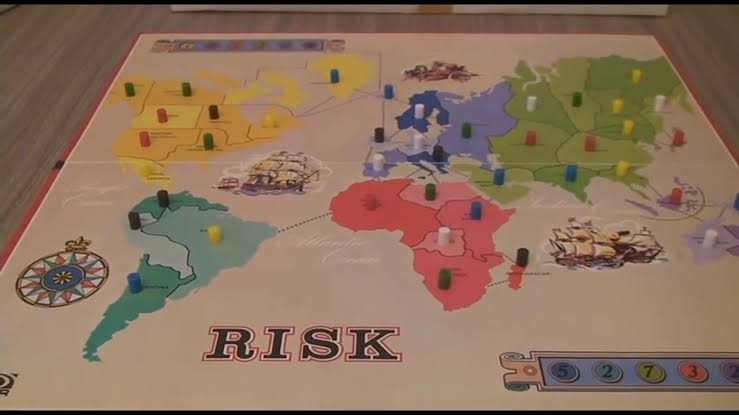
2. Risk
Risk is a game of military strategy where you acquire and defend your territory from possible attacks or takeovers. According to Rave, this “dice-rolling war game hits themes of diplomacy and conquest and will go down in history as one of the most popular board games with a major fan base of enthusiasts”.
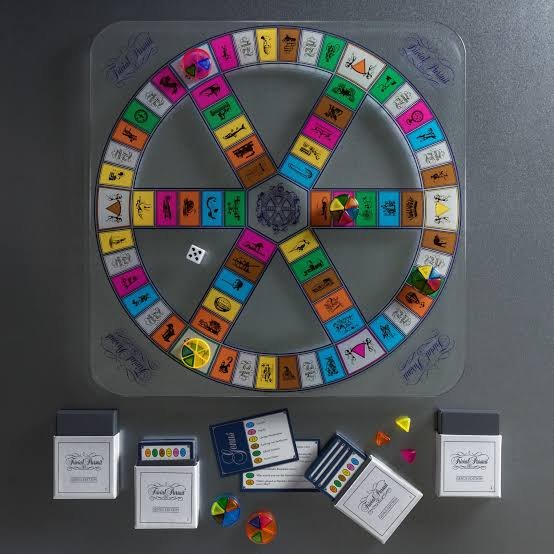
3. Trivial Pursuit
If you’re a trivia buff, this is the game for you. The object of the game is to move around the board by correctly answering trivia questions. Questions are split into six categories: Geography, Entertainment, History, Arts & Literature, Science & Nature and Sports. The game includes a board, playing pieces, question cards, a box, small plastic wedges to fit into the playing pieces, and a dice.
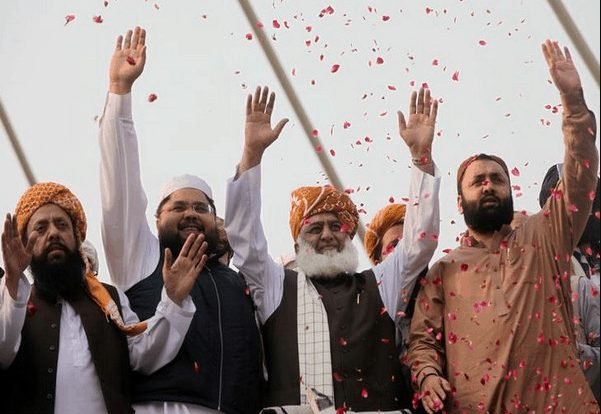
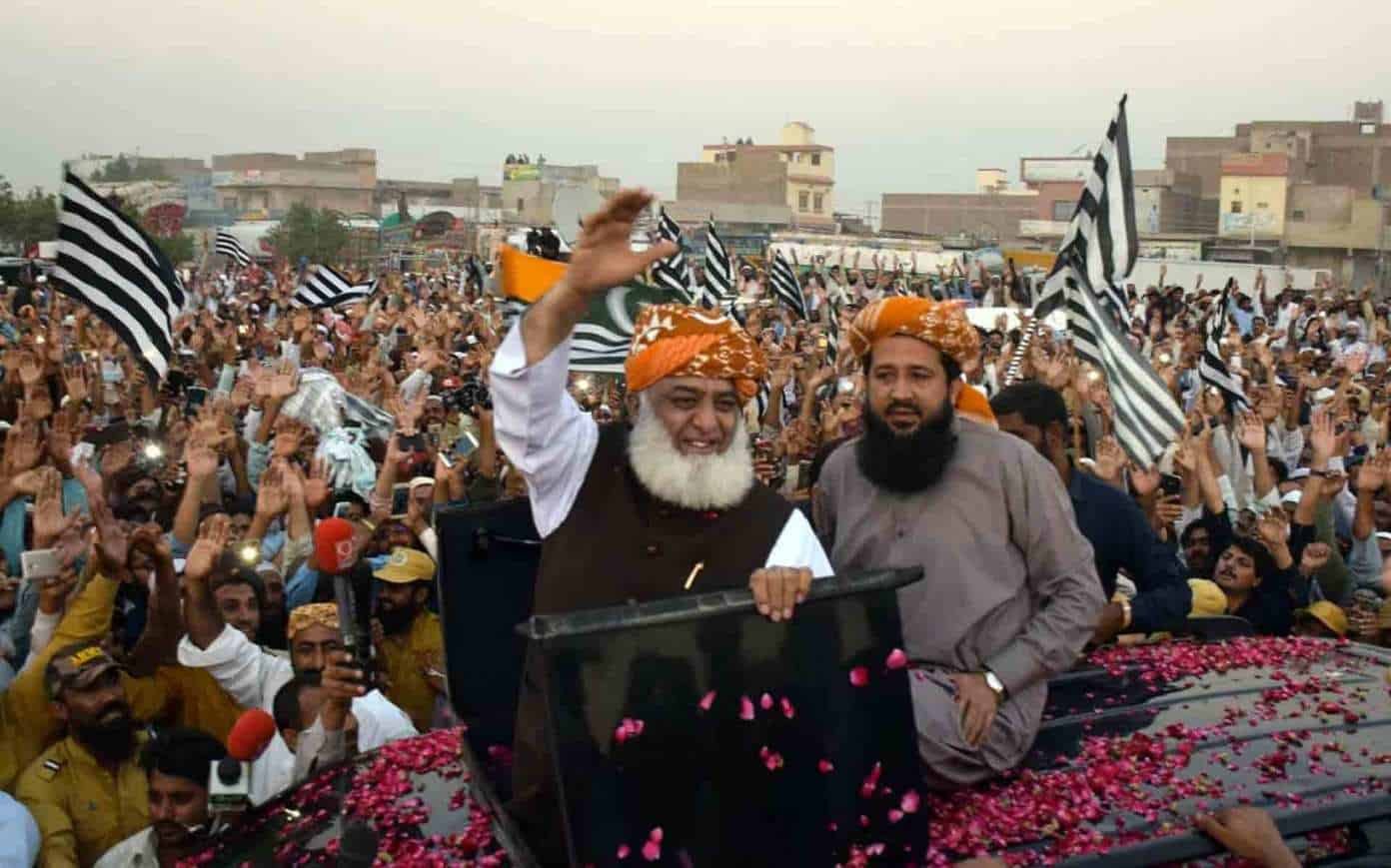
Ministry of Interior has expressed fear that terrorists can attack the ongoing ‘Azadi March’ of the Jamiat Ulema-e-Islam (JUI-F), targeting Maulana Fazlur Rehman,ARY News reported.
According to the details, the Ministry has issued a fresh alert saying that terrorists want to attack JUI-F chief and for that, they can use an explosive-laden vehicle.
The interior ministry has directed officials for the provision of Maulana’s security and has informed Home Secretaries of Punjab and Khyber Pakhtunkhwa in this regard.
Earlier on October 25, the interior ministry had issued an alert notice of possible terror attacks by banned militant outfits. The copies of the notice were also sent to chief secretaries of all province by the authorities.
The notice stated, “The protest march announced by JUI-F increased risks for the internal security of the country besides creating the situation of instability. The notice warns that anti-state elements could take benefit of the instability by targeting public gatherings”.
Dubbed the ‘Azadi’ March, the caravan, which set off from the Sindh province, left Punjab’s city Lahore on Wednesday and culminated its journey last night in Pakistan’s capital city, Islamabad.
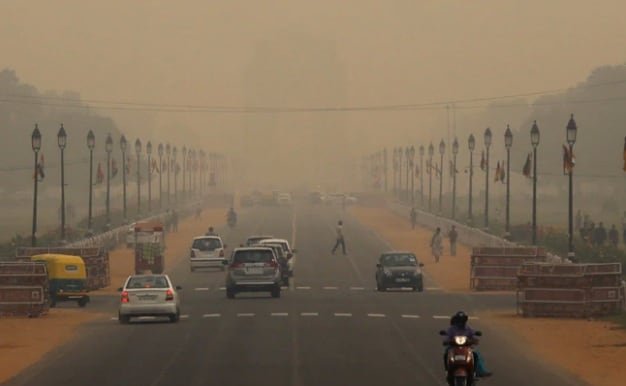
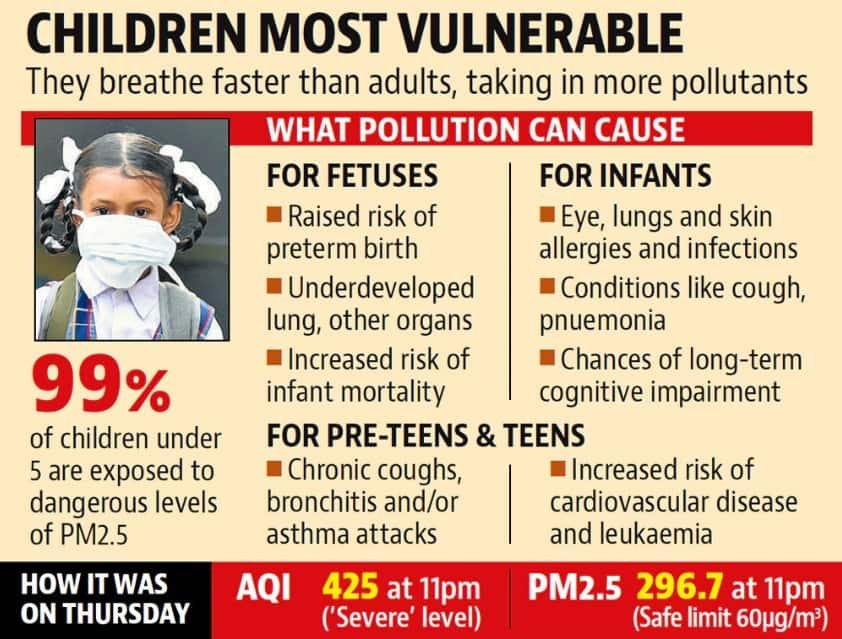
The Delhi government on Friday announced a public health emergency in the city following the deterioration in air quality in the city. The local government also directed the closure of all schools till November 5 in the interest of the health and safety of children.
According to a report in the Hindustan Times, air quality in the capital has deteriorated breaching ‘severe plus’ level and the city remained shrouded in a thick, toxic layer of smoke and haze. Many environmentalists began to refer to Delhi as an open gas chamber.
The Air Quality Index (AQI) value in Delhi was at approximately 459 at 8 am Friday morning and this is the first time that the air quality has dipped to emergency levels in the national capital this season. Such a situation was last seen in January 2019. Meanwhile, Lahore’s AQI stands at 343 according to Air Visual.
This prompted the Environment Pollution (Prevention and Control) Authority (EPA), a Supreme Court-mandated body, to declare a public health emergency. It stated that the air quality in Delhi NCR has become “hazardous” and will have adverse health impacts on all particularly the children.
Effects of smog on children
The EPA also suspended all construction activity in Delhi-NCR till November 5.
Delhi witnessed a spike in pollution after Diwali and the air quality quickly dipped in the following week with the share of stubble burning in Delhi’s pollution rising to 35 percent.
Chief Minister Kejriwal described the city as a “gas chamber” while distributing masks to schoolchildren. He also blamed the neighbouring states of Haryana and Punjab, where thousands of farmers at this time of year burn crop stubble, sending vast clouds of smoke drifting across northern India and Pakistan.
Experts have previously predicted that more crop residues are burnt around the time of Diwali since farmers can show them as incidental fires. They use the method to quickly and cheaply ready their fields for the next round of sowing.
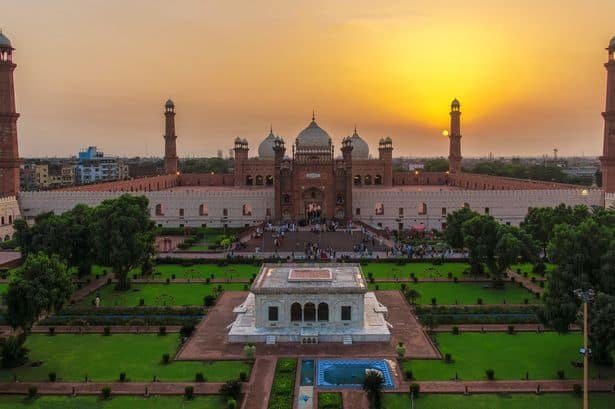
The United Nations Educational, Scientific and Cultural Organisation (UNESCO) has included Lahore in its list of cities that have been designated as Unesco Creative Cities. A total of 66 cities have been selected for 2019’s list.
The cities on the list have been selected for one particular field. While Lahore has been selected in the field of Literature, other categories include gastronomy, music, design, media arts, and film. Meanwhile, other cities on the list include Angoulême (France), Kuhmo (Finland), Wonju (Republic of Korea), Wrocław (Poland), Slemani (Iraq), Leeuwarden (the Netherlands), Beirut (Lebanon), Nanjing (China), and Odessa (Ukraine).
Unesco Director-General Audrey Azoulay made this announcement and said that this step would promote political and social innovation, particularly among the youth.
“All over the world, these cities, each in their way, make
culture a pillar – not an accessory – of their strategy,” he said.
The project is being run by Unesco’s Creative Cities to make
these places home of ideas and help in the contribution to attaining the
Sustainable Development Goals (SDGs) through innovative ideas and action.
The cities on the list have committed to support and achieve the SDGs especially those that directly benefit communities at the urban level.
The Unesco Creative Cities Network now counts a total of 246
cities. The member cities come from all continents and areas with different
populations and income levels.
Unesco representatives said the cities work together towards
a common mission. placing creativity and the creative economy at the core of
their urban development plans to make cities safe, inclusive and sustainable,
in line with the United Nations 2030 Agenda for Sustainable Development.
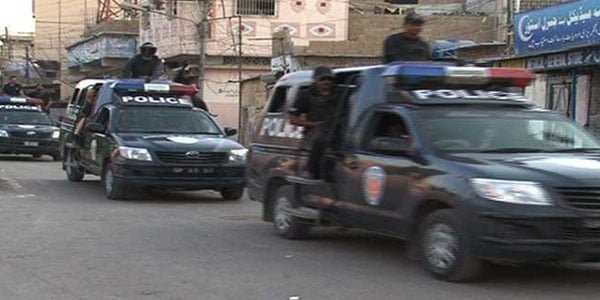
Karachi police arrested a nine-member gang of maids, involved in looting homes in the Gulshan-e-Iqbal area of the city.
According to reports, the gang was also involved in street crimes and robbed shops as well. Three laptops, 10 mobile phones, two cameras, gold jewelry, and five pistols were recovered from the group.
The police revealed that the gang operated by first sending maids to different houses following which after a few months, they robbed those houses. The group had allegedly been on the run for the past 15 years.
The police caught the gang after conducting underground operations. Five members of the gang are in police custody while others have managed to escape.
Maulana Fazalur Rehman is leading the Azadi March, which after reaching Islamabad, has demanded the Prime Minister’s resignation. Maulana has given PM Khan two days to resign or face the consequences, which include “another strategy,” and that, “we [opposition] will not be able to exercise any patience after that point.”
Khan himself, while addressing a rally in Gilgit said that, “”When Maulana Fazlur Rehman is there [in Islamabad] we have no need of foreign conspiracies,” he said, adding, “The way the Indian media is celebrating [this march], it makes it seem he [Rehman] himself is (an Indian) national.”
After Khan’s comments, almost declaring Maulana a traitor who is cohorting with India, social media exploded with memes and images of Maulana photoshopped with Modi.
In a television program when Special Assistant to the PM on the Media, Firdous Ashiq Awan was questioned about why Khan was suggesting that Maulana was a traitor, Firdous said that Khan was a Pakistani citizen and every Pakistani had a right to question who their well wishers are.
Fazlu is the Ambassador of India, in Pakistan. 1- He oppose operation against TTP. 2- He called terrorists as “Shaheed” but security forces as “dead”. 3- He called “Kashmir Jihad” terrorism. 4- He supported PTM agenda. 5- Divert attention from Kashmir issue.#FazluCreatingChaospic.twitter.com/0jMP5xmQKm
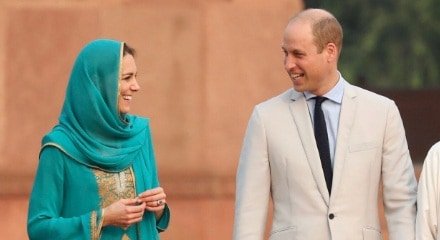
The Duke and Duchess of Cambridge, who visited Pakistan late last month, have expressed their solidarity and sadness over the tragic Tezgam train incident which shook the country on Thursday.
According to the Cambridge’s official website, “The Duke and Duchess of Cambridge sent a message of condolence to the President of Pakistan following the train fire near the town of Rahim Yar Khan in Pakistan.”
“Having just returned from visiting Pakistan, we were horrified and deeply saddened to hear about the tragic fire on the Tezgam train near Rahim Yar Khan.”
“Our thoughts and prayers are with all the people and families affected by this heartbreaking disaster,” the message added.
The Duke and Duchess of Cambridge have sent a message to the President of Pakistan following the tragic fire on the Tezgam train near Rahim Yar Khan.https://t.co/WJZocOZRCK
— The Prince and Princess of Wales (@KensingtonRoyal) October 31, 2019
Meanwhile, as per reports, the train, Tezgam, was on its way from Karachi to Rawalpindi when a gas cylinder carried by a passenger exploded, resulting in hundreds of casualties on Thursday morning. The fire destroyed three of the train’s carriages, including two economy class and one business class carriage.
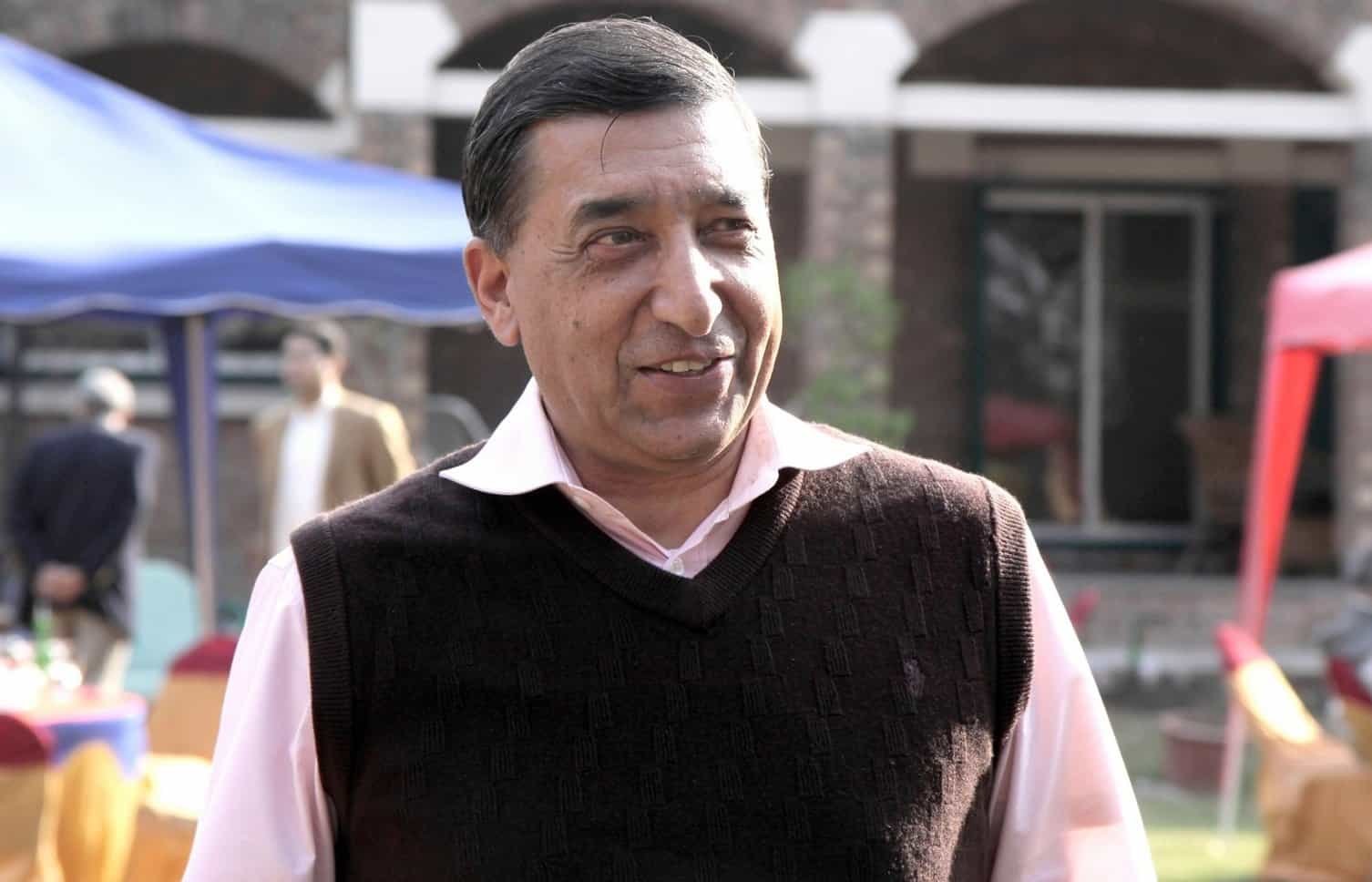
He was the arranger, the person everyone went to for help. Founding member of the PTI and one of Prime Minister Khan’s oldest friends, Khan tweeted that Qureshi had always been there for him during hard times.
Devastated by the death of one of my oldest friends Ashiq Qureshi last night. He was always there during my many setbacks in life. Was the first to stand by me when I decided to build SKMT & was a PTI founder member. Above all, he will be missed as a gentleman & great human being
A philanthropist and one of the first supporters of Shaukat Khanum Cancer Hospital, Qureshi graduated from the Pakistani Military Academy in 1971 and served as a diplomat in London and Paris. His love for cricket is well known and he was also present at the 1992 World Cup on the ground with his old friend Captain Imran Khan.
He left the foreign service and returned home and turned his attention to philanthropy in the social sector. He was also the honorary consul for France.
We are saddened by the news that Ashiq Hussain Qureshi, former Honorary Consul of France in Lahore, has passed away. He was a very respected gentleman and was awarded the Ordre National du Mérite last year. Sincere condolences to his family. pic.twitter.com/zXSYPMl3xf
His friends remember him as being a soft spoken and generous friend, one who was passionate about social work and helped veteran and youth cricket in various capacities.
A ‘devoted husband, and a loving father’, his family has released the details of his Namaz-e-Janaza and Qul.
His Namaz e Janaza will be held on Saturday, November 2nd, 11 am at the Lahore Polo Club, Race course Park, GOR 1. The Qul/dua will be held on Sunday, November 3rd at the National Cricket Academy, Gaddafi Stadium, Gulberg 3, Lahore from 3pm to 5pm.
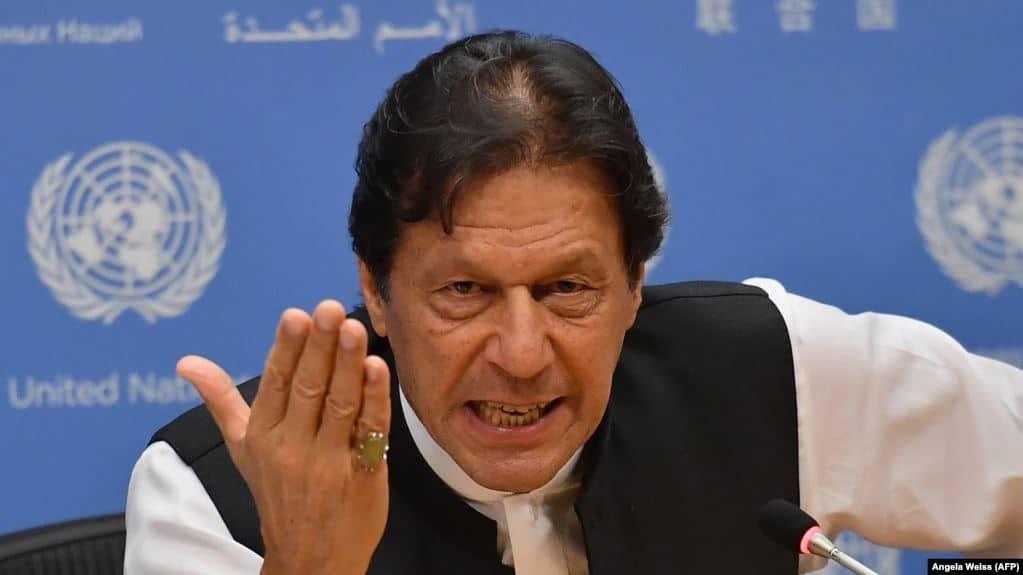
Prime Minister (PM) Imran Khan on Friday came hard on Jamiat Ulema-e-Islam-Fazl (JUI-F) chief Maulana Fazlur Rehman and said that the latter “can sell his Islam over a diesel permit or Kashmir Committee chairpersonship”.
Religio-political leader Fazl, who is also the former chairperson of the Parliamentary Special Committee on Kashmir, is currently in Islamabad as part of his Azadi March against the “illegitimate” government led by Imran.
Speaking of the JUI-F-led opposition parties’ protest in the federal capital, the premier on Friday regretted the “use of Islam for shoring up votes” as he addressed a gathering in Gilgit.
“Gone are the days when one could use Islam to gain power. This is a new Pakistan. Sit for as long as you want to. When your food runs out, we will send more. But we will not give you an NRO [National Reconciliation Ordinance],” declared the premier.
WATCH VIDEO:
“We are celebrating your independence while an Azadi March [is ongoing in Islamabad]. Who are they wishing to gain freedom from?” he asked the crowd as people in Gilgit observed their 72nd Independence Day.
“I want the media to go there and ask people who they wish to free themselves from,” said the premier, stating that all his opponents appeared disjointed in their thoughts and aims.
He also accused Fazl of being a conspirator and said that Indian media was celebrating the march that suggested the right-wing leader was “himself an Indian national”.
Newsline was always so much more than just a publishing project… it was always about making the dream of editorial integrity a reality
The announcement that the December issue of Newsline magazine would be its last, was greeted by rather emotional comments on social media from people who had been associated with the venture or somehow touched by it.
Their often emotional comments expressed a real sense of sadness and almost personal loss, and while these remarks may have seemed surprising to those unfamiliar with the Newsline project, they really resonated with those who had lived through General Zia’s — direct as well as indirect — martial law periods.
This is because Newsline was not just another publication: for those in journalism, it was a venture that symbolised hope — the hope of the triumph of the journalist over the seth or owner/proprietor/media baron.
Newsline was founded by a group of women journalists in late 1988. The team was led by Razia Bhatti, the longtime editor of The Herald, the Dawn Group monthly that was famous for its stylish production values and its hard-hitting content.
Razia, perhaps the best editor Pakistan has ever produced, was summoned by management and told it was time for her (after some two decades) to leave. This happened soon after General Zia dismissed the civilian government and announced fresh elections and it was a time when the military establishment was seeking to regain control of the political narrative and tame the increasingly outspoken media.
The editorial team was so appalled by the management’s decision to get rid of Razia that most of us opted to resign in protest and leave with her. I was a newcomer in the group (as was Tehmina Ahmed). I’d been with the team for less than a year, but my other colleagues were well-known names in the field, particularly Rehana Hakim, Samina Ibrahim and Sairah Irshad. Talat Aslam stayed on as did Zahid Hussain, our star reporter, who then joined us several months later.
Soon afterward, Razia had the bright idea that we should start our very own magazine. It seemed a complete impossibility, but we began to work on developing the idea anyway. Zia, the cause of most of our woes, had been killed in the Bahawalpur crash and within a few months of that the country’s publishing laws were liberalised and we were able to get a publishing license or ‘declaration’.
We decided we must have a controlling interest and so we invested whatever we could in the company and were also lucky enough to find some investor friends who wanted to come in not for the profit (there never were any), but because they had faith in the venture.
The first issue came out in July 1989 and the legend of Newsline gained strength with every new issue. The legend was that the journalists had won, that editorial integrity would not be compromised, that the news narrative was not tailored according to financial or political interests.
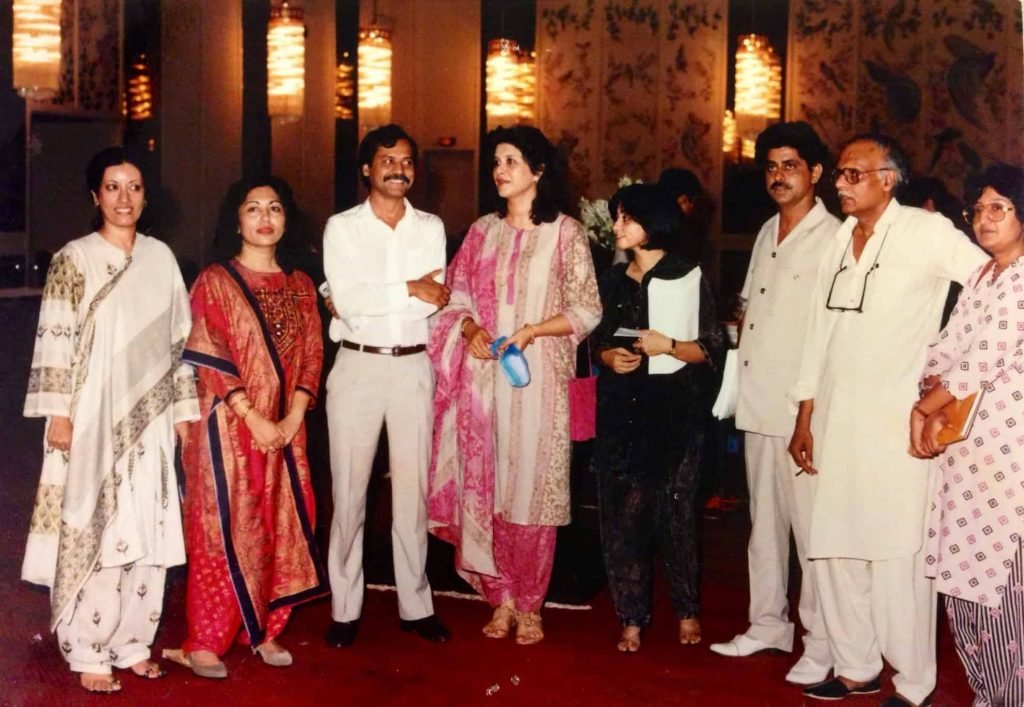
The Newsline launch, Karachi July 1989. L to R: Rehana Hakim, Razia Bhatti, Zahid Hussain, Samina Ibrahim, Umber Khairi, S.A. Baqri, Baseer Ashraf, Tehmina Ahmed
But keeping the legend alive and carrying the torch for this sort of idealism was not an easy task. Financially we struggled and the pressures we faced were many, but we carried on.
Even after Razia died suddenly in 1996, Rehana and the team kept the flame of this hope alive. The names of staffers who passed through the intense training ground that was the Newsline office reads like a Who’s Who of journalism, politics, literature and academia (Abbas Nasir, Mohammed Hanif, Nafisa Shah, Naziha Syed Ali, Marvi Memon, Kamila Shamsie to name just a few). But apart from the commitment of the core team what perhaps helped most to keep the venture alive was the support and good wishes of so many people – friends, colleagues and readers.
But eventually, we reached a stage where the magazine could no longer function as a small independent operation and we became part of a media group (again) when we sold Newsline to the HUM group. When I told a friend about this she asked, “If you sold it and it didn’t belong to you, why are you getting so worked up about it?”
She’s right of course. Legally, we no longer owned Newsline and the decision to cease publication was rightfully the owner’s, but emotionally and idealistically perhaps we will always own Newsline because it was always so much more than just a publishing project… it was always about making the dream of editorial integrity a reality.