A Canadian man of Pakistani origin was set on fire at his store in Surrey, British Columbia, on Friday.
Rahat Rao is now fighting for his life in an intensive care unit.
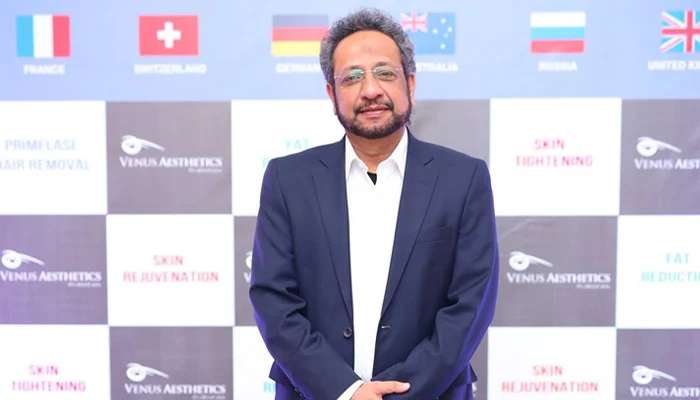
Known to be an active member of the local Canadian-Pakistani community, he was the owner of a currency exchange business in the Surrey Central area.
An initial investigation conducted by the Royal Canadian Mounted Police (RCMP) says that Rao was attacked by a man who first threw a fire accelerant on him and then escaped after setting him ablaze.
Canadian news outlet Global News talked to an eyewitness who said that she was inside the currency exchange store when a man engulfed in flames came running from the back of the business, screaming. A relative of the shop owner told her the man was set alight in a robbery attempt, she said.
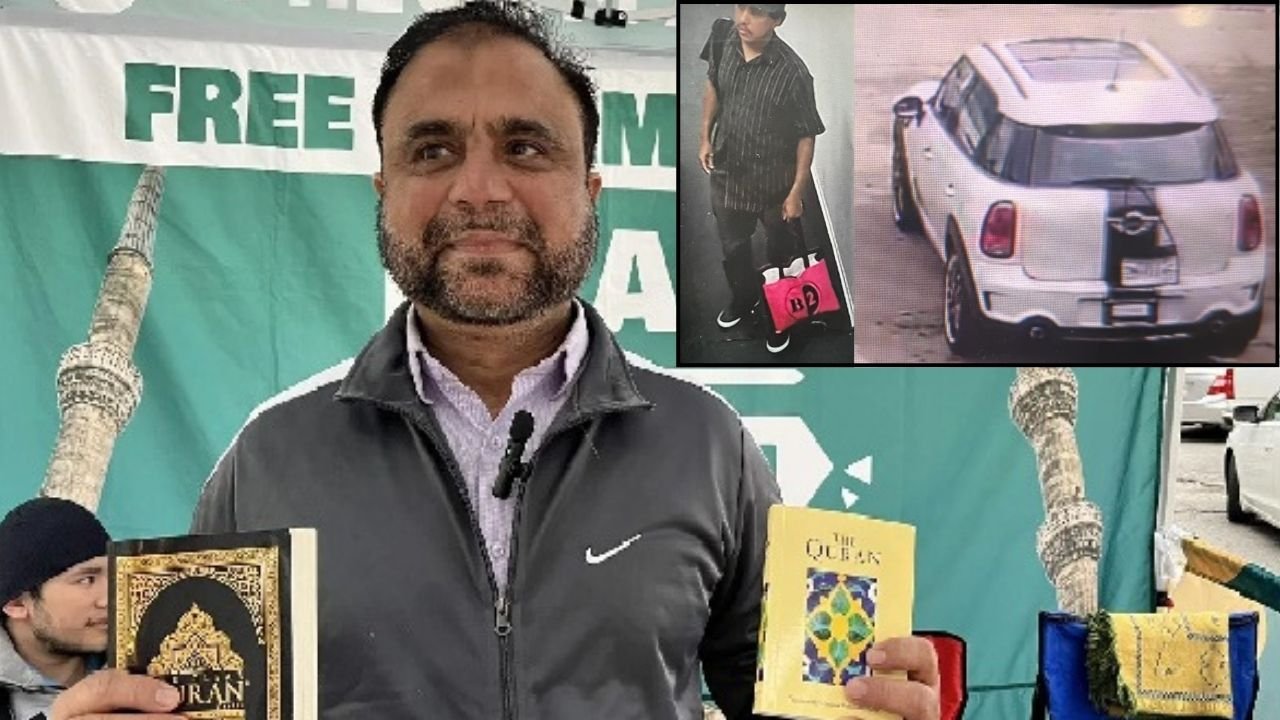
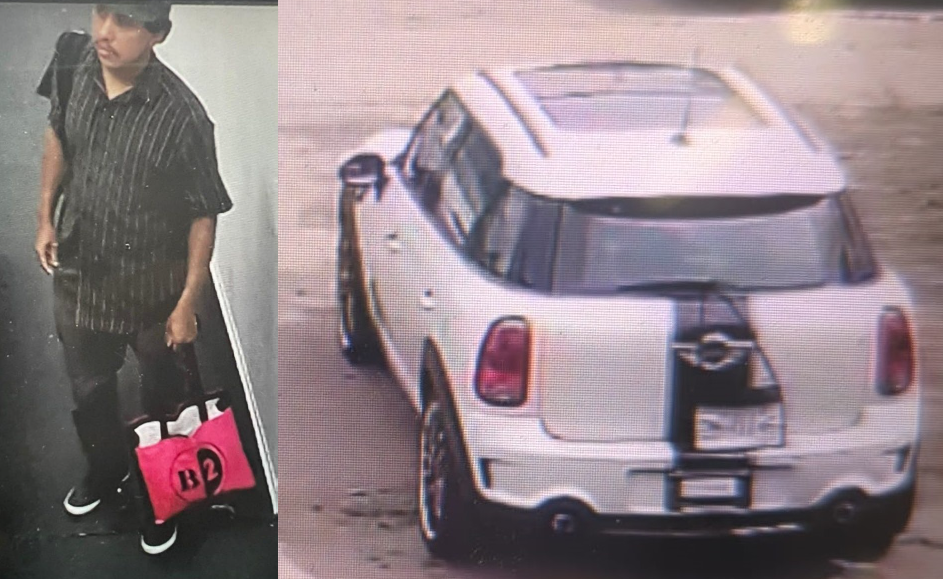
Local police have also released the photograph of the alleged attacker, presumed to be 25-year-old, and the white Mini Cooper he drives.
Dawn reports that media speculations were growing about a possible connection with the killing of Sikh activist Hardeep Singh Nijjar, who was slain in the same town last year.
Previously, the RCMP had intelligence and concerns about Rao’s safety and had told him to install more cameras.
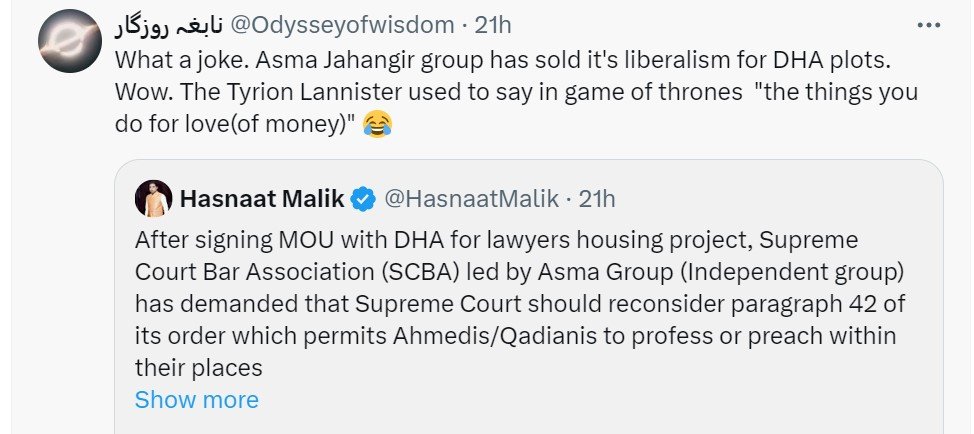
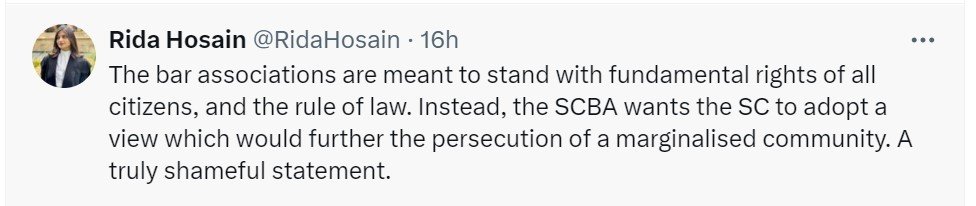
The Supreme Court Bar Association (SCBA) has called on the Supreme Court of Pakistan to reconsider its ruling regarding Ahmadis’ right to worship within their own worship places in the infamous Mubarak Sani case.
In February 2024 the Supreme Court ruled that Ahmadis, while declared non-Muslims, retain the right to profess and proliferate their religion.
The SCBA lauded the top court for declaring the minority non-Muslims but asserted that they shouldn’t even be allowed to pray privately as well because it “contradicts Islamic principles, the Quran, and Sunnah.”
Journalist Hasnaat Malik posted about this development on X, highlighting the recent memorandum of understanding (MoU) signed between the SCBA and DHA for developing the Park Road Housing Project.
The majority of social media reactions condemned the stance taken by the bar association.
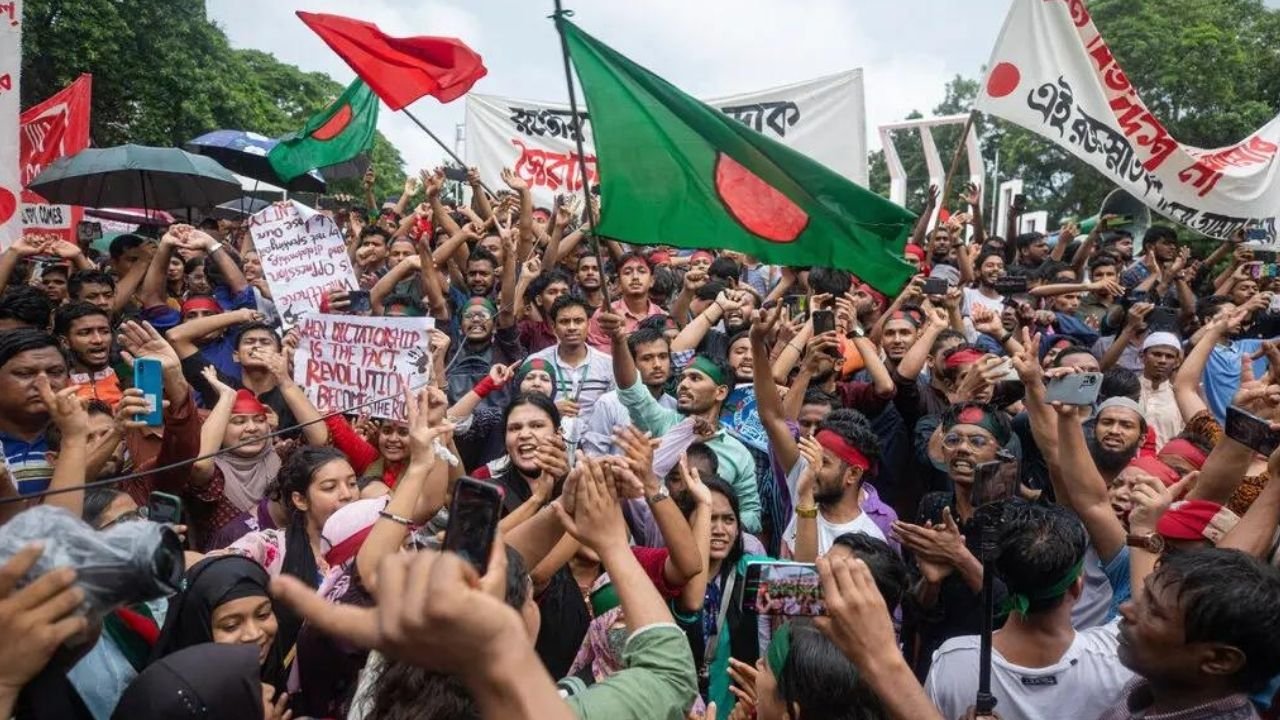
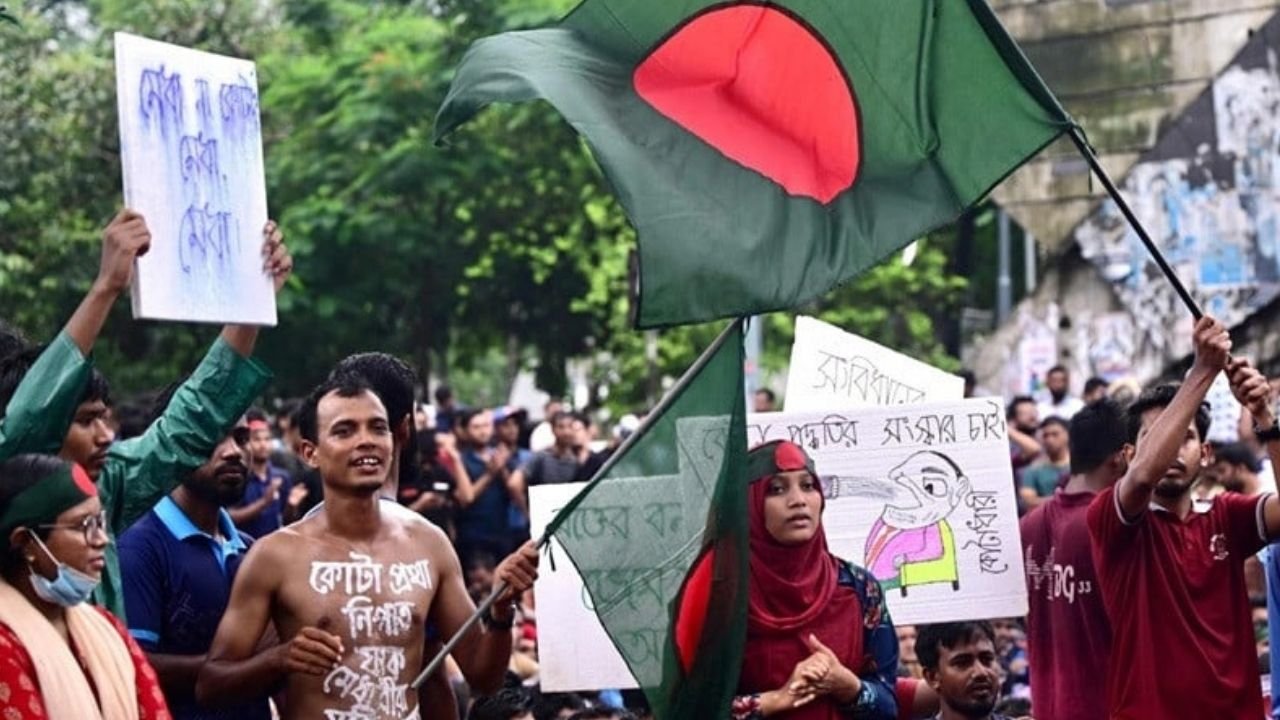
Hundreds of thousands of Bangladeshi protesters demanding Prime Minister Sheikh Hasina resign, clashed with government supporters on Sunday, with dozens killed in one of the deadliest days since demonstrations began.
Rallies that began last month against civil service job quotas have escalated into some of the worst unrest of Hasina’s 15-year rule and shifted into wider calls for the 76-year-old to step down.
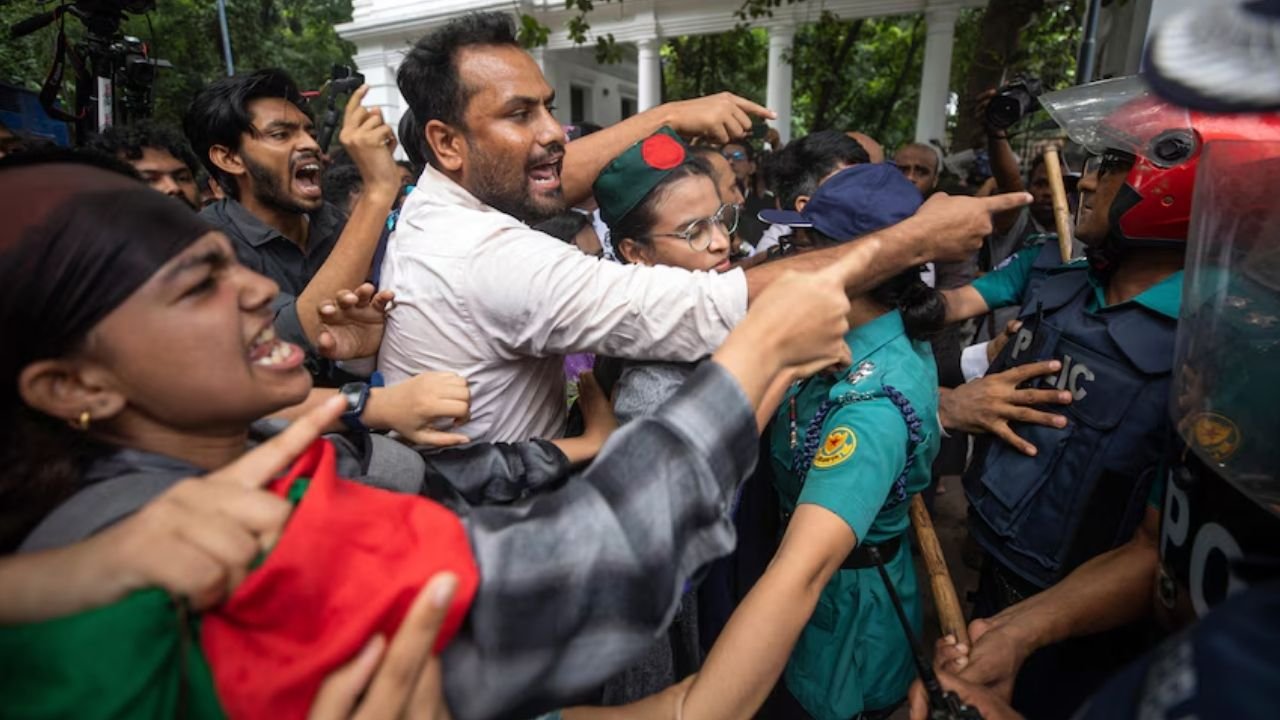
At least 91 people were killed on Sunday alone, including 14 police officers, with the rival sides battling with sticks and knives and security forces firing rifles, taking the total killed since protests began in July to at least 261.
Police said protesters attacked their officers, including storming a station in the town of Enayetpur.
“The terrorists attacked the police station and killed 11 policemen,” said Bijoy Basak, a deputy inspector general.
AFP journalists reported hearing sustained crackles of gunfire after dark on Sunday, with protesters defying a nationwide curfew.
Mobile internet was tightly restricted.
‘Final protest’
In several cases, soldiers and police did not intervene to stem the protests, unlike the past month of rallies that repeatedly ended in deadly crackdowns.
Demonstrators in the capital Dhaka, surrounded by a tightly packed and cheering crowd, waved a Bangladeshi flag on top of an armoured car as soldiers watched.
Asif Mahmud, one of the main leaders in the civil disobedience campaign, called on supporters to march on Dhaka on Monday. “Prepare bamboo sticks and liberate Bangladesh,” he wrote on Facebook on Sunday. “The time has come for the final protest,” he said.
Brought to justice
Vast crowds of protesters packed into Dhaka’s central Shahbagh Square on Sunday, with street battles in multiple sites.
“There were clashes between students and the ruling party men,” police inspector Al Helal said, adding two young men were killed in Dhaka’s Munshiganj district.
“One of the dead was hacked in his head and another had gunshot injuries.”
Another policeman, who asked not to be identified, said “the whole city has turned into a battleground”.
Two people were killed in the city of Kishioreganj, where protesters torched a ruling party office, police said.
Some former military officers have joined the student movement and ex-army chief Gen Ikbal Karim Bhuiyan turned his Facebook profile picture red in a show of support.
“We call on the incumbent government to withdraw the armed forces from the street immediately,” Bhuiyan told reporters on Sunday alongside other ex-officers, condemning “egregious killings, torture, disappearances and mass arrests”.
“Those who are responsible for pushing people of this country to a state of such an extreme misery will have to be brought to justice,” he said.
No longer about job quotas
Current army chief Waker-uz-Zaman told officers at the military headquarters in Dhaka on Saturday the “Bangladesh Army is the symbol of trust of the people”.
“It always stood by the people and will do so for the sake of people and in any need of the state,” he said, according to a statement, which did not say explicitly whether the army backed the protests.
The demonstrations attracted people from all strata of Bangladeshi society. Rap songs calling for people’s support have spread widely on social media.
“It is no longer about job quotas,” said Sakhawat, a young female protester who gave only one name, and called Hasina a “killer”.
A group of 47 manufacturers in the economically vital garment sector said they stood in “solidarity” with the protesters.
Obaidul Quader, general secretary of the ruling Awami League, has called on party activists to gather “in every district” nationwide to show their support for the government.
The unrest began in July over the reintroduction of the quota scheme, which reserved more than half of all government jobs for certain groups. It has since been scaled back by the country’s top court.
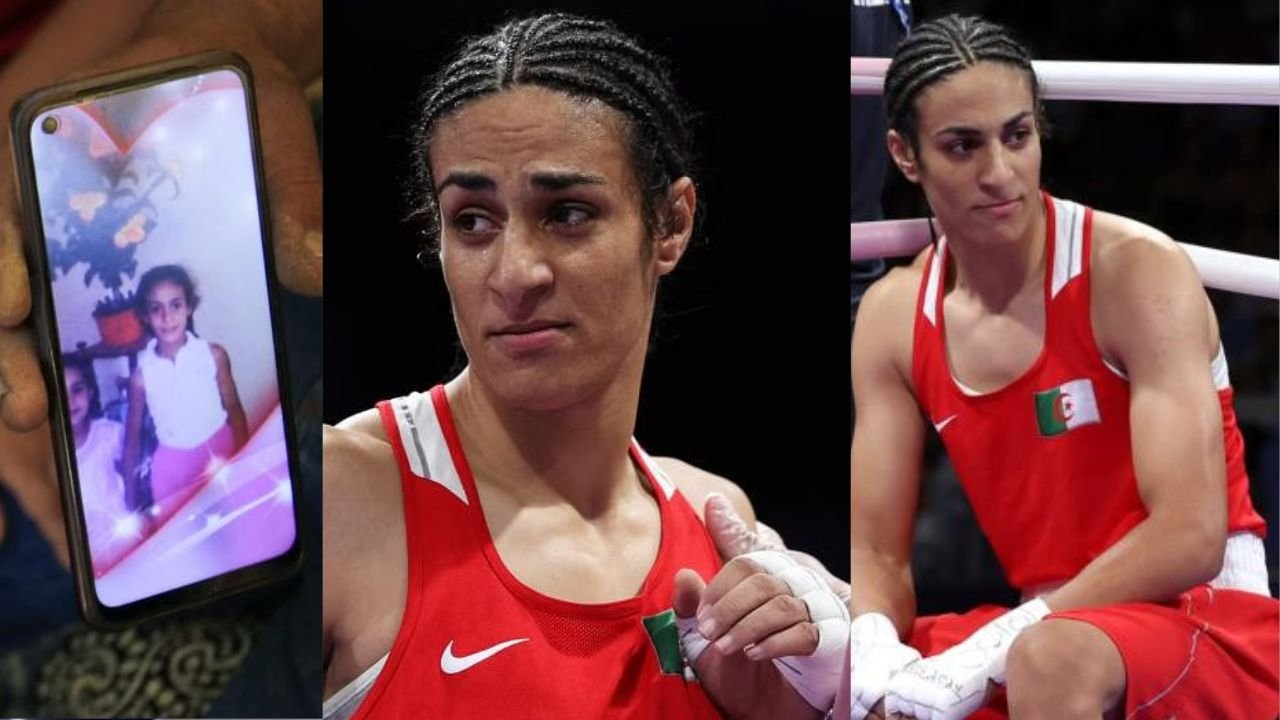
Born in a poor village some 300 kilometres from Algiers, boxer Imane Khelif had to overcome obstacles in a conservative country where women are considered unfit for the sport.
With braided hair and a powerful 1.79 metre (5 foot 9 inch) physique, the 25-year-old is the object of a Paris Olympic Games gender controversy.
With smiles and a soft voice, Imane told her story on television channel Canal Algerie one month before the start of the games.
“Our village was around 10 kilometres from the centre (of Tiaret, 280 kilometres southwest of Algiers). I moved from the village to the city. From the city to the capital. From the capital to abroad,” she said.
From a family of limited means, she spoke of the difficulty of her life in “a village of conservative people” in Tiaret’s semi-desert surroundings.
“I came from a conservative family. Boxing is not a widely-practised sport by women, especially in Algeria. It was difficult.”
Already a strong athlete, she played football with the boys in her village of Biban Mesbah — but beating boys in matches brought on fights where she fought back with punches.
These fights lead her to boxing.
In an interview with UNICEF, she said she used to sell scrap metal and her mother sold homemade couscous to pay for bus tickets to Tiaret.
Imane’s father at first did not approve of her decision to pursue boxing, but he eventually became one of her biggest fans.
The 49-year-old unemployed welder told AFP that his daughter is “an example of the Algerian woman, a heroine of Algeria”.
He hailed “her strong will to work and to train”, in an interview with AFP on Friday.
In 2022, Imane told the Algerian news agency APS that she had considered giving up boxing “because my family did not accept the idea, and because of how society looked at me, considering that I was doing something wrong.”
But “all these barriers made me even stronger and were an extra motivation to achieve my dreams.”
She also expressed her determination in an interview on the UNICEF website, where she said her “dream is to win a gold medal”.
“If I win, mothers and fathers will be able to see how far their children can go,” she said. “I want to inspire girls and children in Algeria.”
Imane’s international career took off with her participation in the lightweight category in the 2020 summer Olympic Games in Tokyo — postponed to 2021 — where she won fifth place after losing in the quarter finals to Ireland’s Kellie Harlington.
“Everything changed for the better, especially as my country’s flag flew and its hymn played in many countries throughout the world”, she explained.
In 2023, she made it to the semi-finals of the women’s amateur boxing world championships in New Delhi, India.
However, she was disqualified following unspecified gender eligibility testing by the International Boxing Association, which is not recognised by the International Olympic Committee (IOC).
After her match against Italian opponent Angela Carini this week in the Paris Games — whom she beat in less than a minute — Imane was targeted by online harassment and racism, where far-right publications insinuated that she was “a man fighting women”.
Her father has dismissed aspersions about her gender, saying she is “a strong and courageous girl.”
And the IOC has supported her participation, amid the furore over Khelif and another woman boxer also disqualified from last year’s world championships.
“All of the competitors respect the eligibility rules for the competitions,” said Mark Adams, IOC spokesman, adding that it had “established that these are women.”
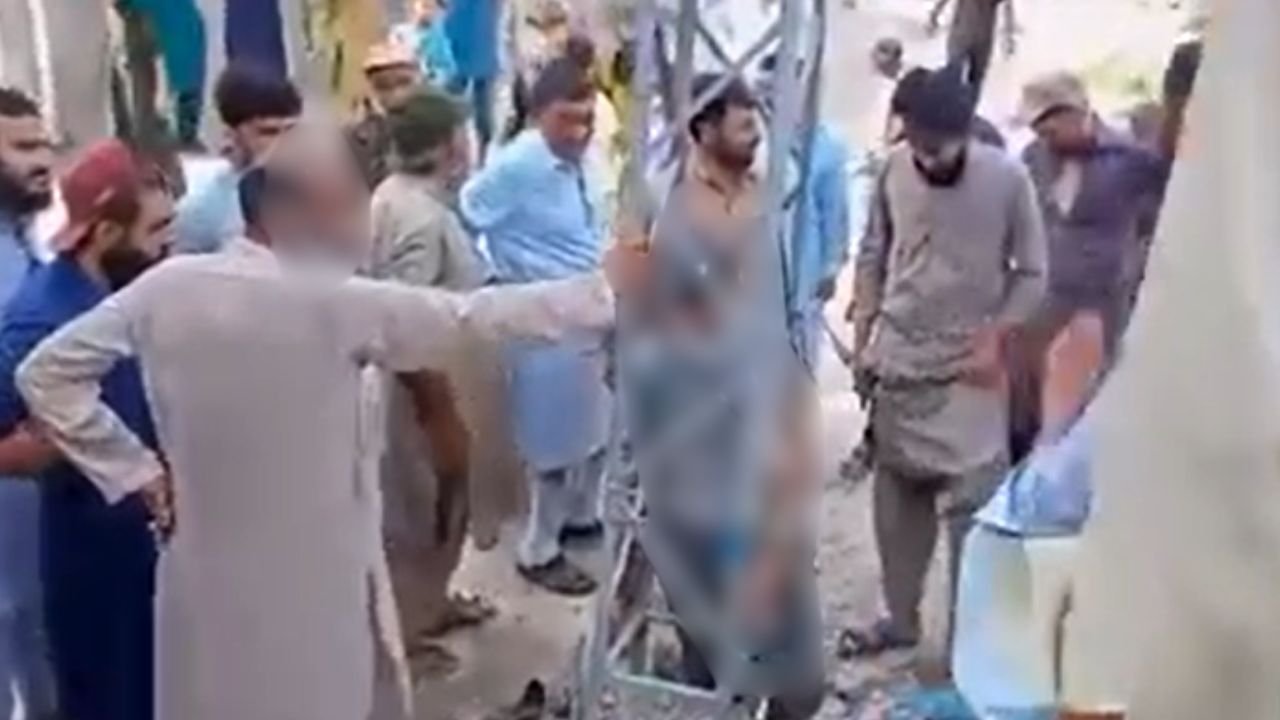
A mentally challenged person in Rawalpindi was tied to a pole and assaulted by several people, including a traffic warden. As the video went viral, police took action and arrested four people, including the warden.
The incident took place in the Race Course area. Police said that the traffic warden also beat up the victim, promising that departmental action will be taken against him. Raids are going on to arrest the other suspects.
A case has been registered against the suspects in the Race Course police station.
Use of Virtual Private Network (VPN) is a must in Pakistan where many sites are blocked by the state including a site as important as X (formerly Twitter).
While the irony is that the site is very actively used by both government officials and the public, it’s still used via VPNs.
A VPN establishes a digital connection between your device and a remote server owned by a VPN provider, creating a point-to-point tunnel that encrypts your data, masks your IP address, and lets you bypass website blocks and firewalls on the internet.
To ensure that online experiences are safer, more accessible and more secure, we bring you a list of VPNs that are best for Pakistanis to use:
ExpressVPN
High-Speed Servers: Offers fast, reliable performance that is ideal for streaming and browsing.
Robust Security: Utilizes AES-256 encryption, a kill switch, DNS/IPv6 leak protection, and trusted server technology for enhanced privacy.
User-Friendly: Simple setup and intuitive apps across various devices.
Bypass Censorship: Effectively circumvents geo-restrictions and online censorship.
Advanced Protocols: Includes Lightway protocol for speed and reliability.
24/7 Support: Accessible customer service via live chat and email.
NordVPN
Extensive Server Network: Over 5,000 servers in 60 countries, offering diverse and fast connections.
Double VPN & NordLynx: Double VPN is for extra encryption, and NordLynx (based on WireGuard) is for high speeds.
Strong Privacy: No-logs policy, CyberSec ad blocker, and Onion over VPN for added privacy.
Obfuscated Servers: Hides VPN usage to bypass sophisticated censorship.
Dedicated IP: Option for a static IP address for specific uses.
User-Friendly: Intuitive interface and reliable performance.
Surfshark
Affordable: Competitive pricing with feature-rich plans.
Unlimited Devices: Allows unlimited simultaneous connections on one account.
Robust Security: AES-256 encryption, CleanWeb ad blocker, and MultiHop for double VPN.
Camouflage Mode: Conceals VPN usage to avoid detection.
NoBorders Mode: Facilitates use in highly restrictive environments.
Whitelisted Feature: Customizes VPN usage for specific apps or websites.
CyberGhost
User-Friendly: Easy-to-use interface with straightforward setup.
Dedicated Streaming Servers: Optimized servers for streaming platforms and bypassing geo-blocks.
Strong Privacy: No-logs policy, NoSpy servers in the company’s data centres, and multi-layer encryption.
Streaming Profiles: Configures VPN settings for various activities like streaming or torrenting.
Secure Wi-Fi: Automatic activation of VPN on unsecured networks for added protection.
Private Internet Access (PIA)
Customizable Settings: Offers extensive options for encryption and protocols.
Strong Privacy: No-logs policy and MACE ad/tracker blocker for enhanced privacy.
Affordable Plans: Cost-effective with flexible payment options, including cryptocurrencies.
Port Forwarding: Improves performance and access to specific services.
Transparency: Regular security audits and a commitment to operational transparency.
Extra VPNs that claim to be reasonable and secure are:
PureVPN
Global Network: Extensive server locations in 140+ countries.
Strong Encryption: AES-256 encryption and secure protocols.
Streaming and Bypassing: Effective at unblocking popular streaming services.
Dedicated IP Option: Available for specific needs.
Ivacy
Affordable Plans: Cost-effective with good features for the price.
Strong Privacy: No-logs policy and robust security.
Wide Server Coverage: Servers in numerous locations worldwide.
Split Tunneling: Allows traffic routing through or bypassing the VPN.
In footage that went viral on social media platform X, MPA Iqbal Wazir of Pakistan Tehreek-e-Insaf Parliamentarians (PTI-P) can be seen giving a slurred speech in the Khyber Pakhtunkhwa (KP) Assembly while speaker Babar Saleem Swabi calls him “drunk.”
“Iqbal Wazir’s behaviour is not appropriate,” exclaimed the speaker, before calling the sergeant-at-arms to kick him out of the premises. Meanwhile, a verbal spat continued between Wazir and other members of the KP Assembly.
“He is not in his senses,” the speaker can be heard saying in the small clip.
In a new twist to the story, police claim that the murder of Pakistan Tehreek-e-Insaf (PTI) founding member Dr Shahid Siddique was planned by his son.
Siddique was shot dead in Valencia Town, Lahore, on August 2 when he was returning from the mosque after offering Friday prayers. His son was present at the crime scene but remained unhurt.
Police alleged that Siddique’s son, Qayyum, planned his father’s murder with a friend because he wasn’t allowed to marry a girl of his choice by his father.
Qayyum had made a deal of Rs. 5 million for the murder of his father in January for the same reason, said police, adding he paid Rs20 million for the second attack on Siddiqui. Dr Shahid was attacked in January as well, but police remained unsuccessful in finding the culprits at the time.
Police said that the same son who was the mastermind behind the murder led his father’s funeral prayer.
Previous
One of Pakistan Tehreek-e-Insaf (PTI)’s founding members, Dr Shahid Siddique, was shot dead in Valencia Town, Lahore, yesterday as he returned from the mosque after offering Friday prayers.
As he was returning from the Khizra Mosque in the H-block of Valencia Town, an unknown man approached him and opened fire.
The victim suffered four bullet wounds and was taken to a nearby hospital where he passed away.
IG Punjab Usman Anwar ordered immediate action to arrest the perpetrator(s) and sought a detailed report from DIG Operations.
PTI leaders expressed shock and condemned the incident, with Zulfi Bukhari saying that he was “devastated to learn the assassination of Dr Siddique.”
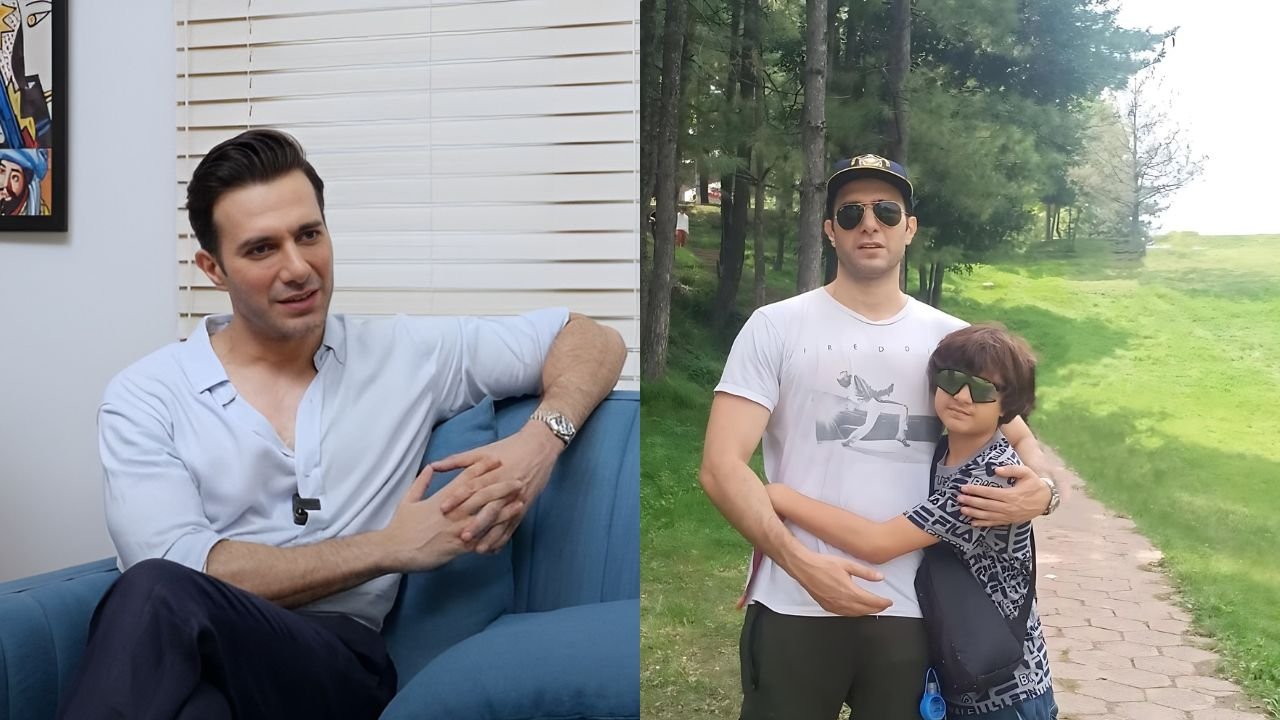
Actor and model Emmad Irfani has captivated audiences for years with his looks and remarkable acting talent.
Recently, Irfani appeared as a guest on Haute Talk, hosted by Amna Isani. During the interview, the host asked the former supermodel about the tragic death of his son. “You went through a personal tragedy, and I don’t know how comfortable you are talking about it, but could you share how it impacted your work?”
Getting emotional about his son Zaviyar’s passing, Emmad replied, “Yes, his death did affect my work. And I will just say don’t cry because it’s worse, smile because it just happened. He was an angel sent from the heavens. Before that, I think he taught me a lot about life; before that, I was snowboarding through life. After becoming a father, I realized why I was here, and I believe that this is the power of true unconditional love. You work on yourself, you become better, and you realize that there are people who depend on you. He came for a specific purpose, and he wanted to tell me to make something out of myself.”
The actor said that he has changed since the incident, becoming a different person. “Although this is a major setback and there can never be healing, I have learned that one may move on in life by using their work as therapy. Work and time have the ability to heal,” Irfani said.
Currently Emmad Irfani is starring in Kabhi Main Kabhi Tum, which airs every Monday and Tuesday at 8:00 PM on ARY Digital. The drama is written by Farhat Ishtiaq, directed by Badar Mehmood, and produced by Big Bang Entertainment.
The Federal Investigation Agency (FIA) has made significant strides in investigating Punjab’s Information Minister Azma Bukhari’s fake videos, which circulated online last week.
A Joint Investigation Team (JIT) has been formed, with Assistant Director Rana Shawaz leading the team and in charge of handling the case.
Samaa News reported that the JIT has successfully traced the culprits behind the video and they will be apprehended soon. The FIA also used sources of NADRA in identifying the social media accounts involved.
Meanwhile, the FIA’s cybercrime wing has summoned Falak Javed, an activist of Pakistan Tehreek-e-Insaf (PTI), in connection with the case. However, she did not appear for questioning.