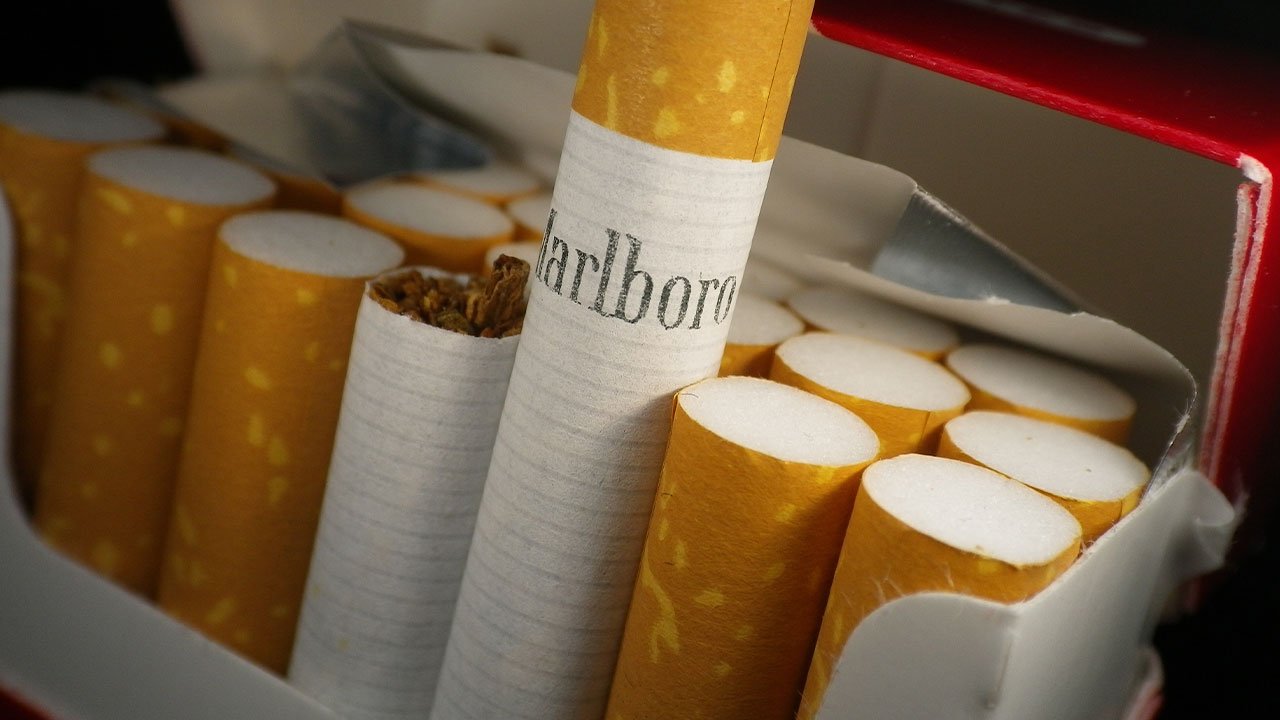
Amid the increase in trade of non-duty-paid cigarettes, representatives from the Pakistan Tobacco Company (PTC) on Monday expressed profound apprehensions regarding the sustainability of their business.
They attributed their concerns to ‘inappropriate’ policy measures.
The recently released data from the Pakistan Bureau of Statistics (PBS) Large Scale Manufacturing (LSM) Index unveiled a significant and alarming trend within the legitimate tobacco sector.
According to the report, the production of the legitimate tobacco sector experienced a forty-fold decline compared to the overall LSM output between July 2023 and November 2023.
Interestingly, despite this decline, the consumption of cigarettes has remained stagnant.
This troubling trend highlights the adverse impact of policy decisions that disproportionately affect the legitimate tobacco industry.
The representatives emphasised the necessity for a comprehensive and balanced approach to ensure a level playing field for the sector, ultimately securing its long-term sustainability.
Despite the implementation of a Track and Trace System (TTS), the representatives pointed out the rising incidence of fake stamps being affixed to counterfeit packs of leading cigarette brands.
According to APP, Qasim Tariq, Senior Business Development Manager, revealed that approximately 850 million counterfeit cigarette sticks are currently being sold across Pakistan, resulting in a substantial loss of around Rs5.7 billion.
This rise in counterfeiting raises serious questions about the efficacy of the much-lauded track and trace system, which is yet to be implemented across local cigarette manufacturers in Pakistan and Azad Jammu and Kashmir (AJK).
The representatives urged law enforcement agencies (LEAs) to conduct extensive enforcement at the retail level to tackle this growing menace.
Additionally, the representatives expressed concerns about a recent misleading report circulating in the media regarding missed revenue collection by the Federal Board of Revenue (FBR).
They refuted the claims in the report, stating that they are not only false but also raise questions about the intentions behind publishing such information.
The report suggested that the illicit sector is less than 10 per cent across Pakistan, contradicting the FBR’s claim of illicit trade being over 36.5 per cent for the period in question.
Furthermore, the report alleged that government revenue declined due to fiscal changes in the excise structure but failed to present the complete picture.
The representatives clarified that from 2012–16, the government switched to a 2-tier structure from a 3-tier structure, causing revenues to fall by more than 25 per cent.
The subsequent increase in excise in 2015-16 led to illicit trade hovering close to 50 per cent of the market. To combat this, the government reintroduced a 3-tier system, increasing revenues by more than 40 per cent and discouraging the illicit cigarette trade.
The representatives emphasised the need for an extensive government-led national anti-illicit trade strategy, effective fiscal measures, and strict enforcement against illicit trade across the value chain, with a key focus on the retail level.