Tag: trade relations

  • Understanding GSP+ status: What it means for Pakistan’s trade relations

    Understanding GSP+ status: What it means for Pakistan’s trade relations

    The Pakistan Tehreek-e-Insaf (PTI) has vehemently dismissed accusations levelled by Federal Information Minister Attaullah Tarar, labelling them as unfounded and baseless.

    In a statement issued today, the PTI refuted claims made by Tarar, asserting that they are nothing but a concoction of falsehoods and rhetoric aimed at maligning the party’s reputation.

    Earlier, Tarar had accused the PTI of plotting to undermine Pakistan’s Generalised Scheme of Preferences Plus (GSP+) status.

    He alleged that the party’s spokespersons were actively engaged in activities detrimental to the country’s interests under the directives issued from confinement.

    Understanding GSP+ and its significance for Pakistan’s economy

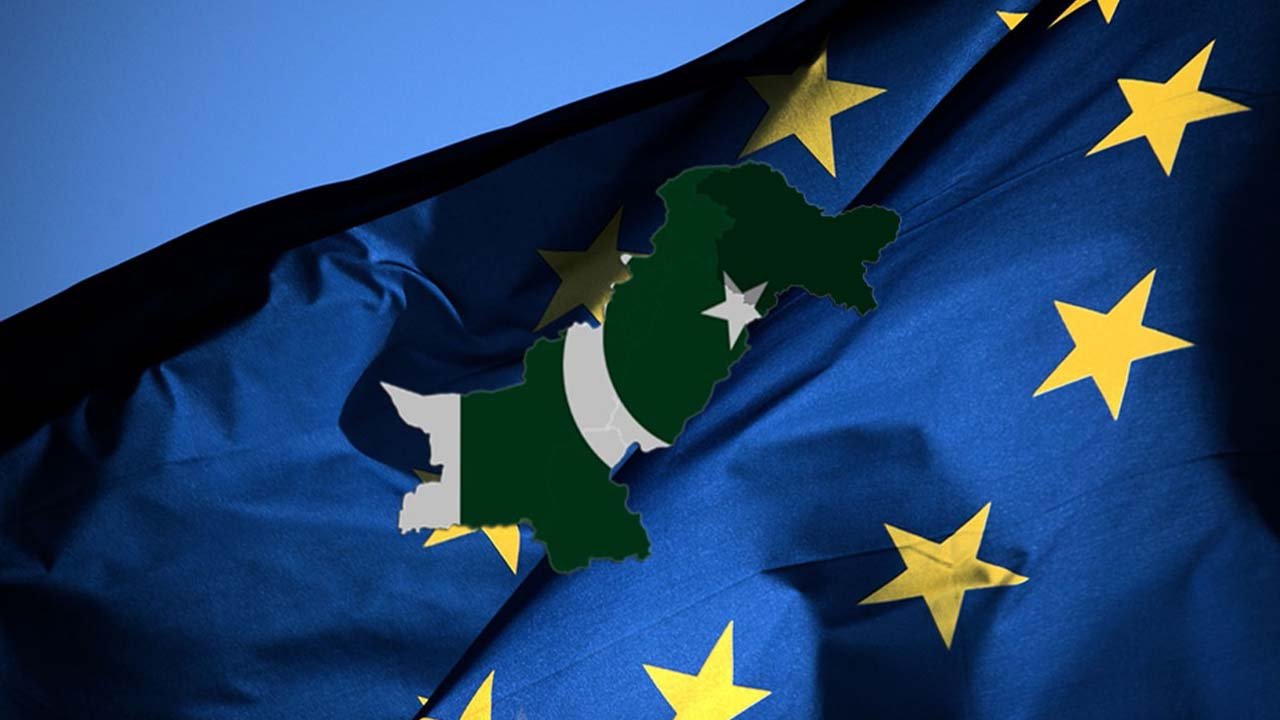
    The GSP+ status, a cornerstone of Pakistan’s trade relations with the European Union (EU), holds significant importance for the nation’s economy.

    Under this scheme, selected developing countries, including Pakistan, receive extensive trade concessions aimed at fostering sustainable development and good governance practices.

    The European Union’s GSP+ Scheme is founded on the effective implementation of 27 United Nations conventions covering various aspects such as human rights, labour rights, climate change, narcotics control, and corruption.

    Once granted GSP+ status, beneficiary countries are subject to rigorous monitoring to ensure compliance with the stipulated conventions and reporting requirements.

    The dialogue on GSP+ compliance involves various stakeholders, including international monitoring bodies, civil society, trade unions, and businesses.

    Regular monitoring visits are conducted by the EU to assess the progress of beneficiary countries in addressing the outlined issues.

    The significance of GSP+ for Pakistan’s economy cannot be overstated, particularly for its textile industry and workforce.

    Over the past decade, Pakistan has witnessed a notable increase in exports to the EU, accompanied by a surge in EU imports, owing to the preferential treatment offered under the GSP+ scheme.

  • iPhone 16 batteries to be primarily manufactured in India

    iPhone 16 batteries to be primarily manufactured in India

    In a strategic manoeuvre aimed at reducing its reliance on China, Apple has reportedly communicated a strong preference for manufacturing iPhone 16 batteries in India.

    As part of this initiative, an existing Indian battery supplier has been encouraged to scale up production, while Chinese suppliers, including Desay and Simplo Technology, have received directives to establish battery factories within India.

    Additionally, Japanese battery supplier TDK is gearing up for its own production facility in the country.

    This significant shift in strategy deviates from the original decision made by Steve Jobs to centralize most of Apple’s manufacturing operations in China, a move that was previously lauded as a key achievement by Tim Cook during his tenure as COO. 

    The change reflects a growing recognition of the strategic risks associated with being overly dependent on a single country, evident in events such as the COVID-19 pandemic and ongoing geopolitical tensions between the US and China.

    The multifaceted rationale behind this move includes concerns about the impact of global events on manufacturing capacity, the unpredictability of trade relations between major economies, and the reputational challenges posed by close associations with a country facing human rights criticisms.

    Apple’s decision aligns with a broader industry trend of diversifying manufacturing locations to mitigate risks associated with geopolitical and economic uncertainties.

    Notably, the company aims to prioritise Indian production for iPhone 16 batteries, with local government support evident in a Japanese supplier, TDK, establishing a significant facility in Manesar, Haryana.

    While this facility is expected to begin production in 2025, post-iPhone 16 release, it signifies a strategic commitment to bolstering the electronics manufacturing ecosystem in India.

    Apple’s move underlines the industry’s evolving approach to supply chain management in response to a dynamic global landscape.

  • Pakistan and Saudi Arabia reach consensus on long-awaited GCC free trade agreement

    Pakistan and Saudi Arabia reach consensus on long-awaited GCC free trade agreement

    Pakistan’s Commerce and Industries Minister, Dr Gohar Ejaz, led an official delegation to Saudi Arabia. The delegation included secretaries from the Ministry of Commerce, the Board of Investment (BOI), and officials from the Attorney General’s Office. 

    They engaged in discussions with the GCC Chief Negotiator to finalise the investment-related aspects of the Gulf Cooperation Council (GCC) Free Trade Agreement (FTA). Technical teams delved into details such as investment protection and facilitation. 

    Dr Ejaz expressed optimism about strengthening economic ties and highlighted the significance of the investment chapter. 

    The GCC FTA is anticipated to enhance trade, investment, and job opportunities between Pakistan and the GCC. 

    Both parties are considering a joint business forum to further promote economic collaboration, and Dr Ejaz expressed gratitude for the warm hospitality extended by the GCC.

  • Pakistan and Gulf Cooperation Council sign historic free trade agreement 

    Pakistan and Gulf Cooperation Council sign historic free trade agreement 

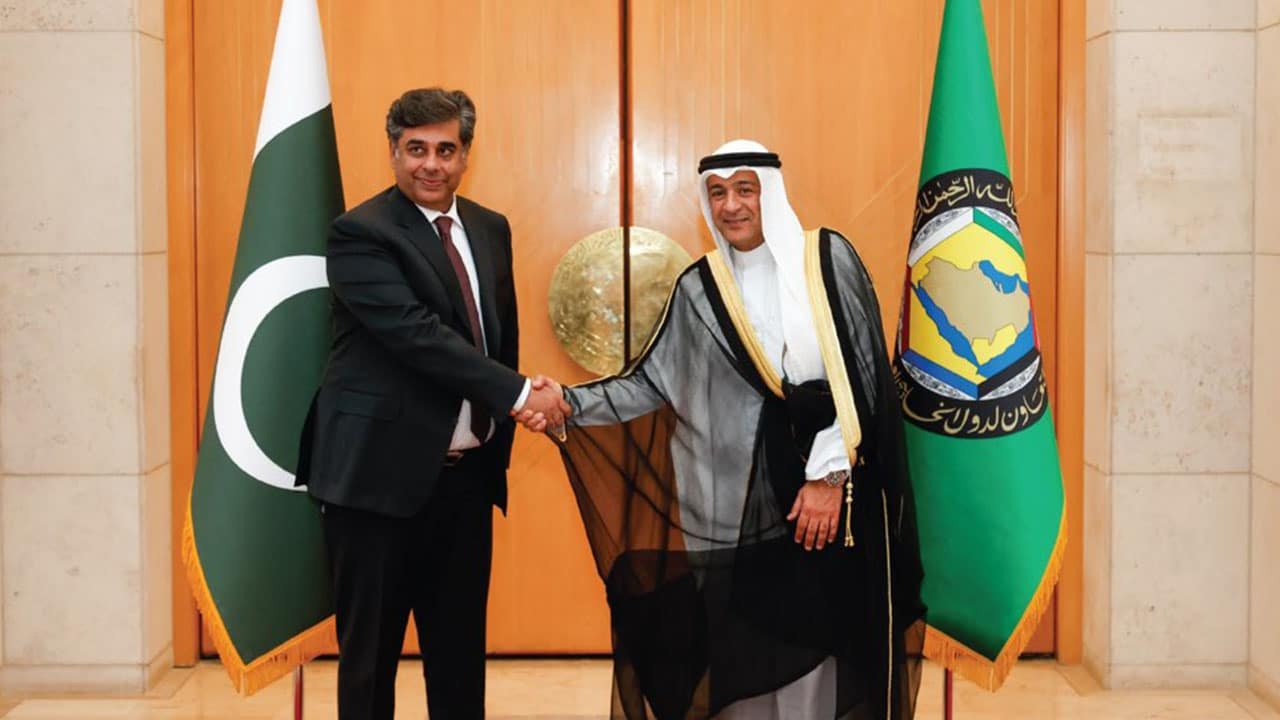
    Pakistan and the Gulf Cooperation Council (GCC) have officially initiated a comprehensive free trade agreement, as announced by the GCC through its communication platform, X. 

    The formal signing ceremony was conducted with the participation of GCC Secretary-General Jasem al-Budaiwi and Pakistan’s Minister of Trade, Gohar Ejaz. 

    In his remarks, Secretary-General Al-Budaiwi underscored the historic significance of this economic accord, characterising it as a pivotal moment in bilateral cooperation. He emphasised that this agreement would play a vital role in fostering mutual growth and prosperity, aligning with the shared interests of both parties, as conveyed in the GCC’s official statement. 

    Additionally, Al-Budaiwi highlighted the GCC’s commitment to advancing the cause of free trade by actively pursuing similar agreements with other nations, as indicated in the statement. 

    Both leaders expressed optimism about the agreement’s potential to significantly enhance trade relations between Pakistan and the Arab nations. 

    It’s worth noting that Pakistan and the GCC initially laid the groundwork for discussions on a free trade agreement back in August 2004. However, progress had been limited to only a few rounds of talks. The negotiations were reignited in 2021, leading to the formalisation of this momentous trade pact. 

  • ‘Modi could visit Pakistan in a month’: Mian Mansha hints at backdoor diplomacy with India

    ‘Modi could visit Pakistan in a month’: Mian Mansha hints at backdoor diplomacy with India

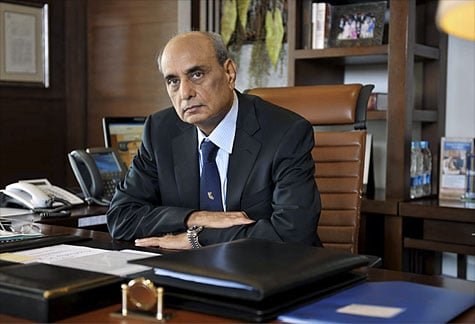
    Business tycoon Mian Muhammad Mansha claims that he is aware of backchannel diplomacy being pursued by India and Pakistan.

    Talking to the Lahore Chambers of Commerce and Industry on Wednesday, Mansha said that there should be “no permanent enemies” and the two arch-rivals should work to resolve their differences.

    “If the economy does not improve, the country may face disastrous consequences. Pakistan should improve trade relations with India and take a regional approach to economic development. Europe fought two great wars but ultimately settled for peace and regional development. There is no permanent enmity.”

    He further insisted that the two countries need to resolve their issues and increase trade.

    “If things improve between the two neighbours, Indian Prime Minister Narendra Modi could visit Pakistan in a month,” said Mansha.