Tag: trade

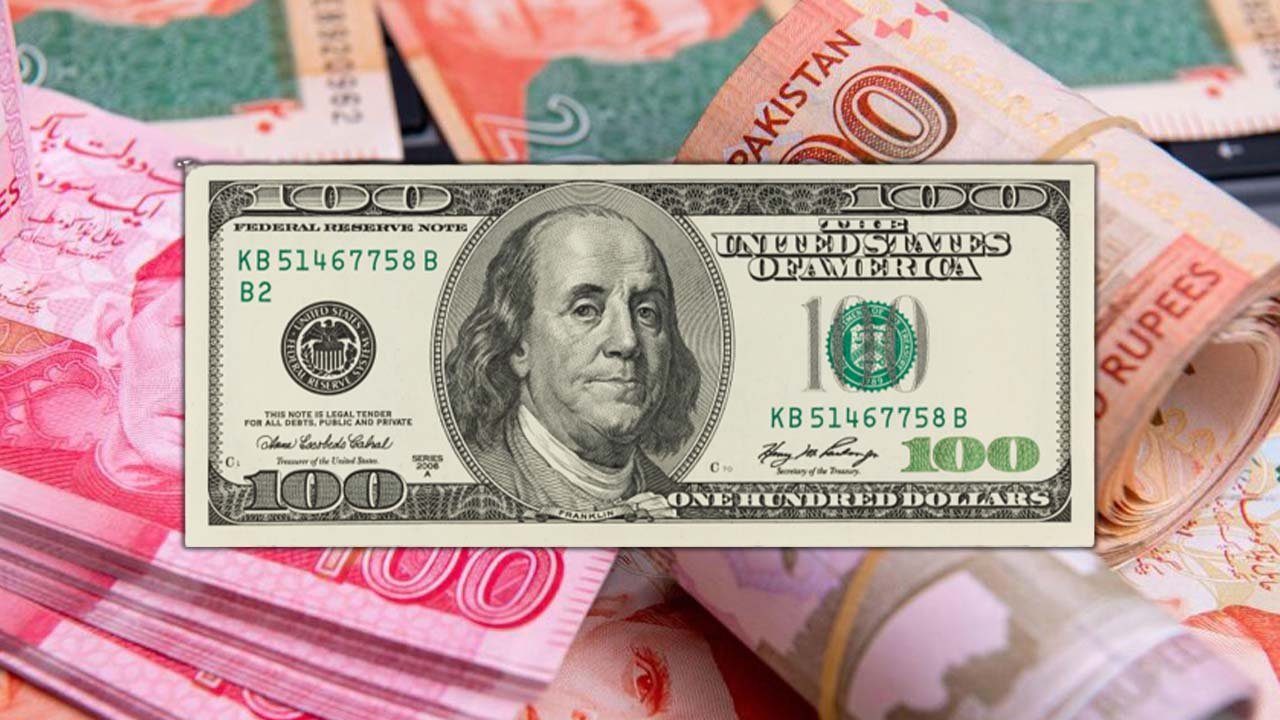
  • Intra-day trade: Pakistani rupee touches Rs207.7 against US dollar

    Intra-day trade: Pakistani rupee touches Rs207.7 against US dollar

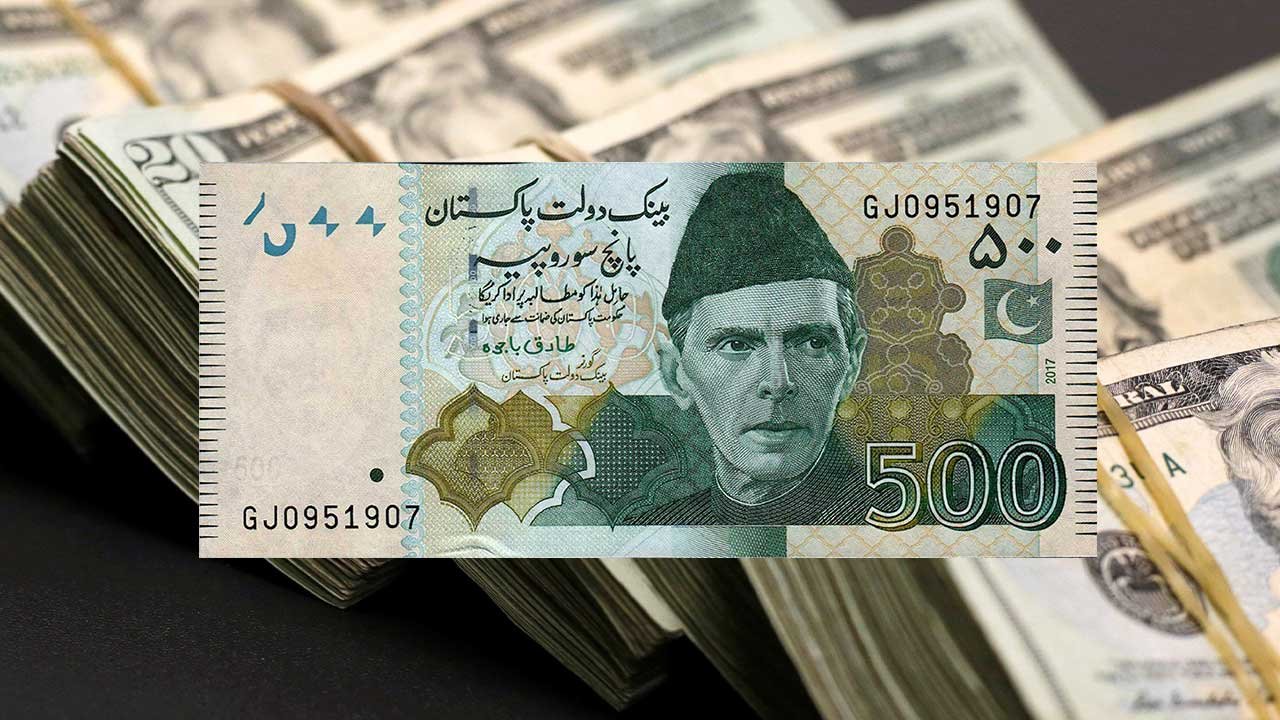
    In intra-day trade in the inter-bank market on Thursday, the local currency sank to Rs207.7 against the US dollar, continuing its downward trend.

    The rupee hit an all-time low against the dollar on Wednesday, closing at Rs206.46.

    This was partly due to the strengthening of the dollar on the international stage, but it was also due to the local currency market anticipating a greater increase in inflation.

    Finance Minister Miftah Ismail had previously stated that the government’s budget for 2022-23, which was announced last week, failed to persuade the International Monetary Fund (IMF) to disburse the next tranche of Pakistan’s $6 billion loan programme, and that changes to the finance bill would be required.

    The finance minister has declared unequivocally that the IMF is dissatisfied with the budget and that it will be revised.

    Experts believe that the rupee would only stabilise if the amendments are put into the Finance Act. He predicted that the local currency will remain volatile in the coming days.

    Pakistan’s government announced a third increase in petroleum prices in less than three weeks late Wednesday, as it tries to placate the IMF, which has emphasised the elimination of energy subsidies in order to resuscitate its bailout programme.

    The next payment of the IMF scheme is slated to give Pakistan $900 million, but the global lender has put the programme on hold due to a variety of circumstances, including fuel subsidies and a worsening current account deficit. It has also stated that greater direct taxes are required.

  • Pakistan’s textile sector witnesses a significant downturn in growth

    Pakistan’s textile sector witnesses a significant downturn in growth

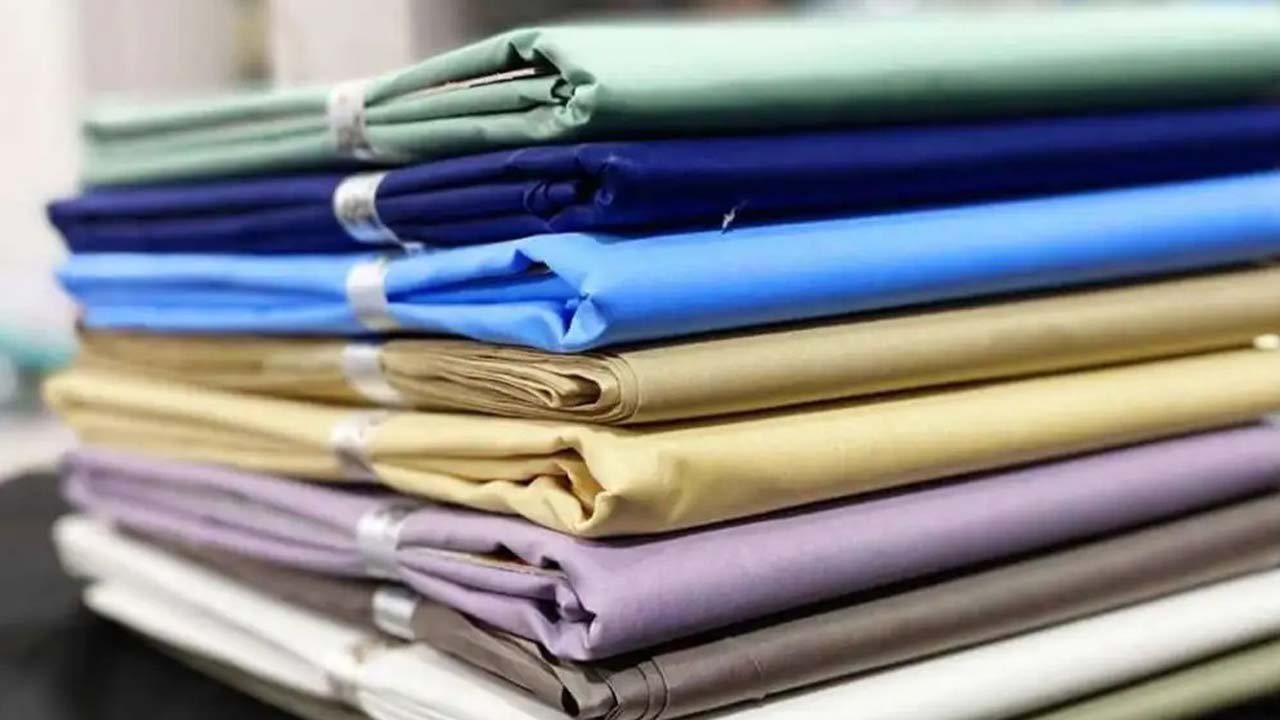
    Pakistan’s Economic Survey 2021-22 reveals that the textile industry expanded by 3.2 per cent during July-March in fiscal year 2021-22, compared to 8 per cent in the same period last year, demonstrating a considerable setback in progress.

    The poundage of the textile sector has declined from 20.9 to 18.16 per cent in QIM 2015-16, but it remains the highest among all LSM sectors, according to Brecorder.

    Woolen segment production grew the most, with a 38.9 per cent increase in blankets, a 27.9 per cent increase in woollen and carpet yarn, and a 19.1 per cent increase in woollen worsted cloth. Yarn and cloth production increased by 0.7 per cent and 0.3 per cent, respectively.

    Congruent production units, invariant capacity and elevated cotton prices owing to demand and supply gap disruptions have moderated the growth momentum of the cotton sector, stated the Economic Survey 2021-22 document, unveiled by Finance Minister Miftah Ismail.

    “Depreciation of PKR restrained the production of jute, as most of the raw material is imported from Bangladesh. However, surge in imports of textile machinery, rising demand for concessionary financing from textile firms and high exports of this sector showing a sizable improvement in the textile sector,” it added.

    With a weight of 6.08 in the LSM, wearing garments has been detached from the textile sector. It grew by 34 per cent compared to 35.6 per cent compression.

    The sector has been growing traction both locally and internationally, with garment production increasing by 34 per cent during the time frame. Garment exports have also increased by 33.9 per cent in aspects of volume.

    Textile is Pakistan’s most valuable manufacturing sector, with the widest production chain and intrinsic value addition ability at each point of the process, from cotton to ginning, spinning, fabric, dyeing and printing, made-ups and garments.

    This sector accounts for well almost one-fourth of industrial value addition and employs approximately 40 per cent of the industrial workforce. Textile products have maintained an average share of about 61.24 per cent in national exports, excluding seasonal volatility.

    In the meantime, knitwear exports decreased by 4.8 per cent in quantity while increasing by 34.1 per cent in value during the period under review. Towel exports totaled $819.6 million, up from $692.1 million, representing an increase of 18.4 per cent in value and 5.1 per cent in quantity.

    The ready-made garment industry has surfaced as a crucial small-scale industry in Pakistan, and it is a good source of providing employment opportunities to many people with a very low capital investment. Exports increased by 33.9 per cent in quantity and 26.2 per cent in value from 27.8 million dozen to 37.3 million dozen worth $2.8 billion, up from $2.27 billion in the same period last year.

    Meanwhile, Pakistan exported synthetic textile fabrics worth $343.59 million in comparison to $269.20 million in the same period last year, representing a 27.6 per cent increase. In terms of volume, synthetic textile exports fell by 33.6 per cent.

    The ceremony was also attended by Ahsan Iqbal, Minister of Planning, Development, and Special Initiatives, Khurram Dastgir, Federal Minister of Power, and Aisha Ghaus Pasha, Minister of State for Finance and Revenue.

    Furthermore, the survey underscored the key features of the government’s policies aimed at restoring macroeconomic stability and putting the economy on a growth path. Addressing the launch event, Miftah Ismail stated that the government has avoided a default due to the difficult decisions made by the current administration. He said that the country is now on the path of stability.
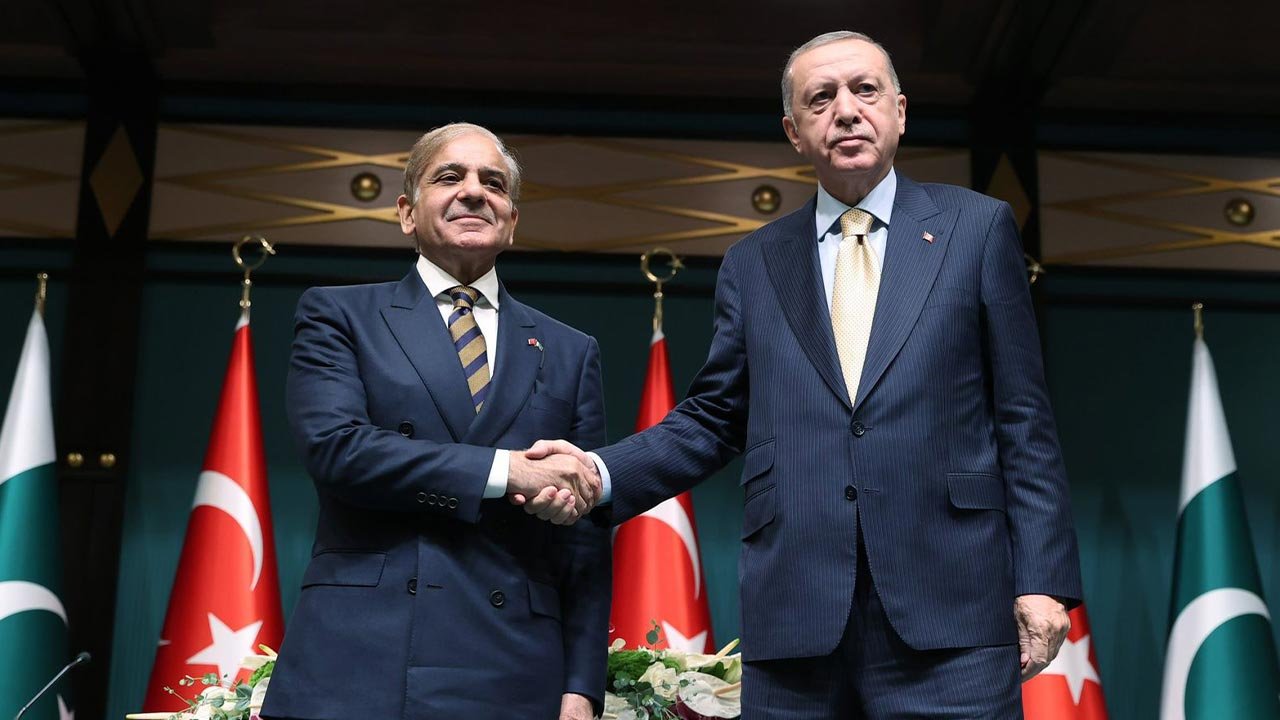
  • ‘Beloved brother’ Shehbaz in Turkey, trade to be expanded from $1bn to $5bn

    ‘Beloved brother’ Shehbaz in Turkey, trade to be expanded from $1bn to $5bn

    Prime Minister (PM) Shehbaz Sharif’s formal visit to Turkey, according to Turkish Foreign Minister Mevlut Cavusoglu, will bring bilateral ties a “new dimension”.

    After a meeting in Ankara, he made the remarks, “On the 75th anniversary of our diplomatic ties, we hosted my beloved brother Shehbaz Sharif, Prime Minister of the Islamic Republic of Pakistan. We are prepared to further develop Türkiye-Pakistan relations in light of the two nations’ shared history, friendship, and potential,” Cavusoglu stated on Twitter.

    PM Shehbaz arrived in Istanbul on Tuesday for a three-day official visit, his first since becoming the PM of Pakistan in April.

    According to a Foreign Ministry statement, the premier stressed the significance of growing bilateral trade volume to $5 billion over the next three years.

    “The Prime Minister noted that the bilateral relations were exceptionally warm as the people of the two countries shared special bonds that dated back centuries,” the ministry said in a statement.

    He also emphasised the two countries’ shared interests on a number of regional and international issues, according to the report.

    He said Islamabad aimed to strengthen bilateral trade and cultural ties with Ankara in his address to the Turkey-Pakistan Business Council on Tuesday evening.

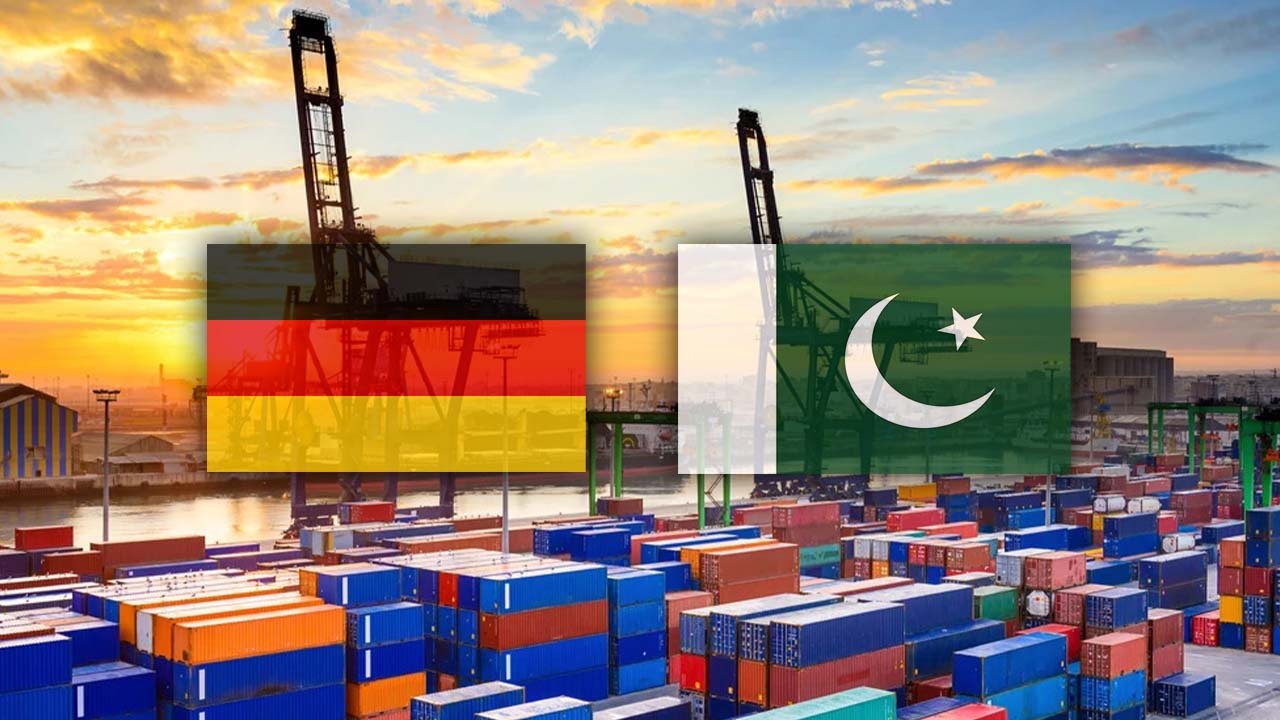
  • Germany to strengthen trade and investment ties with Pakistan

    Germany to strengthen trade and investment ties with Pakistan

    In a recent meeting with Federal Minister of Commerce and Investment Syed Naveed Qamar, German Minister of State for Foreign Affairs Dr Tobias Lindner expressed his hope that Germany and Pakistan would further strengthen and expand bilateral relations, particularly in trade and investment.

    Both countries discussed multiple aspects of bilateral ties, along a great emphasis on improving trade and financial collaboration to sustain economic growth in a post-Covid pandemic world. The duo agreed to exchange business envoys to look into the prospect of B2B cooperation in renewable power, farming, food security, autos, and technical assistance.

    The Commerce Minister praised Germany for its constant support for Pakistan’s GSP Plus scheme. He emphasized the importance of GSP Plus in widening bilateral trade and offering Pakistan a level playing field in the European segment.

    He also clarified that the scheme has served as a precursor for essential progressive social changes, particularly those relating to women’s empowerment. The German Minister convinced his nation’s continued and forthcoming assistance for the GSP Plus Scheme.

  • Pakistani rupee reaches a new all-time low of Rs190 against the US dollar

    Pakistani rupee reaches a new all-time low of Rs190 against the US dollar

    In the interbank market on May 11, the US dollar soared to an all-time high against the Pakistani rupee (PKR), reaching Rs190.10.

    In the morning. the local currency was trading at Rs189.89 to Rs190.04, with deals reported at Rs190.

    The dollar gained Rs1.44, surpassing the prior day’s finish of Rs188.66. The greenback touched an all-time high on May 11, when it surpassed the Rs189 level.

    It had gone down in the immediate aftermath of the April 11 change of government, but the adjustment soon ran out of steam, and the greenback is now flying again, hitting a new all-time high.

    Read more: CNG prices pushed to Rs140 per kg for sales tax collection

    Experts say the rupee is under pressure because of increased oil import bills and speculation about the Saudi package. Foreign reserves were also under strain due to delays in talks with the International Monetary Fund.

  • Turkey: Food prices surged by 89 per cent, transportation costs increased by 106 per cent

    Turkey: Food prices surged by 89 per cent, transportation costs increased by 106 per cent

    Turkey’s inflation rate skyrocketed to almost 70 per cent last month, creating a substantial challenge for President Recep Tayyip Erdogan, whose unusual economic strategies are frequently blamed for the country’s economic woes.

    Erdogan, defying economic conventional wisdom, insists that major interest rate cuts are essential to reduce spiralling consumer costs.

    Turkey’s consumer price index (CPI) climbed by 69.97 per cent on a year-on-year (YoY) basis in April 2022, compared to 61.14 per cent in March 2022, according to the national statistics agency, indicating a massive increase.

    The transportation industry saw the largest price rises in April, up 105.9 per cent, while food and non-alcoholic drinks cost increased by 89.1 per cent.

    Likewise, lira’s depreciation has quadrupled the cost of energy imports, and international investors are progressively fleeing the formerly emerging economy. Energy price hikes and production constraints have been worsened by Russia’s invasion of Ukraine and the coronavirus outbreak.

    According to economists, Turkey’s yearly inflation rate – the highest since Erdogan’s ruling AKP party took office in 2002 – is entirely due to Erdogan’s unusual economic thinking.

    Read more: Transporters continue to overcharge ahead of Eid-ul-Fitr

    Erdogan has pushed the supposedly independent central bank to reduce interest rates. Despite strong inflation, the bank maintained its benchmark interest rate for the fourth month in a row in April, yielding to criticism.

  • Global oil prices climb to highest in three weeks

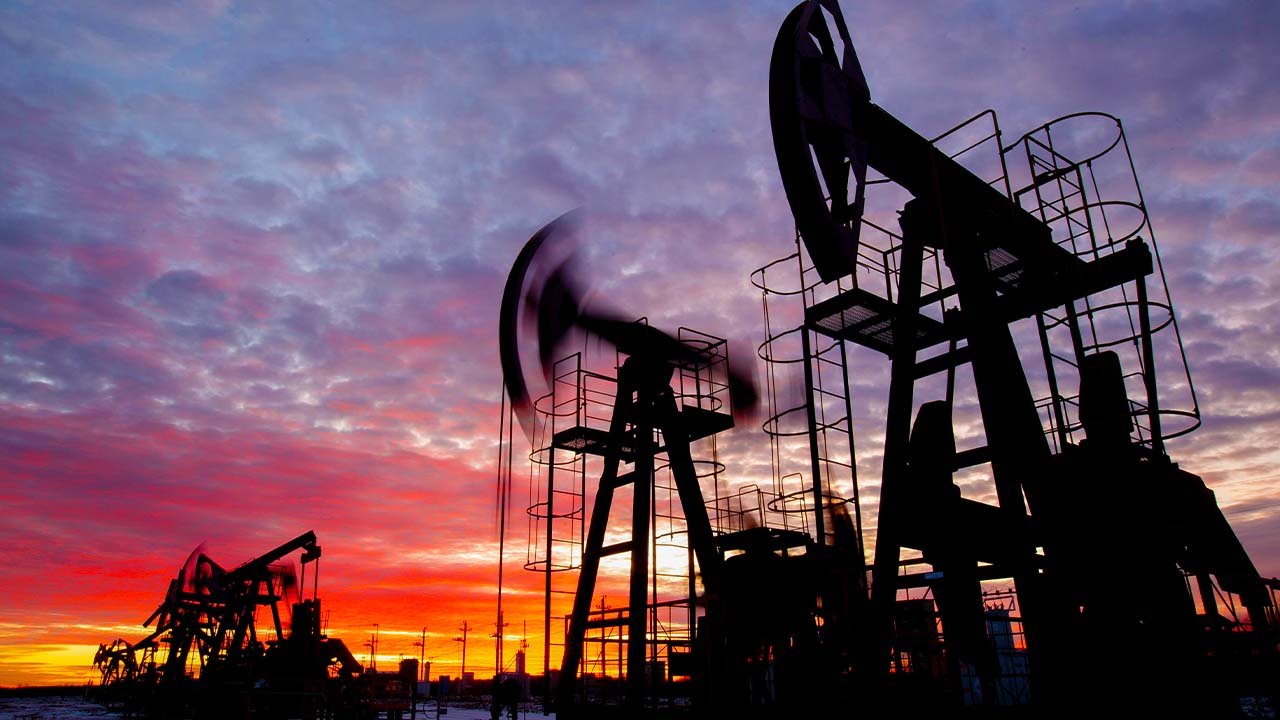
    Oil prices increased on Monday as fears of limited global supply intensified, with the developing crisis in Ukraine raising the risk of more penalties from the West against Russia, the world’s leading exporter.

    Brent futures were up $1.50, or 1.3 per cent, at $113.20 a barrel, while US West Texas Intermediate futures were up 98 cents, or 0.9 per cent, at $107.93 per barrel. Both contracts surged more than 2.5 per cent on April 14, ahead of the Easter weekend holidays, on news that the European Union would phase in a ban on Russian oil imports.

    Last week, EU governments said that the bloc’s executive was working on ideas to ban Russian oil, but officials said Germany was not actively backing an immediate ban.

    Those remarks came before the Ukraine situation escalated over the weekend, with the Ukrainian military defying a Russian demand to lay down arms in the pulverised port of Mariupol on Sunday. Moscow, which refers to its efforts in Ukraine as a “special operation,” said its soldiers had nearly entirely captured the city, with no sign of a truce in sight.

    Read more: Oil prices jump following Russia’s biggest production decline

    Due to sanctions or importers voluntarily rejecting Russian shipments, the International Energy Agency has warned that around 3 million barrels per day (BPD) of Russian oil might be shut in from May onwards.

  • Elon Musk offers $43 billion to acquire Twitter

    Elon Musk offers $43 billion to acquire Twitter

    Elon Musk has submitted a takeover bid for Twitter, offering $54.20 per share, days after becoming the group’s largest shareholder. This is an offer worth more than $43 billion.

    According to a Securities and Exchange Commission (SEC) filing, Mr. Musk described this as a “best and last offer,” reflecting a 54 per cent premium over the day before he commenced investing in the business in late January 2022.

    Musk stated in the filing that “I don’t have faith in the management” and that he could not make the adjustments he desired in the public market.

    As per a letter written to CEO Salesforce and chairman of Twitter, Bret Taylor, Musk stated that if the proposal is not accepted, he will reassess his status as a shareholder as Twitter has a lot of potential which needs to be unlocked.

    The billionaire CEO of Tesla and SpaceX and the world’s richest man, purchased a 9.2 per cent share in Twitter on April 4, according to a regulatory filing. The tech mogul was invited to join Twitter’s board of directors the next day, but he denied the offer by the end of the week.

    Musk wrote to Mr. Taylor on April 13: “I invested in Twitter because I believe it has the potential to be the global platform for free speech, and I believe free speech is a societal requirement for a healthy democracy”.

    Read more: Elon Musk is no longer joining Twitter board as the microblogging network is “dying”

    “However, after making my investment, I’ve come to recognize that the company, in its current form, can neither thrive nor serve this societal need,” he wrote. “Twitter should be turned into a private firm”.

    Considering the tweeted document, Musk’s financial adviser for the proposal is Morgan Stanley.

  • Pakistan’s cotton fabric trade climbed by 28.23 per cent

    Pakistan’s cotton fabric trade climbed by 28.23 per cent

    In the first eight months of the fiscal year 2021-22, Pakistan’s textile and garment exports grew to $1.65 billion. The Pakistan Bureau of Statistics (PBS) estimates that the textile and apparel sector brought in $12.607 billion this time, compared to $ 9.999 billion in exports from July to February 2020-21.

    Knitwear exports surged by 33.86 per cent to $3.302 billion on a year-over-year (YoY) basis, while non-knit readymade clothes trade increased by 25.11 per cent to $2.516 billion. Additionally, cotton yarn exports increased by 34.40 per cent to $815.375 million, up from $606.690 million the previous year.

    Cotton fabric trade climbed by 28.23 per cent in 2022, reaching $1.584 billion in value. Also, over the eight months of 2021-22, the distribution of bed clothing jumped by 20.34 per cent.

    The industry has engaged in synthetic fiber imports, which increased by 31.65 per cent from July to February 2021-22, and the cost of artificial silk yarn soared by $ 569.256 million.

    Consequently, the value of textile machinery in Pakistan has climbed dramatically over the last eight months, reaching $577.249 million.

    Read more: SBP determined to curb inflation, improve foreign exchange reserves

    For those unaware, Pakistan’s textile sector has the capacity to generate $30 billion in annual revenue. The country’s leaders and economic experts should assess the existing economic situation and devise an effective economic strategy to boost textile exports.

    To summarise, the industry has tremendous potential and can significantly contribute to the country’s economic success by providing job opportunities. Which could help the country’s GDP and GNP grow even more.

  • International oil prices declined by 4%, crashing below $100 per barrel

    International oil prices declined by 4%, crashing below $100 per barrel

    Brent crude slid below $100 for the first time since March 16 amid plans to release huge amounts of petroleum and oil products from strategic storage, and also China’s prolonged coronavirus closure.

    Crude oil was down $4.1, or 3.99 per cent, at $98.68 per barrel. The price of US West Texas Intermediate (WTI) crude fell $4.28 a barrel, or 4.28 per cent, to $94.07 per barrel.

    The International Energy Agency (IEA) recently announced that member countries will release 60 million barrels over the next six months, with the United States matching that amount as part of its 180-million-barrel release announced in March.

    The actions are meant to make up for a shortfall of Russian crude after Moscow was extensively sanctioned for what it claims was a “special military operation” in Ukraine.

    As per JP Morgan analysts, the release of Strategic Petroleum Reserve (SPR) volumes will amount to 1.3 million barrels per day (BPD) over the next six months, enough to cover a 1 million BPD shortfall in Russian oil supplies.

    The release of strategic government oil reserves is projected to relieve some market tightness in the coming months, reducing the likelihood of oil prices rising and re-enforcing near-term supply constraints.

    While this is the largest release since the IEA stockpile was established in 1980, market participants believe it will fail to affect the principles of the oil market and will just delay further increases in production from crucial suppliers.