Tag: traders

  • Local market witnesses marginal gain in 24-karat gold prices

    Local market witnesses marginal gain in 24-karat gold prices

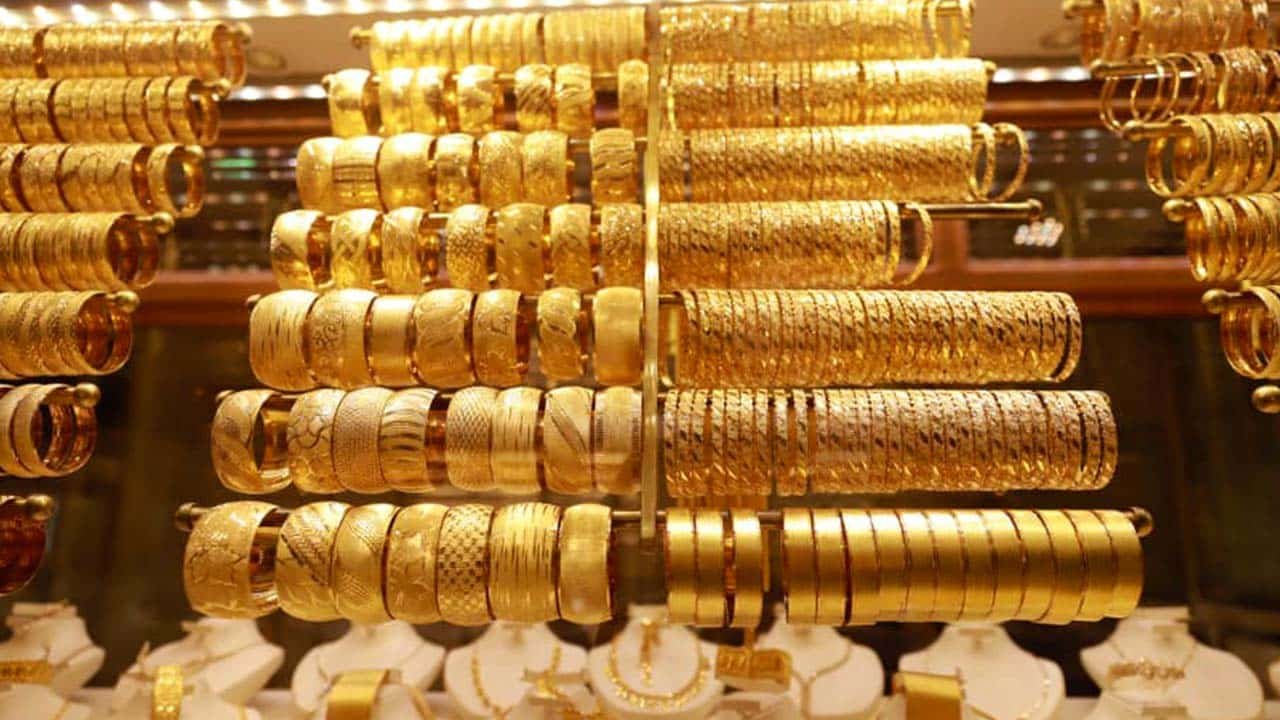
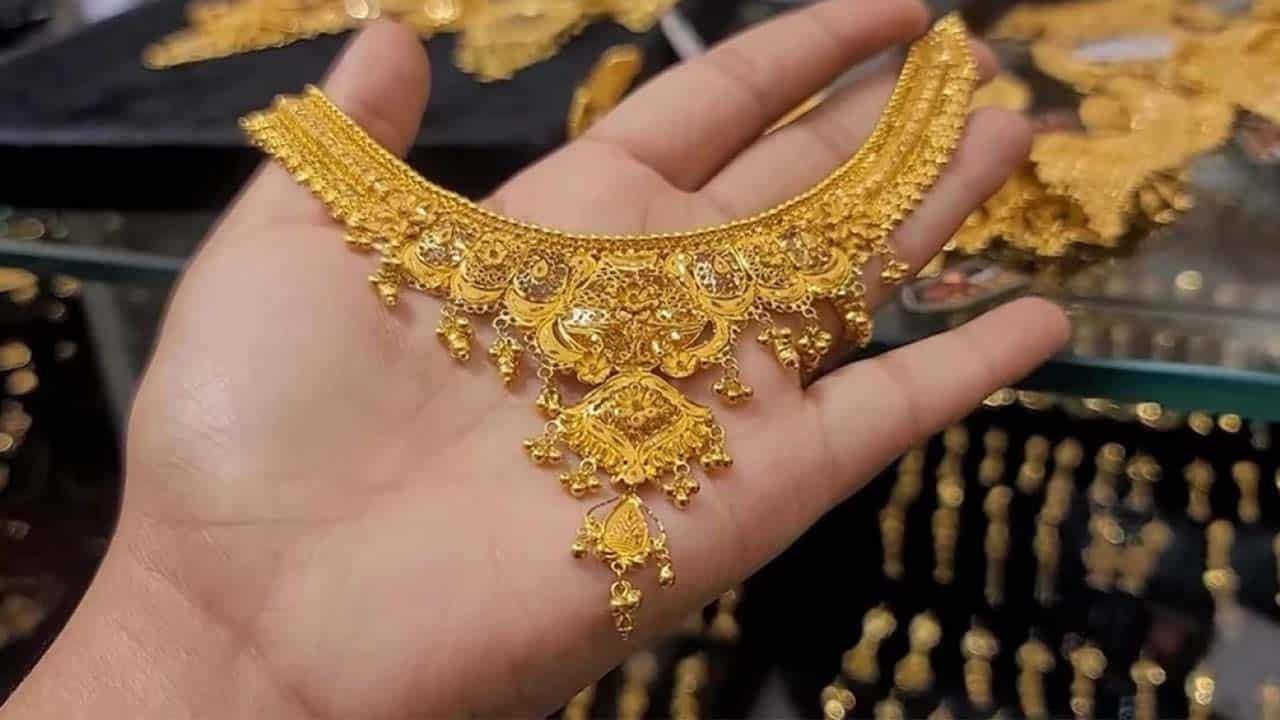
    On Tuesday, the 24-karat gold market demonstrated resilience, with a subtle uptick of Rs150 per tola, settling at Rs214,450 per tola.

    According to the Karachi Sarafa Association, the price for 10 grammes of 24-karat gold reached Rs183,856, reflecting a marginal gain of Rs128 compared to the preceding session.

    Simultaneously, the price of 10-gramme 22-karat gold experienced a modest rise, reaching Rs168,535.

    Contrary to the gold market’s movements, silver prices remained steadfast, exhibiting no change.

    The 24-karat silver maintained its position at Rs2,580 per tola, while the 10-gramme silver was traded at Rs2,211.93.

    It is noteworthy that the domestic gold market faced a downturn last week, attributed to a decline in international prices.

    International spot gold, on the other hand, hovered around $2,021, marking a 0.2 per cent change compared to the preceding session.

    As the market watches these fluctuations, all eyes are set on the forthcoming minutes from the Federal Reserve’s January policy meeting, scheduled for release on Wednesday.

    The outcome of this meeting is poised to have a considerable impact on the trajectory of both domestic and international precious metal markets.

  • Survey: Imran Khan emerges as top choice for financial experts to revive Pakistan’s economy

    Survey: Imran Khan emerges as top choice for financial experts to revive Pakistan’s economy

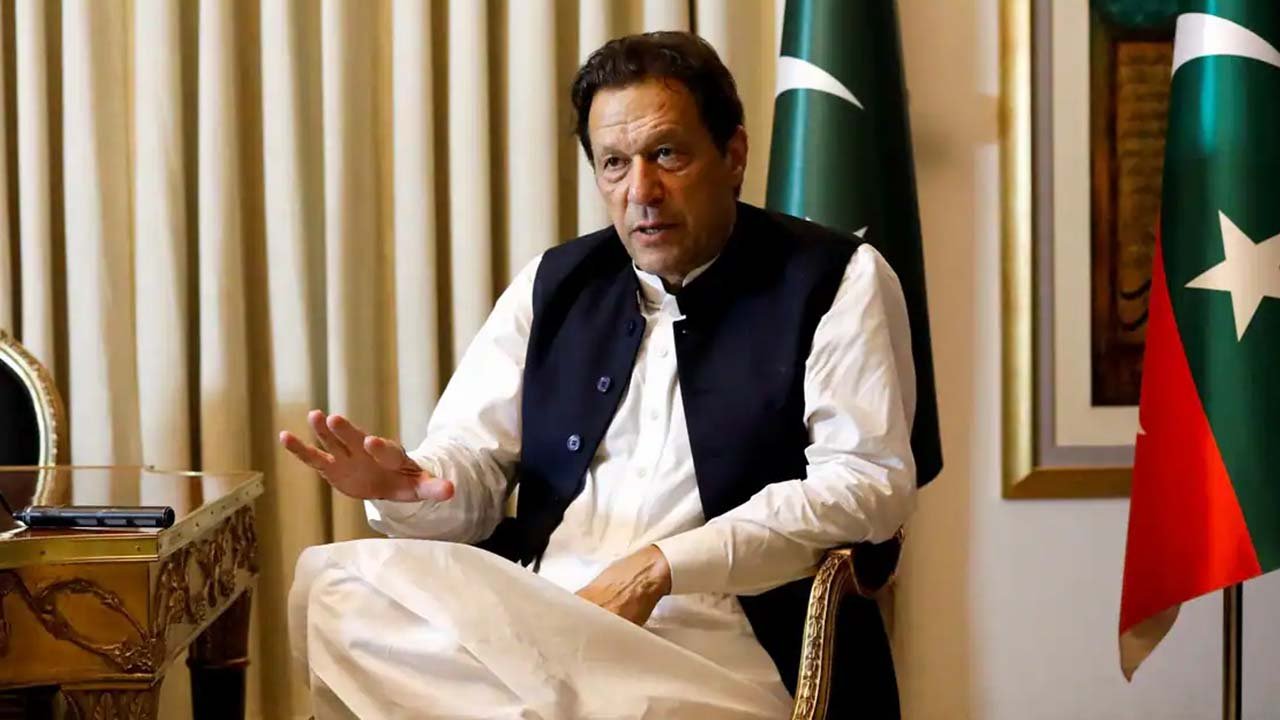
    In a recent Bloomberg survey conducted among Pakistani finance professionals, incarcerated former Prime Minister Imran Khan emerged as the leading choice to oversee the country’s economic recovery.

    Despite being barred from contesting the upcoming February 8 election, Khan’s enduring popularity was cited as a crucial factor by respondents, who believe he could implement market-focused reforms in the long term.

    The survey, which included 12 traders, economists, and analysts from major brokerages, placed three-time former premier Nawaz Sharif in the second position. Respondents acknowledged Sharif’s experience in government and speculated that his alignment with the powerful military contributed to his standing.

    Bilawal Bhutto Zardari, a member of the influential Bhutto clan, secured a distant third place, with some survey participants expressing reservations about dynastic politics.

    Bloomberg Economics conducted an analysis of Pakistan’s misery index, combining inflation and unemployment rates, revealing that Sharif’s party had a better track record in managing the economy over the past three decades compared to rivals, including Khan.

    Despite Khan’s three court convictions and election disqualification, questions about the legitimacy of the upcoming polls are surfacing among independent observers and voters.

    With almost 129 million eligible voters set to cast their ballots, concerns are growing about the electoral system’s integrity in the absence of the country’s most popular politician.

    Pakistan’s National Assembly has completed a full term only three times in its 76-year history, and political observers note rising discontent with the electoral system in Khan’s absence.

    Khan, convicted of graft in August, received another jail sentence on Tuesday for his involvement in publicising a classified diplomatic cable. On Wednesday, he and his wife, Bushra Bibi, were sentenced to 14 years in jail for a case related to the illegal selling of state gifts.

    As Khan faces legal challenges, Sharif and his Pakistan Muslim League-Nawaz are gaining support from voters. Sharif’s return from exile last year, widely seen as a deal with the military, has boosted his popularity, particularly in Punjab, Pakistan’s most populous province.

    The respondents to the Bloomberg survey unanimously agreed that Pakistan’s economic survival hinges on a new International Monetary Fund (IMF) loan. Half of them believe the country can withstand six months without a bailout, while the ongoing nine-month IMF programme is set to conclude in March, with about $1 billion in dollar-denominated debt due in April.

    Key findings from the January survey include expectations of 2.65 per cent economic growth in the fiscal year starting July, the government’s estimate of 2 per cent to 2.5 per cent expansion in the current fiscal year, a forecasted moderation of inflation to 25.05 per cent by the fiscal year ending June (currently at about 30 per cent), and a consensus that Pakistan cannot survive for more than a year without an IMF bailout.
  • Gold price soars to an all-time high of Rs217,700 per tola amid economic tensions

    Gold price soars to an all-time high of Rs217,700 per tola amid economic tensions

    The price of gold has soared to an all-time high following a significant slump in the rupee against the dollar, with the country struggling to secure external financing. The data released by the All-Pakistan Sarafa Gems and Jewellers Association (APSGJA) shows that the price of gold (24 carats) has spiked by Rs3,100 per tola and Rs2,656 per 10 grammes, settling at Rs217,700 and Rs186,643 respectively.

    The gold rush is in line with the movement of the rupee, which has fallen 2.44 or 0.85 per cent against the US dollar in the interbank market, and an increase in weekly inflation. Inflation has shot up 0.92 per cent week-on-week and 44.49 per cent year-on-year during the seven-day period that ended on April 6th. Prices of sugar and chicken have surged due to Ramzan, and hoarding has caused a likely uptick in inflation.

    Gold is often seen as a hedge against inflation, increasing in value as the purchasing power of the dollar declines. Plus, it’s the season of Ramzan, which brings with it a surge in demand for the precious metal. Investors’ attention has shifted towards gold as economic tensions continue to rise, with the International Monetary Fund (IMF) reviewing external financing commitments from friendly countries before it releases bailout funds. The delay in the revival of the program has negatively impacted the currency market, which is boosting demand for gold.

    The APSGJA also noted that the price of gold in Pakistan is Rs5,000 per tola “undercost” compared to the Dubai market. Thus, the Pakistani gold market is cheaper than the global market. Meanwhile, silver prices in the domestic market have also jumped to historic highs, increasing by Rs30 per tola and Rs25.72 per 10 grams to settle at Rs2,480 and Rs2,126.20, respectively.

    In the international market, the price of gold dropped $6 per ounce, settling at $2,002. Nevertheless, gold’s rise in Pakistan is set to bring a lot of excitement to the local market.

  • Pakistani traders threaten to launch nationwide protests if new taxes imposed

    Pakistani traders threaten to launch nationwide protests if new taxes imposed

    Traders in Pakistan have threatened to launch a nationwide protest in response to the government’s potential imposition of new taxes to meet the International Monetary Fund’s (IMF) conditions. The Central Organisation of Traders has called for the government to reduce the salaries of army generals, judges, and parliamentarians instead.

    On Saturday, representatives of the Central Organisation of Traders spoke to the media in Islamabad and announced their plan for a protest movement starting on February 13th if the new taxes are introduced. The leaders of the organization warned the government that the current economic situation in the country cannot withstand further taxation of the general public and the trading community.

    They expressed dismay that the state of the economy of a nuclear country was in dire straits and the situation was worsening with each passing day, and said that the public should not suffer because of the “flaws or crimes committed by the leaders of this country.”

    “Our reaction will be severe if more taxes worth billions of rupees were imposed, as being reported in the media,” Kashif Chaudhry, the organisation’s president, said, asking the stakeholders, including the ruling elites, to make “sane decisions” if they want to improve the economy.

    Mr Chaudhry has proposed that the government reduce the expenses of high-level officials such as the President, Prime Minister, legislators, judges, army officers, and bureaucrats. He believes the government should immediately decrease “non-productive expenditures” by half.

    The trader representatives have also made demands of the government. They have called for the creation of both short-term and long-term economic policies and for more consistent income tax collection across all sectors, instead of imposing billions of dollars in new taxes.

    “I assure the government that the business community was ready to contribute to steering the country out of the current economic crises and we traders are ready to pay fixed taxes,” he said.

    Khawaja Salman Siddiqui, the chairman of the organization, criticized Finance Minister Ishaq Dar. According to Siddiqui, Dar was appointed by the PML-N to stabilize the economy and prevent the depreciation of the rupee, but he failed to deliver on his responsibilities.

    Mr Siddiqui said putting an artificial cap on the dollar’s rate led to a wide gap between the interbank and open market rates, and despite the demand to remove the cap, Mr Dar “remained stubborn and did not listen to anybody.”

    Other speakers called for the implementation of the decision of the Federal Shariat Court to make Pakistan’s economy interest-free to “eradicate exploitation in the system.”

    According to Dawn, the speakers also suggested an amnesty program that would allow wealthy individuals to repatriate their foreign wealth. The government could then borrow money from these individuals and provide them with profits instead of taking loans from the International Monetary Fund (IMF) and World Bank with unfavorable conditions.

  • Landa Bazar traders threaten to close shops due to increased taxes on imported products

    Landa Bazar traders threaten to close shops due to increased taxes on imported products

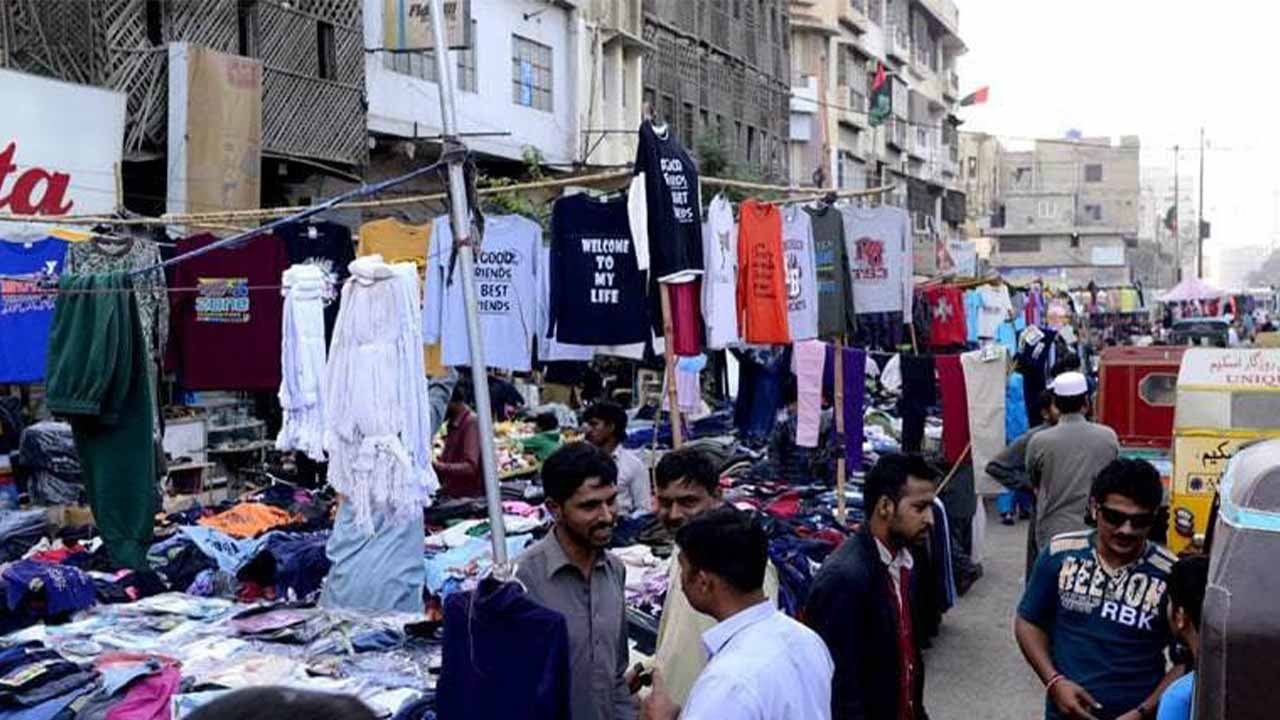
    Shop owners at Landa Bazaar Karachi have threatened to close their shops in protest of the hike in import tariffs.

    Muhammad Usman, secretary general of the Pakistan Second Hand Clothing Merchant Association, urged that the government remove the increased levies placed on imported cotton clothing at a news conference while threatening to close their stores.

    The spokesperson pointed out that the price of imported used clothing had increased due to government action. With the value of the dollar rising steadily, it is getting harder for people to satisfy their necessities. The authorities have raised the valuation on imported goods in such circumstances, he said.

    It was previously reported on December 23 that the government increased the tax on imported items from Rs81 to Rs225 per kg, forcing the dealers to increase the cost of normally inexpensive shirts, blankets, and other warm clothing.

    In the country’s numerous “Landa Bazars,” shoppers shopping for affordable winter clothing will have to contend with inflationary pressure.

    According to the announcement made in this respect, in addition to the sales tax and customs duty of 5 per cent, which are levied on imported used products, there is also a regulatory charge of 10 per cent and an income tax of 5.5 per cent.

    The price of imported used goods, such as warm clothing, sweaters, blankets, jackets, and shoes, as well as children’s toys, would increase as a result of the tax rate increase.

  • No food for chickens: Massive increase in chicken, egg prices expected

    No food for chickens: Massive increase in chicken, egg prices expected

    Due to the widespread shortage of poultry feed, poultry farmers and traders are worried that the supply of chicken and eggs may run out in a month.

    At an urgent press conference held at the Karachi Press Club, Chaudhry Ashraf, the central chairman of the Pakistan Poultry Association, former chairman Ghulam Khaliq, Sindh-Balochistan zone chairman Saleem Baloch, and others expressed their grave concerns regarding the non-clearance of soybean shipments that had been stopped at Karachi Port.

    According to Express Tribune, soybean and canola appear to be the two main ingredients in poultry feed, according to poultry owners. More than six lakh tonnes of soybeans that have not been authorised for export are currently at the port.

    Additionally, in conjunction with the purchase of soybeans, poultry owners have paid importers more than $44 million. In order to restart the feed supply to the nation’s poultry sector, the ministry of food security and other ministries should right away resolve their conflict with soybean importers and issue orders for the clearance of soybeans at the port.

    Presently, poultry owners in Pakistan generate 3.5 million eggs each day from 3.8 million chickens. If the problem of feed supply for the poultry industry is not immediately addressed, there is a potential that the supply of chicken and eggs may stop within a month.

    More than 50 per cent of the poultry business is currently closed. If this sector is entirely shut down, which would result in the loss of nearly 2.5 million jobs, there will be a greater risk of food insecurity in the country.

  • Gold price hits an all-time high of Rs163,500 per tola in Pakistan

    Gold price hits an all-time high of Rs163,500 per tola in Pakistan

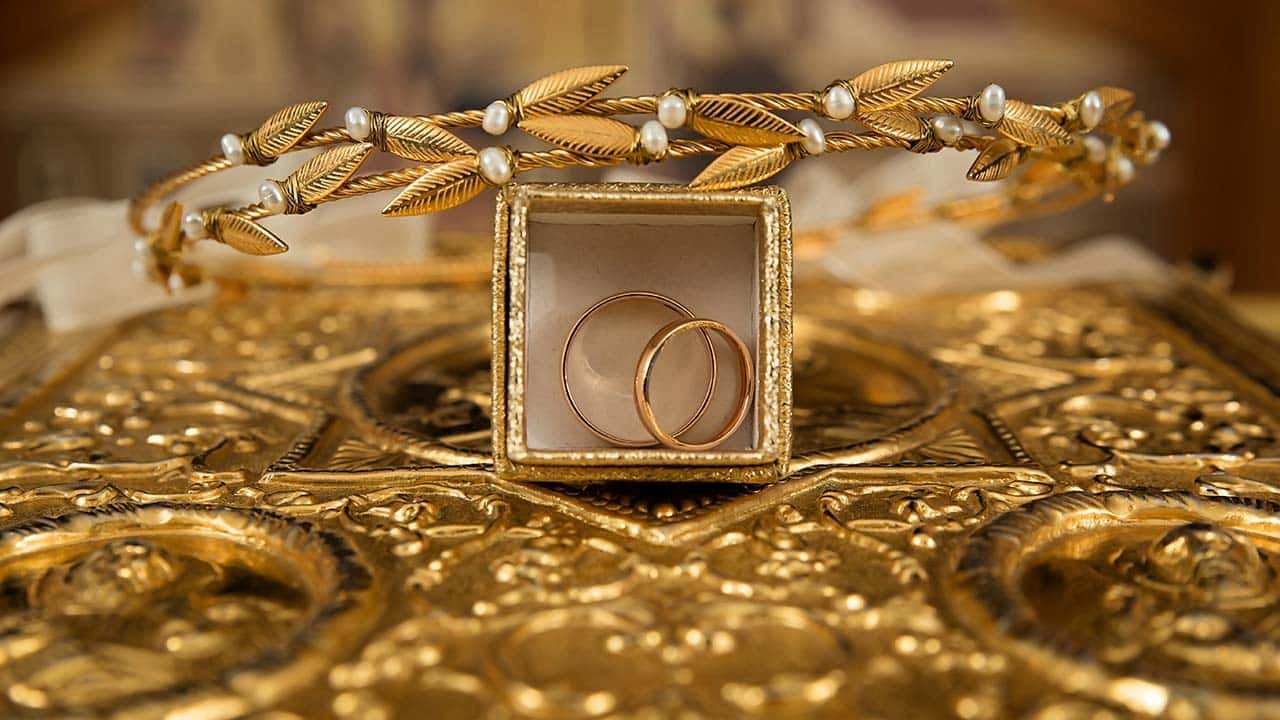
    In line with the continuous increase in global prices, the price of gold in Pakistan rose by another Rs750 per tola on Friday, hitting an all-time high of Rs163,500.

    According to information provided by the All Pakistan Sarafa Gold and Jewellers Association (APSGJA), the price of gold for a tola settled at Rs163,500. The price per 10 grammes increased by Rs643 to reach Rs140,175.

    Given that Pakistan imports the precious metal it needs to meet its demand, the rupee’s stability against the US dollar at a record high level is thought to be the main cause of the increase.

    The stock market is currently experiencing selling pressure due to the economy’s overheating, therefore players are shifting their investments to gold, according to Geo.

    Safe-haven investment is once again drawn to gold. Analysts contend that during times of inflation individuals typically invest in gold.

    The cost of gold on international markets, the rupee-to-dollar exchange rate, and the supply and demand in domestic markets affect the price of gold on local markets. The latest price for local markets was determined considering the prices at which trade took place among buyers and sellers.

    As cautious investors prepared for the release of US jobs data, the price of gold rose by $19 per ounce on the international market, finishing at $1,799, but safe-haven bullion was still expected to post a second consecutive weekly gain due to forecasts of a slowing in the rate of US rate hikes.

    In Pakistan, gold is priced about Rs1,000 less than it would be in the Dubai market.

    In the meantime, domestic silver prices increased by Rs10 per tola and Rs8.58 per 10 grammes, respectively, to settle at Rs1,780 per tola and Rs1,526.06 per 10 grammes.

  • 59% traders consider Pakistan is not ‘moving in right direction’: Gallup Survey

    The ratio of traders who consider that Pakistan is not moving in the right direction has jumped from 37 per cent from the last quarterly report to 59 per cent states Gallup Pakistan’s fourth quarterly report of Business Confidence Index (BCI).

    The survey was conducted from October 13-28 and nearly 580 respondents, belonging to the country’s traders’ community participated in it.

    The report states that responders have expressed great anxiety over the future of business in the country as the ratio of those predicting improvement in future business has dropped from 70 per cent to 61 per cent in the survey, reports Geo News.

    Surprisingly, the given statistics in the report show that in Gallup Pakistan’s second quarterly report, 49 per cent of traders were happy with business activity but now 54 per cent of them expressed their satisfaction.

    While answering the question, “which issues do the respondents want the government to address instantly”, 48 per cent declared inflation as the biggest problem for business, 16 per cent sought relief for the business class, 14 per cent for the stability of the Pakistani currency, 13 per cent for consistency in government policies, 6 per cent for controlling corruption, 6 per cent for the elimination of Covid-19 and ending lockdowns, 3 per cent for ending political instability, 3 per cent for improving export policies and two percent for non-availability of PayPal.

    Among them, seven percent of respondents said they had no issue which could be resolved by the government.

  • KYA BOLA? (Jul 15): ‘Horn Bajaao Hukmaraan Jagaao’ to ‘Jiyalo ko cheeni choro ko jawaab dena khoob aata hai’

    KYA BOLA? (Jul 15): ‘Horn Bajaao Hukmaraan Jagaao’ to ‘Jiyalo ko cheeni choro ko jawaab dena khoob aata hai’

    Following are some of the best snippets from Urdu newspapers on July 15, 2020, which The Current takes no responsibility for.


    ‘Horn Bajaao Hukmaraan Jagaao’

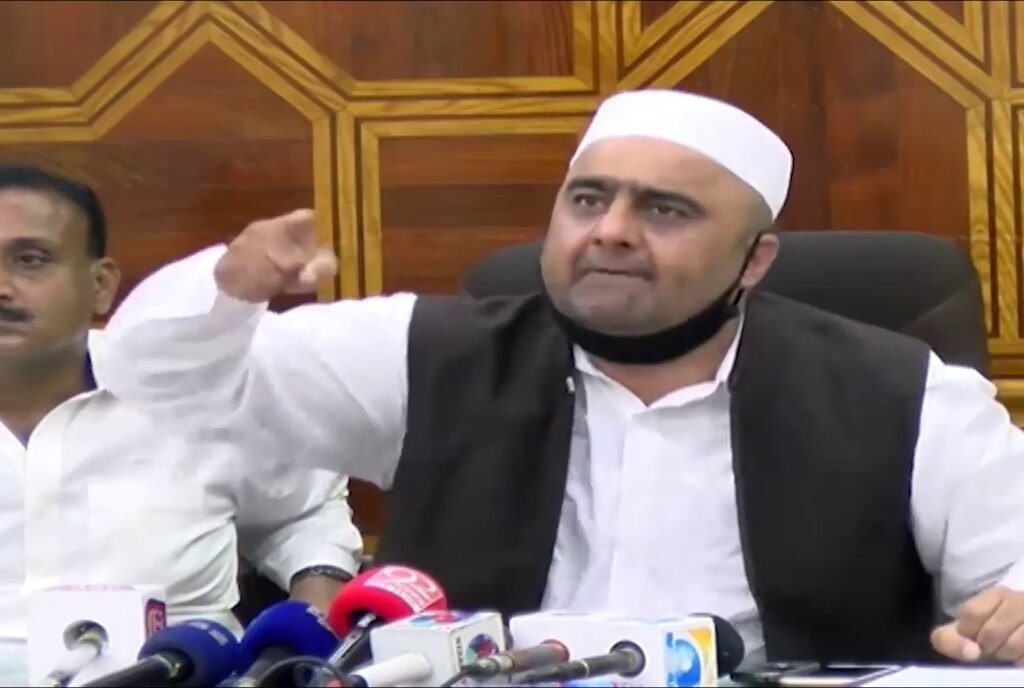
    According to Daily Dunya, the Pakistan Association of Tour Operators has become part of traders’ protest movement “Horn Bajaao Hukmaraan Jagaao”. Launching the movement, trade union member Naeem Mir said,“Agar hukoomat horn se naa jaagi tou taajir baraadari hukoomat ka band bajaa de gi”.


    ‘Faisal Vawda kis ka kis se manaazra krwa rahay hain’

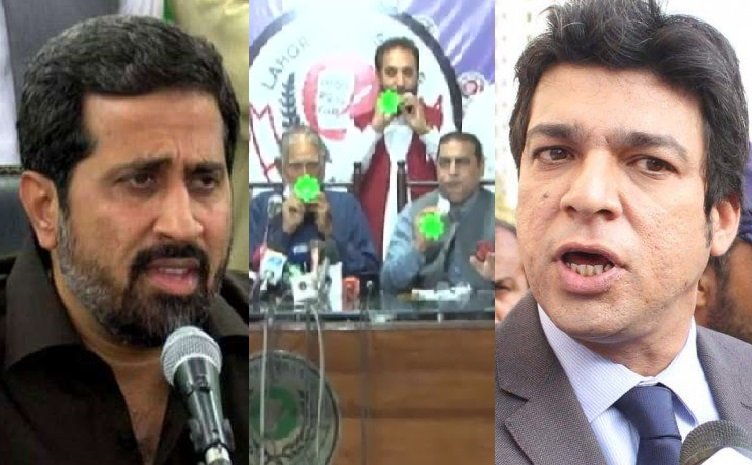
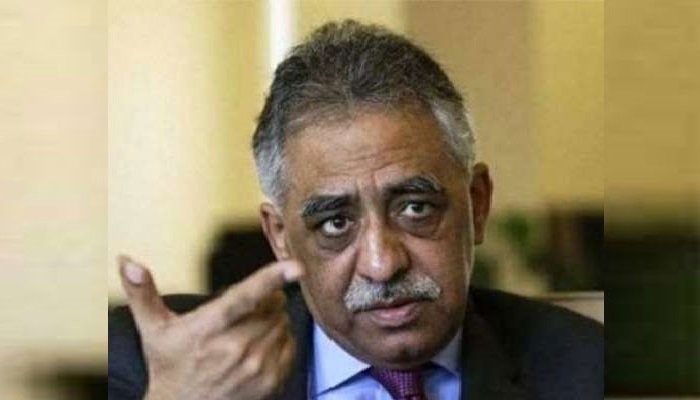
    According to Daily Dunya, Pakistan Muslim League-Nawaz (PML-N) has accepted Federal Minister Faisal Vawda’s challenge of a debate on the economy. PML-N stalwart and former Sindh governor Muhammad Zubair has said that Dr Waqar Masood, who is Pakistan’s longest-running secretary of finance, was part of the PML-N government’s economic team for five years.

    Prime Minister (PM) Imran Khan’s finance aide Hafeez Shaikh, on the other hand, was a part of Pakistan People’s Party (PPP) government. “Faisal Vawda kis ka kis se manaazra krwa rahay hain!” he maintained.


    ‘Jiyalo ko cheeni choro ko jawaab dena khoob aata hai’

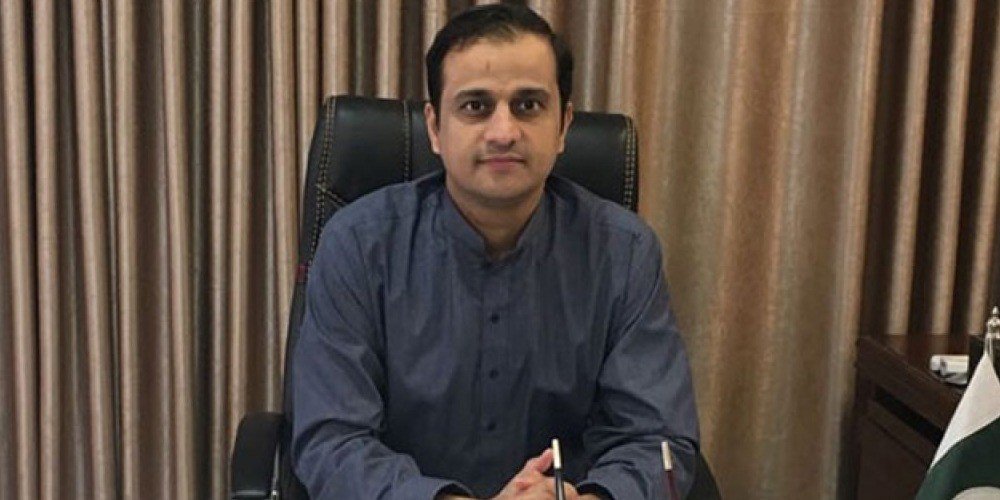
    Daily Jang has reported that Sindh government spokesperson Murtaza Wahab, in response to Punjab Information Minister Fayazul Hasan Chohan’s verbal attacks against PPP chief Bilawal Bhutto-Zardari, has said that“Jiyalo ko cheeni choro ko jawaab dena khoob aata hai,”  taking a dig at the government members in Punjab over their alleged involvement in activities that had led to a sugar crisis earlier this year.

  • ‘We cannot afford this anymore’: Traders in Sindh, KP, Balochistan to reopen businesses from today

    Traders across the country have said that they would resume operations from today (April 15), however, the business community in Punjab has urged the government to permit activities for a limited time.

    Prime Minister (PM) Imran Khan, in his address to the nation on Tuesday, extended the lockdown till April 30, saying that some industries such as construction would be allowed to operate from Wednesday.

    The business community in Karachi said that they would resume operations from April 15 and that the traders would follow preventive measures. “We cannot afford the imposed restrictions anymore,” said a representative of Karachi’s trader community while addressing a press conference.

    “The businessmen have paid their employees a month’s salary but we will be unable to do so if the lockdown extends,” he said, adding that they would hand over the keys to their shops to the officials at the Chief Minister (CM) House and protest outside the provincial chief executive’s office if they are kept from resuming business activities.

    Voicing the traders in Sindh, Balochistan’s business community said that they would also resume operations from April 15. They said that the traders could no longer bear the lockdown restrictions, adding that activities would be conducted and precautionary measures would be followed. “The provincial government has been informed regarding the decision to resume operations.”

    Furthermore, the traders in Khyber Pakhtunkhwa (KP) said that they could not afford the lockdown further and that they would open shops from April 15 as well.

    United Business Group President Ilyas Bilour said that small scale traders were forced into starvation due to the lockdown, and lamented that labourers were severely affected due to the closure of business centres.