Tag: TRADING

  • Gold price jumps by Rs1,100 per tola, reaching Rs214,300

    Gold price jumps by Rs1,100 per tola, reaching Rs214,300

    The gold prices in Pakistan continued their upward trajectory, building on gains from the last session of the previous week. On Monday, the price of 24-karat gold surged by Rs1,100 per tola, reaching Rs214,300 per tola.

    According to the Karachi Sarafa Association, the price of 10-gramme 24-karat gold stood at Rs183,728, marking an increase of Rs943 compared to the previous session. Additionally, the price of 10-gramme 22-karat gold rose to Rs168,417.

    In contrast, silver prices remained stable, with 24-karat silver being sold at Rs2,580 per tola and 10-gramme silver trading at Rs2,211.93.

    It is noteworthy that domestic gold ended last week in the red zone due to a decline in international prices. The ongoing uncertainty surrounding the delay in election results also failed to stimulate demand for this safe-haven asset.

    Internationally, spot gold has extended its rally for the third consecutive session, currently trading at $2,021.8. This rebound follows last week’s release of hotter-than-anticipated US inflation data, which initially pushed gold below the $2,000 mark for the first time in two months.

    Given the influence of domestic currency fluctuations on the domestic gold rate, it is crucial to mention that the Pakistani rupee (PKR) concluded its 13-week-long historic winning streak against the US dollar. Last week, the PKR experienced a marginal drop of 8 paisa.

    Since gold is denominated in US dollars, a depreciation of the PKR against the US dollar results in an increase in the value of PKR-denominated gold. The market remains attentive to both global and domestic factors influencing these shifts in precious metal prices.
  • Pakistani rupee depreciates for the 5th day in a row, settles at Rs222.67

    Pakistani rupee depreciates for the 5th day in a row, settles at Rs222.67

    The Pakistani rupee (PKR) lost 0.12 per cent on Thursday in the inter-bank market, continuing its downward trend against the US dollar.

    The rupee dropped by Rs0.26 and ended the day at Rs222.67. The rupee has decreased by Rs1.25, or 0.56 per cent, over the last five trading sessions.

    PKR continued to lose value against the US dollar on Wednesday, falling Rs0.50 (0.22 per cent) to settle at Rs222.41.

    In a significant breakthrough on Wednesday, the State Bank of Pakistan (SBP) promised the Standing Committee on Finance of the National Assembly that action would be taken against banks by the end of the month for allegedly overcharging importers when establishing Letters of Credit.

    The SBP informed the banks in person about the practise and counselled them to rationalise the margins they were charging customers, according to information provided to the committee.

    Additionally, Pakistan’s external debt and liabilities reduced by $3.282 billion from $130.196 billion as of June 30, 2022, to $126.914 billion at the end of September 2022.

    The dollar recovered globally on Thursday as strong US retail data challenged the recent narrative that inflation is declining and US interest rates do not need to increase significantly more.

    The US reported overnight that retail sales increased 1.3 per cent in October, exceeding economists’ expectations of 1.0 per cent, a positive sign but one that dashed expectations for a pause in rate increases.

    The dollar index, which compares the value of the dollar to six important peers, increased 0.18 per cent to 106.46.

    A key indicator of currency parity, oil prices fell on Thursday due to easing geopolitical tensions and worries about Chinese demand, though signs of tighter supply, such as lower US inventories, provided support.

  • Pakistani rupee gains Rs3 against dollar in early interbank trading

    Pakistani rupee gains Rs3 against dollar in early interbank trading

    The Pakistani rupee maintained its stability on Wednesday, the second working day of the week, after regaining ground versus the US dollar on Tuesday in the interbank market.

    Details indicate that the value of the local currency relative to the US dollar increased by Rs3.32 and that it was trading at about Rs234. Data from Pakistan’s central bank show that the rupee ended the day at Rs237.02 on Monday.

    The rupee has recovered a total of Rs5.65 over the last two working days thanks to the most recent intraday increase.

    Despite disastrous floods wrecking Pakistan’s economy, the rupee came close to hitting a record low of Rs240 versus the dollar but was unable to do so following many encouraging signs.

    According to Zafar Paracha, General Secretary of the Exchange Companies Association of Pakistan (ECAP), the market appears to be reacting to the arrival of PML-N leader Ishaq Dar and the announcement that he will succeed Miftah Ismail as finance minister.

  • Rupee gains ground against dollar for second day, closes at Rs238

    Rupee gains ground against dollar for second day, closes at Rs238

    Following days of increases in the interbank and open markets, the US dollar fell against the Pakistani rupee on Tuesday as a result of assurances from the government and State Bank of Pakistan (SBP) that the nation will have enough money for FY2022-23 after receiving IMF tranches.

    For the third straight session, the Pakistani rupee appreciated versus the US dollar in the interbank market on Tuesday. This occurred as a result of the market’s stability following the government’s assurance that it would successfully tackle the challenging economic situation.

    After the rupee dropped for 10 straight sessions in the final days of July and depreciated by about 5 per cent just last week, the dollar began to lose strength on Friday.

    Tuesday’s interbank trading ended with the rupee up a pitiful Rs0.46 or 0.19 per cent, reaching Rs238.38, from 238.84 in the previous trading session. In the meantime, the open market exchange rate remained constant at Rs241.

    Forex dealers report that the US dollar lost Rs0.94 in interbank trading and is now trading at Rs237.90. The banks are offering to sell dollars for Rs238.50.

    The US dollar dropped to Rs239 in the open market after crossing the Rs250 threshold.

  • Bitcoin falls to lowest since January after stock market

    Bitcoin falls to lowest since January after stock market

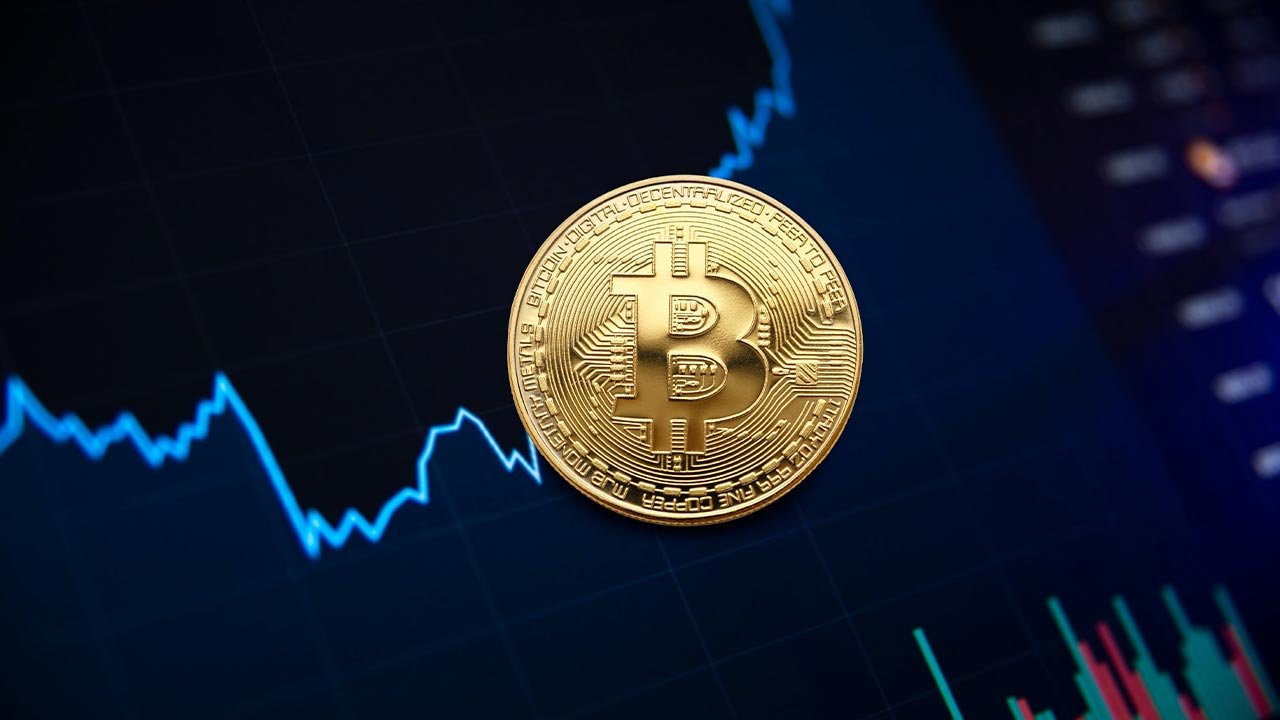
    Bitcoin on Monday, May 9 fell to its lowest level since January 2022, as falling equity markets weighed on cryptocurrencies, which are now trading in line with riskier assets like tech stocks.

    In early trade, bitcoin fell as low as $33,266 to test the January low of $32,951. If it drops below that level, it will be at its lowest since July of 2021. The price then settled at roughly $33,500, down 1.4 per cent.

    A Singapore-based crypto platform, Stack Funds said that everything in crypto is still classified as a risk asset, and most cryptocurrencies are pummelling in the same way that the Nasdaq has been.

    The Nasdaq, which is heavily weighted in technology, plummeted 1.5 per cent last week and is down 22 per cent year to date, as persistent inflation forces the US Federal Reserve to raise rates despite slowing GDP.

    On Monday morning Nasdaq futures were down another 0.8 per cent.

    Other factors in bitcoin’s weekend slide were the crypto market’s notoriously low liquidity on weekends, as well as short-lived fears that an algorithmic stablecoin dubbed Terra (UST) could lose its stability against the US dollar.

    Read more: Pakistan’s foreign currency reserves down by $328 million

    The crypto world is keeping a close eye on UST because of its unique method of maintaining a 1:1 dollar peg, as well as its founders’ aspirations to construct a $10 billion bitcoin reserve to support the stablecoin, implying that UST volatility might potentially leak over into the bitcoin markets.

    On Monday, Ethereum, the world’s second-largest cryptocurrency, plummeted to $2,421, its lowest level since late February.

  • Pakistani rupee plunges by Rs1.05 against the US dollar

    Pakistani rupee plunges by Rs1.05 against the US dollar

    In today’s interbank session, the Pakistani rupee (PKR) fell by Rs1.05 versus the US dollar (USD), concluding at Rs186.97 per US Dollar, compared to Rs185.92 per USD on April 20.

    The rupee had a tumultuous market session, with an intraday high of Rs187.10 and a lowest of Rs186.25. This depreciation of PKR is attributed to the country’s expanding current account deficit and dwindling foreign exchange reserves. However, the country must pay a significant amount in the final quarter of FY22, putting additional strain on the local unit.

    Pakistan’s currency has lost Rs29.42 versus the US dollar since July 21. According to data published by Mettis Global, the rupee declined by Rs10.45 in CYTD, with the month-to-date (MTD) position showing a drop of 1.87 percent.

    PKR has shed 18.56 per cent versus the US dollar in the previous 52 weeks, with a low of 186.97 today and a peak of 152.27 on May 7, 2021.

    Furthermore, the local currency has lost 10.11 per cent versus the euro since its high on May 5, 2021. Since its high on May 7, 2021, it has declined 13.24 per cent against the pound.

    Read more: PKR continues losing streak against US dollar, sheds Rs1.48

    The PKR slid Rs2.4 against the pound sterling, completing the day at Rs244.4 per GBP, down from Rs241.97 per GBP the previous session. Similarly, the PKR lost three rupees against the euro, closing at Rs204.08 at the interbank today.

  • Gold loses shine, price drops by Rs2,000 to Rs132,300 per tola

    Gold loses shine, price drops by Rs2,000 to Rs132,300 per tola

    Gold prices fell sharply in the local market on April 8, following the US dollar’s loss of value versus the rupee.

    The price of precious yellow metal dropped by Rs2,000 to Rs132,300 a tola (11.66 grams). Similarly, the cost of 10 grammes of gold decreased by Rs1,715 to Rs113,426. On the flip side, it jumped from $6 to $1,933 per ounce (28.3 gram) on the global market.

    The yellow metal in Karachi is reportedly selling for as low as Rs129,400, while 10 grams is being sold at Rs110,940. This rate for 24K gold announced by the Sarafa Bazar Association is also followed by the majority of gold markets in cities including Lahore, Islamabad, Peshawar, Quetta, and Karachi.

    The Pakistani rupee (PKR) gained Rs3.50 yesterday against the US dollar, making it the greatest single-day gain since April 2020. The local currency is currently trading at Rs184.68.

    During inter-day trading on April 7, the domestic unit crossed the Rs189 threshold, notwithstanding the political uncertainty. However, following a Rs2.5 depreciation, it concluded at Rs188.18.

    The gold correction had been overdue for a long time, since the political turmoil had created widespread panic, and individuals were transferring their capital to gold, as various rules had made it difficult for everyone to buy dollars.

  • Rupee strongest against USD since Feb 2020

    The rupee continues to strengthen against the dollar and now it has returned to its pre-COVID level. 

    During intraday, the rupee is trading in the range of Rs. 152.83 and Rs. 154.25 against the USD today. This is the strongest since February 17, 2020. PKR closed at nearly Rs. 153 to the USD in the interbank market today, appreciating 95 paisas.

    Senior analyst at Tresmark, Komal Mansoor said, “This was the expected support level. With a spike in covid cases and speculation of lockdowns, this level may not be sustained and the rupee may bounce back to Rs156-157. However, strong Ramzan inflows may lend further support pushing the parity to Rs150-152. Eurobonds are being floated so that works as a positive for the currency as well.”

    Pak Kuwait Investment Company Head of Research, Samiullah Tariq, comments, “There are multiple reasons for the gain in the rupee. Generally, inflows are greater than outflows. Exporters are booking forwards, IMF agreement has resumed inflows from FIFs, and reduced outflows because of reduced tourism, hajj and umrah. In addition, AML/KYC has reduced hawala hundi (informal remittance channels) to a great extent making remittances rise significantly. The sustainability of the rupee on this level, however, relies on the Covid situation and oil prices.”