Tag: transgender community

  • ‘Dangerous and irresponsible’: Ushna Shah calls out Maria B for misusing Palestine activism

    ‘Dangerous and irresponsible’: Ushna Shah calls out Maria B for misusing Palestine activism

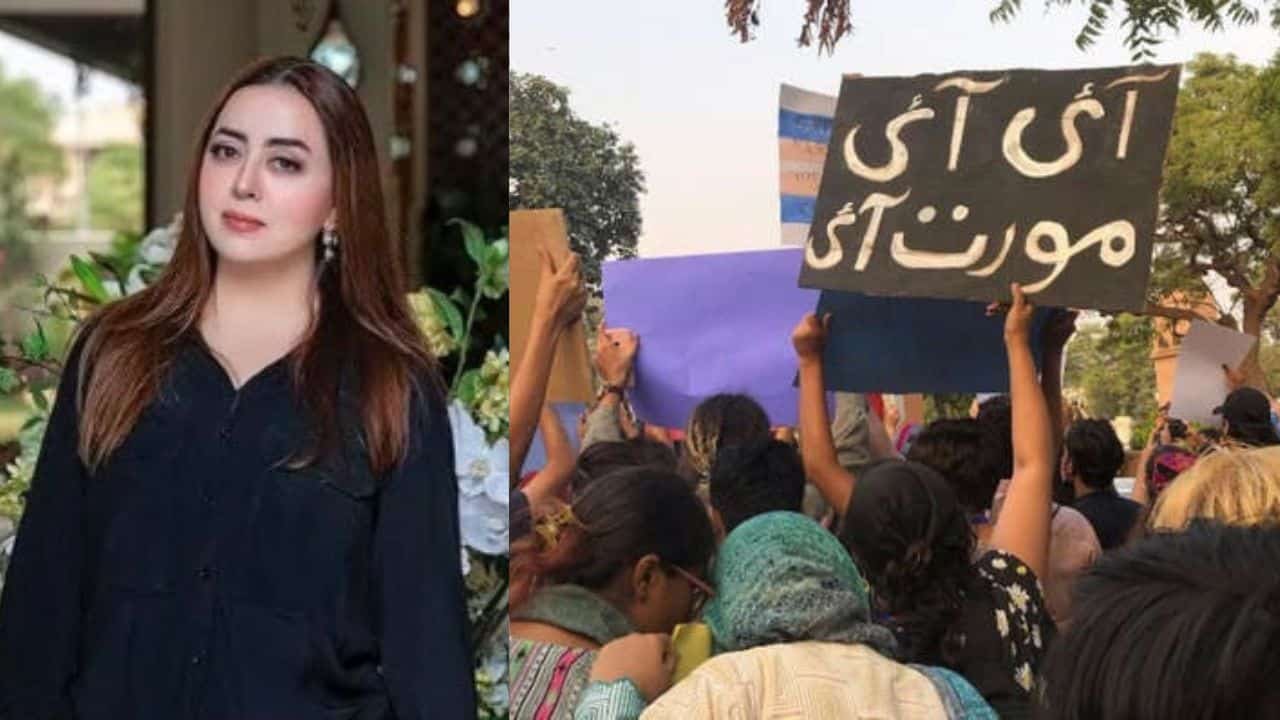
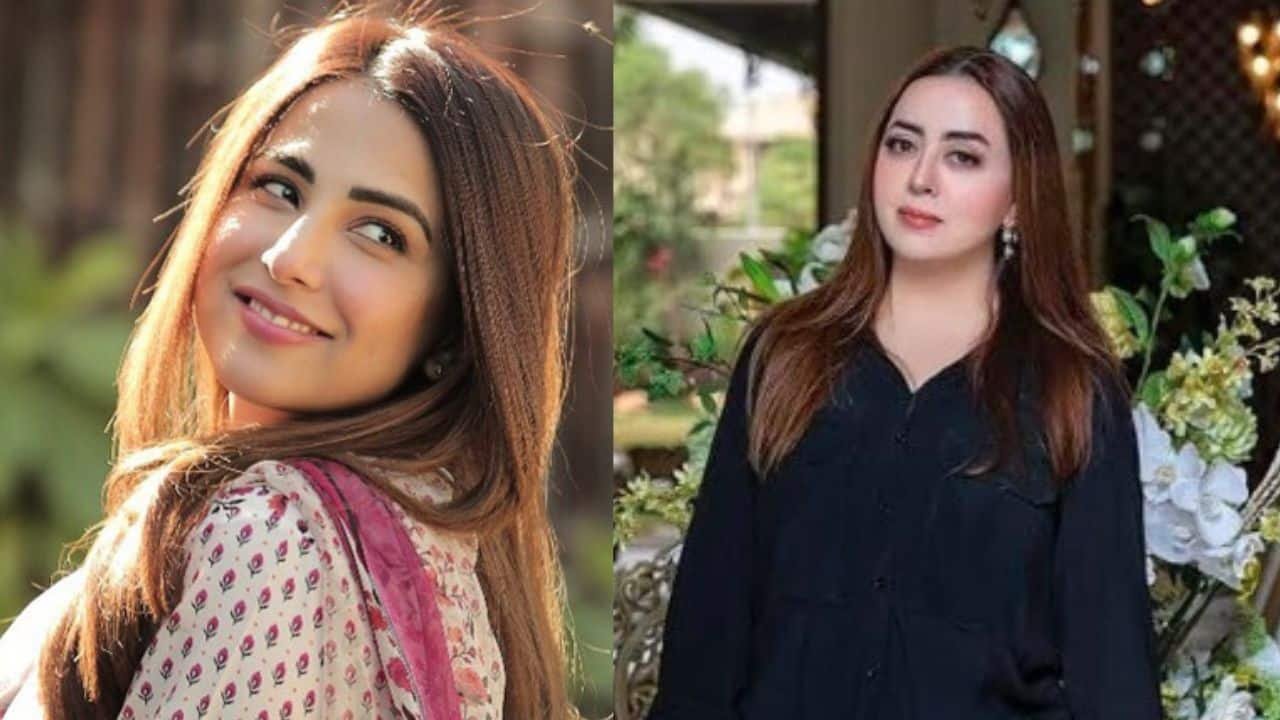
    Actress Ushna Shah took to her X (formerly Twitter) account to call out controversial fashion designer Maria B for misusing her tweets and photos from the Palestine march in Karachi to malign the transgender movement.

    “Maria B’s collaboration with questionable low grade bloggers and use of my tweets and photos from the Palestine March — where I was incidentally standing with a transgender rights activist — for her agenda is dangerous and irresponsible. She’s misusing edited content to stir controversy, exploiting trending topics like Palestine in a way that’s beneath even her.”

    “I am not aligned with her extreme right-wing or any extreme left-wing views,” continued the ‘Habs’ actress. “I have a diverse social circle, like most actresses working in showbiz, and I don’t subscribe to any political agenda. I value all life, from minorities to even animals. I urge Maria to realize the harm and potential risks to my safety her actions cause. In layman’s terms: please keep my name out of your mouth & don’t drag me in a war that has nothing to do with me.”

    “I am not pushing any agenda except the liberation of Palestine, do not use me to push yours.” Ushna wrote. “I’m sorry I rejected coming to your march, but this was a sick retaliation which has endangered me. Me not wanting to associate with Maria and her march doesn’t make me an LGBTQ activist. It has nothing to do with that. She has made me uncomfortable since her stunt with the covid patient working in her home, I see her as an irresponsible person who weaponises religion to push her brand & her recent stunt proves just that. Using the photo from a *Palestine* march in which an activist Shahzadi came next to me for a while & posing it as an LGBTQ March is again highly irresponsible of her, not to mention spreading lies online to endanger someone is illegal.”

    In the next tweet Ushna wrote: “To the fundamentalists threatening me: I’ve written this in Urdu. Simple words “meri dosti SAB ACTRESSES ki tarah SAB sey hei, meinay Palestine ke ilawa koi agenda push nahi kiya, Jo sawal mujhse karney hein woh sab actresses sey karein. LogoN ko mazhab Matt istemal karney dein sales banaaney ke liye. Mere Falasteen make stance ke baad haath sey endorsements jaa rahi hein, matlab high paying multinational waqfay, Jo ke aap sab ko patah hei mujhe bohot miliey thee alhamdulilah, Aur yeh logue Falasteen ko Aur mujhe istemaal kar rahey hein ratings ke liye”. I am at Umrah, let me get back to it without fearing propaganda. Jo masla mera hei hee nahi uss mein mujhe mutt ghaseetein. Aur meri avaaz falasteen ke haq mein Jo uthee hei ussey chup Matt karwayein.”

    Ushna Shah ended the thread by writing: “Maria, I am not new to cheap made up controversies by bloggers but a woman in your position should know better than to use me and to use this genocide. You are old enough to be my mother. Since you decided to address me online and open me up to threats, even though you have my number, I’ve decided to do the same. What you have done is dangerous, irresponsible & illegal, and if I had time to visit FIR offices, I would.”

    Maria B has yet to comment on Ushna Shah’s statement.
  • What was the backlash on Aurat March’s ‘people with uterus’ post all about? An organizer explains

    What was the backlash on Aurat March’s ‘people with uterus’ post all about? An organizer explains

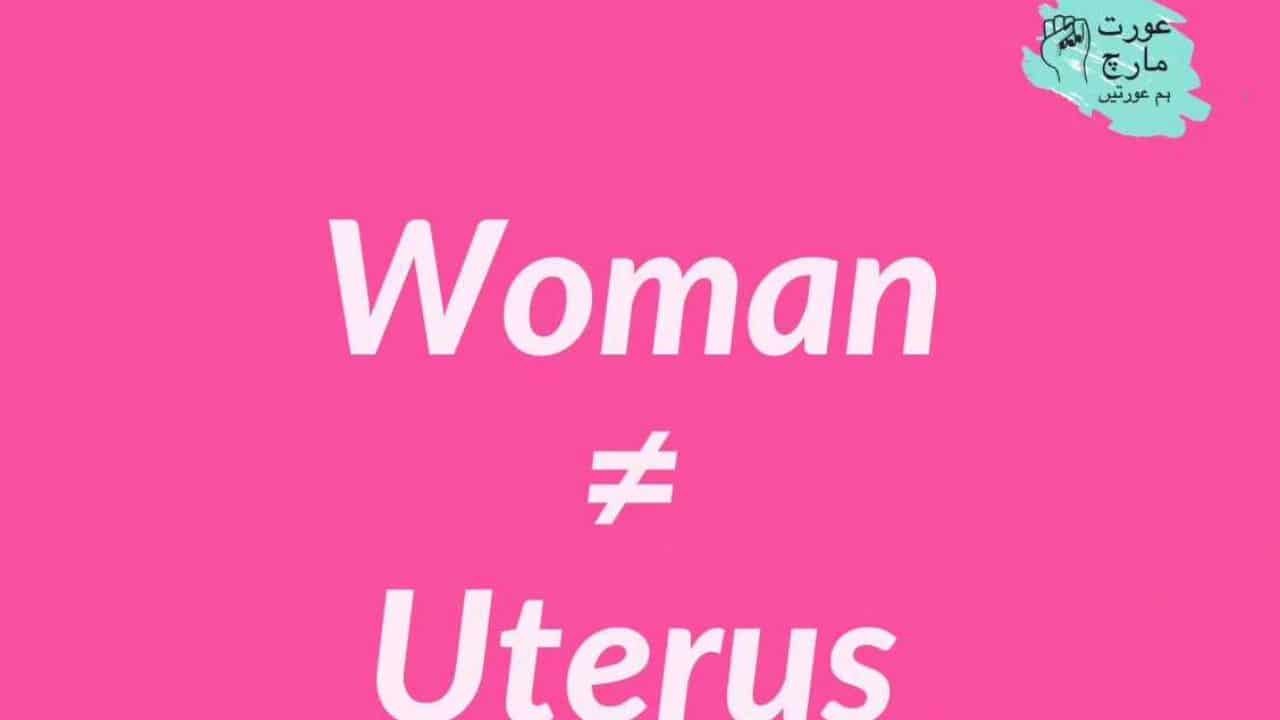
    Three days ago, the women rights movement Aurat March’s Karachi page uploaded a detailed statement on their Twitter account addressing the backlash surrounding the term ‘people with uteruses’. The term was used in a statement announcing a feminist baithak a few days ago, where women and people of other genders were invited to discuss the topic “Mensturation and Misogyny”.

    In their statement, Aurat March explained why mensturation has less to do with gender, because it’s a biological process since the uterus, or the womb is the main organ involved in it.

    “Mensturation is a biological process, with the uterus or the womb being the main organ involved in it. Needless to say, it has to do with the sex a person is assigned at birth rather than their gender. It only makes sense, then, to call anyone who mensurates a ‘person with uterus’ or ‘mensturator’.”

    “This form of criticism revolves around the deeply ingrained, patriarchal belief that a woman’s identity is inherently tied to her uterus, other reproductive organs, and ability to conceive and bear children. It is deeply misogynist, especially in our context, where many CIS women are considered baby making machines and girls are married off at a young age (often even in their teenage) with the belief that they would bear more children, often at the cost of the girl’s health or even life.”

    In their next post, Aurat March detailed on the misogynist attitude towards periods- and how it affects every person, woman or not.

    “Given that the majority of uteruses bleed almost every month for four decades, it is crucial to realize that the misogynist attitudes towards periods affect every person who mensurates- whether woman or not. We use the word misogyny here because the patriarchy views mensuration as inherently feminine thing (and hence, as cause of inferiority); therefore, this misogyny extends also to non-binary and trans-masculine mensurators.”

    “The bottom line is that the uteruses of many women, transgender men and non-binary persons (who were assigned female at birth) have been bleeding for centuries and will continue to do so.”

    The statement was slammed by several Twitter users as misogynist towards women, with Youtubers like Muzamil stepping in to label the movement elitist. To get to the bottom of the controversy and how can we craft more spaces for women, and people from the transgender community, to talk openly about their mensuration without facing backlash, we spoke with Aurat March organiser *Rosa.

    Q. What inspired you to write this statement, and did you anticipate that there would be such backlash?

    Truth be told, we did not expect the response to be this big. Aurat March regularly hosts baithaks where we discuss our politics with the poeple but also amongst ourselves. The use of inclusive and misogyny-aware language is something we’ve been consistently using over the years. Our movement is feminist and takes pride in the fact that we stand for all genders that are suppressed under patriarchy. We think the fact the tweet started with the word “people with uteruses” is what had people read it and have it make rounds.

    Q. Given the criticism the post has received, do you feel Aurat March could have worded the statement differently or toned it down?

    No. The criticism for a feminist voice in the political space has been there since day one. People criticize us mindlessly for anything that we do. They place an unfair burden of championing every single feminist issue in the country while those same men might not have gotten off their horses of privilege to raise a single finger for the feminist cause. The criticism is bandwagon-ish, misogynistic and transphobic, and it shows how much work we have to do in terms of the discourse around menstruation, the people it impacts, and the trauma of internalized misogyny that women in Pakistan carry. The hate isn’t even necessarily centered around the statement; it’s centered around Aurat March and what it represents.

    Q. Several users, including the YouTuber Muzzamil, criticised the post saying its proof that Aurat March is an elitist movement, that doesn’t address the ongoing issues faced by women in Pakistan. Do you feel this perspective is justified? 

    We think its funny that out of all the people, Muzzamil came out to call the Aurat March an elitist movement while he sits and tweets this from Dubai. There are several tiers of responses as to how the perspective isn’t justified. 

    The burden to prove whether AM is an elitist movement is not just unfair in the first place, it’s impossible to prove as well. Our marches regularly pulls in more than half of its audience from the working class communities we work with. We go and visit these hidden, impoverished and disenfranchised communities all year round: Zia Colony, Mauripur, Orangi Town, Kausar Niazi, Mehran Town, Race Course, Shikarpur, Surjani, Ibrahim Hyderi, Lyari are only some of the names. We then arrange their transport from their communities to the march as well. 

    But not just that, all that one has to do see where our priorities lie as a movement is go through our Instagram. For the last month or so, we’ve been working with effectees from Jaranwala, raising voices and protesting for the rehabilitation, protesting at Teen Talwar for recovery of Hindu missing persons while a delegation from our team has been facing harassment and abuse from the police at Jaranwala as we speak. 

    But of course, men like Muzzamil wouldn’t see the groundwork that Aurat March has done because he’s never visited these places himself, or maybe he doesn’t have binoculars big enough that can help him see all the way from Dubai. The truth is, our politics doesn’t revolve around just creating a feminist discourse or space on twitter, but a lot of people see it that way. They like to think that politics that does not exist beyond this digital space, and we couldn’t care less about these keyboard warriors. The work that we do, impacts the people we work with and it makes a difference in their lives, and that is all that the feminist cause is at the end of the day.

    Q. The ongoing backlash surrounding menstruation can have some implications on the mental health of Pakistani women because they don’t feel its safe for them to express their concerns out loud, even on social media. How can we continue to create spaces to openly speak about the issues Pakistani women want to talk about.

    We think it’s important to clarify our politics and position in this context. We believe it’s important to see a woman beyond her uterus. In many instances, this “bachadani” holds more value than her life. Her worth is gauged up on her ability to reproduce, her identity is centered around her motherhood, and her final goal is set out to become a mother. So many women lose their lives in forced pregnancies, so many battle uterine cancer and so many see their childhoods end the moment their uteruses start bleeding, married off to a man twice or thrice her age. So of course, when AM tries to separate the woman’s identity from her uterus, people lose their minds.

    It’s funny people think ‘people with uterus’ is dehumanizing language when so many people see only a uterus when they look at a woman. To think about how this experience might not be inherent to their existence would then, of course, be thought of as radical. At that same time, it’s important to remember that many women don’t necessarily have a uterus either. Alot of them have their removed due to complications, while many are simply born without one; the language is inclusive of their womanhood and identity, too. All the while, we also acknowledge all the people that menstruate or have uteruses but might not necessarily identify as women either, such transmen or non binary folks. The movement is just as much as for them and by them as it is for any gender.

    And understandably so, it becomes difficult for a woman to voice out her concerns regarding her body on social media. When our comments section becomes places of spewing hate or become dominated by men who think they’re invited to share their opinions about women’s bodies, they drown out any chances of having an open engagement and discussion on these topics. 

  • ‘No one was available’: Ali Rehman on why transgender actors weren’t hired for Guru

    ‘No one was available’: Ali Rehman on why transgender actors weren’t hired for Guru

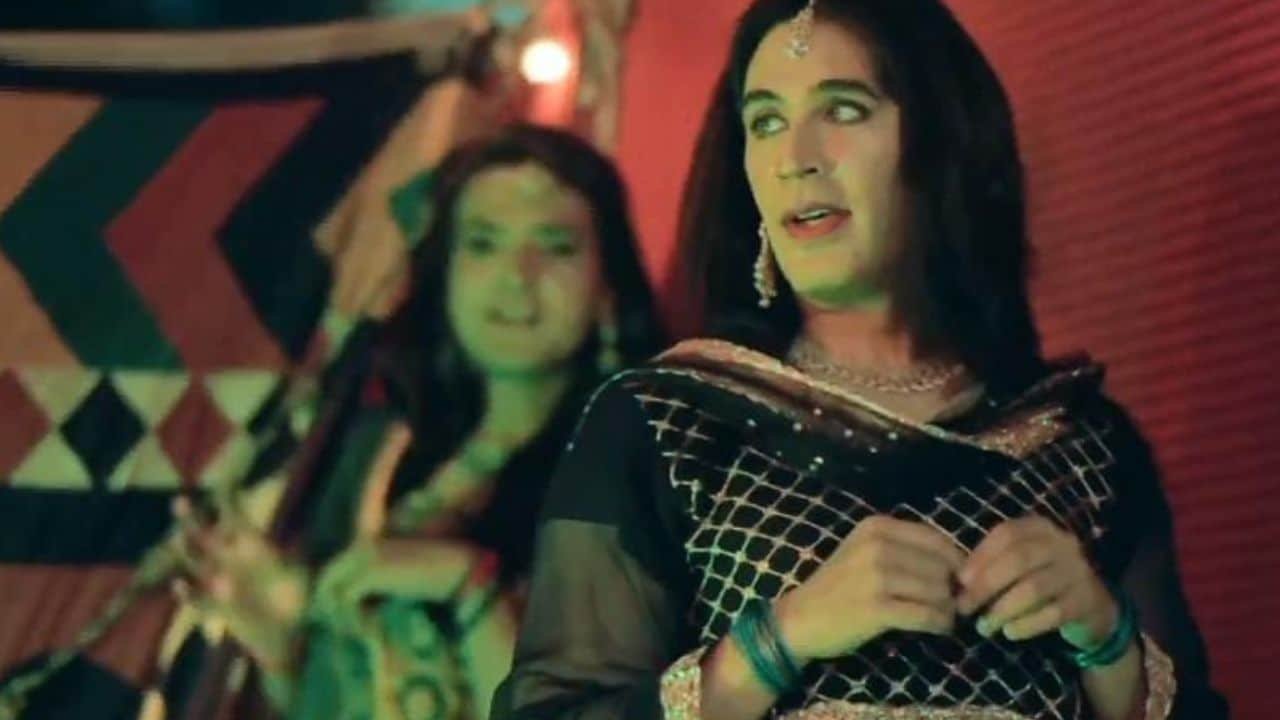
    Actor Ali Rehman Khan is currently playing the role of a transgender woman in the Express Entertainment drama ‘Guru’. The drama is facing intense backlash from social media users, especially transgender activists like Shahzadi Rai, who condemned the limited spaces allowed to members of the transgender community within the entertainment industry to be able to tell their own stories.

    Speaking to The Current, the activist expressed her dismay at how cis men were constantly taking up roles about people belonging to the third gender, and used the incorrect term used to describe the community like ‘intersex’.

    “People who do not want to declare themselves as intersex, why are you pushing the label on them? And roles that are about the third gender, you should give them to people who identify under it. A man’s role would be played by a man, while a woman’s role would be played by a woman.”

    READ MORE: Transgender activist Shehzadi Rai, Twitter users criticise ‘Guru’ for hiring cis man to play intersex character

    Several social media users also pointed out that films like ‘Joyland’ which starred transgender actress Alina Khan were met with intense backlash and banned in the country, but it was dramas like ‘Guru’ which were not met with the same scrutiny since members of the transgender community aren’t involved in production.

    Speaking to BBC Urdu, the actor has come forward to address these allegations, saying that despite the studio’s best efforts, they couldn’t find transgender actors to take on the role, and encouraged more members of the community to come into the field.

    “We were planning that one or two of the chelas in the show should be members of the transgender community. But we did a lot of auditions and couldn’t find any actors. And with a huge production there is a lot at stake, since you have to shoot for 40-50 days. You can’t just rely on one actor: you have to have a cohesive list.”

    The actor went on to express his desire to see more transgender people coming into acting, who can play these kinds of roles even more efficiently than he has.

    The actor also elaborated on how he had prepared for the leading role, revealing the process involved. He spoke with members of the transgender community, along with watching documentaries and movies related to the topic.

  • Maria B has yet another factually incorrect take on transgender people

    Maria B has yet another factually incorrect take on transgender people

    Designer Maria B has yet again decided to court controversy. The fashion maven took to social media to disperse more of her opinions about transgender communities, because she knows them better than the experts from the community, right? On Friday, the face behind the fashion brand ‘Maria B’ tweeted how the biggest threats to women universities were “biological men” aka transgender women, who were invading women’s bathrooms. She called for a ban on giving admission to transpeople in women’s colleges.

    “Women Universities in Pakistan are under attack. Biological men are now being given admission in our safe spaces for women. Female bathrooms are now being invaded by biological men who feel like women….As it is we live in a Conservative society where parents hesitate sending their daughters for higher education. Forcing biological men into women’s universities under the garb of transgenders will be a great disservice to women’s education. Watch how parents will start stopping their daughters from getting education bcz there are MEN PRETENDING TO BE WOMEN in the universities.”

    The fashion designer went on to slam women rights organisations like Aurat March for “not standing up for women’s rights” and “shutting women’s voices”.

    However, reports from universities all around Pakistan would disprove Maria B’s take that the transgender community is the biggest reason why parents are refraining their daughters from going to universities. Because from all the recent cases of sexual harassment and rape reports from colleges, we can’t help but deduce that the majority of the perpetuators behind these assaults are men.

    Take for instance, the recent case in Ghazi University where a young woman complained of being sexually assaulted and threatened by two male professors who were black mailing her younger sister.

    READ MORE: Accusations of sexual assault, blackmail leveled against two professors in DG Khan

    Or the matter of the ex-head security officer at Islamia University in Bahawalpur, who was caught in July with multiple illicit videos of women and female staff on his phone. He was allegedly black mailing women with threats to leak the videos.

    READ MORE: Police arrest university’s chief security officer for objectionable videos of female students, drug possession

    In June, another male employee at King Edward Medical College was caught making videos of women in washrooms, an action which launched protests as several women revealed they had consistently filed complaints with the KEMU administration about the pressence of male staff members in female bathrooms.

    READ MORE: Employee at King Edward Medical University caught making video of female student in washroom

    In not one of these stories is it mentioned that a transgender woman was caught harassing or black mailing a woman. However recently, reports circulated on social media of a transgender activist who was forcibly converted in a rehabilitation centre Focus Life, where she detailed reports of being tortured, sexually harassed and abused for her gender identity.

    READ MORE: Transgender activist Zaakraa’s story takes sinister turn, wipes all previous posts

    So there you have it folks, it is not transgender women who are making other women feel unsafe in universities, but it is the way institutes turn a blind eye to male privilege, sexual harassment, and protection of harassers that keeps women feeling unsafe in these places.

  • Pakistani transgender comedian and activist barred from using Emirates

    Pakistani transgender comedian and activist barred from using Emirates

    Pakistani transgender activist and stand up comedian Anaya Rahimi took to Twitter to share that she was preventing from boarding an Emirates flight to Tunisia because of the X gender on her card, which signifies that she is a trans woman.

    Describing the experience in an Instagram post, Rahimi said that the Emirates staff misbehaved with her, prohibiting her from travelling as trans people are not allowed to board their planes, despite her efforts to communicate with them.

    “When I went to emirates check in Lahore @lahoreairport the @emirates staff there stopped me and insulted me first because of my gender they along with there manager used transphobic slurs and then told me that you cant travel as @emirates does not allow trangender people to travel. I tried my best to argue and make my case presented the email approval by emirates and told that I confirmed from headoffice too but they shut me down and asked guards to escort me out didn’t let me use my phone as well.”

    Since the post went viral on Twitter, transgender activists like Shahzadi Rai, who was previously prevented from using FlyDubai because of her gender identity, condemned the airline and called for authorities to take action against the organisation.

    https://twitter.com/Bubbleskhanum/status/1675907955055636493?s=20
  • Nawazuddin’s ‘Haddi’ hired 300 transgenders for research and acting

    Nawazuddin’s ‘Haddi’ hired 300 transgenders for research and acting

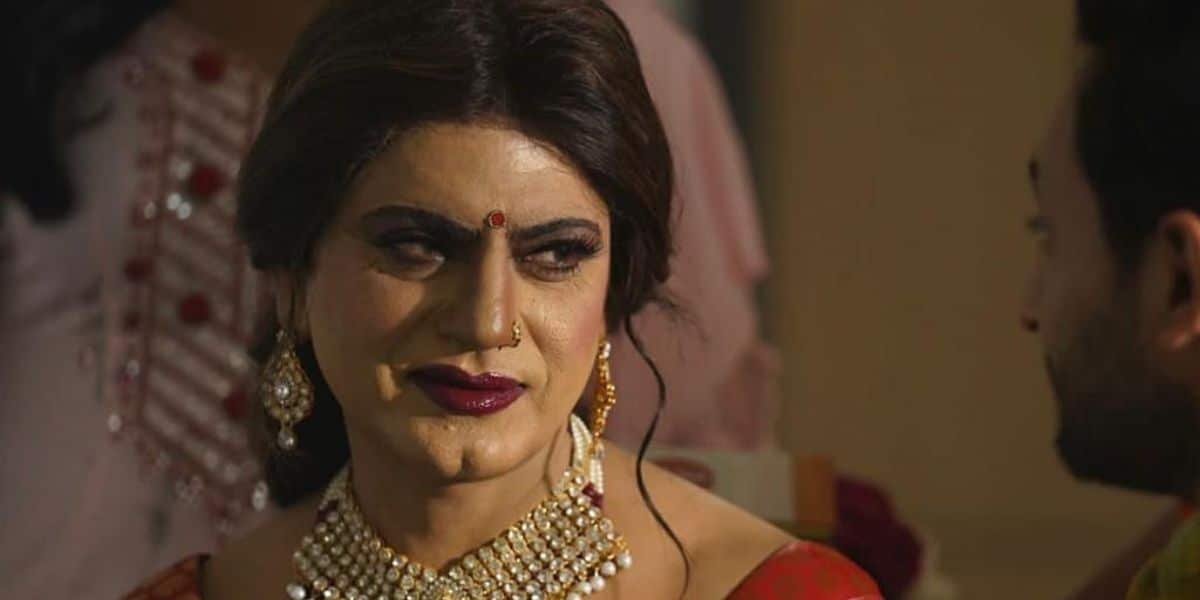
    Bollywood actor Nawazuddin Siddiqui will be playing a transgender in the film ‘Haddi’, a movie that will also star 300 transgenders, according to debutante producers Sanjay Saha and Raadhika Nanda.

    “The process was very adventurous and hard at the same time. It was not very difficult to convince them as we were also learning their life experiences and making them a part of our film. We had a great time learning tons of things from them, including how their life and world is very different from us,” the producers have said.

    The filmmakers also spoke about a transgender woman, Renuka, who had helped the filmmakers in researching the character.

    “She helped us learn about their community,” revealed Sanjay, “and their upbringing, along with the challenges faced by them from childhood to their day-to-day life. She also made us visit many people from the community which helped us write the script and get a better understanding of their life. She had brought some of her friends from the community to Nawaz so that he could get into the character and deeply understand their life.”

    “I’m glad how Nawaz has spent a lot of time with them and making sure he truly understands what they go through.”

    Speaking about how Renuka had helped in making Haddi a more accurate film, the producer revealed:

    “Renuka has helped us through the entire medical process too, including how the operation happens and what they have to go through post-operation. The writers sat with the transgender people to have a fair understanding of where they live, where they get treated, what they do in daily lives, and followed their lifestyle which helped us a lot to make Haddi a truth based film on them since Nawaz is playing a transgender.”

  • Exclusive: Transgender activist Shahzadi Rai discusses inclusive education policy initiated by Sindh Govt

    Exclusive: Transgender activist Shahzadi Rai discusses inclusive education policy initiated by Sindh Govt

    Transgender activist Shahzadi Rai took to social media to announce that she was collaborating with Sindh Education Minister Sardar Shah to work on the first ever transgender inclusive education policy, which will allow more members of the khwaja sira community to enroll into schools and continue to pursue higher education through scholarship programs set up by universities.

    Speaking to The Current, Rai, who is working as a Violence Case Manager for Gender Alliance Initiative, spoke about the importance of the policy, which is a step forward in helping transgender individuals pursue their academic dreams and help in empowering their community:

    “Through this policy, we aim to help members of the Khwaja Sira community pursue higher education, especially those who can read and write but could not study in schools. When we had our meeting to discuss this policy, one of the first things we talked about was setting up a scholarship program for the transgender community in universities. So that more transgender people can study ahead.”

    We also talked about how this policy will help in setting up more safe and inclusive environments for transgender individuals:

    “We had also discussed setting up more safer environments within schools for transgender people. We are forming up a draft of the things we want. Although it won’t be a part of this policy that we are drafting, but ahead in the future we will start including books with chapters that will discuss the history of the transgender community.

    In this policy, we have ensured that it is strictly forbidden that no teacher can misbehave with a transgender student. Our biggest concern is to ensure that teacher’s are trans-friendly.”

    Sindh Education Minister Sardar Shah was seen speaking on the importance of the education policy at the Sindh Assembly, highlighting the importance of such a step which will help members of the transgender community become equal members of our society by providing them fair education policies.

  • History made as Shahzadi Rai becomes first transgender to serve on Karachi Metropolitan Corporation

    Shahzadi Rai announced on her Twitter account on Wednesday that she has become the first transgender person to serve on the Karachi Metropolitan Corporation (KMC), the first such appointment in history. In a tweet she said:

    “I’m excited to share that I have submitted my papers KMC for transgender/Khawajasara reserved seats. It is the first time in Pakistan’s history that such an opportunity has been available, and I am grateful to the @PPP_Org @BBhuttoZardari @SyedNasirHShah @BakhtawarBZ @SaeedGhani1.”

    Speaking to The Current, Rai talked about her goals to help empower the transgender community and ensure that protecting human rights for all remains a priority for the organisation:

    Our priority is that any policy or project initiated should be inclusive for transgender people. We want to work for all the people in Karachi and make life better for them, whether it is men, women or khawaja sira people. We want to implement human rights because I am a feminist and a human right’s activist for the last 12 years, so when we enter politics we shouldn’t forget about our basic principles.”

    Since her announcement, civil society bodies and transgender activists on Twitter have offered congratulations on the historic feat, welcoming it as a necessary step towards including the transgender community into all kinds of policy making.

    https://twitter.com/Bubbleskhanum/status/1661354767380099072?s=20
  • Transgender activist Shehzadi Rai, Twitter users criticise ‘Guru’ for hiring cis man to play intersex character

    Express Entertainment has recently released the teaser trailer of the upcoming drama ‘Guru’ about an intersex character, with the main character to be played by Ali Rehman Khan.

    The announcement has received backlash on social media, with transgender activists like Shehzadi Rai taking to Twitter to criticise how such castings prevent opportunities for members of the khwajasira community to tell their own stories:

    “Cisgender men taking opportunities in acting roles that intended for transgender individuals. It is important to promote diversity and inclusivity in all fields, including acting. Kuch tu chor do.”

    Speaking to The Current on the use of ‘intersex’ to describe the khwajasira community, as well as giving third gender roles to men, Rai said:

    “People who do not want to declare themselves as intersex, why are you pushing the label on them? And roles that are about the third gender, you should give them to people who identify under it. A man’s role would be played by a man, while a woman’s role would be played by a woman.”

    Other Twitter users have slammed the announcement as a disservice to the khwajasira community, by profitting of their stories but refusing to lift up members of the community. One user added:

    “Most Pakistani celebrities will never utter a word in support of the khawajasira community when their rights are being taken away but would be the first ones to accept roles to portray khawajasira characters in dramas. Token inclusion at its finest.”

    Another user compared the response of this casting to the backlash the film ‘Joyland’ had received, for which the transgender actress Alina Khan had been cast, and how the backlash began because an actual person from the marginalized community had stepped forward to tell their own story:

    “This is hypocrisy. When Joyland featured an actual khwajasira person, the entire country is up in arms. But we seem to be totally okay with basing our movies and shows on their lives as long as we’re not actually giving them opportunities in the process.”

    Many also criticised Express Entertainment for representing a marginalised community with someone who does not belong to it.

    “Express tv really think they are making difference by representing marginalised community featuring a cis man in mainstream media & capitalising from it? when u could hire someone from the community because Im sure there are talented trans people who deserve this opportunity.”

  • Bollywood set to make biopic on legendary Pakistani host, Begum Nawazish Ali

    Indian streaming platform EORTV has announced that they are in the process of making a biopic based on the life of the queer icon and Pakistani television host Ali Saleem, who was famous for his cross-dressing alter ego Begum Nawazish Ali. His popular talk show ‘Late Nights With Begum Nawazish Ali’ featured interviews with actors, politicians and even religious figures. In 2010, Saleem, along with actress Veena Malik, were the first Pakistanis to take part in the famous reality show ‘Big Boss’.

    Saleem had described himself as gay, bisexual and even transgender.

    According Deepak Panday, the CEO of EORTV, the channel was planning to approach actor Mallika Sherawat for the role. He also elaborated on the reason they had chosen to film this story:

    “This is a strong story, a story of boldness and courage. The character is multifaceted and needed someone as courageous and undaunted as the Begum thyself. I am planning to approach Mallika Sherawat for this role as she would be apt for a fearless performance like this. It is important to create stories like these that can encourage more and more people to be open about their sexuality and sexual preferences. This is going to be a story of an unapologetically fearless man who’s leading a life of his own choice in spite of living in a politically warm environment”.

    He further went on to say:

     “Begum Nawazish Ali’s background and childhood is interesting but the journey he makes in due course of his life is even more interesting. He has interviewed the who’s who from business, politics, entertainment with gusto. He has courted satire and controversy but managed to make a place in the hearts of the common man. His life will make for very compelling content on screen”.