Tag: Transparency

  • Peshawar High Court rejects SIC’s plea regarding reserved seats

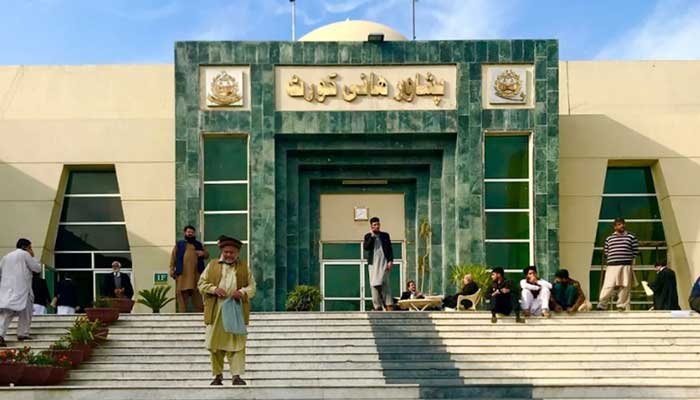
    Peshawar High Court rejects SIC’s plea regarding reserved seats

    The Peshawar High Court (PHC) has rejected a petition of Pakistan Tehreek-e-Insaf (PTI)-backed Sunni Ittehad Council (SIC) against the Election Commission of Pakistan’s (ECP) verdict on reserved seats.

    “Petitions are unanimously rejected,” the court maintained.

    Earlier today, PHC chief justice Mohammad Ibrahim Khan resumed the hearing and five members of the bench, including Justice Ijaz Anwar, Justice Ishtiaq Ibrahim, Justice Shakeel Ahmad, and Justice Arshad Ali, heard the petition.

    SIC’s lawyer, Barrister Ali Zafar, argued during the hearing that it’s not mentioned in the constitution that a party should submit any list to the ECP for reserved seats.

    “It is not written anywhere that you cannot resubmit the list or when it has to be submitted,” the barrister argued, adding that there is no restriction on providing a second list and that the ECP could have issued a second schedule, as it did for the general elections.

    “As per the law, those who participate in elections will get seats,” Justice Anwar remarked.

    The court then questioned Barrister Zafar if it wasn’t clearly stated anywhere that the second schedule cannot be issued.

    “The law does not prevent the Election Commission from issuing another schedule,” the lawyer responded.

    Justice Arshad remarked that Section 104 explains the mechanism for reserved seats as it states that when a list is submitted then another list can be given.

    “Section 104 says that if a political party participates in an election, it will give a list,” the lawyer argued.

    He earlier argued that whoever wins the number of seats, they get reserved seats in the same proportion. 

    “Their seats cannot be increased.”

    “If these seats are not given, the parliament will not be complete,” remarked the chief justice, responding to which the lawyer requested the court to interpret the Constitution in a way that there remains no gap in its interpretation.

    Barrister Ali Zafar also told the court that the ECP has authority to maintain justice, adding that there should be transparency in the election for reserved seats.


  • Pakistan faces worsening financial woes as state-owned enterprises suffer losses

    Pakistan faces worsening financial woes as state-owned enterprises suffer losses

    Interim Prime Minister (PM) Anwaar-ul-Haq Kakar conveyed on Wednesday that Pakistan is grappling with financial challenges, exacerbated by the continuous losses incurred by state-owned enterprises (SOEs).

    The PM presided over a high-level meeting specifically addressing the issues plaguing Pakistan International Airlines (PIA). 

    During this meeting, comprehensive briefings were presented on various aspects of PIA’s operations.

    Key figures, including Caretaker Minister for Privatisation Fawad Hassan Fawad, Adviser to the Prime Minister Ahad Cheema, and other relevant authorities, were in attendance.

    PM Kakar articulated his concerns regarding the protracted decision-making process concerning PIA’s issues.

    He highlighted the urgency of expediting the privatisation of PIA and other state-owned enterprises that are incurring losses, highlighting that these financial setbacks should not be shouldered by the public through tax money.

    PM Kakar underscored that reforming the aviation sector could lead to improved services for the public.

    Furthermore, he stressed the importance of transparency in the privatisation process and the need to assign responsibility for the losses to facilitate corrective actions and prevent further financial setbacks.

    The meeting received updates on PIA’s financial situation and the progress of its privatisation process.

    The PM directed that the privatisation of the national flag carrier be expedited to relieve the burden on the national treasury.

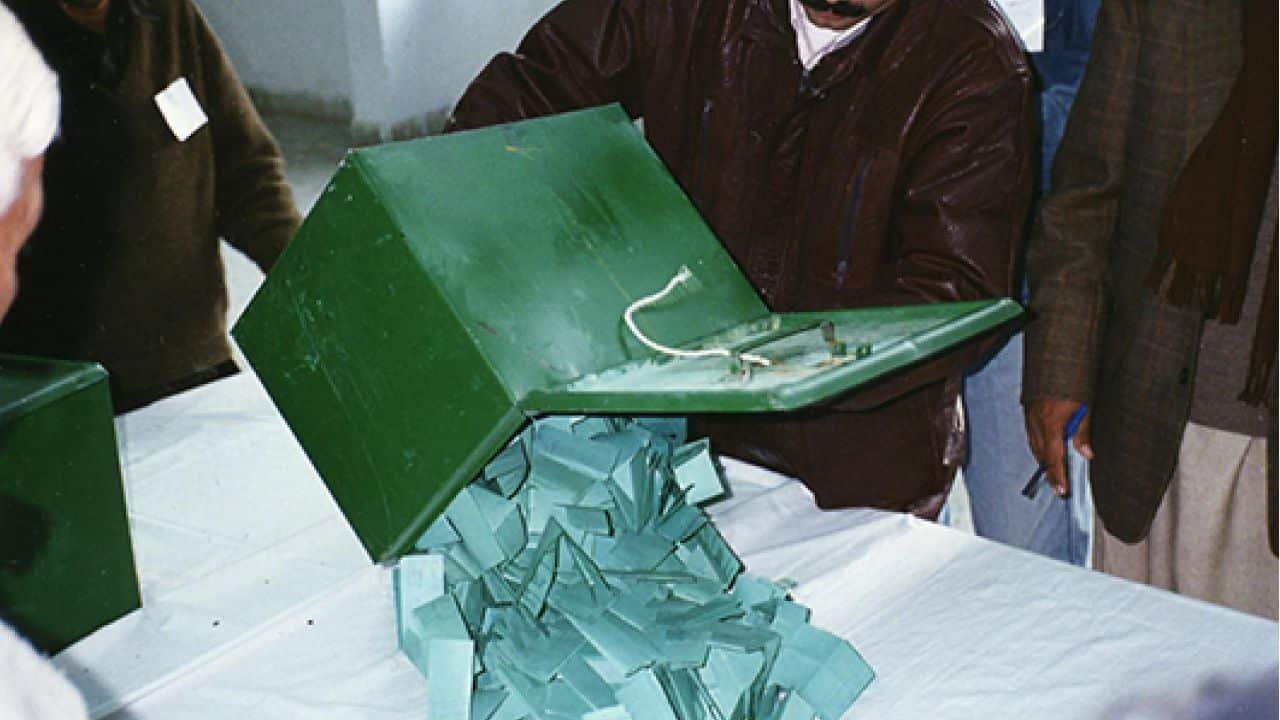
  • What is Form 45 and why is it important in elections?

    What is Form 45 and why is it important in elections?

    The Election Commission of Pakistan (ECP) has recently made changes to Form 45, a document used for counting results.

    According to the ECP, from now on, date and time will also be entered into Form 45. The Commission said that objections to the amendment can be submitted till October 20.

    What is Form 45

    Form 45, commonly known as the “Result of the Count” form, is a significant record in the Pakistani electoral process. It plays a pivotal role in documenting and revealing voting outcomes at specific polling stations. Here, we delve into the importance of Form 45 and its role in Pakistan’s electoral process:

    Purpose: Form 45 is a cornerstone of transparency and accountability in Pakistan’s elections. Its primary goal is to create an official record of voting outcomes at specific polling stations. This documentation is indispensable for compiling and verifying results at the constituency level.

    Contents: Form 45 includes details like the polling station number, constituency name, the total number of registered voters at that station, the total votes cast, and a comprehensive breakdown of votes garnered by each candidate.

    Signatures: Form 45 is signed by the Presiding Officer responsible for overseeing the voting process. Additionally, representatives of candidates present at the polling station also sign the form as witnesses. These signatures are crucial for confirming the accuracy of recorded results.

    Transparency and Verification: Form 45 is instrumental in maintaining transparency throughout the voting process. It empowers candidates and their representatives to independently validate results recorded at the polling station and cross-reference them with the final results. This robust verification process minimizes the potential for irregularities or manipulation in election outcomes.

    Compilation and Reporting: After polling concludes, the Presiding Officer completes Form 45 and promptly submits it to the Returning Officer overseeing the respective constituency. The Returning Officer’s role is pivotal, as they collect and consolidate Form 45 from all polling stations within the constituency to determine final election results.

    Public Accessibility: In a dedicated effort to promote transparency, the Election Commission of Pakistan (ECP) mandates Presiding Officers to prominently display Form 45 outside polling stations for public scrutiny. This transparency measure enables voters, candidates, and their representatives to openly observe, verify, and validate election results, fostering confidence in the electoral process.

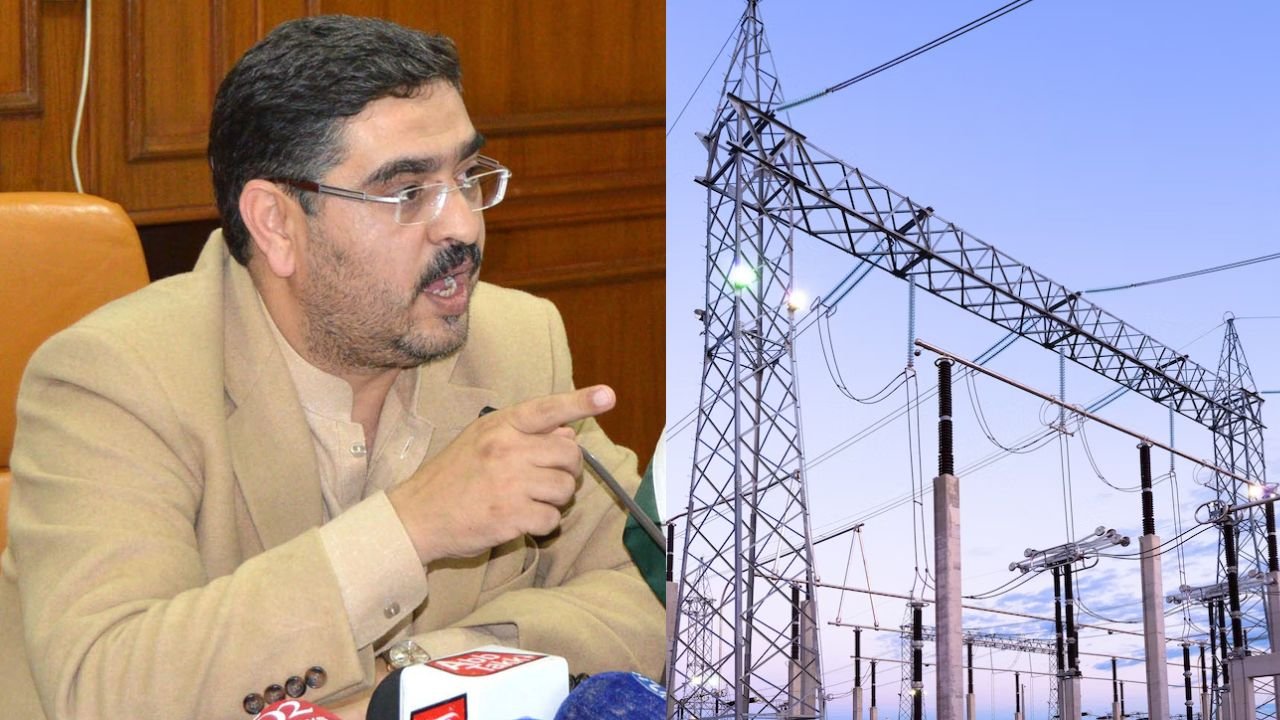
  • Free electricity extended to President, judges, and NAB chairman, contrary to PM’s claims

    Free electricity extended to President, judges, and NAB chairman, contrary to PM’s claims

    Prime Minister Anwaar ul Haq Kakar’s recent statement regarding free electricity for judges in Pakistan has sparked controversy, as it appears to be at odds with existing policies and practices.

    In a recent address, the Prime Minister asserted that only Wapda’s employees, including retirees, are entitled to free electricity, and this privilege is not extended to judges or other officials. However, a closer examination of the facts suggests that the Prime Minister may have been misinformed., according to Geo.

    Contrary to the Prime Minister’s statement, serving judges of the Supreme Court and High Courts in Pakistan enjoy the benefit of having their utility bills, including electricity, covered by the government. This includes both current and retired judges.

    For retired Supreme Court judges, the provision of free electricity extends up to 2000 units per month, while retired High Court judges receive 800 units per month without incurring any charges. The President and Prime Minister, whether in office or after retirement, are also entitled to free utilities, including electricity, without any specified limits.

    It’s worth noting that even former President’s receive a monthly allowance of 2000 units of electricity, with the costs borne by taxpayers’ funds.

    Additionally, the National Accountability Bureau (NAB) chairman enjoys similar privileges to those of a Supreme Court judge, which includes the provision of free electricity. However, there is no official confirmation regarding the entitlements of services’ chiefs as claimed by the Prime Minister.

    The President’s Salary, Allowance and Privileges Act of 1975, amended in 2018, specifies in Section 7 that the actual charges for electricity and gas consumption shall be covered each year for the President. Similarly, the President’s Pension Act outlines provisions for electricity, gas, and water supplies.

    The transparency of these policies was underscored in October 2020 when Justice Faez Isa and his wife disclosed their income tax and asset details. These documents clearly indicated that post-retirement benefits for a Supreme Court judge include 2000 units of electricity, 25 HM3 of gas, water, and 300 litres of petrol per month.

    Furthermore, the High Court Judges (Leave, Pension, Privileges) Order of 1997 not only addresses the payment by the government for electricity, gas, and water but also states in Section 28 that retired judges and their spouses are entitled to certain benefits, including 800 units of electricity per month and 25 HM3 of gas per month.

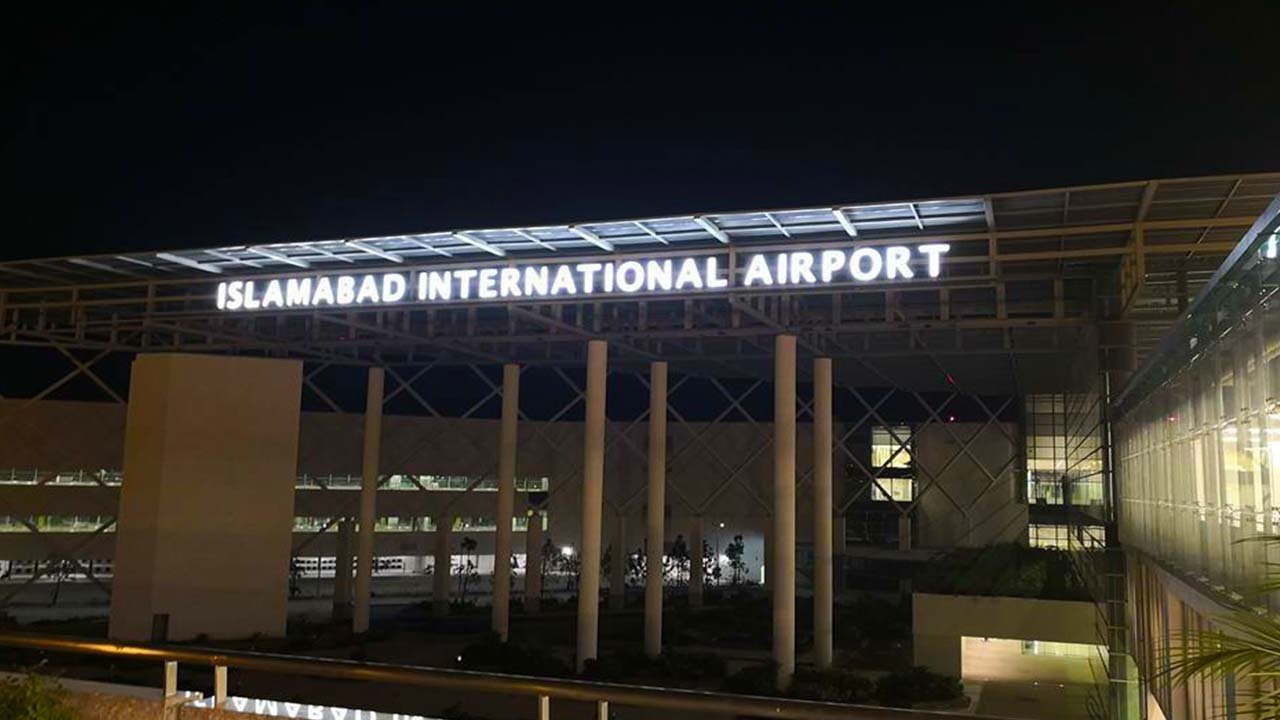
  • Islamabad International Airport outsourcing plan finalised: 15-year agreement for third-party management

    Islamabad International Airport outsourcing plan finalised: 15-year agreement for third-party management

    The decision to outsource Islamabad International Airport was finalised on Tuesday. According to the details, the airport will be under third-party management for 15 years, with a non-refundable advance payment of $100 million in case of any third-party violations.

    Administrative, financial, design, and construction responsibilities will be handled by the third party. They will also have the authorisation to construct shopping malls and brand shops within the airport. The third party will retain control over service charges, exchange rates, and shop rents as per the agreement.

    According to ARY News, Customs, site security, and immigration services, on the other hand, will continue to be managed by the Civil Aviation Authority (CAA), according to sources.

    Previously, the Aircraft Owners and Operators Association of Pakistan (PAOOA) expressed opposition to the government’s unilateral decision to outsource the country’s major airports without adhering to PPRA rules.

    The association criticised the government for awarding contracts to IFC and the World Bank (WB) for the outsourcing of three airports. The association’s statement questioned the secrecy surrounding the outsourcing process, raising doubts about its transparency.

  • Massive reduction in petrol price expected as Pakistan aims for one-third crude oil import from Russia

    Massive reduction in petrol price expected as Pakistan aims for one-third crude oil import from Russia

    Minister of State for Petroleum, Musadik Malik, has announced that the prices of petroleum products will witness a decrease once a continuous supply of oil from Russia is ensured.

    Speaking to a private news channel, Malik highlighted the substantial difference in prices that will benefit the masses once Pakistan starts fulfilling one-third of its domestic oil needs through imported Russian oil. He stated, “Our target is to obtain one-third of crude oil from Russia at a discounted rate. When we achieve this objective, petroleum products will be available at a cheaper price.”

    In response to a question about the expected decrease in fuel prices, Malik said, “I am unable to divulge the precise pricing details at this moment. However, it will lead to a significant difference.”

    While the state minister refrained from disclosing the current price, he emphasised that a substantial reduction in price would occur. He also mentioned that the first oil cargo has already arrived in Karachi, and the government is focused on maintaining a steady supply of Russian oil.

    The current deal involves 100,000 metric tonnes of oil, with the second consignment scheduled to arrive at the port next week.

    When asked about the possible effects of buying Russian oil and any potential issues at the global level, Malik expressed confidence that adhering to agreements and maintaining transparency would prevent any complications. He underscored the importance of responsible international engagement.

    Previously, Prime Minister Shehbaz Sharif expressed his fulfillment of another promise made to the nation, stating that the arrival of the first-ever Russian oil cargo marks the beginning of a new relationship between Pakistan and the Russian Federation. He described the day as transformative and emphasised the country’s commitment to achieving prosperity, economic growth, and energy security.

    Following its docking at the port, the authorities have commenced the process of transferring the Russian crude from the oil tanker to the Pakistan Refinery Limited for further processing and extraction of various final products. The transportation of crude oil to the facility is expected to be completed within the next 24 to 36 hours.

    It is worth noting that this is the first time Russian crude oil is being treated in Pakistan. The determination of the actual price of petroleum products in Pakistan will be possible only after the completion of the processing of this imported oil.

  • Punjab govt to provide free flour to 15.8 million deserving households during Ramzan

    Punjab govt to provide free flour to 15.8 million deserving households during Ramzan

    Prime Minister (PM) Shehbaz Sharif has announced a scheme to provide free flour to impoverished individuals during the holy month of Ramzan. The premier stated that the distribution of free flour will encompass 15.8 million households throughout Punjab from 25 Sha’ban to 25 Ramzan.

    To ensure effective implementation of the scheme, the Prime Minister directed the utilisation of 8,500 utility stores and the establishment of an additional 20,000 distribution points for public convenience.

    Moreover, PM Shehbaz stressed the need for the transparent and modern distribution of free flour among the poor while also emphasising that the quality of flour provided should be of the highest standards.

    Eligibility for the program can be confirmed through SMS, and the federal government will also support other provinces in this regard.

    During a review meeting to discuss the distribution of free flour under the Ramzan package, chaired by the Prime Minister himself, the Punjab government provided a detailed briefing on the program.

    The meeting was attended by the Caretaker Chief Minister Punjab Syed Mohsin Raza Naqvi, Adviser to the Prime Minister Ahad Cheema, and other relevant senior officials.

    This decision is expected to bring much-needed relief to the underprivileged during the holy month of Ramzan. By utilising modern technology and additional distribution points, the distribution of free flour can be carried out efficiently and transparently, ensuring that the benefits reach those who are most in need.

  • Supreme Court criticises NDMA over lack of transparency in expenditure

    Supreme Court criticises NDMA over lack of transparency in expenditure

    The Supreme Court (SC) has criticised the National Disaster Management Authority’s (NDMA) failure to ensure transparency in expenditures pertaining to the coronavirus pandemic and locust control.

    A five-member bench of the apex court, headed by Chief Justice of Pakistan (CJP) Gulzar Ahmed, heard the coronavirus suo moto case, during which the CJP suggested abolishing the NDMA over the authority’s failure to explain its expenses.

    NDMA has yet to submit crucial documents, observed the CJP. “Where are the documents permitting imports of machinery from Al-Hafeez Crystoplast (Pvt) Ltd?” he asked. The CJP also inquired why the documents have not been submitted despite directives being issued thrice in this regard. Where are the details pertaining to chartering the aircraft and its payments, he asked further.

    The director of NDMA maintained before the court that the authority did not import machines from Al-Hafeez company.

    The owner of the company has yet to appear, noted the CJP. The real issue is non-compliance with customs and other laws, he remarked.

    Meanwhile, Justice Ijazul Hasan noted that the cost of the machinery has not been disclosed in the documents.

    Over Rs10.7 million was paid for the charter, observed the CJP. How were the payments made according to the charter agreement, he asked. How can someone give this much cash in Karachi, asked the CJP.

    Where are the documents pertaining to imports of vaccine and the medicines, asked the CJP

    The relevant authorities will have to satisfy the court, said the Attorney General.

    The CJP observed that it appeared that the NDMA would have to be abolished as its chief has failed to provide explanations.

    Perhaps a lot has gone wrong and attempts are being made to cover up, observed the CJP. Should contempt of court notices be issued to the NDMA chief, he asked.

    The institutions of the country should be run in a transparent manner, said the chief justice.

    The NDMA was given a free hand and hefty amounts to deal with the coronavirus pandemic, said Justice Hasan. The authority is answerable to the court and the people, he added.

    The NDMA is acquiring planes and machinery for locust control, noted the CJP. Transparency will have to be ensured through documents and not just verbal statements, he remarked, adding that it was not comprehensible how billions of rupees were being spent.

    From corona to floods to locusts, everything has been handed over to the NDMA, remarked Justice Hasan. But the NDMA’s admin member himself does not know anything, he added.