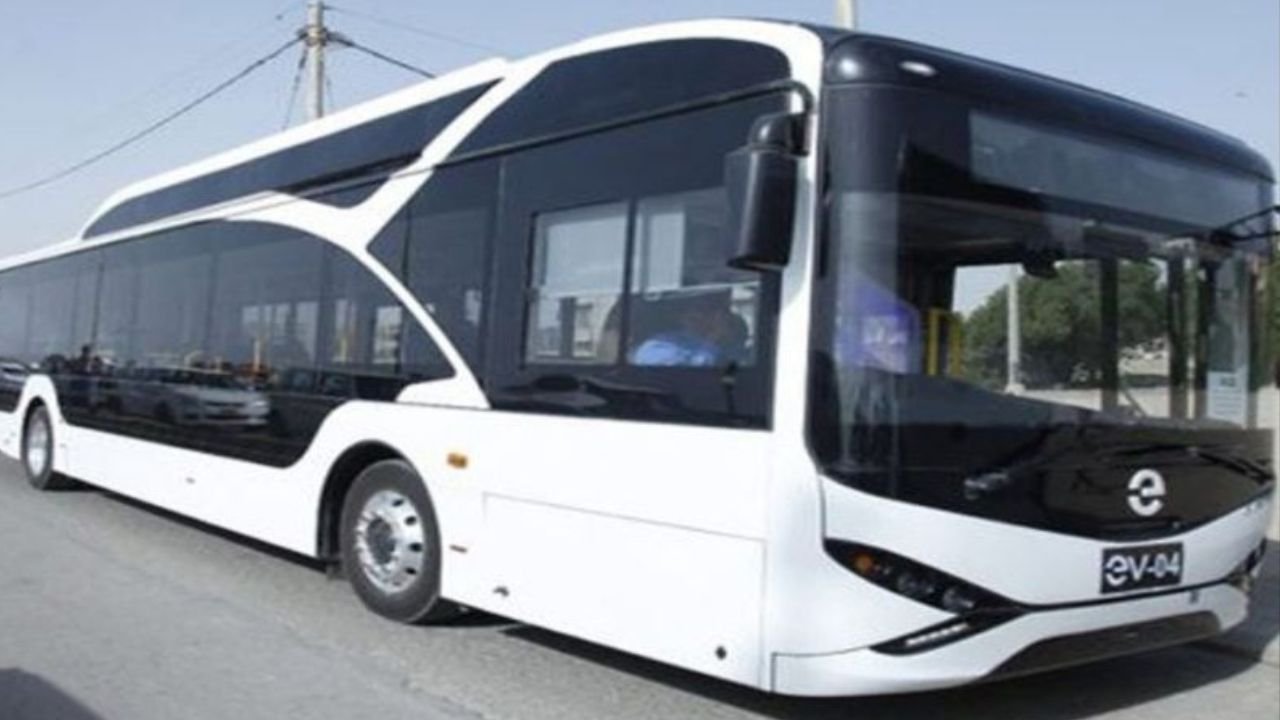
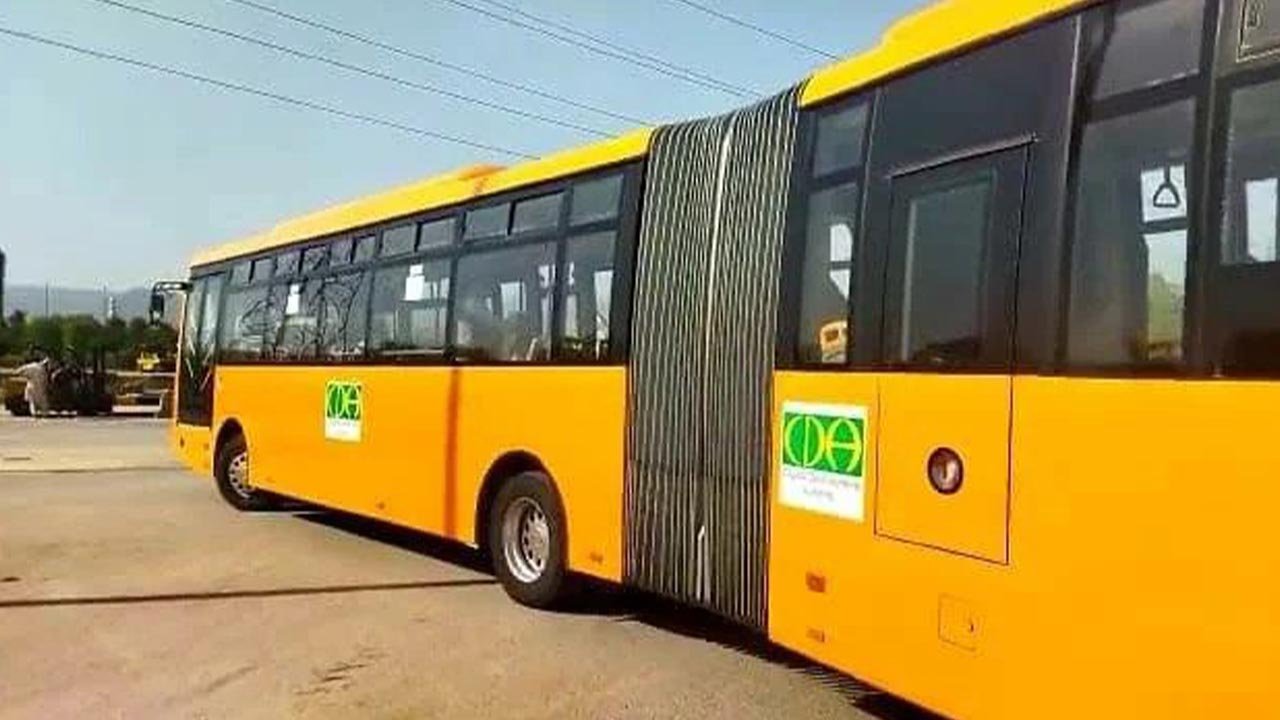
Punjab Minister for Transport and Mass Transit Bilal Akbar has announced that electric buses will be out on Lahore’s roads by this year’s end, reports Dawn.
“At least 27 electric buses will begin running on the Lahore roads by the months of November or December this year as a part of efforts to reduce carbon footprint in the city,” the minister told the Punjab Assembly session on Thursday.
He also confirmed that hybrid buses will be introduced in other regions of the province too so that local commuters could benefit from them.
Akbar said, while responding to a query by a fellow MPA, that over 200 feeder service buses in the provincial capital were being offered subsidies and around one million commuters were benefiting from the mass transit service on a daily basis.
With continuous hikes in petrol prices and dearth of good transport facilities that are comfortable, clean, and economically reasonable, travelling to another city within Pakistan can be a hassle.
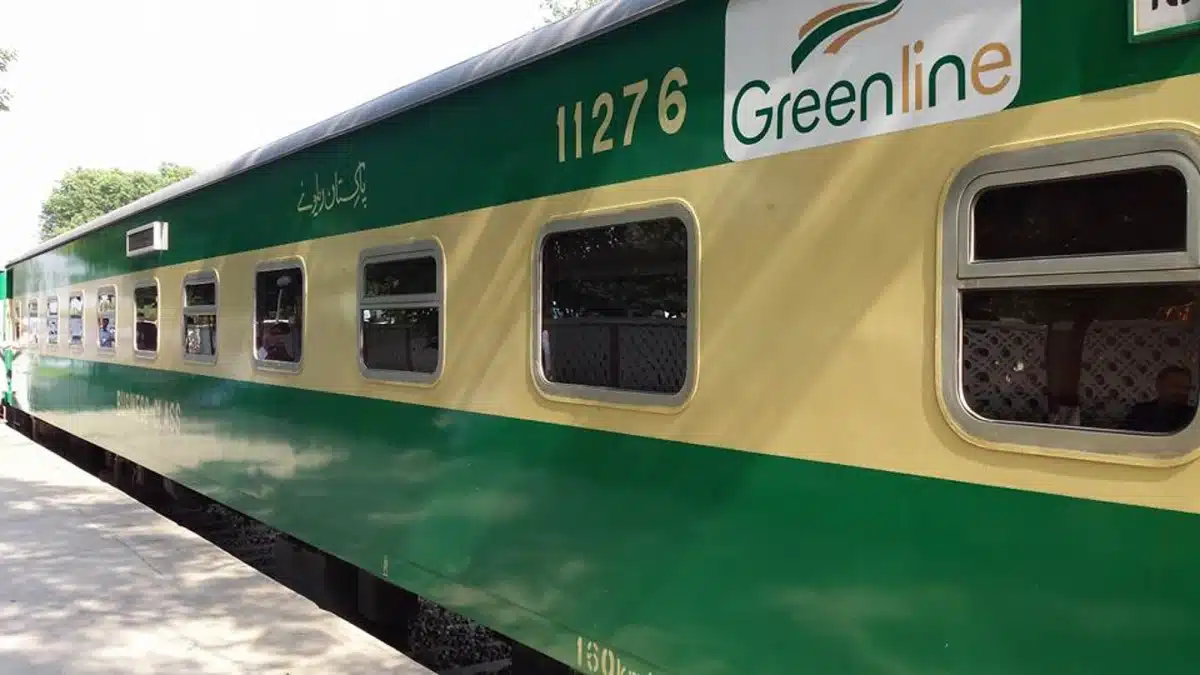
We spoke to Omer Khan, a passenger who recently travelled from Lahore to Islamabad on the Green Line train.
Khan claims to have had a very pleasant experience.
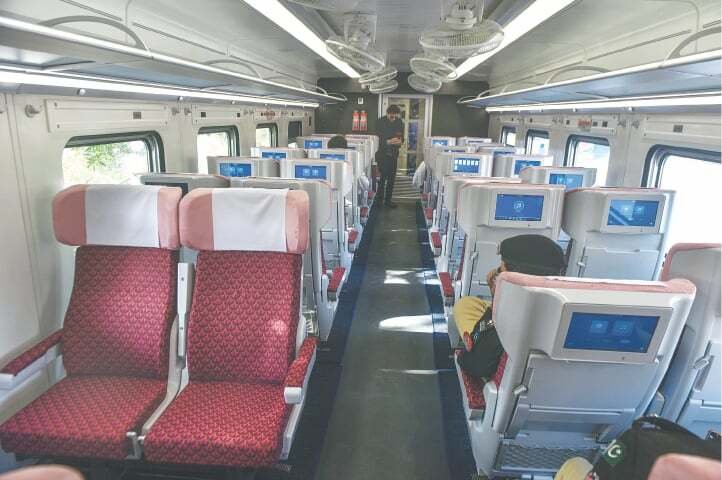
In a four hour journey, he was served two samosas and “excellent” chai which can be ordered as many times as one wants.
Credit: Dawn
He said that there were only a few other passengers, probably owing to ticket price of Rs 3250 for one way. However, as Khan stated, it is still way cheaper than travelling from one’s own car as the petrol will now cost between Rs 25,000 to 30,000.
The seats are said to be comfortable and rotatable. Additionally, functional sockets with charging ports are available.
Most importantly, the train and its bathrooms are clean, and Khan hopes that the standard will be maintained because often times, the standard of facilities decline.
Green Line train was first inaugurated by Nawz Sharif in 2015, operating between Karachi and Islamabad. It reportedly only stops at main train stations.
In 2022, however, the train operation was suspended following floods that drowned train tracks. On November 28, 2022, China Railway Construction Corporation delivered 46 high-speed coaches to Pakistan Railways in accordance with an agreement signed in 2021.
This year in January, the-then Prime Minister Shehbaz Sharif reinaugurated Green Line Express train service.
Travelling between Islamabad and Karachi, it starts its journey from Margalla station and stops at Rawalpindi, Chaklala, Lahore, Khanewal, Bahawalpur, Rohri, Hyderabad and Drug Road on the way.
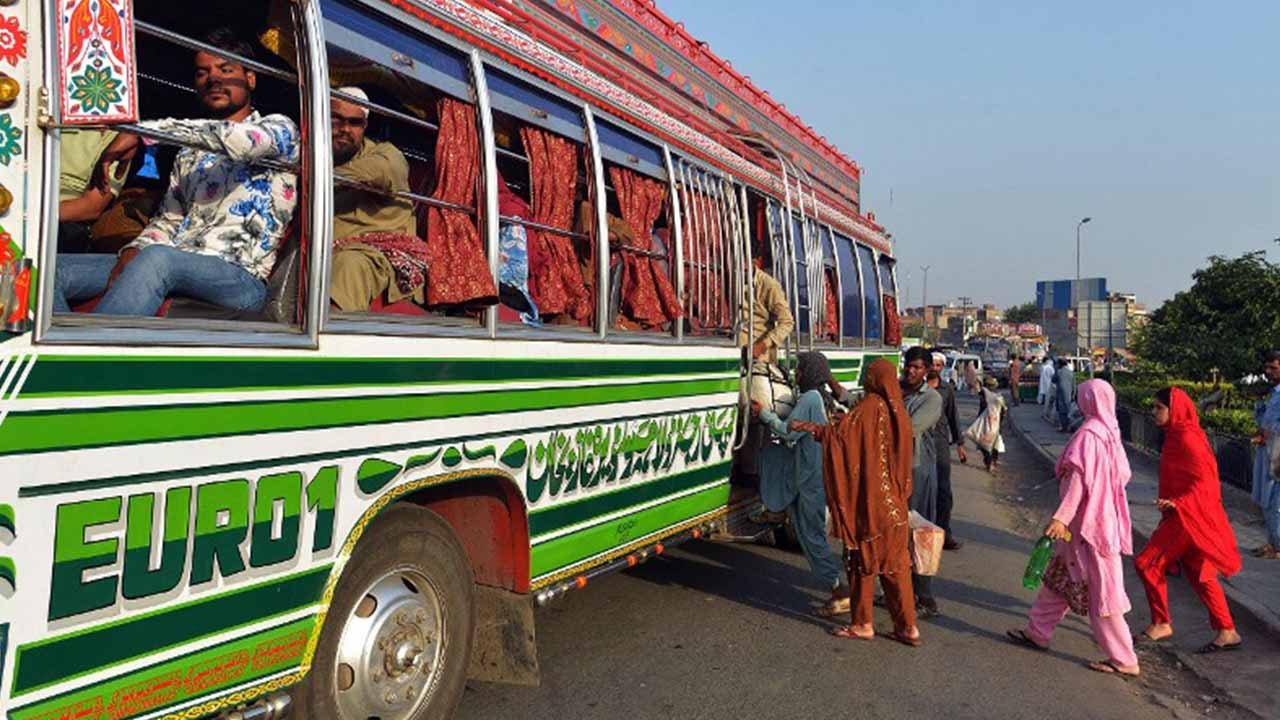
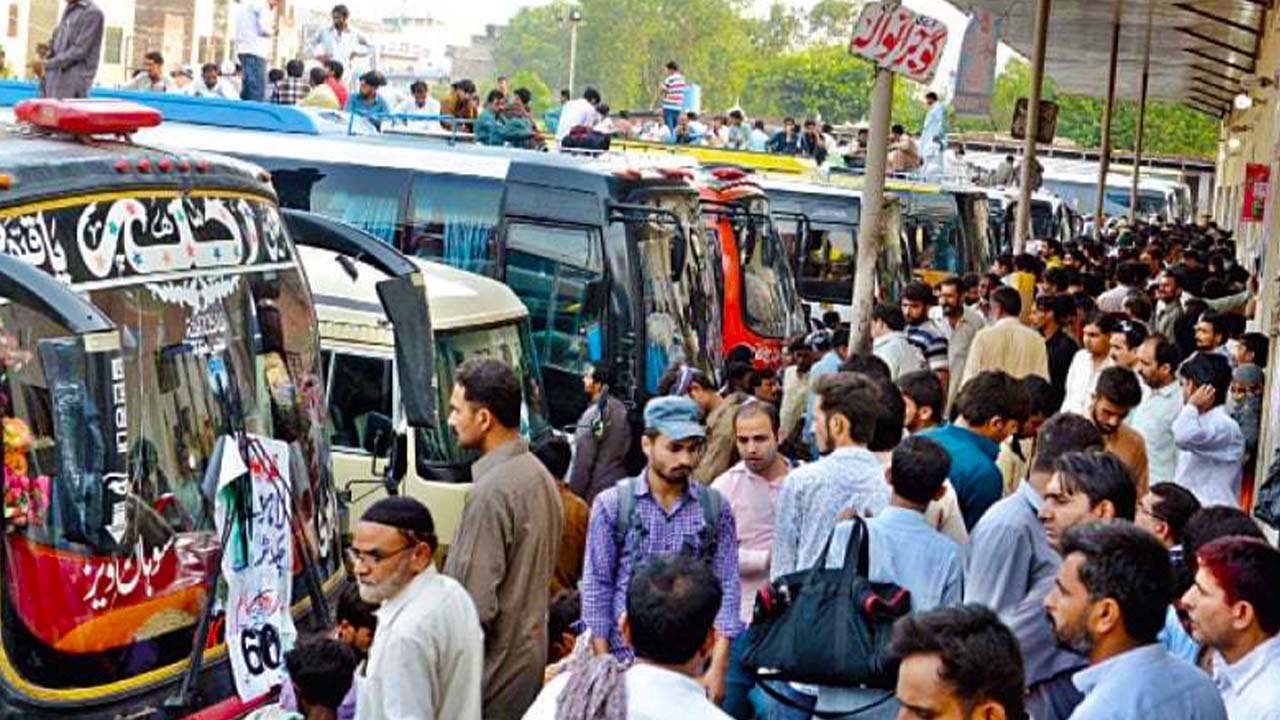
The Punjab Transport Department (PTD) has announced that it will increase the fares of non-AC buses in response to the rising prices of diesel and petrol.
This decision will place an additional burden on the poor, as fares will increase by more than 250 per cent. The new fares for both inter and intra-city non-AC bus services will be implemented from April 25th.
The fare for non-AC bus services operating between different cities will increase by 233 per cent to 267 per cent. Additionally, an increase of up to 267 per cent in the fares of non-AC buses and wagons has also been approved.
Under the new policy, passengers travelling one to four km will see an increase from Rs14 to Rs47, a difference of Rs33.
This fare hike will also make it more expensive for passengers to return to their cities from native towns, particularly after Eid-ul-Fitr.
On Saturday, the D-Class Bus Stand Association delegation met with Additional Deputy Commissioner (ADC) General Rawalpindi, Qasim Ijaz, who requested that the transporters reduce their ticket prices by 20 per cent to help the populace.
The meeting was attended by representatives of the D-Class Bus Stand Association from Kainat, Safeway, New Shaheen, Darbar, Kohistan, Ghosia, and other locations. The ADC requested that the transporters reduce their rates by 20 per cent in light of the drop in fuel prices.
He continued by saying that the government was doing everything it could to help the populace. The association fully guaranteed a 20 per cent reduction in prices.
He instructed the transporters to post banners at their respective bus stops that clearly displayed previous and current fares in order to facilitate travelers. The Commissioner of Rawalpindi, Noor ul Amin Mengal, gave the transporters instructions to keep their waiting areas and restrooms tidy and clean so that the public could be served.
The Capital Development Authority (CDA) is satisfied with the average daily ridership on the Orange Line Metro Bus route.
The data on average ridership on the Orange Line Metro Bus route was reviewed during a session at the headquarters of CDA. The average daily passenger load for 15 buses was 11,464 passengers per day, resulting in 30 passengers every bus journey.
It was also shown that the Faiz Ahmed Faiz junction for the Orange and Red lines was the busiest, with 1,746 passengers per day, while the Police Foundation-Mauve Area Stop was the least used.
Additionally, May 23, with over 16,000 passengers, was the busiest day of the year. It has been observed that as time passes, the ridership on this route improves.
The CDA administration expressed their delight that a big number of people are taking advantage of this service, and expressed their optimism that with the upcoming inauguration of the green and blue lines, the connection between various districts of the city will improve, as well as the number of ridership.
The administration expressed the hope that not only would this reduce traffic congestion, but that it would also assist to reduce air pollution in the city.
It is important to note that buses are expected to arrive in Islamabad from Karachi by the end of this week; in the first phase, buses for the orange, blue, and green lines are also arriving in the federal capital.
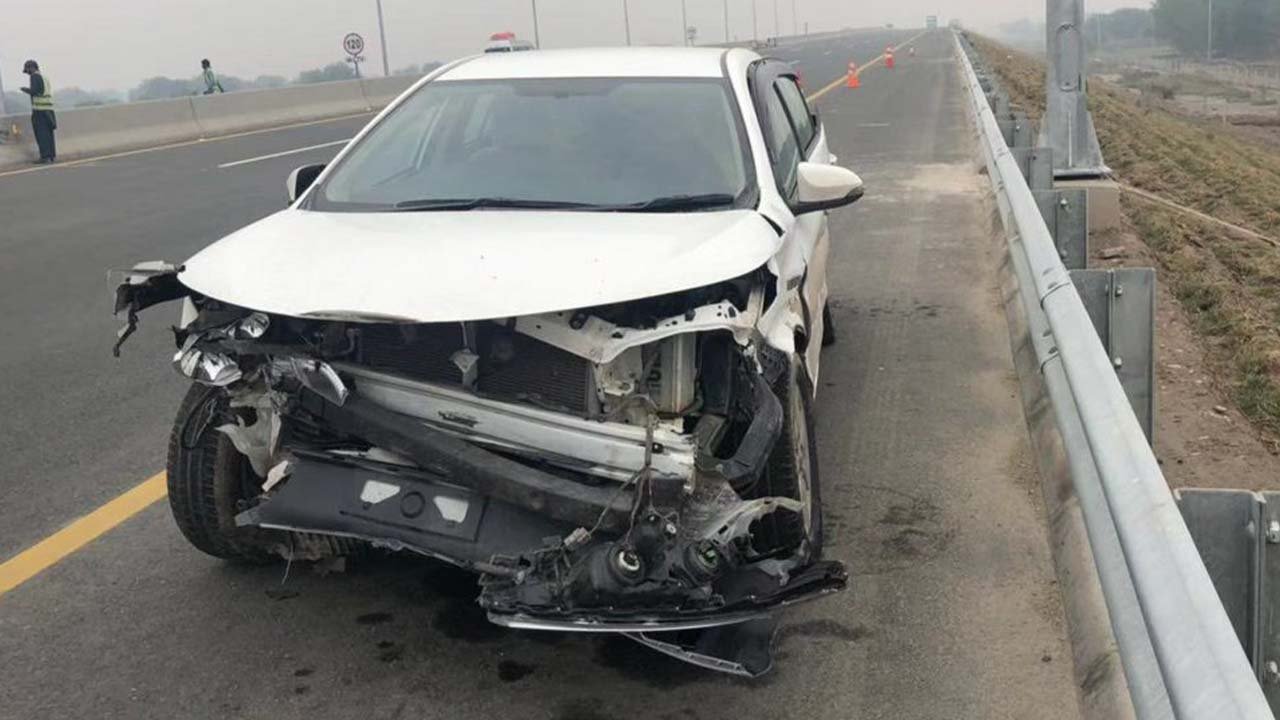
During the last 24 hours, at least eight people were killed and 962 were injured in 914 road accidents across all 37 districts of Punjab.
577 people were seriously injured and taken to various hospitals, while 385 people with minor injuries were treated on the spot by rescue medical teams. Once again, Lahore remained at the top in reporting highest number of accidents.
According to the findings, 450 drivers, 27 underage drivers, 104 pedestrians, and 388 passengers were killed in traffic accidents. The road accidents involved a considerable number of two-wheelers as it involved 807 motorcycles, 82 auto-rickshaws, 74 motorcars, 22 vans, 11 buses, 17 trucks, and 100 other types of auto vehicles and slow-moving carts.
Considering the statistics, 239 road accidents were reported in Lahore, affecting 238 people, putting the provincial capital at the top of the list, followed by 80 in Faisalabad with 85 victims and 53 in Multan with 50 victims.
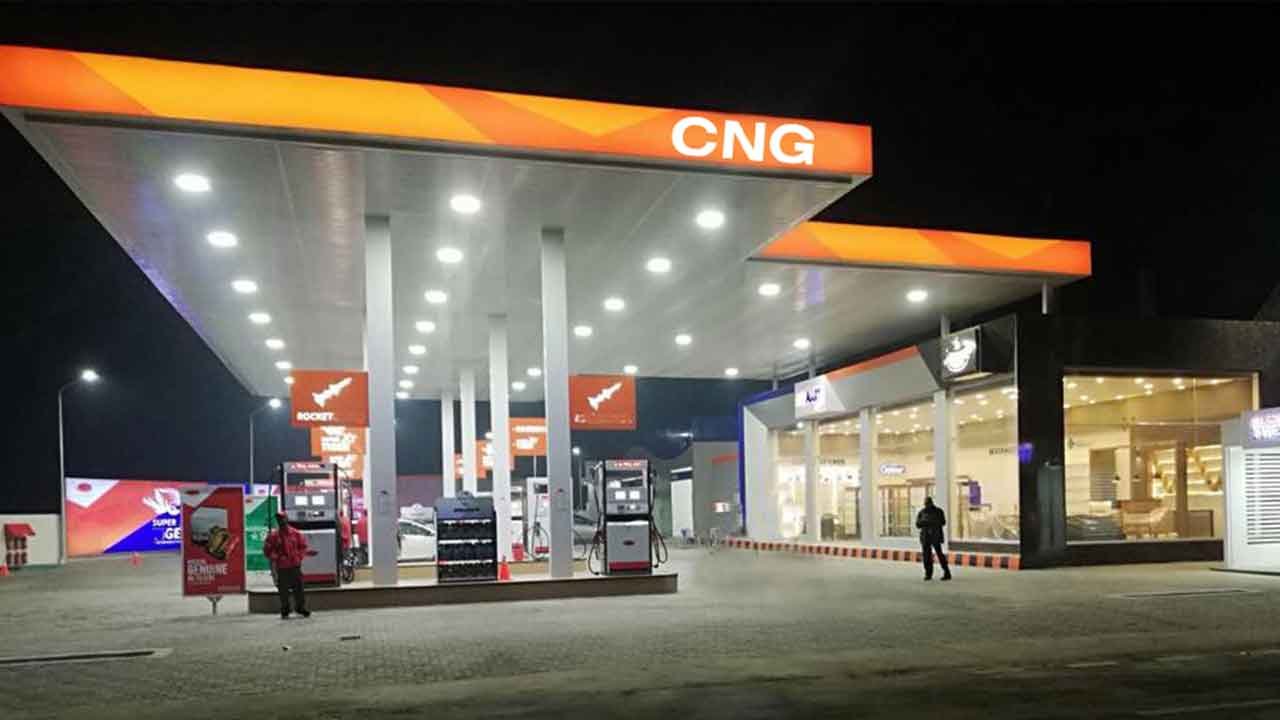
The Federal Board of Revenue (FBR) has raised the sales tax rate on compressed natural gas (CNG) supplies to customers.
On Tuesday, the FBR published S.R.O. 587(I)/2022 to replace S.R.O. 39(I)/2022, which was issued on January 8, 2022. It has amended the value of compressed natural gas (CNG) supply to consumers in order to charge sales tax from CNG stations.
It has set the value of supply to CNG customers in order for gas generation and distribution businesses to charge sales tax from CNG stations.
CNG rates
The price of CNG in Region-I, which includes Khyber Pakhtunkhwa, Balochistan, and Potohar, has been raised from Rs134.57 per kg to Rs140 per kg (Rawalpindi, Islamabad, and Gujar Khan).
Moreover, the cost of CNG has been raised from Rs128.11 per kg to Rs135 per kg in Region-II, which covers Sindh and Punjab except for the Potohar region.
Turkey’s inflation rate skyrocketed to almost 70 per cent last month, creating a substantial challenge for President Recep Tayyip Erdogan, whose unusual economic strategies are frequently blamed for the country’s economic woes.
Erdogan, defying economic conventional wisdom, insists that major interest rate cuts are essential to reduce spiralling consumer costs.
Turkey’s consumer price index (CPI) climbed by 69.97 per cent on a year-on-year (YoY) basis in April 2022, compared to 61.14 per cent in March 2022, according to the national statistics agency, indicating a massive increase.
The transportation industry saw the largest price rises in April, up 105.9 per cent, while food and non-alcoholic drinks cost increased by 89.1 per cent.
Likewise, lira’s depreciation has quadrupled the cost of energy imports, and international investors are progressively fleeing the formerly emerging economy. Energy price hikes and production constraints have been worsened by Russia’s invasion of Ukraine and the coronavirus outbreak.
According to economists, Turkey’s yearly inflation rate – the highest since Erdogan’s ruling AKP party took office in 2002 – is entirely due to Erdogan’s unusual economic thinking.
Erdogan has pushed the supposedly independent central bank to reduce interest rates. Despite strong inflation, the bank maintained its benchmark interest rate for the fourth month in a row in April, yielding to criticism.