Tag: transportation

  • AirCar technology purchased by Chinese company for exclusive use

    AirCar technology purchased by Chinese company for exclusive use

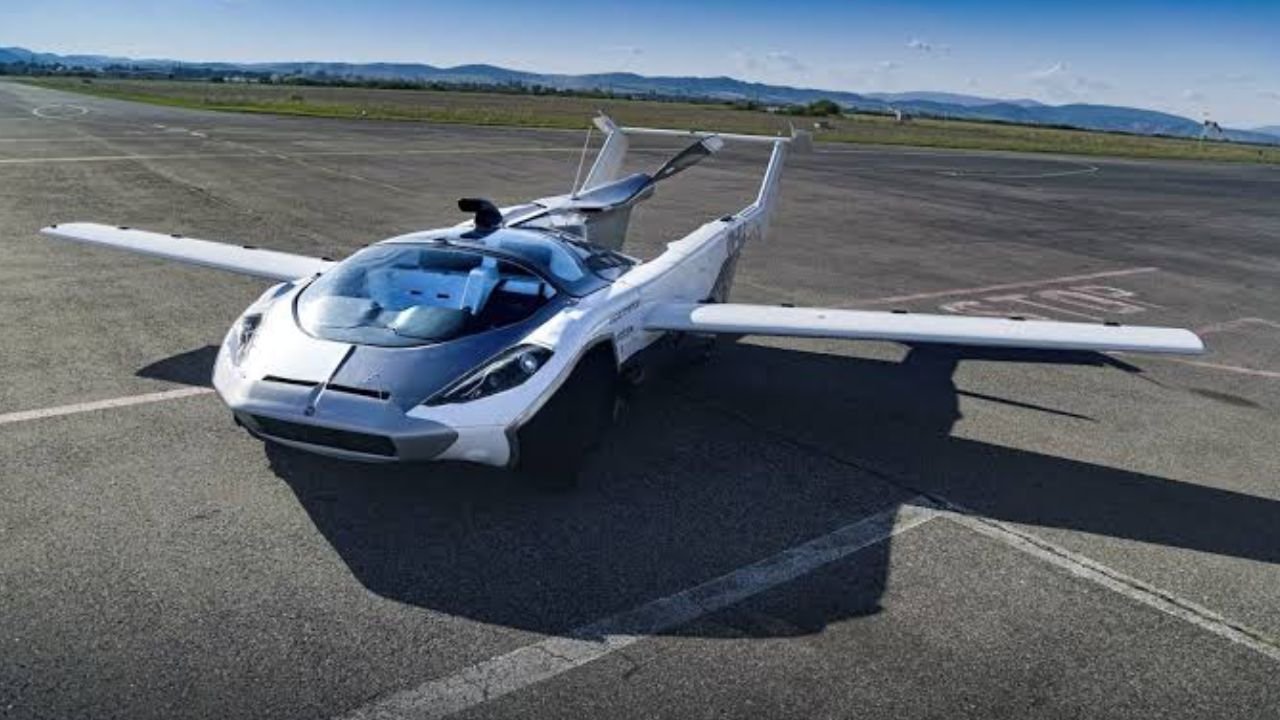
    A Chinese firm has acquired the technology behind a flying car, originally developed and tested in Europe. This AirCar, powered by a BMW engine and conventional fuel, completed a 35-minute flight between two Slovakian airports in 2021, utilising standard runways for take-off and landing. Its transformation from car to aircraft took just over two minutes.

    The Hebei Jianxin Flying Car Technology Company, based in Cangzhou, has obtained exclusive rights to manufacture and operate AirCar aircraft within a designated region in China. The company, after acquiring technology from a Slovak aircraft manufacturer, has established its own airport and flight school.

    China, known for spearheading the electric vehicle revolution, is now actively pursuing aerial transport solutions. Recently, Autoflight conducted a successful test flight of a passenger-carrying drone, drastically reducing travel time between Shenzhen and Zhuhai. Meanwhile, eHang, another Chinese firm, received safety certification for its electric flying taxi in 2023, with the UK government anticipating regular flying taxi operations by 2028.

    Unlike vertical take-off and landing drones, AirCar operates on traditional runways, presenting challenges in infrastructure, regulation, and public acceptance. While the sale details remain undisclosed, AirCar received airworthiness certification in 2022 and gained attention through a video by YouTuber Mr. Beast.

    Despite the excitement surrounding prototypes like AirCar, practical implementation may involve mundane aspects such as queues and security checks, according to experts. However, similar concerns once surrounded electric cars, which China has since dominated in the global market. The sale of AirCar raises speculation about China’s potential influence in the flying car industry.

  • Islamabad’s public transport fares reduced by 10% 

    Islamabad’s public transport fares reduced by 10% 

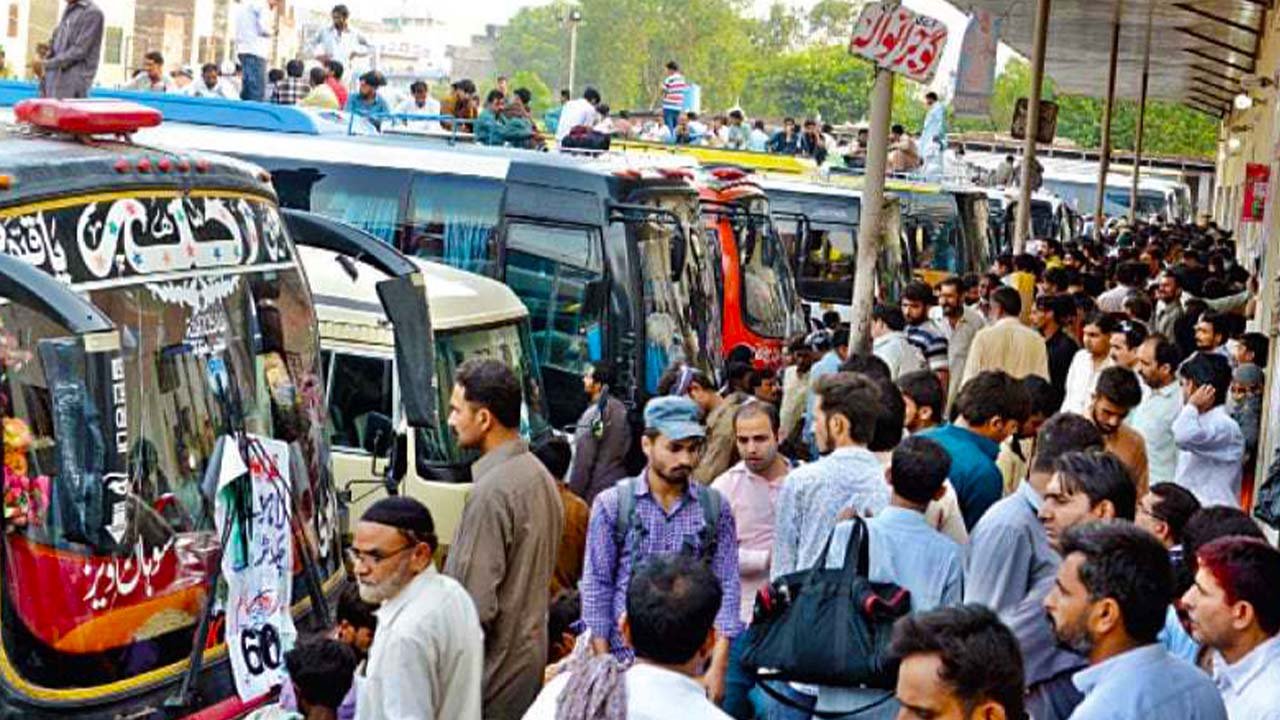
    With immediate effect, public transport fares in Islamabad have been reduced by 10 per cent in direct response to the recent decline in petroleum prices.  

    This decision emerged following a meeting convened by the Secretary of the Islamabad Transport Authority, involving consultations with representatives from the Drivers Welfare Association as well as transportation business owners. 

    This fare reduction is poised to make a significant impact, encompassing 23 distinct routes crisscrossing the capital city of Islamabad. It serves as a vital measure to alleviate the financial burden borne by commuters in the region. 

    Notably, this benevolent gesture is mirrored in Lahore, where transport operators have also undertaken fare reductions for both long-haul and short-haul journeys. 

    Furthermore, as part of its ongoing commitment to ease the economic challenges facing the populace amidst escalating inflation, the caretaker government took decisive action on Sunday.  

    This action involved a substantial reduction in petrol price by a notable Rs40 per litre and an equally substantial reduction of Rs15 per litre for high-speed diesel (HSD) over the forthcoming two weeks.  

  • Stockholm to ban petrol, diesel cars in city centre from 2025

    Stockholm to ban petrol, diesel cars in city centre from 2025

    The capital of Sweden, Stockholm, will ban the presence of petrol and diesel cars by 2025 in a central 20-block area of the city in order to achieve better air quality.

    The city’s vice-mayor for transport and urban environment, Lars Stromgren, said in a statement, “Nowadays the air in Stockholm causes babies to have sick lungs and the elderly to die prematurely. It is a completely unacceptable situation,”
    He added that there is a need to “limit the harmful exhaust gases from petrol and diesel cars,”

    The 20-block area of the city is a bustling part of Stockholm with a shopping district, office buildings, and eateries. And according to Stromgren, this area “has a lot of pedestrians and cyclists, where the air quality needs to be better,”

    “This is also a part of the city where we see that there is a lot of interest in a faster electrification, with actors that can spearhead the transition,” he added.

    The ban will come into effect on December 31, 2024. However, police cars, ambulances and other security services will be exempted.

  • Pakistan’s Civil Aviation Authority is dividing into two entities

    Pakistan’s Civil Aviation Authority is dividing into two entities

    A specialised committee consisting of nine members has been established to supervise the division of the Pakistan Civil Aviation Authority (CAA).

    Heading this committee is Shazia Rizvi, who holds the position of Joint Secretary II within the Ministry of Aviation. Assisting her as the committee’s deputy is Vice Air Marshal Taimoor Iqbal.

    As per the official notification, Vice Air Marshal Taimoor Iqbal will serve as the committee’s deputy. The committee will also include other distinguished members, namely Asif Iqbal, the Joint Secretary of the Ministry of Aviation; Abdul Malik from the Ministry of Finance; and Nadir Shafiq, the Deputy Director General of Regulatory CAA.

    In addition to the aforementioned members, Commodore Mirza Aamir, President of the Aircraft Accident Investigation Board; Saqib Butt, Director of Finance at CAA; Sameer Saeed, responsible for Aviation Security; Sadiqul Rahman, Director of APS; and Abid Ali Shah, Director of HR at CAA, will also be integral parts of this committee.

    The committee has been allocated a deadline of October 15th to carry out its assigned tasks. The primary objective of this restructuring initiative is to bifurcate the CAA into two distinct entities, namely the Pakistan Airport Authority (PAA) and the Bureau of Air Safety Investigation (BASI).

    In addition to the creation of these new entities, the committee holds the vital responsibility of seamlessly transferring assets, funds, personnel, records, and equipment between them.

  • Pakistan Railways increases train fares amid record-high fuel prices 

    Pakistan Railways increases train fares amid record-high fuel prices 

    Pakistan Railways has announced a second fare increase this September in response to a significant surge in petrol and diesel prices. 

    According to ARY News, effective tomorrow, September 19th, train fares will see a 5 per cent hike across all categories, encompassing shuttles, passenger trains, express services, and freight. It’s worth noting that this increase excludes shuttle and passenger trains covering distances of 250 kilometres or less. 

    Over the past 1.5 months, the railway ministry has already implemented a cumulative 20 per cent fare increase. The previous increments occurred on August 10th (10 per cent) and September 2nd. 

    This decision by Pakistan Railways closely follows an earlier announcement this month, wherein a 5 per cent fare increase was revealed for all shuttle, passenger, express, and inter-city trains. 

    These adjustments coincide with a recent decision by the caretaker government to raise petroleum product prices by up to Rs14 per litre. This move is seen as contradictory to previous promises of relief to the general populace. 

    Of particular note is the substantial increase in petrol and diesel prices, with petrol rising by Rs26.2 per litre to reach a new price of Rs331.38 per litre and diesel increasing by Rs17.34 per litre, now priced at Rs329.18 per litre. 

    Within the span of just one month, the caretaker government has raised petrol prices by Rs58 per litre and diesel prices by Rs56 per litre, raising concerns among economic experts regarding a potential fresh wave of inflation triggered by these drastic fuel price hikes. 

  • Planning to travel on the motorway? You’ll be paying more for it now

    Planning to travel on the motorway? You’ll be paying more for it now

    The toll tariff for the Lahore-Islamabad Motorway (M2) underwent a 10 per cent increase, with the new rates becoming effective starting from Saturday, August 26th, 2023.

    The decision to revise the toll rates comes as the National Highways Authority (NHA) releases an official notification, citing the execution of a concession agreement with M/s Motorway Operations and Rehabilitation Engineering (Private) Limited, a subsidiary owned by the Frontier Works Organisation (FWO). 

    The agreement, which was formalised on April 23, 2014, pertains to the modernisation and overlay of the Lahore-Islamabad Motorway (M-2) under the Build-Operate-Transfer (BOT) framework. The agreement spans two decades.

    As per the terms stipulated in the concession agreement, an escalation of 10 per cent in toll rates is set to be implemented from the second operational year onward. Thus, from the 26th of August 2023 to the 25th of August 2024, the revised toll rates are set to take effect.

    According to the official notice provided by the NHA, the revised toll rates are outlined as follows:

    • Car/Jeep/Pickup: Rs1,100, equivalent to Rs3.07 per km
    • Van: Rs1,840, equivalent to Rs5.15 per km
    • Coaster: Rs2,590, equivalent to Rs7.22 per km
    • Coach: Rs3,690, equivalent to Rs10.29 per km
    • Truck: Rs4,800, equivalent to Rs13.39 per km
    • Trailer: Rs6,170, equivalent to Rs17.22 per km

    The decision to raise toll rates by 10 per cent reflects the ongoing economic trends in Pakistan, where a range of commodities and services have experienced notable price increments. 

    The revised toll rates are envisaged to contribute to the sustainability and enhancement of the Lahore-Islamabad Motorway infrastructure, supporting ongoing operational and maintenance efforts.

    As Pakistan grapples with economic dynamics, this adjustment in toll rates underscores the authorities’ focus on maintaining and improving critical transportation networks across the country.

  • Heatwave woes: Rising temperatures pose new threats to air travel

    Heatwave woes: Rising temperatures pose new threats to air travel

    In a twist of fate, climate change is exacerbating the challenges of air travel, creating a new layer of misery for passengers and airlines alike. As temperatures soar due to global warming, the very air that planes need to lift off becomes less cooperative.

    When the mercury climbs, hot air’s reduced density causes planes to struggle for lift, complicating takeoffs and in-flight stability. Airlines often resort to delaying flights or unloading cargo and passengers to mitigate the issue, leading to a cascade of disruptions across the aviation system. Stranded on runways, passengers endure stifling conditions within grounded aircraft.

    Experts warn that this problem is set to intensify as the planet heats up further and the frequent occurrence of extreme heat becomes the norm. A Columbia University study projected that by mid-century, up to 30 per cent of all US flights could be subject to weight restrictions during periods of high heat.

    Regrettably, there’s no silver bullet to overcome this challenge. Ethan Coffel, an assistant professor at Syracuse University, explains that it’s a physical limitation tied to air density, leaving limited room for technological solutions.

    Heat-related delays are emerging as a more substantial issue than snow or ice. Last summer, Chicago’s O’Hare International Airport faced twice the number of weather-related delays compared to the previous winter. The impact is especially pronounced at airports with shorter runways, like New York’s LaGuardia Airport, which struggles to handle the volume of traffic it receives.

    Airports in high-altitude regions and warm climates are hit particularly hard by this heat-induced predicament. Denver and the Sun Belt cities face additional hurdles, with workers on scorching runways at risk due to the “heat island” effect. Despite efforts to make aircraft lighter and more efficient, progress is incremental, leaving airports to rely on conventional solutions like rescheduling flights and strengthening runways.

    The compounding effects of climate change on air travel are undeniable. Turbulence grows riskier, flights lengthen due to shifting wind patterns, and extreme weather spawns more delays. To truly address this issue, a holistic approach is required, including a concerted effort to reduce fossil fuel emissions, a primary driver of climate change. Amidst these challenges, the future of air travel remains uncertain, prompting travellers to brace for increasingly tumultuous skies.

  • Indian inventor introduces futuristic one-wheel self-balancing electric scooter

    Indian inventor introduces futuristic one-wheel self-balancing electric scooter

    A visionary Indian man has ingeniously crafted a remarkable electric scooter that defies convention by featuring only a single wheel, embodying his innovative approach to transportation.

    The entire captivating journey of building this extraordinary self-balancing electric scooter has been meticulously chronicled in a captivating video shared on the Creative Science YouTube channel.

    The video commences with the creator sketching the initial blueprint of the scooter on cardboard, meticulously refining the design and making necessary adjustments before commencing work with durable metal sheets. Transferring the meticulously finalised cardboard design onto a substantial metal sheet, the skilled individual deftly cuts out the required components, which are then skillfully welded together, culminating in the creation of the wheel’s arch.

    To ensure optimal stability, the scooter boasts a wider wheel embedded with a cutting-edge hub motor. Additionally, the ingenious inventor fabricates a comfortable seat using sturdy metal sheets, ingeniously incorporating a cleverly concealed storage compartment beneath it to house the scooter’s vital battery pack.

    Drawing inspiration from the vintage designs of yesteryears, an exquisite metal fairing is meticulously fashioned. Complementing the ensemble, the handlebar and headlamp unit are borrowed from an existing scooter, while a robust bracket ensures the wheel’s secure placement, and a custom-fabricated metal pipe serves as the elegant rod for the handlebar.

    Once the meticulous structural work reaches its completion, a crucial self-balancer sensor is meticulously integrated into the scooter. This sophisticated sensor plays an indispensable role in maintaining optimal stability, enabling the audacious scooter to effortlessly remain upright, defying expectations with its singular wheel.

    Precise installation of the sensor is of utmost importance, ensuring accurate calibration and steadfast security. The wires from the wheel are diligently connected to the sensor, while an additional set of wires establish a vital link between the sensor and the throttle cable.

    With the technical aspects artfully completed, the protective panels are deftly removed, and the entire scooter embarks on a transformative painting process. Beginning with a meticulous primer, the scooter is then adorned with a radiant yellow hue, instantly captivating attention.

    To ensure safety and comfort, any sharp metal edges on the scooter are conscientiously concealed with carefully placed piping. Despite its unconventional appearance, this remarkable scooter functions with remarkable finesse, thanks to the flawlessly integrated sensor that effectively safeguards against any untoward tipping forward or backward.

    It is worth noting that the creator’s exceptional achievement was accomplished without relying on advanced modern technologies, proudly showcasing their remarkable ingenuity in crafting this awe-inspiring, home-built marvel.

  • Russian crude oil shipment faces delay, expected to reach Pakistan on June 11

    Russian crude oil shipment faces delay, expected to reach Pakistan on June 11

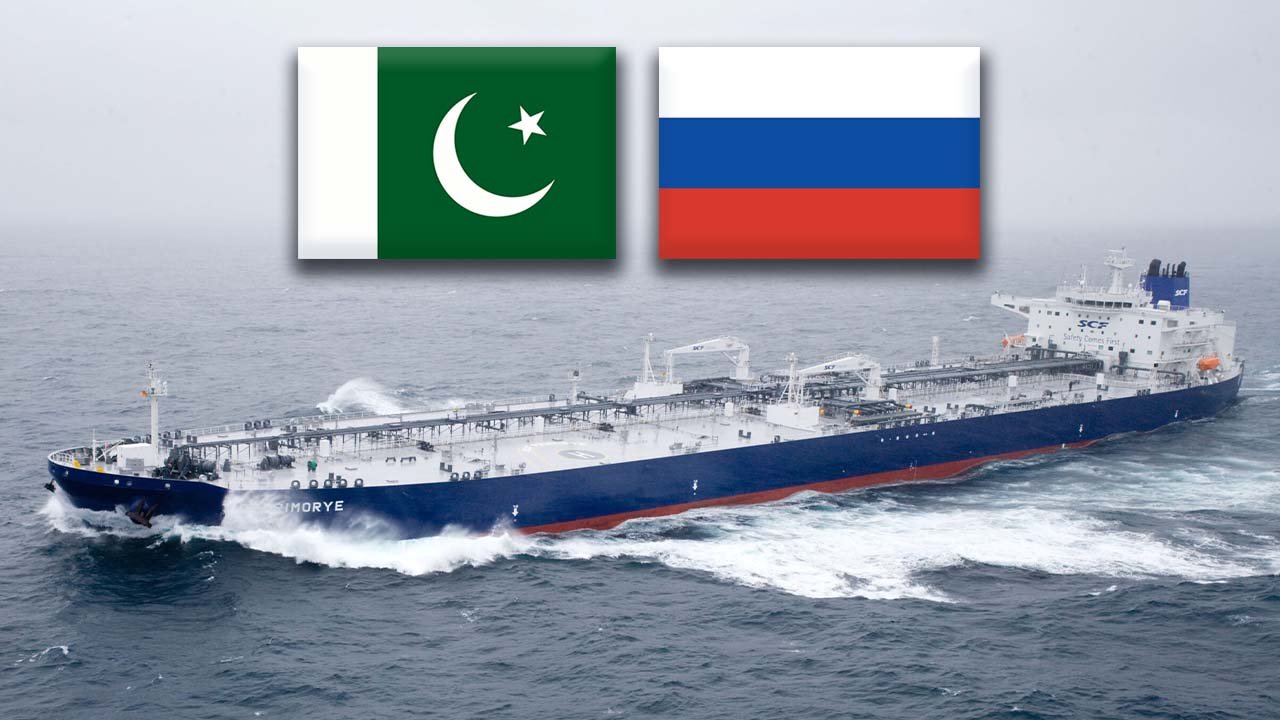
    In a recent development, a Russian cargo vessel carrying 100,000 tonnes of crude oil has experienced delays and is now expected to reach the Omani port of Duqm on June 7. This delay has caused a setback in Pakistan’s plans as the oil was initially scheduled to arrive in Oman on May 27-28.

    According to an official, the crude oil will be transported to Pakistan via smaller ships from the Omani port, which will take approximately two weeks to reach Port Qasim in Karachi. The Russian vessel, loaded with Ural crude on April 21 at a Russian port, encountered a delay of 10 days due to technical issues. Subsequently, it arrived at Egypt’s Suez Canal on May 17, where it faced a lengthy 12-day wait in a queue to cross the canal.

    Following its journey across the Red Sea, the vessel is anticipated to reach Duqm on Tuesday. Upon arrival, the crude oil will be unloaded onto a smaller vessel with a capacity of 50,000 tons. This smaller vessel is expected to reach Port Qasim on June 11. The remaining 50,000 tons of Russian crude will be transported separately and is scheduled to arrive at Port Qasim on June 20.

    According to The News, authorities have assured the safe and smooth arrival of the Russian crude, despite the logistical challenges that caused the delay. The official stated that the transportation cost has already been settled with the Russians, so the delay will not result in additional expenses. However, there is a concern that if the price of crude oil decreases during this period, it could have detrimental effects on the country.

    Pakistan Refinery Limited (PRL) has been entrusted with the responsibility of refining the test cargo of Russian crude oil. PRL will blend this oil with crude imported from the United Arab Emirates and Saudi Aramco. The test cargo will provide valuable data to the government regarding the quality, yields, and commercial viability of the Russian oil. Additionally, it will assist the government in assessing transportation costs, refining expenses, and refining margins for the country’s refineries.

    The government is eagerly awaiting PRL’s test report, which will aid in making informed decisions about future oil imports and refining processes.

  • Pakistan to receive $10 billion investment in refinery sector soon

    Pakistan to receive $10 billion investment in refinery sector soon

    Minister of State for Petroleum, Musadik Malik, announced that Pakistan will soon receive a $10 billion investment in its refinery sector. The investment, to be inaugurated by Prime Minister Shehbaz Sharif, holds significant details that cannot be disclosed at this time, according to Malik’s statement at a ceremony.

    This development follows the approval of a new refinery policy by the current government, which aims to incentivise greenfield investment.

    Malik emphasised the need for sustained GDP growth of 5 per cent in Pakistan’s growing population. To achieve this, he stated that an annual energy sector growth rate of 7.5-10 per cent is necessary. As part of this plan, the government aims to establish a comprehensive energy agreement with Central Asian countries and Russia, which will be made public by the end of the year.

    Additionally, Pakistan intends to leverage its historical ties with the Gulf Cooperation Council (GCC) countries for trade and commerce, including meeting energy needs such as LNG and petroleum products.

    The government also plans to open energy corridors with Central Asia and the GCC countries. Malik highlighted the significance of purchasing crude oil from Russia, stating that it will have a transformative impact on Pakistan, leading to industrial proliferation. The goal is to establish small industrial areas in rural regions to promote value addition.

    Malik underscored that Pakistan possesses the necessary infrastructure, labour force, and technology to present itself as an attractive investment destination. He emphasised the government’s efforts to enhance border enforcement to curb oil smuggling from Iran, expressing confidence that the flow of smuggled oil will reduce in the coming days.

    In an off-camera meeting with media persons, the minister revealed that vessels carrying 100,000 tonnes of discounted Russian oil will arrive at Pakistan’s ports in the first week of June as part of the government’s energy security plan. The oil will be transported from Oman port to Pakistan in smaller vessels within seven to ten days. Malik assured that although transportation costs may increase slightly, the impact will be minimal.