Calls to investigate the ‘Islamabad High Court (IHC) letter to Supreme Judicial Council’ gain ground as the bar associations of Sindh, Lahore, Islamabad and Khyber Pakhtunkhwa and many senior legal experts express concern.
Why? Earlier, six judges of the IHC penned a letter to Chief Justice of Pakistan Qazi Faez Isa expressing worry over alleged interference of intelligence agencies in judicial matters.
The Sindh High Court Bar Association released a statement which said, “Interference in the affairs of the judiciary is tantamount to attacking the judicial system.”
Similarly, the Islamabad High Court Bar Association condemned the alleged interference and reaffirmed its faith in the importance of autonomy of judiciary. “Public confidence in the justice system is linked to the independence and autonomy of the judiciary,” the bar said.
Furthermore, Lahore Bar Association also expressed concerns and said, “Action should be taken against those who violate the constitution and law.” Khyber Pakhtunkhwa Bar Council also released a statement, “Interference in judicial matters is condemnable.”
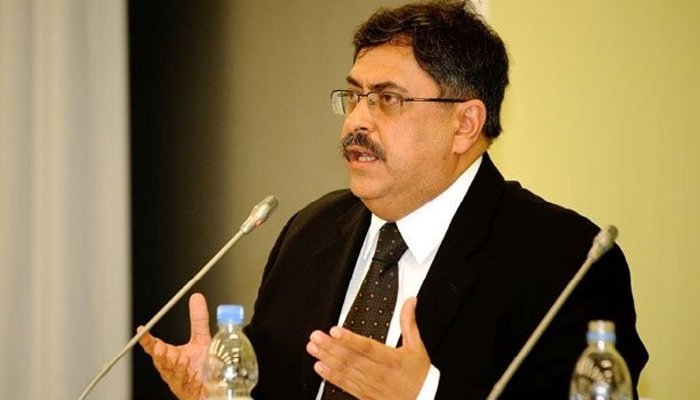
Meanwhile, the veteran legal expert and Pakistan Tehreek-e-Insaf leader Hamid Khan, commended the six judges for taking this ‘daring initiative’. He also said that this matter is significant and should be investigated in a judicial commission.
In a sincere and honest talk, Pakistani actor Zaviyar Ejaz, son of celebrated thespian Nouman Ejaz, talked openly about his time in showbiz, what he hopes for, and the difficulties he’s encountered. He had a chat with Independent Urdu where he talked about trying comedy and what he wants to do in future movies.
Discussing his new comedy show called ‘Rafta Rafta’, the actor said, “I chose this project because I’ve never tried comedy before, and I was excited to give it a shot. Plus, it’s a short series, just six episodes, so I thought it would be a fun experiment.”
Ejaz said he really likes trying out comedy and enjoys it, stressing how important it is to act in a way that feels real to people watching. He believes that real success comes from how viewers react to the performances.
The actor explained his role in the show. He said, “I act as a guy who ran away from Lahore to Karachi because he doesn’t want to marry his cousin, and his mom is pushing him to. Now in Karachi, he lives with Saheefa’s character, Savera, who is his landlady. He’s broke and loves her, but she’s strict and proud.”
When asked if he’s happy with his comedy acting compared to his serious roles before, Ejaz said each type of acting has its own difficulties and good parts. He mentioned there’s no real way to compare them directly. But he believes it’s important to feel good about each scene and make sure every moment feels real to the audience.
He said, “When I look back at the last two years, I really enjoyed doing comedy. It wasn’t as tough as I expected. But we’ll have to see how it looks on screen. I always give my best in whatever I do. If it feels natural, that’s great. If not, people will notice.”
He said, “If people enjoy seeing me in comedies and I get more chances, I’ll surely do it.” Talking about possible movie offers, Ejaz said he’s gotten offers, but he wants to keep getting better at acting and wait for the perfect chance to shine in movies. He’s ready to take on the challenge of moving to the big screen whenever the moment feels right.
Talking about working with his dad, famous actor Nauman Ejaz, he said he was nervous at first but learned a lot from his dad’s professionalism and advice. He thinks it’s important to concentrate on doing a good job no matter what pressure or expectations there are.
The actor shared, “I was scared because I was working with Nauman Ejaz. And there was no father-son relationship with him on set. He told me from day one that I am your colleague on set and I am your senior, not your father. So he kept that relationship with me and I worked on that.”
He said the experience was “totally scary,” but he’s good at separating his personal and work life. “When I had to act with them, I had to stop thinking about our relationship and just focus on my character.” He said, “You need to block out distractions and concentrate on your job. On camera, no one cares about your personal stuff. If you do well, that’s what matters. It’s all about your performance, not your identity or who your father is. That’s what I think.”
Ejaz said he wants to keep working with experienced actors to learn more. He might even play negative roles again because people liked his last one. He’s excited about what’s coming next.
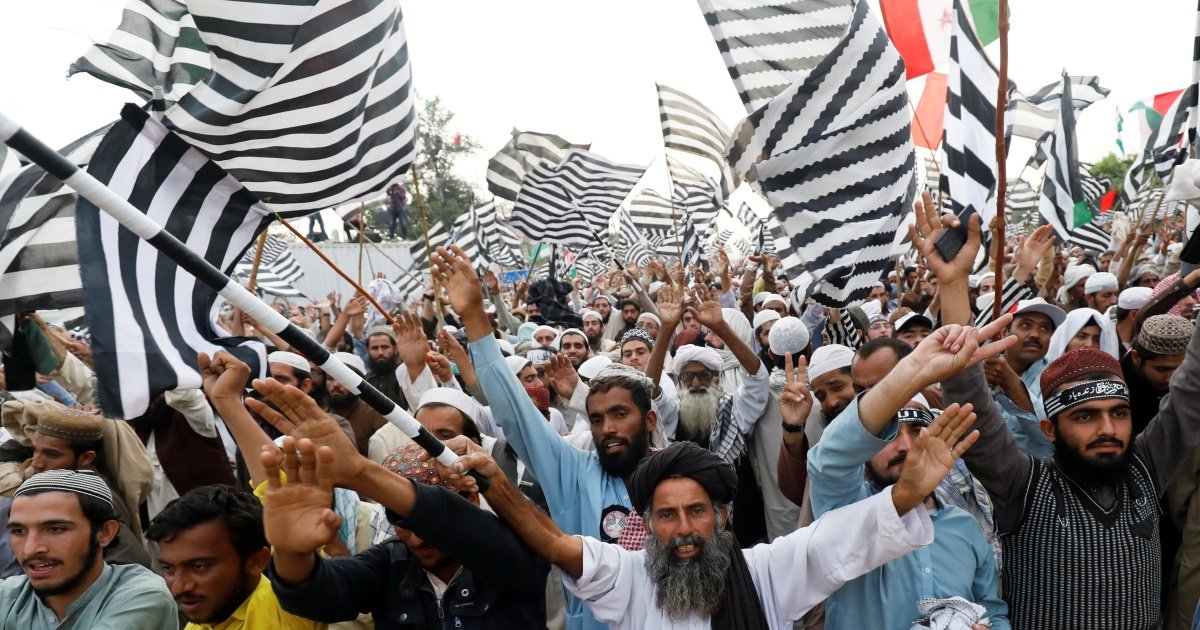
Leader of Jamiat Ulema-e-Islam- Fazl (JUI-F) Maulana Fazlur Rehman on Wednesday said that his party had decided to boycott by-elections and will be holding protests in different cities from April 25.
“Just like in 2018 elections, the mandate of people has been stolen in elections of 2024. We decided that our party would not accept the results of recent elections because this parliament is more of a representative of the establishment rather than the people,” said the chief of JUI-F.
By now, major political parties like Pakistan Tehreek-e-Insaf, JUI-F, and Jamaat-e-Islami (JI) have rejected the results of February 8 elections, making the general elections controversial.
“This is our narrative and we have decided to move forward with it. We will start this movement named ‘Awami Assembly’ from April 25 from Balochistan’s Pishin,” said the JUI-F leader. The second ‘Awami Aseembly’ will begin from Karachi on May 2 and the third phase would be in Peshawar on May 9.
He also said that his party is in contact with other political parties, “so that a united opinion of people comes forward.” He criticized the Elections Commission of Pakistan for neglecting its legal obligations and accused the security agencies of overstepping their boundaries.
A number of journalists from Gaza took to social media to report that Israeli forces conducting operations inside Al-Shifa hospital are torturing and raping women present inside.
Photojournalist and videographer Wissam Nasser from Gaza said that a man and his wife taking shelter inside the hospital along with their two children had an alleged heinous encounter with the Israeli forces. “The preganant wife was forcibly undressed by Israeli forces despite informing them of her pregnancy; they continued to kick her. Then they assaulted and raped her in front of her family and other men,” Wissam shared.
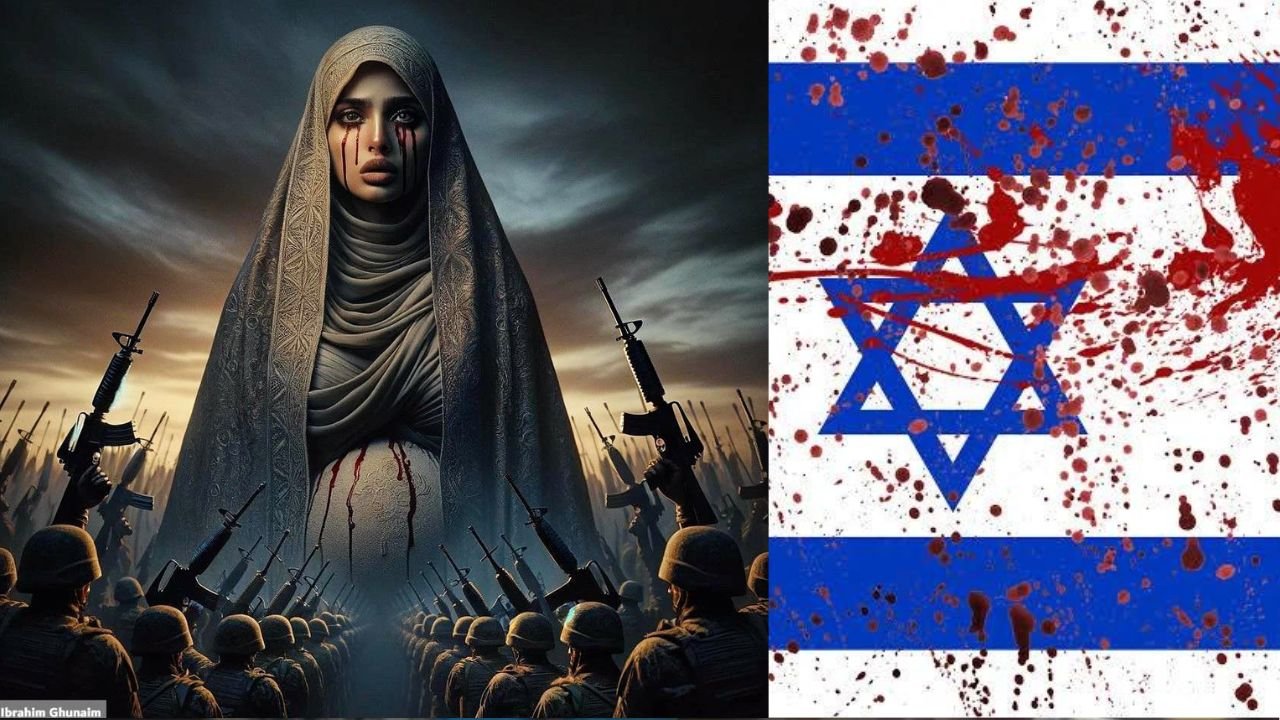
He also shared a dark art work by the artist Ibrahim Ghunaim featuring a pregnant woman with tears of blood running down her eyes. He captioned it, “According to testimonies from inside Al shifa hospital, Israeli invading troops raped a Palestinian pregnant woman in front of her husband and other men then they killed her. This is happening situation the holy month of Ramadan while starving Palestinians are fasting. Absolutely shocking, disgusting and shows their evil nature‼‼”
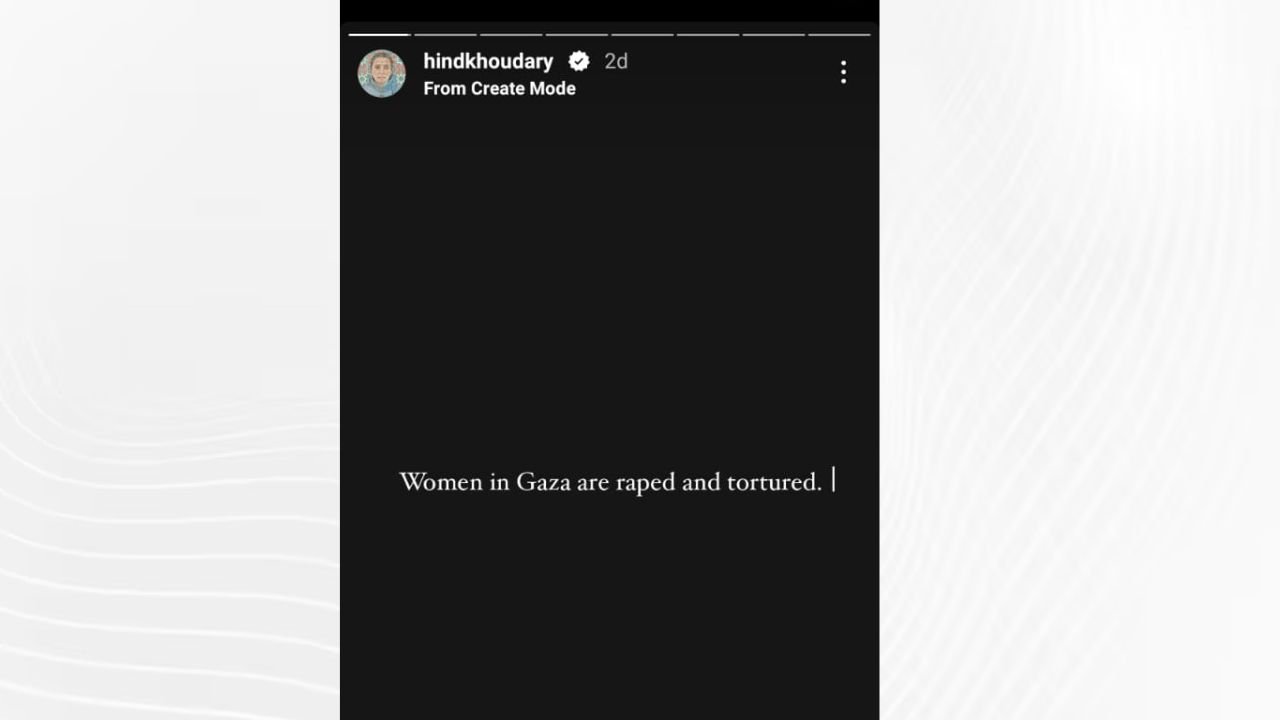
Another Palestinian journalist Hind Khoudary took to Instagram stories and posted, “Women in Gaza are raped and tortured.”
Various Palestinian media outlets have also confirmed the claims and presented eye-witness accounts.
Middle East Eye reported a woman’s eye-witness account by Ms. Jamila al-Hissi as to what is happening inside Al-Sifa hospital. “They raped women, kidnapped women, executed women, and pulled dead bodies from under the rubble to unleash their dogs on them.” She further lamented, “Is there anything more horrifying than hearing women call for help, and when we try to reach them to provide assistance, they shoot at us.”
Israeli forces have been attacking and laying siege to al-Shifa Hospital since Monday, March 18. The medical complex is the largest in the Gaza Strip, with some 30,000 people seeking refuge there prior to the current raid.
Journalist Sami Alsultan shared a video testimony of a woman who was forcefully expelled from Al Shifa complex with her children while IDF took her husband, killed her husband’s uncle and grandfather.
In another video shared by Middle East Eye, a woman named Nisreen was seen sharing how IDF barged into their home, stripped her naked and took all her belongings away.
Doctor Aliyah Khan spoke to Middle East Monitor and shared testimonies from Canadian physicians serving in Gaza. They reported on a case where a woman was raped for two days until she lost the ability to speak. Another woman was stripped in front of her brother and husband. When they tried to cover her, they were killed by Israeli soldiers.
Hind Khoudary in collaboration with Palestinian Feminists shared the disturbing surge of women victims of rape and torture in Gaza. It called out the deafening silence of Western feminists and mainstream media over the issue.
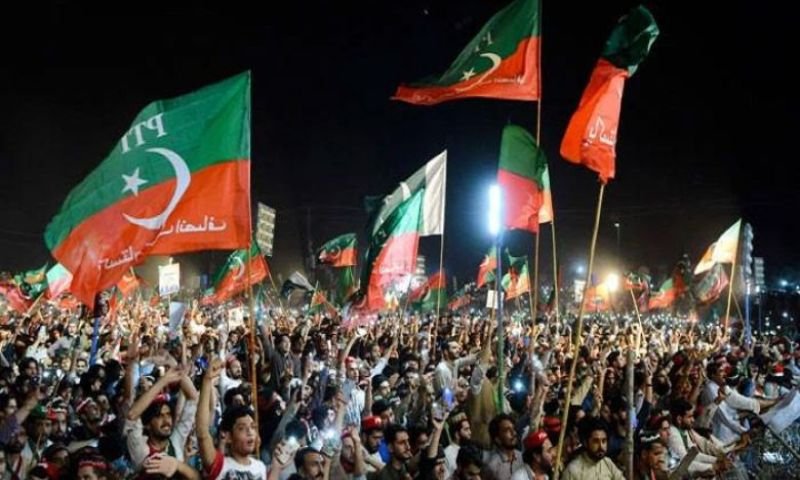
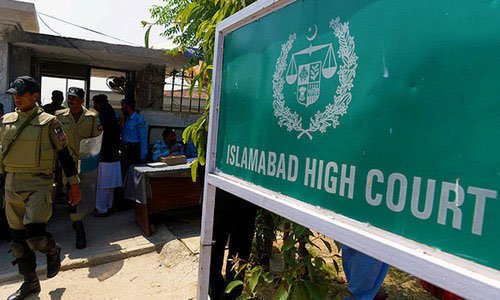
The Islamabad High Court on Wednesday directed the administration authorities of the capital city to allow Pakistan Tehreek-e-Insaf (PTI) to conduct a rally.
Previously, district authorities denied permission to PTI for staging a protest against alleged poll-rigging in the general elections 2024 in Islamabad citing security risks.
“One’s right of assembly cannot be taken away,” IHC Chief Justice Aamer Farooq said while hearing PTI’s petition seeking the court’s permission for staging the rally. The justice emphasized that public gatherings are for everyone and it should not come under any restrictions.
The Inspector General of Police (IGP) Islamabad had warned PTI to avoid public gathering without getting a formal approval from relevant authorities.
Furthermore, according to PTI leader Sher Afzal Marwat, the party has moved up the date for holding the rally to April 6.
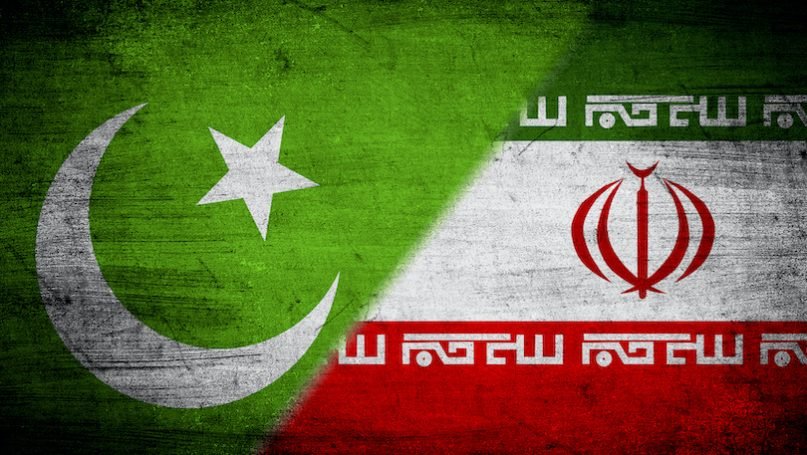
State Department spokesperson Matthew Miller has stated that the United States does not want the gas pipeline project between Pakistan and Iran to continue. “We do not support this pipeline going forward,” he said.
The State Department’s statement came right after Pakistan’s Petroleum Minister Musadik Malik hinted that Pakistan would “vigorously” present its case to seek US sanctions waiver for the pipeline.
It is also important to highlight that a few days ago, the foreign ministry’s spokesperson said that Pakistan does not require any country’s permission to move forward with a regional project.
“We always advise everyone that doing business with Iran runs the risk of touching upon and coming in contact with our sanctions, and would advise everyone to consider that very carefully,” said Matthew Miller.
The project began in 2009 and to this day Pakistan has not completed any major portion of construction whereas Iran has completed 900-kilometres of pipeline. That’s also why Iran issued a third notice to Pakistan that it would approach arbitration court to seek penalties.
Shazia Khalid*, a 28-year-old housewife, was sitting on a bench in a small park in Lahore, looking at her five playing children when we met. She had a spark in her eyes but visibly looked tired, at least a decade older than her age. Seven years ago, when she got married, she was denied the authority to take a break from giving birth every year except one time which cost her everything.
Shazia was in the final year of a Bachelor’s program when her family decided to marry her off. It was entirely their decision; she wasn’t even allowed to talk to her fiancé during the two months she was engaged to her future husband, a small general store owner.
Akmam*, Shazia’s husband, is 42, and has been running the store for the past 20 years as this is his family business. Shazia feels like there is less mental compatibility between the two due to the 14-year age difference between them which also has an impact on family planning, “He keeps saying that he needs more off-spring before he gets older. We had four children in the first four years of our marriage. I wasn’t prepared for it at all. I kept asking him to think about a gap or family planning, but he never listened to me.”
Teary-eyed, she explained how difficult her pregnancies were. Every time doctors advised her husband to wait for a year or two before the next pregnancy. “During my fourth child’s birth, my body almost collapsed. They had to give me a steroid shot to revive me. I was anemic and there was a lot of blood loss during childbirth. I went in shock and most things after that are blurry for me,” she said.
After the near-death experience, she decided that she needed to think about her well-being and her children. Thoughts of what would happen if they were left alone in this world haunted her. The spectre of death during her next pregnancy seemed a real possibility. Her husband was still adamant that he needed another child because he had only one son, born after three daughters. Khalid talked to her gynecologist who strictly prohibited her from birthing again, advising her to give two years to her body before getting pregnant again.
Since her husband wasn’t convinced, she secretly contacted her doctor to learn about contraceptives. After surety of discretion, she opted for an IUD (Intrauterine Contraceptive Device) which impacted her period cycle for two months but then everything was normal.
Her husband was frustrated within six months that Shazia wasn’t getting pregnant. Her mother-in-law started talking about a second marriage for her son as she wanted more grandchildren. After almost a year, she was forced by the in-laws to visit another doctor of their choice and that’s when the truth was revealed.
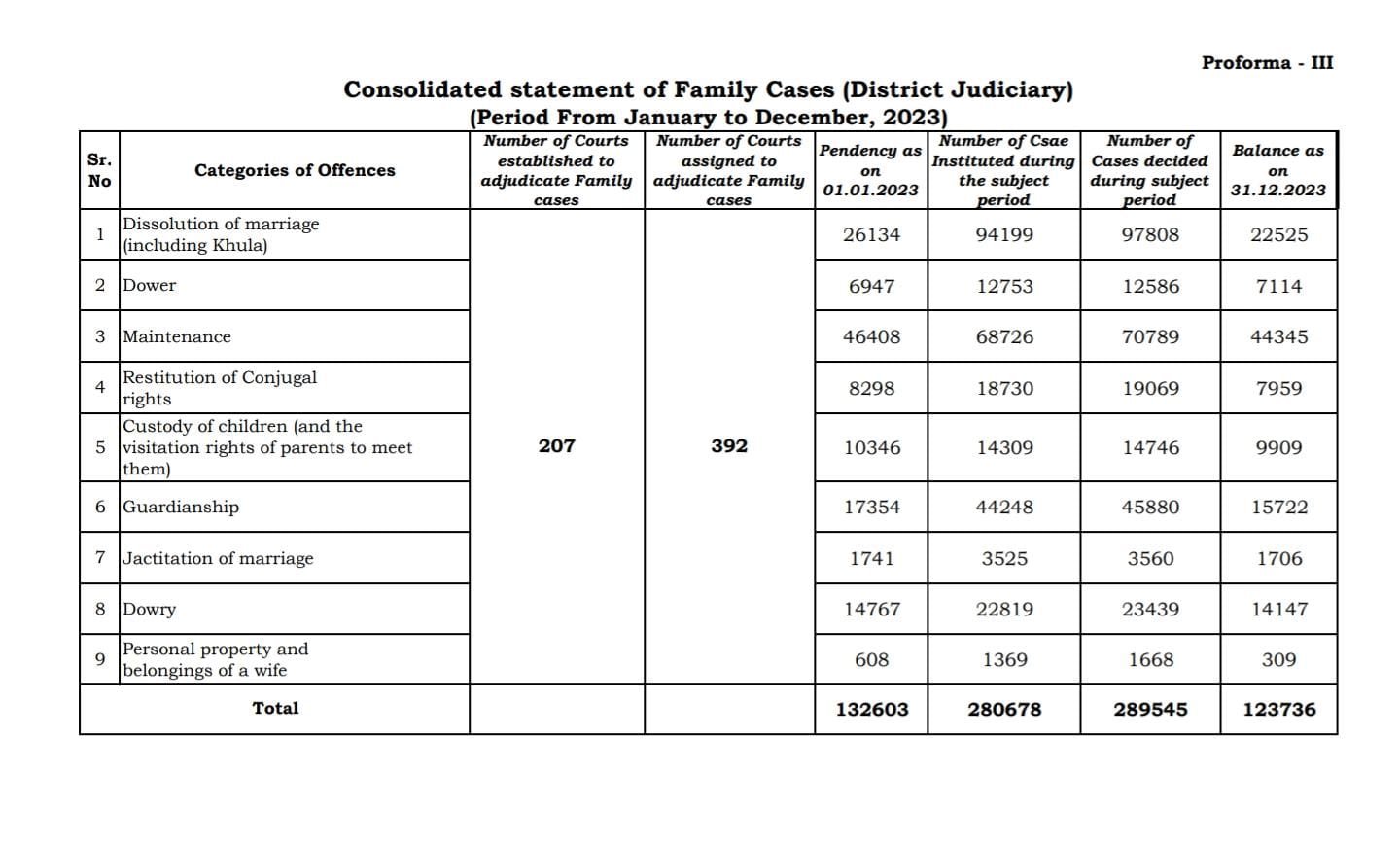
Shazia was beaten by her husband, the gynecologist who helped her was attacked too, the staff in her clinic was assaulted and Akram didn’t hesitate in breaking things. Distraught and heartbroken, Shazia was sent back to her parents’ home where she received divorce papers soon after. Her kids are still with her husband and like 9909 people, as per data of consolidated statement of Family Cases in Lahore, she is also waiting for a verdict on custody and visitation rights.
For gynecologist and physician Mehnaz Asim, who runs her practice in a lower socio-economic area of Lahore, these cases are a norm and to my surprise, religion is not the sole reason behind it. “Most of these people want more kids because they want them to be a part of the labor force and earn money from a young age. They don’t worry about their upbringing or education; they see their kids as a source of income.”
As per the United Nations Population Fund (UNFPA) 2023 data, contraceptive prevalence rate for any method of contraception is only 26 percent among women aged between 15 and 49 while for modern methods it is only 20 percent.
In a study conducted by the National Library of Medicine, the world’s largest biomedical library and a leader in research in computational health informatics, significant barriers to the adoption of IUDs in Pakistan were identified. These barriers include the reluctance of husbands, societal and cultural taboos, and heightened concerns regarding perceived side effects of IUD usage. Additionally, factors such as illiteracy, poverty, and low socioeconomic status were found to contribute to limited IUD utilization.
Other important factors contributing to such a low modern contraceptive prevalence rate of 35.4% in Pakistan include the conservative society imposing restrictions on women’s self-determination and self-governance.
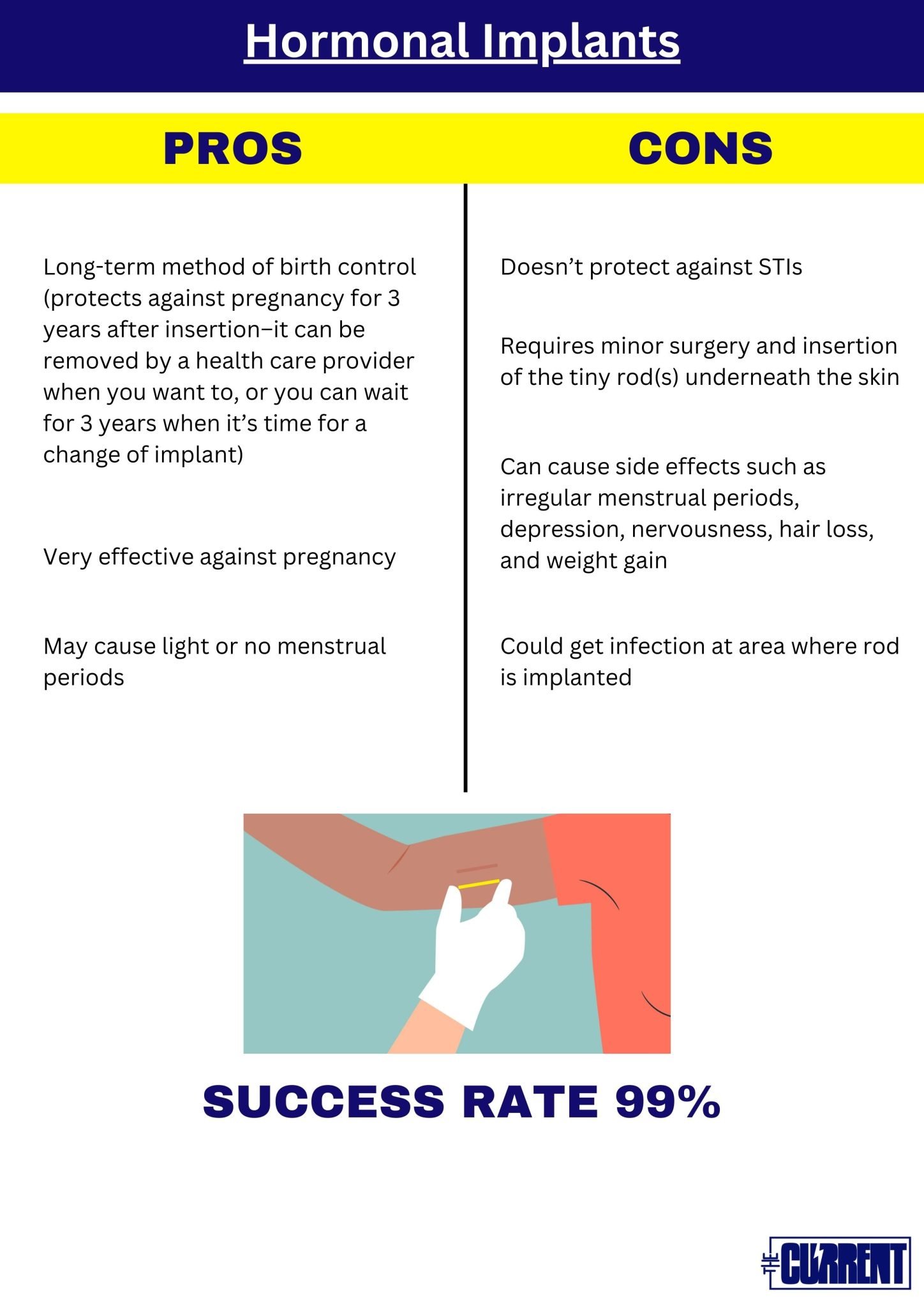
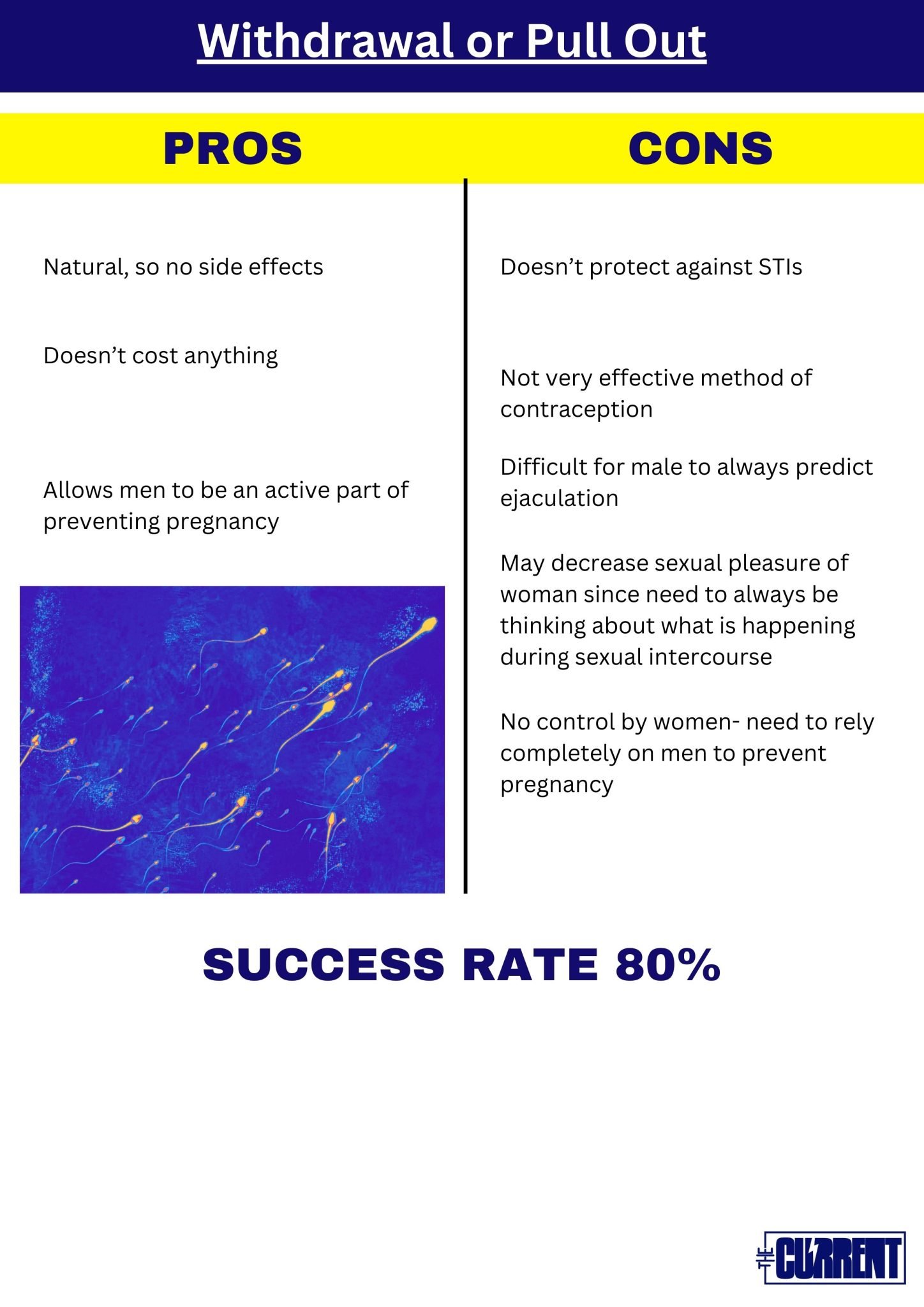
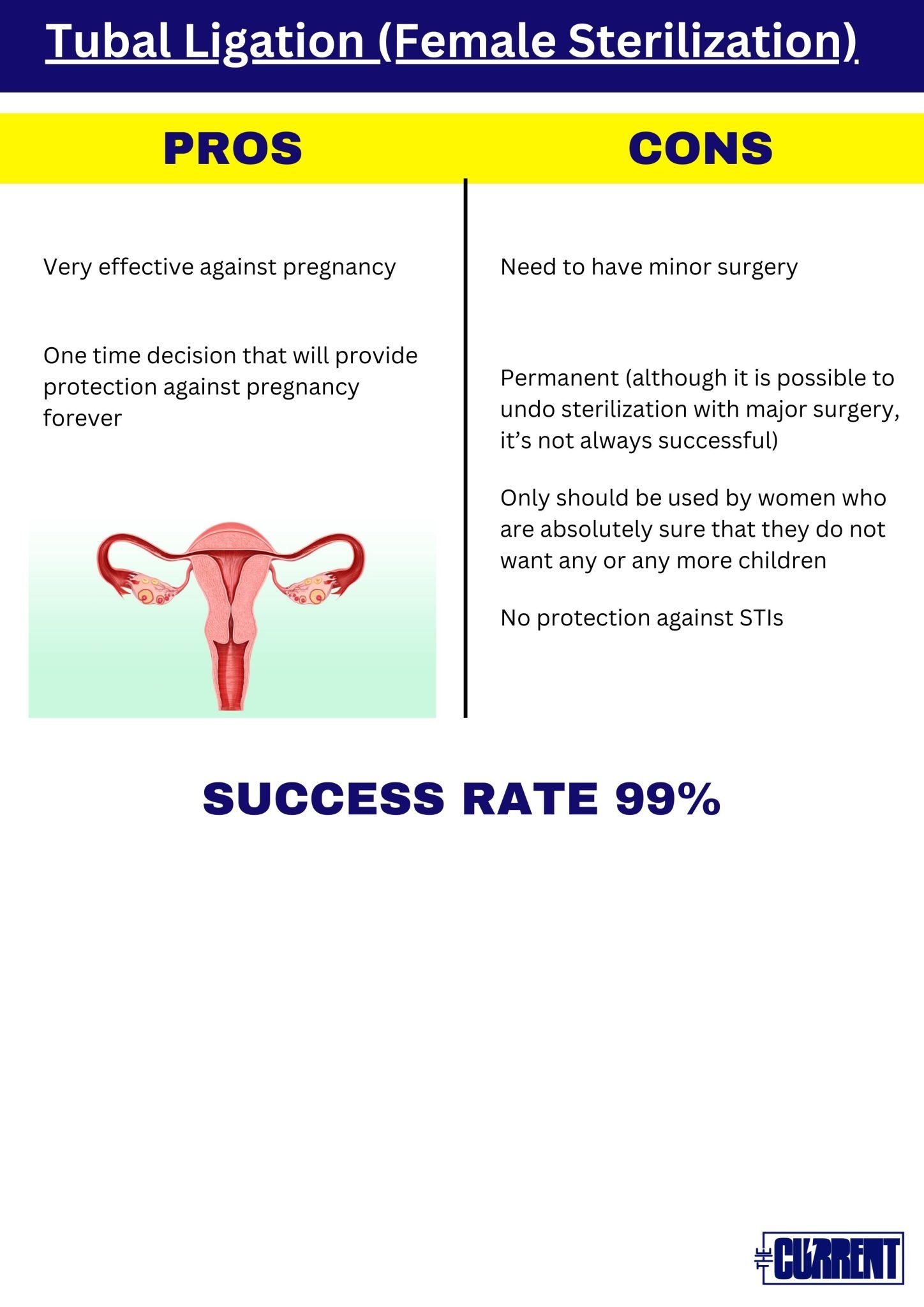
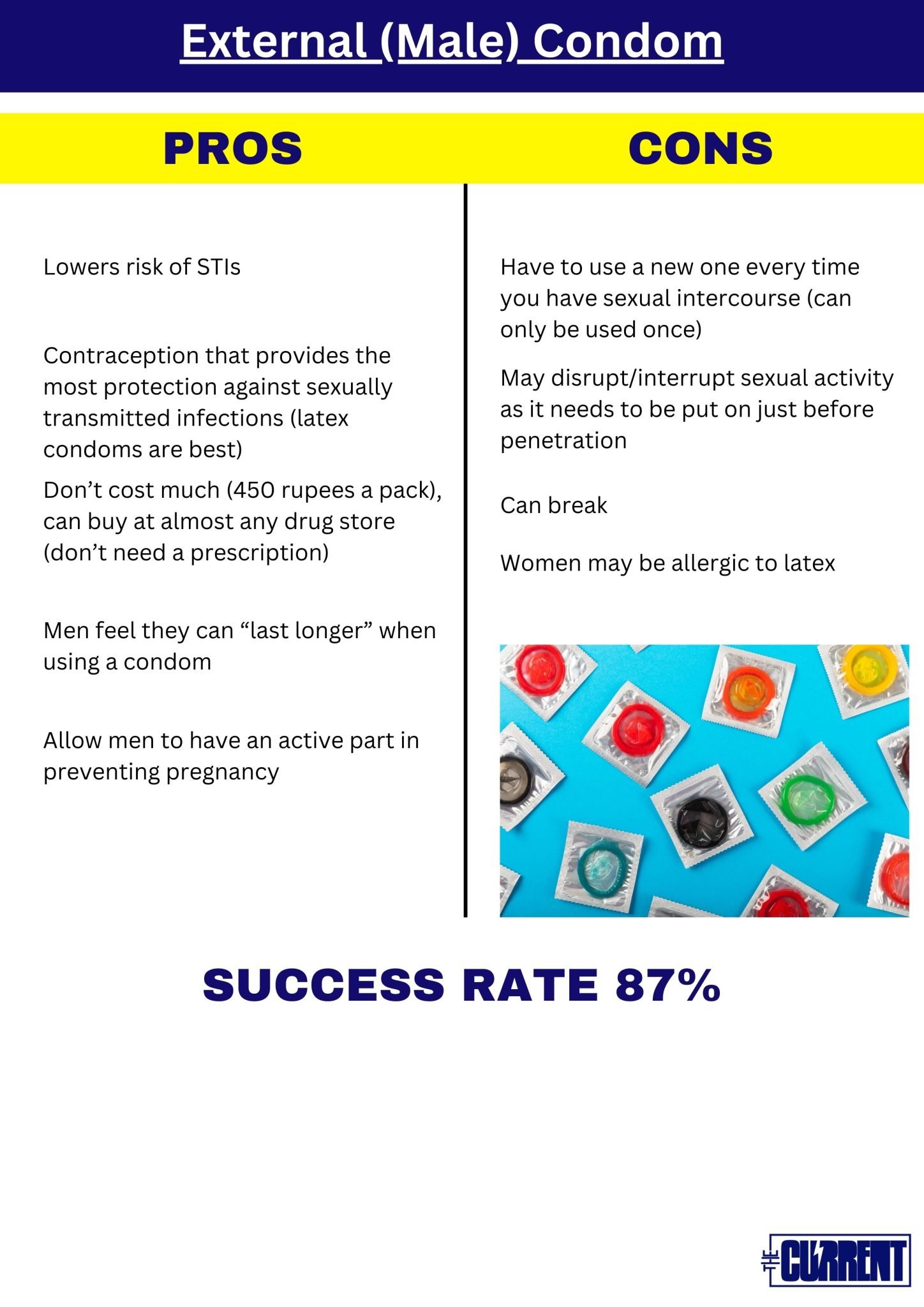
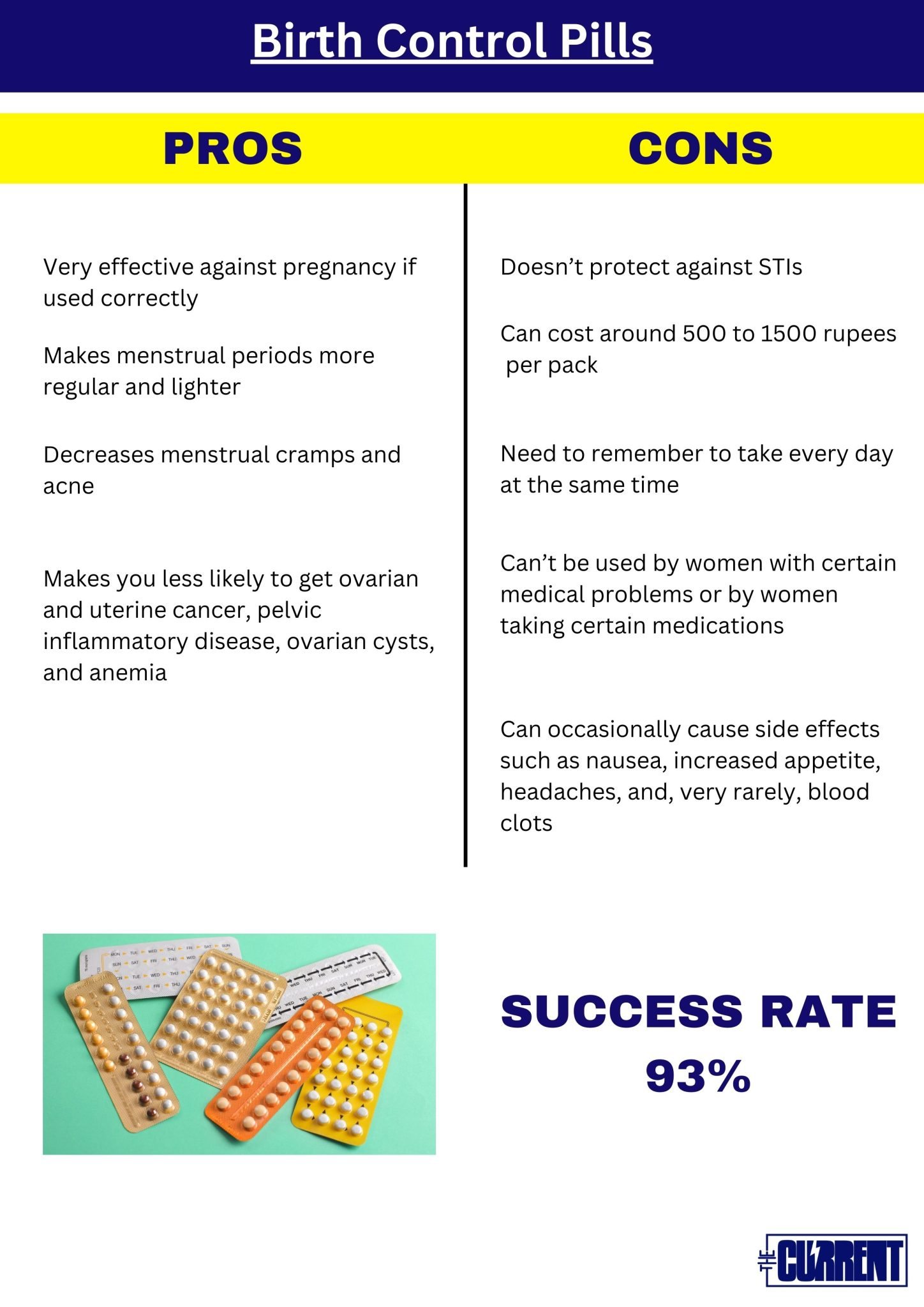
Doctor Mehnaz thinks that it is important for people to know the pros and cons of every contraceptive method and there should be a strict rule implemented by the government regarding at least 2 years gap between children. “We are an overpopulous country with limited resources. Our government needs to implement this rule and penalize people who don’t follow it. This is not only important for the mother but for healthy childbirth too.”
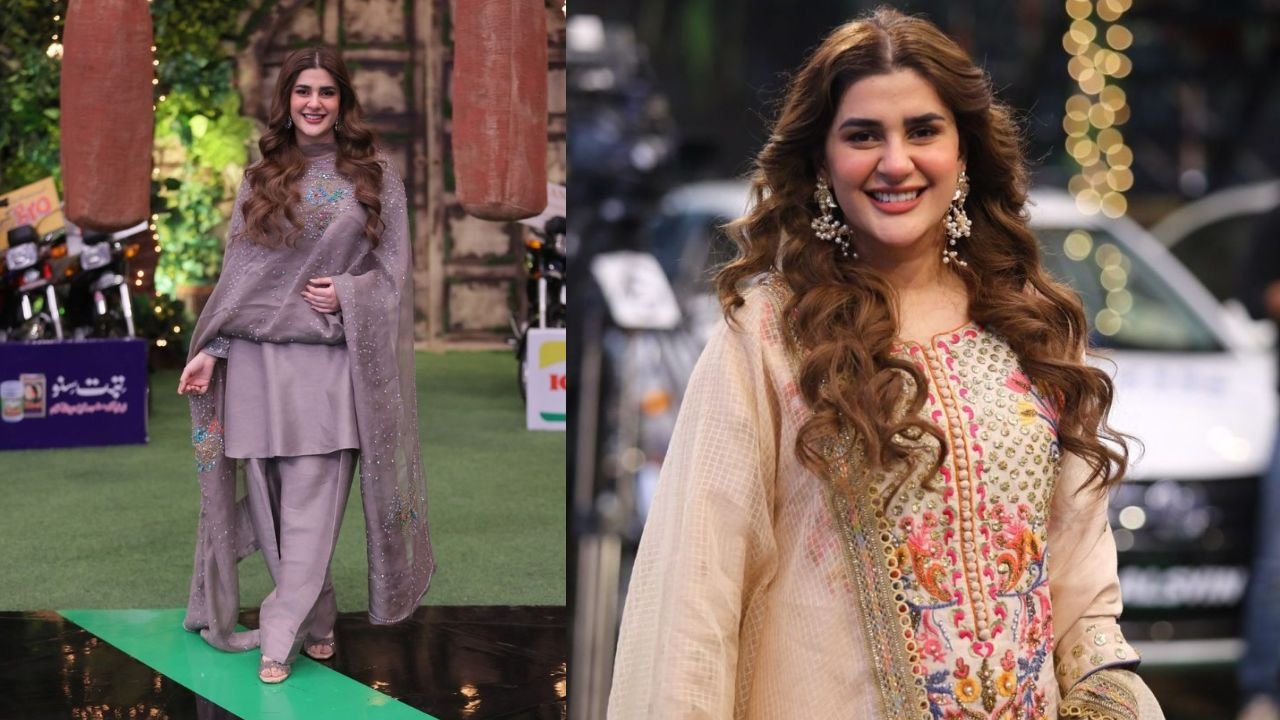
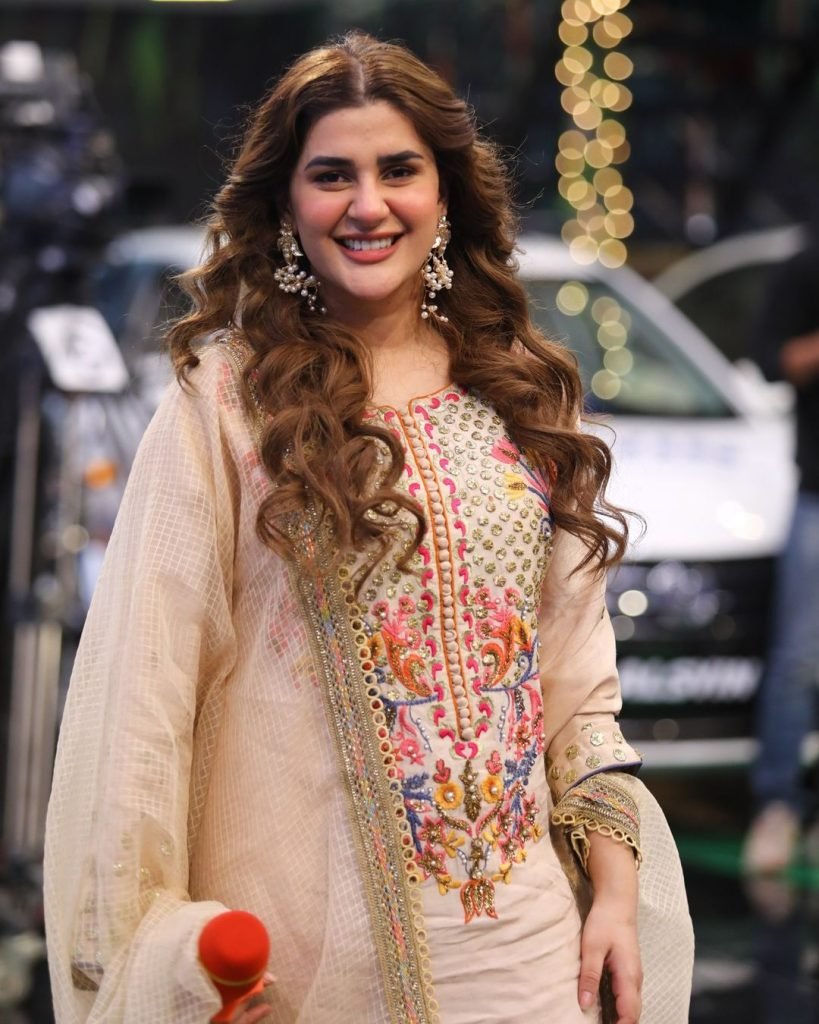
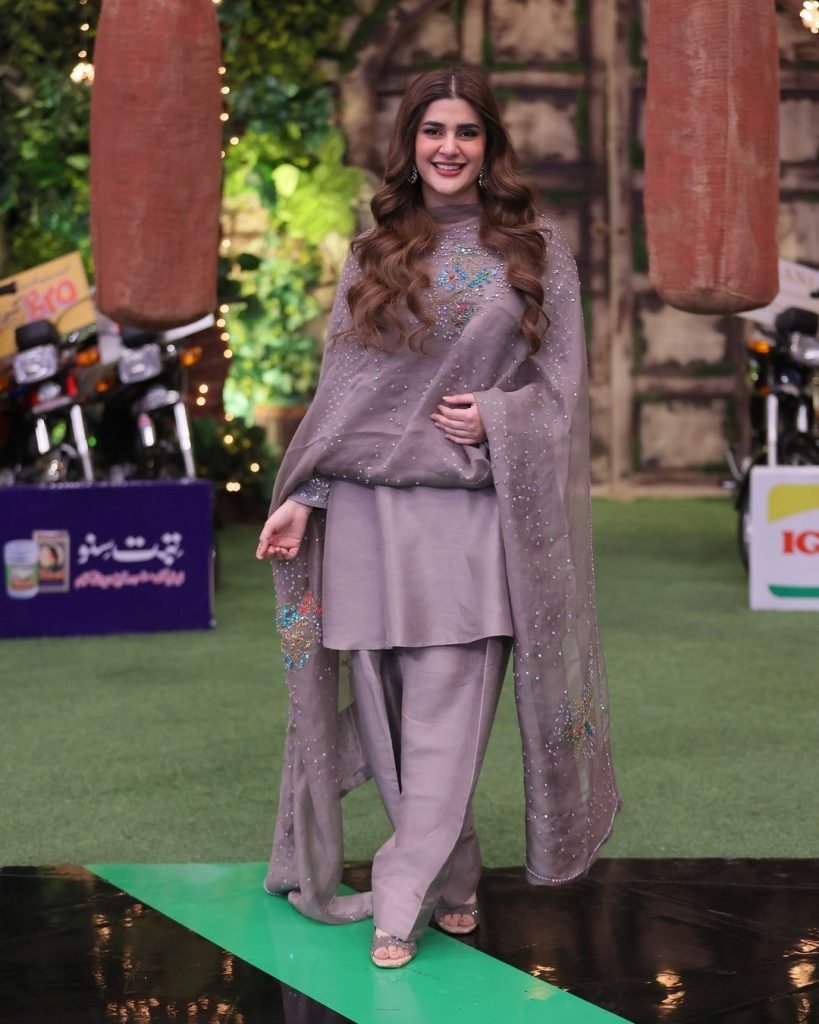
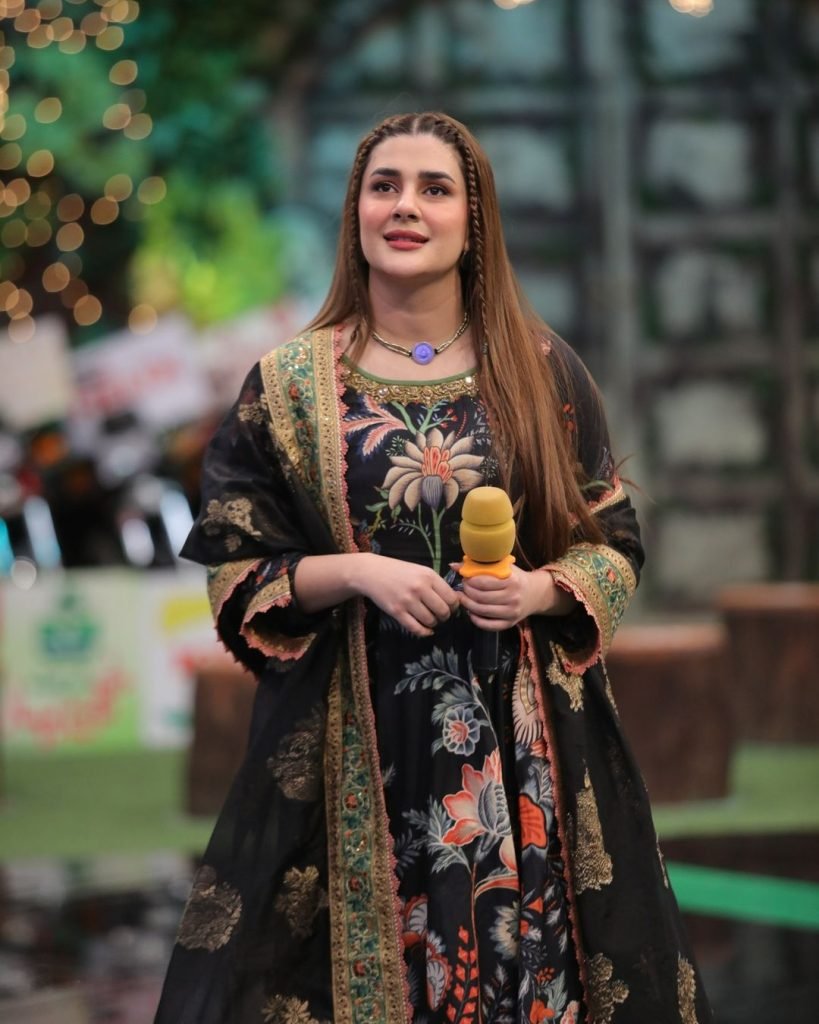
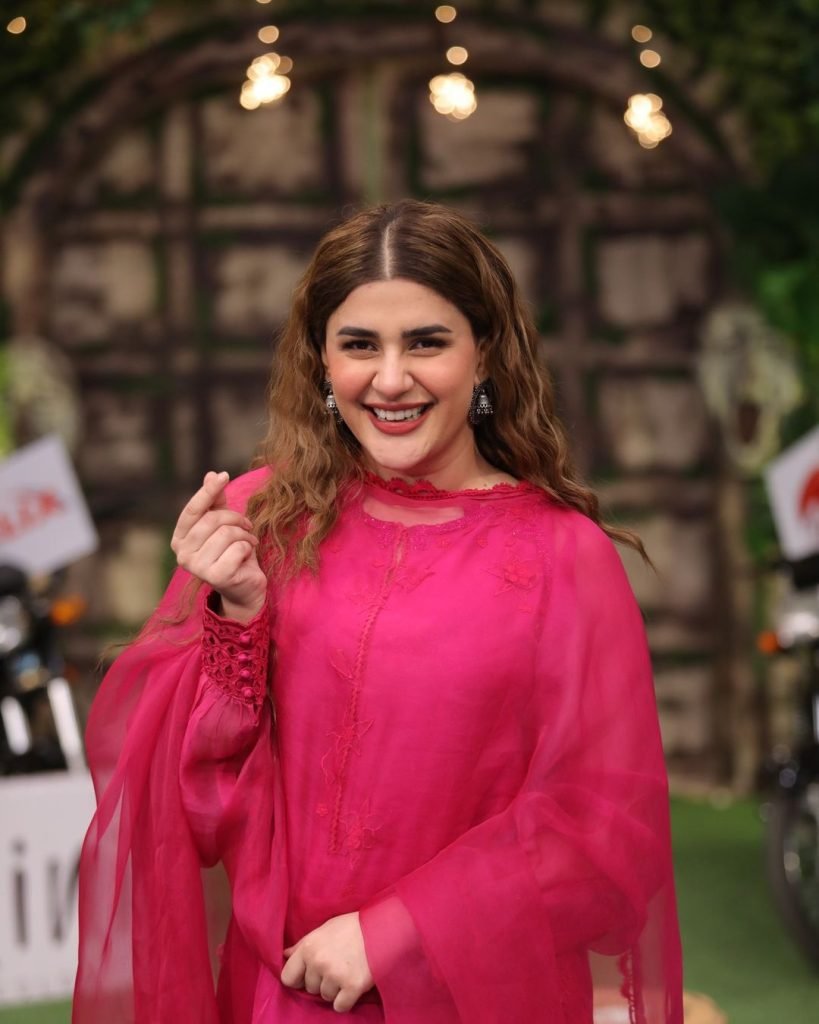
Beyond her acting endeavors, Kubra Khan is also known to unleash her competitive streak in the gaming world. This Ramadan, she brings her gaming spirit to the popular game show, Jeeto Pakistan, adding a fresh and fun dimension to the festivities.
When it comes to spreading smiles and good vibes, Kubra Khan is the undisputed queen! Her stint on Jeeto Pakistan this Ramadan has been nothing short of delightful, with fans swooning over her simplicity and positive energy.
Check out these adorable clicks of Kubra stealing the show on Jeeto Pakistan:
Kubra has fans falling head over heels for her on the game show! And it’s not just her looks—fans are also showering her with love for her down-to-earth personality.
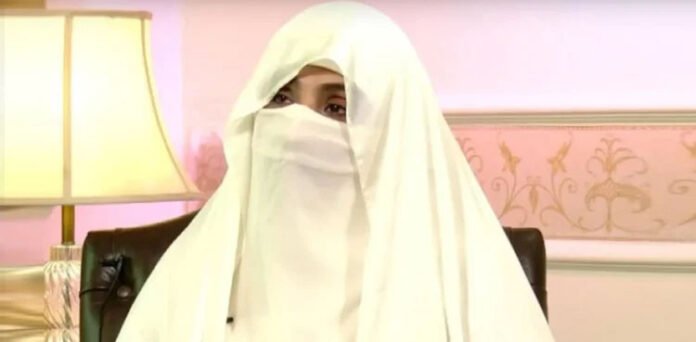
Former first lady, Bushra Bibi has alleged during a hearing on Tuesday that some substance was mixed in her honey in Bani Gala, leading to her becoming unwell.
“There was something mixed in my honey, and when I came back home after hearing and eating honey, my health worsened.”
Bushra Bibi also said that if something happens to Pakistan Tehreek-e-Insaf (PTI) founder Imran Khan, the establishment will be responsible.
“Life and death are in the hands of Allah,” she said, adding that Imran Khan is physically fit and in good health.
Bushra Bibi also stated that Khan is in jail for the people of Pakistan, and the masses will not forgive the people in power if something happens to him.
The PTI founder kept stopping Bushra Bibi from speaking during the hearing yesterday.
In an explosive letter written to Supreme Judicial Council (SJC) headed by Justice Qazi Faez Isa, six judges of the IHC — Justice Mohsin Akhtar Kiyani, Justice Tariq Mehmood Jahangiri, Justice Babar Sattar, Justice Sardar Ejaz Ishaq Khan, Justice Arbab Muhammad Tahir, and Justice Saman Rafat Imtiaz — called on the SJC to summon a judicial convention over what they called the alleged interference of the executive, including operatives of intelligence agencies.
“We are writing to seek guidance from the Supreme Judicial Council (SJC) with regards to the duty of a judge to report and respond to actions on part of members of the executive, including operatives of intelligence agencies, that seek to interfere with discharge of his/her official functions and qualify as intimidation,” read the letter.
The Supreme Court had recently declared the removal of former IHC Justice Shaukat Aziz Siddiqui illegal after he had been removed from service when he alleged interference of intelligence agencies in judicial matters.
It was also stated that in May 2023, “the brother-in-law of an IHC judge was abducted by armed men.” In another incident during the summer of 2023, surveillance equipment was discovered in the residence of another IHC judge and it had private recordings of their family members.
In their letter, the IHC judges pointed out the lack of guidelines in the code of conduct for judges when they perceive a threat to the judiciary’s independence.