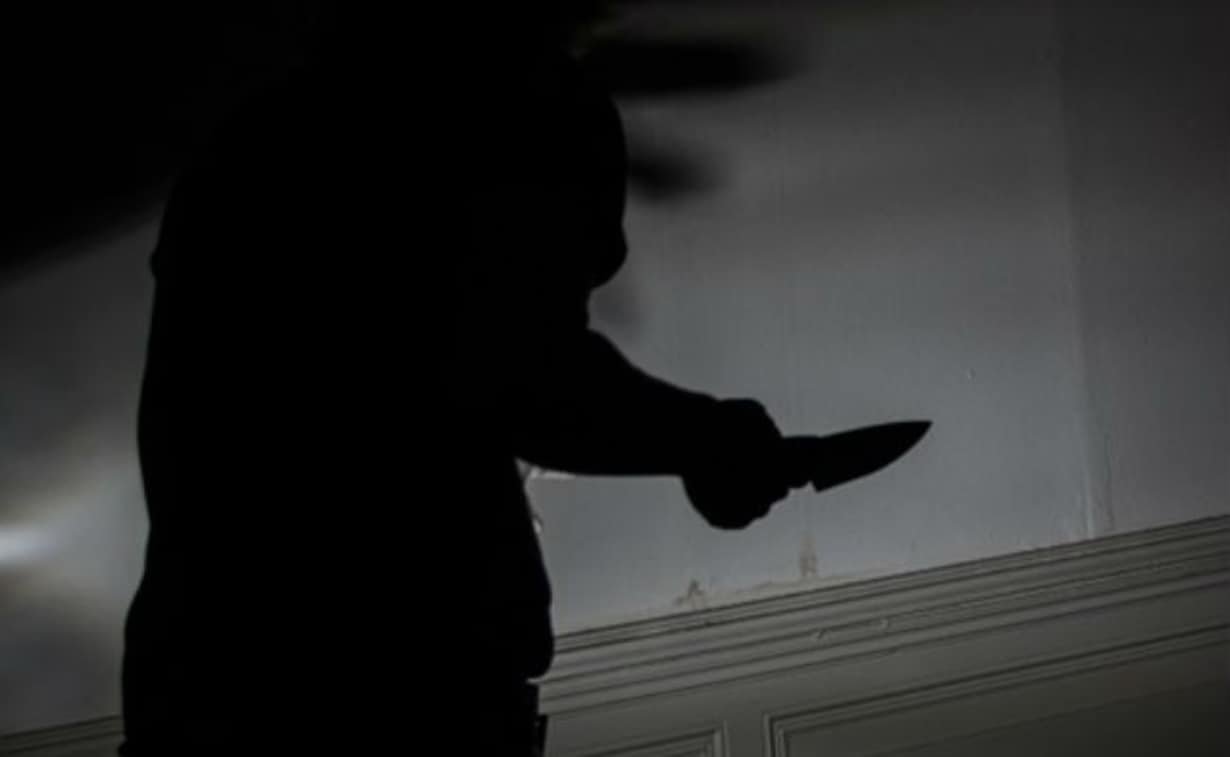
In a shocking incident, a 24-year-old man named Muhammad Sohail was killed by his father for not offering fajr prayers on Wednesday morning.
The incident took place in the Gulistan-e-Johar area of Karachi where the father, identified as Haji Muhammad Saeed, returned from offering fajr prayers and found his son sleeping. Without any warning, the father hit the boy with a hammer, killing him.
The accused claimed that he had repeatedly warned his children, including Sohail, to offer prayers on time, but the victim did not pay heed. Frustrated and angry, he lost control and killed his own son.
The police were notified of the crime and have arrested the accused. A hammer and a knife, which are believed to have been used in the murder, were also found at the crime scene.
A murder case has also been registered against the father.
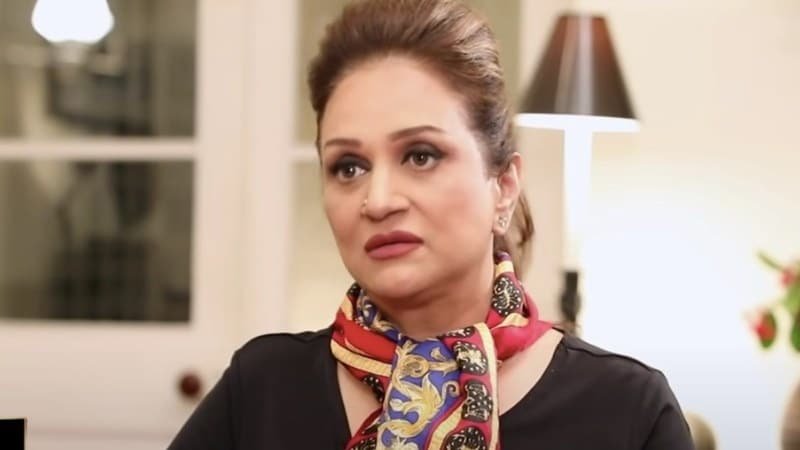
Bushra Ansari was a guest on Nida Yasir’s talk show where among many things, she opened up about her abusive first marriage and the ways her husband, Iqbal Ansari, restricted her from the things she used to love. Ansari and her ex-husband parted ways after 36 years of marriage. The veteran actress said in the interview that she was quite naive when she got married: “Girls who are around 19 or 20 years old when they’re getting married, it’s not easy for them to stand up for their rights, and most of the time they don’t want to. I believe that young people are very innocent and idealistic, which is why it is easy for an older person to enter their lives and mold them to his taste. Especially it is your parents and other relatives who complain about your bad habits to your husband, and encourage him to keep a strict control over you. But girls are very naive when their getting married, they’re like jelly. But I’m proud of this generation today because women are well-educated and also know how to stand up for themselves.”
Ansari went on to share how she followed the customs of her time to obey and act according to the wishes of her husband, hoping that he might like her and be happy but instead of that, she was expected, all the time, to do what he said.
“He asked that i remove my nose pin, which I loved, but I agreed. He also said don’t wear ghararay on your wedding so I decided to switch to wearing sari’s. Then he also said don’t wear mehndi on your hands on your wedding, I agreed. Even though this wasn’t a twenty year long affair, but we only knew each other for three months and then we got married.”
“I thought that if I would say ‘theek hai jee, aap ki marzi’, then everything would be fine. Because once he is happy, then I would also be happy. Whatever he said, I would do. He said stop going to your friend’s house, I agreed. I thought that he was a temple, and I was running around it. But this was the kind of mindset women from this generation used to follow because they were told this is how they must remain happy in their marriages. I’m not saying you should completely rebel and refuse to be nice to your husband, because sometimes listening to someone’s request is a good thing and they acknowledge you. Otherwise you listen to them once, then they keep expecting you to listen to everything they have to say.”
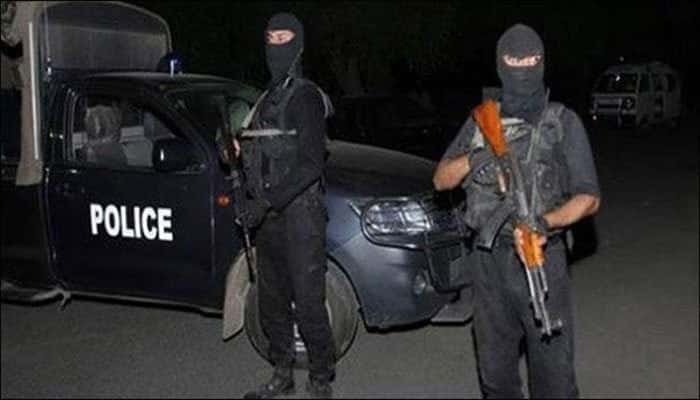
At least six terrorists were gunned down during an operation in the Dadowala area of Lakki Marwat in Khyber Pakhtunkhwa (KP), counter-terrorism department (CTD) officials have confirmed.
According to the CTD, ammunition and explosives were recovered from the slain terrorists who were involved in terror attacks and assaults on security forces.
CTD added that the operation was launched after it received information regarding the presence of the terrorists in Dadowala. The department added that the terrorists were planning to launch an attack on the Abbasia police check post.
Terrorism is rising again across the country as attacks increased since the end of the ceasefire with the Tehreek-e-Taliban Pakistan (TTP) last year.
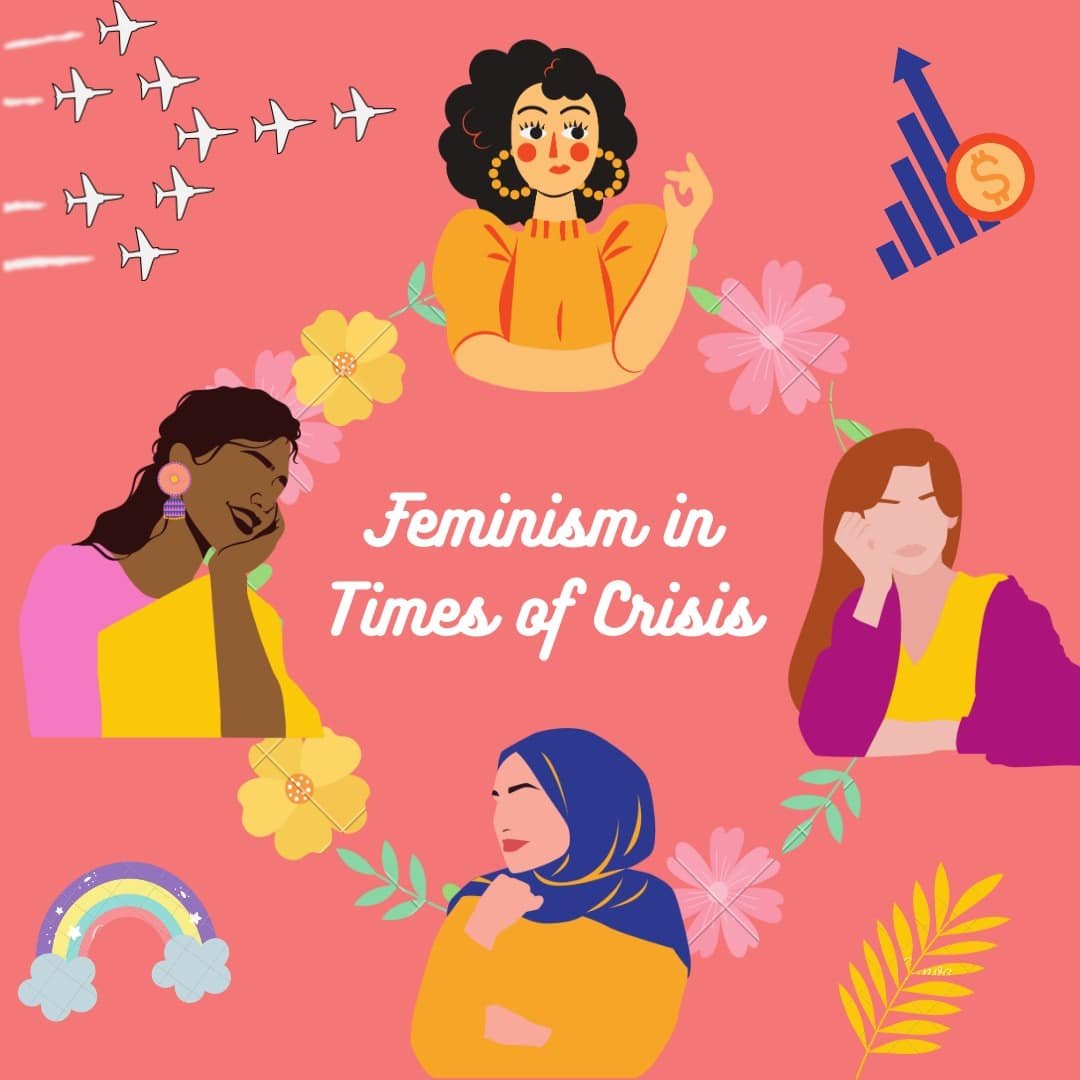
Feminist social movement Aurat March has unveiled their theme for this year: Feminism in the time of crisis.
The movement elaborated on the significance behind this theme on Twitter, revealing that it will address the ongoing security, climate and economic issues currently plaguing the country.
“We demand a feminist response to these crisis: one that centers the voices and experiences of one of the most affected and prioritizes justice and equity for all.
These responses must be democratic and equitable. A Pakistan plagued by regional, ethnic and class inequity is unacceptable. We cannot afford to ignore the intersectional impacts of these crises any longer.
Pakistan is plagued with challenges on multiple fronts including security and safety crisis, economic crisis, climate crisis and a relentless crisis of gendered violence. We know that these issues are deeply rooted in the patriarchal system that prioritize masculine politics and ignores the needs and rights of gender minorities and marginalized communities.
It’s time to demand a better future for all.
Join us on 8th March.”
AURAT MARCH LAHORE 2023 THEME: FEMINISM IN TIMES OF CRISIS
Pakistan is plagued with challenges on multiple fronts including security and safety crisis, economic crisis, climate crisis and a relentless crisis of gendered violence #AuratMarch2023pic.twitter.com/UuBPNcv5Ja
Ayesha Omar made headlines in both Pakistan and India when her sensual photoshoot with the former Pakistani cricket player Shoaib Malik went viral on social media. Rumors began swirling about estrangement between Malik and his wife, former Indian tennis player Sania Mirza, with speculations of a divorce in the works. Omar and Malik became the target of gossip, with stories of the two having an affair which led to the cricketer’s marriage falling apart.
Now on a talk show with Shoaib Akhtar, Omar made it clear that she isn’t interested in married men.
“I will never be attracted to a married or committed man ever. Everyone knows me… that goes without saying,” she said.
When Akhtar asked her about the controversial photoshoot, Omar responded that the rumors of their affair started in India and then arrived in Pakistan.
Previously in 2021, an instagram user had taunted Omar by asking her when she will be getting married to Malik, and she shut down the rumor directly:
“Absolutely now. He is married and is very happy with his wife. I respect Shoaib Malik and Sania Mirza a lot. Shoaib is a good friend of mine and also a professional colleague. He respects me a lot as well. There are also relationships like these which don’t revolve around marriages,” wrote the Bulbulay actor.
Pakistani dramas aren’t the first option one would think of when looking for strong female representation and well written, complex characters. Pakistani screenwriters and drama creators have for long refused to acknowledge the power of storytelling. They refuse to believe it is necessary to have positive depictions of women on screen rather than relying on the same age-old mantra ‘aurat he aurat ke sabse bari dushman hoti hai.’
Our television screens are littered with tropes that demonize women who actually seek their own independence rather than being obsessed men. Characters like the gold digger, the career-obsessed heartless woman, or fighting saas/ bahu are the norm. It seems like most dramas are obsessed with getting the right amount of misogynist and sexist content in order to get better ratings.
However, there are a few dramas that were able to get representation right and give the viewers depictions of what wholesome friendships can do to a woman’s life. In the spirit of the upcoming Aurat March, here is our selection of Pakistani shows that have gotten female friendships represented properly.
1 Akhri Station (2018)
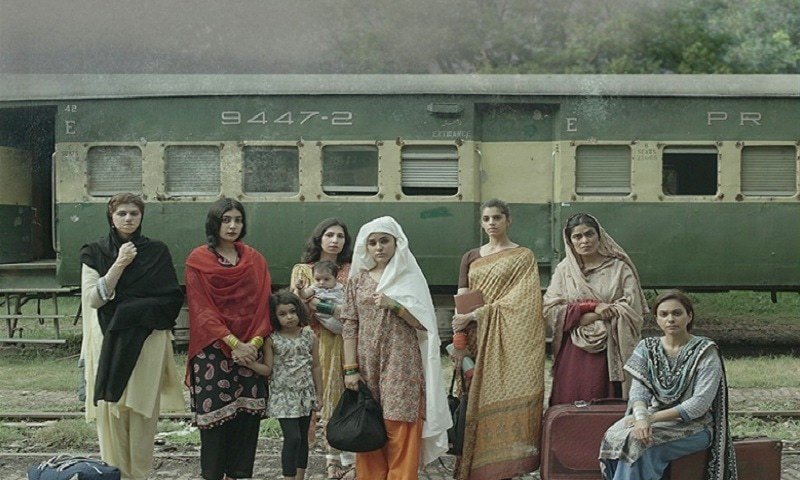
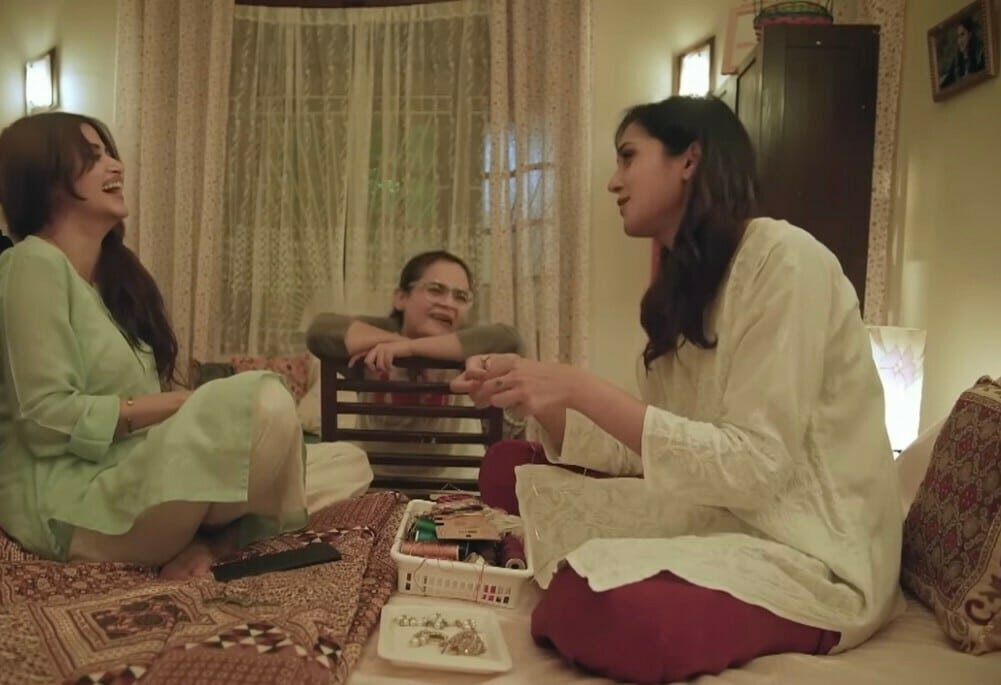
Written by Amna Mufti and directed by Sarmad Khosat, the series is a wonderful depiction of how women suffering from abuse and trauma can come together to revel in their pain and find their catharsis together. At a train station in Lahore, a group of women meet up and begin opening up to each other about the kind of suffering they had undergone. Produced by Kashf Foundation, the mini series didn’t shy away from exploring tabooed topics like sexual abuse, mental illness, HIV/ AIDS and acid attacks.
2 Churails (2020)
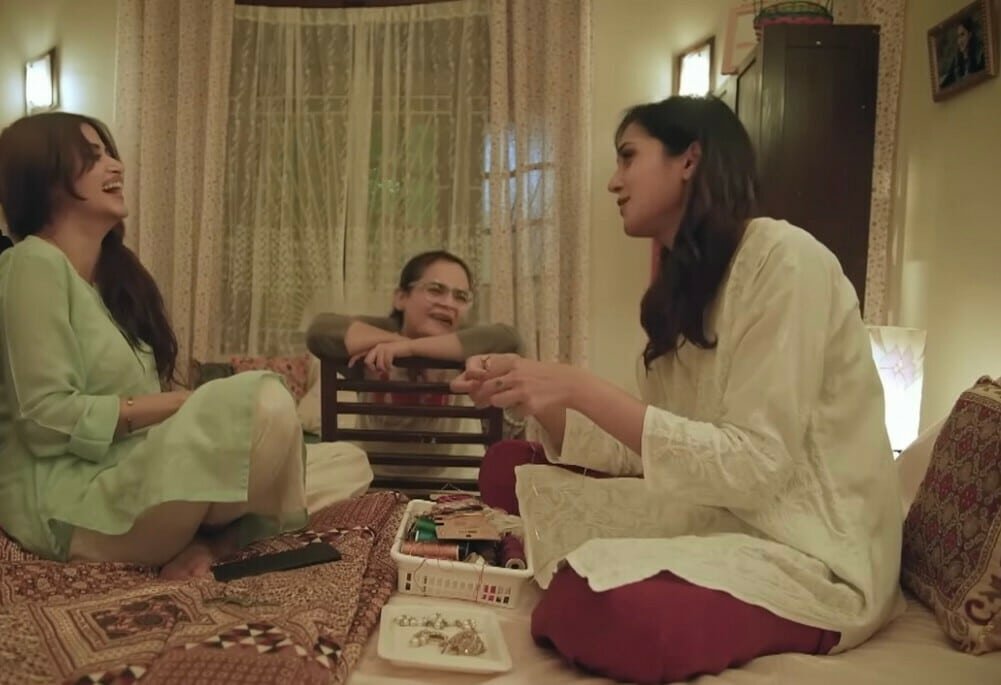
Written and directed by Asim Abbassi, the drama made waves across Pakistan when it was released in 2020. It is now regarded as a powerful feminist drama that centers around women coming together to take revenge on their abusers. When stay-at-home mother Sara Khan finds out that her husband, Jameel, has been cheating on her with several women, she vows to get back at him. After blackmailing him to send her money, she and a group of close friends open a secret agency, disguised as a boutique, where they help other women who are suffering from abuse or are unhappy in their marriages.
3 Sar-e-Rah (2022- on going)
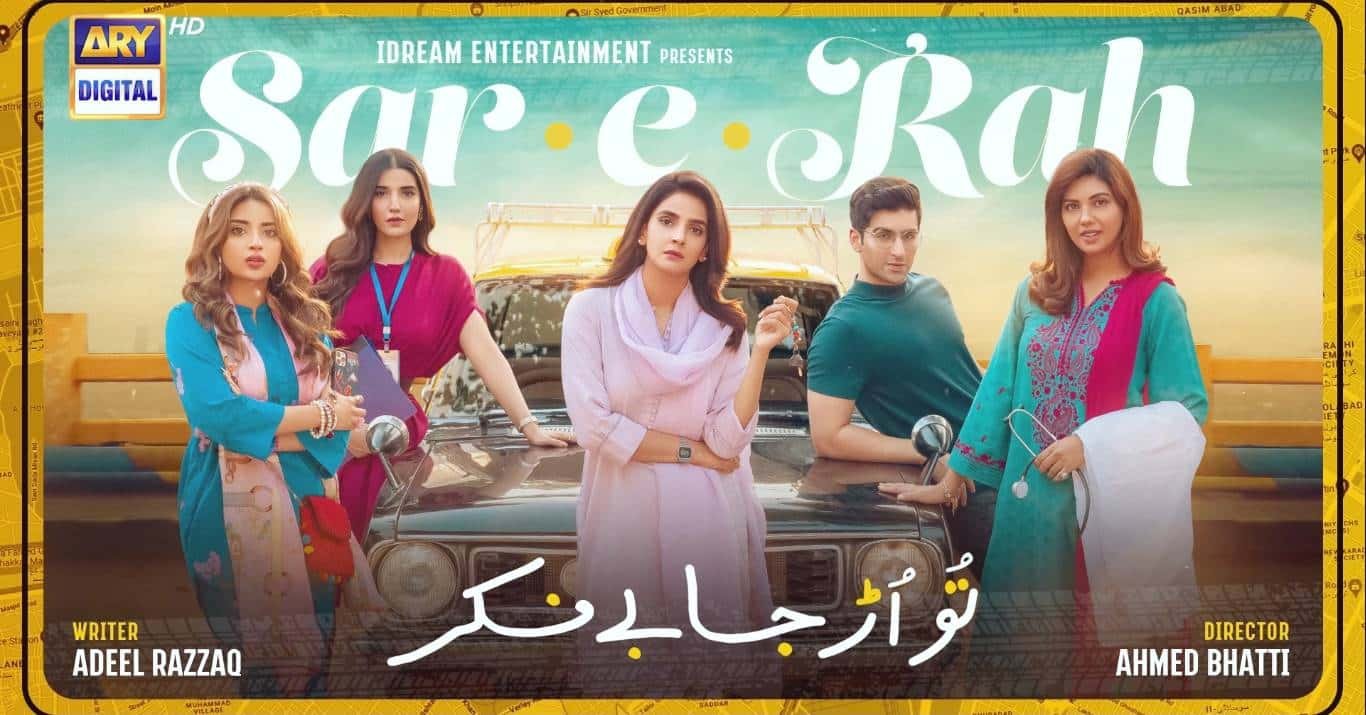
One of the most well-rated dramas currently playing on ARY, it accurately captures how one woman who breaks away the shackles of patriarchy can help other women do the same, regardless of being from different backgrounds. When Rania’s father suffers a heart attack, his family loses their source of income. She decides to step up and follow his footsteps to become a taxi driver. At first, Rania faces immense difficulties because of harassment and backlash from strangers, as well as from family members who keep taunting her with ‘log kya kahenge’, but she refuses to let harsh criticism keep her from becoming the breadwinner. Soon, Rania is able to use her power and knowledge to help other women suffering from the same issues.
4 Tanhiyaan (1985)
When it comes to powerful dramas, Tanhaiyaan will always remain part of the discussion for being one of the earliest dramas depicting women living their lives to the fullest, and refusing to obsess about a man’s approval. The legendary Haseena Moin had written powerful, complex female characters and championed social issues in her dramas. The show revolves around two sisters, Zara and Saniya, who are visiting their aunt in Karachi when they find out that their parents have passed away in a car accident. Because of their father’s debts, the sister’s lose their home and have to adjust to their new life in Karachi, while Zara fixates on becoming rich and regaining the house and furniture she had lost.
5 Raqeeb Se (2021)
Penned by the powerful Bee Gul, the drama revolves around the issue of domestic violence and women finding solace in each other’s company to escape their abuse. Sakina escapes her abusive husband’s home by arriving at her former lover Maqsood’s home with her daughter, where she meets his wife. Seeking shelter and rejected by Maqsood, it’s his wife, Hania who helps Sakina find ground in their new home.
6 Kuch Ankahi (2022- on going)
If you’re reminiscing about the days of PTV dramas that had not held back from addressing social issues, then this drama is the perfect blend of comedy and social awareness. The plot revolves around the three elder sisters and their home in Karachi, where their father is facing pressure from his siblings on the ownership of their home. The eldest sister, Samiya is being pressurized by her mother to marry someone and facing taunts about her age, and her siblings, as well as phupoo, help her find her own voice.
Prime Minister (PM) Shehbaz Sharif has announced major cuts in perks and facilities that were being given to the federal cabinet as the economic crisis worsens.
Addressing a press conference on Wednesday in Islamabad, the Premier, flanked by members of the federal cabinet, said that ministers, state ministers and special advisers had decided “willingly” to forego their salaries and perks. He said that all ministers would now pay their own telephone, electricity, water and gas bills.
The premier further said that federal ministers would also travel in economy class and will not stay in five-star hotels during foreign trips.
He asserted that no cabinet member or government officer will use a luxury car, adding that “Until June 2024, there will be a complete ban on purchasing all types of new cars.”
The head of government also said that “to conserve gas and electricity, advice for opening offices at 7:30am during summer has been accepted.”
Shehbaz Sharif said that it has also been decided that government employees will not be allotted more than one plot, saying that this would be implemented from tomorrow.
He said that in terms of food, only a single dish would be allowed at government events.
Talking about the Toshakhana, the premier said that the federal cabinet has decided that no one will be allowed to retain state gifts worth more than $300 (approx. Rs70,000). He also added that the government has decided to make the Toshakhana record public.
Responding to a question from a reporter, PM Shehbaz said that the measures would save Rs200 billion annually.
He said that matters with the International Monetary Fund (IMF) are at the “last stage” and hoped that everything will go well.
The development has taken place while Pakistan is eyeing a staff-level agreement with the International Monetary Fund (IMF) this week as the country reels under a foreign reserve shortage.
Earlier this week, the National Assembly passed the IMF-dictated Finance (Supplementary) Bill 2023, seeking to impose an additional Rs170 billion in taxes.
Indian poet Javed Akhtar’s comments about Mumbai attacks at the recent Faiz Festival circulated heavily on social media. Akhtar attacked Pakistan for refusing to hold accountable the terrorists behind 26/11 attacks. He also said that India had always honored and celebrated the legacies of Pakistani musicians like Nusrat Fateh Ali Khan and Mehdi Hassan, but Pakistan refused to do the same thing.
Why our media and so-called “elite” is mum over highly condemnable comments made by Javed Akhtar on our own soil? pic.twitter.com/tpLEswwt1x
Pakistani actors have slammed the Indian screen writer for his inappropriate comments and especially for misleading the audience into believing that Indian actors and musicians were not respected in Pakistan. Actor Ejaz Aslam criticized Akhtar for refusing to own up to the destruction India had done in Kashmir, instead of hating on the country that had invited him as a guest.
“Mr javed akhtar would you mind shedding some light on Kashmir issue ? You shouldn’t have come if you have so much hatred for pakistan, we still let u go back safely & thats our answer to your nonsense”
Mr javed akhtar would you mind shedding some light on Kashmir issue ? You shouldn’t have come if you have so much hatred for pakistan, we still let u go back safely & thats our answer to your nonsense #javedakhtar#goback#nonsense # pic.twitter.com/b7DCIdnH1o
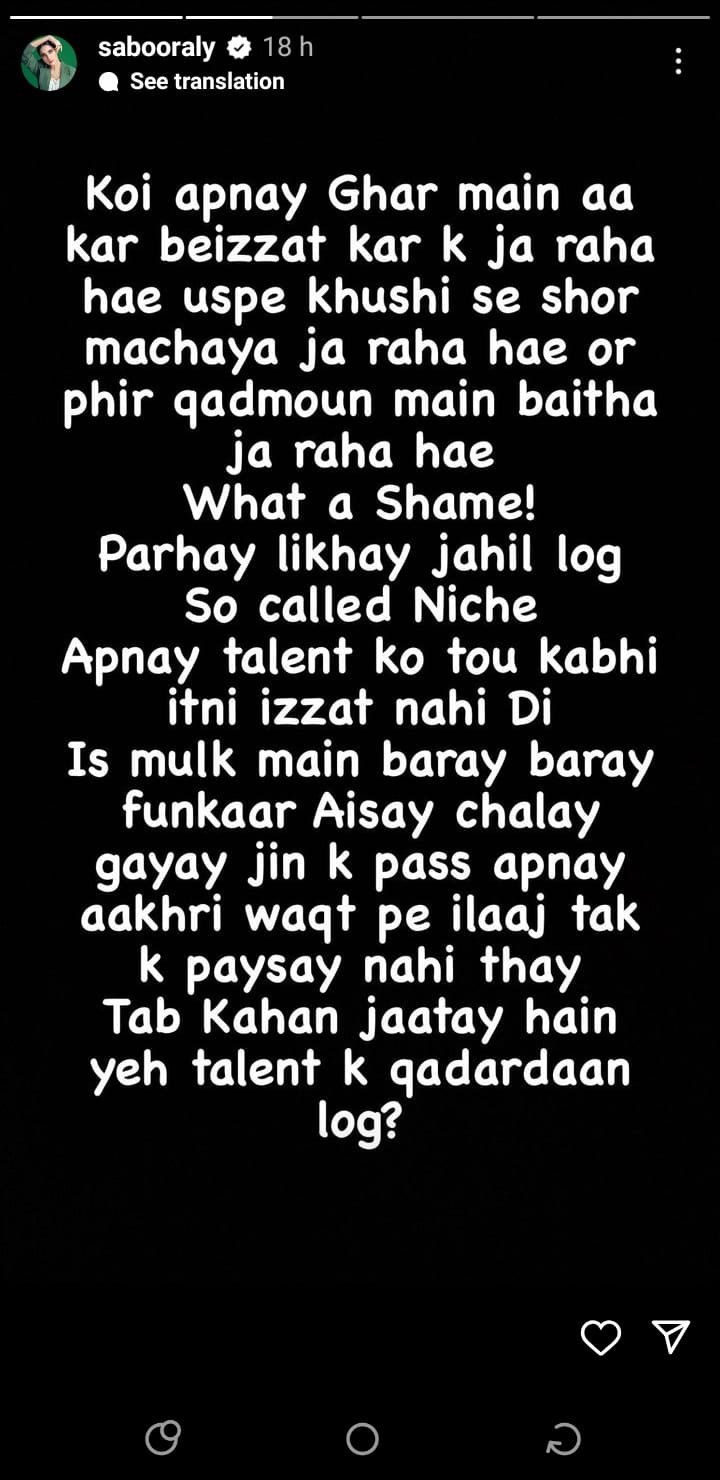
Actress Saboor Aly reacted to the celebrities who were praising Javed Akhtar at the mehfil, and said she was ashamed that they refused to set professional boundaries towards someone who had disrespected them in this manner. She also felt that it was shameful how many local celebrities who are equally as talented are not given the honor and respect Akhtar was given for three days.
“These people were celebrating someone who had insulted them in their own home, and then sat at his feet and singing praises. What a shame! So-called educated people. You have never respected your own talent the same way. Some of the biggest stars in this country had passed away in severe circumstances when they didn’t even have any money to pay for their operation. Where were these people then who respected talent so much?”
Fashion designer Zara Shahjahan criticized the elite participants who had attended the conference where Javed Akhtar had said this, and also later had hosted a mehfil for him.
“He was not just allowed to come to Pakistan, he was allowed to shit on Pakistan and then the Lahori “fake” elite hosted a party for him where they cried on his knees.”
He was not just allowed to come to Pakistan, he was allowed to shit on Pakistan and then the Lahori “fake” elite hosted a party for him where they cried on his knees. https://t.co/jUgDFVUtdP
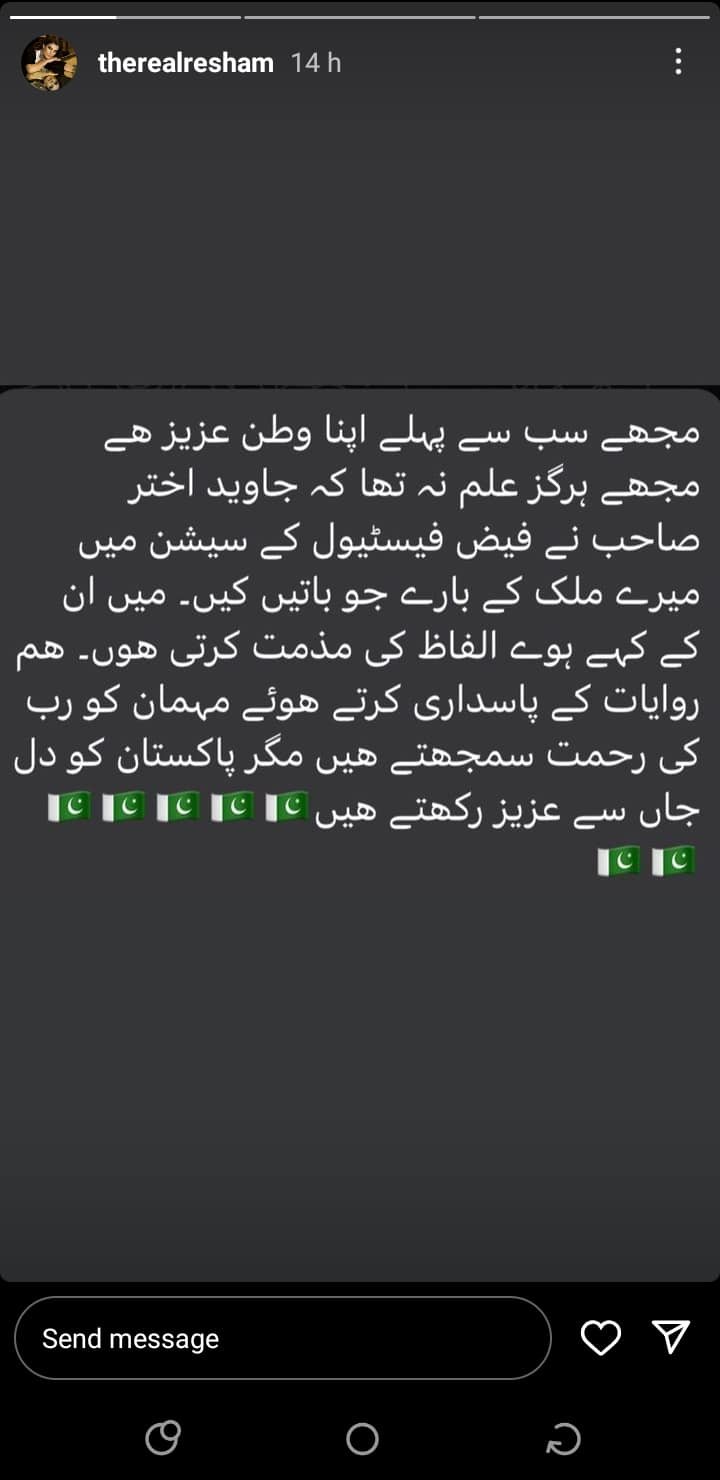
Actress Resham, who had also shared video clips of attending the mehfil hosted by Ali Zafar where Akhtar was honored, gave her defence on her Instagram stories. She shared that she deeply respected her country and its people, and was not aware of the comments he had made.
“I hold my country Pakistan in deep respect, and was not aware of the type of comments Javed Akhtar had made at the conference on the Faiz Festival that day. I condemn his words. As per our customs of special treatment, we consider guests God’s mercy but Pakistan is more precious to us than our hearts and lives.”
There is a poignant moment in the documentary ‘The Romantics’ where filmmaker Aditya Chopra reflects back on the 26/11 Mumbai attacks that shook the entire country. At the time, his production company had been gearing up for the release of his upcoming romantic comedy film ‘Rab Ne Banadi Jodi’. Many of his colleagues had urged him to push forward the dates to prevent an uproar. Chopra said in the documentary that he knew that more than ever, that was the time people needed a reminder of joy and happiness in their lives, so he decided to stick with the original date. When the film released in cinemas across India, it became a hit.
Currently in the state ‘Bannistan’ is in, with our economy struggling, inflation rising and more women finding it difficult to access public spaces without the fear of sexual assault or harassment, we have now developed an allergy to joy. Anything that prompts laughter or makes people happy. Solution: ban it. We ban our films, we call for festivals to be stopped because of fears like “western sazish” or “anti-Islamic” and then we wonder why our upcoming generation has no creative skills or any motivation to find work.
Art is not just a prop to promote state policies, but a way to encourage members of society to find joy and reflect on the way they are living their life. We need art because it encourages us to express our inner selves and also because it is a powerful way to spread messages on social issues to the masses. Perhaps this is why art terrifies our public officials so much, and why it is censored more than any other industry in this country. We label the art we don’t like as ‘immoral’ because it is the only medium that can reflect the tabooed topics we are so afraid to speak about. Consider dramas in the past like “Dil Na Umeed to Nahi” which got several notices from PEMRA because it discussed the issue of child sex trafficking, and the difficulties survivors face in rehabilitating themselves. Another notice was sent to ban hugs or caressing, because God forbid any marriage is seen as being happy or affectionate. But we refuse to think about the numerous domestic violence and abuse scenes we watch on our screens every day.
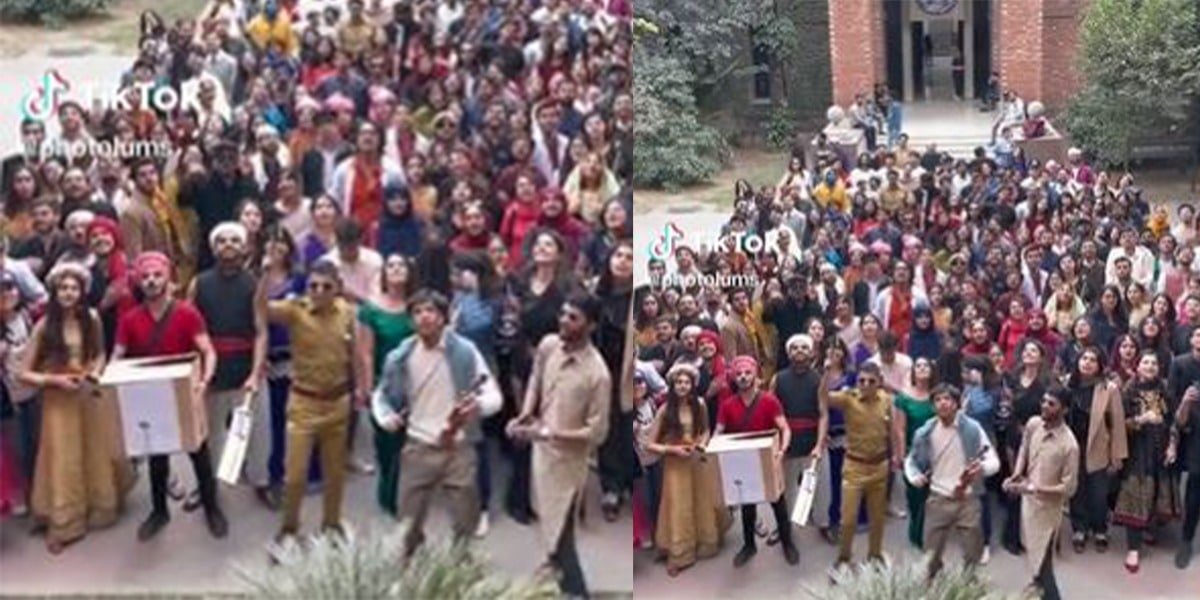
A few days ago, a video began trending online featuring Bollywood day at LUMS, where students showed up dressed as their favorite characters from movies and dramas. But in response, social media users began criticizing the university for promoting vulgarity, and called the participants “kanjarkhana”
Slur words are labels that we put on people who do not conform to the idea that it is shameful to seek celebration and joy in our lives, and words like these can be traced to our colonial roots. The British had demoralized the kunjar community in the sub-continent, a nomadic community of folk entertainers. As Jasir Shahbaz writes for Samaa, under the British rule, the kanjar community had been socially outcasted and under the Criminal Tribes Act, 1871, they were listed as “addicted to the systematic commission of non-bailable offences.”
These terms are thriving under the ongoing reign of Bannistan: shame anyone who works in entertainment as a ‘kanjari’. We criticize female actors for performing on screens, deem women who seek their independence or protest for equal rights as loose and immoral, when in reality anything that challenges our misogynist and regressive mindset is improving our lives.
In defense of the students who celebrated the end of their University days and any other woman out there trying to live her life, kanjari is an empowering term because it means we’re celebrating life. In times of repression and censorship, celebrating art can be the greatest form of living because it allows us to represent ourselves on screen. And gives space to every individual in society, regardless of caste or background. So instead of shaming these children for celebrating Bollywood day or just protesting in the streets, hold back your thoughts and just go about your own day if you’re not interested in what they have to say. Because now more than ever, we need joy in our lives. We need a reason to keep moving and find solace in the countless stories we see in films or read.
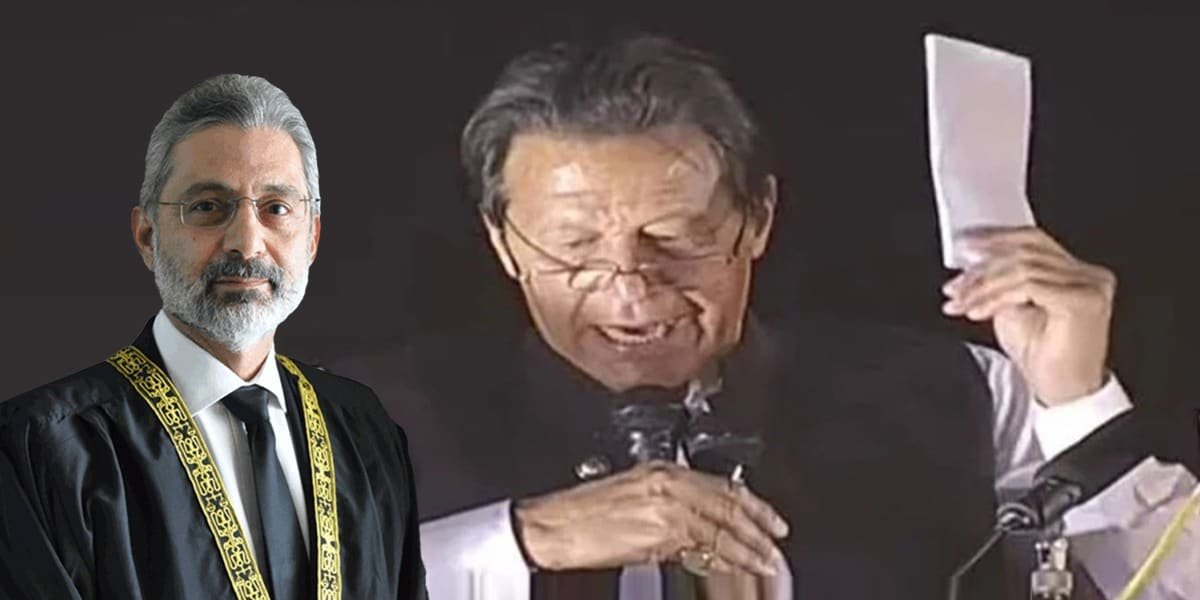
The Supreme Court on Wednesday has rejected all three pleas seeking an investigation into a cipher — presented by Pakistan Tehreek-e-Insaf (PTI)- endorsing objections raised by the apex court’s registrar.
Justice Qazi Faiz Isa heard the in-chamber appeals filed by the PTI against the registrar’s objections to the petitions seeking an investigation into the cipher — the cable from the United States of America, allegedly threatening that Imran Khan’s government should be overthrown.
Asking if dealing with foreign affairs the court’s job, the judge said, “Did Imran Khan make any decision to investigate the matter as the prime minister?”
He added: “Imran Khan had all the powers to have an investigation conducted. All authorities are under the prime minister.”
He asked what the court could do in the cipher matter.
“How can we order an investigation based on hearsay? We do not believe in speculations,” Justice Isa stated.
“Why do you bring such cases before us? We already have so much on our plate,” the judge asked the petitioners.
Categorically stating that he will not interfere in state matters, Justice Isa dismissed the three appeals and upheld the registrar’s objections.
“How can the judiciary interfere in government affairs? I will not interfere in state matters and neither will allow the government to interfere in judicial matters,” said Justice Isa.
The judge observed that the Parliament is right beside the Supreme Court, telling the petitioners to “go ask them Parliament” to give them the “authority to intervene into state matters.”