Tag: Tsunami

  • 7.2 magnitude earthquake strikes off Peru, tsunami threat over: USGS

    7.2 magnitude earthquake strikes off Peru, tsunami threat over: USGS

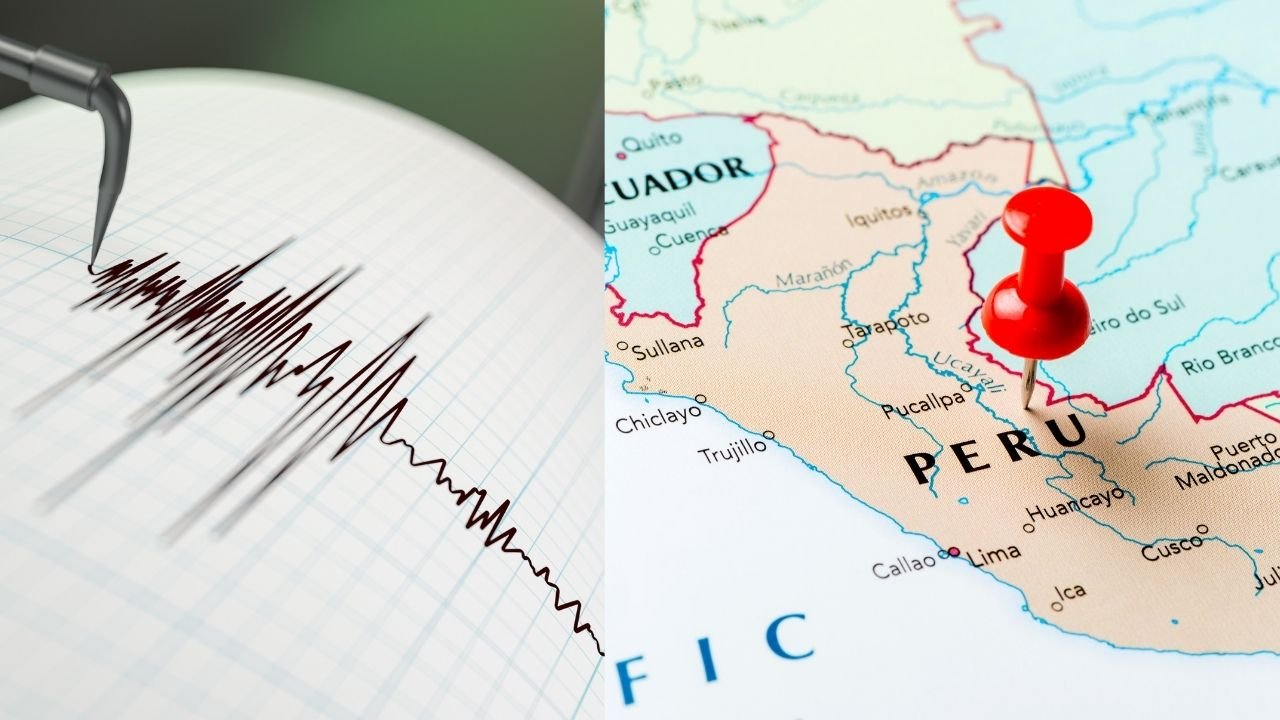
    A magnitude 7.2 earthquake struck off the coast of central Peru on Friday, the United States Geological Survey said, but a tsunami threat from the tremor has passed.

    The USGS said the tremor hit 8.8 kilometers (5.5 miles) from Atiquipa district.

    The quake was felt in Lima and a large part of the southern and central coast of Peru.

    The mayor of Yauca, Juan Aranguren, told local media that walls came down in his town.

    A major highway running through the area also suffered cracks, he said.

    “The children were crying, the earthquake was felt strongly,” said a villager from the area.

    Speaking to RPP radio, Prime Minister Gustavo Adrianzen: “I want to convey tranquility. The earthquake has passed, we are making the first evaluations, and so far there are no fatalities to lament.”

    The Pacific Tsunami Warning Centre had earlier said “hazardous tsunami waves are forecast for some coasts” but later said the threat had passed.

    Peru, with some 33 million inhabitants, lies on the so-called Pacific Ring of Fire, a vast area of intense seismic activity that runs along the west coast of the Americas.

    Peru is hit by hundreds of detectable quakes every year.

  • Earthquake in Taiwan ‘strongest in 25 years’: Taipei seismology official

    Earthquake in Taiwan ‘strongest in 25 years’: Taipei seismology official

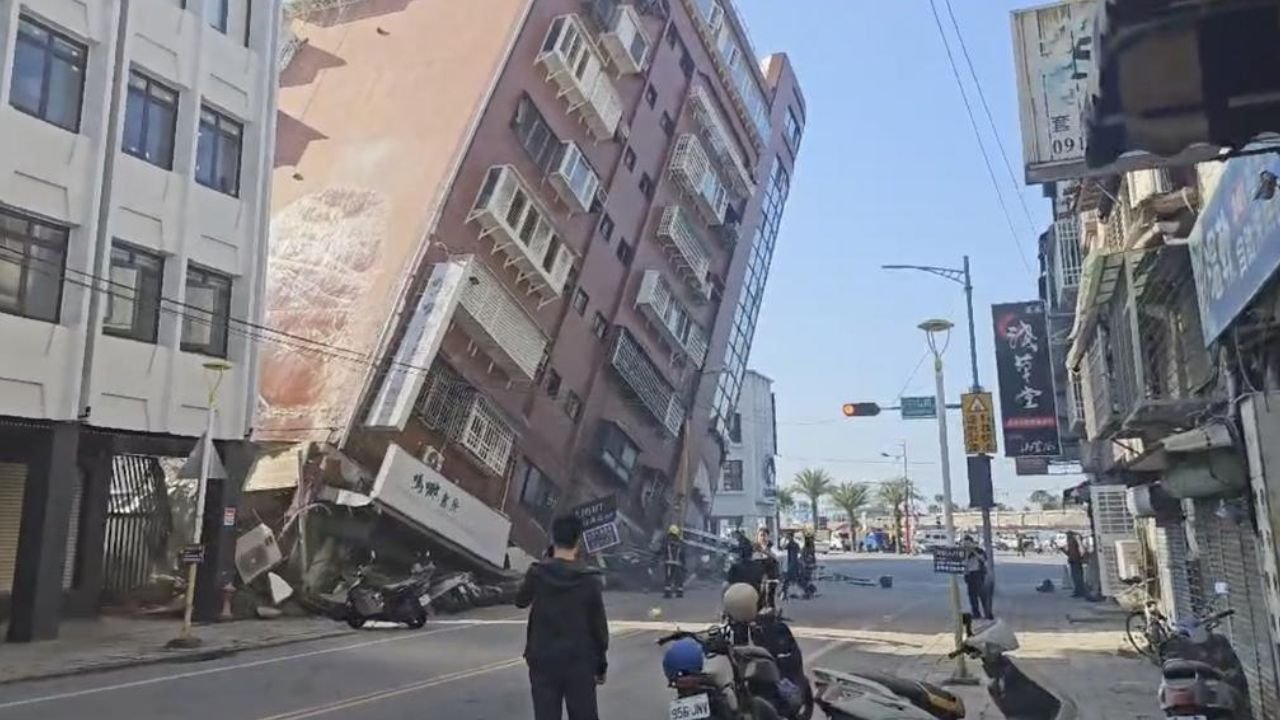
    Taipei, Taiwan – The earthquake that hit Taiwan’s east on Wednesday morning was “the strongest in 25 years”, said the director of Taipei’s Seismology Centre.

    “The earthquake is close to land and it’s shallow. It’s felt all over Taiwan and offshore islands… it’s the strongest in 25 years since the (1999) earthquake,” Wu Chien-fu told reporters, referring to a September 1999 quake with 7.6-magnitude that killed 2,400 people.

  • Death Toll From Japan Quake Rises Above 200

    Death Toll From Japan Quake Rises Above 200

    The death toll from the powerful earthquake that flattened parts of central Japan on January 1 passed 200 on Tuesday, with just over 100 still unaccounted for, authorities said.

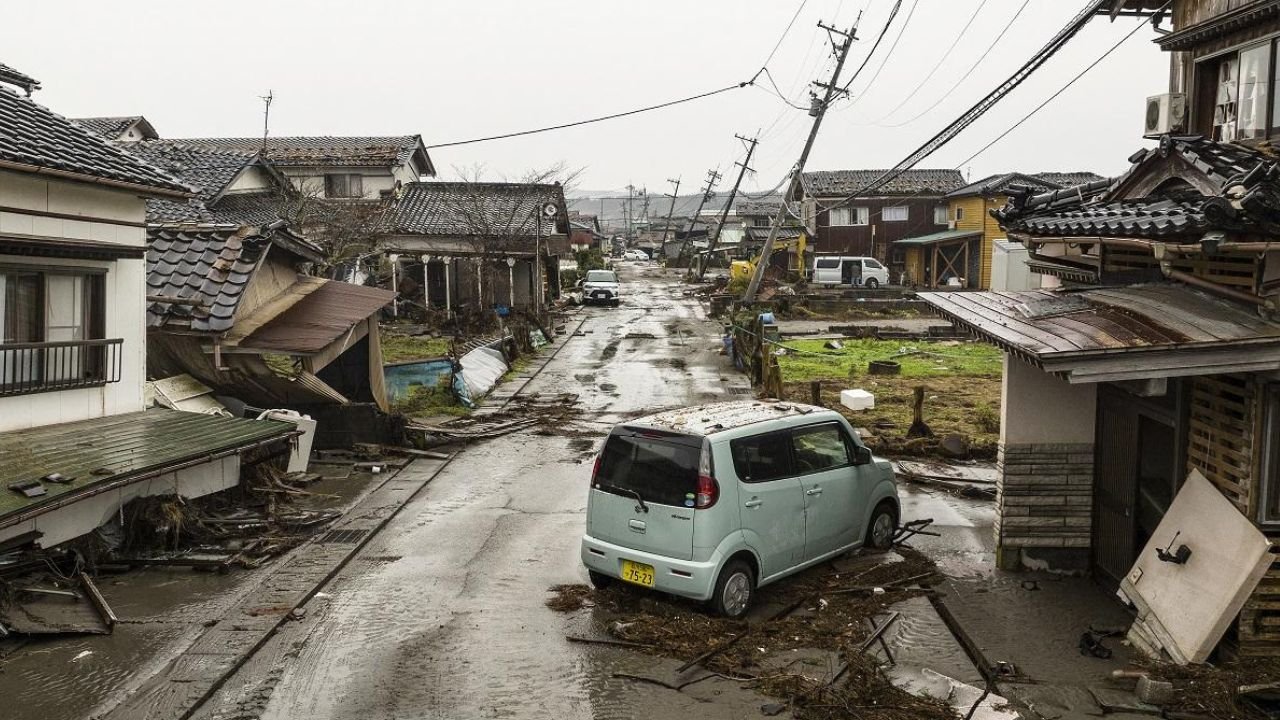
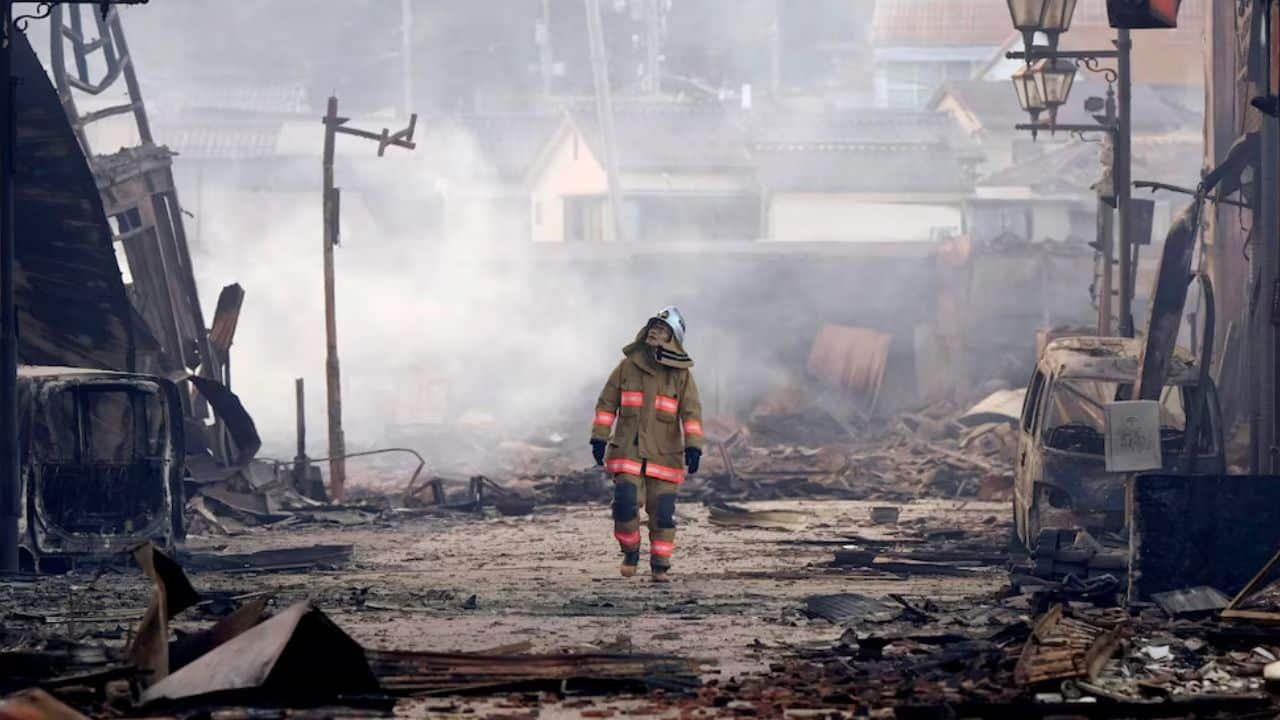
    The 7.5 magnitude quake destroyed and toppled buildings, caused fires and knocked out infrastructure on the Noto Peninsula on Japan’s main island Honshu just as families were celebrating New Year’s Day.

    Eight days later thousands of rescuers were battling blocked roads and poor weather to clear the wreckage as well as reach almost 3,500 people still stuck in isolated communities.

    Ishikawa regional authorities released figures on Tuesday showing that 202 people were confirmed dead, up from 180 earlier in the day, with 102 unaccounted for, down from 120.

    On Monday, authorities had more than tripled the number of missing to 323 after central databases were updated, with most of the rise related to badly hit Wajima.

    But since then “many families let us know that they were able to confirm safety of the persons (on the list)”, Ishikawa official Hayato Yachi told AFP.

    With heavy snow in places complicating relief efforts, as of Monday almost 30,000 people were living in around 400 government shelters, some of which were packed and struggling to provide adequate food, water and heating.

    Almost 60,000 households were without running water and 15,600 had no electricity supply.

    Road conditions have been worsened by days of rain that have contributed to an estimated 1,000 landslides.

    At a daily disaster-relief government meeting on Tuesday, Prime Minister Fumio Kishida instructed ministers to “make efforts of resolving the state of isolation (of communities) and continue tenacious rescue activities”.

    Kishida also urged secondary evacuations to other regions outside the quake-hit area, top government spokesman Yoshimasa Hayashi told reporters.

    In Ishikawa prefecture’s city of Suzu, a woman in her 90s managed to survive five days under the wreckage of a collapsed house before being saved on Saturday.

    “Hang in there!” rescuers were heard calling to the woman, in police footage from the rainy scene published by local media.

    Not all were so lucky, with Naoyuki Teramoto, 52, inconsolable on Monday after three of his four children’s bodies were discovered in the town of Anamizu.

    “We were talking of plans to go to Izu,” a famous hot spring resort, after his daughter passed her high school entrance exam, he told broadcaster NTV.

    Japan experiences hundreds of earthquakes every year, though most cause no damage because of strict building codes in place for more than four decades.

    But many structures are older, especially in rapidly ageing communities in rural areas like Noto.

    The country is haunted by the monster quake of 2011 that triggered a tsunami, left around 18,500 people dead or missing, and caused a nuclear catastrophe at the Fukushima plant.

  • Japan quake toll rises to 62 as weather hampers rescuers

    Japan quake toll rises to 62 as weather hampers rescuers

    Japanese rescuers scrambled to search for survivors on Wednesday (January 3) as authorities warned of landslides and heavy rain after a powerful earthquake that killed at least 62 people.

    The 7.5-magnitude quake on January 1 that rattled Ishikawa prefecture on the main island of Honshu triggered tsunami waves more than a metre high, sparked a major fire and tore apart roads.

    The Noto Peninsula of the prefecture was most severely hit, with several hundred buildings ravaged by fire and houses flattened in several towns, including Wajima and Suzu, as shown by before-and-after satellite images released on Wednesday.

    The regional government announced Wednesday that 62 people had been confirmed dead and more than 300 injured, 20 of them seriously.

    The toll was expected to climb as rescuers battle aftershocks and poor weather to comb through rubble.

    More than 31,800 people were in shelters, the government said.

    “More than 40 hours have passed since the disaster. We have received a lot of information about people in need of rescue and there are people waiting for help,” Prime Minister Fumio Kishida said Wednesday after an emergency task force meeting.

    “Rescue efforts are being made by the local authorities, police, firefighters and other operational units, while the number of personnel and rescue dogs is enhanced.

    “However, we ask you to remain fully mindful that we are in a race against time and to continue to do your utmost to save lives, putting people’s lives first,” Kishida said.

    The Japan Meteorological Agency (JMA) has issued a heavy rain warning in the area.

    “Be on the lookout for landslides until the evening of Wednesday,” the agency said.

    In the coastal city of Suzu, mayor Masuhiro Izumiya said there were “almost no houses standing”.

    “About 90 per cent of the houses (in the town) are completely or almost completely destroyed… the situation is really catastrophic,” he said, according to broadcaster TBS.

    A woman at a shelter in the town of Shika told TV Asahi that she “hasn’t been able to sleep” due to aftershocks.

    “I’ve been scared because we don’t know when the next quake will hit,” she said.

    Nearly 34,000 households were still without power in Ishikawa prefecture, the local utility said.

    Many cities were without running water.

    Shinkansen bullet trains and highways have resumed operations after several thousand people were stranded, some for almost 24 hours.

    The US Geological Survey said the quake had a magnitude of 7.5, while the JMA measured it at 7.6, triggering a major tsunami warning.

    The powerful quake was one of more than 400 to shake the region through Wednesday morning, the JMA said.

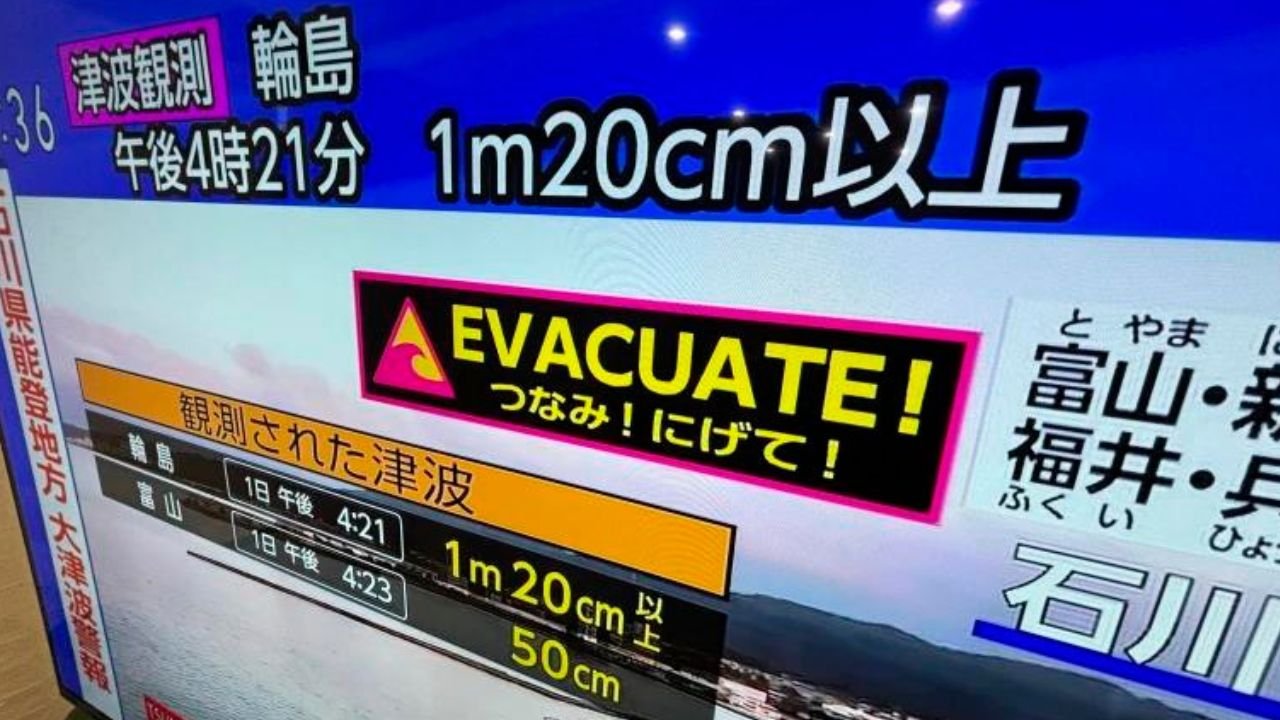
    Japan lifted all tsunami warnings after waves at least 1.2m high hit the town of Wajima and a series of smaller tsunamis were reported elsewhere.

    Japan experiences hundreds of earthquakes every year and the vast majority cause no damage.

    The number of earthquakes in the Noto Peninsula region has been steadily increasing since 2018, a Japanese government report said last year.

    The country is haunted by a massive 9.0-magnitude undersea quake off northeastern Japan in 2011, which triggered a tsunami that left around 18,500 people dead or missing.

    It also swamped the Fukushima atomic plant, causing one of the world’s worst nuclear disasters.
  • First Tsunami Waves Hit Japan After Major Quake: Weather Agency

    First Tsunami Waves Hit Japan After Major Quake: Weather Agency

    The first tsunami waves, some more than a metre high, arrived on the north coast of central Japan on Monday after a series of powerful earthquakes rocked the region.

    Waves as high as 1.2 meters (four feet) hit Wajima port in Ishikawa prefecture at 4:21 pm (0721 GMT), the Japan Meteorological Agency said, after the US Geological Survey and other agencies registered a major 7.5 magnitude quake little more than 10 minutes earlier.

    Total of 21 earthquakes above 4.0 magnitude hit Japan.