Tag: TTP

  • Banned Baloch organisations have the support of ISIS and TTP: Sheikh Rasheed

    Banned Baloch organisations have the support of ISIS and TTP: Sheikh Rasheed

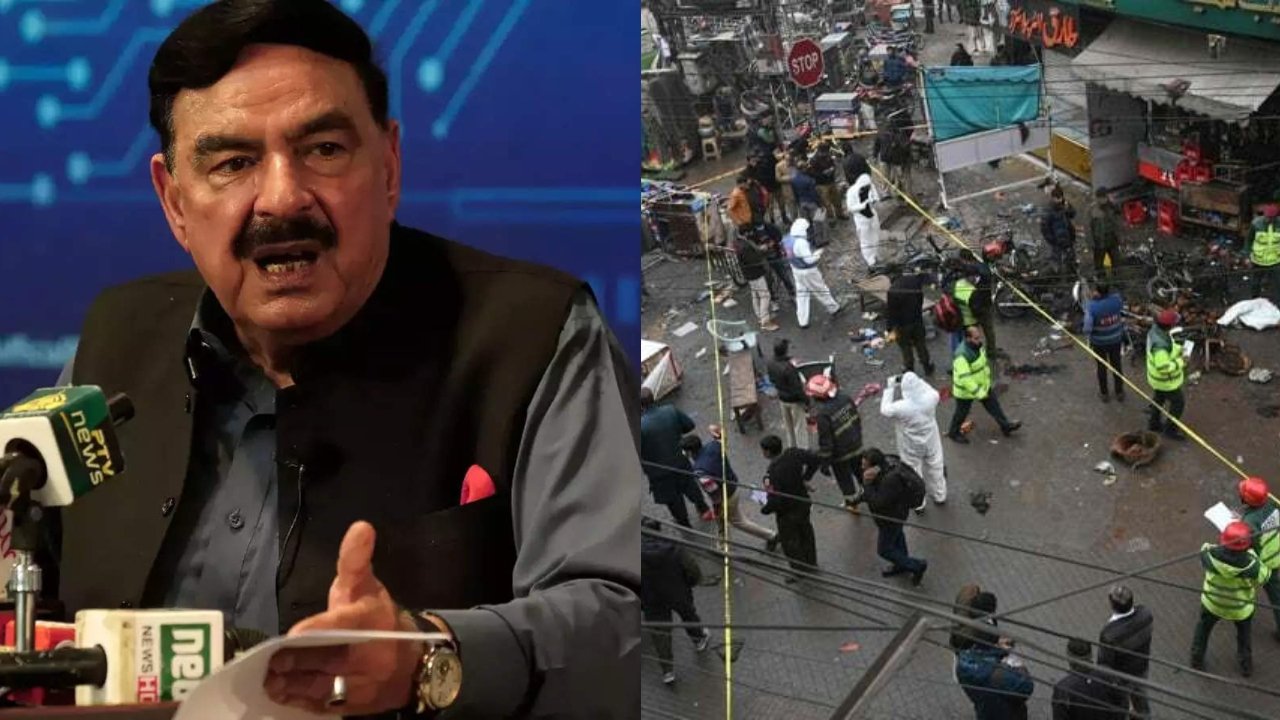
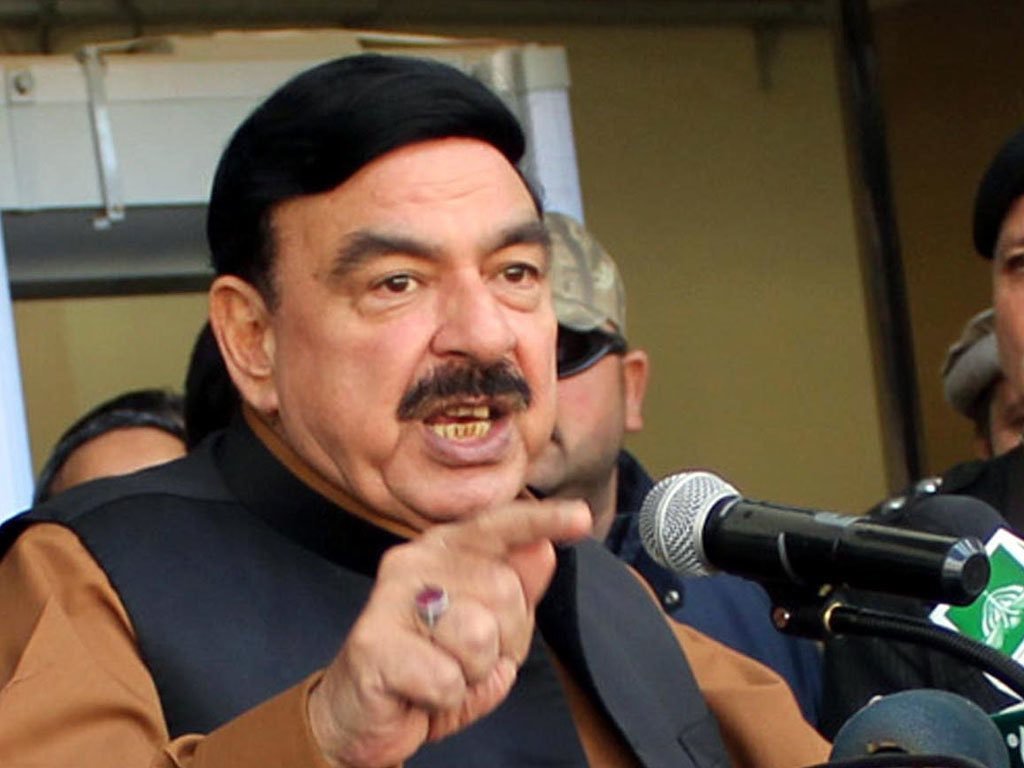
    Interior Minister Sheikh Rasheed, while speaking on Geo News programme ‘Aaj Shahzeb Khanzada Kay Sath’said that there was a link between Baloch militant groups and the banned Tehreek-e-Taliban Pakistan (TTP), as well as other militant groups, to carry out terror attacks in Pakistan.

    Rasheed further said that the Afghan Taliban acted as a bridge for conversation with TTP.

    “The Taliban tried to converse with TTP and make them understands things but the result turned out differently. Instead of negotiations, we are witnessing an increase in terrorism.”

    Rasheed said, “The banned TTP has begun demanding extortion in Peshawar.” He also said that the TTP may have been involved in the Naushki and Panjgur attacks on security forces.

    The Interior Minister stated that the Baloch Nationalist Army (BNA) was not capable of carrying out the attacks in Naushki and Panjgur, but that TTP could be behind those attacks. He further added that this was his own analysis.

    Sheikh Rasheed said that terrorists have contacts in India and camps in Afghanistan.

    He added that Daesh (ISIS) and other militant organisations are also increasing terrorism in the country.

    When asked by anchorperson Shahzeb Khanzada how the Afghan Taliban were allowing all the contacts between Research and Analysis Wing (RAW) and these militant groups, which were posing a threat to the security in Pakistan, Sheikh Rasheed said: “These groups are connected through phones. We have given a high alert. There is a great increase in terrorism and the situation can go to any side.”

    The interior minister said that TTP now has the latest weapons, all of North Atlantic Treaty Organisation (NATO) weapons are with them. Those weapons are also being sold, smuggled in Afghanistan and coming to Pakistan as well.

    Rasheed said that terrorists enter from Afghanistan to carry out attacks in Pakistan and go back, as happened recently in two major attacks on security forces; terrorists went back to Afghanistan after conducting attacks.

    On February 3, it was reported that two separate terrorist attacks have been successfully repulsed by the Pakistan Army in Balochistan’s Panjgur and Noshki areas.

    In a press release, the Inter-Services Public Relations (ISPR) said “both attacks have been successfully repulsed while inflicting heavy casualties to terrorists”.

    According to the ISPR, terrorists were in contact with their handlers in Afghanistan. They said that after the Taliban’s takeover, we were told that attacks from the war-torn neighbour will stop but they have increased.

  • Counter Terrorism agents arrests two alleged members of ISIS from Khanewal, Punjab

    Counter Terrorism agents arrests two alleged members of ISIS from Khanewal, Punjab

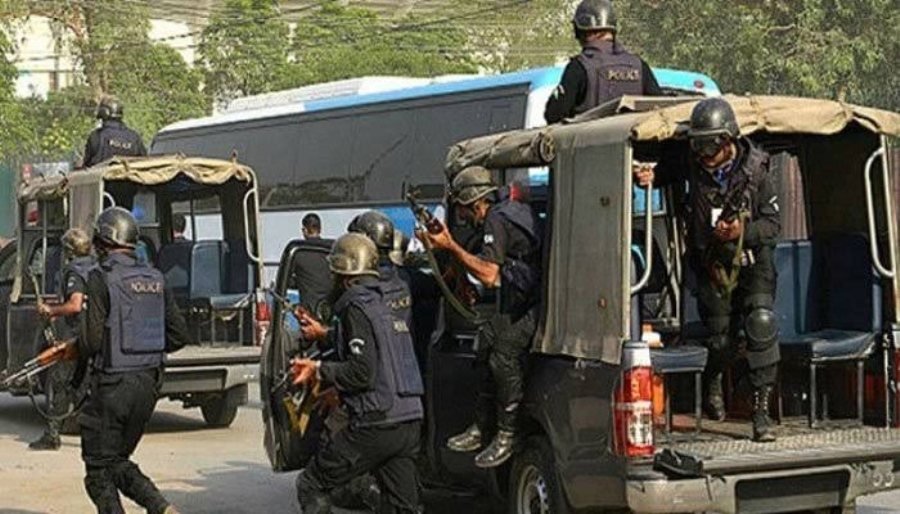
    The Counter-Terrorism Department (CTD) is claiming that they have arrested two members from ISIS after a raid in Khanewal city, Punjab.

    The spokesperson of the CTD revealed that the suspects were preparing for attacks on the important installations and worship places. The team also recovered banned literature, weapons, and hand grenades.

    Further investigation is still underway.

    A new wave of terrorism is hitting cities across Pakistan from the beginning of the year, 2022 after a ceasefire was unilaterally ended by the Tehreek-e-Taliban Pakistan (TTP).

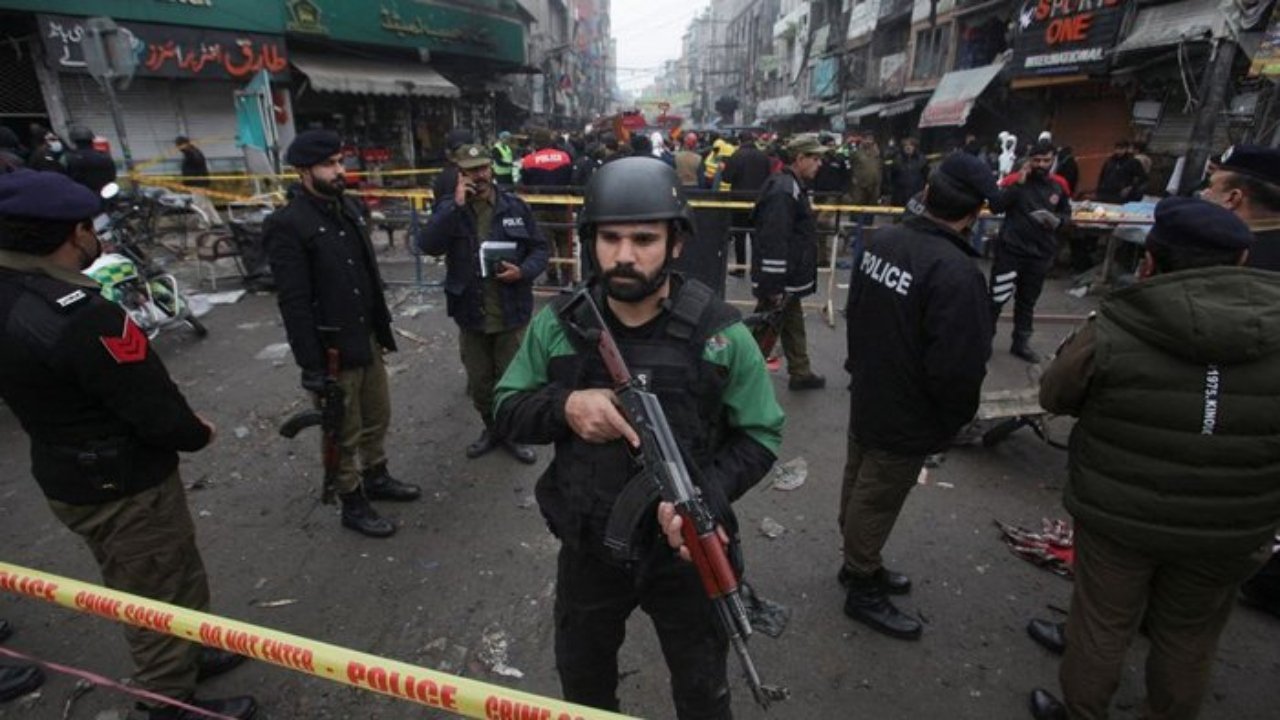
    Last month, terrorists targeted Lahore with a bomb blast at a famous crowded marketplace, New Anarkali. Three people died including one child and several were injured in the attack.

    Recently attacks occurred in Balochistan on a Wednesday evening resulting in four soldiers embracing martyrdom and killing 15 terrorists. Terrorists tried to enter a security forces’ camp from two locations. The banned Baloch Liberation Army (BLA) has reportedly claimed responsibility for the attacks.

    Similarly, an incident occurred on January 28, when 10 soldiers embraced martyrdom after terrorists attacked a security forces’ check-post in Balochistan’s Kech district.

  • New terrorist wave

    New terrorist wave

    A new wave of terrorism seems to be gripping the country in recent months, with the Lahore blast being the latest in a series of attacks that have targeted security forces, policemen, and civilians. From Khyber Pakhtunkhwa to Balochistan, from Sindh to the capital city to the heart of Punjab, there is a rise in such attacks across the country.
     
    Khyber Pakhtunkhwa police chief Moazzam Jah Ansari told Dawn and Geo News that the Islamic State group’s Khorasan chapter (IS-K) is a different and bigger threat than even the Tehreek-i-Taliban Pakistan (TTP). Coming from the police chief of a province that has been one of the worst victims of terrorism in the country, his statement should raise alarm bells for the state. Pakistan has given immense sacrifices in its war against terrorism – 70-80,000 people lost their lives at the hands of terrorist attacks. The APS attack is a tragedy that can never be erased from our memories. Our security forces and police officials have fought bravely against terrorist outfits and now for terrorism to make a comeback, it is even more important that the state should build a consensus on this issue and tackle the hydra of terrorism.
     
    A study conducted by the Pakistan Institute for Conflict and Security Study (PICSS) says that the rise in militant attacks in Pakistan coincided with the Afghan Taliban’s military offensive and their eventual takeover of Kabul. Many had been pointing out to the Pakistan government that a government that does not believe in the rule of law and does not abide by any international covenants cannot bring any stability in the region and will in fact lead to instability in the neighbouring countries when Pakistan was celebrating the takeover of Kabul by the Afghan Taliban.
     
    With the withdrawal of the US and NATO troops from Afghanistan, the fall of Kabul and the rise of the Afghan Taliban were inevitable. However, the support that they got from Pakistan has led to many problems, including the tensions between the US and Pakistan when it comes to diplomatic ties. But the most critical consequence of the new government in Afghanistan is the rise of militant outfits who are rearing their heads once again in neighbouring Pakistan.

    The rise of the Afghan Taliban has given new ideas and strength to militant outfits that had gone underground since the security forces defeated the TTP and crushed other terrorist outfits some years ago. We hope that the state will not let them wreak havoc with the country’s future again. Pakistan needs peace and stability, not chaos. 

  • Alert issued after Lahore and Islamabad terror attacks

    Alert issued after Lahore and Islamabad terror attacks

    The Interior Ministry of Pakistan has issued a notification on Saturday in which it directed the Law Enforcement Agencies (LEAs) to exercise “extreme vigilance”.

    The notification alert has asked LEAs of all provinces, Azad Kashmir and Gilgit-Baltistan to tighten security measures to prevent any unforeseen terror attacks.

    “… In view of recent terrorist attack in Anarkali Bazar, Lahore and threat posed by activities of anti-state elements, all provincial and special area governments/Law Enforcement Agencies (LEAs) are requested to exercise extreme vigilance and be on alert to deal with any untoward situation,” the notification said.

    On January 17, militants opened fire on a police checkpoint in the vicinity of the Karachi Company Police Station in Islamabad. The incident resulted in a policeman’s death and two injuries. The Tehreek-i-Taliban Pakistan (TTP) claimed responsibility.

    After this incident, Interior Minister, Sheikh Rasheed has also warned of more terrorism-related incidents in Islamabad and said that the capital’s police and other forces are on alert.

    However, another terror attack on January 20 took place in which terrorists targeted the famous Anarkali market in Lahore. Three people died and 28 people got injured in the Lahore bomb blast. An investigation is still underway.

    Sheikh Rasheed also faced criticism from the Opposition for rising terrorism activities in the country. One of the senators from the Opposition commented that he “not seen the interior minister in the House for any briefing during the last nine months”.

  • Interior Minister questioned on rising terrorism, didn’t brief parliament for nine months

    Interior Minister questioned on rising terrorism, didn’t brief parliament for nine months

    The Opposition senators questioned the Interior Minister Sheikh Rasheed over the recent terrorist attacks in Islamabad and Lahore in today’s Senate session.

    Earlier this week, in a gun attack, a police officer was killed in the capital and the Tehreek-i-Taliban Pakistan (TTP) claimed responsibility. Lahore was attacked on Thursday which claimed the lives of three civilians.

    Senator Raza Rabbani said that Baloch Nationalist Army (BNA) had claimed responsibility for one of the attacks while Rasheed said the TTP was behind it. The senator demanded that the minister be summoned to clear the confusion, reports Dawn.

    Several other senators including Pakistan Muslim-League’s (PML-N) sought a reply. One of them said that “he had not seen the interior minister in the House for any briefing during the last nine months.”

    Rasheed made a briefing and said that there are “special motives” behind the killing of the cop in Islamabad. However, about the Lahore tragedy, the minister stated that an investigation is underway. 

    Upon the Oppostion’s insistence of seeking an explanation from the government. Senate Chairman Sadiq Sanjrani told the minister to brief the upper house in this regard and the steps taken by the government on Monday (January 24).

    After the capital incident, the minister had warned of more terrorist-related attacks. Previously in the past month, two terrorists allegedly belonging to the banned outfit TTP were arrested in Karachi.

  • Pakistan’s most-wanted terrorist killed in Afghanistan

    Pakistan’s most-wanted terrorist killed in Afghanistan

    Pakistan’s most-wanted terrorist Muhammad Khorasani has been killed in Afghanistan.

    Khorasani, also known as Khalid Balti was planning attacks against Pakistan along with Tehreek-e-Taliban Pakistan (TTP) Chief Noor Wali Mehsood, as per Geo News’ sources. He was a spokesperson for the banned outfit since 2014.

    Khorasani was involved in several attacks which killed innocent civilians security forces personnel.

    He was running a terrorist hub in Miranshah, Khyber Pakhtunkhwa (KP), however, after the Pakistan Army’s successful “Zarb-e-Azb” operation, he escaped to Afghanistan.

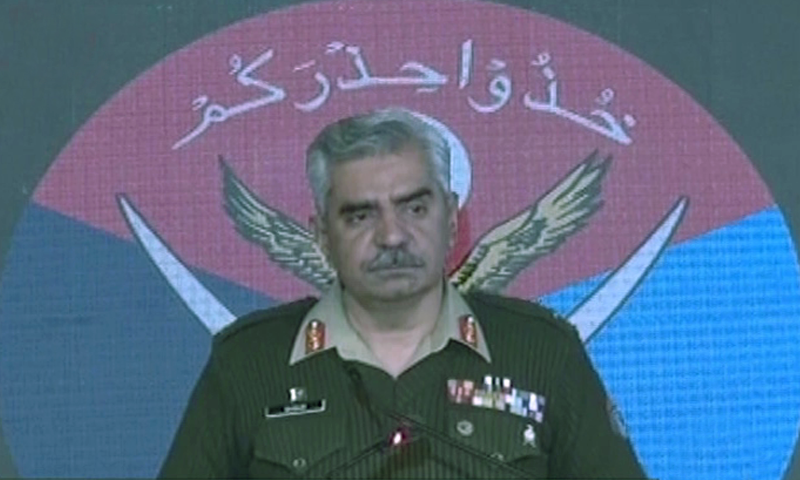
    Last week, Pakistan Army spokesman Major General Babar Iftikhar said that talks with the TTP ended after the banned group came up with certain conditions which were not acceptable.

    He said that operations are on-going against the militants.

  • ‘No deal with Nawaz, keep us out of it’: DG ISPR tells media

    ‘No deal with Nawaz, keep us out of it’: DG ISPR tells media

    Inter-Services Public Relations (ISPR) Director-General (DG) Major Gen Babar Iftikhar termed the rumours of a deal with former Prime Minister (PM) Nawaz Sharif as “baseless” and urged the media to “keep the establishment out of it.”

    At a press conference in Rawalpindi, DG ISPR dismissed any deal with Sharif, saying, “If someone does talk of a deal, then you must ask them who is offering a deal.”

    “Who is striking a deal with Nawaz Sharif?” he posed a question while adding that there is no trouble between the civilian government and military.

    Security situation at the Western border

    During an ISPR briefing to the media, DG ISPR also addressed the Pakistan-Afghanistan border i.e. Durand Line issue. According to him, border fencing which is 94 per cent completed, was being done in an effort to protect the people on both sides [Pak and Afghan] as well as to regulate trade. 

    He revealed that the security situation along the Western border was “challenging” during 2021. He said: “People can cross the border from designated points. This process will be eased in the coming months. The blood of our martyrs was spilled in fencing of the border. It is a fence of peace. It will be completed and remain.”

    No ceasefire with TTP currently, operations to continue

    The DG ISPR said that talks with the banned Tehreek-i-Taliban Pakistan  (TTP) are “on hold” but the operations [against them] are “ongoing”.

    “The TTP is not a monolith. They have internal differences. There were some problems, some conditions that were non-negotiable from our [Pakistan] side so there is no ceasefire right now. We are continuing with operations and will continue till we get rid of this menace,” he added.

    The worst siege in human history: DG ISPR on Kashmir

    He recalled Indian forces’ cruelty in occupied Kashmir a “propaganda” campaign by their media and said that this is the “worst siege” in human history.

    The DG ISPR accused India of endangering regional security by purchasing arms, adding that it would lead to a race in the region and have a negative impact on peace.

    He also added that India faked an encounter in Neelum Valley and killed an innocent Kashmiri and then blamed Pakistan for it.

  • Two TTP banned ‘terrorists’ arrested in Karachi, planning attacks

    Two TTP banned ‘terrorists’ arrested in Karachi, planning attacks

    Two terrorists allegedly belonging to the banned outfit Tehreek-i-Taliban Pakistan (TTP) were arrested on Monday, in Karachi during a raid.

    The two were planning attacks on multiple security officials in the city.

    According to Samaa, police have seized cracker bombs, fake passports, ball bearings, illegal arms, and detonators from their possession. The terrorists, identified as Razaullah alias Nasir and Habib Noor alias Sher Habib, joined the organisation in 2011 and 2008, respectively.

    Earlier, as per the media outlet a group of six TTP men entered Karachi.

    The police are currently interrogating the remaining terrorists. A senior official said, “The test is to locate and arrest the remaining four. The arrested suspects said that the Tashkeel [group] of six suspects was headed by a person namely Umar.”

  • Tehreek-i-Labbaik, Generals and leaked audios: Pakistani politics in 2021

    Tehreek-i-Labbaik, Generals and leaked audios: Pakistani politics in 2021

    The current political state of affairs of Pakistan is in desperate demand of significant alterations. The conquest to achieving a fundamentally strong democratic sovereign country seems more like a dream. From its beginning in 1947, the country has had a turbulent life with political instability and ethnic disputes characterising its existence. 2021 was no exception.

    Here are some highlights pointing out the fatal fault lines experienced by the political chessboard in Pakistan in 2021.

    Tehreek-i-Labbaik Pakistan (TLP):

    Tehreek-i-Labbaik Pakistan (TLP) is a far-right Islamic extremist political party in Pakistan. The party was founded by Khadim Hussain Rizvi in August 2015 and is now led by his son Saad Hussain Rizvi. The party in January warned of taking to the streets if the government does not fulfill its promise of expelling the French ambassador by February 17. The government then signed a new agreement in February agreeing to take the issue to the parliament.

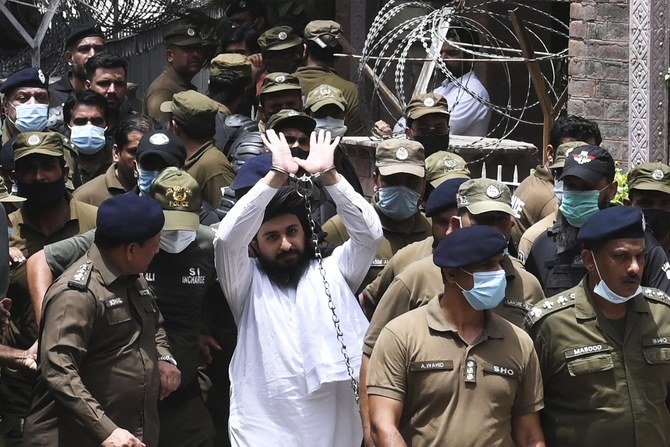
    In April, the TLP called for the implementation of its November agreement and insisted on Pakistan downgrading ties with France. Protests erupted in several cities after Saad Rizvi, the leader of the TLP, was arrested in Lahore. As clashes between the law enforcement agencies and the TLP became violent, 16 policemen were taken hostage by the protesters.

    When negotiations with the group broke down, the federal government banned the TLP under the anti-terrorism law, taking Saad Rizvi into custody under administrative orders.

    The TLP hit the streets again in October this year. Rangers were deployed in Punjab to maintain law and order as negotiations failed with the group.

    However, a high-powered government team held talks with the TLP once again and managed to reach an agreement.

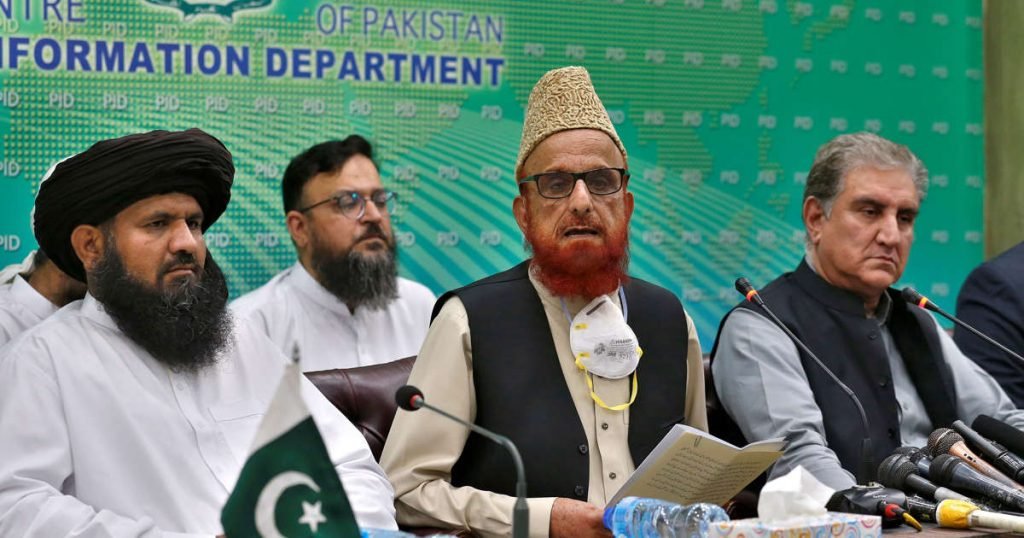
    Mufti Muneeb-ur-Rehman held a news conference to announce that talks with the banned TLP have been “successful” and that an “agreement” had been reached between both sides.

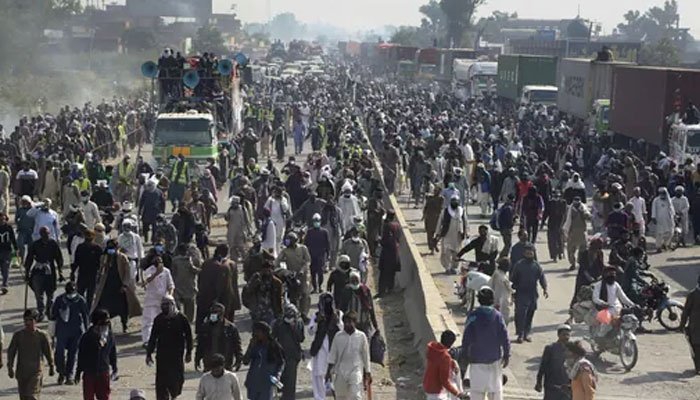
    The deal comes after 10 days of violent protests that saw at least seven police officials killed and dozens wounded, as protesters blocked major roads and a highway in and around Lahore.

    The federal cabinet revoked the declaration of the TLP as a banned group and the provincial government moved to remove Rizvi’s name from an anti-terrorism watchlist.

    The authorities released the chief of the Tehreek-e-Labbaik Pakistan after weeks of negotiations that followed deadly protests, leaving many injured and dead.

    Tehreek-i-Taliban Pakistan (TTP):

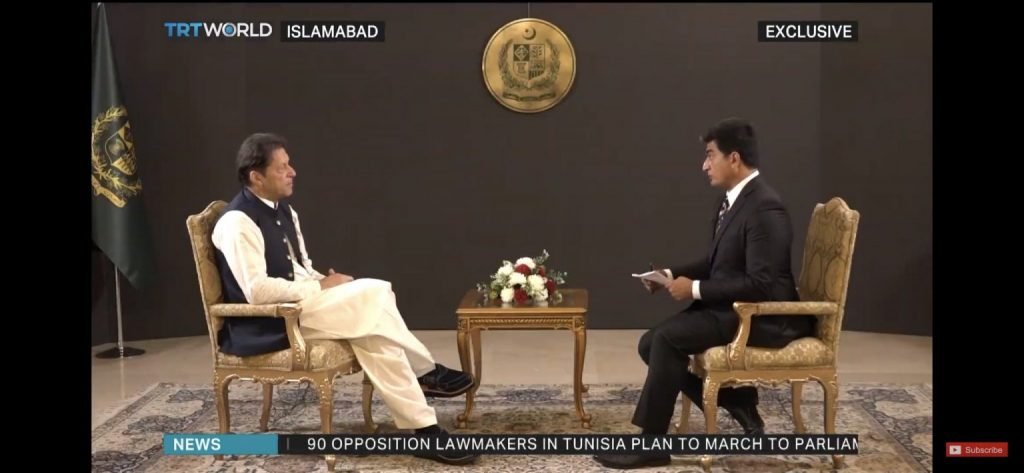
    Prime Minister (PM) Imran Khan in his October 1st interview with TRT World said that the government is in talks with some factions of the outlawed Tehreek-i-Taliban Pakistan (TTP) adding that the negotiations were taking place in Afghanistan.

    PM Khan said that if the TTP lay down their arms, “we can forgive them and they can become normal citizens.”

    “Pakistani Taliban groups actually want to talk to our government for some peace, for some reconciliation and we are in talks with some of those groups,” added PM Khan.

    The ceasefire came into effect on November 9, after the government announced the start of talks with the armed group, which is fighting with the state since 2007 and carried out dozens of attacks targeting civilians as well as security forces in the country.

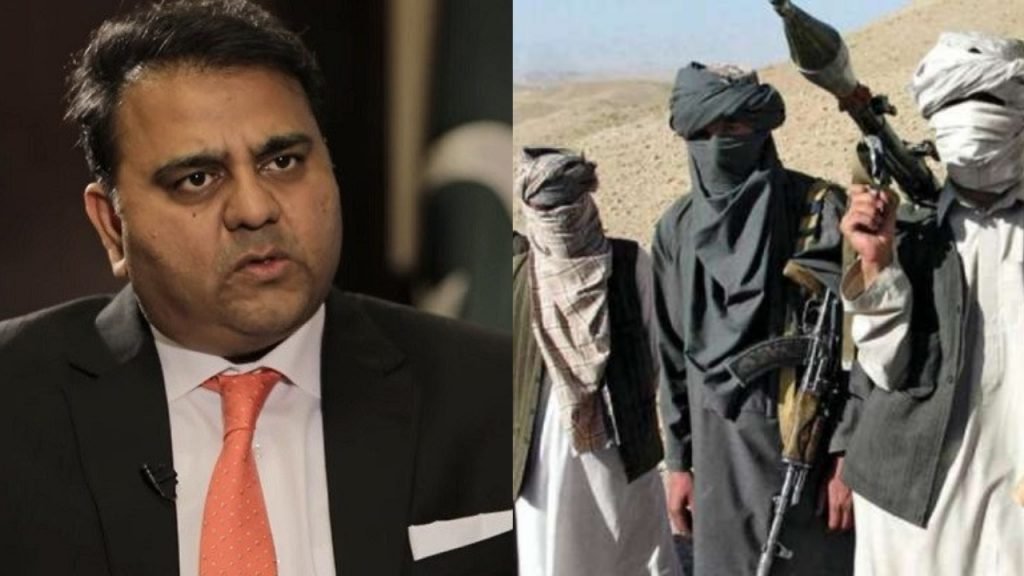
    On November 8, Information Minister Fawad Chaudhry confirmed that the month-long ceasefire had been agreed upon between the government and the TTP.

    In December, Fawad warned TTP and said that the government will only talk to those who respect the Constitution and law of Pakistan. Otherwise, the government has battled before and will do again.

    The information minister said that the Taliban government had once again pressed the TTP to abide by the ceasefire agreement. “And I think their advice is sane,” he added.

    Chaudhry’s remarks came after TTP’s announcement of ending a month-long ceasefire with Pakistan and the death of a policeman in an alleged armed attack on a polio vaccination team by TTP in Khyber Pakhtunkhwa (KP).

    The establishment:

     “The army and government share an ideal relationship,” said Fawad Chaudhry. Why did the minister have to say the following words? 2021 was also the year where the relationship between the establishment and the ruling PTI felt some “strain”. What could have put pressure on this ideal relationship? To summarize, it was allegedly the ‘spymaster disaster’.

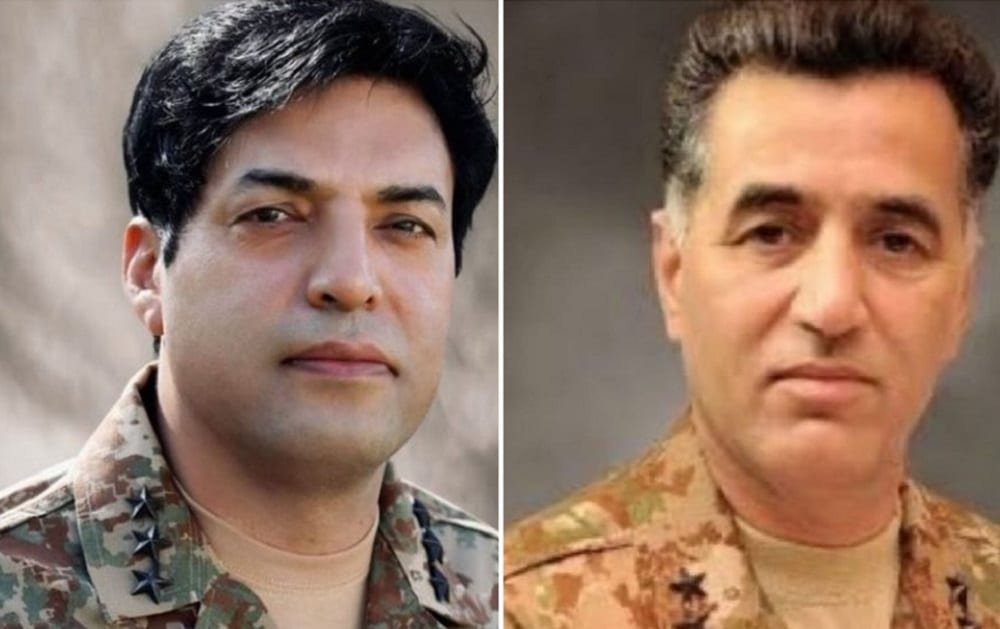
    One fine crisp afternoon of October, the Inter-Services Public Relations (ISPR) announced a reshuffle in the army, in which Lt Gen Nadeem Ahmed Anjum was to replace Lt Gen Faiz Hameed, who was to be posted as Commander of Peshawar-based Corps XI.

    And then came the disaster which no one anticipated. The delay in the transfer of power. Soon all everyone could talk about was the postponement from the PM’s office in issuing the notification for the appointment of the incoming Inter-Services Intelligence (ISI) chief.

    We were reminded that PM Khan was the authority in appointing the Director General (DG) ISI. Fawad Chaudhry lamented that legal methods were being adopted in the appointment of the new DG.

    It also emerged that PM Imran wanted Lt Gen Hameed to continue for some time due to the critical situation in neighbouring Afghanistan and he conveyed this to Chief of Army Staff (COAS) General Qamar Javed Bajwa during a detailed meeting between the two.

    The premier also decided he would like to interview the potential candidates, all that while assuring party leaders that the appointment issue had been settled with COAS Bajwa.

    After a prolonged three weeks, the impasse was finally resolved on October 26, after the premier finally notified the appointment of Lt Gen Anjum.

    The curious case of audio-video leaks and the mighty affidavit:

    Saqib Nisar audio leak:

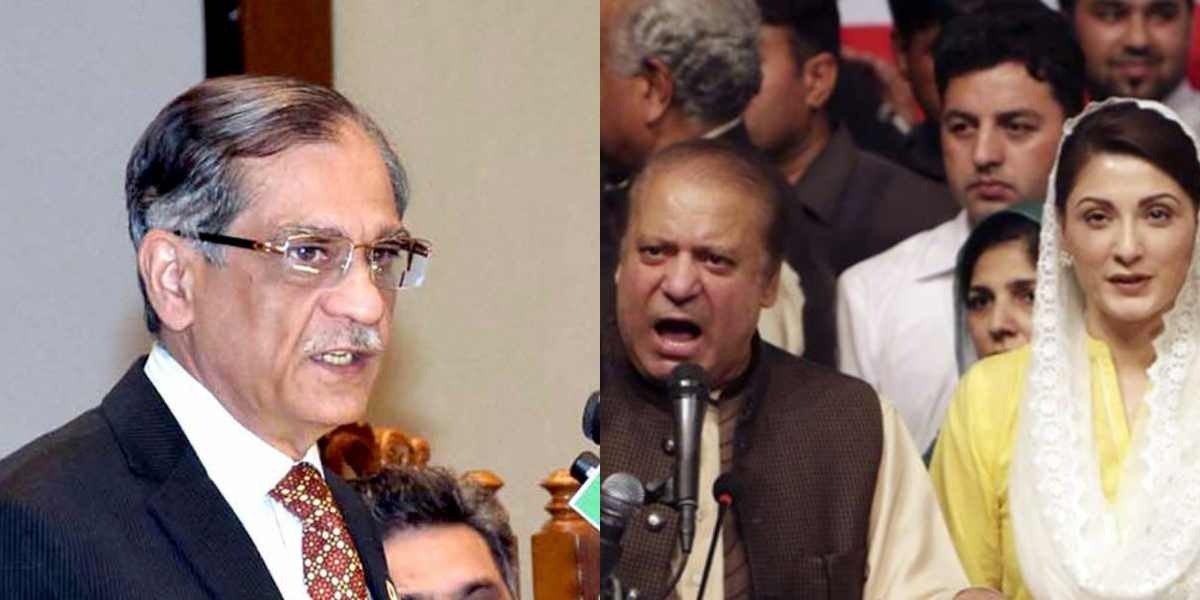
    Leaked audio of a conversation, allegedly involving the former CJP Saqib Nisar, suggested that the former Chief Justice was the person who passed on the directions of handing down convictions to Pakistan Muslim League-Nawaz (PML-N) supremo Mian Nawaz Sharif and his daughter, Maryam Nawaz. According to the leaked audio, Nisar did this only because the “institutions” wanted the former prime minister penalised in order to bring ahead Imran Khan, reports Ahmed Noorani for Fact Focus.

    As per the leaked audio, Chief Justice Nisar instructed that Mian Sahib (Nawaz Sharif) and his daughter (Maryam Nawaz) must be sentenced ‘even though it is unfair’.

    “Whether it is fair or not, it has to be done,” he conveyed to the person on the other end.

    “Regardless of the merit, we will have to do it (sentence Nawaz Sharif), and even his daughter,” said Justice Nisar.

    When the person he was conversing with objected that a sentence cannot be passed against the daughter, Chief Justice Nisar replied, “You are absolutely correct. I did talk to ‘friends’ that something should be done about this but they did not agree.”

    He went on to say, “there will remain no independence of the judiciary, so let it be”.

    The affidavit against Saqib Nisar:

    The leaked audio wasn’t enough, it seems and along came an affidavit rolling onto the political chessboard, changing the game once again for Saqib Nisar.

    In November, The News journalist Ansar Abbasi published an investigative report which quoted former top judge of Gilgit-Baltistan, Rana Shamim, who has given an alleged affidavit, that Nisar colluded to deny bails to former premier Nawaz Sharif and his daughter Maryam Nawaz before the 2018 general elections.

    After allegations come the denial and CJP Nisar’s case was no different. Nisar vehemently denied all allegations leveled against him.

    Islamabad High Court comes calling:

    In a recent turn of events, the Islamabad High Court (IHC) on Tuesday set January 7, 2022, as the day for framing charges against former Gilgit-Baltistan Chief Judge Rana Shamim and others in a case related to an affidavit that accuses former Chief Justice of Pakistan (CJP) Mian Saqib Nisar of colluding to deny bails to Pakistan Muslim League-Nawaz (PML-N) leadership prior to the 2018 elections.

    Audio leak of Maryam Nawaz:

    An alleged audio clip of PML-N Vice President Maryam Nawaz was leaked on social media in which she could be heard talking to someone on the phone. During the telephonic conversation, the PML-N Vice President said, “I talked to Mir Shakeel Sb [owner of Geo News] personally, I told him that are showing facts from both sides, instead you should tell people Imran Khan lied without any verification, and Imran Khan not only repeated this lie but also made ten other things.”

    She further said that she told Mir Shakeel that he has to do it [to push her narrative], and he [Mir Shakeel] did it.

    Maryam further said that she told Mian Amir Mahmood [owner of Dunya News] the same, and he replied “Aap Dekhein me krta kia hun iske saath” [Now see what I do with him.]

    Earlier, another audio clip of Maryam went viral on social media in which Maryam Nawaz can be heard saying, “We have given many chances to Samaa News. The kind of news Samaa [airs] and the way its anchor Nadeem Malik is, we can no longer work with the channel. So we are not giving any ads to Samaa.” ”Samaa News, Channel 92, ARY News, and Channel 24 will not get any ads from us [PML-N],” said Maryam

    Maryam on November 25, confirmed the authenticity of her viral audio clip but the date of the clip is still not known, whether it was when the PML-N was in government or opposition.

    Leaked video scandal of Muhammad Zubair:

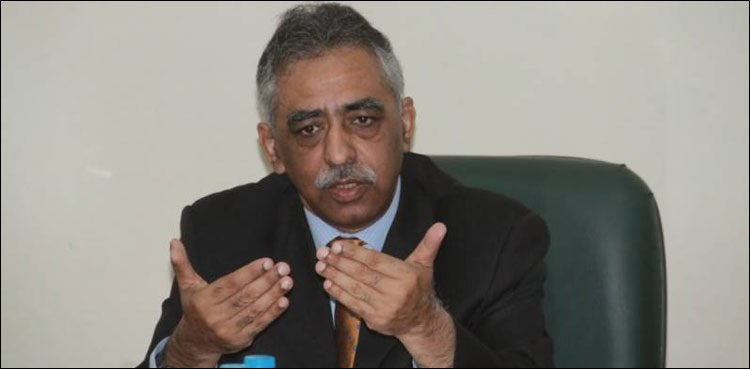
    PML-N’s Muhammad Zubair’s leaked video, where he was allegedly seen in compromising acts with women, went viral on social media.

    The former governor of Sindh categorically denied the video and termed it to be a “new low in politics” along with claiming that the video is “fake and doctored”.

    The mobile footage, which allegedly showed the PML-N leader in bedrooms with women is blurred and the women cannot be identified.

    Pakistan Democratic Movement (PDM):

    Pakistan Democratic Movement (PDM), an alliance of Opposition parties against the ruling PTI was formed in September 2020.

    The alliance failed to remain united for long and the Pakistan People’s Party (PPP) exited the coalition on April 12 this year over it being served a show-cause notice by Shahid Khaqan Abbasi in his capacity as the alliance’s secretary-general. The notice was sent after the PPP nominated PPP leader Yousuf Raza Gilani as the opposition leader in the Senate “in violation of the alliance’s decisions”.

    The Central Executive Committee of the PPP asked all the party members to resign from their positions in the PDM.

    PPP chairperson Bilawal Bhutto-Zardari said no party “should try and impose its will and dictation on any other member party”.

    Before parting its ways from the PDM, the PPP had a different opinion with regard to the resignations from the assemblies, which was being touted by the PML-N and some other member parties.

    Before the PPP, the Awami National Party had also quit the PDM over its being “hijacked by some member parties”.

    The PDM is now comprised of five parties namely the PML-N, Jamiat Ulema-i-Islam (JUI-F), Pakhtunkhwa Milli Awami Party (PkMAP), National Party (NP), and Balochistan National Party (BNP-Mengal).

    However, the Opposition alliance has pledged to reach Islamabad on March 23, 2022, and warned the authorities against any attempt to use force to prevent the marchers from entering the federal capital.

    “So far, we have decided to reach Islamabad. The duration of the stay will be decided [by the leadership] after reaching the capital,” said PDM spokesman Hafiz Hamdullah.

    Pandora Papers:

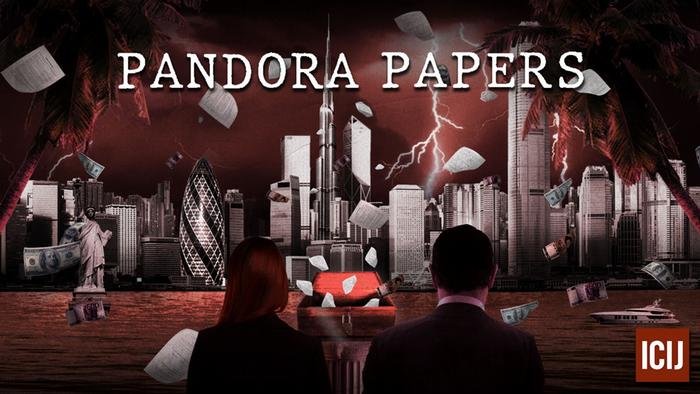
    The International Consortium of Investigative Journalists (ICIJ), investigating international finance and tax havens, released a detailed list of public figures with offshore companies called the ‘Pandora Papers’ as part of their new investigation.

    Nearly 700 Pakistanis were named in the report including Finance Minister Shaukat Tarin, PPP leader Sharjeel Memon, Pakistan Muslim League -Nawaz’s (PML-N) Senator Ishaq Dar’s son Ali Dar, Punjab provincial minister Aleem Khan, Pakistan Tehreek-e-Insaf (PTI) Senator Faisal Vawda, Pakistan Muslim League- Quaid (PML-Q) leader and Federal Minister for Water Resources Monis Elahi.

     PM Khan vowed to investigate all those Pakistanis mentioned in the Pandora Papers, and tweeted: “If any wrongdoing is established we will take appropriate action.”

    “We welcome the Pandora Papers exposing the ill-gotten wealth of elites, accumulated through tax evasion & corruption & laundered out to financial ‘havens’. The UN SG’s Panel FACTI calculated a staggering $7 trillion in stolen assets parked in largely offshore tax havens,” he tweeted.

    “The Pandora Papers”, is said to be the result of 600 journalists in 117 countries studying for months roughly 11.9 million documents that leaked from the offshore environment.

    Senate Elections:

    The year 2021 marked elections for the upper house of Parliament. The PTI went all-in with its juggernaut politics being directly supervised by PM Khan.

    Last year, the president had approached the apex court to seek its opinion on whether or not the condition of the secret ballot under Article 226 of the Constitution applied to the Senate elections.

    The president also promulgated a premature ordinance in February after attempts by the government to pass the 26th Constitution Amendment Bill in the National Assembly failed to make headway.

    However, this was in vain as the apex court announced in its verdict in March and said the polls would be held through secret ballot. The reason for the push behind using open ballots was to eliminate the practice of horse-trading.

    Hours before the polls were set to begin, a video surfaced showing the son of former premier Yousuf Raza Gilani, explaining to lawmakers how to cancel their votes. Gilani was fielded as a joint candidate of the opposition alliance Pakistan Democratic Movement from Islamabad and was the lone competitor for the now-former finance minister Dr Abdul Hafeez Sheikh.

    Despite the PTI’s objections, the Senate election was held on March 3. In a major upset for the government, Gilani managed to defeat Sheikh, forcing the prime minister to seek a vote of confidence from the NA.

    Presidential Ordinance to extend NAB Chairman’s tenure:

    President Arif Alvi in October signed an ordinance that enabled the president to reappoint the incumbent National Accountability Bureau (NAB) chairman or extend his tenure.

    The National Accountability Second Amendment Ordinance 2021 amplified the opposition’s role in the appointment of the NAB chairman.

    The ordinance amended Sub-section b of Section 6 of the National Accountability Ordinance (NAO) to grant extension in the tenure of the NAB chairman by excluding the word “non-extendable” from the law.

    However, it has retained the provision that makes consultation between the Opposition leader and the leader of the house in the National Assembly on the appointment of NAB chairman, stating that the president would consult both of them.

    It has increased the role of the Opposition and enhanced the parliamentary oversight as it has provided a forum of a 12-member parliamentary committee in case the consultation between the PM and the opposition leader proves futile.

    The ordinance has enhanced the authority of the prosecutor general of NAB empowering him to play a crucial role in advising the chairman to file or withdraw any reference from the court.

    It has also allowed the accountability court to grant bail to any accused.

    Opposition parties criticised the amended ordinance and criticized extension to the NAB Chairman and called it tantamount to distorting the constitution and law of the country.
  • ‘We have battled before and will do again’: Fawad Chaudhry warns TTP

    Information Minister Fawad Chaudhry warned Tehreek-i-Taliban Pakistan (TTP) and said that the government will only talk to those who respect the Constitution and law of Pakistan. Otherwise, the government has battled before and will do again, reports Dawn.

    The information minister said that the Taliban government had once again pressed the TTP to abide by the ceasefire agreement. “And I think their advice is sane,” he added.

    Chaudhry’s remarks came after TTP’s announcement of ending a month-long ceasefire with Pakistan and the death of a policeman in an alleged armed attack on a polio vaccination team by TTP in Khyber Pakhtunkhwa (KP).

    The banned organisation TTP said the government had not only failed to implement the decisions reached between the two sides but also raids had been conducted by Pakistan in Dera Ismail Khan, Lakki Marwat, Swat, Bajaur, Swabi, and North Waziristan where they killed and detained militants.

    Prior to this, both sides [Pakistan and TTP] had reached a month-long ceasefire from November 1 to November 30, 2021. According to which the Pakistani government promised to release 102 imprisoned mujahideen.