Tag: Tunisia

  • EU accused of funding migrant dumping in Sahara

    EU accused of funding migrant dumping in Sahara

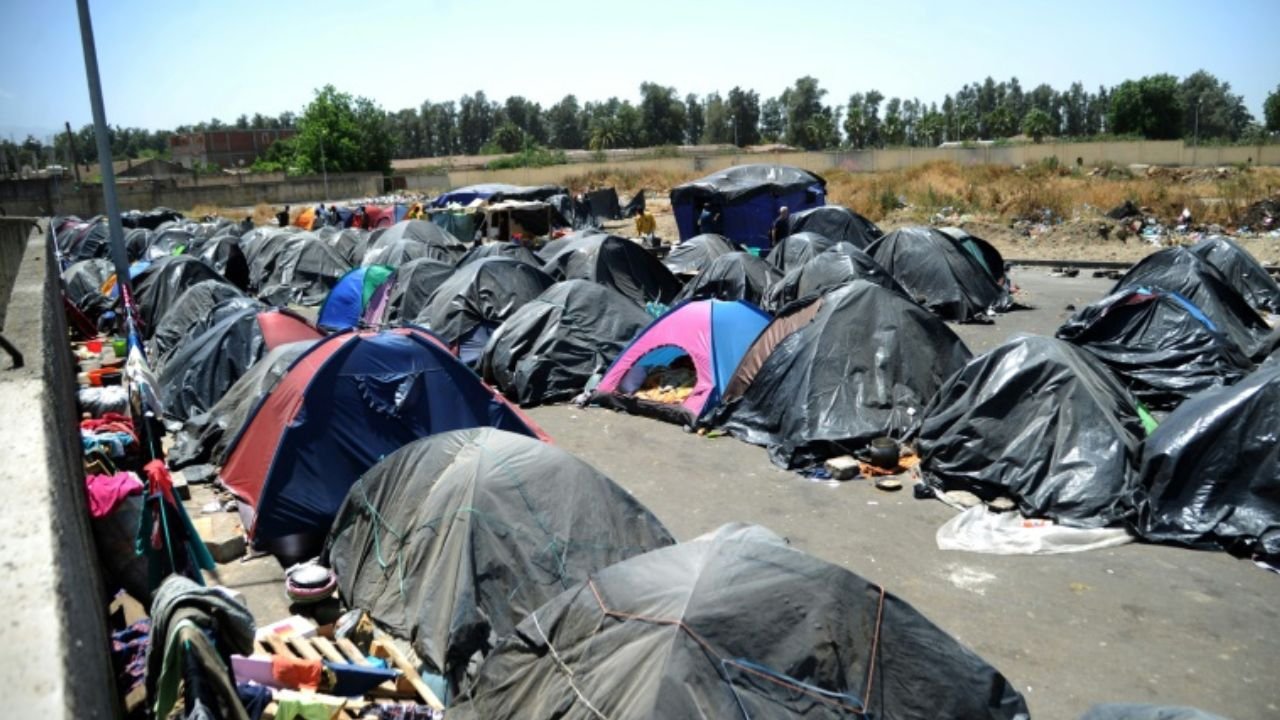
    The European Union admitted on Tuesday to a “difficult situation” after a journalism consortium said Tunisia, Morocco, and Mauritania were dumping migrants in the desert, using the bloc’s funds.

    The wide-ranging investigation by Lighthouse Reports with outlets including Le Monde and The Washin­gton Post paints the EU as complicit in a “system of mass displacement” and serious rights abuses.

    “Europe supports, finances and is directly involved in clandestine operations in North African countries to dump tens of thousands of black people in the desert or remote areas each year to prevent them from coming to the EU,” a report said.

    Such operations, it said, were “run thanks to money, vehicles, equipment, intelligence and security forces provided by the EU and European countries”.

    “This is a difficult situation. It’s a fast-moving situation, and we will continue to work on it,” European Commission spokesman Eric Mamer told reporters when questioned about the investigation.

    The report said refugees and migrants in Morocco, Mauritania and Tunisia were being “apprehended based on the colour of their skin, loaded onto buses and driven to the middle of nowhere, often arid desert areas”, without water or food.

    Others reportedly were taken to border areas where they were allegedly “sold by the authorities to human traffickers and gangs who torture them for ransom”. The 27-nation EU has struck deals with the three named countries with explicit financing to boost stopping irregular migration to Europe.

    Brussels has given 150 million euros ($160 million) to Tunisia under a recent accord, with more promised. It has also allocated 210 million euros to Mauritania and 624 million euros to Morocco under the cooperation agreements.

    Racially motivated practices

    The EU’s efforts to have African countries stem migration flows across the Mediterranean Sea go hand in hand with a newly agreed overhaul of the bloc’s asylum rules. These will make EU borders tighter and speed up the deportation of unsuccessful asylum seekers.

    The Lighthouse Reports said it interviewed more than 50 black migrants — all of them from sub-Saharan Africa and West Africa — who had been expelled from the three North African countries.

    Their testimony, including videos and photos, “helped us to recognise the systematic and racially motivated nature of the practices,” along with the consortium’s own evidence gathering, it said.

    It cited unnamed European officials as denying that EU funds were being used to violate migrants’ rights. But it said two EU sources acknowledged it was “impossible” to fully account for how the funding from Brussels was being used.

    The European Commission — the EU’s executive arm — did not respond explicitly to the report’s allegations. Commission spokeswoman, Ana Pisonero, said: “Sometimes the situation is challenging in our partner countries… (but they) remain sovereign states and they continue to be in control of their national forces.” She said the EU monitored programmes it provided funding for, and noted pledges from partner countries to uphold international law and human rights.
  • Four dead, 40 hospitalised in Tunisia alcohol poisoning

    Four dead, 40 hospitalised in Tunisia alcohol poisoning

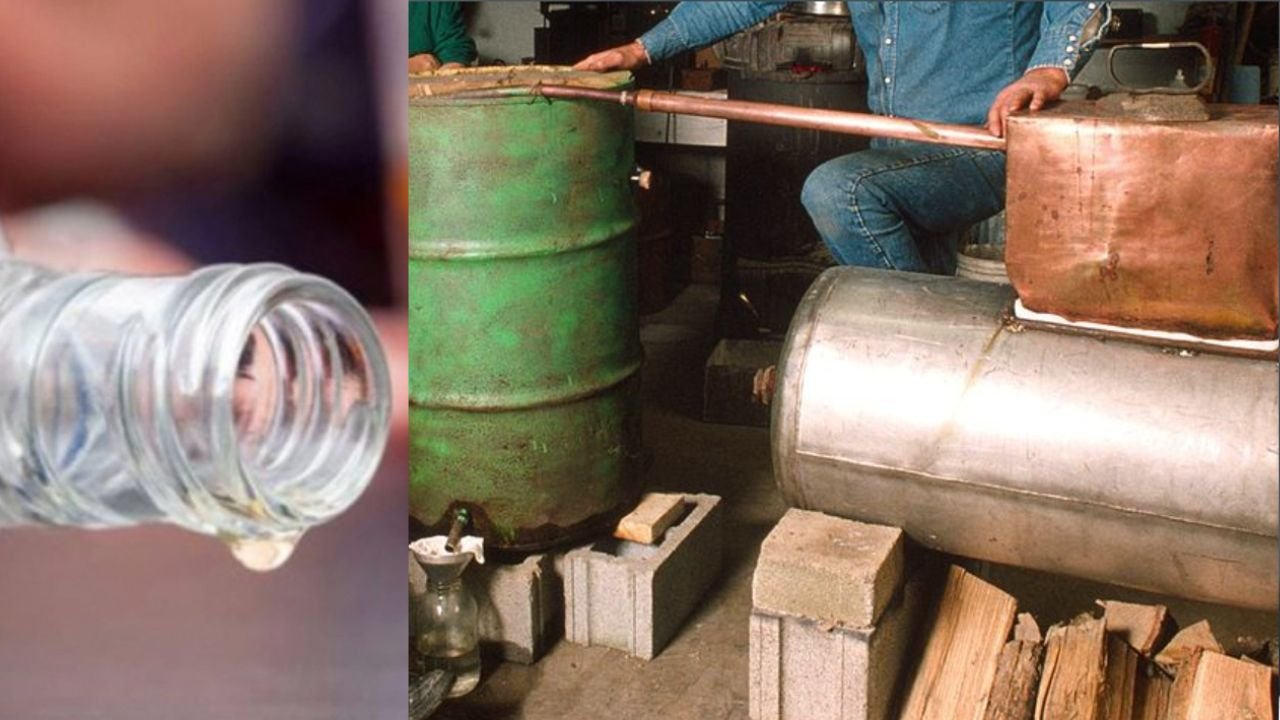
    Four people have been killed and 40 hospitalised after consuming tainted alcohol in southern Tunisia, an official said.

    An inquiry has been opened and the person who supplied the alcohol has been arrested, Fethi Baccouche, a spokesman for the Medenine court, told AFP.

    An analysis of the alcohol is underway to determine what was behind the mass poisoning.

    Of the 40 surviving victims, most left hospital but some were transferred to the capital Tunis for treatment, Baccouche said, without providing exact numbers.

    Poisonings from incorrectly produced or adulterated alcohol are common in Tunisia and often fatal.

    In 2021, Tunisian health authorities announced five deaths and the hospitalisation of 25 more in Kasserine in the country’s west after they drank contaminated alcohol.

    And in May 2020, 39 people were poisoned, including six who died, after drinking methanol near the city of Kairouan.

    The consumption of home-made alcohol is common in some working-class neighbourhoods of Tunis and remote regions of the country where poverty rates are high.

    The alcohol, which is illegal, is often much cheaper than that sold in shops.

  • Biden nominates a new US Ambassador to Pakistan

    Biden nominates a new US Ambassador to Pakistan

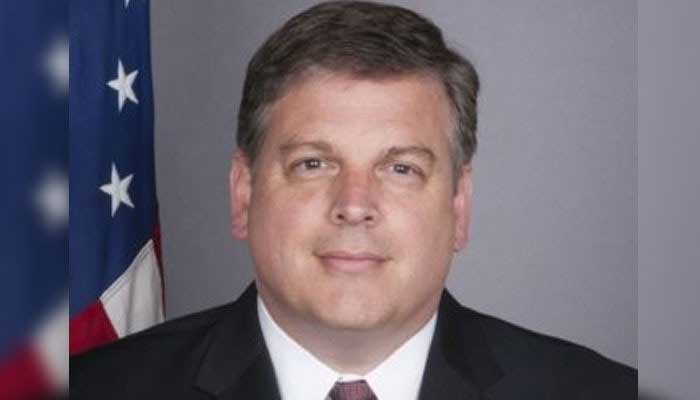
    US President Joe Biden is nominating a career diplomat Donald Blome as his envoy to Pakistan, soon after U.S. troops left Afghanistan, giving up control to the Taliban and plunging the country into crisis.

    Blome is currently serving as the US ambassador in Tunisia. He previously worked in the Kabul embassy and is a career Foreign Service diplomat.

    The United States has frozen access to aid or foreign reserves in Afghanistan and the country is on the verge of humanitarian collapse.

    The nomination comes at a time when the U.S. is also interested in Pakistan’s relationship with China.

    Tunisia, where Blome has worked as ambassador since 2019, is an important diplomatic outpost for the United States in North Africa, representing interests beyond the country’s borders, including in neighbouring Libya.

    The ambassadorial position requires Senate confirmation.

  • Tunisian woman bicycles to Makkah in 53 days

    Tunisian woman bicycles to Makkah in 53 days

    A Tunisian national, Sara Haba, has reached Makkah on a bicycle in 53 days.

    Covering a distance of more than 3,000 kilometers, she started off from her home country Tunisia and cycled for over 53 days to Makkah.

    Haba toured across the deserts in Egypt and Sudan and shared her journey on Instagram and YouTube using the hashtag #cyclingtomecca.

    In one of her Instagram posts she wrote, “A lot of headwinds as I never experienced, a lot of sand and a lot of emptiness which made it unable for me to refill water and food. And when the loaded bicycle wasn’t killing my lower body, it was challenging my arm strength.” 

    https://www.instagram.com/p/B6jMjBdHBHb/?utm_source=ig_web_copy_link

    Haba tributes to her bicycle named Merzouga as that was her biggest support system throughout the journey. Merzouga can be translated to “grace with blessing” in African Arabic.

    In another of her posts, Haba wrote that cycling to Saudi Arabia was not as difficult as it seemed to be. “And as unbelievable as it may sound and despite all my apprehension about cycling here, Saudi Arabia has been so far the easiest country to cycle since I began this journey.” 

    https://www.instagram.com/p/B7ZIl1vnRFo/?utm_source=ig_web_copy_link

    As she kept her followers updated with her journey, Haba met several supporting cyclists on her journey. They also wrote supportive messages for her on Instagram.

    “A special thanks to each person who has crossed my way, smiled to me, shown me the way, filled my bottles with water, offered me a fruit, shared their house with me, presented me to their family and friends, cycled with me even for 10km, cried with me and make me part of their lives. I didn’t expect anything of all what happened,” she added.