Tag: UK

  • Yoga class mistaken for ‘ritual mass murder’

    Yoga class mistaken for ‘ritual mass murder’

    Onlookers mistook a yoga class as a “ritual mass murder”, reporting it to the police in Lincolnshire, England.

    Five police cars reached the ‘crime-scene’ at North Sea Observatory in Chapel St Leonards, Lincolnshire, on Wednesday night.

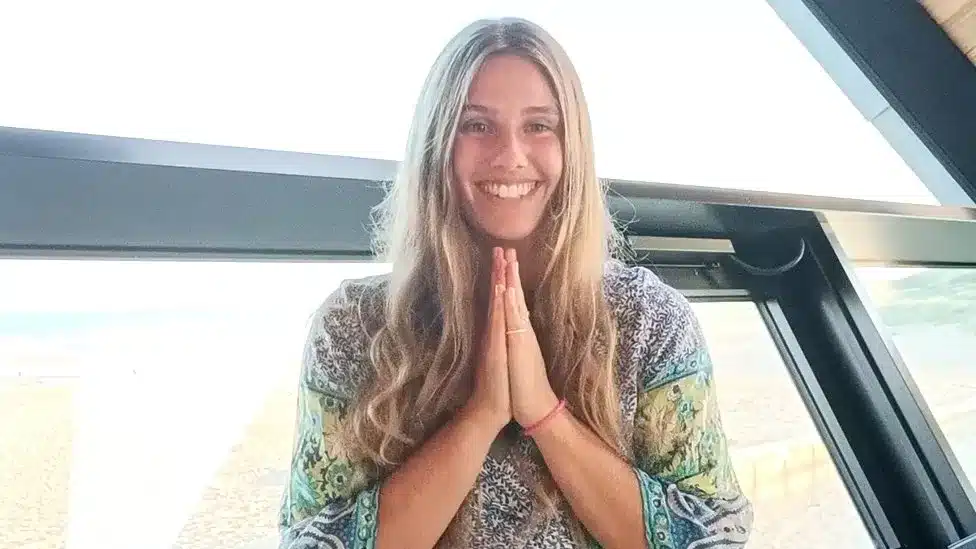
    BBC spoke with 22-year-old Yoga teacher Millie Laws who found the whole incident “funny and surreal”. She initially thought that the report of her being a “mass murderer” was a “joke”.

    Laws was teaching seven students at the Seascape Cafe situated inside a building. She recalls two dog walkers peeking through the glass window while the class was at its Shavasana or relaxation stage. Additionally, the room was dark with candles lit, which made it more suspicious, she added.

    “They’re [students] laying down with blankets over them, their eyes are closed. It’s very dark in there. I just had candles and little tea lights lit the whole room, and I was just walking around playing my drum. I had a nice floaty top on with large bell sleeves,” she said.

    “A couple with some dogs just came up to the window and were having a look in, but they walked off really quickly and I didn’t think anything of it.”

    “I didn’t know until after we left that these people phoned in saying that there was a mass murderer; they were wearing a robe and they were walking over all of the people, and it looked like some kind of ritual, and that the people on the floor were actually dead.

    “I guess from the outside view it could look like that, because they’re all really still, very nice and relaxed.

    “I’m sure their imagination was running wild with what was going on.”

    “I feel really bad for whoever the person was who [phoned police] that would, of course, have been terrifying. So I do feel for them.

    “But at the same time you’ve got to see the lighter side of it.”

    Managers at Seascape Cafe posted a statement on Facebook to remove any doubts in the residents of the small village where police were ringing at night, stating everything in the area was good, jokingly adding that “We are not part of any mad cult or crazy clubs.”

  • Sara Sharif’s parents release video from hiding; say they’re willing to cooperate

    Sara Sharif’s parents release video from hiding; say they’re willing to cooperate

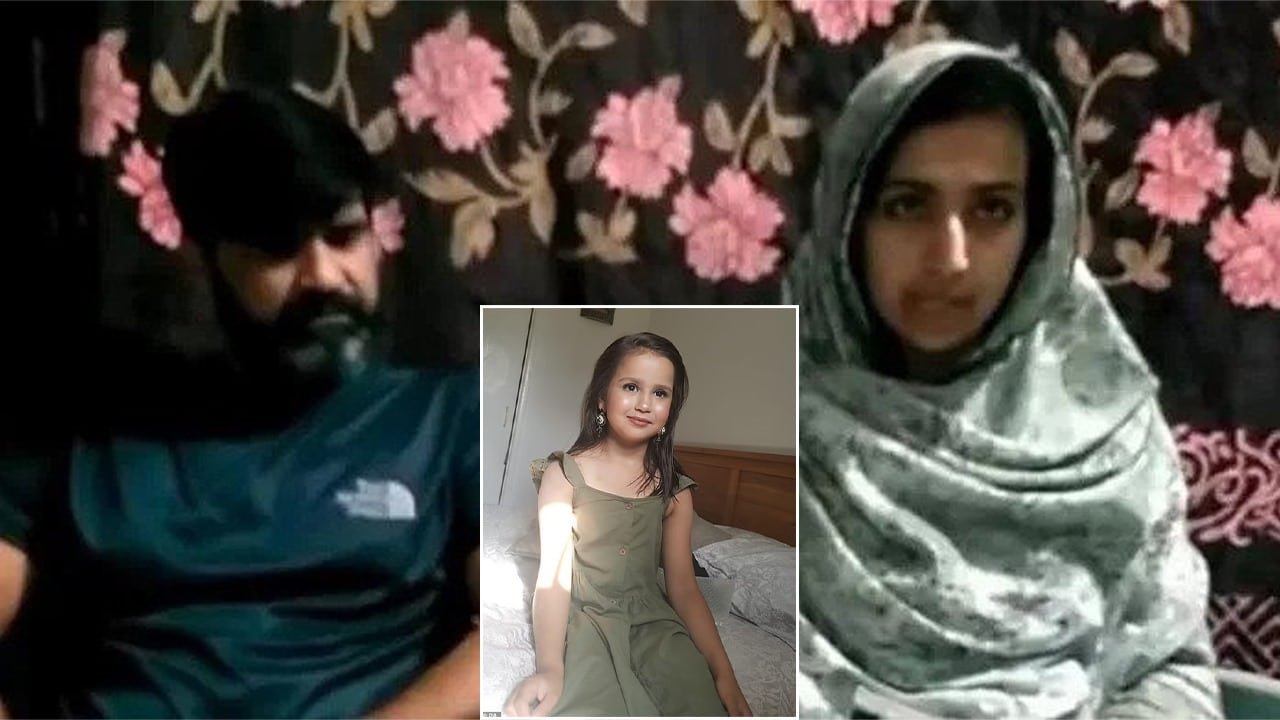
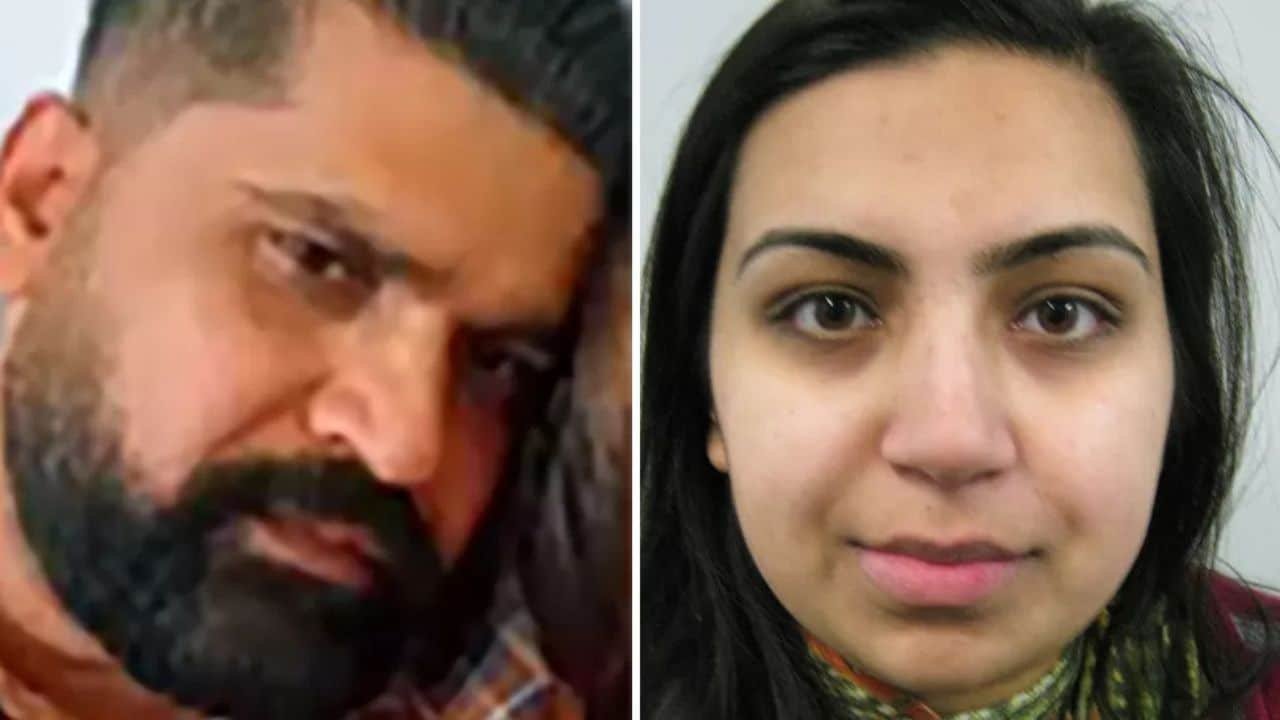
    A video has come to light in which Sara Sharif’s stepmother, Beinash Batool along with her husband, Urfan Shairf, can be seen together in an undisclosed location. Batool touches upon media reporting of Sara’s death, claiming that they both will cooperate with UK authorities, and that they are on the run out of fear of Pakistani police.

    While Urfan Sharif remains silent, Batool reads from a notebook. Speaking briefly of Sara, she says, “Firstly, I would like to talk about Sara. Sara’s death was an accident. Our family in Pakistan are severely affected by all that is going on,”

    Accusing the media of making up lies, Beinish says, “Imran [one of Mr Sharif’s brothers] did not give the statement that Sara fell down the stairs and broke her neck. This was spread through a Pakistani media outlet. I am very worried about Imran’s safety.”

    She further claimed that they have run out of food, are unable to leave home because of security concerns, and the children are unable to attend school out of fear.

    Furthermore, she explains that they are in hiding because the family fears that the Pakistan police will torture and kill them.

    BBC, however, reports that according to police chief Mehmood Bajwa, the allegations of “harassment and torture of family members are false”.

    Urfan Sharif’s father had petitioned the Rawalpindi bench of the Lahore High Court against the harassment of his family members. While the court barred the police from detaining them again, the officers said questioning will continue.

    The Case
    On August 10, 10-year-old Sara Sharif was found dead in her home in Woking, England, when her father, Urfan Sharif, called 999 from Pakistan.

    Nadeem Riaz, shop owner and a travelling agent, has known Sharif for 11 years. During an interview with The Times, he recalled that on August 8, he booked one way tickets to Pakistan on urgent basis, claiming that his cousin died.

    On August 9, Sharif, his wife Beinash Batool, their five children and Sharif’s brother Faisal Malik left for Islamabad from the UK on a British Airways flight.

    The next day, Urfan Sharif called 999 after which the police found Sara’s body at home. Surrey Police then began an investigation along with international partners. The same day, after arriving at Islamabad, the family travelled to Jhelum. The police kept on tracking them as they left for Domeli late on August 12, and then left Domeli the very next day. This was the last location tracked.

    On August 15, Pakistan police received a request from International Criminal Police Organization (Interpol) via FIA to hunt them down.

    A few days later, the Pakistani police arrested Sharif’s brother Imran and also spoke with some of the family members.

    Sharif’s parents and a number of other relatives are also missing, with the family home and shop in Jhelum locked up and empty. While everyone insisted on not knowing the family’s whereabouts, the police remains unconvinced by their claims.

    “We managed to get hold of Imran, but the rest of his family have gone missing. They clearly have something to hide. We got hold of one of them and will be interrogating him until he tells us the truth.”

    As reported by Arab News, Imran did confirm to MailOnline that his brother had been in Pakistan on August 9 however, he was alone. He added that he disappeared right after.

    BBC also spoke with Urfan Sharif’s father, Muhammad Sharif. According to him, “It was an accident, he didn’t tell me how it happened,” and that the family fled the UK out of fear.

    He, however, urged his son to return to the UK and defend himself.

    Sara’s mother
    Sara Sharif’s mother Olga said in an interview to a Polish channel that Sara was so severely injured that she “did not recognise her” in the mortuary.

    “One of her cheeks was swollen and the other side was bruised. Even now, when I close my eyes I can see what my baby looked like,” Olga said.

    As per the post-mortem examination by Surrey Police, Sara “suffered multiple and extensive injuries”, that seemingly were “caused over a sustained and extended period of time”.

    Olga also revealed that she herself was subjected to mistreatment while she was married to Urfan Sharif. When she separated from him in 2015, Sara and her older brother lived with her until 2019, when the family court ordered for them to live with their father while giving equal rights to Olga.

    Olga states that the children’s stepmother told her off.

    “It’s not normal that once the children were happy, and arguing about who would talk to Mum first, and then the kids don’t even want to talk to me on the phone and are calling me the worst names,” she said.
  • Young Pakistanis in the UK lead in unemployment, govt stats confirm 

    Young Pakistanis in the UK lead in unemployment, govt stats confirm 

    Official data from the United Kingdom’s government shows that among different ethnic groups in the country, young Pakistanis are the least active in terms of work and education. 

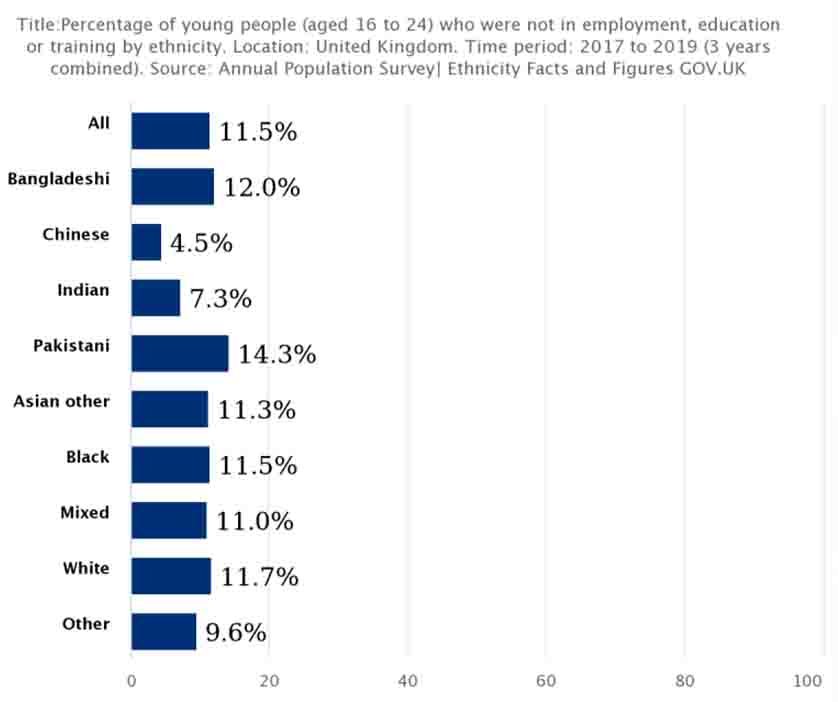
    The dataset in question is categorised as “unemployment,” encompassing individuals aged 16 to 24 who are neither employed nor engaged in any form of training or educational pursuits. This data was systematically collected over a three-year period spanning from 2017 to 2019. 

    Notably, within the spectrum of ethnic backgrounds in the UK, individuals of Pakistani origin stand out with the highest unemployment rate at 14.3 per cent, surpassing their counterparts from nine other nations. The next highest rate pertains to individuals of Bangladeshi descent at 12 per cent, while young individuals of Indian heritage exhibit a comparatively lower inactivity rate of 7.3 per cent, as indicated by the data. 

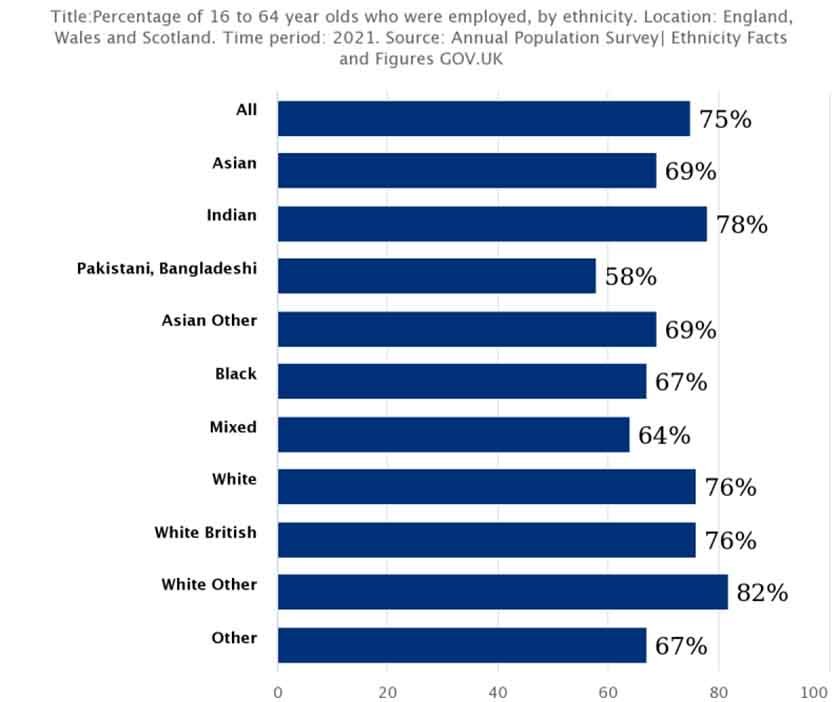
    A similar pattern is discernible when examining the overall employment data for the country, which encompasses individuals aged 16 to 64. In this context, Pakistani and Bangladeshi individuals are grouped together and collectively exhibit the lowest employment rate, standing at a mere 58 per cent, the lowest among ten defined categories. In contrast, individuals of Indian descent display a more favourable employment rate at 78 per cent, trailing only those of non-British white origin, of whom 82 per cent are gainfully employed. 

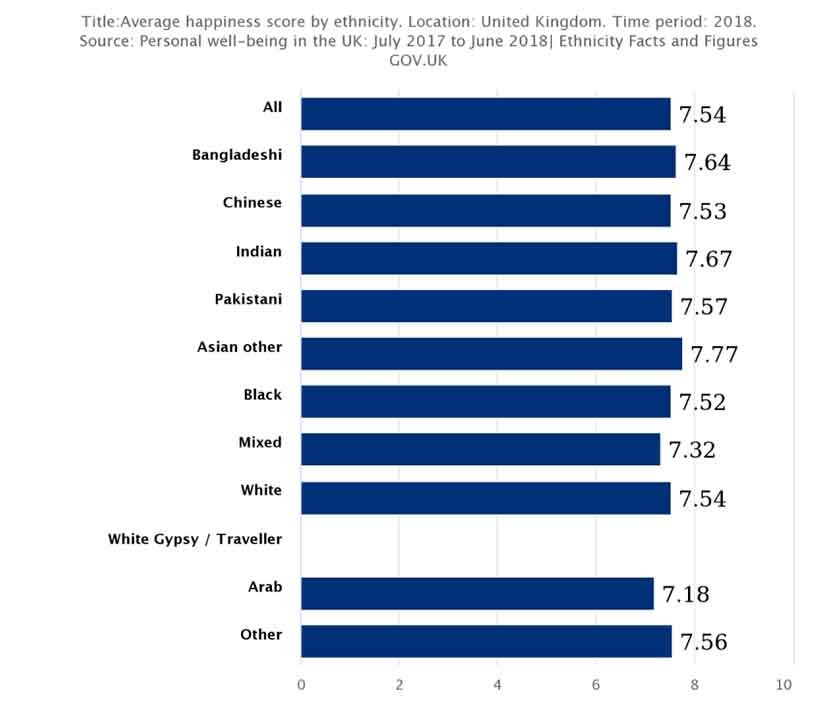
    It is worth noting, however, that the observed trends in employment and unemployment figures do not appear to have a conclusive impact on the overall happiness score, as the data does not differentiate by age and represents the broader community. The happiness index assigns a score on a scale of 10, and according to the data, individuals of Pakistani descent in the UK have a happiness score of 7.57, ranking as the fourth highest among the ten surveyed ethnic groups. 

    While individuals of Indian, Bangladeshi, and other ethnic backgrounds report higher levels of happiness than those of Pakistani origin, individuals of Arab, black, Chinese, and even white ethnicities exhibit lower happiness scores in comparison. 

  • Pakistani citizen goes missing in Jeddah

    Pakistani citizen goes missing in Jeddah

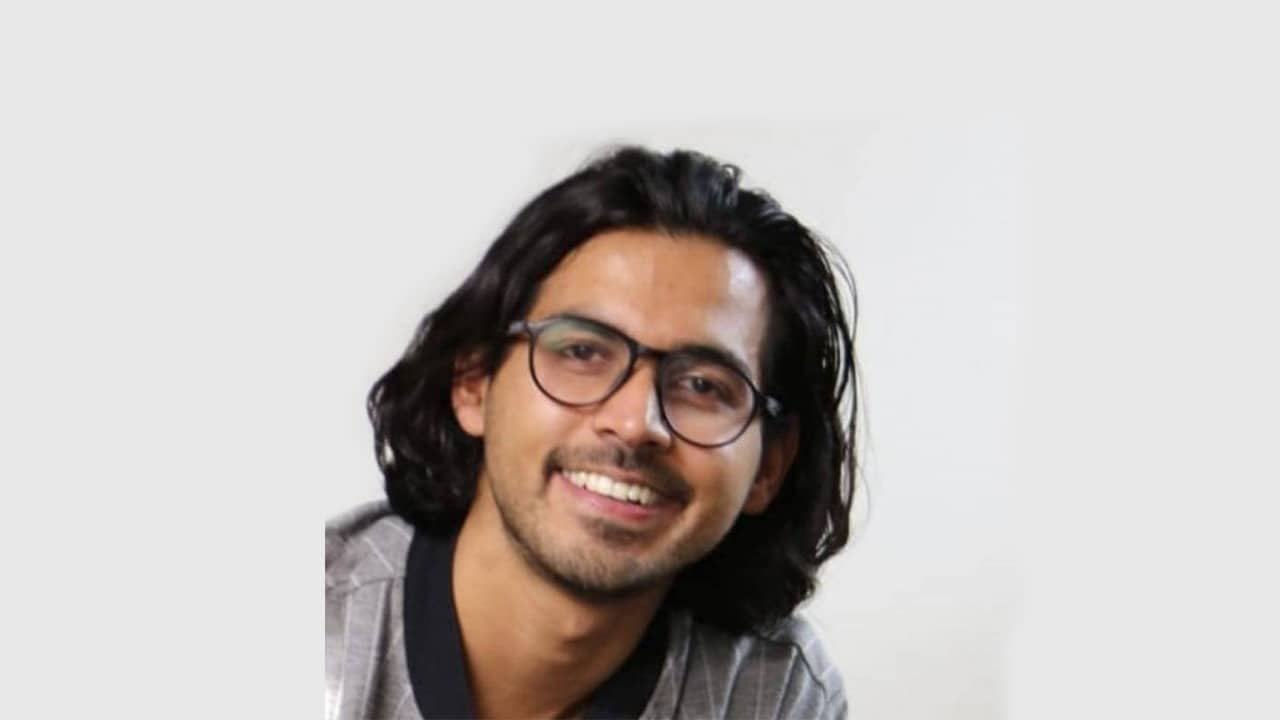
    Pakistani citizen and UK resident Syed Hussain Ali has gone missing in Jeddah, Saudi Arabia, on August 28 while on a transit visa in the Kingdom.

    Ali’s father Syed Asim Ali told The Friday Times that he wrote a letter to the Saudi Ambassador to Pakistan and requested caretaker Prime Minister Anwaar ul Haq Kakar to probe into his son’s disappearance.

    Hussain departed from Lahore on Monday 28 August at 11:40am on Saudi Airlines SV735. He landed in Jeddah at 14:50 pm, local time.

    Hussain had an eighteen hour transit and obtained a visa at the airport to perform Umrah.

    He messaged via WhatsApp using the Wi-Fi of a restaurant and then travelled to Mecca to perform Umrah. He then talked to his parents via Messenger video call from McDonald’s restaurant opposite Haram. This, according to the father, was his last communication, between 12:30-1:00 am.

    Hussain wanted to spend a couple of more hours in the Holy Mosque before his flight from Jeddah to London which was scheduled for 9:05 am.

    According to the father, Hussain was only carrying his laptop, phone, wallet and a change of clothing in his laptop bag.
    “He had only $100 on him and the rest of the expenditures he would pay using his debit and credit card,” Asim said.
    Hussain never boarded his flight to London.

    Asim noted that “Normally he is very communicative. It is very unlike him to not be in touch especially when he may know that we are waiting to hear from him,”

    In the letter to the officials, Asim requested to file a missing persons report.

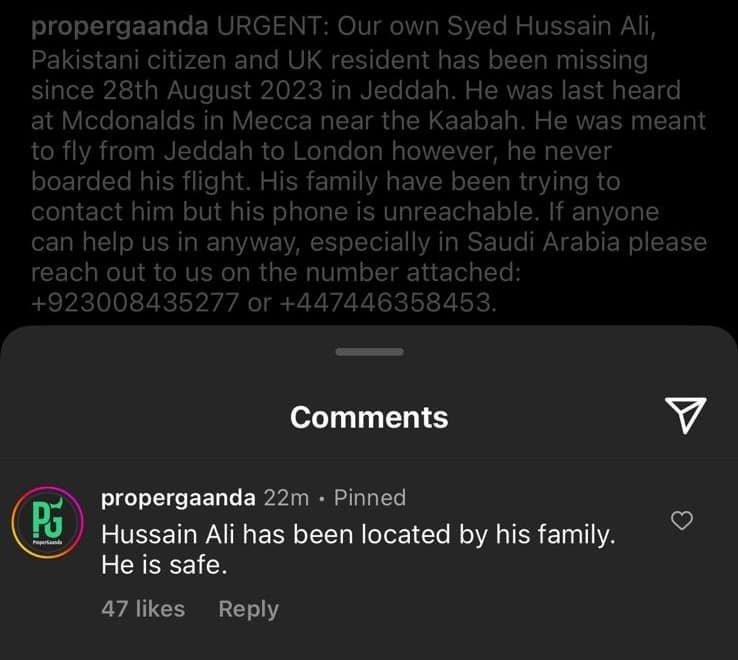
    However, Properganda has commented under the Instagram news of the disappearance that Hussain has been found. That comment, however, is no longer posted.

  • Sister donates womb in UK’s first successful transplant

    Sister donates womb in UK’s first successful transplant

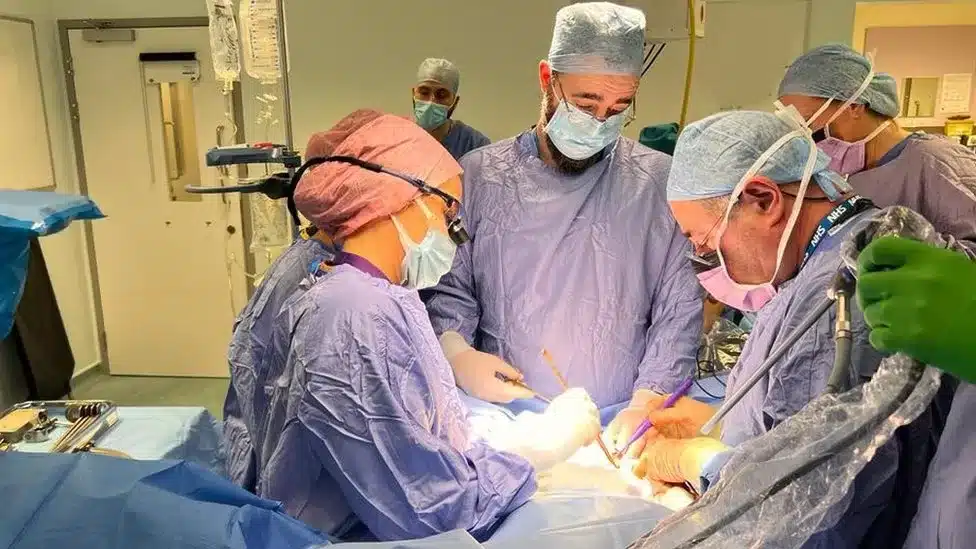
    Surgeons at Oxford have successfully carried out the first womb transplant in the UK.

    The womb was donated by a 40-year-old woman to her 34-year-old sister who was born without a uterus. The donor already had two children and considers her family to be complete. The sisters live in England and have requested to remain anonymous.

    The recipient was born with a rare condition known as Type 1 Mayer-Rokitansky-Küster-Hauser (MRKH) in which the uterus is “absent or underdeveloped, but has functioning ovaries”.

    The procedures were carried out by a team of 20 doctors which lasted around 17 hours in operating theatres at the Churchill hospital in February.

    It has been six months since the transplant and according to the doctors, both the women have “recovered well from surgery”. The recipient has embryos in storage that will be transferred.

    BBC reported that transplant surgeon Isabel Quiroga, who steered the team implanting the womb, said that the recipient was “absolutely over the moon, very happy, and is hoping that she can go on to have not one but two babies. Her womb is functioning perfectly and we are monitoring her progress very closely.”

    Prof Richard Smith, gynaecological surgeon, who led the organ retrieval team, has spent 25 years researching womb transplantation. He told the BBC it was a “massive success”.
    “The whole thing was emotional. I think we were all a bit tearful afterwards.”

    The donor is currently on immunosuppressive drugs in order to prevent tissue rejection however, the uterus will be removed after a maximum of two pregnancies due to long-term health risks.

    The first womb transplant surgery took place in Sweden in 2014 and the recipient successfully had a baby. She had received a womb from a friend in her 60s.
    Since then, 100 womb transplants have been carried out across the globe and around 50 babies have been born — mainly in the US and Sweden, but also in Turkey, India, Brazil, China, Czech Republic, Germany and France.

    According to British Journal of Obstetrics and Gynaecology, the surgeons in the UK were given permission to perform womb transplants in 2015, but “institutional delays” and Covid deferred it till now.

  • TW: UK police launch hunt for Pakistani father after daughter found dead in Surrey home

    TW: UK police launch hunt for Pakistani father after daughter found dead in Surrey home

    Sara Sharif, a 10-year-old girl, has been found dead in her home in Surrey with multiple injuries inflicted over her body. Her father, along with the child’s step mother and their five children, have seemingly left for Pakistan.

    According to the Surrey police, Urfan Sharif and his partner Beinash Batool, along with five children, left for Pakistan on Wednesday 9 August. The next day, Sara’s body was discovered in their home in Woking. Sharif made a call to the police station, after which officials arrived to discover the dead body.

    Sara’s body has multiple injuries, inflicted over a period of time, police have said.

    In a press release to the media, Detective Mark Chapman said the Surrey Police was working with the Crown Prosecution Service (CPS), Interpol, National Crime Agency, Foreign, Commonwealth, and Development Office to ensure that the culprits are caught and brought to swift action.

    “Firstly, on behalf of Surrey Police, I would like to express my heartfelt condolences following Sara’s tragic death,” Chapman said. “Our thoughts are with her mother at this difficult time. We also fully appreciate the impact this devastating incident will have had within the local community,” he stated.

    “While the postmortem has not provided us with an established cause of death at this time, the fact that we now know that Sara had suffered multiple and extensive injuries over a sustained and extended period has significantly changed the nature of our investigation, and we have widened the timescale of the focus of our inquiry.

    “As a result, we are trying to piece together a picture of Sara’s lifestyle but we cannot do this without the public’s help. That is why we are appealing for anyone who knew Sara, had any form of contact with her, or has any other information about her, no matter how insignificant it might seem, to come forward as soon as possible.”

  • Case against UK-based PTI activist Shayan Ali filed under anti-terror law in Islamabad

    Case against UK-based PTI activist Shayan Ali filed under anti-terror law in Islamabad

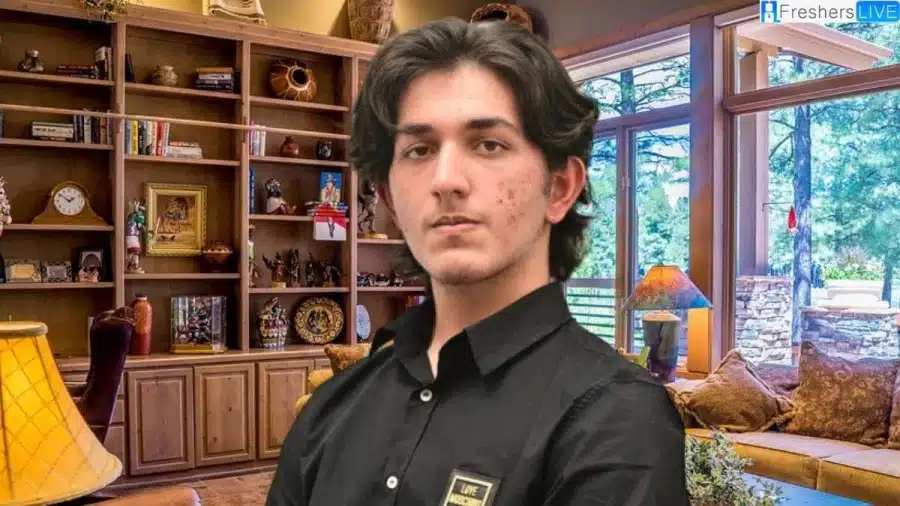
    A case has been filed under anti-terror laws against Shayan Ali – a UK-based based activist of the the Pakistan Tehreek-e-Insaf (PTI)- at Ramna Police Station in Islamabad.

    According to the First Information Report (FIR), Shayan Ali made videos of a judicial officer Humayun Dilawar and harassed him in London.
    “An attempt was made to attack a judicial officer, he was saved by a security official,” the FIR adds.
    According to the copy of FIR received by Geo News, the SHO of the Ramna Police Station Nasir Iqbal filed the FIR due to the several videos of Shayyan threatening a judicial officer.

    “In one video which went viral on social media, Shayan said that he would make the life of the judicial officer hell who was come to a training at an educational institution in the United Kingdom,” the FIR stated.

    The report asserted that Shayan had also called on other Pakistanis to join him in “making the official’s life hell”.
    Moreover, Adil Farooq Raja, another prominent PTI social media activist, joined the activities online by making these videos aiding and abetting the “terrorist activators”, the FIR claimed.

  • TikToker Mahek Bukhari and mother Ansreen found guilty in murder case

    TikToker Mahek Bukhari and mother Ansreen found guilty in murder case

    British-Pakistani TikTok influencer Mahek Bukhari and her mother Ansreen have been declared guilty at a Leicister court for the murder of a man who died in a car crash.

    The deceased, Saqib Hussain, had threatened to expose details of the long-running affair he had been having with Ansreen.

    During the trial, the jurors were told that the social media influencer had set a trap for Hussain on the night he died, inviting him to their house, where they were going to give him the £3,000 he had spent during the relationship. When Hussain was driving to the house with his friend Hasim Ijazzuddin, they were ambushed and then chased by two cars.

    The men driving those vehicles were Karwan, 29, and Jamal, 23. Both were cleared of murder charges but were convicted of manslaughter.

    Ijazuddin’s car split into two pieces and caught on fire after colliding with a tree on Six Hills junction on the A46.

    After the verdicts, Deputy Inspector Mark Parish of Leicestershire Police spoke to the press, calling this a “callous and cold blooded attack.”

    “After setting Mr Hussain and Mr Ijazuddin up, chasing them at high speed and then ultimately ramming their car off the road, none of the defendants made any attempt to help the victims or to call for help.”

    “Instead, they drove on and then even drove back past the collision site.”

  • UK introduces new trade plan, offering duty-free access to 94% Pakistani products

    UK introduces new trade plan, offering duty-free access to 94% Pakistani products

    The United Kingdom has taken a momentous step in strengthening commercial ties with 64 nations, including Pakistan, by launching a new trading plan that offers duty-free access to goods.

    This move is expected to have a significant impact on Pakistani exports, allowing a staggering 94 per cent of goods to enter the British market without any duties, resulting in substantial savings of £120 million for the country.

    With the replacement of the Generalised System of Preferences (GSP), the UK’s new trade system opens up new avenues for trade and promises further tariff reductions for an additional 156 items.

    The implementation of the new trade system marks a significant development for Pakistani exports to the United Kingdom. By providing duty-free access to a vast majority of Pakistani goods, the UK aims to foster a mutually beneficial trade relationship. This move is expected to boost the trading possibilities between the two nations and facilitate an expansion of bilateral trade.

    According to the British High Commission, the current annual trade volume between Pakistan and the UK stands at £4.4 billion, and these figures are expected to rise in the future.

    The new trading plan aims to extend opportunities for free and fair trade to 65 nations, including Pakistan. By facilitating necessary changes and improvements, the UK seeks to enhance the quality of trade and enable these countries to actively participate in the global trading system. The British Trade Centre will play a crucial role in supporting and assisting these nations in their trade endeavors.

    Notably, this new plan also benefits 26 Asian nations and 37 African nations, collectively amounting to an export volume of £21 billion to the UK.

    The new trade system also promises further tariff reductions and increased trading possibilities for participating nations. With this plan in place, the UK aims to promote free and fair trade, strengthen global trading systems, and foster economic growth for all involved parties.

  • First baby born in UK with DNA from three parents to combat incurable mitochondrial diseases

    First baby born in UK with DNA from three parents to combat incurable mitochondrial diseases

    The fertility regulator in the United Kingdom (UK) has confirmed the birth of a baby using the DNA of three individuals for the first time. The majority of the baby’s genetic material comes from its two parents, with around 0.1 per cent coming from a donor woman.

    This innovative technique is designed to prevent the birth of babies with mitochondrial diseases, which can be fatal within days or hours of birth and are incurable. Less than five babies have been born using this method, and no further information about them has been released.

    Mitochondrial diseases are caused by defective mitochondria, which fail to generate energy and can lead to serious health problems, including brain damage, heart failure, and blindness. Mitochondria are inherited only from the mother, so this technique involves using healthy mitochondria from a donor egg to replace the affected mitochondria in the mother’s egg.

    Mitochondrial donation treatment is a modified form of IVF, and there are two techniques for performing it. This method was pioneered in Newcastle, and laws were introduced to allow the creation of such babies in the UK in 2015. However, the first baby born using this technique was in the US to a Jordanian family in 2016.

    The technique has been described as a permanent change that would be passed down through generations, but it only affects mitochondrial DNA and not other traits such as appearance, nor does it constitute a “third parent”. There is a risk of “reversion,” where any remaining defective mitochondria could still result in disease.

    The Human Fertilisation and Embryology Authority (HFEA) has confirmed the birth of fewer than five babies using mitochondrial donation treatment, but it has not provided any precise numbers to protect the families’ identities. This news is seen as a significant step in the cautious process of assessing and refining mitochondrial donation.

    More information is needed to determine the success of this technique, and whether the babies are free of mitochondrial disease and at risk of developing health issues later in life.