Tag: universities

  • Top UK universities face funding and foreign student shortage

    Top UK universities face funding and foreign student shortage

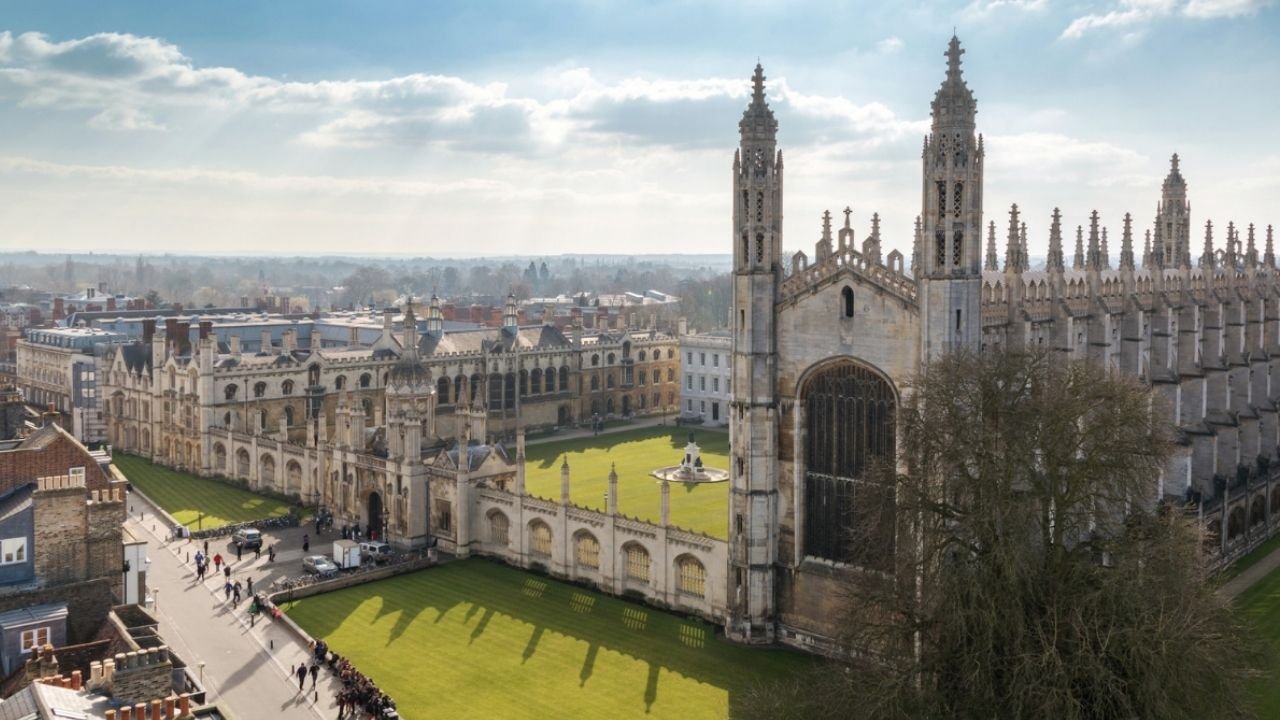
    Some of UK’s top universities could see their attractiveness decline due to hits to funding and tighter regulations on overseas students, the annual QS 2025 university rankings warned on Tuesday.

    Four British universities retained their spots in the top 10 of more than 1,000 universities ranked by Quacquarelli Symonds (QS), a benchmark ranking alongside the Times and Shanghai Jiao Tong University.

    Imperial College London, renowned for its science teaching, shot up from sixth to second place, dethroning for the first time the historically dominant “Oxbridge” duo, with Oxford and Cambridge ranking third and fifth respectively.

    More than half (52) of the UK’s universities were bumped down on the list, out of the 90 that were part of the ranking.

    “This year’s results suggest that British higher education has limited capacity remaining to continue excelling in the face of funding shortages, drops in student applications,” and restrictions affecting the intake of international students, said head of QS Jessica Turner.

    In the last few months, the Conservative government has introduced several measures to reduce regular migration which it judges to be too high.

    These including barring overseas students from bringing dependents and hiking the minimum salary needed for skilled workers visas.

    The policies have been criticised by universities, whose budgets are heavily dependent on the higher fees paid by international students.

    In the first four months of the year, 30,000 fewer student visa applications were made than in the same period in 2023, according to government statistics.

  • Student demonstrations against Gaza genocide take world by storm

    Student demonstrations against Gaza genocide take world by storm

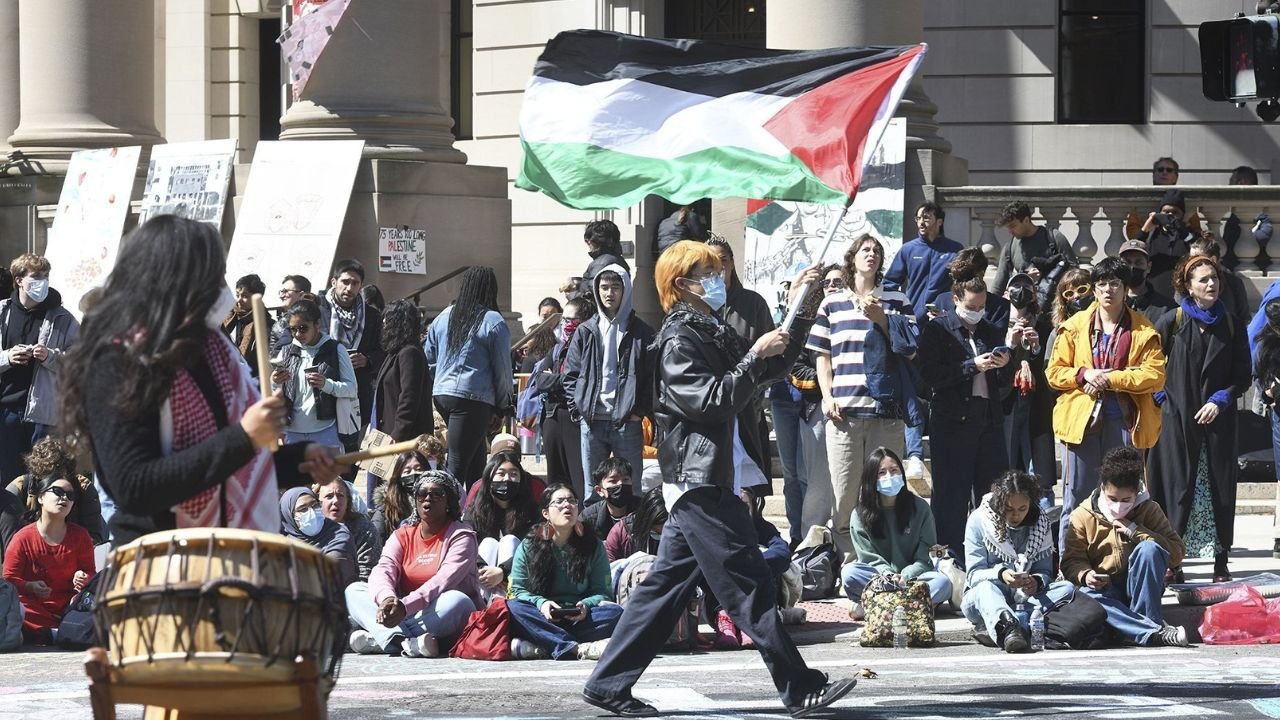
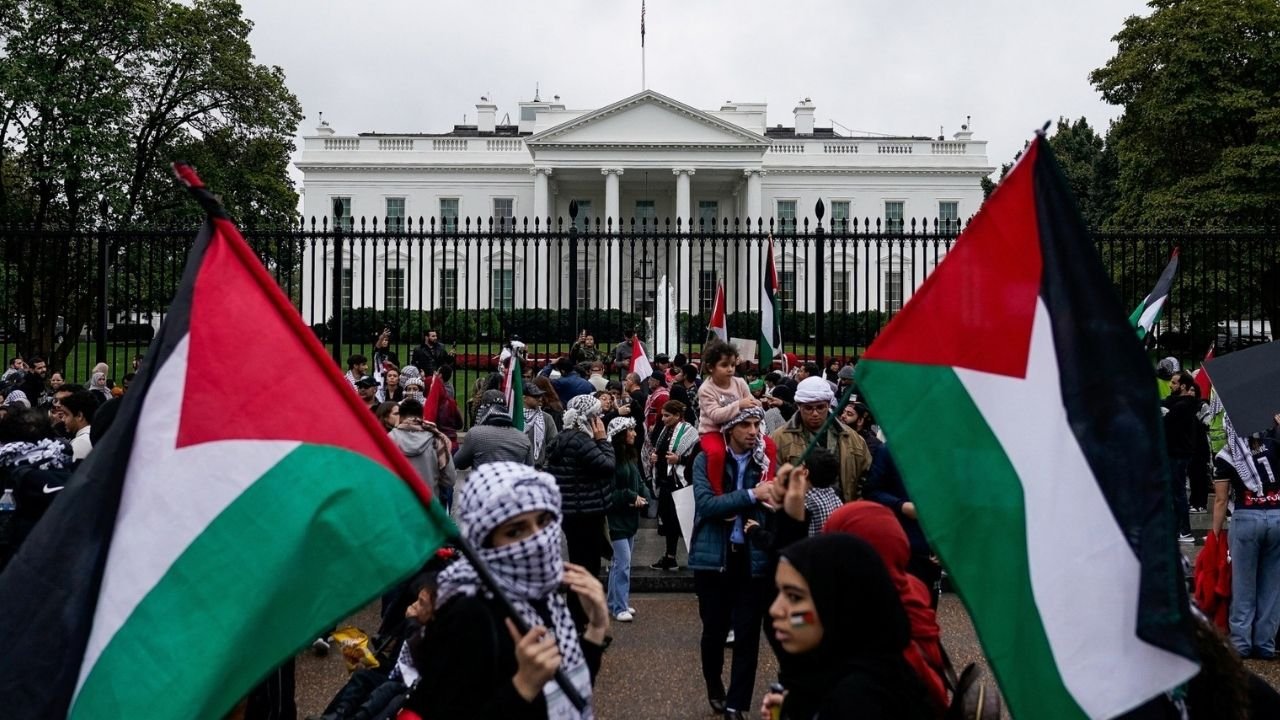
    Anti-Zionist students in the US have taken to their campuses to call out the blatant atrocities being committed by Israel in the besieged strip and the West Bank, and asking the universities to divest from investing in Israel.

    The demonstrations have now expanded beyond US borders.

    French police broke up a pro-Palestinian protest by dozens of university students in Paris, officials said Thursday, as Israel’s bombardment of Gaza sparks a wave of anger across college campuses in the United States.

    AFP reports that according to witnesses, the protesters were demanding that Sciences Po university “cut its ties with universities and companies that are complicit in the genocide in Gaza” and “end the repression of pro-Palestinian voices on campus”.

    Similarly, students in Sydney, Australia, have also set up a camp at Sydney University and carried out demonstrations.

    Background:

    The mass protests started from Columbia University on April 17 which then spread across colleges and universities in America.

    The US has been openly supporting and financing Israeli genocide against the Palestinians in Gaza. And while many people have lost their jobs and students have been expelled due to their support for Gaza, the demonstrations on university campuses are getting bigger by the day.

    Top universities such as Yale, NYU, and Columbia are facing heightened tensions as pro-Palestinian demonstrators are being arrested amid escalating conflicts between the two sides of the genocides.

    Columbia granted students protesters an extension to disassemble their encampments twice, citing ongoing negotiations aimed at resolving the tense situation. All classes will be conducted virtually on Monday due to mounting tension.

    On Monday, 60 individuals at Yale, including 47 student protesters, were arrested for trespassing after blocking traffic around the campus. Additionally, several protesters were also arrested at NYU.

    Other American colleges and universities with Gaza encampments include Emerson College, MIT, Tufts, Michigan, Vanderbilt, Brown, Rice, and more.

    It is a big moment in the midst of a genocide, a point in time where we all must decide to stand on the right side of history.

  • Hey Pakistani students: is your university among the top 1,000 in the world?

    Hey Pakistani students: is your university among the top 1,000 in the world?

    The Quacquarelli Symonds (QS) World University Rankings by subject released its list for 2024 and 14 universities from Pakistan have made it in the top 1,000.

    It consists of more than 16,300 academic programmes, with an addition of over 600 in comparison to the previous year.

    The 2024 list consists of 55 separate subjects under five broad areas. In total, 1,559 institutions are included, with 64 universities being added for the first time.

    From Pakistan, the university programmes have qualified for Arts and Humanities, Engineering and Technology, Life Sciences and Medicine, Natural Sciences and Social Sciences and Management.

    These have been ranked through various metrics, including academic reputation, employer reputation and the International Research Network (IRN) Index.

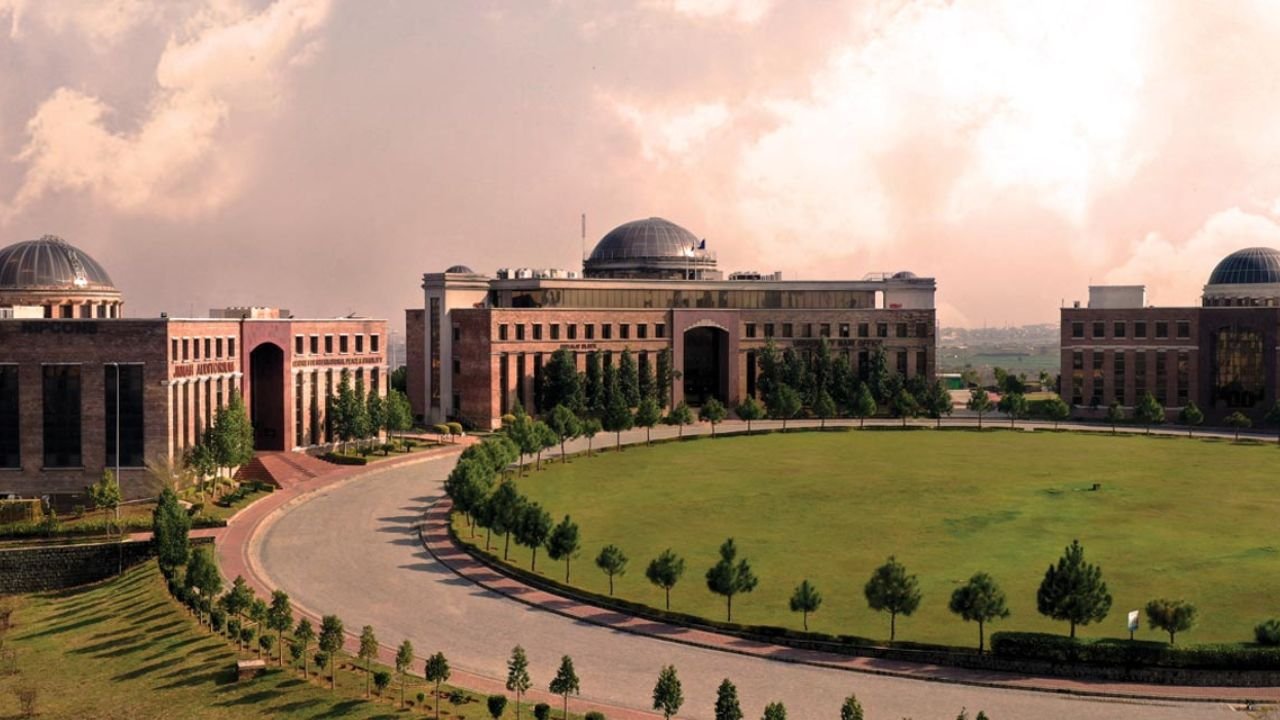
    The Pakistani universities among the top 1,000 universities are COMSATS University Islamabad, National University of Sciences and Technology, University of the Punjab, Bahria University, International Islamic University, Lahore University of Management Sciences, University of Karachi, University of Peshawar, Aga Khan University, The Islamia University of Bahawalpur, Abdul Wali Khan University Mardan, University of Veterinary and Animal Sciences, Government College University Faisalabad and University of Malakand.

  • Tensions flare at US universities over Gaza protests

    Tensions flare at US universities over Gaza protests

    New York, United States – Tensions flared between pro-Palestinian student protesters and school administrators at several US universities Monday, as in-person classes were cancelled and demonstrators arrested.

    The protests, which began last week at Columbia University with a large group of demonstrators establishing a “Gaza Solidarity Encampment” on school grounds, have spread to other campuses, including Yale, MIT and others.

    Some Jewish students at Columbia have reported intimidation and anti-Semitism amid the days-long protest, which is calling for the prestigious New York institution to divest from companies with ties to Israel.

    Classes were moved online Monday, with university president Nemat Shafik calling for a “reset” in an open letter to the school community.

    “Over the past days, there have been too many examples of intimidating and harassing behavior on our campus,” she said.

    “Anti-Semitic language, like any other language that is used to hurt and frighten people, is unacceptable and appropriate action will be taken.

    “To deescalate the rancor and give us all a chance to consider next steps, I am announcing that all classes will be held virtually on Monday,” she added.

    Last week, more than 100 protesters were arrested after university authorities called the police onto the private campus Thursday, a move that seemingly escalated tensions and sparked a greater turnout over the weekend.

    Mimi Elias, a social work student who was arrested, told AFP on Monday: “We are going to stay until they talk to us and listen to our demands.”

    “We don’t want anti-Semitism or Islamophobia. We are here for the liberation of all,” Elias said.

    Joseph Howley, an associate professor of classics at Columbia, said the university had reached for the “wrong tool” by involving police, which had attracted “more radical elements that are not part of our student protests.”

    “You can’t discipline and punish your way out of prejudice and community disagreement,” Howley told AFP.

    Disciplinary action

    As the holiday of Passover began Monday night, social media images appeared to show pro-Palestinian Jewish students holding traditional seder meals inside the protest areas on multiple campuses, including at Columbia.

    Further downtown, police began detaining protesters who had set up their own encampment at New York University at around 8:30 pm, the New York Times reported, after the school called the students’ behavior “disorderly, disruptive, and antagonizing.”

    There were also demonstrations at MIT, the University of Michigan and Yale, where at least 47 people had been arrested on Monday after refusing requests to disperse.

    “The university made the decision to arrest those individuals who would not leave the plaza with the safety and security of the entire Yale community in mind,” the Ivy League university said in a statement.

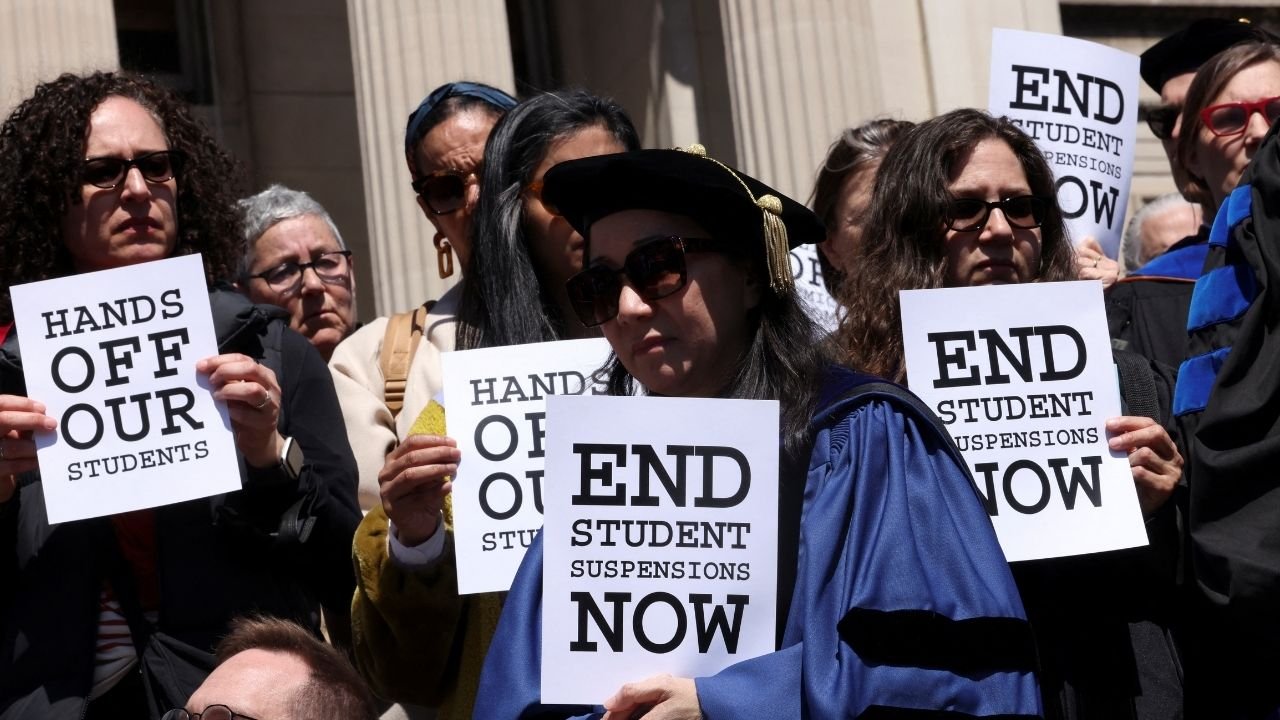
    At Harvard, university officials on Monday suspended the Palestinian Solidarity Committee, the student group said on Instagram.

    They were ordered to “cease all organizational activities” for the rest of the term, or risk permanent expulsion after holding an unregistered demonstration last week, student newspaper the Harvard Crimson reported, citing an email to the group.

    Universities have become the focus of intense cultural debate in the United States since Hamas’s October 7 attack and Israel’s overwhelming military response, as a humanitarian crisis grips the Palestinian territory of Gaza.

    President Joe Biden on Monday said he condemned “the anti-Semitic protests.”

    “I also condemn those who don’t understand what’s going on with the Palestinians,” he told reporters, without further details.

    hg/amz/bjt/des/caw/mtp

    © Agence France-Presse
  • No freedom of speech in American universities

    No freedom of speech in American universities

    Many people have lost jobs for views that contradict mainstream US approach towards Israel and Palestine, despite a strong movement of solidarity with Palestine.

    Palestinian solidarity activists faced monitoring and restricted mobility on campus as administrators heightened security measures. Many felt unwelcome, with reports of harassment against Muslim women, including spitting and hijab removal.

    Students for Justice in Palestine, the leading pro-Palestinian campus group, has been suspended from several universities, including Columbia, Brandeis, George Washington, and Rutgers since October 7. Accusations against the group include alleged support for Hamas, disruption of classes, and intimidation of other students. None of the charges have been proved.

    In late October, the chancellor of the State University System of Florida issued a letter to school presidents, directing them to “deactivate” chapters of Students for Justice in Palestine across the state. Civil rights groups assert that this directive blatantly violates the First Amendment.

    At Brandeis University, known for its public endorsement of free speech, a pro-Palestinian student group was prohibited from campus due to statements made by its national leadership.

    Meanwhile, at the University of Vermont, plans for a Palestinian poet Mohammed el-Kurd to speak were canceled after students raised concerns about alleged antisemitism, prompting the school to withdraw the venue.

    The board of the Harvard Law Review in mid-Nomber, 2023, decided against publishing an article by Rabea Eghbariah – Palestinian scholar and human rights lawyer – who had asserted that the situation in Gaza should be considered under the framework of genocide as laid down by the United Nations.

    At the University of Pennsylvania, the progressive Jewish student group Penn Chavurah planned to screen the documentary “Israelism” since July but postponed it in October due to proximity to a Hamas attack. The film, made by American Jews reevaluating their views on Israel after visiting the country, has sparked controversy on campuses. Although initially denied approval for a late November screening, the group attempted to secure space through the university’s Middle East Center. However, administrators warned of potential disciplinary action if they proceeded with the screening of “Israelism.”

    Hunter College too, cancelled the screening.

    In December 2023, University of Pennsylvania President M. Elizabeth Magill stepped down following a widely criticized congressional hearing.

    Magill, along with her counterparts from MIT and Harvard, consistently emphasized that their response would be contingent on the “context.” However, they faced criticism for failing to outright condemn any expressions advocating for the genocide of Jews.

    Students at Harvard have reportedly expressed their concern of the consequences of speaking out for Palestinians – even if it is expressing their views in class.no freedom of speech in maerican unis etc.

  • Security situation in Islamabad is under control: IG

    Security situation in Islamabad is under control: IG

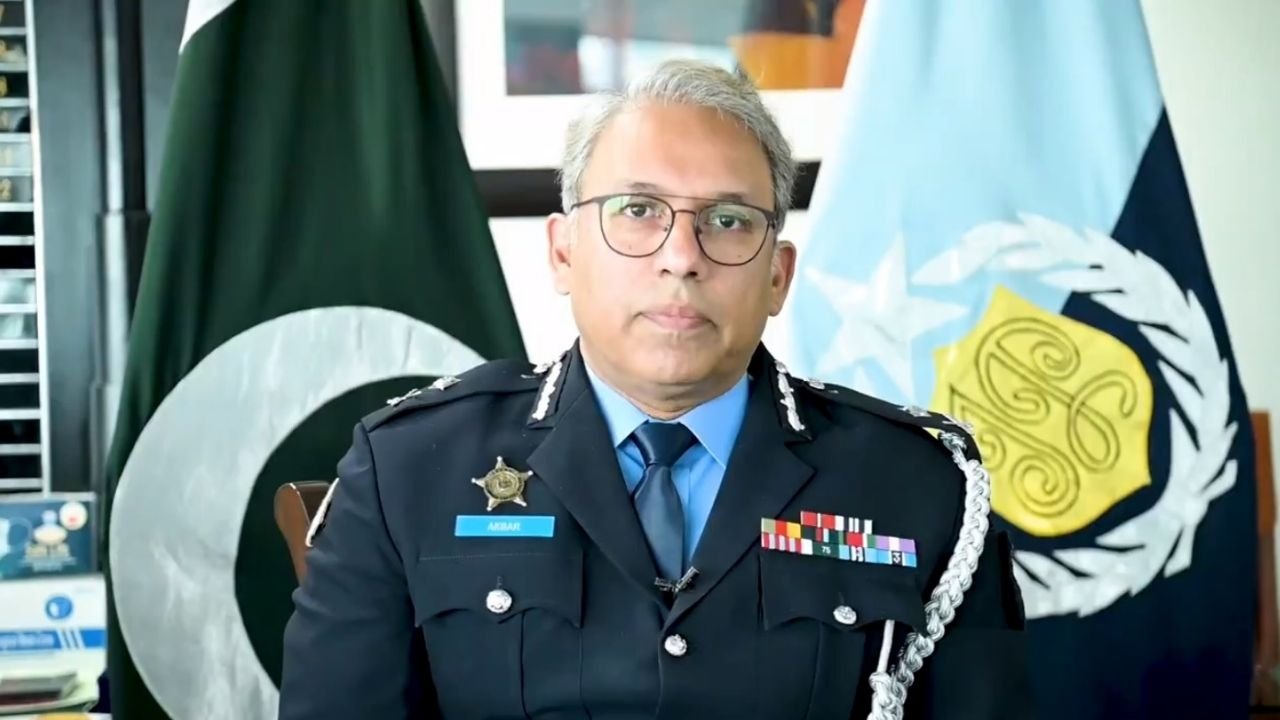
    Islamabad Police’s Inspector General, Dr. Akbar Nasir Khan, has stated that the security situation in Islamabad is “under control”.

    His statement comes hours after it was reported by news platforms that educational institutions were unexpectedly shut over security concerns.

    Arab News reveals that parents received messages from schools on Monday morning “urging them to pick their children a few hours after they had dropped them off” for reasons pertaining to their “safety and security.”

    According to IG Islamabad, however, the situation is under control.

    “I would like to inform you that the security and law and order situation in Islamabad is currently under control,” Dr. Khan said in a video message posted on X (formerly Twitter).

    “As of now, there is no situation which should cause you to bring about any change in your [routine regarding] schools and colleges and usual way of life out of fear,” he added.

    He added that citizens should avoid moves that could threaten the security of the city.

    What happened earlier?

    On Monday morning, several educational institutes located in Islamabad reportedly closed until further notice amid security concerns.

    According to news reports, Bahria University, Air University, and National Defence University were shut down. Security, in particular areas of and around Margalla road, F-8, and F-10, had been beefed up.

    However, according to ARY News, a number of other schools and colleges were also shut down, adding that sources reported that threat alert suggested that ‘terror attacks’ were to be carried out by “female suicide bombers affiliated with the banned organisations between January 22-24″.

    Geo News reported that according to the Islamabad Police, security was already tight due to the upcoming elections and protests outside the Press Club. Additionally, search operations were conducted yesternight in certain areas.

  • Khyber Pakhtunkhwa schools in plains get short winter holidays

    Khyber Pakhtunkhwa schools in plains get short winter holidays

    Winter vacations have been announced for all the educational institutions in Khyber Pakhtunkhwa in a notification released by the provincial Education Department.

    Holidays in all the plain areas, typically the summer zone, will span from December 23 to December 31. However in the winter zone, including the mountainous region, winter vacations will be for an extensive time, from December 23 to February 29.

    The long break in the mountainous regions of Khyber Pakhtunkhwa and Balochistan is due to the severe winter conditions in the region which brings all the activities to a halt.

  • Swift approval of 24 universities without proper discussion sparks debate

    Swift approval of 24 universities without proper discussion sparks debate

    In an unusual move that contradicts customary legislative protocol, the National Assembly of Pakistan has sanctioned the establishment of twenty-four new universities across various cities within a single session. These approvals, though hailed as a massive boost to the nation’s educational infrastructure, have ignited debates over the abruptness of the process.

    The approval of the bills occurred in an unusually sparse session, without the traditional discourse within respective Standing Committees, raising questions about the abrupt nature of the process.

    Critics are questioning the urgency that bypassed the usual deliberations associated with such significant decisions.

    The newly approved institutions include Metropolitan International Institute of Science and Technology, Askari Institute of Higher Education, Federal Ziauddin University, The Indus University of Science and Technology, The Institute of Management and Technology, and Pak China Gwadar University.

    Other notable approvals were for Lahore, University of Shaheed Benazir Bhutto, Institute of Health and Professional Studies, Sheikhupura Institute of Advanced Studies, Cosmic Institute of Science and Technologies, Balhe Shah International University, The Ravi Institute, and The International Islamic Institute for Peace.

    Also given the green light were Shah Bano Institute Jardanwala, International Memon University, Umm Abiha Institute of Health Sciences, Mufti Azam Islamic University, Islamabad International University, Islamabad Institute of Modern Sciences, Al Biruni International University, National University of Health Emerging Sciences and Technologies, National Institute of Technology, Pakistan Institute of Management Sciences and Technology, and The Horizon University.

    As the debate continues, it remains to be seen how these newly approved universities will contribute to the country’s higher education landscape.

  • Quaid-i-Azam University closed for indefinite period

    Quaid-i-Azam University closed for indefinite period

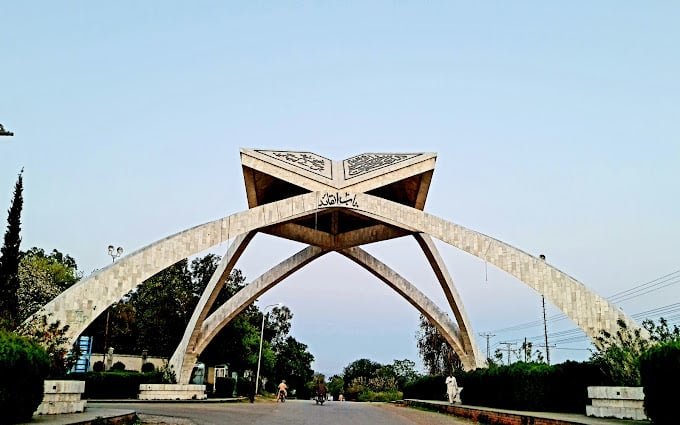
    The Quaid-i-Azam University (QAU) Islamabad campus has been shut down indefinitely following a violent altercation between two student groups on Monday.

    According to reports, several students were injured in the fight. Gehram, Danish, Wasim Shahzeb, Murad, Yahya, Mubarik, Faisal, Qasim, Mahmood, Farooq, Kamran,

    Jehanzeb, and Zikria are among the injured students. To control the situation, authorities had to send out sizable contingents of FC and police.
    Boys and girls staying in hostels have been directed to leave the buildings.

    https://twitter.com/rajaqaiserahmed/status/1630207459703898113?ref_src=twsrc%5Etfw%7Ctwcamp%5Etweetembed%7Ctwterm%5E1630207459703898113%7Ctwgr%5E1f4cc3710eba38d995d30202cdebaa1b6f4b3d36%7Ctwcon%5Es1_&ref_url=https%3A%2F%2Fwww.samaaenglish.tv%2Fnews%2F40028385

  • Here’s how Pakistani students can apply for Moroccan Government Scholarships

    Here’s how Pakistani students can apply for Moroccan Government Scholarships

    The Moroccan Agency of International Cooperation (AMCI) has offered scholarships to Pakistani students who want to enroll in public higher education, technical, and vocational institutions in Morocco for the academic year 2022–2023.

    The deadline for Higher Education Commission (HEC) to receive nominations is set for September 20, 2022.

    How to apply for the scholarship:

    Candidates should choose “Learning Opportunities Abroad” after registering and filling out their profiles.

    All applicants should note that all nominations from Pakistan will be routed via HEC. Applicants should send two sets of AMCI application (French form) along with required documents as mentioned on page-2 of the AMCI application form, in spiral binding and one copy of HEC application form with documents separately in spiral binding on or before, September 20, 2022.

    Read more: Cheapest new cars to buy in Pakistan

    On the basis of the greatest academic merit, HEC will narrow down the list of qualified candidates. Moroccan authorities or universities may test or interview selected Pakistani nominees.

    It is worth noting that French is the primary language of instruction, and only students who have demonstrated proficiency in the language will be allowed to study in Morocco.