Tag: Upcoming Budget

  • PM Shehbaz urges Finance Ministry to ensure strict adherence to IMF guidelines in upcoming budget

    PM Shehbaz urges Finance Ministry to ensure strict adherence to IMF guidelines in upcoming budget

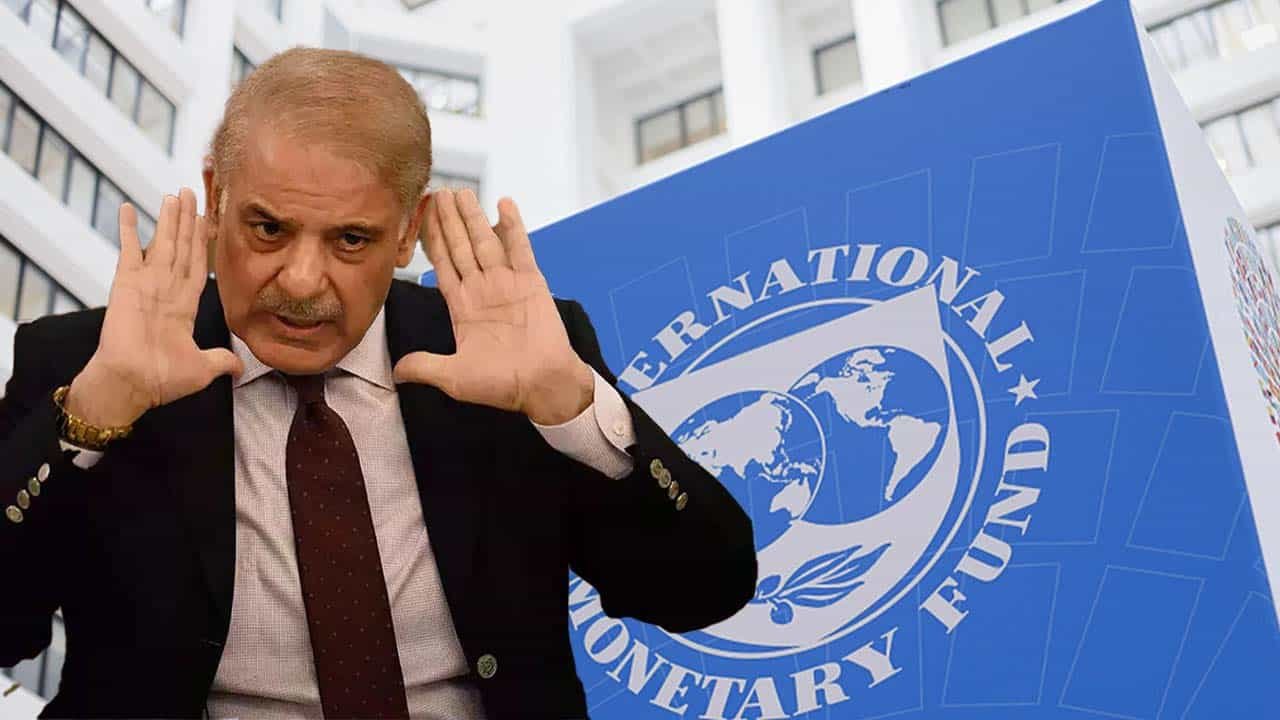
    In a meeting held between Prime Minister (PM) Shehbaz Sharif and Finance Minister Ishaq Dar on Tuesday, it was emphasized that the upcoming budget, scheduled to be presented on June 9, should strictly adhere to the parameters set by the International Monetary Fund (IMF).

    PM Shehbaz Sharif has expressed his optimism about reaching an agreement with the IMF, dispelling media reports suggesting a populist budget typically seen in election years.

    An informed source, who was present during the meeting, highlighted that Pakistan cannot afford to deviate from the IMF’s prescribed principles in the budget. The PM’s resolve to adhere to these guidelines was reinforced after his recent telephonic conversation with IMF Managing Director Kristalina Georgieva. It was during this conversation that PM Shehbaz Sharif personally appealed to Georgieva to revive the stalled $6.5 billion bailout package.

    The discussion between the PM and the IMF Managing Director took place due to the finance ministry’s inability to break the deadlock over loan talks in the past four months. However, the source disclosed that PM Shehbaz Sharif expressed satisfaction after his conversation with Georgieva, leading to an agreement to share the budget details with the IMF.

    Furthermore, the IMF Managing Director indicated the possibility of a revival of the programme. This positive development prompted PM Shehbaz Sharif to inform the Turkish media during his visit to Ankara that Pakistan remains hopeful of finalising a deal with the IMF this month. He assured that Pakistan had met all the required conditions and that the upcoming budget would align with the terms and conditions set forth by the IMF.

    “We are still very hopeful that the IMF programme will materialise. Our ninth review by the IMF will match all terms and conditions, and hopefully, we’ll have some good news this month,” PM Shehbaz Sharif stated during an interview with Anadolu in Ankara, where he was present for President Recep Tayyip Erdogan’s inauguration ceremony.

    According to Geo, the PM further clarified that while some actions are typically met after the board’s approval, this time, the IMF insisted on meeting those actions before granting approval. He affirmed that Pakistan has fulfilled these requirements as specified by the IMF.

    As the budget presentation approaches, all eyes are now on the Ministry of Finance, which has been tasked with ensuring strict compliance with IMF parameters. With the PM’s renewed optimism and the positive signals received from the IMF, there is a growing sense of hope that Pakistan will be able to secure the much-needed financial support to address its economic challenges.

    It remains to be seen how the upcoming budget will reflect the government’s commitment to IMF compliance and whether it will lead to a successful conclusion of negotiations with the international financial institution.
  • Pakistan will not default, reforms underway for economic recovery: Finance Minister

    Pakistan will not default, reforms underway for economic recovery: Finance Minister

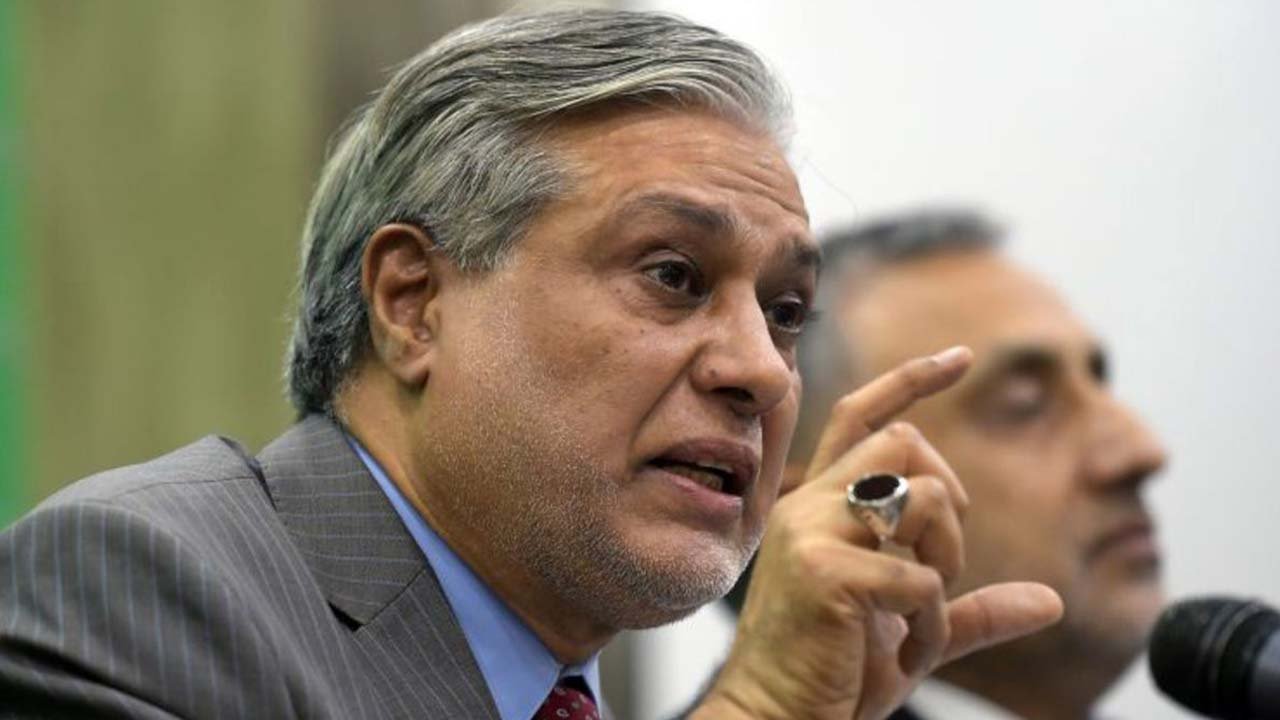
    Pakistan’s Finance Minister Ishaq Dar has assured the nation that the government is committed to implementing long-term reforms aimed at improving the country’s economic situation.

    Speaking to the Karachi Chamber of Commerce and Industry, Dar emphasised the need for collective efforts to overcome the current economic challenges. He outlined key areas of focus, including the agricultural sector, the establishment of a sovereign wealth fund, and the development of the IT industry.

    Additionally, he addressed concerns about the delay in the International Monetary Fund (IMF) program, expressing confidence in Pakistan’s assets and downplaying the possibility of default.

    Reforms for Long-Term Improvement: In his address to the Karachi Chamber of Commerce and Industry, Finance Minister Ishaq Dar reiterated the government’s commitment to implementing reforms that would pave the way for long-term improvement.

    He acknowledged the importance of the agricultural sector, emphasising the need for an agricultural revolution to enhance productivity and ensure food security.

    The establishment of a sovereign wealth fund was also highlighted as a means to generate additional revenue and support sustainable economic growth. Furthermore, Dar expressed determination to prioritise the neglected IT sector and capitalise on its potential for job creation and technological advancements.

    No technical reason behind delayed IMF program

     Addressing concerns regarding the delay in the IMF program, Dar reassured the delegation that there was no technical reason behind it. He emphasised that Pakistan, as a sovereign country, possesses valuable assets worth trillions of dollars, thereby implying that default is not a plausible scenario. While external liabilities stand at approximately $100 billion, the finance minister pointed out that Pakistan’s gas infrastructure alone is valued at around 40 to 45 billion dollars, underscoring the country’s significant assets.

    Recognising the vital role of the business community in Pakistan’s economic development, Finance Minister Ishaq Dar called upon them to present reasonable demands for the upcoming budget. He assured the delegation that the government would cooperate with the business community to address their concerns and promote a conducive environment for trade and investment. By fostering a constructive partnership, the government aims to create a business-friendly climate that supports entrepreneurship and economic growth.

    IMF loan requirement and government’s approach

    Amidst recent developments, it was revealed that the IMF rejected Pakistan’s request to lower the requirement of arranging $6 billion in new loans. Minister of State for Finance Dr Aisha Pasha highlighted that returning to the IMF was Pakistan’s only option, stressing the urgency of fulfilling the financing requirement. Pakistan had sought a reduction in the external financing requirement based on new current account deficit data. However, the IMF insisted on the full $6 billion to demonstrate Pakistan’s commitment to implementing necessary economic reforms.

    Finance Minister Ishaq Dar’s reassurances regarding the government’s commitment to long-term reforms and the denial of Pakistan’s possibility of default provide a glimmer of hope amid economic challenges.

    The focus on sectors such as agriculture and IT, the establishment of a sovereign wealth fund, and the emphasis on cooperation with the business community signal the government’s determination to foster economic growth and stability.

    While the IMF’s rejection of Pakistan’s request poses a hurdle, the government remains steadfast in its efforts to revive the deal and secure the necessary financing to support the country’s economic recovery.

  • APCC likely to propose Rs900-1,000 billion macroeconomic framework for budget 2023-24

    APCC likely to propose Rs900-1,000 billion macroeconomic framework for budget 2023-24

    The Annual Plan Coordination Committee (APCC) is poised to recommend a substantial macroeconomic framework and the size of the federal development outlay amounting to approximately Rs900-1,000 billion for the fiscal year 2023-24. This recommendation comes ahead of the upcoming budget and is expected to shape the economic policies and priorities of the country for the next fiscal year.

    In an effort to address the Sustainable Development Goals (SDGs), the government plans to allocate Rs90 billion for the controversial Sustainable Development Goals Achievement Programme (SAP) specifically designed for parliamentarians. This proposed allocation is a significant increase from the revised estimates of Rs111 billion allocated in the outgoing financial year.

    Moreover, the government is currently working towards raising the allocation of the SDG Achievement Programme even further, aiming to reach Rs116 billion for the ongoing fiscal year. Notably, parliamentarians from Balochistan and Sindh provinces have primarily presented flood-related schemes under this program during the current fiscal year. The World Bank and Asian Development Bank (ADB) are also contributing $3 billion in loans for flood-related initiatives, highlighting the need to establish mechanisms that prevent overlap and ensure optimal utilization of funds.

    A substantial portion of the development schemes in Sindh and Balochistan, ranging from 50 to 60 per cent, focused on flood-related projects during the outgoing financial year. However, concerns have been raised about one political party, a significant ally of the ruling coalition, demanding that funds on behalf of their parliamentarians be channeled through the party’s political leader for distribution among its members.

    According to The News, the APCC, scheduled to meet today in the Ministry of Planning, will consider approving the macroeconomic framework, which includes a targeted real GDP growth rate of 3.5 per cent and a Consumer Price Index (CPI)-based inflation rate of 21 per cent for the budget of 2023-24. These figures are based on a working paper prepared by the Ministry of Planning and reflect the government’s economic outlook and goals for the upcoming fiscal year.

    The Ministry of Finance has provided an indicative budget ceiling of Rs700 billion for the Public Sector Development Programme (PSDP) in the next budget. However, the Minister for Planning, under the guidance of Prime Minister Shehbaz Sharif, aspires to increase this amount to Rs800 billion. Additionally, a proposed allocation of Rs200 billion for the Viability Gap Fund (VGF) through public-private partnerships (PPP) would bring the total PSDP size to a proposed Rs1,000 billion at the federal level for the upcoming financial year.

    In an effort to address infrastructure needs, the share of the National Highway Authority (NHA) in the proposed PSDP is expected to decrease, ranging from Rs90 billion to Rs100 billion, due to the NHA’s inability to fully utilise the allocated funds in the ongoing financial year. The government is also considering allocations for flood mitigation and reconstruction efforts, as well as the inclusion of the Diamer Basha Dam project in the upcoming budget for 2023-24.

    As the APCC finalises its recommendations and the budgetary process unfolds, the government aims to strike a balance between addressing developmental needs, achieving SDGs, and ensuring efficient utilization of funds for the benefit of the nation.

  • Pakistan’s GDP projected to climb by 5-6 per cent in FY 22-23

    Pakistan’s GDP projected to climb by 5-6 per cent in FY 22-23

    Finance Minister Miftah Ismail forecasted that Pakistan’s GDP would expand by 5 per cent to 6 per cent, and that the government would keep inflation under control, while speaking at the pre-budget conference on Tuesday, June 7.

    The Finance minister expressed his ‘high confidence’ in the agreement with the International Monetary Fund (IMF) and revealed that the government had developed a progressive fiscal budget with a deficit of less than 5 per cent, according to Express News.

    “We had to make difficult decisions; it’s difficult for any prime minister to authorise such a hike in petrol costs, but we were losing money.” “Every month, we lost more than 120 billion rupees,” the minister said.

    According to him, the PTI administration signed an IMF agreement that mandated the reduction of fuel subsidies.

    Miftah claimed the administration has re-engaged with China, Saudi Arabia, and the United Arab Emirates (UAE), among other countries, as part of the present government’s successful negotiations.

    “Following a meeting between Foreign Minister Bilawal Bhutto and Chinese Prime Minister [Li Keqiang], China decided to re-roll their $2.4 billion programme. China has lowered its borrowing rate from 2.5 per cent to 1.5 per cent, saving the country money “Miftah said, “Roughly $23 million”.

    He went on to say that the Saudis had agreed to increase Pakistan’s “oil line” and offer the country with a $100 million revolving credit.

    According to Miftah, the current government inherited a country with the world’s third highest inflation rate, 20 million people living in poverty, and widespread unemployment.

    He went on to say that the country’s debt payments had increased tremendously as a result of the amount of loans taken on by the PTI government.

    Pakistan’s economic paradigm, according to the minister, is inherently faulty. “We enrich the wealthy,” he remarked.

    The finance minister also spoke about one-time Rs2,000 assistance for 14 million families. The amount will be distributed in June at a cost of Rs28 billion to the government.

    Aside from the 7.3 million BISP recipients, the package also covers 6.7 million households with poverty levels of less than 37.

    According to Miftah, the country’s industry and consumers are heavily reliant on imports, causing the current account to be in deficit. He went on to say that Pakistan’s economy focuses on import substitution rather than export development, a paradigm that has been replicated in a number of developing countries.

    Aside from textiles, Pakistan has no big exports because the agriculture sector is failing to remain productive.