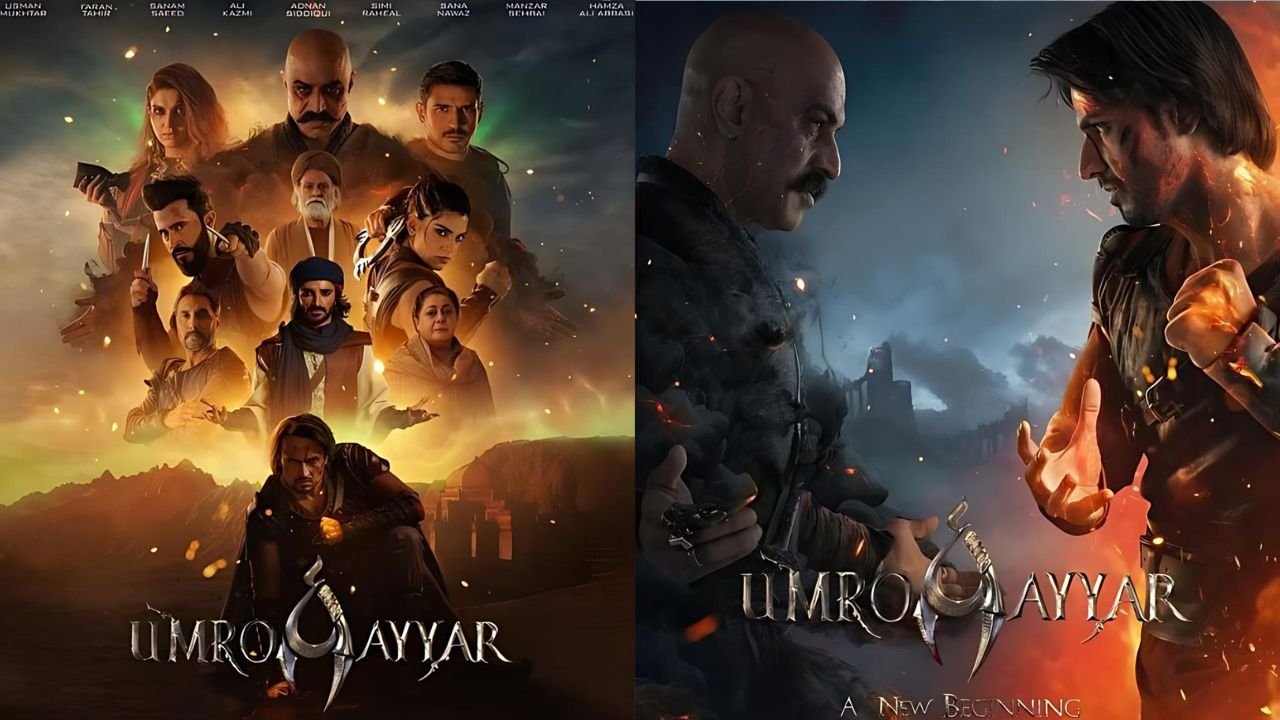
Pakistan’s most expensive film is set to make its debut in cinemas, marking a new era for the film industry.
Actors Usman Mukhtar and Faran Tahir, recently appeared on FHM podcast, where they talked about their film ‘Umro Ayyar’, calling it the most expensive production in the country’s history. Hollywood star Faran Tahir, who plays the primary antagonist, expressed immense pride on being part of the project.
“This film marks the dawn of a new era for our industry, introducing a genre that we’ve traditionally left uncharted. The movie’s title is only one part of this new beginning’s excitement and complexity,: the Iron Man star said.
Usman Mukhtar, who plays the legendary ‘Umro Ayyar’, highlighted the need for local support for Pakistani science fiction projects.
Usman asked the public, “You watch similar films from our neighboring country, so you should definitely watch this one since it’s derived from our own literature. Pakistan’s first superhero movie.”
Faran took the opportunity to highlight the gap between Pakistani literary heritage and the current generation. “Though we’re not expanding as an industry, we’re taking a bold and dangerous step forward today. We’re making important content for our youth, bridging the gap between them and our traditional stories like Umro Ayyar.”
The actors found great satisfaction in the film’s basis in classic literature. Faran provided more information on the creative methods used in the production, especially the use of European stunt directors with prior expertise on popular television shows like ‘Game of Thrones.’
“We identified gaps and brought in international talent where necessary. However, we also established our own VFX studio in Islamabad, which is now fully operational,” he pointed out.
UmroAyyar – A New Beginning
The fantasy film is about Umro, a character from the classic beloved Urdu novel.
The cast includes Ali Kazmi, Farhan Tahir, Hamza Ali Abbasi, Manzar Sehbai, Sana Fakhar, Sanam Saeed, Simi Raheal, Usman Mukhtar. The genre of the film is sci-fi movie. It is directed by Azfar Jafri and produced by VR Chili Production. It’s coming to cinemas on this Eid Ul Azha, June 17.
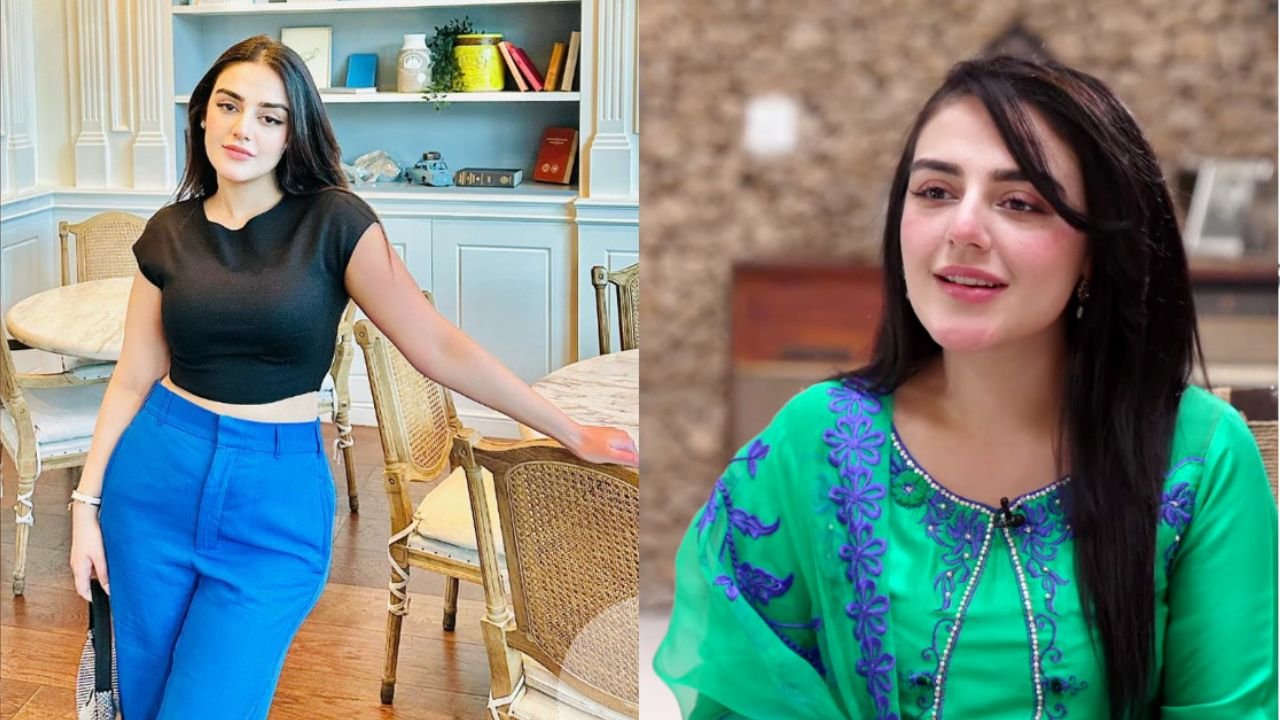
Shazeal Shoukat is a fresh face in the drama industry, catching the audience’s attention with her performances. Having spent most of her life in Canada, she moved to Pakistan to pursue her passion for acting. With roles in various dramas, her recent one, ‘Adawat,’ received high ratings. Shazeal prefers to stay true to herself, living life on her own terms without pretending to be someone she’s not.
Talking to BBC Urdu, she opened up about her difficulties with Urdu. “I have a problem speaking in Urdu, and I am currently working on it,” she said, emphasizing that she’s not ashamed of her lack of proficiency in the language and believes in the need to work hard to improve. Addressing the challenges young artists encounter in the industry, Shazeal pointed out that she personally hasn’t faced much struggle except for Urdu proficiency. “I will be okay with people who do not know English come and speak to me.” This is what she said:
British singer Zayn Malik teamed up with Pakistani music band ‘Aur’ to release an Urdu song called ‘Tu Hai Kahan’. The Pakistani band shared a short preview of the new song on Instagram, announcing its release. Zayn Malik lent his vocal talents to the song, as seen in a video where he recorded part of it in his own recording room. The final version includes vocals by Rafi, Osama, and Ahad from the ‘Aur’ band.
Notably, ‘Aur’ gained widespread fame a few months ago with the same song ‘Tu Hai Kahan,’ which has amassed 92 million views on its music video. The collaboration with the British superstar adds another exciting chapter to their musical journey.
The song released at 12pm on Friday, amassing massive hits within 24 hours. The song is a mellow, easy listen that we can predict will be on a lot of playlists.
Something Zayn’s fans absolutely loved was that he sang in Urdu.
its not a dream ZAYN MALIK IS ACTUALLY SINGING IN URDU desi girls we really won at life
ZAYN MALIK THE MAN THAT YOU ARE ZAYN’S VERSE IN ‘TU HAI KAHAN’ IS SO GOOD @AURmusic__ and @zaynmalik thank you so much for this song and wishing you very Happy and healthy Birthday Zayn pic.twitter.com/1HbsymtVV5
In a surprising statistic, in the three last years at least 54.53 per cent of candidates, who appeared for the Central Superior Services (CSS) Examination failed Pakistan’s national language Urdu subject.
In 2019, 30 per cent of candidates failed in Urdu, while in 2020 and 2021, the rate of failure shot up to 59 per cent and 73 per cent.
Regarding the success rate in English, 35,000 out of 49,500 candidates failed in the subject in 2019 with a rate of failure of 73 per cent, which got better in 2020 when only 39 per cent got failed. However, in 2021, 92 per cent failed the subject.
The details of the candidates were presented in the National Assembly (NA) on Friday.
An incident at Civilizations Public School, a private school in Karachi, went viral a few days ago when a distressed father uploaded a video where he narrated a harrowing account of what his son went through. The father revealed that his son’s teacher, Sadaf Mateen, had overheard the student speaking in urdu to his friends. She called him over and began to humiliate him by making a black mark on his face, and then encouraged other students to laugh at him. The father went on to reveal that he had sought the school’s administrations help but they had refused to cooperate, so he was compelled to make a video and make it public.
Video taken courtesy of Geo news
WARNING – DISTRESSING VIDEO
Father narrates details of his son getting ‘humiliated’ for speaking Urdu at Karachi’s private school
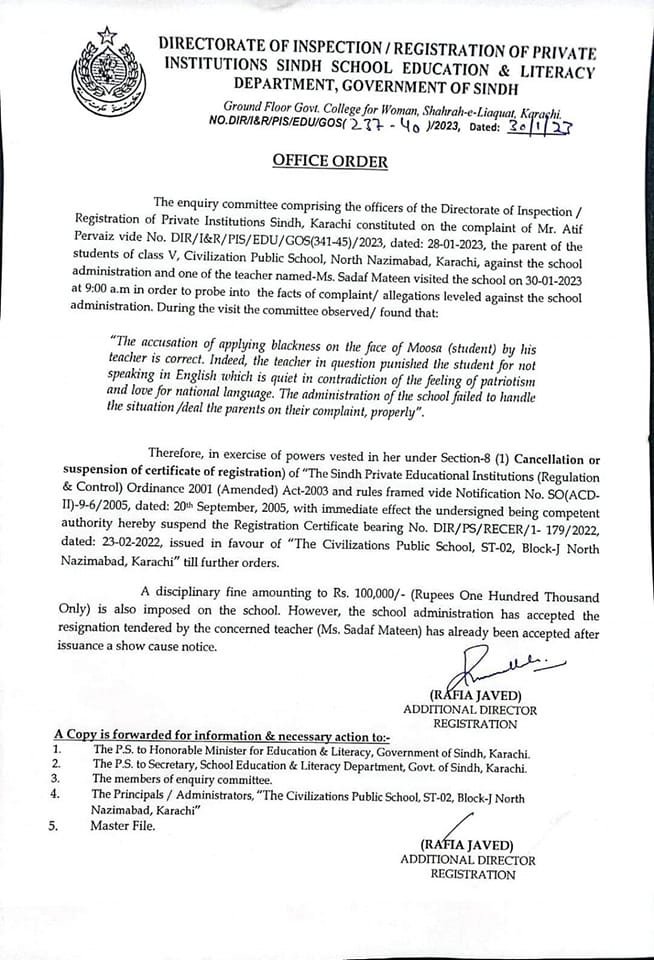
After the video went viral, the Directoriate of Inspection/ Registration of Private Institutions Sindh had announced that they were launching an investigation into the matter which reportedly took place on January 27. An inquiry committee comprising of five members has now said in a statement released on their public pages that the accusations were proven to be true.
“The accusation of applying blackness on the face of student Moosa by his teacher is correct. Indeed, the teacher in question punished the student for not speaking in English, which is quite in contradiction of the feeling of patriotism and love for the national language. The administration of the school failed to handle the situation or deal with the parents on their complaint properly.”
Therefore, the school was charged a fine of Rs 100,000 and their registration was also suspended. In a statement uploaded on their Facebook page, a representative from Civilizations Public School revealed that they had accepted the resignation of the school teacher and said that the incident was against the school’s ethos.
“Civilizations Public School takes great pride in being one the few educational institutions to promote, encourage and celebrate Urdu. Its role in promoting Urdu is unmatched in the country. In the last few years, the school has organized four mushairas and poets such as Iftikhar Arif, Fehmida Riaz and Amjad Islam Amjad have read their poetry to audiences in thousands which included out students, faculty, staff, guests and members of the media. The coverage of these events is publicly available. Books by Urdu masters such as Yousufi, Patras Bukhari and Ibn-e-Insha comprise the entirety of our Urdu curriculum. Lines from Faiz, N. M. Rashid and Majaaz often echo through the corridors and auditoria.
The School in no way promotes English over Urdu. The regrettable incident that took place on January 27 is against the school’s ethos, ideology, philosophy and spirit. We are a considerate and empathetic institution that does not condone or allow anyone to embarrass a student. You are welcome to come to our next Urdu event and witness the school’s culture.
The teacher who took the said step is no longer part of the school and her resignation has been accepted.
The faculty and staff are fully trained and socialized to embrace diversity and a multilingual environment.
We hope to continue to produce the next generation of leadership and further our mission of celebrating our Urdu heritage.”
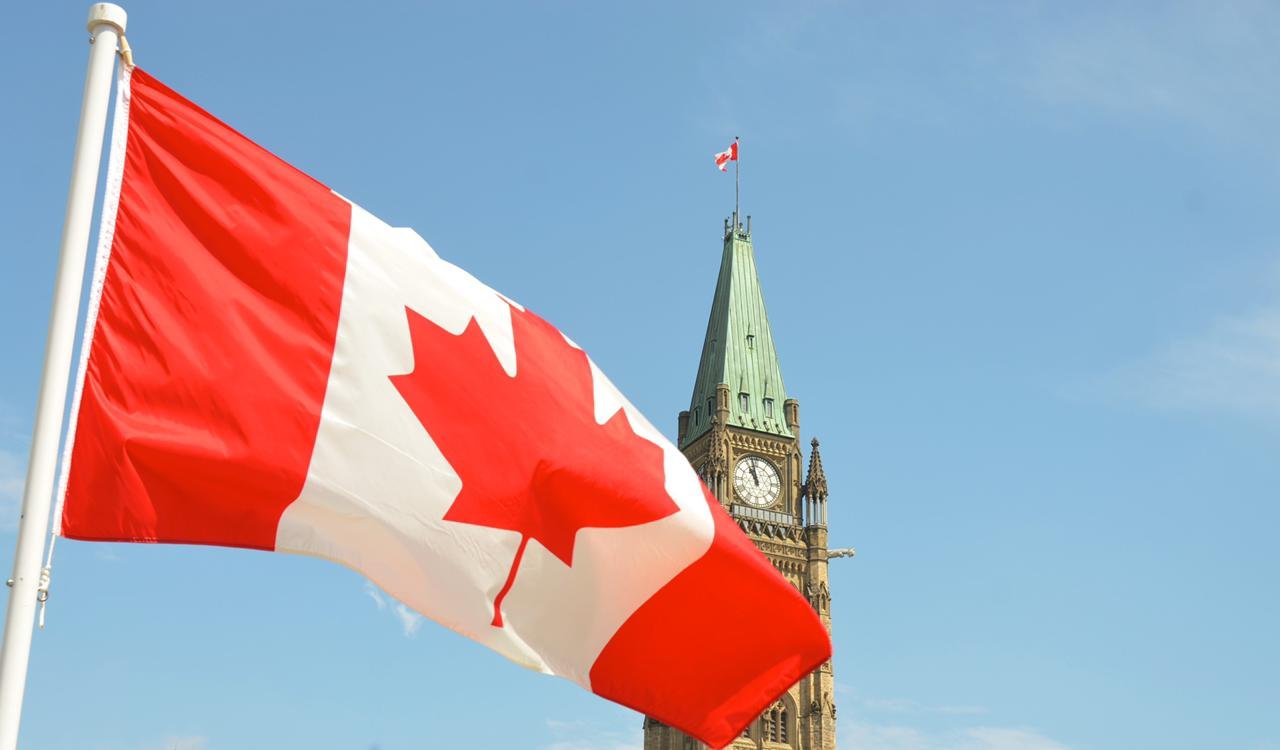
Apart from English and French, Mandarin and Punjabi were Canada’s most widely spoken languages. About 4.6 million Canadians (12.7%) speak a language other than English or French predominantly at home. Mandarin and Punjabi are spoken predominantly at home by more than half a million Canadians each.
More than a hundred thousand people each speak Yue (Cantonese), Spanish, Arabic, Tagalog, Persian languages, Urdu, Russian and Korean at home as per the 2021 census.
According to the 2021 census, which was announced on August 18th, Urdu was at the seventh spot out of the top 12 non-official spoken languages in Canada.
In 2021, 520,000 Canadians spoke Punjabi at home, and 530,000 spoke Mandarin at home. According to the census, 290,000 people speak Arabic while 160,000 speak Urdu at home.
Meanwhile, conventional estimates indicate that the number of Pakistani-origin Canadians is a lot more than the official numbers. According to an official of the Pakistan High Commission in Ottawa, around 500,000 to 600,000 Pakistanis reside in Canada.
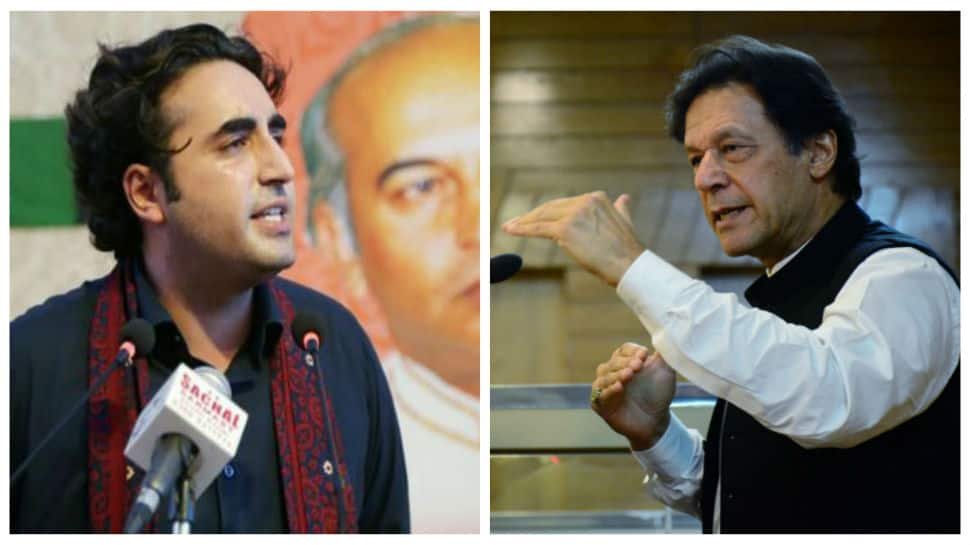
Prime Minister (PM) Imran Khan on Wednesday mocked Pakistan People’s Party (PPP) chairperson Bilawal Bhutto-Zardari’s Urdu accent without mentioning his name.
The premier said, “It has been 13 years and you [Bilawal] still cannot speak in Urdu,” he said and repeated Bilawal’s infamous dialogue “barish ata hai tou paani ata hai [more water accumulates when it rains more].”
“He (Bilawal) claims that his government will spend money on hospitals and not on health insurance,” the premier said. “You have been in power for the 13 years in your province, so who is stopping you from visiting villages and seeing people’s living conditions?”
Responding to PM Khan, PPP leader Manzoor Ahmed while speaking on Dawn News programme, ‘News Eye with Absa Komal’ said, “I have never commented on someone personally but I am disappointed today. He [PM Khan] is making fun of Bilawal Bhutto and he himself does not know how to pronounce ‘roohaniyat [spirituality]’, he does not know how to pronounce ‘Khatam-an-Nabiyyin [Seal of the Prophets]’.”
“He [PM Khan] does not know how to read his own oath in Urdu. He cannot pronounce ‘khatarnak [dangerous]’ correctly in Urdu, and he is mocking others for speaking in Urdu,” said Manzoor.
“I can take several words which he [PM Imran Khan] speaks incorrectly every day. He should at least have some mercy on himself. When he will talk about others, people will talk about his wrongdoings as well,” said Manzoor
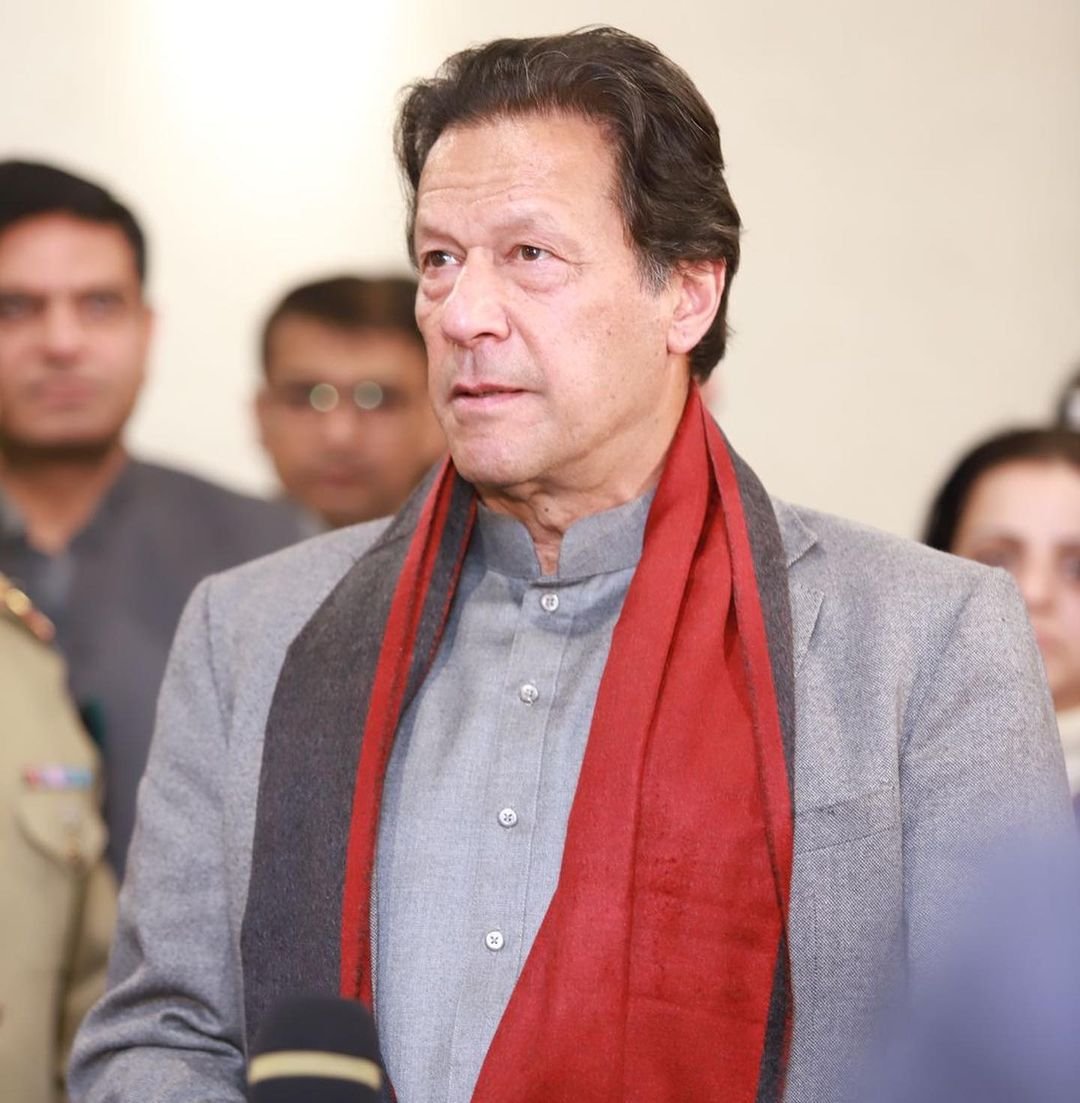
Prime Minister (PM) Imran Khan, during a ceremony held to approve the Rs100 billion in the Mera Pakistan Mera Ghar initiative on Friday, said that he was happy to see that banks have now started to converse in Urdu with their customers.
“Banks have started talking to customers in Urdu, so now make the staff wear shalwar kameez [national dress of Pakistan], this will not frighten the people,” said PM Khan.
“There were several hurdles earlier, as when a common person would go to the bank, they would suffer from anxiety,” said the premier, adding, “I see Pakistan now moving in the direction it should have been headed in a long time ago.”
“Pakistanis who worked as labourers overseas had one dream — to build a house for themselves and their families,” the prime minister said, regretting that past governments did not pay heed to this issue.
PM Khan said that past governments did not focus on the lower classes as they had only paid attention to the elite in every sector — education, health, and other facilities.
PM Imran Khan said this project would lift Pakistan’s economy, as construction of homes would increase.
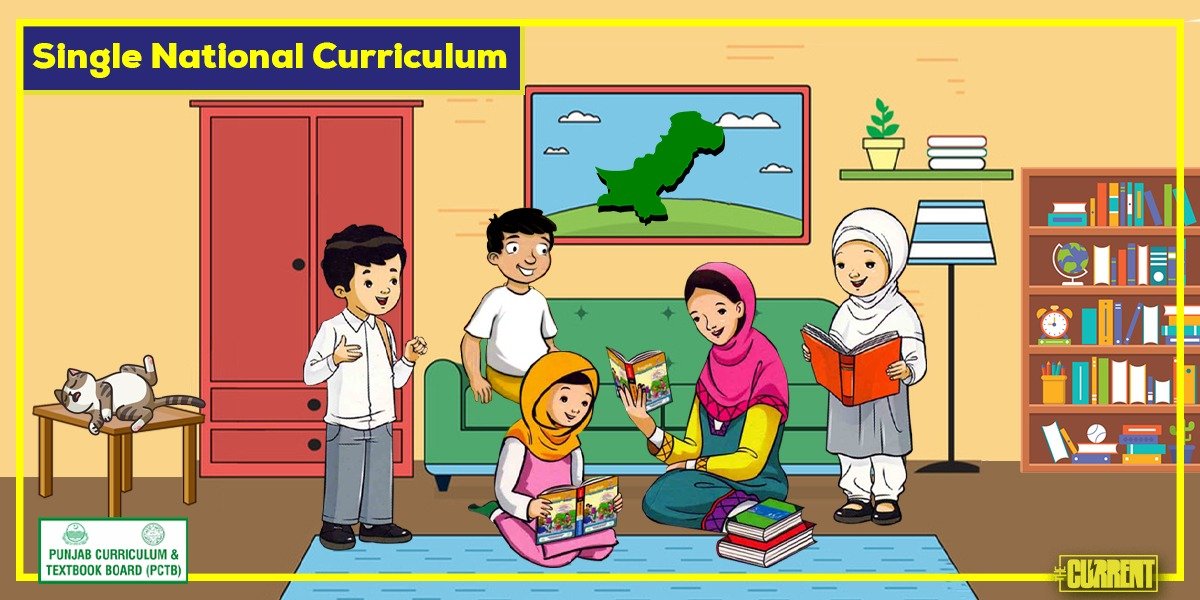
On August 16, 2021, Prime Minister Imran Khan officially launched the Single National Curriculum (SNC). The newly launched curriculum was prepared by the National Curriculum Council (NCC) and the Ministry of Federal Education, in consultation with the provinces. According to PM Khan, “SNC would transform the nation into a unified one.”
What is SNC?
According to the Ministry of Federal Education and Professional Training, the SNC is a ‘uniform’ system of education, which means the same curriculum for everyone. All public schools, private schools, and madrassas were meant to have the same curriculum so that the learning outcomes are similar and without any discrimination in teaching standards. This is not the first time SNC was imposed in Pakistan. It was previously introduced in 2006 by Former President Musharraf. Whereas the previous SNC was a curriculum-based initiative, the one introduced by the PTI government is imposing the use of the textbooks produced by the provincial boards.
Is it being implemented across the country?
No. Sindh has decided not to implement the curriculum since education is a provincial issue. Only Punjab and Khyber Pakhtunkhwa have enforced it so far. However, many schools in both provinces — including the prestigious Aitchison College, Lahore — expressed their concerns over the books in the curriculum. The Director of the National Curriculum Council (NCC), Dr Mariam Chughtai, has also said that madrassas will implement the SNC syllabus in five to six years, which undermines the reason why the government had wanted to introduce the SNC in Pakistan – to bring madrassas into the mainstream so students would be able to get jobs in other professions after they graduated.
Controversies surrounding the SNC
After the SNC syllabus was imposed on schools across Punjab, many controversies surrounding the books and the curriculum came forward. From the disparity in gender representation, the reinforcement of patriarchal gender roles, the lack of female heroes, and religious texts in the non-religious books.
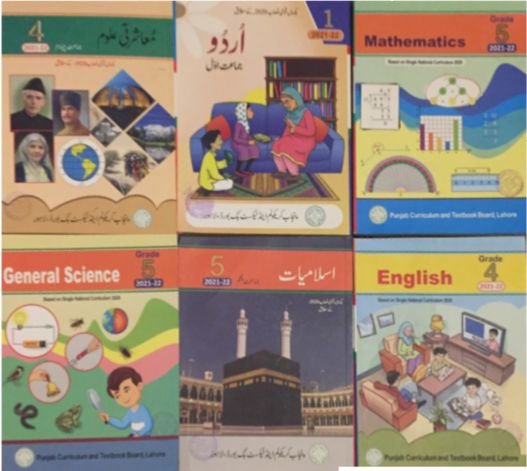
To see if the criticism is valid, The Current analysed the following books published under the Punjab Textbook Board (PTB):
Urdu books from grades 1 to 5, English books from grades 1-5, Mathematics books grades 1, 2, 4, and 5, General Science grades 4-5, Waqfiyat Aama grade 1 and 3, Social Studies 4-5, and Islamiat grade 1- 5.
Two books were not available at the time of research. Grade 3 Math and Waqfiyat Aama grade 2, which have not been included in the study.
The analysis here has been divided into two parts.
Part one comprises the data analysis of all the books included in the SNC by the Punjab Text Book board.
Part two comprises the data analysis of individual subjects being taught to the students.
We studied the total number of male and female representations in the books, a comparison of the eastern and western wear of both genders, the presence of religious (Islam and others) content in non-religious books, and studying the distribution of power roles assigned to both men and women.
Here is the list of most common criticism against the curriculum and the evidence we found:
SUMMARY OF CONTENT IN ALL SNC BOOKS
1- Disparity in Gender Representation:
One of the most debatable points in the entire SNC is the representation of men and women.
After a thorough evaluation, we found that the concerns about the disparity in gender representation are TRUE.
The study reveals that a total of 60.2 percent of the books have images of men, including boys and only 39.4 percent of the books have images of women, including girls.
2-Women represented in hijab vs non-hijab, and women in western clothes:
What the women are wearing became a source of contention in the discussion about the SNC, with critics suggesting that the women should equally represent the country in terms of the hijab, eastern clothes, and the choice to wear western wear.
It is TRUE that there is no equal representation of women’s appearance in the books.
Women’s appearance was divided into three categories.
A) Number of women wearing eastern clothes with hijab.
B) Number of women wearing eastern clothes without hijab.
C) Number of women wearing western clothes.
Our research shows that 41.6% of all women and girls in the SNC books are wearing a hijab, 28.9% are wearing eastern clothes without a hijab, and 29.4% of the images show girls wearing western wear. It is important to note that in the western wear percentage, almost all of the images are of young girls. Older women are not shown wearing western wear.
3-Men represented in eastern vs western clothes:
Since the appearance of women in eastern wear and hijab became controversial, we also studied how many times men appeared in western or eastern wear.
A massive 79.9 percent of men were seen wearing western clothes, in comparison to 20 percent dressed in eastern clothes.
4- More men in ‘power roles’ compared to women:
Another controversy suggested that the books did not show women in positions of ‘power’, and they were mostly listed as helpers or homemakers. While there were many images that showed women in ‘inferior roles’ to men, there were women that were shown in roles of power.
This controversy is TRUE.
We defined power roles shown in the books as doctor, pilot, lawyer, police officer, traffic warden, army sports personality, etc and after analysing all the books, we found that a men are given power roles three times more than women. The results in the graphic below are based on the total number of images shown of men and women in all the SNC Punjab books.
I
5. Religious content in non-religious books
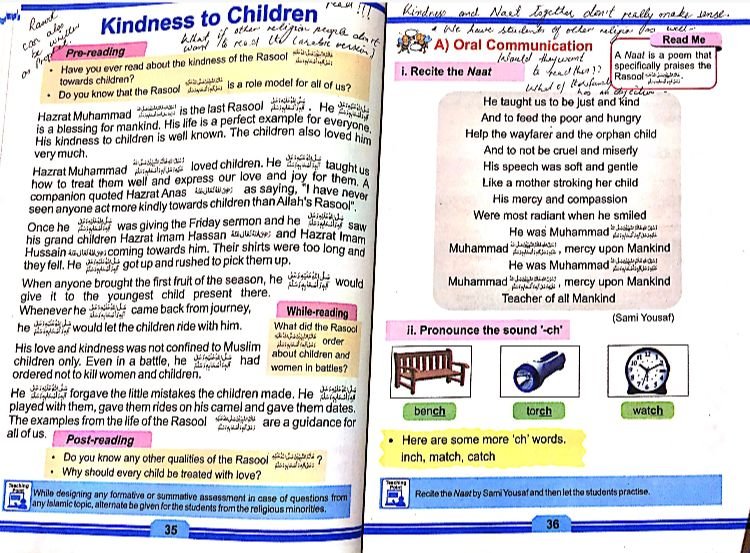
In almost all the books which were studied, we saw the presence of religious references or mentions in non-religious books. Minorities felt their rights were being compromised since books that are not for religious studies should not have references to a specific religion, which may come under the context of ‘preaching’.
In our analysis, we saw a total of 7.77 percent of religious text in all SNC non-religious books, which lends TRUTH to the fact that there is religious content in non-religious books.
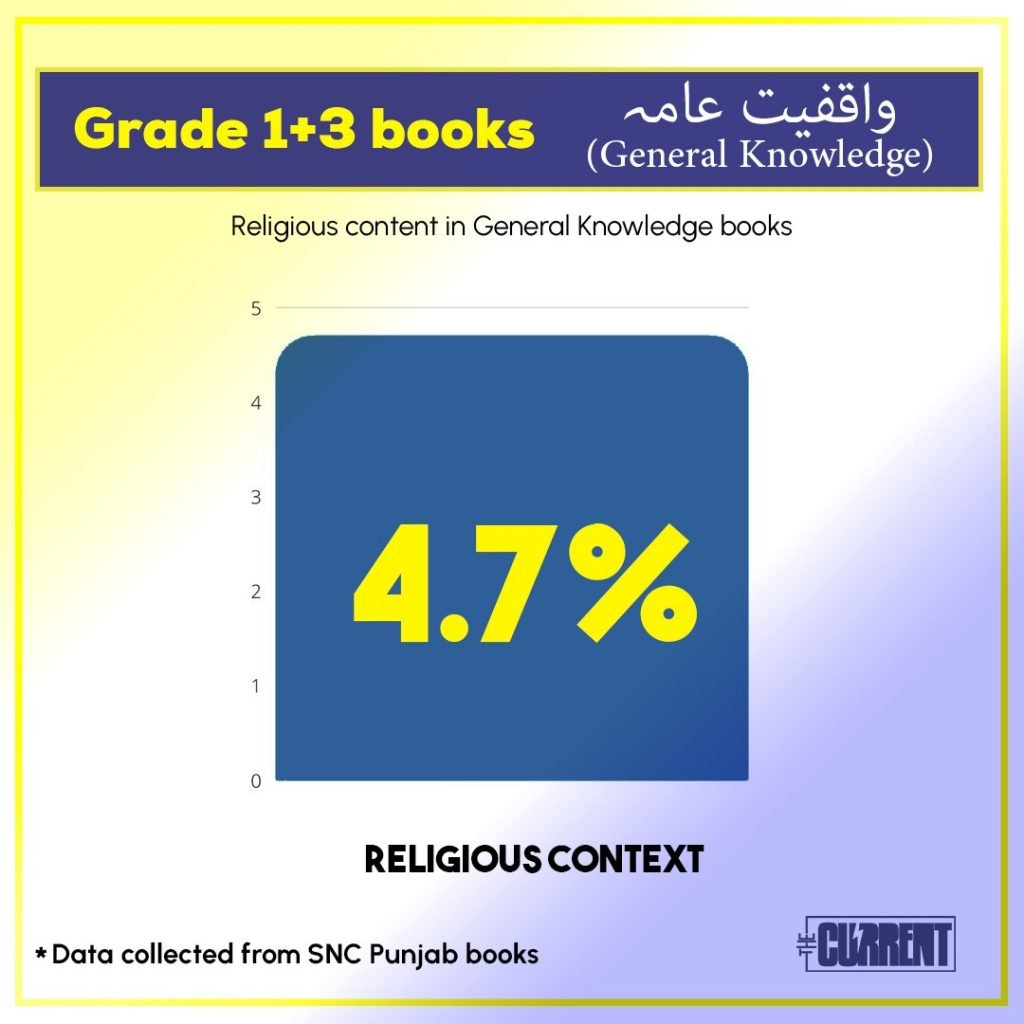
Religious content is present in 7.7 percent of English, Math, Social Studies, Urdu, Science, and General Knowledge books.
7.47 percent of books have references to Islam while 0.27 percent mention other religions in all non-religious books.
Dr Mariam Chughtai, while answering a question for The Current about the religious references in non-religious books, did not provide a clear answer but stated that these are model books that require changes.
SNC BOOKS ANALYSIS – SUBJECT ANALYSIS
This section of the report comprises an analysis of individual subjects being taught to students. The subjects under study were, Urdu books from grades 1-5, English books from grades 1-5, Mathematics books grades 1, 2,4, and 5, General Science grades 4- 5, Waqfiyat Aama (General Knowledge) grades 1-3, Muashrati Uloom (Social Studies) grades 4-5.
The graphical representation of the subject-wise evaluation is as follows:
English:
In 668 pages of English books, 58.1 percent have male representation while females have 41.8 percent.
29.7 percent of women are seen with Hijab and 70.2 percent are without Hijab.
There is a total of 9.8 percent presence of religious text in English books. This is based on the total number of pages in English books.
Mathematics:
In 672 pages of the Math books, when gender representation was analysed, 51.1 percent of the books have male representation and 48.8 percent have female representation.
A total of 53.9 percent of females are seen without hijab and 46 percent are seen wearing hijab.
The Math books have a 4.1 percent presence of religious text. This is based on the total number of pages in Math books.
Urdu:
The five Urdu books comprising 791 pages. A total of 59.7 percent presence of males are seen as compared to 40.4 percent of females.
58.5 percent of women/girls are seen wearing hijab and 41.4 percent are seen without hijab.
12.8 percent of religious text is present in Urdu books. This is based on the total number of pages in Urdu books.
General Science:
Out of 310 pages, 76.8 percent have male representation as compared to 23.1 percent female representation.
64 percent of women/girls are seen without hijab and 36 percent of women/girls are seen with hijab.
The General Science books have a 0.96 percent presence of religious content. This is based on the total number of pages in Science books.
Waqfiyat Aama (General Knowledge):
49.5 percent of male images are seen in comparison to 50.15 percent of females.
23.1 percent of females are seen with hijab and 76.8 percent without hijab.
There is a 4.7 percent presence of religious text in the books studied. This is based on the total number of pages in General Knowledge books.
Muasharti Uloom (Social Studies):
From 234 pages analysed, 65.1 percent of men/boys are represented in the books and 34.8 percent of females are shown.
36.8 percent of females are seen without hijab and 63.1 percent are seen with hijab.
10.2 percent of religious content is present in the books. This is based on the total number of pages in Social Studies books.
The last portion of the report highlights the pros and cons, which we have observed in almost all the books. We have provided both positive and negative outcomes deduced from the books after careful analysis.
The positive outcome deduced from the books:
1. The books are locally published and designed. The books are affordable, with a total set for one grade set at Rs. 800 per child according to Dr Chughtai.
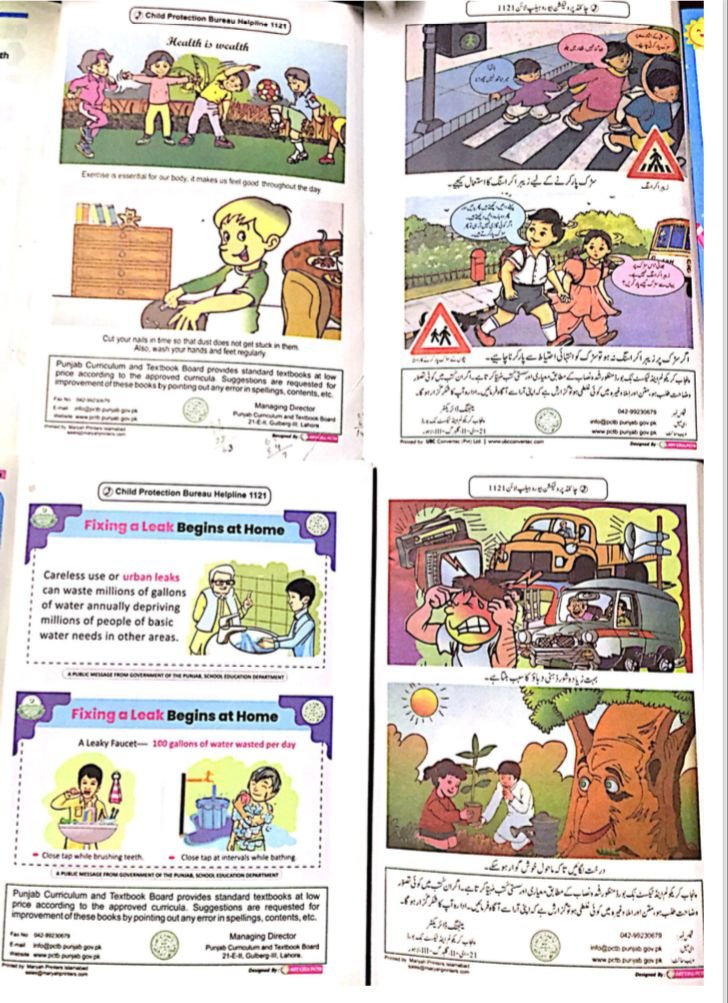
2. There is a public service message printed at the end of each book to raise awareness against talking to strangers, crossing the road, exercising, and even information about fighting dengue.
The possible negative impact of the books
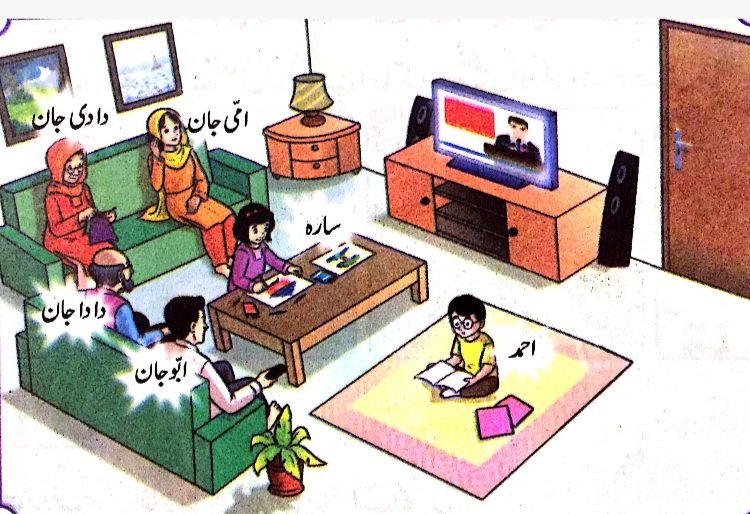
1. After analysing the books, we deduced that mostly nuclear families have been shown in the books. No representation of single parents or children being raised by guardians is seen. Moreover, the presence of both parents is seen as almost essential in all stories in the books.
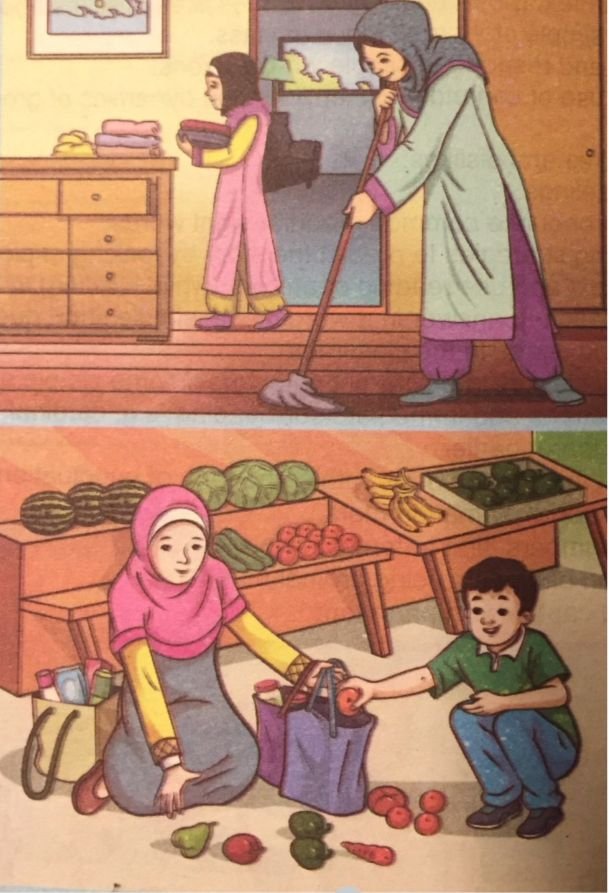
2. Women are mostly shown doing domestic work, taking care of the family, and looking after their children. In stories as well, they seem to come second to their male counterparts.
3. As discussed in detail above, there is the presence of religious text in non-religious books.
4. The stylisation of the books are difficult to understand, fonts and texts are way too clustered. The quality of the pages is not refined, making them unattractive and confusing for students.
CONCLUSION:
According to NCC director, Dr Chughtai, the curriculum is an evolving process and the books can be changed in future publications, based on the response by schools and parents. The biggest hurdle to the books is that the teachers have not been trained in teaching these new books and according to Dr Chughtai, it is up to the school to teach and implement the books. There are no worksheets given with the books and from initial student reactions, students are confused and wary of books that are laid out in a clustered fashion. There is also the subject of a language change. Where students study general knowledge, a precursor to Science, in Urdu, they switch to difficult English in grades 4-5.
While the government should be commended in trying to create a national syllabus, the forced enforcement of the books along with the lack of supplemental information and training will make this very difficult for teachers and students. Moreover, parents should be given a choice as to what they want their children to study. This implementation should be a free choice rather than that of enforcement. What would have been a practical approach is that the government should have improved the structure of the government/public schools, provided better teacher training, spent more on financially improving the conditions rather than lowering the standard for all.
*Graphics credits: Asma Ahmad (Graphic Designer)
How did we collect the data?
The percentage of male characters in the books: Divided the total number of male by the total number of characters. The percentage of female characters in the books: Divided the total number of female by the total number of characters.
The percentage of Islam: Divided the Islamic pictures or references given in the books by the number of total pages of all books. The percentage of other religion: Divided the other religions pictures or reference given in the books by the number of total pages of all books.
The percentage of female power roles: Divided the number of female by the total number of characters (female and male). The percentage of male power roles: Divided the total number of male by the total number of characters (female and male).
The same process/calculation/method was applied to the findings of each book.
A marriage in India’s Uttar Pradesh was called off on Monday after the groom could not pronounce Urdu words correctly.
As per reports, a man posing himself as a Muslim was exposed and handed over to the police when he could not pronounce Urdu words correctly during the marriage.
The suspect hailing from Siddhartha Nagar was in a relationship with a girl from the Kolhui area. They met online on a social media platform.
The girl knew that the boy was not a Muslim but she did not tell that to her family and convinced him to marry her according to Muslim customs.
During the marriage, the groom could not pronounce some Urdu words correctly and this made the girl’s family doubtful.
When the groom fumbled over Urdu words, the girl’s family checked his PAN (permanent account number) card and his true identity was revealed.
The groom and his friends tried to run away from the wedding venue but the bride’s family caught them and handed over to police. The marriage has been called off for now.
Inspector in charge, Dilip Shukla, said that the groom and the bride were brought to the police station and were being questioned. The girl has confessed that she already knew about the boy’s religion. He said the further action would be decided later.