Tag: US

  • New York City co-names street ‘Allama Iqbal Avenue’ in honor of Pakistani National Poet

    New York City co-names street ‘Allama Iqbal Avenue’ in honor of Pakistani National Poet

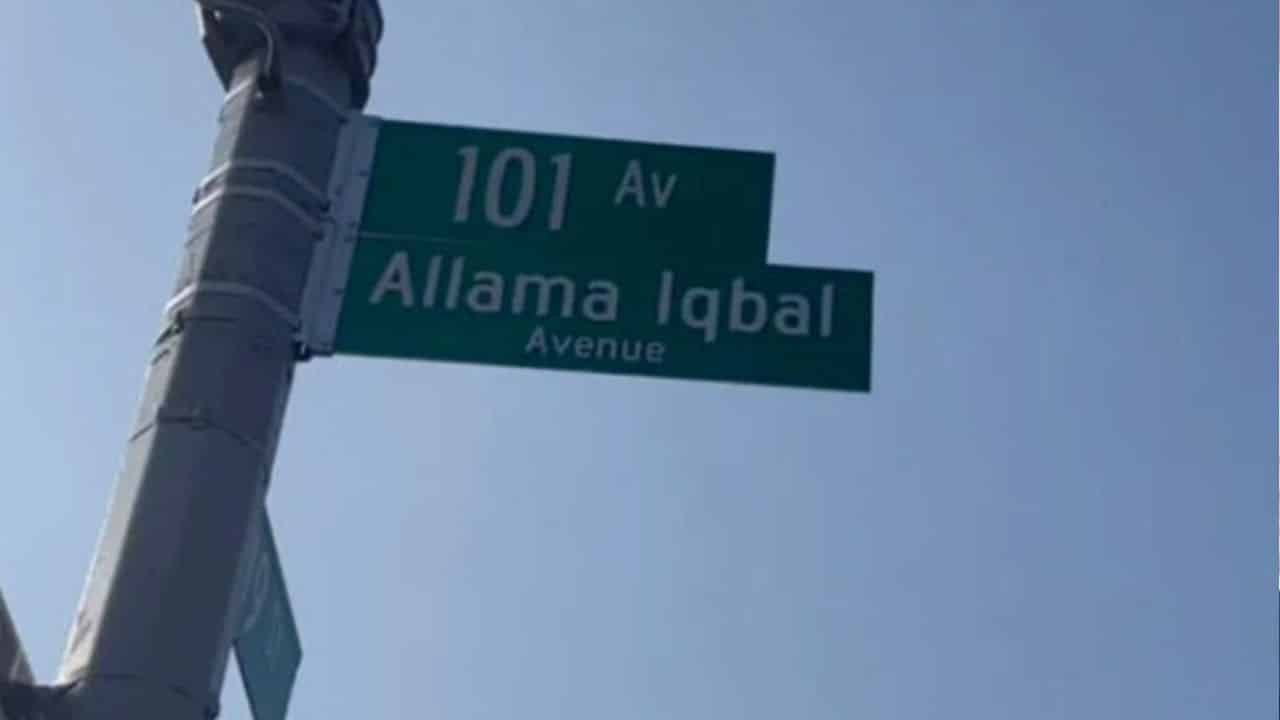
    In the run-up to Pakistan’s Independence Day, an avenue in New York City has been co-named “Allama Iqbal Avenue”.

    The honor recognizes Allama Iqbal, an international icon and symbolic figure of Pakistani nationhood, who was instrumental in envisioning a separate homeland for the Muslims of the Subcontinent — a dream that was realized in 1947.

    Ambassador Masood Khan lauded the development, extending his congratulations to Ali Rashid, the President of the American-Pakistani Advocacy Group (APAG), for his leadership in this initiative.

    “Naming an avenue after our national poet in such a globally renowned city not only cements Pak-US ties but is also a source of pride for the Pakistani diaspora across the United States,” Khan said.

    Adrienne Adams, Speaker of the New York City Council, expressed her honor at celebrating the co-naming of the avenue as “Allama Iqbal Avenue” as Pakistan’s Independence Day approaches. She paid tribute to Iqbal’s work and vision that led to the creation of Pakistan and recognized the vibrant Pakistani community’s contributions to the cultural fabric of New York City.

  • Ex-Air Force Officer says U.S. govt collects UFOs

    Ex-Air Force Officer says U.S. govt collects UFOs

    An ex-Air Force intelligence officer, while testifying to Congress, claimed that the U.S. has been secretly operating a long-term program to recover unidentified flying objects. However, these allegations have been refuted by the Pentagon, reported AP.

    During his testimony before Congress, a former Air Force intelligence officer asserted that the U.S. is clandestinely running a program to collect unidentified flying objects, with the U.S. government currently in possession of these retrieved objects. When he was probed further, he confidently stated, “Absolutely, based on interviewing over 40 witnesses over four years.”

    In response to inquiries about the location of these objects, he claimed to be aware of the exact storage sites, which he had reported to the Inspector General. When asked about the nature of activities related to these unidentified objects, he acknowledged that several of his colleagues had suffered physical injuries.

    Upon further questioning to ascertain if the harmful activities were attributed to the unidentified aerial phenomena (UAPs) or the federal government, he indicated that both were responsible. Despite these statements, the Pentagon has vehemently denied his allegations.

  • America, Pakistan both agree: Taliban need to make sure Afghanistan isn’t used for deshatgardi

    America, Pakistan both agree: Taliban need to make sure Afghanistan isn’t used for deshatgardi

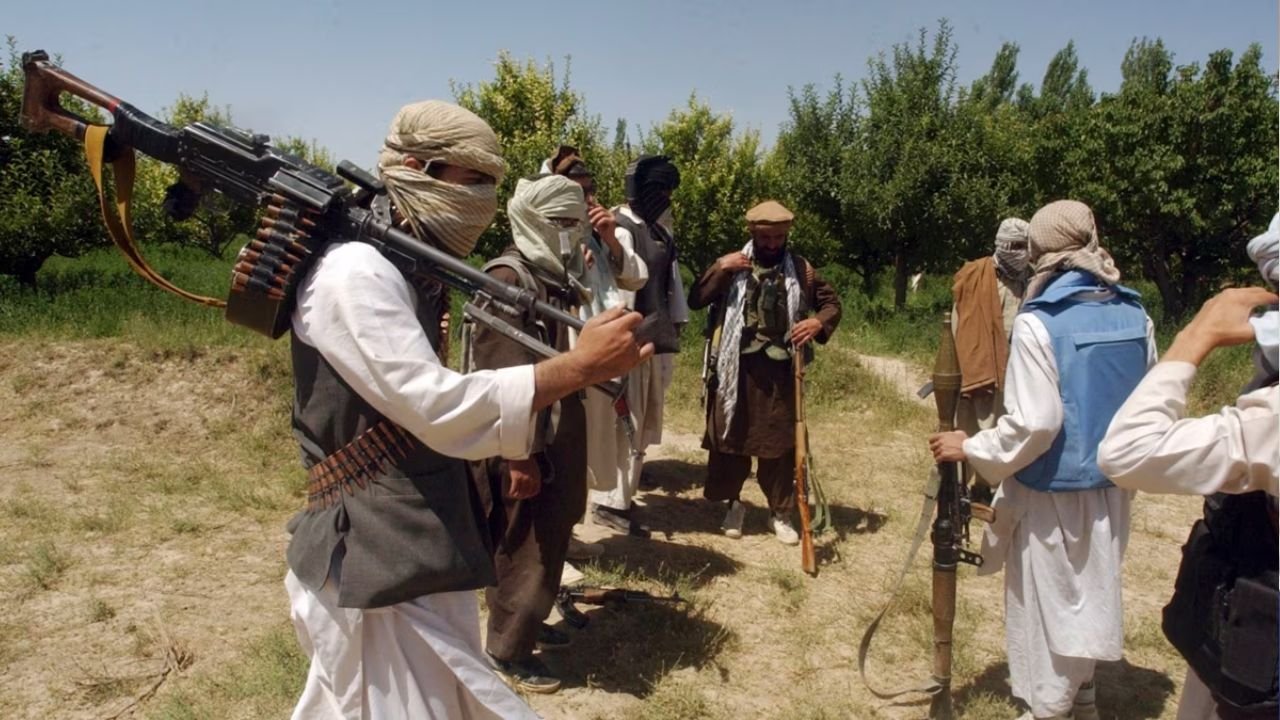
    The United States of America has reiterated that the Taliban administration is responsible for ensuring that Afghanistan is not used for terrorist activities against other countries.

    The development comes as Pakistan blames the Taliban government of harbouring terrorists linked to the banned Tehreek-e-Taliban Pakistan (TTP).

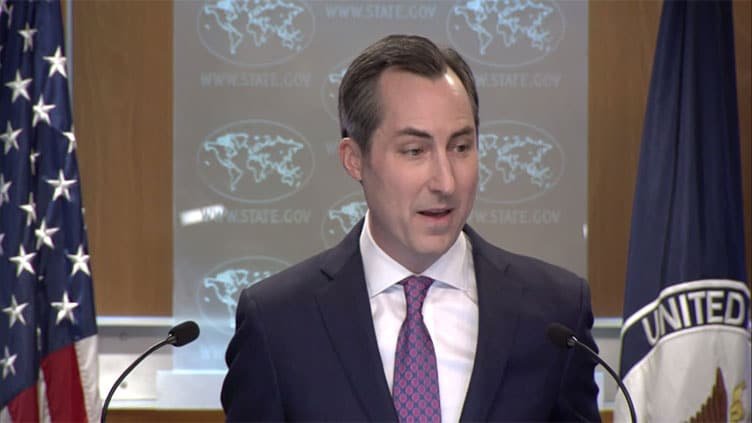
    “Taliban has the responsibility to prevent Afghanistan from being used as a safe haven for launching terrorist attacks,” US State Department spokesperson Matthew Miller said during a press briefing.

    Earlier, in an unusual statement, the Pakistan Army slammed the sanctuaries available to TTP in Afghanistan for harming Pakistan’s security.

    At the 258th Corps Commanders Conference (CCC) under the chairmanship of Chief of Army Staff (COAS) General Syed Asim Munir, the army noted that the TTP had obtained access to the latest weaponry due to their sanctuaries in Afghanistan.

    The military also threatened to take an “effective response” after 12 soldiers were martyred in two attacks.

  • ‘Protection of Muslim minority in Hindu majority India is worth mentioning’: Obama on Modi’s visit to US

    ‘Protection of Muslim minority in Hindu majority India is worth mentioning’: Obama on Modi’s visit to US

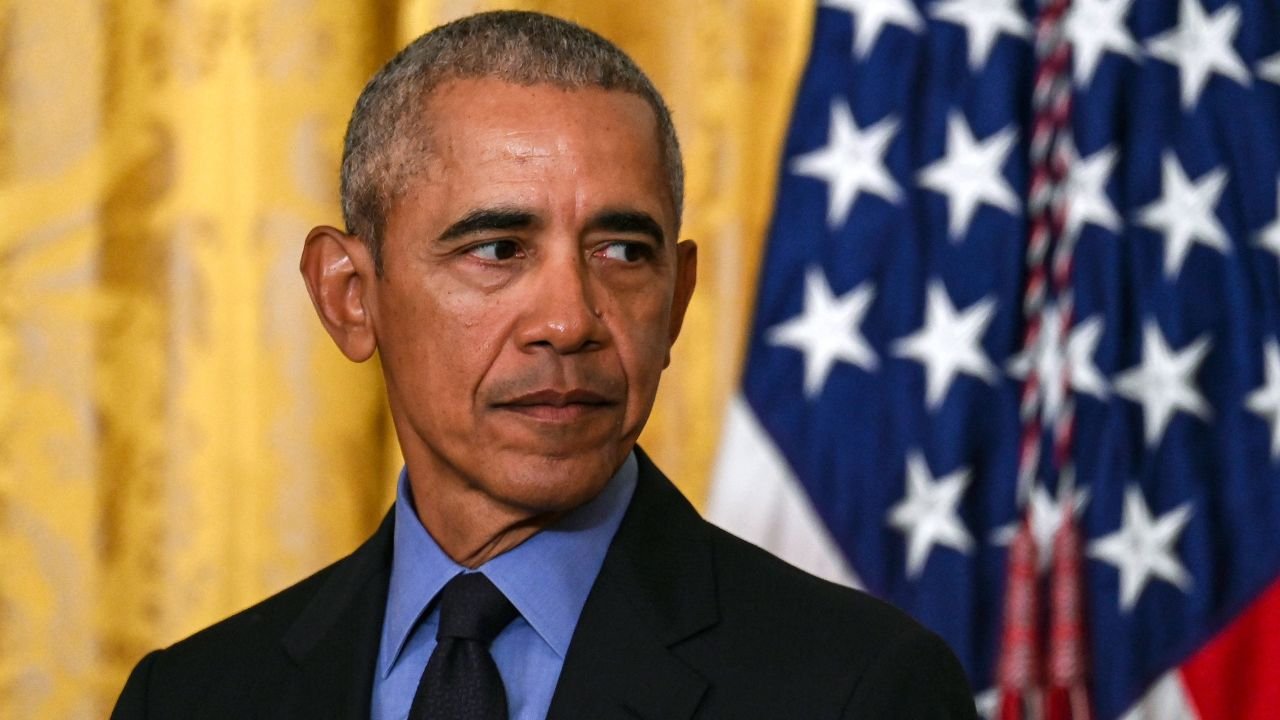
    In an interview with CNN’s Christiane Amanpour on Thursday, Former United States (US) president Barack Obama, spoke about the protection of the rights of ethnic minorities in India.

    “If the President meets with PM Modi, then the protection of Muslim minority in a Hindu majority India is something worth mentioning. By the way, if I were to have a conversation with Prime Minister Modi, who I know well, part of my argument would be that if you do not protect the rights of ethnic minorities in India, then there is a strong possibility that India, at some point, starts pulling apart. And we have seen what happens when you start getting into large internal conflicts… I think it is important to be able to talk about these things honestly.”

    While talking about the president of the United States meeting with leaders such as Chinese President Xi Jinping and Indian Prime minister Narendra Modi, Obama said, “It’s complicated. The POTUS has a lot of equities and when I was POTUS I would deal with figures, in some cases who were allies, who, if you would press me in private, run their governments and their political parties in ways that I would say aren’t ideally democratic.”

    “But you would have to do business with them because they are important for national security reasons, because they are a range of economic interests. I dealt with China and Modi to get the Paris Accords done because climate change transcends any momentary issues…it is a problem humanity has to deal with in the next several decades,” he added.

    “I do think it is necessary for the POTUS, where he or she can, to uphold those principles and to challenge, whether behind closed doors or in public, trends that are troubling. I am less concerned about labels than I’m concerned about specific practices,” said Obama.

    Modi is currently on a four day visit to the US.

  • Netflix subscriptions jump after password sharing crackdown

    Netflix subscriptions jump after password sharing crackdown

    Netflix subscriptions have registered a spike in daily sign-ups after the streaming giant launched a crackdown on password sharing on May 23, data from research firm Antenna has shown.

    The news sent shares of the company up 2.3 per cent to US$418.92 in early trading.

    Looking for new ways to make money in a saturatwd market and a tough economy, Netflix moved to regulate the sharing of account passwords with friends and family- a drastic turnaround for a company that had once tweeted “Love is sharing a password”.

    Netflix added 100,000 new accounts on both May 26 and May 27, shortly after the crackdown went into effect, Antenna’s data found. In the following days, Netflix has seen a more than 100% increase in sign-ups from the prior 60-day average.

    “These exceed the spikes in sign-ups Antenna observed during the initial US Covid-19 lockdowns in March and April 2020,” the firm said in a report. It also noted that “cancels also increased during this period, but not as much as sign-ups.”

    Netflix (NFLX) shares popped on the news, rising nearly 2% in early trading Friday. Shares have climbed over 27%, to about $415, over the last month.
    Last month, the service alerted US subscribers that if they share passwords with people outside of their household, they would have to add an extra member to their account for an additional $7.99 monthly fee or sign up for a new account. It also plans to block users with unauthorized passwords.
    The streaming video pioneer saw its four largest days of U.S. user acquisition after the change came into effect in the 4-1/2 years that Antenna has been covering the company.

  • Bangladeshis promise free and fair elections after US imposed visa restrictions

    Bangladeshis promise free and fair elections after US imposed visa restrictions

    Bangladeshi authorities have assured the United States (US) that they will take steps to tackle and prevent unlawful practices or interference in its election after the US threatened curbs on citizens of the South Asian nation who undermine polls.

    “The government apparatus will take necessary measures to prevent and address any unlawful practices or interference … to compromise the smooth and participatory conduct of the elections,” the Bangladesh foreign ministry said in response.

    “The electoral process will remain under strict vigilance, including by international observers as accredited by the Election Commission,” it added in a statement.

    A day earlier, US Secretary of State Antony Blinken said the United States is adopting a new policy to restrict visas for Bangladeshis who undermine the democratic election process at home.

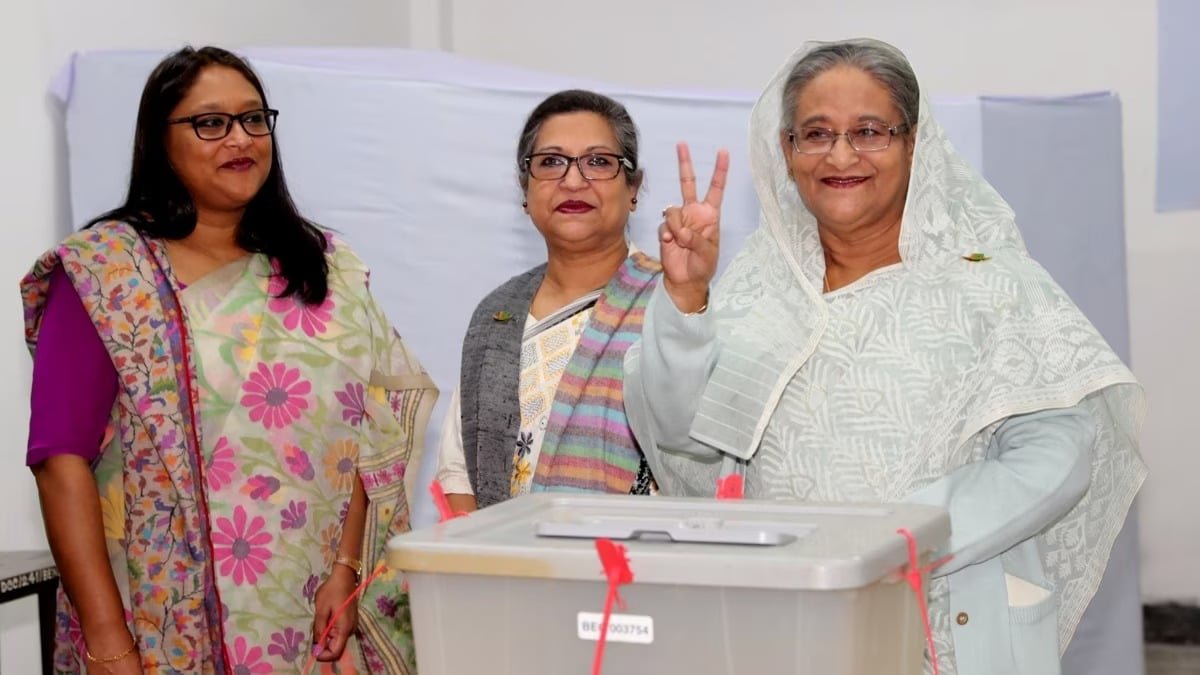
    Hasina Wajid, who has a tight control over the South Asian nation since coming to power in 2009, has been accused of human rights violations, obliteration of press freedom, suppression of dissent and the jailing of critics, including many supporters of the main opposition Bangladesh Nationalist Party (BNP).

    The BNP has been calling for Hasina to step down and for the next election, due in January 2024, to be held under a neutral caretaker government, a demand her government has rejected.

  • ‘Democratic values, freedom of expression, rule of law should be applied to everyone’: US state department on Pakistan political crisis

    ‘Democratic values, freedom of expression, rule of law should be applied to everyone’: US state department on Pakistan political crisis

    United States (US) State Department spokesperson Matthew Miller, while briefing the media in Washington on Tuesday, said that US is closely monitoring Pakistan’s political situation adding that his country has “no a position on one political candidate or another”.

    “We call for the respect and equal application of democratic principles, freedom of expression around – and rule of law around the world, and of course, in Pakistan we urge that these principles be respected for all people,” said Miller while replying to a question about a crackdown following May 09 protests.
    “We have already said that we are monitoring the situation in Pakistan, there is no position on any single political candidate or party, the enforcement of democratic values, freedom of expression, and the rule of law should be applied to everyone,” he added.

    On May 09, supporters of Pakistan Tehreek-e-Insaf (PTI) took to the streets after Imran Khan was arrested from Islamabad High Court. In the ensuing riots, many military and government installations sustained damage, most notably, Jinnah House, the residence of Corp Commander Lahore.

  • Meta slapped with record-breaking $1.3 billion fine for EU-US data transfer breach

    Meta slapped with record-breaking $1.3 billion fine for EU-US data transfer breach

    Meta has received a record-breaking fine of 1.2 billion euros ($1.3 billion) from European privacy regulators due to the transfer of European Union (EU) user data to the United States (US).

    The decision stems from a case initiated by Austrian privacy activist Max Schrems, who argued that the existing framework for transferring EU citizen data to the US did not adequately protect Europeans from US surveillance.

    There have been several legal disputes surrounding mechanisms for transferring personal data between the US and the EU. The most recent arrangement, known as Privacy Shield, was invalidated by the European Court of Justice in 2020, which is the highest court in the EU.

    The Irish Data Protection Commission, responsible for overseeing Meta’s operations in the EU, accused the company of violating the General Data Protection Regulation (GDPR) of the EU. Despite the 2020 ruling by the European court, Meta continued to transfer the personal data of EU citizens to the US. GDPR is a significant data protection regulation that governs companies operating within the EU, and it has been in effect since 2018.

    Meta utilized a mechanism called standard contractual clauses to facilitate the transfer of personal data between the EU and the US. This method had not been blocked by any EU court. However, the Irish data regulator stated that these clauses, along with other measures implemented by Meta in conjunction with the European Commission, did not adequately address the risks to the fundamental rights and freedoms of data subjects as highlighted by the European Court of Justice.

    The Irish Data Protection Commission also instructed Meta to halt any future transfer of personal data to the US within a five-month period following the decision.

    The 1.2 billion euro fine imposed on Meta is the largest ever penalty issued for breaching GDPR. Previously, the highest fine of 746 million euros had been levied against e-commerce giant Amazon for GDPR violations in 2021.

    Meta has announced its intention to appeal the decision and the fine. In a blog post on Monday, Meta’s President of Global Affairs, Nick Clegg, and Chief Legal Officer, Jennifer Newstead, stated that they would seek a stay from the courts to pause the implementation deadlines due to the potential harm caused by the orders, particularly to the millions of Facebook users.

    This case involving Meta has once again brought attention to the efforts of the EU and Washington to establish a new data transfer mechanism. Although the US and EU reached a preliminary agreement on a new framework for cross-border data transfers last year, it has not yet come into effect.

    Meta is hopeful that the EU-US data privacy agreement will be established before the Irish regulator’s deadlines take effect. If the new framework is implemented within the expiration of the implementation deadlines, Meta’s services can continue without disruption or impact on users, as stated by Clegg and Newstead.

  • ‘We are not against US, but pro-Pakistan’: Hammad Azhar on Khan’s audio leak

    ‘We are not against US, but pro-Pakistan’: Hammad Azhar on Khan’s audio leak

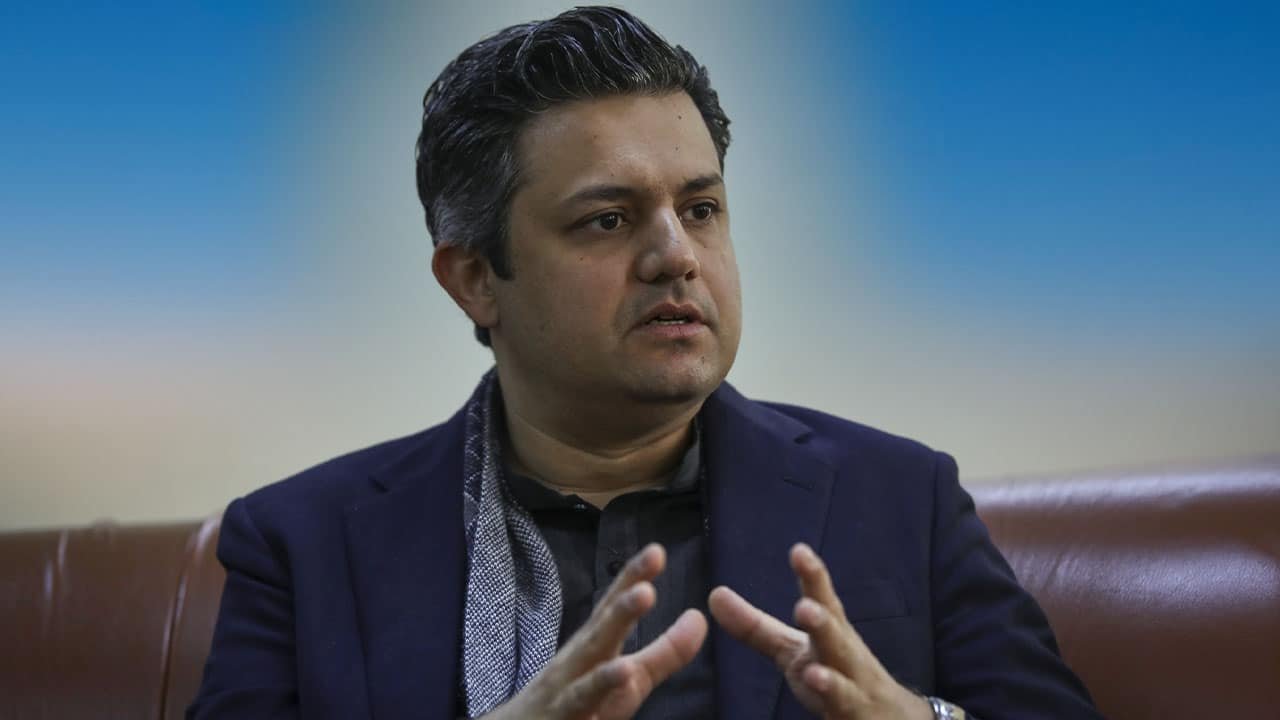
    PTI leader Hammad Azhar, while responding to a question in Geo News‘ programme Report Card, regarding Imran Khan’s audio leak, has said that, “We are not against the US but pro-Pakistan.”

    He added that Imran Khan is willing to move past the cypher issue for the sake of good relations between both the countries.

    Azhar further said that facts have shown that the real motivation for cypher was domestically-driven.

    Earlier in the day, a conversation between Imran Khan and US Congresswoman Maxine Moore Waters surfaced online.

    In the audio clip, the former prime minister can be heard requesting the American politician to issue a statement about what’s happening in Pakistan “as it will create waves”.

    After his ouster from power in April 2022 through a Vote of No-Confidence, Imran Khan had blamed America for removing his government.

  • From prisoner to artist: Guantanamo Bay detainee showcases work at Karachi exhibition

    From prisoner to artist: Guantanamo Bay detainee showcases work at Karachi exhibition

    Ahmed Rabbani, a 53-year-old Pakistani who was recently released after 20 years of detention at Guantanamo Bay, turned to painting to satisfy his artistic yearnings. When he ran out of paint, he used whatever he could find, including dirt, coffee grinds, and spices such as turmeric from the prison canteen.

    “Through painting, I would feel myself outside Guantanamo,” he said at an exhibition of his work in Karachi. Rabbani was detained in September 2002 and handed over to the US Central Intelligence Agency for a bounty of $5,000. He was accused of being a notorious militant known as Hassan Ghul, but Rabbani always insisted it was a case of mistaken identity. He and his brother were never charged or faced trial during their detention.

    The US Senate published a Rendition Report in 2014, which revealed that Ghul was captured and brought to the same prison, only to be released back to Pakistan for “cooperating.” While Ghul went back to his terrorist ways and was killed in a drone strike in 2012, Ahmed got a one-way trip to Guantanamo Bay.

    Born in Mecca, Saudi Arabia, Rabbani moved back to Karachi as a teen and was a taxi driver at the time of his detention. He specialised in guiding visitors from the Middle East, which contributed to him being misidentified.

    While imprisoned in Guantanamo Bay, painting became an obsession for Rabbani, although years spent on hunger strike meant he was often too frail to even hold a brush. If he ran out of materials, he would improvise by using a piece of discarded or torn clothes as a canvas. He would also use coffee or turmeric as a medium.

    Around two dozen pieces of Rabbani’s artwork, which he was allowed to take from prison, are on display at “The Unforgotten Moon: Liberating Art from Guantanamo Bay” exhibition. The works are displayed alongside pieces by local artists who have “re-imagined” paintings that were confiscated. “He is someone who has lost so much of his life, so to produce images of this quality is a miracle… it’s remarkable,” said Natasha Malik, curator and organiser of the exhibition.

    Rabbani, sporting a salt-and-pepper beard and wearing a traditional shalwar kameez and waistcoat, was the centre of attention at the exhibition opening. He plans to publish a cookery book with his memoirs in it and wants to open a restaurant based on recipes he learned while in prison. He hopes to use funds raised from the sale of his artwork to achieve this.

    His artwork depicts his hopes and despair, and some pieces express his yearnings for freedom, such as nature seen through narrow openings, birds flying, and endless oceans. One painting shows a cage containing bright orange fish, the colour of overalls Guantanamo prisoners were forced to wear. “I spent many years in orange,” he said. “I never accepted their laws. I would always break their laws.”