Tag: USD

  • Exchange companies remove cap on dollar-rupee exchange rate to abolish grey market

    Exchange companies remove cap on dollar-rupee exchange rate to abolish grey market

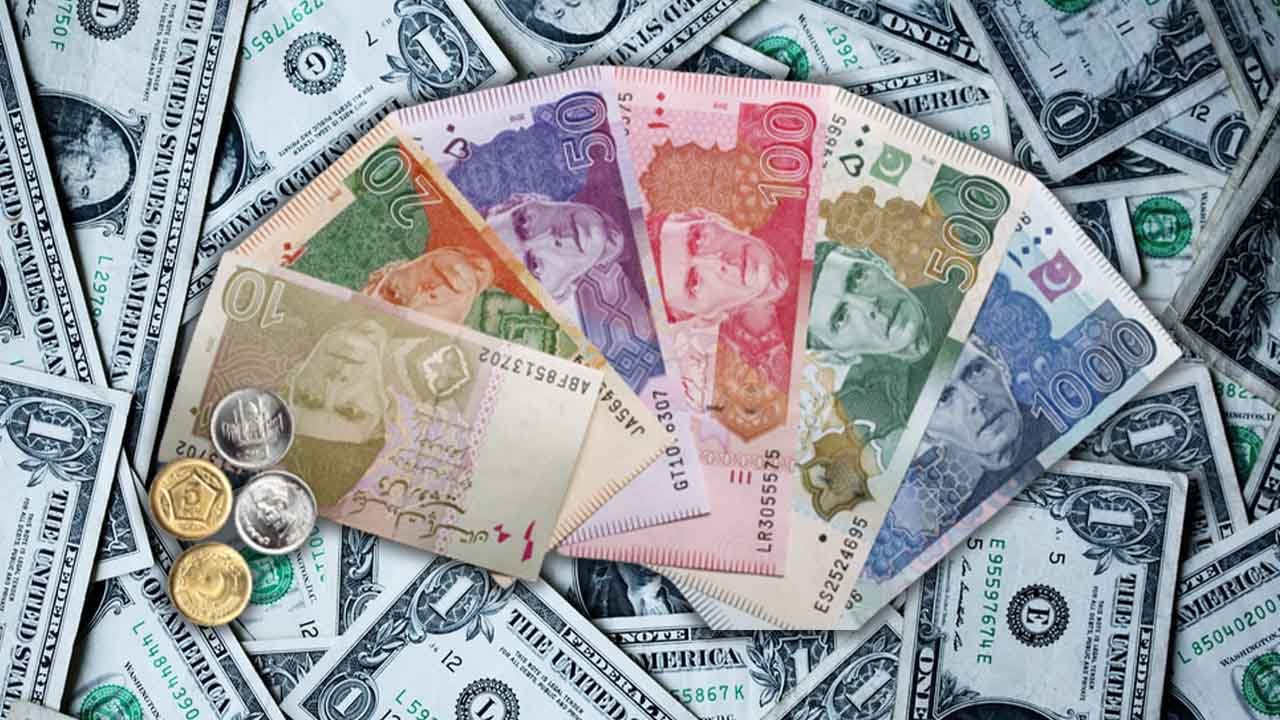
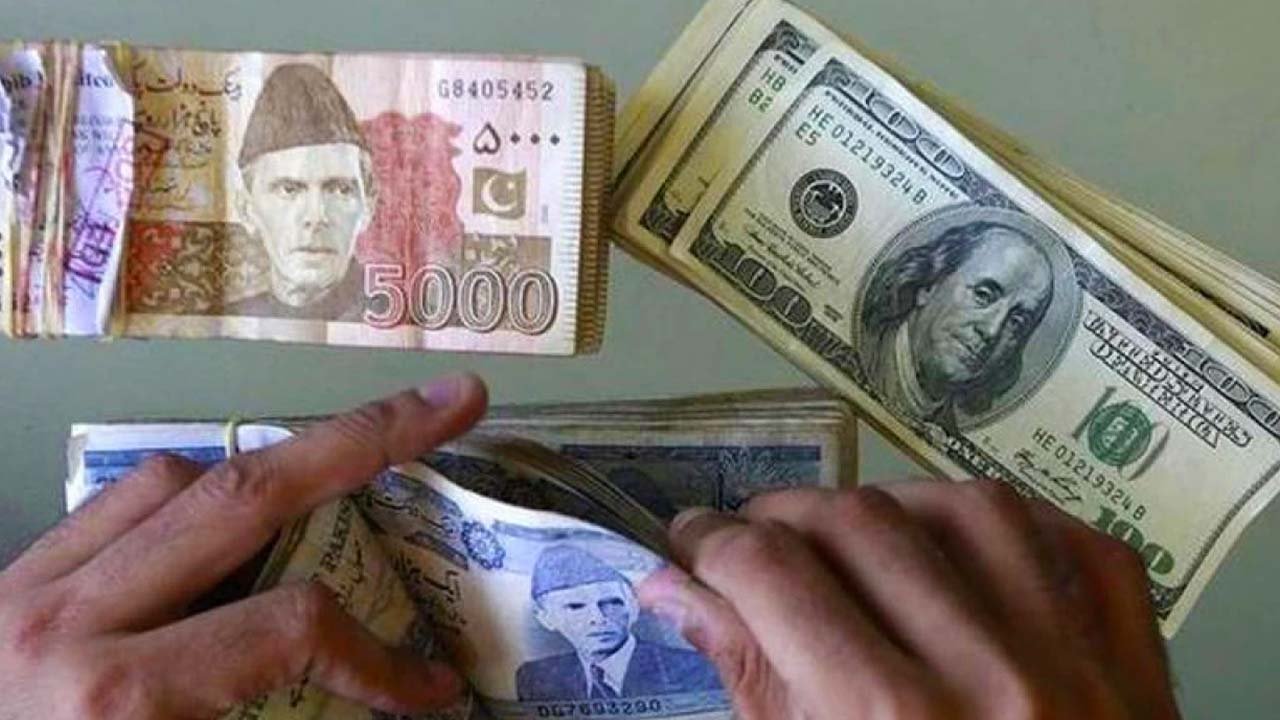
    The exchange companies have decided to stop artificially keeping Pakistani rupee (PKR) overvalued against US dollar in the open market and let the rupee-dollar exchange rate depreciate to its actual value.

    Pakistani rupee may steadily lose value until it reaches the level of the grey market in a few days, according to reports.

    The black market price of local currency is currently between Rs250 and Rs260 per US dollar, although traders had artificially kept the rate at Rs238 till Tuesday.

    “The association has decided to remove cap on rupee-dollar exchange rate,” Exchange Companies Association of Pakistan (ECAP) President Malik Bostan said in audio and video messages after chairing a zoom meeting on Tuesday.

    “The move would help eliminate black currency markets, increase flow of foreign currencies to the dealers and available to public (for international travelling, education and hospital fees and etc.”

    He said that in the interest of the country, traders voluntarily opted to restrict the exchange rate. But the choice led to an underground market for cash that seemed to be more detrimental to the country.

    “People were buying dollars from open market (at Rs238) and selling in black market (at Rs250-260), making it a business to mint profit,” he said, adding no one was coming to the dealers’ counters to sell foreign currency which resulted into drying up supplies on the other hand.

    According to ECAP General Secretary Zafar Paracha, the decision to abolish the exchange rate ceiling will aid in the eradication of the black market and restore the inflow of foreign money from the illicit system into the legitimate one.

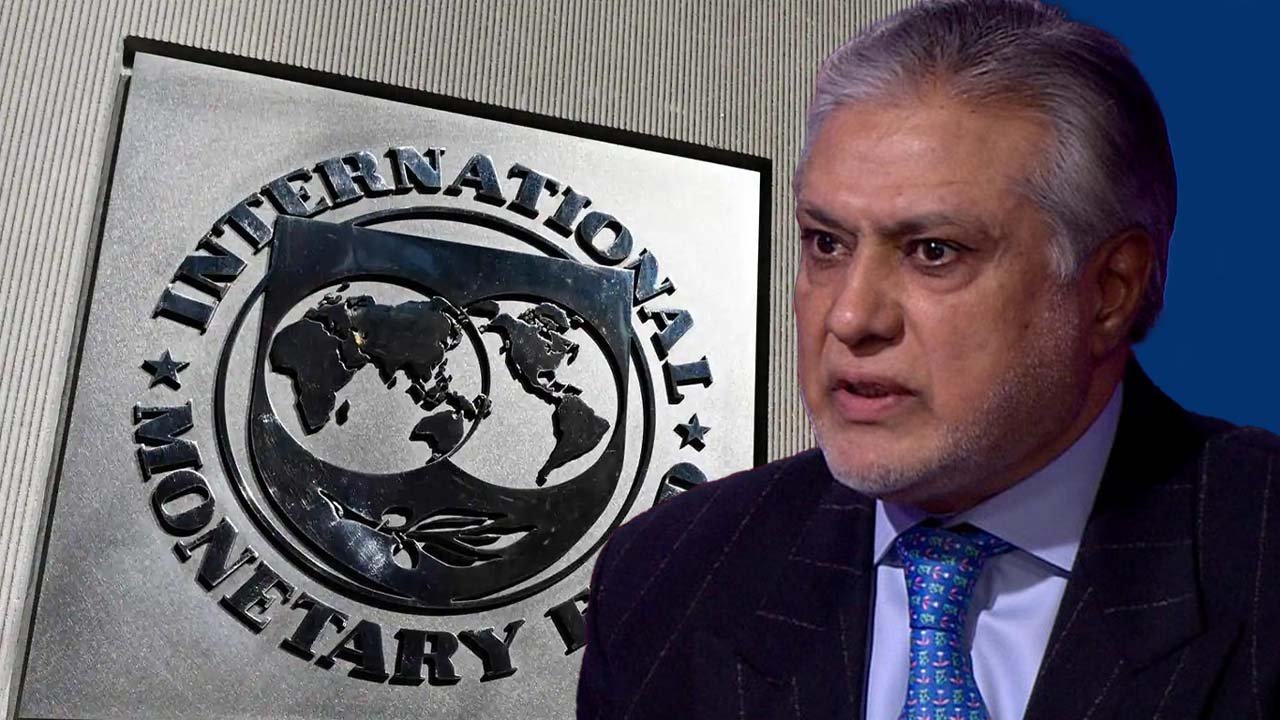
    Additionally, the government has been urged by the International Monetary Fund (IMF) to relinquish control over the rupee-dollar exchange rate in the interbank market and allow market forces to decide the rate while taking the demand and supply of US dollars into account.

    Accordingly, it is anticipated that the local currency would also reach Rs250-260 in the interbank market as compared to the US dollar.

    Pakistan technically has three currency markets, including the interbank, open, and black markets. As a result, each of the three markets is providing a different rate.

    The black currency market was formed after Finance Minister Ishaq Dar tried to keep the currency artificially overvalued at Rs180–200 to the US dollar after returning to the ministry in late September 2022.

    The currency, therefore, appreciated to Rs218 in the early days of October from its all-time low of Rs240 the first time in late July 2022 and the last time in September 2022.

    Dar opened an investigation against the commercial banks, blaming them for market forces that had artificially devalued the currency to Rs240 per dollar.

    Governor State Bank of Pakistan (SBP) Jameel Ahmed said that the central bank has completed the investigation against 13 commercial banks allegedly involved in rupee-dollar parity manipulation.

    “The central bank is all set to take action against them in days (instead weeks and months). The action could be fiscal or regulatory one,” he added.
  • Pakistan will take fiscal measures set by IMF but there will be no burden on the common man: Ishaq Dar

    Pakistan will take fiscal measures set by IMF but there will be no burden on the common man: Ishaq Dar

    Federal Minister for Finance and Revenue Ishaq Dar has categorically denied rumours suggesting that the government is considering “access to foreign exchange held with commercial banks.”

    “It is categorically denied and clarified that there is no such move under consideration of the government,” said Dar, in a series of tweets.

    The statement come days after the finance minister said that the country’s foreign exchange reserves stand at $10 billion, a much higher amount than the SBP’s $5.6 billion reserves as of December 30, 2022, since “dollars held by commercial banks also belonged to the country.”

    This comment gave rise to fears that the government may confiscate dollars from private banks as had been done in 1998 when Dar was the finance minister.

    However, Dar said that his comment was “greatly misconstrued” and nothing like this would happen.

    Dar explained at a press conference with Prime Minister Shehbaz Sharif and other federal cabinet members that before 1999, all foreign currency was deposited with the State Bank of Pakistan (SBP), and private banks were not permitted to hold any foreign currency.

    “In February 1999, when I was the finance minister, we devised a system whereby a substantial amount [of dollars] remain with [private] banks. It was on June 30, 1999 that reserves were broken down into three columns — those with the SBP, commercial banks and total.

    “Whenever Pakistan’s reserves are quoted anywhere in the world — a survey or a document — the [total figure] is quoted and then a breakdown is given. I gave a breakdown too,” he added.

    The minister claimed that certain people were to blame for the country’s dire circumstances, which caused it to drop from the 24th to the 47th largest economy in 2016.

    “Even now, they cannot tolerate any good development. They gave such a twist [to my statement],” he said, adding that while the federal cabinet was busy working for Pakistan under PM Shehbaz’s guidance, such people were spreading rumours that the government would take dollars from commercial banks.

    “Nothing of that sort will happen. Everything is all worked out … and in order. Nothing to worry about,” he assured, urging those “spreading the rumours” to play a positive national role.

    Dar also tweeted about the reserves later, saying national foreign exchange reserves always include forex held with SBP and commercial banks.

    Furthermore, Dar tweeted about the reserves and stated that SBP and commercial bank holdings are usually included in the nation’s foreign exchange reserves.

    “Recently I quoted the forex reserves figure based on this principle. Some vested elements who ruined this country’s economy in the past, gave it a deliberate twist and started a campaign as if govt was considering access to foreign exchange held with commercial banks which indeed is the property of the citizens.

    “It is categorically denied and clarified that there is no such move under consideration of the government,” he emphasised.

    The finance minister once again claimed that Pakistan’s foreign exchange reserves would increase soon.

    As of December 30, 2022, Pakistan’s foreign exchange reserves had decreased to $5.6 billion, an eight-year low. This is equivalent to imports for three weeks.

    The swift decrease has made it impossible for the government to repay its international debts without taking out new loans from allies.

    Govt to comply with IMF conditions without burdening common man

    The International Monetary Fund (IMF) programme’s ninth review, which would release $1.18 billion, has been postponed for months due to the government’s refusal to comply with some conditions imposed by the international lender.

    In today’s press conference, Dar acknowledged the delay and claimed that it was due to revenue collection. The Federal Board of Revenue (FBR) missed its goal in December, the finance minister said, and the super tax that the administration enacted in June of last year had been declared unlawful by a high court.

    Dar said that his team informed the IMF that Pakistan could recover the amount easily after the Supreme Court takes a decision on the super tax.

    “We are not changing the fiscal budget target and we will achieve it,” he claimed.

    Dar said that the IMF suggested that the government implement fiscal measures and eliminate some subsidies. “We have identified some budgetary measures, but the average person won’t be overburdened.”

    He asserted that the measures would be very specific and classified.

  • Pakistani banks start charging dollar transactions at open market rates

    Pakistani banks start charging dollar transactions at open market rates

    Pakistani banks have announced that they will settle debit and credit card transactions made with foreign retailers and websites at the open market exchange rate for the US dollar.

    The conversion rate for the transactions would be calculated by the open market rate in place at the time, which might not match the rate listed on the foreign merchant’s website.

    Customers were advised by the banks in a statement that they could only settle debit or credit card purchases with foreign retailers or websites by buying dollars on the open market. As a result, the conversion rate for these transactions will be determined by the current open market rate.

    The statement, according to bankers, was made in response to several client concerns over the increased exchange rate.

    On Friday, the Pakistani rupee lost Rs0.02 to the US dollar in the interbank market, continuing its downward trajectory.

    The State Bank of Pakistan (SBP) reported that the exchange rate of the local currency for the dollar was Rs227.12. Which shows a 0.01 per cent decline from the close of Rs227.12 on Thursday.

    According to SBP, the Pakistani rupee is valued at Rs227–228 against the dollar. However, in the open market, the greenback is priced above Rs250 and goes as high as Rs275.

  • Experts predict gold price may reach Rs200,000 per tola soon

    Experts predict gold price may reach Rs200,000 per tola soon

    On Wednesday, the price of gold reached another record high as it continued its upward trend. The price of precious yellow metal in Pakistan is currently higher than the global market.

    Gold prices increased by Rs900 per tola and Rs772 per 10 grammes, respectively, according to the All-Pakistan Sarafa Gems and Jewellers Association (APSGJA). These prices now stand at Rs188,600 and Rs161,694 respectively.

    Owing to the Pakistani rupee’s depreciation against the US dollar during the present cycle and the lack of US dollars, traders predict that the price of gold would reach Rs200,000 per tola.

    According to market analysts, the $6–$8 billion inflow from multilateral and bilateral creditors will pop Pakistan’s gold price bubble.

    Silver’s price per tola, however, stayed constant at Rs2,150. The cost of 10-gramme silver remained essentially constant at Rs1,843.27.

    Gold prices increased more than 1 per cent on Wednesday, reaching their highest level since mid-June due to a weaker rupee and mounting predictions that the Federal Reserve will raise interest rates gradually rather than aggressively.

    The markets have now priced in the possibility that the central bank may raise interest rates by a full 50-100 basis points on January 23 after Pakistan’s December inflation data was revealed on Monday.

    Greater interest rates increase the opportunity cost of owning non-yielding metal, despite the fact that gold is regarded as a safe investment during times of uncertainty and a hedge against higher inflation.

  • Pakistani rupee remains unchanged for the 4th time in a week

    Pakistani rupee remains unchanged for the 4th time in a week

    The Pakistani rupee (PKR) once again remained unchanged versus the US dollar in the interbank market during the final trading session of the week.

    It is worth noting that this is the fourth time that the local currency has shown a 0.00 per cent change this week. The only change witnessed in the rupee’s value was reported by the State Bank of Pakistan (SBP) on December 1, when the rupee appreciated only 0.12 per cent to close at Rs223.69.

    The rupee closed at Rs223.69 against the US dollar on Friday. On a weekly basis, the PKR registered an increase of 0.11 per cent against the greenback.

    Additionally, the SBP’s foreign exchange reserves declined by $327 million every week, totaling $7.5 billion as of November 25, 2022.

    For Pakistan, which has been frantically pursuing dollar inflows to meet its balance-of-payments needs, the reserve position is crucial. A low reserve level puts pressure on the currency, which has recently only experienced stability.

    As data showing increased US consumer spending in October encouraged investor hopes that the peak in interest rates was on the horizon, the dollar held steady on Friday but was pinned down near 16-week lows against a basket of major currencies.

    A stronger US dollar limited gains as oil prices, a major metric of currency parity, edged up in Asian trading on Friday on expectations for further easing of COVID controls in China, which might aid in the recovery of demand in the world’s second-largest economy.

  • Pakistani rupee depreciates for the 5th day in a row, settles at Rs222.67

    Pakistani rupee depreciates for the 5th day in a row, settles at Rs222.67

    The Pakistani rupee (PKR) lost 0.12 per cent on Thursday in the inter-bank market, continuing its downward trend against the US dollar.

    The rupee dropped by Rs0.26 and ended the day at Rs222.67. The rupee has decreased by Rs1.25, or 0.56 per cent, over the last five trading sessions.

    PKR continued to lose value against the US dollar on Wednesday, falling Rs0.50 (0.22 per cent) to settle at Rs222.41.

    In a significant breakthrough on Wednesday, the State Bank of Pakistan (SBP) promised the Standing Committee on Finance of the National Assembly that action would be taken against banks by the end of the month for allegedly overcharging importers when establishing Letters of Credit.

    The SBP informed the banks in person about the practise and counselled them to rationalise the margins they were charging customers, according to information provided to the committee.

    Additionally, Pakistan’s external debt and liabilities reduced by $3.282 billion from $130.196 billion as of June 30, 2022, to $126.914 billion at the end of September 2022.

    The dollar recovered globally on Thursday as strong US retail data challenged the recent narrative that inflation is declining and US interest rates do not need to increase significantly more.

    The US reported overnight that retail sales increased 1.3 per cent in October, exceeding economists’ expectations of 1.0 per cent, a positive sign but one that dashed expectations for a pause in rate increases.

    The dollar index, which compares the value of the dollar to six important peers, increased 0.18 per cent to 106.46.

    A key indicator of currency parity, oil prices fell on Thursday due to easing geopolitical tensions and worries about Chinese demand, though signs of tighter supply, such as lower US inventories, provided support.

  • Pakistani rupee continues to fall against USD for the third consecutive session

    Pakistani rupee continues to fall against USD for the third consecutive session

    For the third session in a row, the Pakistani rupee lost 97 paise in the interbank market on Friday as it fell against the dollar.

    The local currency depreciated by 0.44 per cent from yesterday’s finish of Rs221.5 to settle at Rs222.47 per dollar, according to the State Bank of Pakistan.

    Data gathered by Mettis Global show that the value of the PKR has decreased by Rs16.64 or 7.52 per cent since the beginning of this fiscal year.

    This week’s first day saw the sovereign default risk rise to its highest level since November 2009. On October 25, the country’s five-year credit default swap (CDS), which functions as a form of insurance against the risk of sovereign default, climbed by more than three per centage points, reaching 52.8pc, a 13-year high.

    Investors’ decreasing confidence in Pakistan’s capacity to repay its international loans is reflected in the growing CDS level.

  • US dollar may drop to Rs210 in November

    US dollar may drop to Rs210 in November

    Considering expected inflows from the Asian Development Bank (ADB) and Pakistan’s deletion from the Financial Action Task Force’s (FATF) grey list, the currency is projected to strengthen versus the US dollar this week.

    According to The News, this week in the interbank market, the local currency dipped by 0.89 per cent in value against the dollar. However, thanks to encouraging news from the ADB and FATF, the local currency increased to Rs220.84 during the last trading session.

    According to the analysts, assistance from multilateral creditors during the floods would help boost foreign exchange reserves and strengthen the local currency.

    The State Bank of Pakistan’s foreign exchange holdings as of October 14 totaled $7.59 billion, or nearly one month’s worth of imports.

    According to Tresmark, a terminal that tracks real-time pricing of financial markets, the rupee is predicted to trade at 216 to the dollar in the coming 10 days and 210 to the dollar in the coming 30 days.

    “This is because of ADB-related inflows of $1.5 billion in the coming week and $2 billion of inflows in the first week of November. Of course, this would not have been possible without the finance minister’s undervalued rupee mantra,” Tresmark said in a client note.

    Six months from now, though, would be the rupee’s true test, it was said.

    Analysts predict that the US interest rate will surpass 5 per cent (a level last reached in 2008) and that the dollar will continue to rise.

    Markets expect the Indian Rupee to be at 95 per dollar, the Bangladesh Taka to be at 115 per dollar, and the Yuan to continue declining, despite the fact that major currencies all have a bearish tendency. Although the dollar’s strength is an issue, the global recession continues to be of much greater concern.

    A 15-20 per cent decline in exports and a 5 per cent decline in remittances are anticipated by economists, even if the current account deficit (CAD) for September was practically at breakeven.

    They continued, saying that maintaining the economic winter would need sustained import compression and additional economic deceleration.

    Due to lower letters of credit being settled during the previous week, the rupee somewhat declined. According to market estimates, only around 50 per cent, or roughly $600 million, has yet to be processed.

  • PKR loses for 6th straight session due to declining reserves

    PKR loses for 6th straight session due to declining reserves

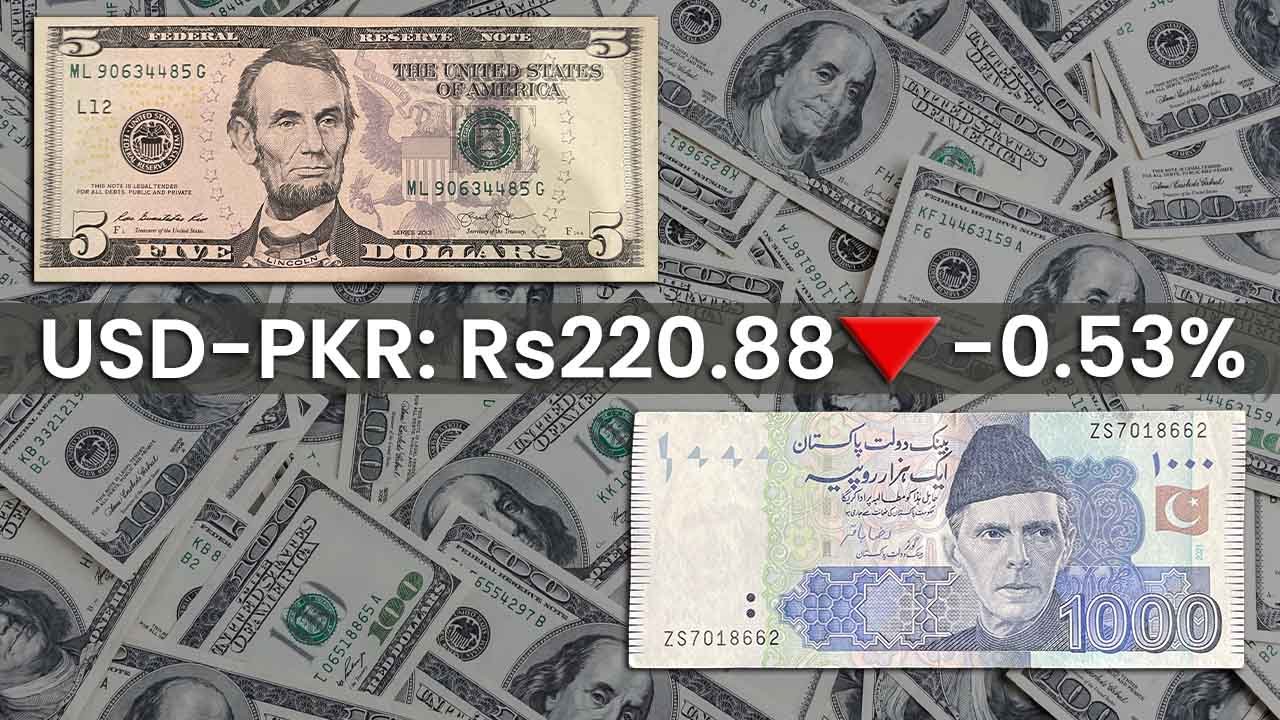
    The Pakistani rupee dropped against the US dollar for the sixth straight session on Wednesday, losing 0.53 per cent in the inter-bank market.

    According to the State Bank of Pakistan (SBP), the local currency dropped by Rs1.17, or 0.53 per cent, to close at Rs220.88. In the last six trading sessions, the rupee has lost Rs3.09, or 1.4 per cent, of its value overall.

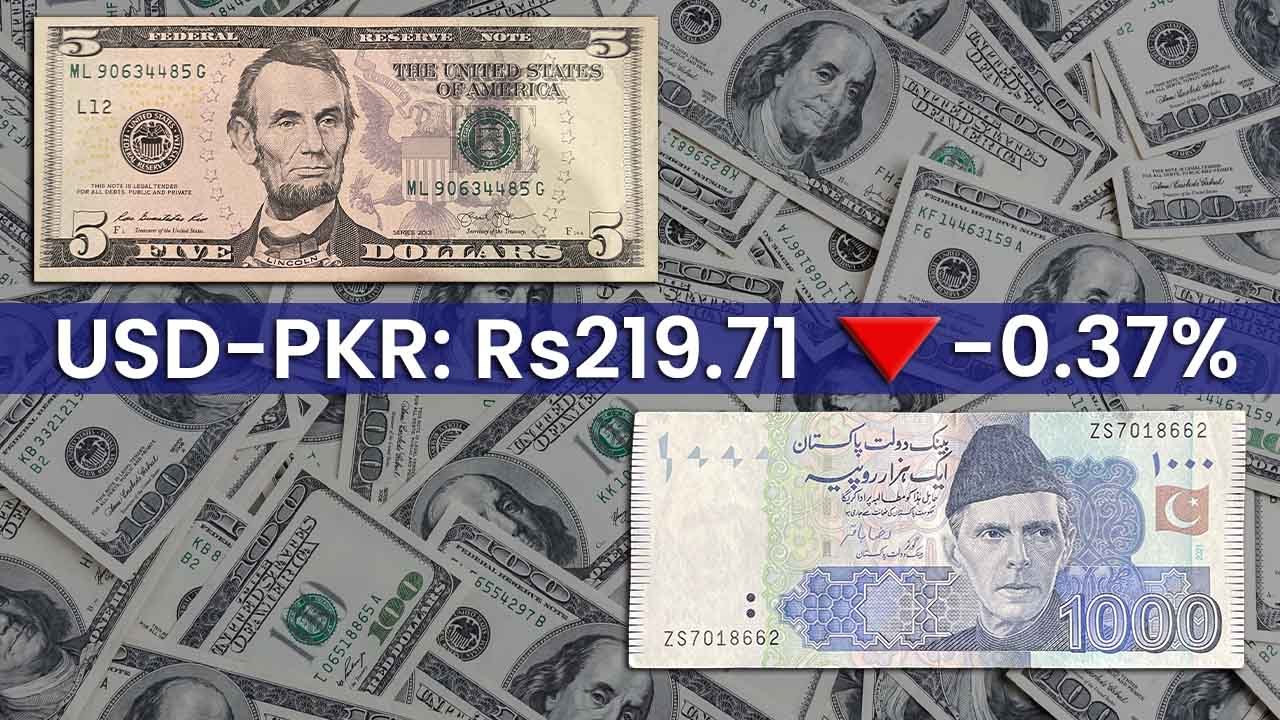
    The rupee lost value against the US dollar on Tuesday for the fifth consecutive session, closing at Rs219.71 after losing Rs0.82 (0.37 per cent).

    According to market analysts, the local currency’s weakness is caused by declining reserves and a lack of evidence of foreign capital inflows.

    In an interview with Bloomberg, Finance Minister Ishaq Dar said that the rupee has been “heavily undervalued”.

    “It is due to speculation – and some players in the market have been responsible for that,” he added.

    Globally, the greenback hung close to a 32-year peak versus the yen on Wednesday while edging up from a two-week trough against a basket of major peers as traders weighed improved risk sentiment against the prospect of aggressive Federal Reserve rate hikes.

    The dollar index – which measures the currency against six peers including the yen, sterling and euro – edged up to Rs112.01, after dropping to the lowest since October 6 at Rs111.76 overnight.

    On Wednesday, oil prices increased marginally despite bearish factors like unclear Chinese demand growth and falling gas costs, which were offset by bullish factors like declining crude stocks and a generally undersupplied market.

  • PKR suffers losses against USD for 5th consecutive day

    PKR suffers losses against USD for 5th consecutive day

    The State Bank of Pakistan and the government were unable to stabilise the exchange rate as the Pakistani rupee lost value for the fifth straight day on Monday after falling 46 paisas against the US dollar in the interbank market.

    State Bank of Pakistan reports that the local unit decreased by 0.37 per cent to close at Rs219.71.

    The closing price in the interbank market, according to the Exchange Companies Association of Pakistan (ECAP), was Rs220 as opposed to Rs219.50 in the previous trading session.

    US dollar dropped 30 paise in the open market, closing at Rs225.70 as opposed to Rs226 the previous session. Its price on October 11 was Rs219

    The optimistic market sentiments that appeared following the nomination of Ishaq Dar as finance minister in anticipation of his potential to secure dollar inflows appeared to have disappeared.

    In FY23, Pakistan would need around $32 billion to pay for its foreign debt, mostly to service it, as well as to close its current account deficit. In a recent interview with a foreign news outlet, the finance minister stated that he will seek to reschedule approximately $27 billion in non-Paris Club debt, the majority of which is owed to China.