Tag: USD

  • Microsoft reduces profit estimation due to market volatility

    Microsoft reduces profit estimation due to market volatility

    Microsoft slashed its fourth-quarter profitability and earnings projections on June 2, becoming the latest U.S. corporation to notify of the impact of a stronger dollar.

    An aggressive Federal Reserve and increased geopolitical tensions have driven the dollar up 14 per cent against a basket of currencies in the last year, forcing companies like Coca-Cola Co and Procter & Gamble to lower their expectations for the rest of the year.

    A stronger dollar generally consumes the earnings of multinational corporations that have extensive global operations and convert foreign currencies into dollars. Microsoft has lowered its sales forecast for all three segments, which include Windows products, cloud services, and personal computing.

    Corporate hedging activity has increased as more businesses seek to protect their revenues from the impact of market volatility in the face of rising inflation. It’s indeed common for businesses to preserve themself from unusual currency transitions, however, the intensity comes after years of low forex fluctuation when market volatility had little impact on income.

    Revenue for the quarter is expected to be between $51.94 billion and $52.74 billion, down from a previous range of $52.40 billion to $53.20 billion. Microsoft reduced its profit forecast from $2.28 to $2.35 per share to between $2.24 and $2.32 per share.

    Considering Refinitiv data, analysts expect earnings per share of $2.33 on revenue of $52.87 billion. In April, the company forecasted double-digit revenue growth for the next fiscal year, owing to increased demand for its office software and cloud services as economies reopen and businesses shift to a hybrid model that allows employees to work from both the office and from home.
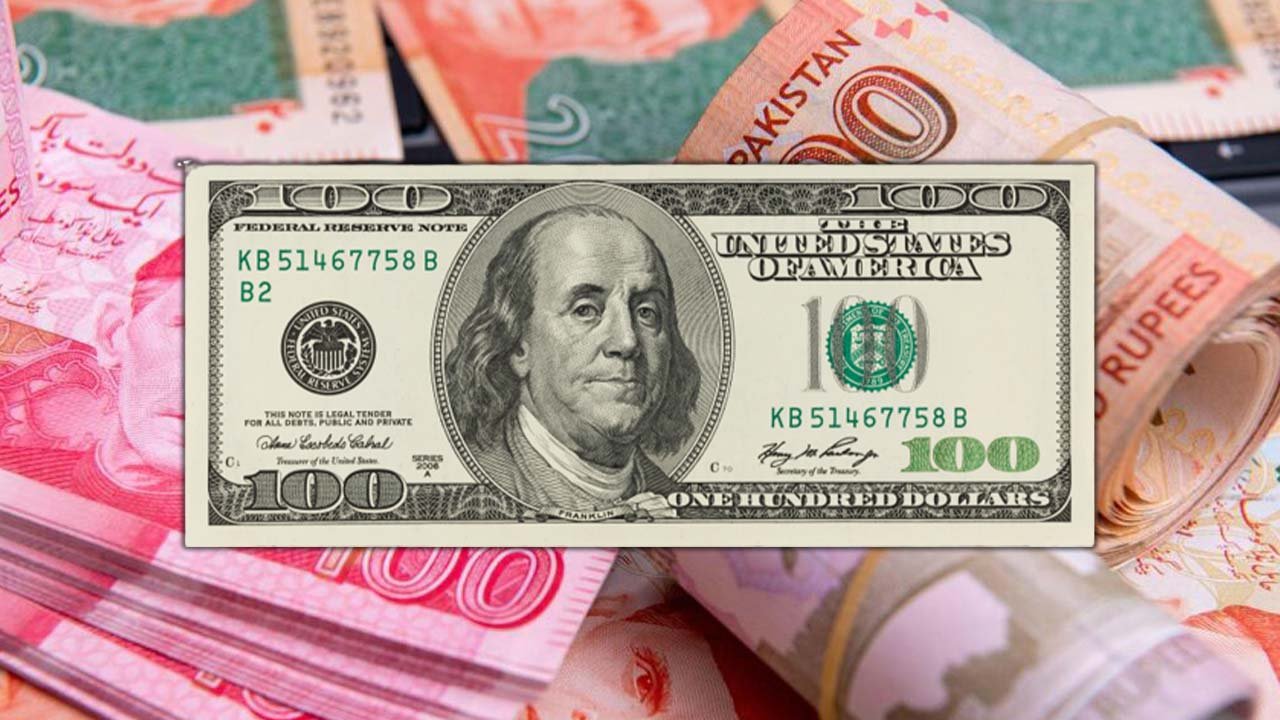
  • Pakistani rupee gains ground for the third consecutive day

    Pakistani rupee gains ground for the third consecutive day

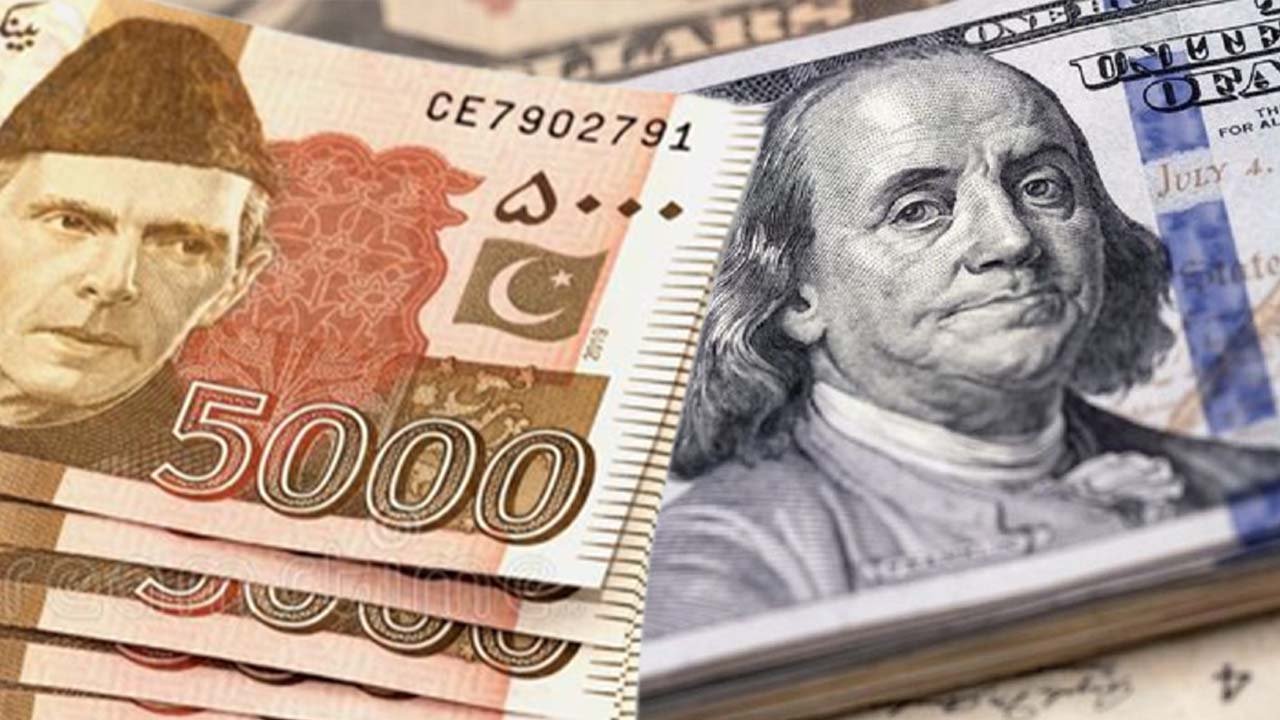
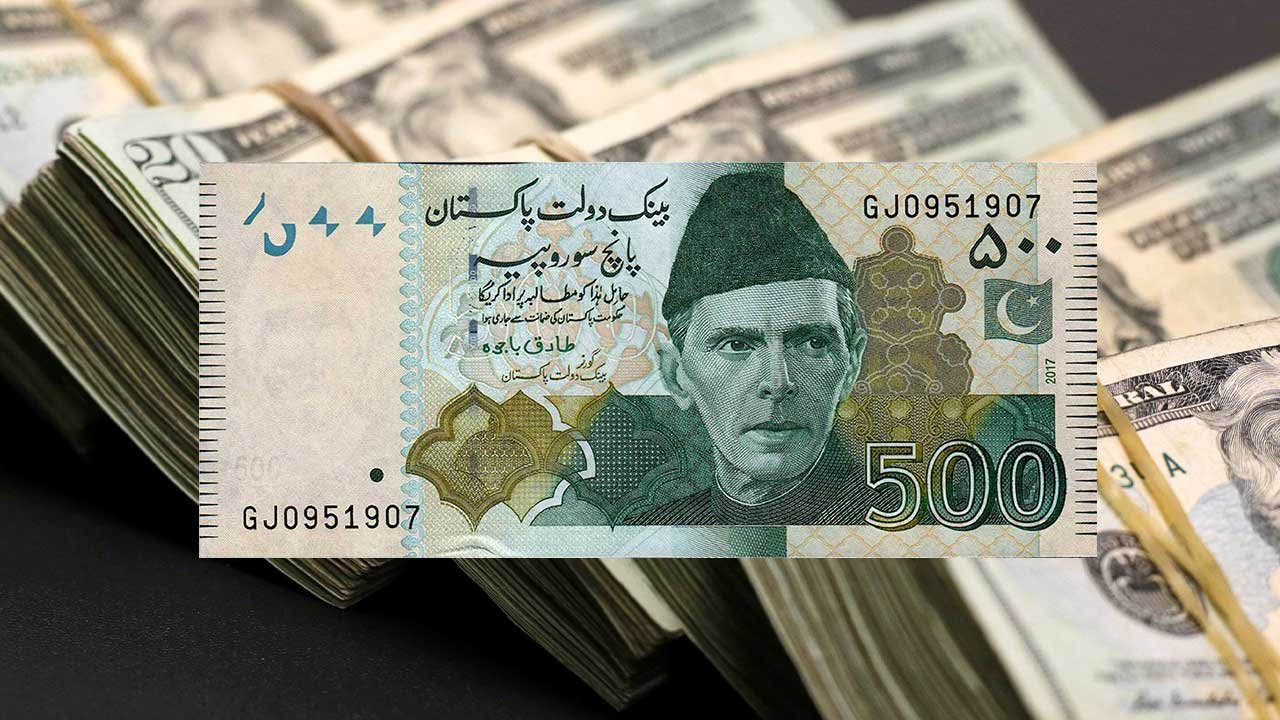
    Pakistani rupee (PKR) gained 60 paisas after closing in the inter-bank market on May 31, as a return of clarity on the economic front and a reduction in domestic political turmoil boosted it for the third consecutive day.

    According to the State Bank of Pakistan (SBP), the local currency closed at Rs198.46 after gaining 60 paisas (0.30 per cent) in the day. The local currency concluded at Rs199.06 on Monday, up 70 paisas, or 0.35 per cent, from its previous closing.

    On the other hand, oil prices, a key indicator of currency parity, rose on Tuesday as the EU decided to cut Russian oil imports, fueling fears of a tighter market already stressed for supply ahead of the peak summer driving season in the US and Europe.

    The appreciation arrived as European Union leaders decided to slash 90 per cent of Russian oil imports by the end of this year, breaking a deadlock with Hungary over the bloc’s heaviest sanctions against Moscow since the invasion of Ukraine.

    The rise in oil prices is another bad news for Pakistan, which has seen its import bill increase, putting strain on external payments while increasing market demand for dollars.

  • Pakistani rupee drops to Rs202 as market ambiguity extends

    Pakistani rupee drops to Rs202 as market ambiguity extends

    Pakistani currency slid to another historic low of Rs202 versus the US dollar on May 25 and lost ground in the interbank market.

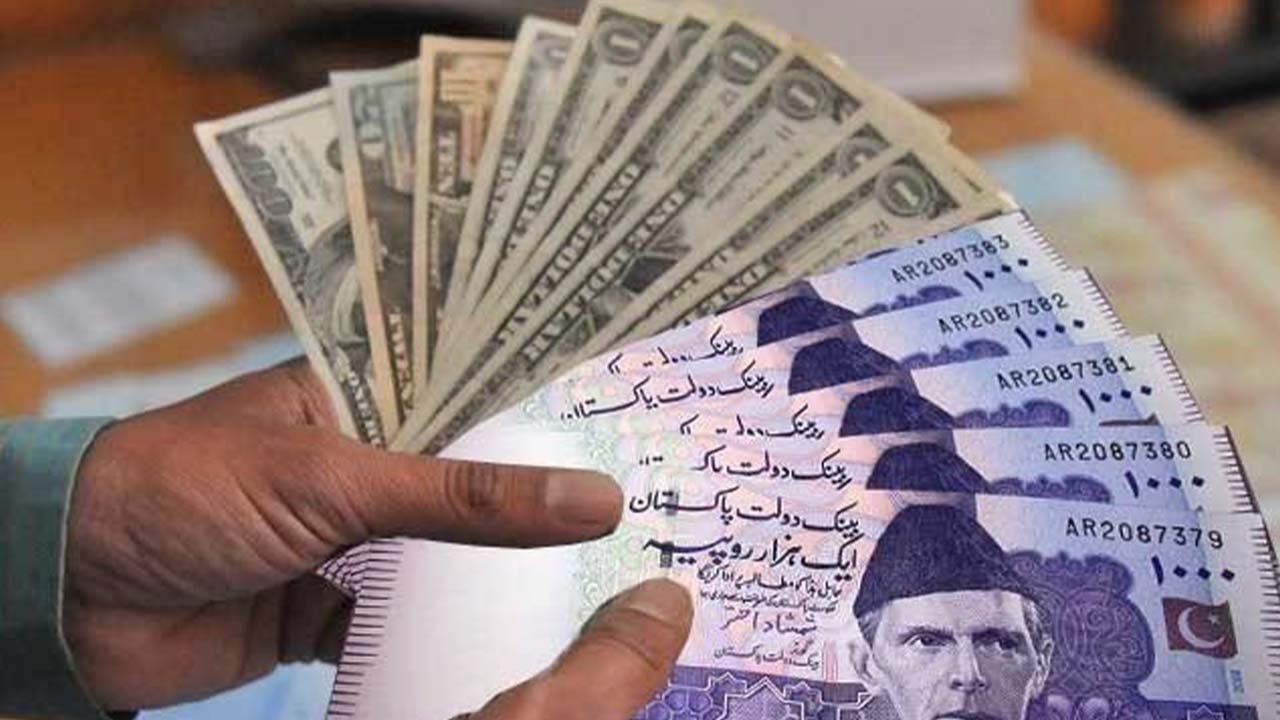
    It fell 0.25 per cent against the US dollar today, closing at Rs201.92 after losing 51 paisas in the interbank market. During today’s open market session, the rupee hit an intraday low of Rs202.12 against the US dollar. In two weeks, the dollar has gained Rs15.23 against the rupee, and Rs18.98 since the new regime took power.

    The political situation in Pakistan also played a significant role in keeping the forex market on its toes, as players on both sides of the fence intensified their narratives against one another. Riots have broken out across the country after the month-old government shut down roads leading to Islamabad, where former Prime Minister Imran Khan’s party is planning a large rally calling for the removal of the incumbent and immediate general elections.

    International oil prices maintained Monday’s gains as concerns about tight global supply continued to outweigh short-term trade forecasts. Brent crude rose to $114 per barrel, while West Texas Intermediate (WTI) crude in the United States rose to $111.

    Today, the PKR fell further against the majority of the other major currencies in the interbank market. It fell two paisas against the Pound Sterling (GBP), 13 paisas against the Saudi Riyal (SAR), and 38 paisas against the Australian Dollar (AUD).

    In today’s interbank currency market, it gained 12 paisas against the Canadian Dollar (CAD) and 17 paisas against the Euro (EUR).

    It is worth noting that the PKR reported losses against the greenback for the fourteenth day in a row.

  • Gold prices in Pakistan hit historic high of Rs143,600 per tola

    Gold prices in Pakistan hit historic high of Rs143,600 per tola

    Gold prices in Pakistan continued to rise as the Pakistani currency fell deeper versus the US dollar, pushing the precious metal to a high of Rs143,600 per tola.

    The price of gold per tola increased by Rs1,950 per tola, as per the All Sindh Sarafa Jewellers Association (ASSJA). Moreover, the price per 10 gramme jumped by Rs1,672 to Rs123,114.

    Following yesterday’s gain of Rs1,950 per tola, the gold price has risen by Rs5,250 in the last four days (Friday-Tuesday).

    During the current economic crisis, gold has resurfaced as a secure investment, and consumers have been eagerly buying gold to preserve their savings against inflation.

    The rupee’s collapse, which reached an all-time low of Rs201.41 versus the US dollar in the interbank market, compelled the gold trading body to drastically raise the bullion price.

    The price of yellow metal fell by $4 per ounce on the international market to settle at $1,858. When compared to the Dubai market, gold prices in Pakistan are roughly Rs1,500 lower.

  • Pakistani Rupee drops to a new low of Rs195.74 against US dollar

    Pakistani Rupee drops to a new low of Rs195.74 against US dollar

    In today’s interbank market, the Pakistani Rupee (PKR) plummeted to another historical low versus the US Dollar (USD). It fell 0.80 per cent against the US dollar, closing at Rs195.74 after losing Rs1.56 in the interbank market.

    During today’s open market session, the local currency fell to an intraday low of Rs197 versus the US dollar. Since last week, the dollar has gained Rs9.06 against the PKR, and Rs12.81 since the new government took office on April 11, 2022.

    The local currency hit a new all-time low against the dollar on May 17, ahead of Pakistan’s preliminary consultations with the International Monetary Fund (IMF) in Doha on Wednesday (tomorrow) to revive the country’s stalled multibillion-dollar bailout package.

    On Tuesday, oil prices rose to their highest level in seven weeks, spurred by the European Union’s continued push for a ban on Russian oil imports, which may dangerously constrain supplies. Brent crude hit a high of $115, its best since March 28, while WTI crude in the United States rose 78 cents, or 0.7 per cent, to $114.98.

  • Bitcoin surrenders weekend gains, slides 5 per cent

    Bitcoin surrenders weekend gains, slides 5 per cent

    Cryptocurrencies continued their steady decline on May 16, surrendering the gains made over the weekend as regulators loomed.

    European authorities have reinforced their warnings about the vulnerabilities of cryptocurrencies. Bitcoin slumped 5 per cent to roughly $29,700 in Asian trade on Monday, falling alongside markets amid concerns about burgeoning inflation and borrowing costs.

    As the catastrophic collapse of TerraUSD, a so-called stablecoin, has roiled crypto markets already plunging amid widespread selling of risky assets, the world’s largest cryptocurrency has lost almost a fifth of its value so far this month.

    Read more: Pakistani rupee crashes to historic low of Rs194 against US dollar

    Stablecoins are vulnerable to investor runs, according to the US Federal Reserve, because they are underpinned by commodities that could depreciate or become worthless in adverse economic conditions.

  • ‘Stablecoin’ crashes, bitcoin set for a record losing run

    ‘Stablecoin’ crashes, bitcoin set for a record losing run

    Following the collapse of TerraUSD, a so-called stablecoin, resonated across markets, cryptocurrencies suffered significant losses on Friday, with bitcoin trapped below $30,000 and on track for a record losing streak.

    Concerns about high inflation and rising interest rates have prompted widespread dumping of hazardous investments, including crypto assets.

    However, sentiment is particularly shaky, as tokens that were intended to be tethered to the dollar have failed.

    Bitcoin, the most valuable cryptocurrency by market capitalization, attempted a recovery early in the Asian session, rising 2 per cent to $29,500, a recovery from a 16-month low of roughly $25,400 on Thursday.

    It is still trading well below week-ago levels of around $40,000 and is on track for a record sixth consecutive weekly loss unless weekend activity improves.

    “I don’t believe the worst is gone,” Scottie Siu, investment director at Axion Global Asset Management, a Hong Kong-based firm that manages a crypto index fund, said. “I believe there will be further decline in the days ahead”.

    “I believe what we need to see is a significant drop in open interest, so that speculators are forced out, and then the market will stabilise”.

    Read more: Pakistan’s cement exports fell by 82.15 per cent in April 2022

    This week, TerraUSD (USDT) lost its 1:1 peg to the dollar, as its method for maintaining stability, which relied on another virtual token, failed under selling pressure.

  • Pakistani Rupee crashes to a record low against US dollar 

    After a fourth consecutive session of losses on May 10, Pakistan’s currency hit an all-time low in the interbank market due to a lack of clarity on foreign cash inflow and a stronger US dollar.

    The rupee ended the day at Rs188.66, down Rs1.13, or 0.60 per cent, according to the State Bank of Pakistan (SBP). After a 0.48 per cent decline on Monday, the rupee finished at Rs187.53. Prior to Tuesday, the PKR’s lowest closing was Rs188.18 on April 7, 2022.

    Oil prices, a key indicator of currency parity, dipped in tumultuous trade on Tuesday as the market weighed the impact of expected European Union penalties on Russian oil against demand concerns stemming from China’s coronavirus lockdowns, a strong dollar, and rising recession threats.

    Read more: Pakistani rupee nearing an all-time low

    Despite the decline, the price of oil remains far above $100 per barrel, a high level for oil-importing nations like Pakistan, which is already grappling with a growing current account deficit and dwindling foreign exchange reserves.

  • Pakistani rupee nearing an all-time low

    Pakistani rupee nearing an all-time low

    On Monday, the Pakistani rupee (PKR) fell for the third consecutive session as depleted foreign exchange reserves and uncertainty over the renewal of the International Monetary Fund (IMF) programme weighed on the local currency.

    The PKR lost 0.48 per cent of its value against the US dollar in the interbank market.

    The rupee ended the day at Rs187.53, down 90 paisas, or 0.48 percent, according to the State Bank of Pakistan (SBP). After a 0.5 per cent decline, the rupee finished at Rs186.63 on Friday.

    Considering the latest decline, the local currency is only 65 paisas away from reaching an all-time low of Rs188.18 on April 7, 2022.

    Oil prices fell on Monday alongside equities, driven down by a strong dollar and demand fears stemming from China’s continued coronavirus lockdowns.

    Read more: Bitcoin falls to lowest since January after stock market

    The key cause driving the rupee’s decline against the greenback, according to Arif Habib Limited Head of Research Tahir Abbas, is uncertainty on the IMF front.

    Uncertainty about the programme led to a surge in selling pressure in Pakistani stocks, which fell throughout the day.

  • Toyota Pakistan announces another massive price hike for all cars

    Toyota Pakistan announces another massive price hike for all cars

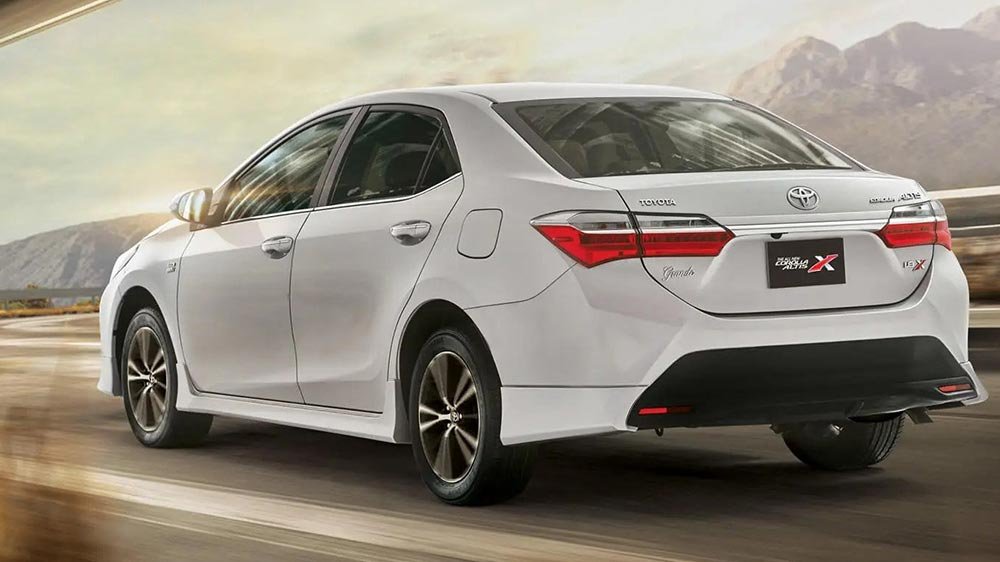
    For the second time in less than a month, Toyota Indus Motor Company (IMC) has announced a hefty price increase for all of its locally assembled vehicles. The increase was attributed by the corporation to the ongoing depreciation of the local currency against the US dollar.

    All variants from Toyota have received a hike of more than Rs170,000, which goes up to nearly Rs600,000.

    Toyota Corolla

    The old price of the Corolla Altis X Manual 1.6 was Rs3,749,000, and it will now cost Rs3,909,000 after a rate hike of Rs160,000.

    The Altis X Automatic 1.6 witnessed a price increase of Rs170,000, and now costs Rs4,099,000, up from Rs3,929,000 earlier.

    Altis X Automatic 1.6 Special Edition (SE) was previously priced at Rs4,309,000 and is now priced at Rs4,509,000.

    Altis X CVT-i 1.8, which also got a Rs200,000 hike, bringing the rate to Rs4,499,000, up from Rs4,299,000 previously.

    The price of the Altis Grande X CVT-i 1.8 (Beige Interior) has increased by Rs210,000, bringing the total price to Rs4,859,000, up from Rs4,649,000 previously.

    The Corolla Altis Grande X CVT-i 1.8 (Black Interior) was priced at Rs4,689,000, which now costs Rs4,899,000 after a price increase of Rs210,000.

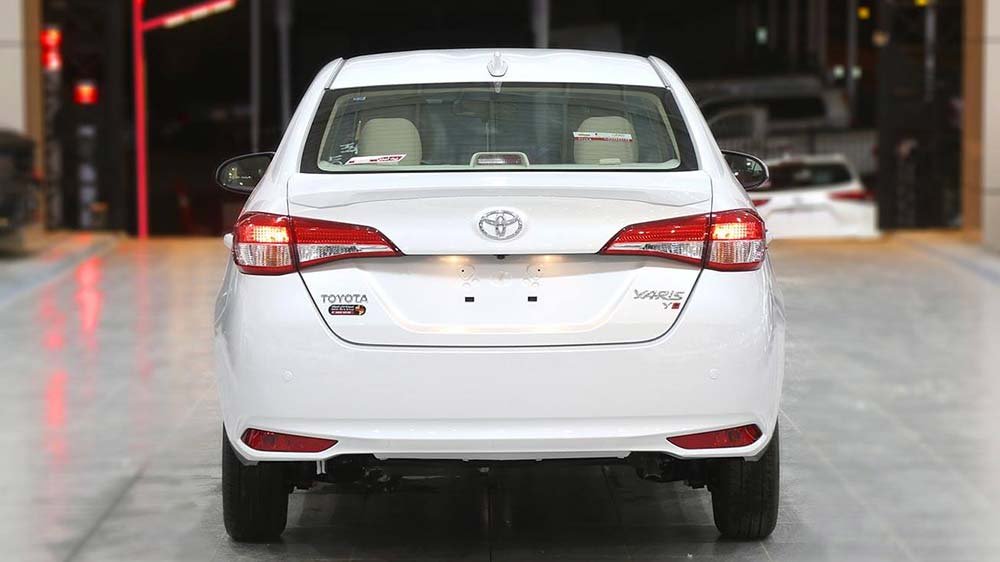
    Toyota Yaris 

    The present price of the Yaris GLI MT 1.3 is Rs2,899,000, however after a price increase of Rs140,000, the new price is Rs3,039,000.

    Yaris ATIV MT 1.3, saw a price increase of Rs150,000, bringing the total price to Rs3,209,000, up from Rs3,059,000 previously.

    Yaris GLI CVT 1.3, and following the recent rise of Rs140,000, the car’s new price is Rs3,249,000, up from Rs3,109,000.

    Yaris ATIV CVT 1.3, used to cost Rs3,229,000, is now priced at Rs3,449,000 after a price spike of Rs150,000.

    The revised pricing of the Yaris ATIV X MT 1.5 is Rs3,449,000, an increase of Rs160,000. It was last sold for Rs3,289,000.

    The new price of the Toyota Yaris ATIV X CVT 1.5 is Rs3,659,000, increase from the original price of Rs3,499,000.

    Toyota Revo

    The earlier price of the Hilux E was Rs7,059,000, and following a Rs300,000 rise, it would now cost Rs7,359,000.

    Hilux Revo G Manual 2.8: The business raised the price by Rs330,000, bringing it to Rs7,989,000, up from Rs7,659,000 previously.

    The Hilux Revo G Automatic 2.8 has increased by Rs350,000, bringing its new price to Rs8,379,000, up from Rs8,029,000 previously.

    Hilux Revo V Automatic 2.8 was formerly priced at Rs8,839,000, but it is now priced at Rs9,229,000, a Rs390,000 increase.

    The Hilux Revo Rocco, which used to cost Rs9,319,000, now costs Rs9,729,000 after a price increase of Rs410,000.

    Toyota Fortuner

    Fortuner 2.7 G, formerly priced at Rs9,499,000, will now cost Rs9,959,000 after a price increase of Rs460,000.

    Fortuner 2.7 V now costs Rs11,459,000 instead of Rs10,949,000, a huge difference of Rs510,000.

    Fortuner 2.8 Sigma 4, received a price hike of Rs550,000, bringing it to Rs12,039,000, up from Rs11,489,000 previously.

    The fourth is the Fortuner Legender, which used to cost Rs12,099,000 but now costs Rs12,679,000 after an Rs580,000 price increase.

    Customers affected by the new pricing

    The new price will apply to all bookings placed after April 30, 2022. All orders placed before March 23 will be charged at the previous rate. All vehicles booked between March 23 and April 29, 2022, or before June 20, 2022, will be billed at the old rate. From March 23 to April 29, 2022, or before June 20, 2022, all DFS orders will be invoiced at the earlier rate.