Tag: Utility Bills

  • OGRA notifies major gas price hike for November

    OGRA notifies major gas price hike for November

    The caretaker government’s decision to implement a gas price increase of over 172 per cent for non-protected domestic consumers has left many shocked and outraged.  

    Starting on November 1, the revised prices are set to impose a significant financial burden on households already grappling with financial difficulties. 

    According to the notification released by the Oil and Gas Regulatory Authority (OGRA), the new gas prices represent a substantial hike across various consumption levels.  

    For instance, customers consuming 100 cubic metres of gas per month will now be charged Rs1,000, up from the previous rate of Rs400. Those using 150 cubic metres will see their monthly costs rise from Rs600 to Rs1,200. 

    On the other hand, the price for a monthly consumption of 200 mmbtu has increased to Rs1,600 from the previous Rs800, and for users consuming 300 mmbtu monthly, the cost has risen to Rs3,000 from Rs1,100. 

    Moreover, the charge for consuming 400 mmbtu of gas per month has gone up from Rs2,000 to Rs3,500. For those using more than 400 mmbtu per month, the new rate is Rs4,000, up from the earlier Rs3,100. 

    This significant and unexpected price surge is anticipated to have a severe impact on household budgets, especially for low-income families who heavily depend on natural gas for cooking and heating. 

  • Electricity tariff for K-Electric consumers increased by Rs4.45 per unit 

    Electricity tariff for K-Electric consumers increased by Rs4.45 per unit 

     
    Residents of Karachi are set to see an increase in their electricity bills, as the National Electric Power Regulatory Authority (Nepra) has recently decided to raise the power tariff by Rs4.45 per unit for consumers of K-Electric (KE).  

    The decision to elevate electricity rates, as outlined in a notification from the Power Division, was made during the initial quarterly adjustment of the preceding fiscal year. 

    Moreover, additional charges from KE consumers will be applied to their October and November 2023 bills, as specified in the notification. 

    Simultaneously, in response to a request from KE, Nepra has granted approval for the inclusion of actual or prudent expenses associated with the temporary operation of Unit-3 of Bin Qasim Power Station (BQPS-I) from May 1 to August 15, 2021, in the cost calculations. 

    Consequently, prior determinations made by the Authority on September 15, 2021, and May 12, 2022, concerning this matter have been adjusted to accommodate this modification. 

    “In view of the foregoing, the Authority hereby decides to accede to the request of KEL [K-Electric Limited] and allows the actual/prudent cost relating to the interim operation of Unit-3 of BQPS-I (from May 1, 2021, to August 15, 2021). Accordingly, the earlier decisions of the Authority (dated September 15, 2021, and May 12, 2022) in this regard stand modified to this extent,” stated the power regulator. 

    However, a member of the authority, Mathar Niaz Rana, expressed in an additional note that under the Multi-Year Tariff (MYT) plan, KE was obligated to have both phases of BQPS-III operational by December 2019, a deadline they failed to meet. 

    Consequently, they resorted to utilising Unit 3 of BQPS-I, resulting in additional fuel expenses. The cost stemming from this inefficiency should not be passed on to consumers. 

    Nepra conducted a public hearing on January 25, 2023, during which KE was given an opportunity to present its case. 

    According to The News, in the hearing, the utility company asserted that they chose to temporarily utilise Unit-3 of BQPS-1 to meet Karachi’s peak summer demand instead of resorting to more costly power generation methods or implementing power outages, all in the best interest of consumers, as per Nepra Act Sections 31(2) and 32(3). 

  • Non-filers beware: Proposed increase in advance taxes on vehicles and utility bills

    Non-filers beware: Proposed increase in advance taxes on vehicles and utility bills

    In an attempt to boost tax revenue and increase non-tax income, the Pakistan Business Council (PBC) has proposed the Federal Board of Revenue (FBR) to impose higher advance taxes on various sectors. The council’s recommendations primarily target non-filers and aim to generate additional funds for the government’s development initiatives.

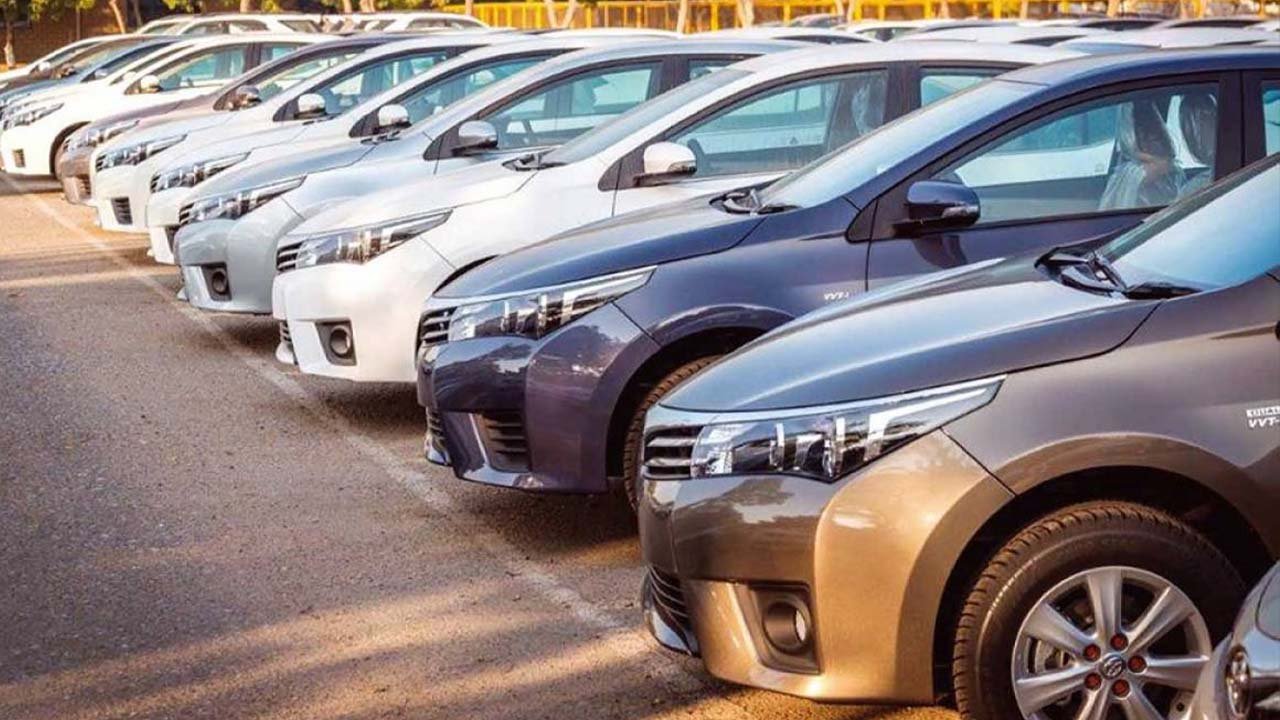
    One of the key proposals put forth by the PBC is to increase the annual advance income tax amount for owners of vehicles with an engine capacity of 2000cc and above who are non-filers. The council suggests raising the amount to Rs250,000 per year.

    Additionally, the PBC argues for an increase in advance income tax levied on non-filers for the purchase of cars, as outlined in section 231B.

    The proposed changes in advance income tax for different engine capacities are as follows:

    Engine capacity: 1800cc – 2000cc

    Existing tax: Rs600,000

    Proposed increased tax: Rs2,000,000

    Engine capacity: 2001cc – 2500cc

    Existing tax: Rs900,000

    Proposed increased tax: Rs2,500,000

    Engine capacity: 2501cc – 3000cc

    Existing tax: Rs1,200,000

    Proposed increased tax: Rs3,000,000

    Engine capacity: Above 3000cc

    Existing tax: Rs1,500,000

    Proposed increased tax: Rs4,000,000

    Furthermore, the PBC suggests raising the advance income tax from Rs1,200,000 to Rs2,400,000 on the sale of vehicles with an engine capacity of 2001cc and above by non-filers before registration.

    In addition to the proposed changes in vehicle-related taxes, the PBC recommends increasing the advance tax collected from domestic connections in the name of non-filers.

    Currently, non-filers with monthly utility bills of Rs25,000 or more are subject to a 7.5 per cent advance tax. The council suggests continuing this practice and exploring the possibility of imposing withholding tax on withdrawals exceeding Rs50,000 in a single day from non-filer bank accounts.

    According to sources within the FBR, the board has decided to increase the petroleum development levy from Rs50 to Rs60 per unit, which is expected to generate revenue of Rs870 billion. The government aims to increase non-tax income to Rs2.9 trillion through such measures.

    It is worth mentioning that the proposed measures are intended to create additional funds for various government initiatives. One such initiative involves increasing pensions by up to 30 per cent, which would require Rs780 billion in funding.

    The PBC’s recommendations, if implemented, would significantly impact non-filers and luxury expenditures. These proposed changes seek to address the revenue deficit and support the government’s efforts to strengthen the economy and promote sustainable development in Pakistan.
  • Gas shortage worsens in Pakistan amid rising demand and low reserves

    Gas shortage worsens in Pakistan amid rising demand and low reserves

    Minister of State for Petroleum, Musadik Malik, stated on Wednesday that the general public cannot receive gas 24/7 due to a decline in the commodity’s reserves, which is a significant reason. Pakistan relies heavily on natural gas for energy, and with increasing demand and insufficient supply, load shedding has become a daily occurrence in many areas of the country. This situation worsens during Ramadan when Pakistanis consume more gas for cooking and other purposes, particularly during sehri and iftar timings.

    During a conversation with journalists in Karachi, the minister mentioned that gas load shedding would end during sehar and iftar but did not specify when. “We cannot provide gas for 24 hours as our reserves have decreased,” he stated. Recently, the issue of gas scarcity in Karachi has caught the attention of Prime Minister Shehbaz Sharif, who has directed relevant officials to ensure an uninterrupted supply of the commodity. He has instructed that the supply of gas must be monitored, and no negligence should be tolerated.

    Due to the widening gap between gas supply and demand, the Sui Southern Gas Company (SSGC) has announced its decision to suspend supplies to captive power plants and industries. The gas utility has stated that this decision has been made due to low gas supply, and the volume of gas in pipelines has decreased. In response, the Karachi Chamber of Commerce and Industry (KCCI) has called for immediate government action to address the shortage of gas supply to Karachi’s industries, stating that the industries cannot operate without gas and would be forced to halt production.

    KCCI President Muhammad Tariq Yousuf said, “It is highly unfair to have such an attitude towards Karachi’s business community, which, despite facing so many challenges, contributes around 54 per cent in terms of exports and more than 68 per cent in terms of revenue.”

    While talking to journalists, Malik said that his visit to Karachi was aimed at resolving the gas supply issues faced by the people and urged them to pay their utility bills. “The gas bill of the rich and poor has been separated; rich people will have to pay more now,” he said, adding that the separation of gas bills for the rich and the poor was now in effect.

  • NADRA introduces a new digital payment system to replace ATMs

    NADRA introduces a new digital payment system to replace ATMs

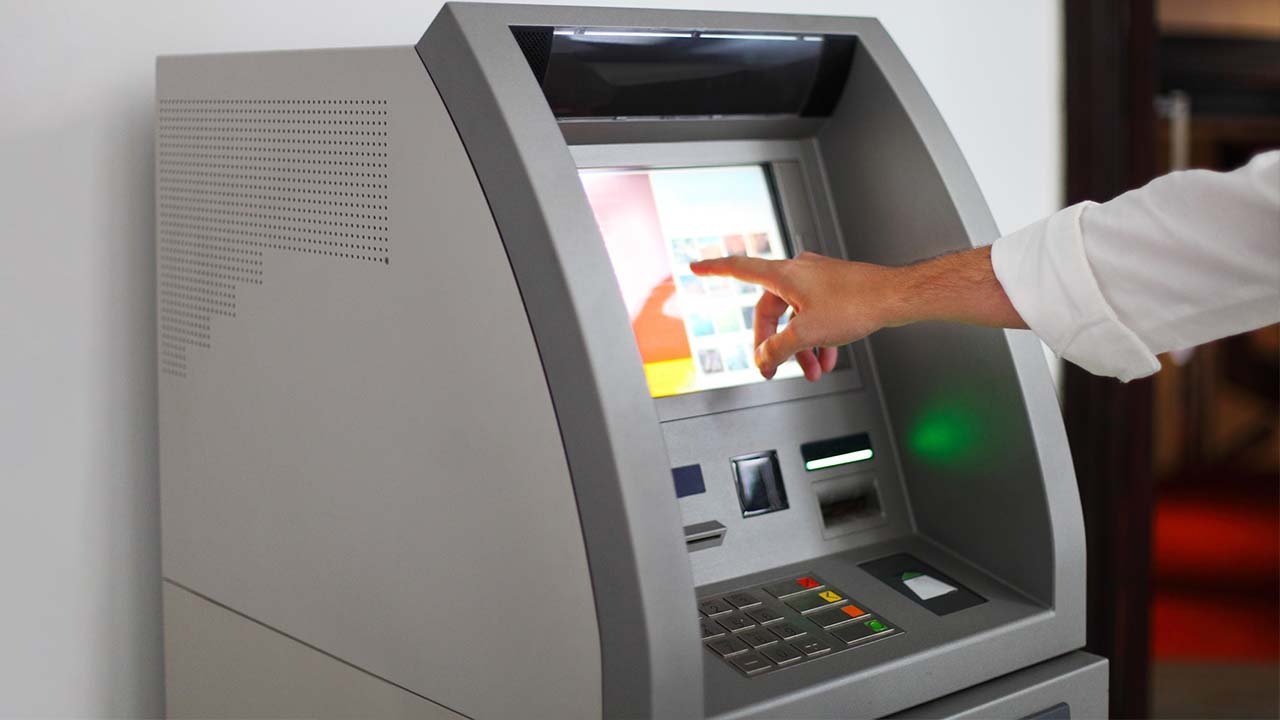
    The National Database and Registration Authority (NADRA) has introduced an innovative system that will serve as an alternative to automated teller machines (ATMs) and let citizens pay utility bills and identity documents.

    This development comes as a result of NADRA’s partnership with 1Link, Pakistan’s largest and fully licensed payment gateway system. The two authorities have formed a strategic alliance to evolve and administer an e-payment system that will build on NADRA’s already existing e-Sahulat franchise.

    According to DAWN, the collaboration will make it possible for the more than 17,000 e-Sahulat centers to conduct financial transfers, cash-in and cash-out transactions, as well as P2G, G2P, and P2P payments.

    NADRA Chairman Tariq Malik and 1Link CEO Najeeb Agrawal inked the agreement on Monday at the organization’s headquarters. In response to this development, Malik stated that NADRA has been trying to enhance e-governance by empowering organisations from the public and commercial sectors through its digital services.

    He asserted that one of Pakistan’s most cutting-edge digital services for financial payments is NADRA’s e-Sahulat facility.

    Through this cooperation, the more than 17,000 e-Sahulat locations operated by NADRA will be able to quadruple the capacity of more than 16,500 1Link ATMs nationwide. As was already mentioned, this will make it simple for consumers to deposit and withdraw money.

    In the future, the digital platform will also be accessible in rural Pakistan, enabling students there to continue their studies while earning money to cover their tuition.

  • Cabinet approves Rs7.91 per unit increase in power tariff

    Cabinet approves Rs7.91 per unit increase in power tariff

    After several postponements, the Federal Cabinet finally decided to approve the Rs7.91 per unit increase in the power tariff.

    The Federal Minister of Power, Khuram Dastgir, and Minister of Petroleum, Musadik Malik, made the announcement during a press conference.

    Dastgir claimed that because Prime Minister (PM) Shehbaz Sharif wanted to provide relief to the masses. The consent was not given until 45 per cent of the population had been exempted from the tariff increase.

    Musadik Malik, the minister of petroleum, disclosed that by leaving out the protected sector, the homes with consumption of less than 200 units per month, or up to 90 million people, had been left out of the price increase.

    Previously, the government’s proposal for the tariff increase was subject to the National Electric Power Regulatory Authority’s (NEPRA) reserve decision, according to Dawn.

    In accordance with the approval, the government will raise the rate by Rs3.5 per unit starting on July 26. A similar price rise will be implemented in August. The cost would then be raised by Rs0.91 per unit in October by the government, bringing the total rise to Rs7.91.

    Malik blamed the previous administration’s lack of frequent fuel adjustments and transmission losses rebasing for the sharp increase in tariffs. Fuel surcharges were raised without notifying the public at the final rebasing, which took place in February 2021.

    The power minister informed the media that the present administration had paid Rs214 billion toward circular debt, bringing the total down from Rs2,476 billion on March 31, 2022, to Rs2,253 billion on June 30, 2022.

  • Nepra approves price increase of Rs9.66 per unit for Karachi

    Nepra approves price increase of Rs9.66 per unit for Karachi

    On account of the fuel cost adjustment (FCA) for May 2022, the National Electric Electricity Regulatory Authority (Nepra) allowed K-Electric to increase its power rate by Rs9.66 per unit on Monday.

    According to Aaj News, Nepra will make the announcement following careful consideration.

    In order to transfer the financial burden of Rs22.65 billion to consumers for May 2022, K-Electric requested an increase of Rs11.34 per unit.

    Officials from Nepra questioned K-Electric during a hearing about why it wasn’t buying less expensive electricity and offered to help K-Electric establish a connection with the provincial and federal governments for this reason.

    The power distributor also questioned K-Electric’s decision not to use the inexpensive oil it had acquired for power production.

    Nepra’s representatives responded that the company was using peak hours, which are from 6:30 PM to 10:30 PM, to provide electricity and that the cost of power is much greater at these times.

    The FCA estimate for May 2022, according to K-Electric, was based on the requested rate for the month from CPPA-G and is subject to change based on a decision to be made by Nepra.

    In its FCA adjustment request, the power utility informed the regulator that it imports from outside sources and dispatches power from its own generating units (with the available fuel resources) in accordance with economic merit orders (EMOs).

  • New bank timings announced by SBP, Saturday will now be observed as a working day

    New bank timings announced by SBP, Saturday will now be observed as a working day

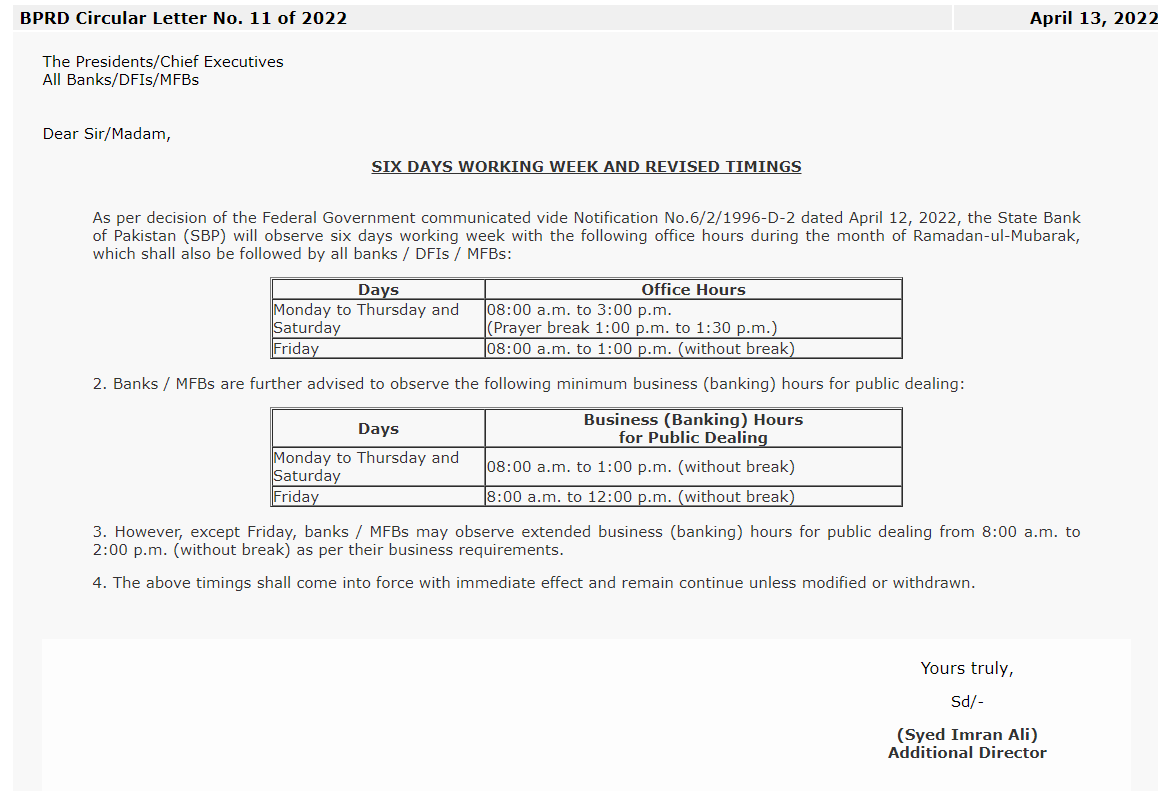
    Pursuant to the federal government’s directive issued on April 13, the State Bank of Pakistan (SBP) would observe a six-day work week with amended timings.

    During Ramzan, working hours for the central bank, development finance institutions (DFIs), microfinance banks (MFBs), and all commercial banks, are as follows:

    Monday to Thursday and Saturday from 8:00 am to 3:00 pm with a prayer break from 1:00 pm to 1:30 pm.

    Fridays: from 8:00 am to 1:00 pm without a break, according to a notification from SBP.

    Public dealing hours

    Banks and MFBs have been advised to adhere to the following public dealing business hours:

    Monday through Thursday and Saturday from 8:00 am to 1:00 pm (no break).

    Fridays from 8:00 am to 12:00 pm (no break).

    Banks and MFBs may observe longer business (banking) hours for public dealing from 8:00 am to 2:00 pm (without break) on weekdays excluding Fridays, depending on their business needs.

    The abovementioned schedule will take effect immediately and will not be changed or withdrawn unless it is amended or canceled.