Tag: Utility Stores

  • Price of 10kg flour bag reaches nearly Rs1,500 

    Price of 10kg flour bag reaches nearly Rs1,500 

    The price of ‘chakki’ flour has recently experienced an increase of Rs10 to Rs12 per kilogramme in Hyderabad, the second-largest city in the province of Sindh.  

    Consequently, the price of a 10-kg sack of flour has risen from Rs1,350 to Rs1,470.  

    In an official statement, ‘chakki’ owners explained that the surge in prices is attributed to the increased cost of wheat. They clarified that the price of a 100-kg sack of wheat has escalated by Rs3,000, elevating it from Rs8,500 to Rs11,500.  

    According to their assertions, the prevailing market rate for a 100-kg sack of wheat is Rs12,000.  

    Earlier this month in Karachi, the retail price of flour was established at Rs127 per kilogramme following successful negotiations between Karachi Commissioner Salim Rajput and the flour mills association.  

    During the discussions, the association agreed to retail the flour at Rs127 and wholesale it at Rs120 per kilogramme in the city.  

    Furthermore, the wholesale market prices were set at Rs130 per kilogramme for fine flour and Rs134 per kilogramme for retail.  

    Meanwhile, there has been a noticeable increase in prices for sugar, flour, and other essential commodities at utility stores nationwide.   

    The reported prices reveal that sugar is priced at Rs155 in utility stores, compared to Rs142.54 in the open market, representing a Rs12.46 disparity.  

    Similarly, a 20-kg bag of flour is priced at Rs2,840 in utility stores, with an open market price of Rs2,706.32, reflecting a Rs133.68 difference. 

  • Utility Stores hike sugar, ghee, and flour prices following subsidy withdrawal

    In a surprising move, the Utility Stores Corporation (USC) has raised the prices of crucial commodities such as sugar, ghee, and flour, affecting consumers across the board, including those enrolled in the Benazir Income Support Programme (BISP). This price increase comes in the wake of the outgoing government’s decision to eliminate subsidies on these essential items.

    Among the notable price hikes, a 10-kg bag of flour has witnessed a substantial increase of Rs200; sugar prices have surged by Rs30; and ghee prices have risen by Rs53 per kilogramme. This unforeseen surge in prices has left many consumers bewildered, especially considering that the government recently augmented the subsidy allocation for the USC from Rs30 billion to Rs35 billion in the ongoing fiscal year’s budget.

    In a bid to alleviate the burden on consumers, the Prime Minister’s Azadi package for BISP beneficiaries is set to launch on August 11. This relief package aims to cushion the impact of the price hikes by offering a 10-kg bag of flour at a reduced price of Rs648. Additionally, a discount of Rs25 per kilogramme will be applied to rice and pulses for eligible beneficiaries.

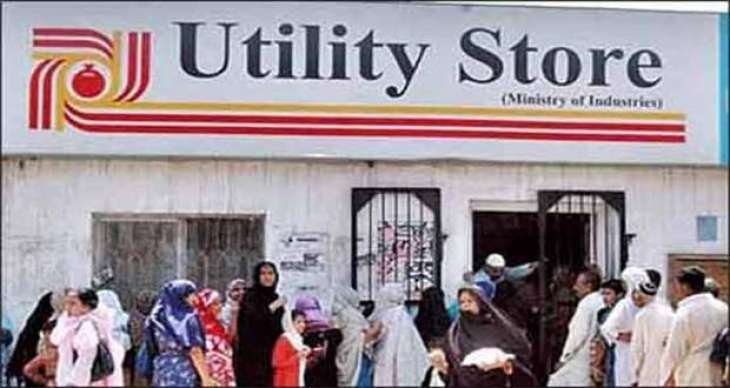
    However, the plight of consumers has been compounded by widespread shortages of essential goods at utility stores. Frustration among citizens has mounted as they endure long lines for houRsin the hope of purchasing subsidised items, only to be met with empty shelves and disappointment. The lack of availability has further exacerbated the challenges posed by the recent price increases.

    Curiously, authorities at the utility stores have refrained from commenting on the escalating situation. This silence has left consumers and observers alike wondering about the root causes of these unexpected developments and the potential implications for the broader economic landscape.

  • Punjab govt to provide free flour to 15.8 million deserving households during Ramzan

    Punjab govt to provide free flour to 15.8 million deserving households during Ramzan

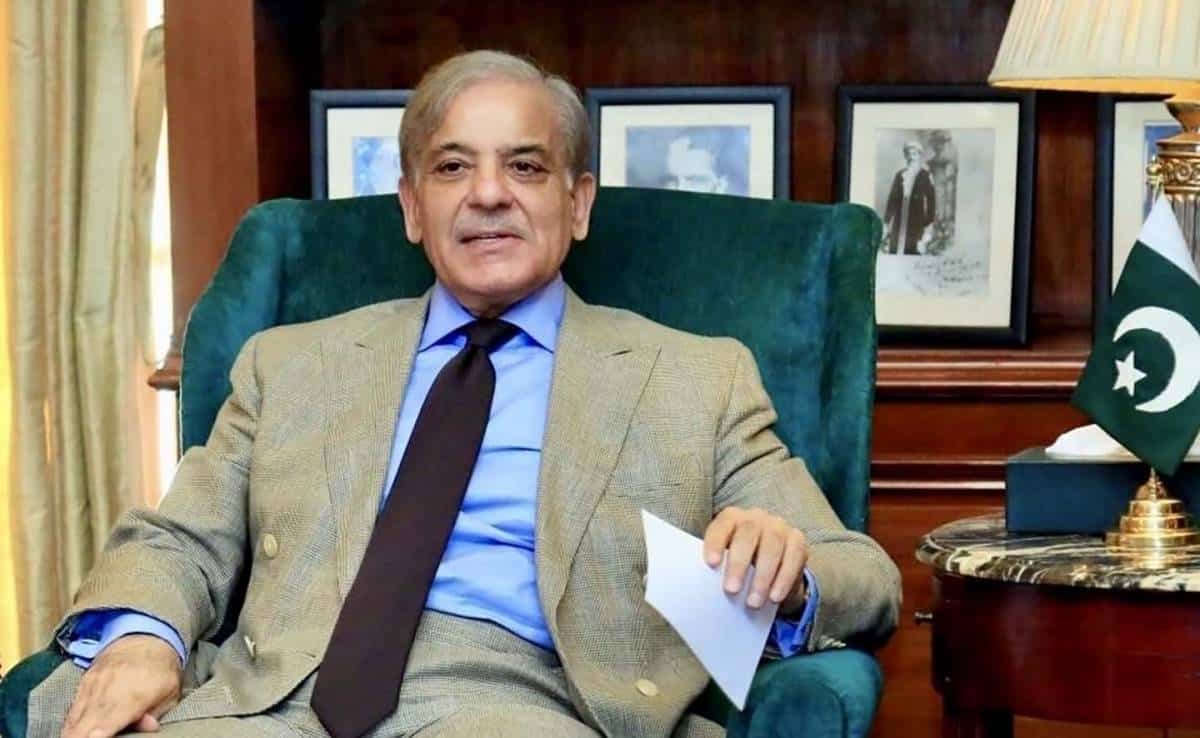
    Prime Minister (PM) Shehbaz Sharif has announced a scheme to provide free flour to impoverished individuals during the holy month of Ramzan. The premier stated that the distribution of free flour will encompass 15.8 million households throughout Punjab from 25 Sha’ban to 25 Ramzan.

    To ensure effective implementation of the scheme, the Prime Minister directed the utilisation of 8,500 utility stores and the establishment of an additional 20,000 distribution points for public convenience.

    Moreover, PM Shehbaz stressed the need for the transparent and modern distribution of free flour among the poor while also emphasising that the quality of flour provided should be of the highest standards.

    Eligibility for the program can be confirmed through SMS, and the federal government will also support other provinces in this regard.

    During a review meeting to discuss the distribution of free flour under the Ramzan package, chaired by the Prime Minister himself, the Punjab government provided a detailed briefing on the program.

    The meeting was attended by the Caretaker Chief Minister Punjab Syed Mohsin Raza Naqvi, Adviser to the Prime Minister Ahad Cheema, and other relevant senior officials.

    This decision is expected to bring much-needed relief to the underprivileged during the holy month of Ramzan. By utilising modern technology and additional distribution points, the distribution of free flour can be carried out efficiently and transparently, ensuring that the benefits reach those who are most in need.

  • Dar stresses on providing maximum relief to the underprivileged sector of society

    Dar stresses on providing maximum relief to the underprivileged sector of society

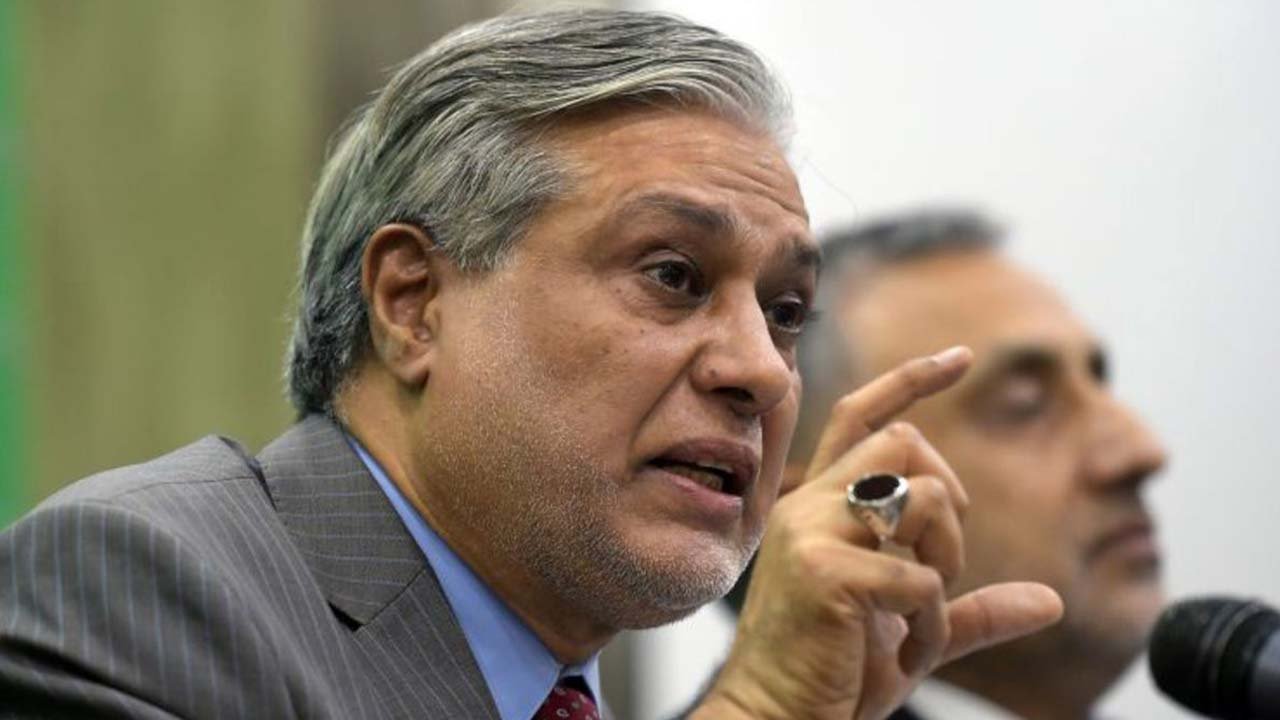
    Minister for Finance and Revenue Ishaq Dar urged the Ministry of Industries and Production on Saturday to develop a comprehensive strategy that would prioritise providing maximum relief to the least endowed sector.

    Dar, who was chairing a meeting to examine the prime minister’s relief package through Utility Stores Corporation (USC), said the current government was aware of the difficulties confronting the underprivileged section of society, which required maximal relief support.

    He went on to say that the government’s primary goal was to help the poor and that it was doing everything it could to help them.

    The meeting was attended by Federal Minister for Industries and Production Makhdoom Syed Murtaza Mehmood, SAPM for Finance Tariq Bajwa, SAPM for Revenue Tariq Pasha, Secretary Finance, Secretary Industries and Production, MD USC, and senior authorities.

    The chair was informed about the PM’s relief package and subsidy on five vital products (pulses, wheat, sugar, rice, and ghee) granted by the USC to help the public.

    It was revealed that subsidised flour, sugar, rice, ghee, and pulses were being distributed to the populace across the country. The meeting also considered the financial ramifications of the subsidies.

    The finance minister also met with Federal Communications Minister Asad Mehmood here at the Finance Division.

    Financial SAPM The meeting was attended by Tariq Bajwa, SAPM on Revenue Tariq Pasha, Secretary Finance, Secretary Communications, Chairman NHA, IG Motorway, and top officers.

    Asad Mehmood informed the finance minister of the financial status of various Communication Ministry agencies, including Motorway Police, Pakistan Post, and NHA.

    He also emphasised the organisations’ contributions to the country’s success and development.

    While acknowledging the contribution of the Ministry of Communication and its affiliated organisations to the country’s economic stability and progress, the finance minister stated that the current government was aware that a well-integrated communication network was critical for the country’s socioeconomic development and financial stability.

    According to APP, Dar also informed the communications minister that he would handle and resolve the concerns of the Communication Ministry’s organisations in order for them to perform better and contribute to Pakistan’s prosperity and development.

  • PM Shehbaz decides to continue targeted subsidy on five essentials items

    PM Shehbaz decides to continue targeted subsidy on five essentials items

    Prime Minister (PM) Shehbaz Sharif on Monday decided to continue a targeted subsidy on five essential items — wheat flour, sugar, ghee/edible oil, pulses, and rice — at Utility Stores for the next financial year.

    The prime minister also approved the expansion of a network of Utility Stores in Karachi.

    “The small number of Utility Stores in Karachi is not acceptable in any way and a comprehensive plan for raising the number of Utility Stores in the megacity should be presented within two weeks,” tweeted PM Shehbaz.

    The decision was taken at a high-level meeting regarding Utility Stores in the country, with the PM in the chair. Minister for Finance Miftah Ismail, Minister for Industries and Production Murtaza Mahmood, and other senior officials were also in attendance.

  • Shopkeepers fined in Islamabad for not adhering to DC rates

    Shopkeepers fined in Islamabad for not adhering to DC rates

    On April 27, special teams led by the Islamabad Capital Territory (ICT) administration issued fines of up to Rs40,000 to shop owners for overcharging consumers.

    During surprise raids conducted by magistrates and assistant commissioners, shops from several marketplaces were penalised, according to an ICT administration spokesperson.

    Irfan Memon, the Deputy Commissioner of Islamabad, said the administration was enforcing strict adherence to the rate list of food goods in marketplaces during Ramadan in order to prevent profiteering.

    He stated that strict action was being taken against racketeers in the federal capital and that violators were being fined heavily on the spot for overbilling. During the holy month, he claimed, daily price-checking would continue unabated.

    After investigating 628 shops across the city, officials sealed five shops and arrested 12 vendors, according to details.

    Read more: Pakistan’s energy crisis worsens, resulting in ten hours of load shedding

    The AC secretariat inspected dairy, poultry, and milk shops, as well as general stores, bakeries, and fruit and vegetable shops, for quality, general hygiene, expired products, and compliance with notified pricing and the exhibition of the DC rate list of necessary commodities.

    Three merchants were detained for refusing to exhibit the rate list and overcharging, while others who broke the law were fined and warned.

  • Khyber Pakhtunkhwa cabinet approves Rs2.5 billion subsidy under Ramzan package

    The Khyber Pakhtunkhwa (KP) cabinet on March 29 okayed a subsidy package of Rs2.5 billion for the upcoming holy month of Ramzan, to ensure an uninterrupted supply of edible items at lesser rates.

    KP Chief Minister Mahmood Khan presided over the meeting, which was attended by ministers, chief minister’s advisers, and administrative secretaries.

    Following the meeting, government spokesman Barrister Mohammad Ali Saif revealed that 2,800 points had been set up around the KP to sell 20kg bags of wheat flour for Rs800 instead of the customary Rs1100 during Ramzan, while 10kg bags would be sold for Rs400.

    During Ramzan, the cabinet also decided to set up 83 sasta bazaars, 123 Ramazan facilitation centers, 42 mobile utility stores, and 96 Ramzan dastarkhwans.

    All of these points will be supervised by monitoring units led by respective secretaries and deputy commissioners to prevent price hikes and shortages of vital commodities on the market.

  • Utility store workers go on countrywide strike for their demands

    Utility store workers go on countrywide strike for their demands

    The workers of Utility Stores Corporation went on across the country on Friday. The workers have stopped working to record their protest to convince the government for their demands. They want the authorities to declare them as permanent employees and increase their salaries.

    “The strike will be continued for an indefinite period as Utility Stores Corporation (USC)Umar Lodhi has not accepted their demands regarding their status and pay,” said All Pakistan Workers Unions President.

    He said that they announced countrywide strike following failed negotiations with owners and unions.

    Talking to a news outlet, USC Executive Director Umar Lodhi said that the department was not able to clear the dues of the employees because of the loss. But all the other demands were fulfilled, he said.

  • Naya Pakistan: Govt to set up 50,000 shops to sell daily-use items on subsidised rates

    Naya Pakistan: Govt to set up 50,000 shops to sell daily-use items on subsidised rates

    The Pakistan Tehreek-e-Insaf (PTI) government has reportedly decided to provide jobs and daily-use items to people on subsidised rates under which 50,000 new retail shops will be opened.

    Reports quoted sources as saying that Rs25 billion have been allocated for the programme in the first phase, citizens will get loans up to Rs500,000 for opening retail shops and 1,500 such shops will be opened immediately.

    The Utility Stores Corporation (USC) will reportedly supply 60 per cent items to retails shops, while shop owners will get remaining items from the open market. This plan of the government will provide jobs to 50,000 families.

    Prime Minister (PM) Imran Khan has also directed to continue the Rs7 billion relief package to Utility Stores till the end of Ramzan. The premier was informed that Utility Stores need up to Rs10 billion funds after which he had directed the ministries concerned to make arrangements for the same.

    Meanwhile, PM Imran has said that his government would announce various measures to reduce the prices of basic food items for the common man.

    He explained that the government departments concerned had also begun doing an in-depth probe into the flour and sugar price hike.

    In a series of tweets, the premier said he was aware of the difficulties being faced by ordinary people, including the salaried class, and had decided to announce a number of measures for giving relief to them come what may.