Tag: Vaccine

  • AstraZeneca admits in court that vaccine had rare side effects

    AstraZeneca admits in court that vaccine had rare side effects

    AstraZeneca has admitted in court that its vaccine can cause rare side effects, including blood clots and low platelet count.

    The vaccine, which was developed with the University of Oxford, was sued over claims that it caused death and serious injury in dozens of cases.

    The lawsuit was spearheaded by Jamie Scott, whose life took a tragic turn after receiving the AstraZeneca vaccine in April 2021. Scott suffered a permanent brain injury, prompting legal action against this pharmaceutical giant.

    “We need an apology, fair compensation for our family and other families who have been affected. We have the truth on our side, and we are not going to give up” said Kate Scott, the wife of the victim.

    In total, 51 cases have now been lodged in Britain and victims and relatives are seeking damages worth £100 million.

    “It is admitted that the AZ vaccine can, in very rare cases, cause TTS (Thrombosis with Thrombocytopenia Syndrome). The causal mechanism is not known,” the company said in court documents, quotes Dawn.

    While the company has contested the claims of Scott, the court submission marks the first time it has admitted that the vaccine can cause side-effects that are characterised by blood clots and a low blood platelet count in humans.

    “Further, TTS can also occur in the absence of the AZ vaccine (or any vaccine). Causation in any individual case will be a matter for expert evidence,” the admission in court added.

    The UK government has indemnified Astra­Zeneca against any legal action but has so far refused to intervene.

    According to the Council for International Organisat­ions of Medical Sciences, “very rare” side effects are those reported in less than 1 in 10,000 cases.

    AstraZeneca vaccine was developed by the British-Swedish company in collaboration with Oxford University, and produced by the Serum Institute of India. It was widely administered in over 150 countries.

    Some studies conducted during the pandemic found the vaccine was 60 to 80 per cent effective in protecting against the covid-19.

  • Man vaccinated for Covid 217 times reports no Side effects: scientists

    A German man who deliberately got vaccinated for Covid-19 a whopping 217 times did not report any side effects from his many jabs, according to researchers studying possibly the “most vaccinated person in history”.

    The immune system of the 62-year-old man from the central German city of Magdeburg — who has not been named — is still firing on all cylinders, the researchers said in The Lancet Infectious Diseases journal.

    They said the man voluntarily received so many shots against all medical advice, and warned against jumping to far-reaching conclusions from this single case.

    The man first came to the attention of the German-led researchers due to news reports in 2022, when he had only received 90 jabs.

    Media reports at the time said the man was suspected of getting so many doses to collect the completed vaccination cards, which could then be forged and sold to people who did not want to be vaccinated.

    A public prosecutor in Magdeburg opened an investigation into allegations of fraud over the case but no criminal charges were filed, according to the scientific paper published earlier this week.

    The prosecutor collected evidence of 130 vaccinations over nine months, it added.

    But the man claims to have received 217 vaccine doses of eight different Covid vaccines — including all mRNA versions — over 29 months.

    Kilian Schober, a virologist at Germany’s University of Erlangen-Nuremberg and study co-author, said in a statement that when they contacted the man, he was “very interested” in undergoing a range of tests to examine the effect of so many vaccinations.

    The case allowed the researchers an extremely rare chance to study what is known as “hyper-vaccination”.

    Some scientists have theorised that after being hit by so many vaccinations, a body’s immune cells would become less effective as they became accustomed to the antigens.

    But that was not the case for the German man, the researchers found.

    In fact, he had “considerably higher concentrations” of immune cells and antibodies for the Covid virus than a control group of three people who received the recommended three vaccinations, the study said.

    His body also showed no sign of fatigue from all those vaccinations — his 217th jab still boosted his number of antibodies against Covid, the researchers found.

    The man reported that he never had any vaccine-related side effects from any of the 217 jabs. He also never tested positive for Covid and showed no signs of past infection, the researchers said.

    But they warned against taking away any wider lessons from the man’s experience.

    “It should go without saying that we do not endorse hypervaccination,” Schober wrote on X, formerly Twitter.

    Caitjan Gainty, an expert in the history of vaccines at King’s College London not involved in the study, told AFP she had “never come across a historical discussion of someone who received more vaccinations than this”.

    It is “relatively unlikely” that anyone has ever had more vaccinations than the man, she added.

    Spyros Lytras, a virologist at the University of Tokyo, said it was a “comically large number of vaccinations”.

    “Whether this is the most vaccinated person in history, I cannot know, but they are certainly the most vaccinated person reported to date” by some margin, he told AFP.

    “And I doubt that we’re going to see another such report any time soon.”

  • World Health Organization’s annual report highlights growing threat of malaria due to climate change

    World Health Organization’s annual report highlights growing threat of malaria due to climate change

    World Health Organization (WHO) has released an annual malaria report which includes, for the first time, a dedicated chapter focused on the intersection of the disease with climate change. “We are at the crossroads of opportunities and challenges,” says the report.

    As described in the report, climate change is one of many threats to the global response to malaria. Millions of people continue to miss out on the services they need to prevent, detect, and treat the disease. Conflict and humanitarian crises, resource constraints and biological challenges such as drug and insecticide resistance also continue to hamper progress.

    The COVID-19 pandemic significantly disrupted malaria services, leading to a surge in both incidence and mortality rates, exacerbating already stalled progress against the disease. The world is in danger of losing the fight against malaria, as cases of the disease rose by around 5 million year-on-year in 2022, exceeding global targets to contain it, a new World Health Organization (WHO) report.

    Pandemic-related disruptions and extreme weather events linked to climate change have hindered the fight against malaria in recent years.
    Cases surged in areas where weather was most extreme.

    Floods in Pakistan last year, for example, led to a five-fold increase in malaria cases in the country, the report showed.
    Two new malaria vaccines, both of which are due to be available next year, provide some hope.

    But the report also showed a significant funding gap in the response. While $4.1 billion was invested in the global effort to tackle malaria in 2022, roughly $7.8 billion was needed, it said.

    Globally there were an additional five million malaria cases in 2022 over the previous year and five countries bore the brunt of these increases. Pakistan saw the largest increase, with about 2.6 million cases in 2022 compared to 500 000 in 2021.

  • Vaccine to prevent recurrence of breast cancer produces good results in trial

    Vaccine to prevent recurrence of breast cancer produces good results in trial

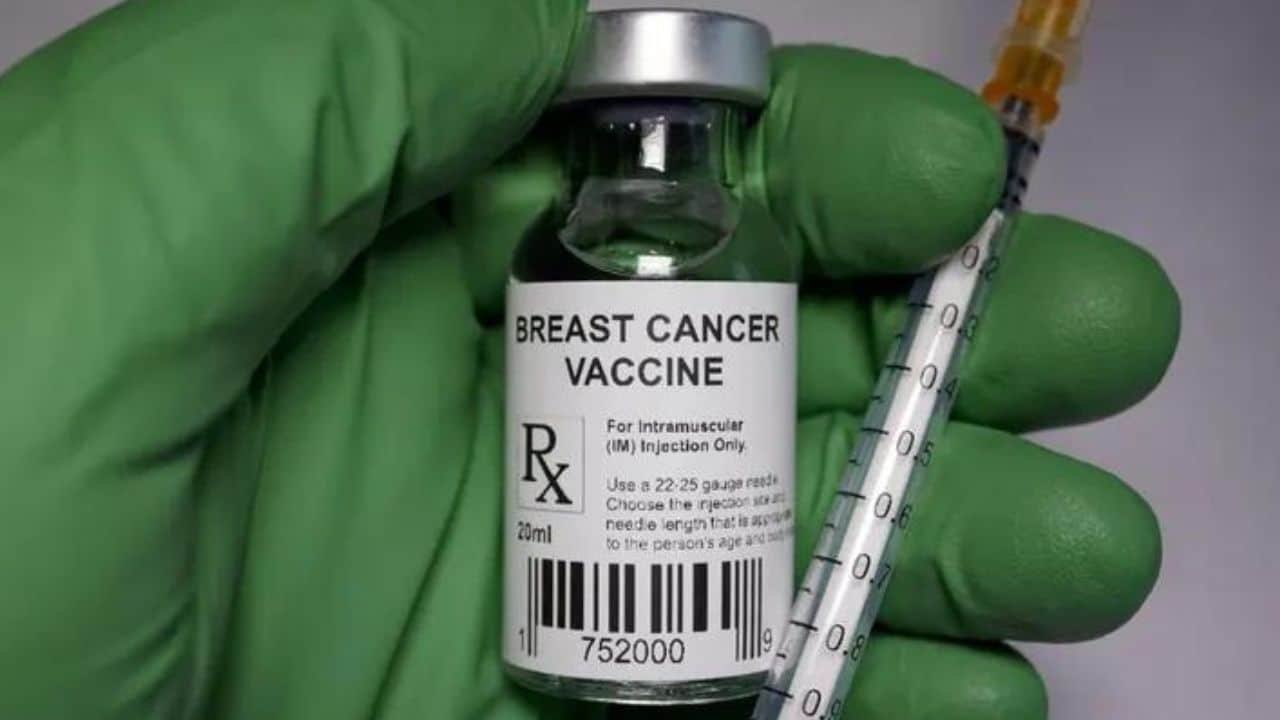
    A vaccine developed for an aggressive form of breast cancer is currently being tested in human clinical trials.

    If the trials are successful, the vaccine would be groundbreaking, preventing recurrence of triple-negative breast cancer, which makes up about 10% to 15% of all breast cancers and is particularly challenging to treat.

    According to an article published by John Hopkins, triple-negative breast cancer is one of the most aggressive forms of breast cancer because it grows quickly and has a higher rate of recurrence — locally, in the breast area, or to other parts of the body, meaning metastasis. In fact, the risk of the cancer recurring within five years of being diagnosed is nearly three times higher in patients with triple-negative breast cancer than in those who don’t have that type of breast cancer.

    Yahoo! interviewed Jennifer Davis who is the first person to receive the vaccine as part of the clinical trial.

    Davis is a 46-year-old nurse and a mother of three living in Ohio, USA. She was diagnosed with triple-negative breast cancer in 2018, undergoing a double mastectomy and several rounds of chemotherapy and radiation.

    During her follow-up appointment, she came to know about the breast cancer vaccine trial.

    The vaccine has been under development for 20 years based on research led by Vincent Tuohy, who died in January 2023, and its human trials started in October 2021.

    “My [health care] team informed me of the vaccine that Dr. Tuohy had been studying for a long time,” Davis said.

    “It’s just that kind of breast cancer — that particular type — there’s nothing I can take afterward, no tamoxifen [a hormone therapy], and recurrence is high. If it does come back, outcomes are not the greatest. So I wanted to take something — the vaccine was that for me.”

    And because Davis is a nurse she claims to understand the importance of clinical trials, adding, “That’s how we advance medicine and make changes and one day, get rid of breast cancer.”

    Chairman and chief executive officer of Anixa Biosciences, licensed to create the vaccine, Amit Kumar says that 42% of women with triple-negative breast cancer will get the cancer again within five years. “It’s typically much more aggressive, so the outcome for those women is not very good,” he tells Yahoo Life.

    The purpose of the breast cancer vaccine is to “eliminate the recurrence for those women and eventually, prevent the cancer from ever arising.”

  • Geniuses behind mRNA covid vaccines to receive Nobel Prize

    Geniuses behind mRNA covid vaccines to receive Nobel Prize

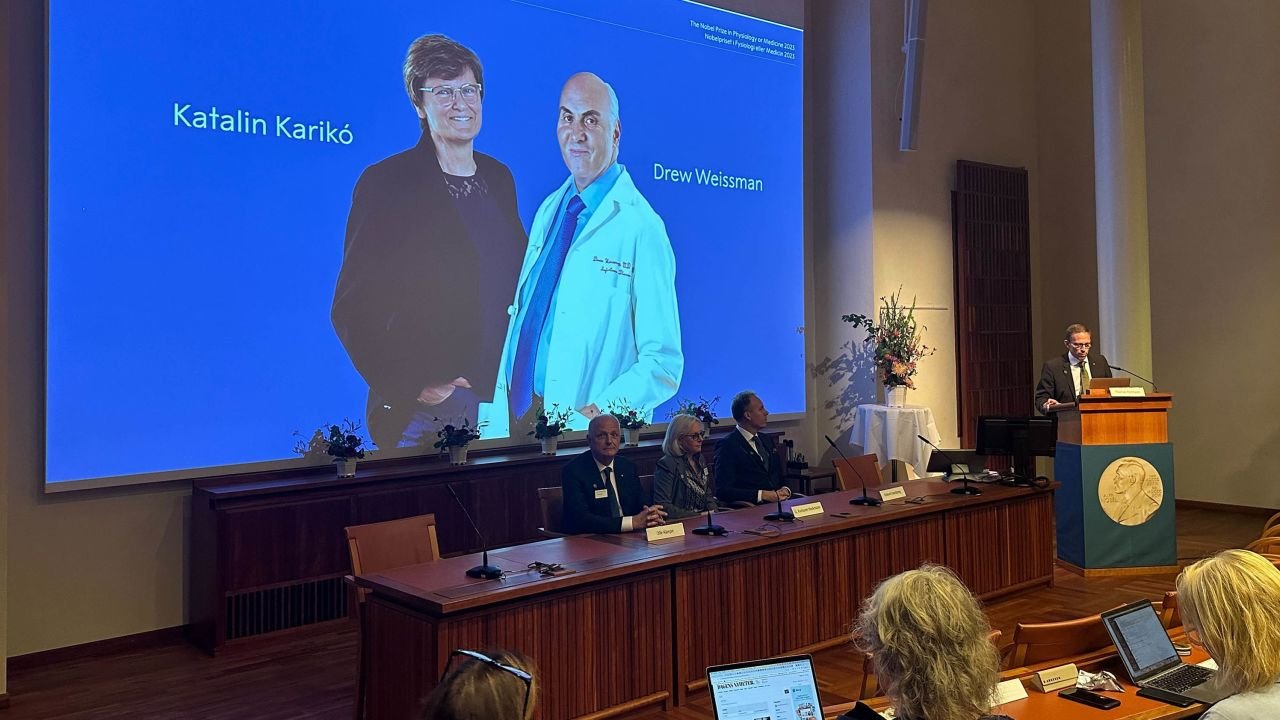
    Katalin Kariko from Hungary and American-born Drew Weissman have won the 2023 Nobel Prize in Physiology or Medicine for their research that paved the way for the first mRNA vaccines against COVID-19, made by Pfizer and Moderna.

    The Nobel Prize committee announced the winners in Sweden on Monday.

    “The laureates contributed to the unprecedented rate of vaccine development during one of the greatest threats to human health in modern times,” the jury said in Sweden’s capital Stockholm on Monday.

    Professor at Sagan’s University in Hungary and an adjunct professor at the University of Pennsylvania, Katalin Kariko researched mRNA along with Drew Weissman at the University of Pennsylvania.

    Their prize will include a diploma, a gold medal and a $1 million cheque on December 10 in Stockholm. That day will also mark the death anniversary of Alfred Nobel, the scientist who created the prize in his last will and testament.

  • Red alert: WHO, UNICEF say largest decline in childhood vaccinations in almost 30 years

    Red alert: WHO, UNICEF say largest decline in childhood vaccinations in almost 30 years

    The largest sustained decline in childhood vaccinations in approximately 30 years has been recorded in official data published by the World Health Organization (WHO) and the United Nations International Children’s Emergency Fund (UNICEF).

    According to WHO, 18 million children did not receive a single vaccine in 2021, which is the largest decline in 29 years, due to Covid-related disruptions, emergencies and misinformation. Around 25 million children around the world missed out on routine vaccinations in 2021, which is two million more than those who missed out in 2020 and six million more than in 2019, highlighting the growing number of children at risk from devastating but preventable diseases. The percentage of children who received three doses of the vaccine against diphtheria, tetanus and pertussis (DTP3) – a marker for immunisation coverage within and across countries – fell 5 percentage points between 2019 and 2021 to 81 per cent.

    The decline was due to many factors including an increased number of children living in conflict and fragile settings, increased misinformation and Covid-related issues such as service and supply chain disruptions.

    However, Pakistan returned to pre-pandemic levels of vaccination coverage due to high-level government commitment and significant catch-up immunisation efforts. WHO and UNICEF applauded Pakistan’s efforts to achieve this in the midst of a pandemic, when healthcare systems and health workers were under significant strain.

    “This is a red alert for child health. We are witnessing the largest sustained drop in childhood immunisation in a generation. The consequences will be measured in lives,” said Catherine Russell, UNICEF Executive Director.

    “While a pandemic hangover was expected last year as a result of Covid-19 disruptions and lockdowns, what we are seeing now is a continued decline. Covid-19 is not an excuse. We need immunisation catch-ups for the missing millions or we will inevitably witness more outbreaks, more sick children and greater pressure on already strained health systems,” added Russell.

  • More than 40 life-saving drugs short in Pakistan

    More than 40 life-saving drugs short in Pakistan

    Due to the imposition of GST, the pharmaceutical industry is no longer importing raw materials, resulting in a shortage of 40-50 life-saving drugs.

    Mansoor Dilawar, Chairman of the Pakistan Pharmaceutical Manufacturers’ Association (PPMA), stated that 40 to 50 medicines are in short supply and that the number will soon exceed 100.

    According to Brecorder, the pharmaceutical industry has been waiting for Rs40 billion in sales tax refunds since January 16, 2022. However, the FBR has denied that any refunds were held by the tax authority.

    Unavailable drugs

    Alp tablets for anti-depression, Dexamethasone for asthma, cancer, and joint pain, Epitab for epilepsy, Nervin for depression, Epival, Fexet D, Nitronal, Ventoline tablets and injections are among the medicines in short supply on the market.

    Furthermore, Epival In, Myrin P, Ketasol Inj, Loprin, Silver tab, phenergen Elixir, Tixylix Lincitilus, Chlooriptics Drops, systane drops, Rivotril drops, Dormicum tablets, Winstor, Tritace, Sodamint, Schazobutil, Jardymet, and Brufen are said to be in short supply.

    There are also no Lomotil, Panadol, Tan Primolut B, Progynova, Stilnix, Glucobay, Zentel, Avor, Gravibinan, Syp Gaviscon, Lipofundin, or Sorbid Injection available.

    According to the PPMA chairman, the industry is halting production of low-margin items after the Federal Board of Revenue (FBR) imposed taxes that increased the industry’s cost of production by Rs60 billion to Rs70 billion.

    Read more: FBR collects highest-ever tax of Rs6 trillion in FY22

    “Because drug prices are capped, the pharmaceutical industry cannot pass on higher production costs to consumers,” he explained.

    “As a result, the industry has been forced to halt production of low-margin medicines, which have become unviable due to tax increases,” Dilawar added.

    According to Dilawar, the industry pays a 17 per cent refundable GST at the import stage and raw materials are subject to a 1 per cent non-refundable tax. The government then imposed a 1 per cent tax on the sale of medicines. This forces the industry to pay taxes ranging from Rs60 billion to Rs70 billion per year.

  • NCOC decides to lift all covid related restrictions

    NCOC decides to lift all covid related restrictions

    Federal Minister for Planning and Development Asad Umar, in a tweet, said that in a meeting of the National Command Operation Center (NCOC), the decision to lift all the Covid-19 related restrictions has been made.
    However, the vaccination restriction will not be lifted. “It was decided in the NCOC meeting today to lift all restrictions except the vaccination restrictions. All those who are not vaccinated must get fully vaccinated so that they can avoid all restrictions. We will continue to monitor disease patterns closely & take action if needed,” the tweet read.

    Special Assistant to the Prime Minister (PM) on National Health Services, Regulations, and Coordination, Dr Faisal Sultan on March 12 annouced that the government has decided to shut down the National Command and Operations Centre (NCOC).

    Read moreGovt to close the National Command and Operation centre: Dr Faisal Sultan

    According to Dr Sultan, PM Khan himself is expected to formally announce the shutting down of NCOC by the end of next month. He said that the responsibilities of the NCOC will be carried out by the National Institute of Health.

  • Djokovic says he’s not anti-vax ‘but will sacrifice trophies if told to get jab’

    Djokovic says he’s not anti-vax ‘but will sacrifice trophies if told to get jab’

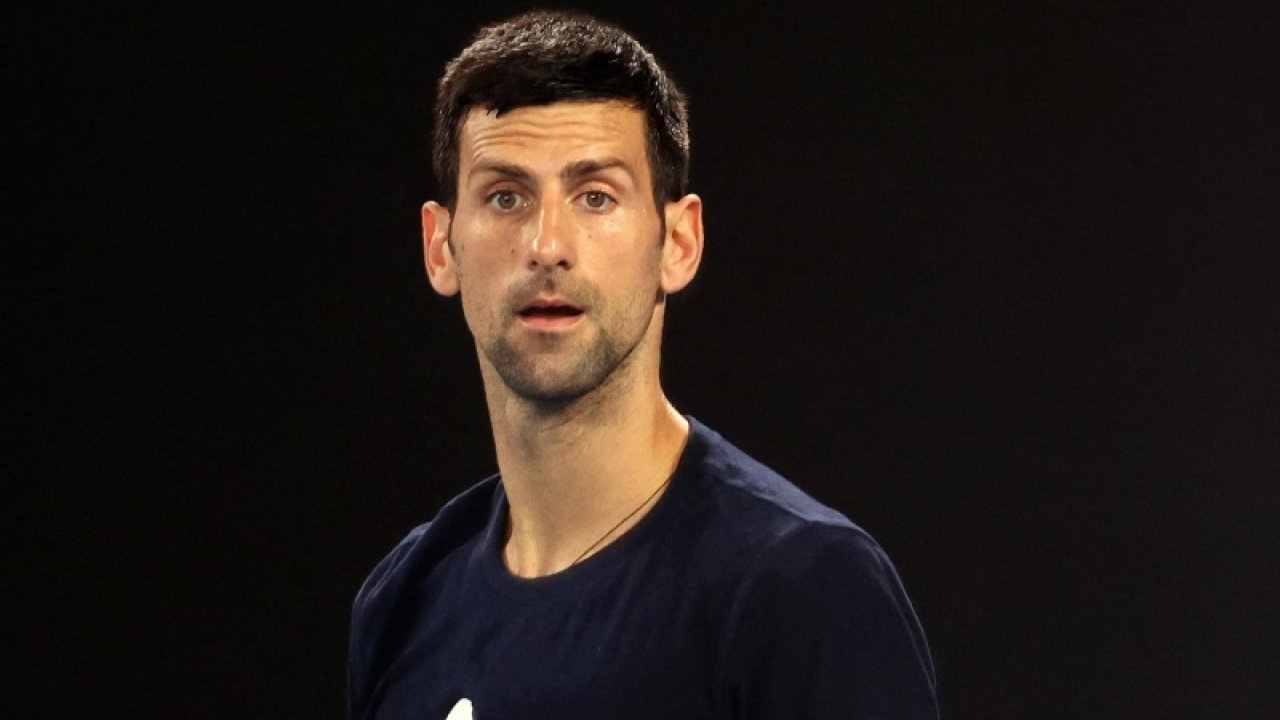
    Serbian tennis ace Novak Djokovic has said he was not against vaccination but would skip Grand Slam tournaments if he was forced to take the jab against Covid-19.

    Read More – Unvaccinated Novak Djokovic owns biotech firm developing Covid drug

    Djokovic, who is unvaccinated and according to Reuters, was deported from Australia after an 11-day rollercoaster experience involving two visa cancellations, two court challenges and five nights in two stints at an immigration detention hotel where asylum seekers are held.

    “Yes, that is the price that I’m willing to pay,” the 34-year-old Serbian told the BBC, adding that he was aware that he would not be able to travel to most tournaments in the world currently because of his unvaccinated status.

    The 20-times major champion is set to return to competitive action at an ATP tournament in Dubai next week for the first time since he was deported ahead of the Australian Open, this year’s first tennis Grand Slam.

    Another win at Melbourne Park, where Djokovic has won nine titles, could have taken him to a men’s record 21 major titles, but instead it was his long-time rival Rafa Nadal who stepped ahead by lifting the trophy last month.

    Read More – ‘Proud to share this era’: Roger Federer congratulates Rafael Nadal on winning 21st grand slam title

    Djokovic said he was ready to sacrifice his shot at the milestone over the “freedom of choice” but he was keeping an open mind about taking the jab in the future.

    “I was never against vaccination,” he said, adding that he took vaccines as a child. “But I’ve always supported the freedom to choose what you put in your body.

    “I understand that globally, everyone is trying to put a big effort into handling this virus and seeing, hopefully, an end soon to this virus.”

  • 25 people lose their lives to Covid in 24 hours, highest death rate since October

    25 people lose their lives to Covid in 24 hours, highest death rate since October

    According to the National Command Operation Center (NCOC), Pakistan recorded 7539 new cases of Covid-19 in the last 24 hours with 25 people losing their lives to the deadly virus, the highest death rate since October 14. The COVID-19 positivity rate in the country is over 10 per cent from eight consecutive days.

    On Wednesday, Khyber Pakhtunkhwa reported 1,446 coronavirus cases, the highest number of infections in a single day since the pandemic began. In April 2021, the province had recorded 1,265 cases of Covid-19 in a single day.

    Peshawar’s positivity rate was 35.89 per cent on Wednesday. Morever, the positivity rate in Karachi has reached to 26.91 per cent and in Lahore the positivity rate was 15.25 per cent in the last 24 hours.

    Read more- Schools to close in Lahore if more than three Covid cases found, 5,000 school tests a day

    .