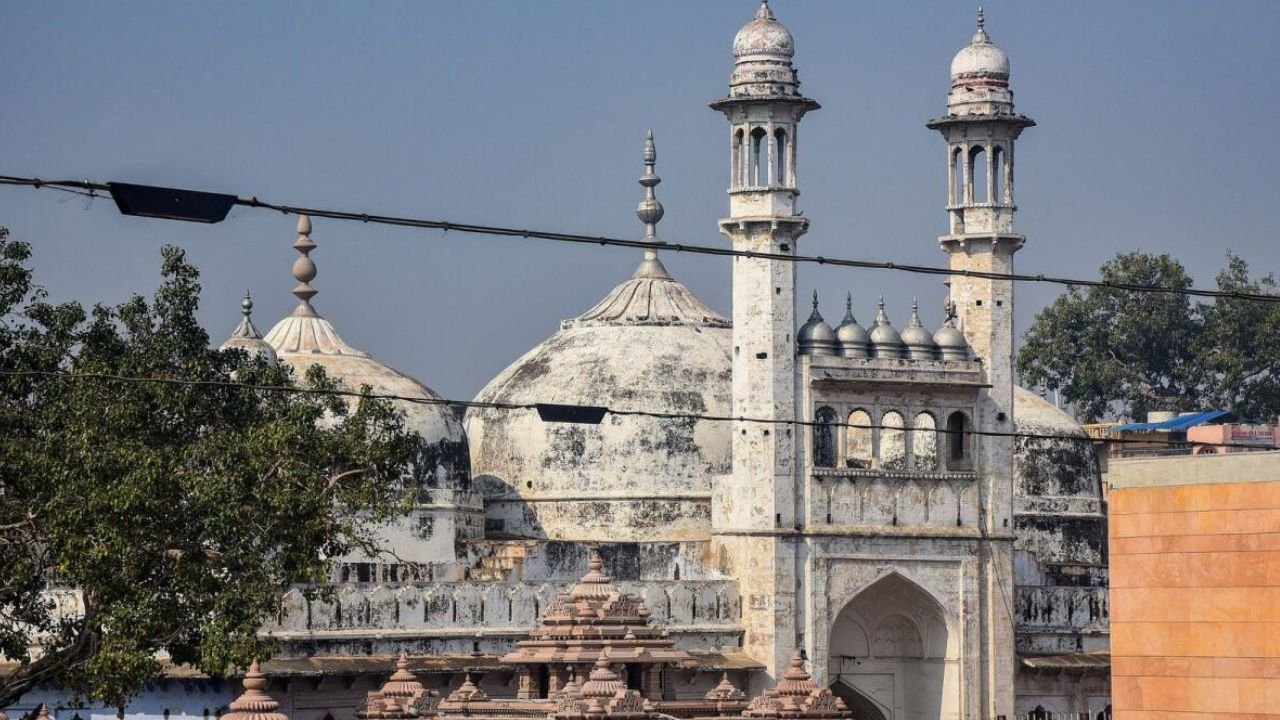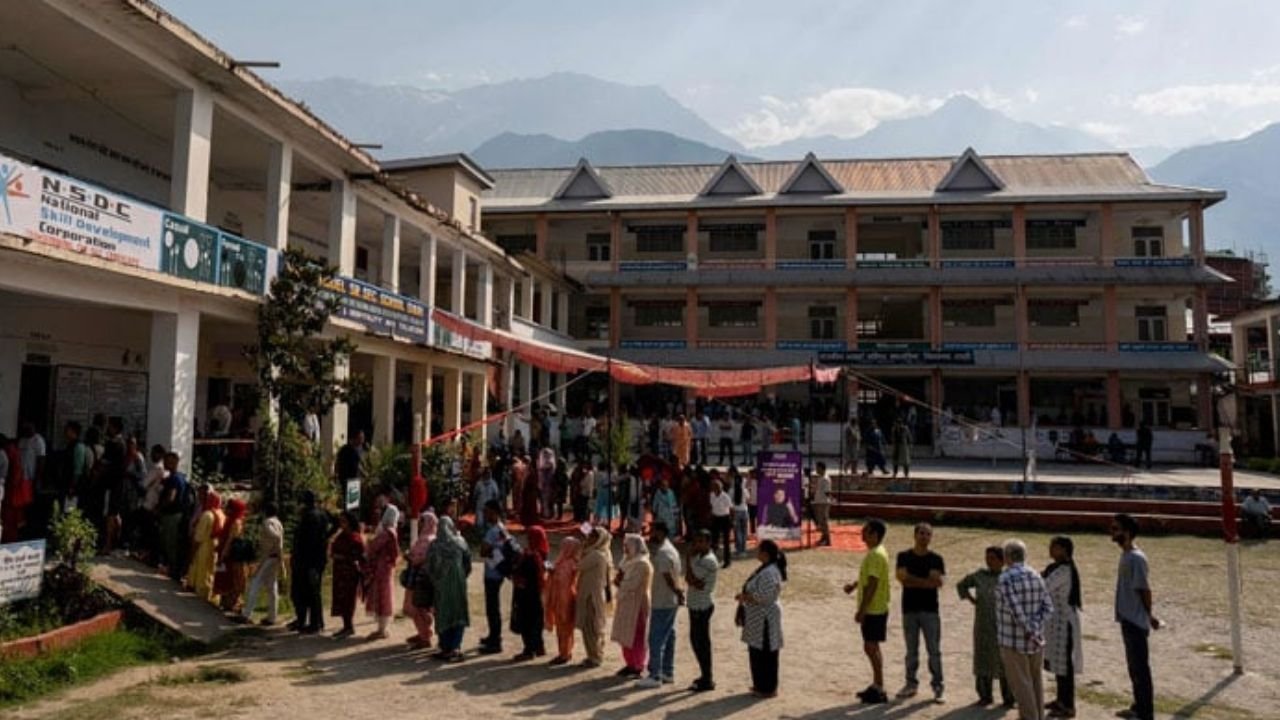
VARANASI: Indians flocked to the polls under scorching heat in the Hindu holy city of Varanasi on Saturday as a marathon national election reached its final day, six weeks after the voting first began.
Indian Prime Minister Narendra Modi is widely expected to win a third term in office when results are announced Tuesday, in large part due to his cultivated image as an aggressive champion of India’s majority faith.
The 73-year-old’s constituency of Varanasi is the spiritual capital of Hinduism, where devotees from around India come to cremate deceased loved ones by the Ganges river.
It is one of the final cities to vote in India’s gruelling election and where public support for Modi’s ever-closer alignment of religion and politics burns brightest.
“Modi is obviously winning,” Vijayendra Kumar Singh, who works in one of the popular pilgrimage destination’s many hotels, told AFP.
“There’s a sense of pride with everything he does, and that’s why people vote for him.”
Modi has already led the ruling Bharatiya Janata Party (BJP) to two landslide victories in 2014 and 2019, forged in large part by his appeal to the Hindu faithful.
This year, he presided over the inauguration of a grand temple to the deity Ram, built on the grounds of a centuries-old mosque in Ayodhya razed by Hindu zealots in 1992.
Construction of the temple fulfilled a longstanding demand of Hindu activists and was widely celebrated across the country with back-to-back television coverage and street parties.
The ceremony, and numerous other chest-beating appeals to India’s majority religion over the past decade, have in turn made many among the country’s 200 million-plus minority Muslim community increasingly uneasy about their futures.
Modi himself has made a number of strident comments about Muslims on the campaign trail, referring to them as “infiltrators”.
He has also accused the motley coalition of more than two dozen opposition parties contesting the poll against him of plotting to redistribute India’s wealth to its Muslim citizens.
‘Already so hot’
India has voted in seven phases over six weeks to ease the immense logistical burden of staging an election in the world’s most populous country.
Both counting and results are expected on Tuesday, but exit polls published after polls close Saturday are expected to give some indication of the winner.
Turnout is down several percentage points from the last national election in 2019, with analysts blaming widespread expectations of a Modi victory as well as successive heatwaves scorching India’s northern states.
Extensive scientific research shows climate change is causing heatwaves to become longer, more frequent and more intense, with Asia warming faster than the global average.
A scorching sun bore down on Varanasi and its countless temples and riverside crematoriums during Saturday’s vote, with temperatures forecast to peak at 44°C (111 Fahrenheit).
“It’s already so hot,” Chinta Devi, who arrived to cast her vote at eight in the morning, told AFP.
“Varanasi has felt hotter than usual over the last few days,” she added. “You see all the streets and markets empty.”
‘A lot more respect’
Analysts have long expected Modi to triumph against the opposition alliance competing against him, which at no point has named an agreed candidate for prime minister.
His prospects have been further bolstered by several criminal probes into his opponents and a tax investigation this year that froze the bank accounts of Congress, India’s largest opposition party.
Western democracies have largely sidestepped concerns over rights and democratic freedoms in the hopes of cultivating an ally that can help check the growing assertiveness of China, India’s northern neighbour and rival regional power.
Modi’s image at home has been bolstered by India’s rising diplomatic and economic clout — the country overtook Britain as the world’s fifth-biggest economy in 2022.
“As an Indian, I feel that he has ensured a lot of respect and prestige for India during his term,” Shikha Aggarwal, 40, told AFP while waiting to cast her vote.
“People now look at India and Indians with a lot more respect, something not accorded earlier.”