Tag: vegetable

  • Weekly inflation witnesses slight increase of 0.62%

    Weekly inflation witnesses slight increase of 0.62%

    Sensitive Price Indicator (SPI) data shows that short-term inflation in the week ending November 17 decreased to 0.62 per cent week-over-week (WoW), primarily as a result of lower prices for some food products such tomatoes, lentils, and cooking oil. The SPI was 0.74 per cent last week.

    The Pakistan Bureau of Statistics (PBS) revealed data on Friday showing that the weekly inflation rate increased by 28.67 per cent year over year (YoY).

    Since reaching a peak of 45.5 per cent in the week ending September 1, the annual increase in SPI has been declining. YoY inflation was measured at 29.24 per cent last week.

    Based on a study of 50 markets in 17 cities across the country, the SPI tracks the costs of 51 necessities. 23 items had price increases over the week, 13 saw price decreases, and 15 saw no change.

    Highest WoW increase

    Salt: 7.61 per cent

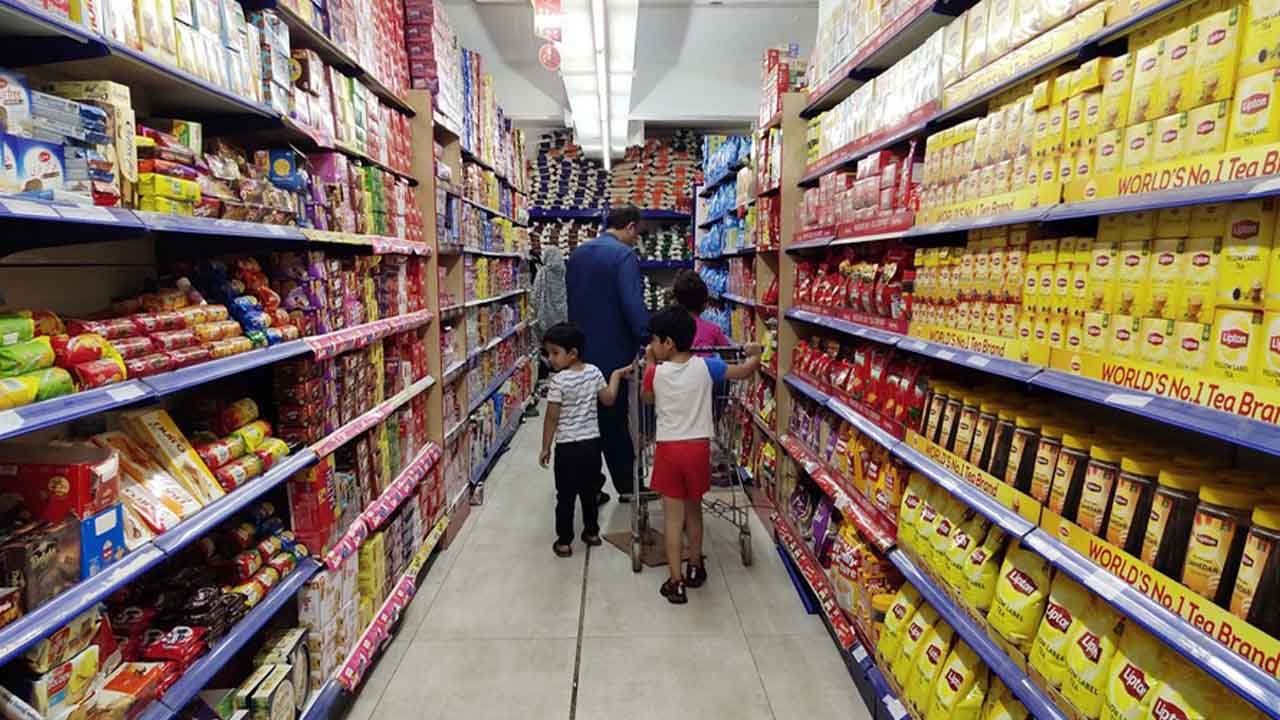
    Lipton tea: 5.9 per cent

    Chicken: 4.89 per cent

    Onions: 4.61 per cent

    Eggs: 3.66 per cent

    Highest WoW decline

    Tomatoes: 6.06 per cent

    Pulse Masoor: 1.56 per cent

    Pulse Gram: 1.46 per cent

    Ghee (1 kg): 1.03 per cent

    Pulse Mash: 0.68 per cent

    Highest YoY increase

    Onions: 319.35 per cent

    Lipton tea: 59.27 per cent

    Pulse Gram: 57.39 per cent

    Petrol: 53.85 per cent

    Pulse Moong: 51.24 per cent

    Highest YoY fall

    Chilli powder: 41.42 per cent

    Sugar: 4.27 per cent

    After slowing to 23.2 per cent in September from a 49-year high of 27.3 per cent in August as the nation continued to be gripped by high food and transportation expenses, annual CPI inflation soared to 26.6 per cent YoY in October.

    In recent weeks, inflation has been driven up by rising vegetable prices, particularly those of onions and tomatoes, as a result of standing crops damaged by floods, as well as a significant increase in electricity prices.

    The Food and Agriculture Organization of the United Nations issued a warning last month that severe food insecurity is likely to get worse in some areas of Pakistan as a result of the negative effects of floods and the astronomically high prices of energy and gasoline.

  • Weekly inflation down 8.1% due to lower FCA, timely import of vegetables

    Weekly inflation down 8.1% due to lower FCA, timely import of vegetables

    Weekly inflation measured by the Sensitive Price Indicator (SPI) for the week ending September 22, 2022, decreased by 8.11 per cent.

    The year-over-year (YoY) trend shows a rise of 29.28 per cent, which is down around 11 per cent from the 40.58 per cent observed last week. The YoY rise stayed above 40 per cent during the previous five weeks, reaching an all-time high of 45.50 per cent.

    The price increase over the previous year was mostly brought on by an increase in prices of tomatoes (117.55 per cent), diesel (105.12 per cent), petrol (91.87 per cent), pulse masoor (75.38 per cent), pulse gram (73.55 per cent), mustard oil (65.64 per cent), cooking oil-5 litre (63.63 per cent), washing soap (61.50 per cent), vegetable ghee-2.5 kg (59.42 per cent), pulse mash (56.93 per cent), vegetable ghee-1 kg (56.09 per cent), onions (50.83per cent) and LPG (49.89 per cent), while decrease was observed in the prices of electricity for q1 (45.61 per cent), chilies powder (43.05 per cent), sugar (19.20 per cent) and gur (3.37 per cent).

    According to the most recent PBS data issued on Friday, the SPI for the week under review in the aforementioned category was recorded at 203.21 points compared to 221.14 points observed in the previous week.

    Out of 51 items, 26 items (50.98 per cent) saw price increases during the week, 10 items (19.61 per cent) saw price decreases, and prices of 15 items (29.41 per cent) remain unchanged.

    For the first quarter, power charges were among the items whose average prices decreased on a week-over-week (WoW) basis showing a decrease of 64.23 per cent.

    Other items which recorded a decrease include tomatoes (8.15 per cent), LPG (3.82 per cent), bananas (1.90 per cent), garlic (1.31 per cent), pulse masoor (0.99 per cent), cooking oil-dalda or other similar brand (sn), 5 litre tin each (0.78 per cent), onions (0.46 per cent), vegetable ghee-dalda/habib 2.5 kg tin each (0.34 per cent) and vegetable ghee-dalda/habib or other superior quality 1 kg pouch each (0.06 per cent).

    The general populace has been impacted by the heavy rains and flooding since they are lacking in basic commodities while supply lines for food products have been disrupted.

    On the other hand, timely imports from Iran and Afghanistan are accountable for the decrease in vegetable prices, particularly for onions and tomatoes.

  • Weekly inflation decreases only 0.58 per cent from record high

    Weekly inflation decreases only 0.58 per cent from record high

    According to Pakistan Bureau of Statistics (PBS), the Sensitive Price Index (SPI) for the week ending September 8, 2022, decreased by 0.58 per cent as a result of falling food prices.

    In comparison to the previous week’s record high of 45.50 per cent, the yearly trend shows an increase of 42.70 per cent.

    The year-on-year increase was driven by an increase in prices of tomatoes (144.25 per cent), diesel (114.08 per cent), petrol (98.73 per cent), pulse masoor (76.34 per cent), cooking oil-5 liter (67.99 per cent), mustard oil (66.53 per cent), LPG (64.98 per cent), washing soap (64.50 per cent), electricity for Q1 (63.03 per cent), vegetable ghee-2.5 kg (62.53 per cent), pulse gram (61.02 per cent), onions (59.97 per cent) and vegetable ghee-1 kg (58.19 per cent), while a decrease was observed in the prices of chilies powder (43.42 per cent), sugar (18.07 per cent) and gur (2.08 per cent).

    As per the latest data, the SPI went down from 222.85 per cent during the week ended September 1st 2022 to 221.55 per cent during this week.

    During the week, out of 51 items, prices of 26 items (50.98 per cent) increased, nine items (17.65 per cent) decreased and 16 (31.37 per cent) items remained stable.

    The items which got more expensive include LPG (10.66 per cent), wheat flour (4.15 per cent), eggs (3.96 per cent), bread (3.27 per cent), pulse moong (2.74 per cent), curd (2.72 per cent), tea-lipton (2.50 per cent), pulse gram (1.65 per cent), chicken (1.58 per cent), milk fresh (1.57 per cent), fire wood (1.54 per cent), potatoes (1.02 per cent), and others

    A reduction was observed in the prices of onions (41.99 per cent), tomatoes (8.11 per cent), bananas (2.51 per cent), pulse masoor (1.37 per cent), vegetable ghee-1 kg (0.55 per cent), cooking oil-5 liter (0.33 per cent), mustard oil (0.16 per cent) and vegetable ghee-2.5 kg and sugar (0.11 per cent) each.

    Highest week-on-week decrease

    Onions: 41.99 per cent

    Tomatoes: 8.11 per cent

    Bananas: 2.51 per cent

    Pulse Masoor: 1.37 per cent

    Vegetable ghee (1kg): 0.55 per cent

    Highest week-on-week increase

    LPG: 10.66 per cent

    Flour: 4.15 per cent

    Eggs: 3.96 per cent

    Bread: 3.27 per cent

    Pulse Moong: 2.74 per cent

    Highest year-on-year increase

    Tomatoes: 144.25 per cent

    Diesel: 114.08 per cent

    Petrol: 98.73 per cent

    Pulse Masoor: 76.34 per cent

    Cooking oil (5 litre): 67.99 per cent

  • Vegetable prices soar amid low supply due to floods

    Vegetable prices soar amid low supply due to floods

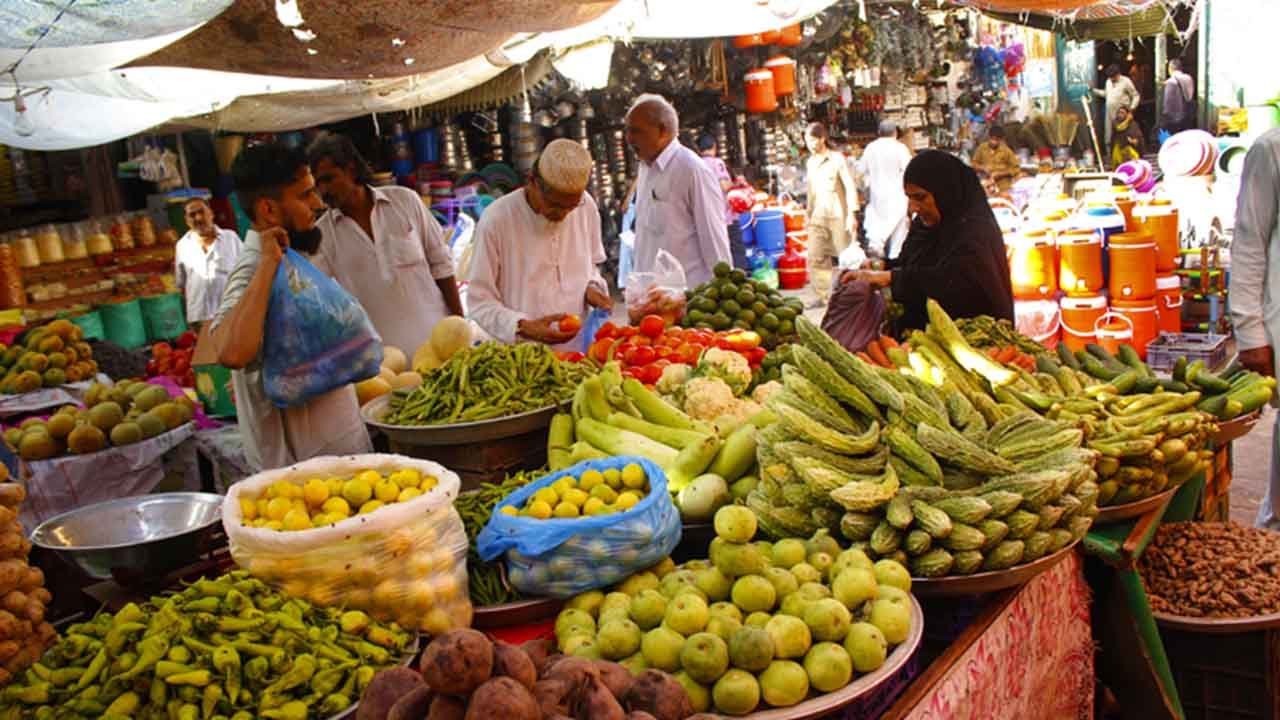
    Extreme flooding has hampered the supply of perishable items from agricultural areas, driving up the prices of onions and tomatoes in city markets.

    While tomatoes cost Rs400-450 per kilogramme (kg), onions cost Rs350-400 per kg. Onion prices rose by Rs75 per kg week over week in the official rate list, while tomato prices rose by Rs234 per kg.

    The supply chain is hampered by road blockages and transportation restrictions in flood-affected areas, according to The News.

    Onion A-grade cost Rs75 more per kg, was fixed at Rs180-190, and was sold for Rs350-400 per kg. Onion B-grade cost Rs160-167 per kg, was sold for Rs235-250 per kg, and onion C-grade was priced at Rs180-200 per kg.

    Tomato A-grade price increased by Rs234 per kg, maintained at Rs320-330 per kg, sold for Rs400-450 per kg, followed by B-grade price increase to Rs290-300 per kg, C-grade price increase to Rs240-250 per kg, and B&C price increase to Rs350 per kg.

    Chinese carrot prices increased by Rs11 per kg, from Rs80 to Rs85 per kg to Rs120 to Rs160 per kg for sale. Fenugreek (Methi) remained constant at Rs250-260 per kg and was sold for Rs400 per kg.

    This week, the price of chicken also climbed by Rs20 per kg, from Rs240 per kg to Rs280–300 per kg, and the price of chicken meat by Rs30 per kg, from Rs362/kg to Rs380–650/kg.

    Cucumber Farm increased its price by Rs50 per kg, fixed at Rs120-125 per kg, sold at Rs150 per kg, and locally sold cucumbers were sold for Rs200 per kg.

    Brinjal price increased by Rs5 per kg, from Rs86 to Rs90 per kg, and was sold for Rs120 to Rs140 per kg.

    Price of bitter gourd rose by Rs10 per kg, fixed at Rs160-165 per kg, and sold at Rs200 per kg.

    Local lemon prices increased by Rs20 per kg, from Rs235-245 per kg to Rs280-320 per kg when sold. Pumpkin remained at Rs60–63 per kg, sold for Rs80–100 per kg, and pumpkin long was sold for Rs140–150 per kg.

  • Annual inflation in Pakistan jumps to 38.63% after weekly increase of 0.82%

    Annual inflation in Pakistan jumps to 38.63% after weekly increase of 0.82%

    The sensitive price indicator (SPI) hit an annualised high of 38.63 per cent due to a lack of perishable goods brought on by severe rains, and weekly inflation increased by 0.82 per cent for the seven days ending August 4, 2022.

    The base for most cooked meals in the country is an onion and tomato. Onions increased in price from Rs75.41/kg to Rs94.2/kg while tomatoes increased from Rs74.07/kg to Rs82.91/kg.

    Data from the Pakistan Bureau of Statistics (PBS) indicates that the increase is attributable to the increased price of diesel (109.15 per cent), onions (107.95 per cent), pulse masoor (106.71 per cent), petrol (88.94 per cent), cooking oil 5 litre (74.44 per cent), mustard oil (73.89 per cent), chicken (73.42 per cent), vegetable ghee 1 kg and 2 kg (72.26 and 70.48 per cent), washing soap (62.62 per cent), pulse gramme (59.07 per cent), electricity for Q1 (52.61 per cent), gents sponge slippers (52.21 per cent), pulse maash (46.01 per cent) and garlic (41.16 per cent).

    According to The News, consumers are struggling with soaring food and fuel prices. Hi-speed diesel was being sold last August 5 for Rs117.58 per litre, but it is now Rs245.92 per litre.

    Various items in the SPI basket are given varying weightages. The goods with the heaviest weights in the bottom quintile are milk (17.5449 per cent), electricity (8.3627 per cent), wheat flour (6.1372 per cent), sugar (5.1148 per cent), firewood (5.0183 per cent), long cloth (4.2221 per cent), and vegetable ghee (3.2833 per cent).

    While the cost of firewood and electricity remained consistent, the cost of milk, wheat flour, sugar, long fabric, and vegetable ghee 2.5kg increased. Vegetable ghee 1kg saw a decrease in price.

    SPI is made up of 51 necessities that were gathered from 50 markets spread over 17 cities across the nation.

    Out of 51 goods, 33 (64.71 per cent) of the prices rose during the week, 4 (7.84 per cent) of the prices fell, and only 14 (27.45 per cent) of the prices kept the same.

    The price of onions increased by 24.92 per cent, tomatoes by 11.93 per cent, pulse moong by 5.72 per cent, pulse mash by 5.28 per cent, potatoes by 5.03 per cent, pulse masoor by 4.43 per cent, diesel by 3.78 per cent, pulse gramme by 2.69 per cent, eggs by 2.44 per cent, powdered milk by 1.61 per cent, gur by 1.53 per cent, LPG by 1.49 per cent, salt by 1.46 per cent, and garlic by 1.30 per cent on a WoW basis.

  • Five vegetarian dishes that you can eat this Eid

    Five vegetarian dishes that you can eat this Eid

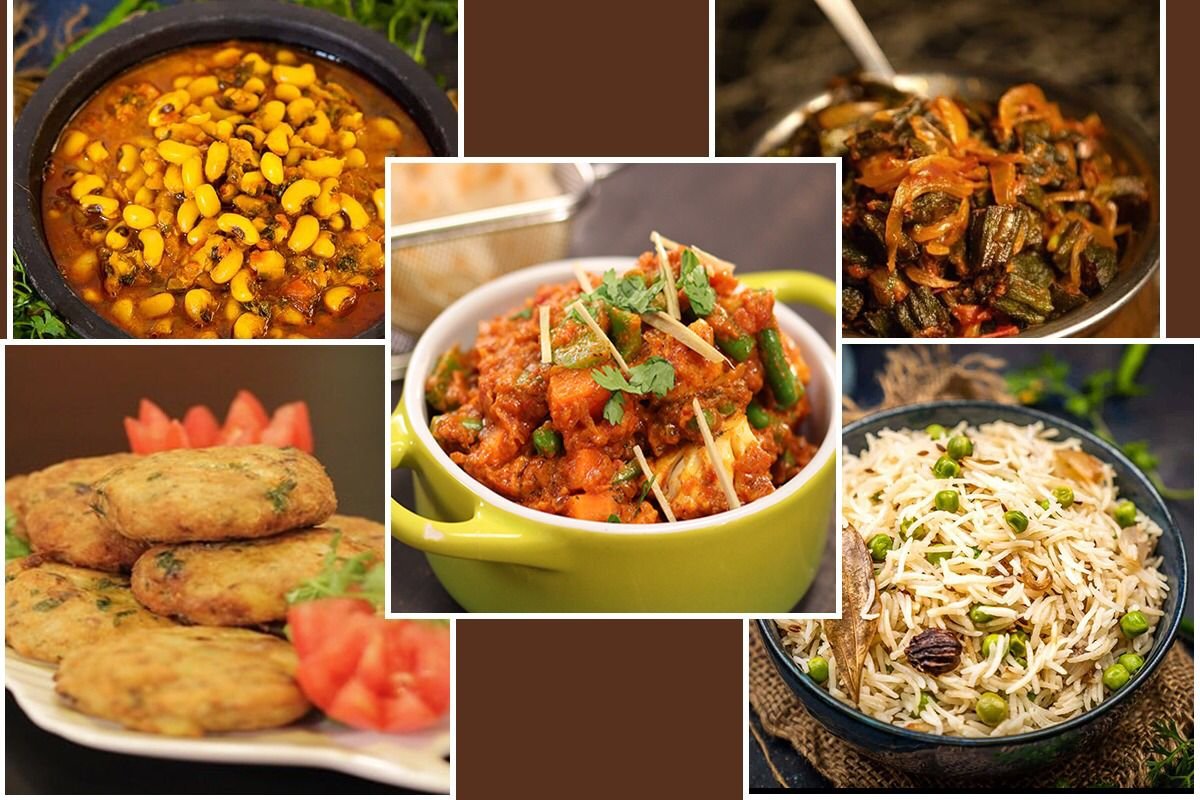
    With Eid-ul-Azha tomorrow, Muslims all around the globe will be sacrificing animals to remember the practice of Prophet Ibrahim (A.S). Meat lovers usually crave meat but on Eid-ul-Azha, seeing meat all around diminishes the craving and sometimes, develops an urge to eat vegetarian food. Moreover, vegetarians also wonder what to eat on Eid. In this article, we will go over easy and delicious vegan food that you can make on this Eid.

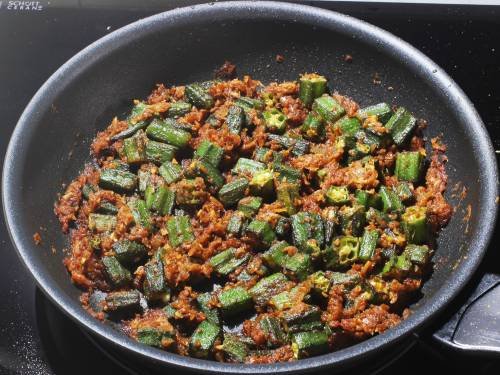
    1- Bhindi Pyaz (Okra or Ladyfinger)

    Pakistani star vegan food, bhindi, can be prepared by stir-frying bhindi with onion, garlic, tomatoes and a few other everyday masala. Quantities of masala may vary depending on your taste in food. It is best served with chapati. You can also fry bhindi filled with chat masala and serve it to guests as an alternative to crispy meat.

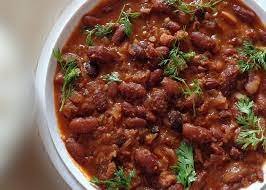
    2- Lobia ka Salan

    Lobia ka salan is another Pakistani traditional food that is famous because of its fulfilling taste. It is prepared with Lobia in onion tomato gravy base and can be served in a bowl with chapati. It tastes equally well with boiled rice, which is a cherry on top.

    3- Matar Pulao

    Matar pulao is yet another famous dish among Pakistanis. It is prepared with rice, green peas and blend of other spices. It is usually served with sliced cucumber salad to add to its flavour. It is one of the best vegan food that could be served to vegetarian guests visiting your place.

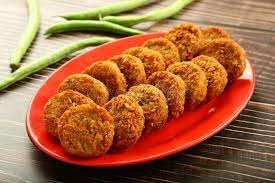
    4- Alo Kabab

    When it comes to vegetarian food, it will not be fair to not mention aaloo kababs. Mashed potato mixed with sliced cauliflower, green capsicum and masala depending on your taste serves as best and quick dish that you can have at Eid. Its appetising smell and circular crispy shape can bring water to anyone’s mouth.

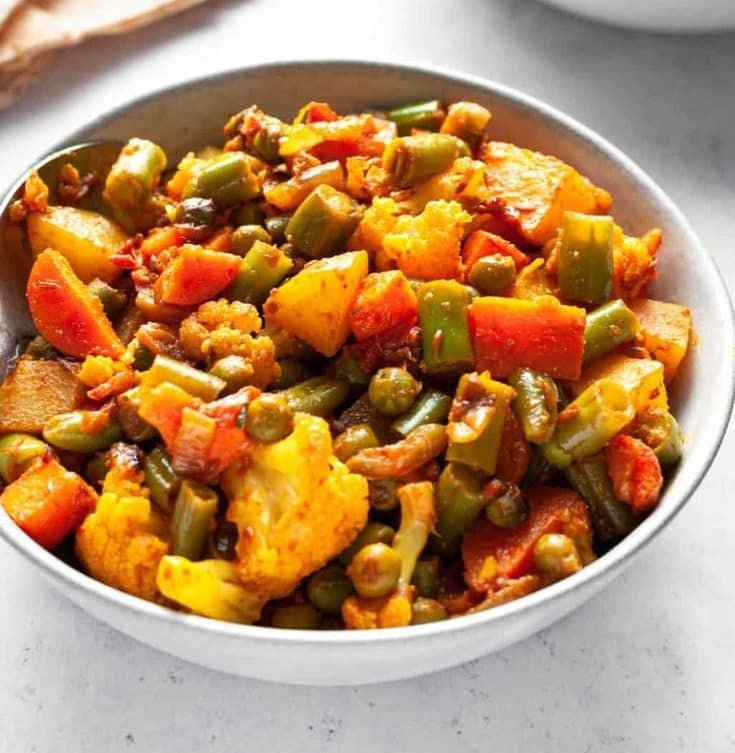
    5- Mixed vegetables

    Last but not the least, another vegetarian and gluten-free dish that you can eat during this meaty Eid is mixed sabzi. If you are a veggie lover, then it is a must try. It can give you plenty of vegetables in one dish. You can even purchase frozen mixed vegetable packs from any super market. There is no need to spend time on slicing different vegetables. All you need is to follow the instructions given on the pack and you are good to go.

  • Weekly inflation based on SPI, records a slight decline

    Weekly inflation based on SPI, records a slight decline

    Pakistan Bureau of Statistics (PBS) revealed that the weekly Sensitive Price Indicator (SPI) for the joint consumption group fell 0.26 per cent for the week ending May 26, owing primarily to a drop in the prices of vital food products.

    The consolidated index was 174.62 on May 19, 2022, compared to 175.08 on May 19, 2021, while the SPI increased 16.97 per cent year on year when the index was 149.29 on May 27, 2021.

    The minor price reductions in essential items may be a sign that the government is finally gaining control of the country’s skyrocketing inflation, which has afflicted the poor strata.

    Here are the items that witnessed a decrease or increase in their prices:

    Decrement

    Wheat Flour (12.25 per cent), Chillies Powdered (6.48 per cent), Chicken (4.41 per cent), Garlic (2.99 per cent), and non-food item LPG (0.43 per cent) were among the commodities that saw a decline in their rates on a WoW premise out of the 51 supervised items, with a cumulative effect of (-1.00 per cent) into the total SPI for the blended group of goods (-0.26 per cent).

    Increment

    27 items elevated in the week, including potatoes (8.43 per cent), tomatoes (6.33 per cent), eggs (6.29 per cent), rice basmati broken (4.71 per cent), mustard oil (4.16 per cent), pulse masaoor (3.93 per cent), milk fresh (3.47 per cent), onions (3.03 per cent), pulse gramme (2.58 per cent), curd (2.35 per cent), washing soap (2.13 per cent), cooked beef (1.55 per cent), beef (1.42 per cent), pulse mash (1.33 per cent), cooked daal (1.24 per cent). While 19 commodities’ prices remained stable.

  • Fruit and Vegetable prices getting out of control in Quetta

    Fruit and Vegetable prices getting out of control in Quetta

    During the holy month of Ramzan, the price of vegetables and fruits in Quetta rocketed instead of decreasing. Tomatoes, which were previously selling for Rs120 per kilogramme in the vegetable market are now being sold at Rs160.

    Some other reports even suggest that a few shopkeepers were selling tomatoes for up to Rs190, minting money directly in front of the district administration’s eyes.

    Ladyfinger which was sold at Rs240, is now available for Rs280, potatoes, and onions after getting a hike of Rs10 are being sold at Rs50 and Rs60, respectively. Ginger, lemon, and garlic are now priced between Rs300 to Rs320.

    The government of Balochistan has not set up any Ramzan or ‘Sasta bazaar’ this year to facilitate citizens during the holy month of fasting. Formerly, district governments held Ramazan bazaars on the orders of provincial governments to assist the people.

    Previously, the Quetta administration had issued shops with a detailed list of commodities and their pricing. The shop owners, on the other hand, are not obeying the administration’s directives and selling items at their desired rate. These artificial rates have multiplied the problems of the common man.