Tag: virus

  • Hotter, drier, sicker? How a changing planet drives disease

    Hotter, drier, sicker? How a changing planet drives disease

    Bangkok (AFP) – Humans have made our planet warmer, more polluted and ever less hospitable to many species, and these changes are driving the spread of infectious disease.

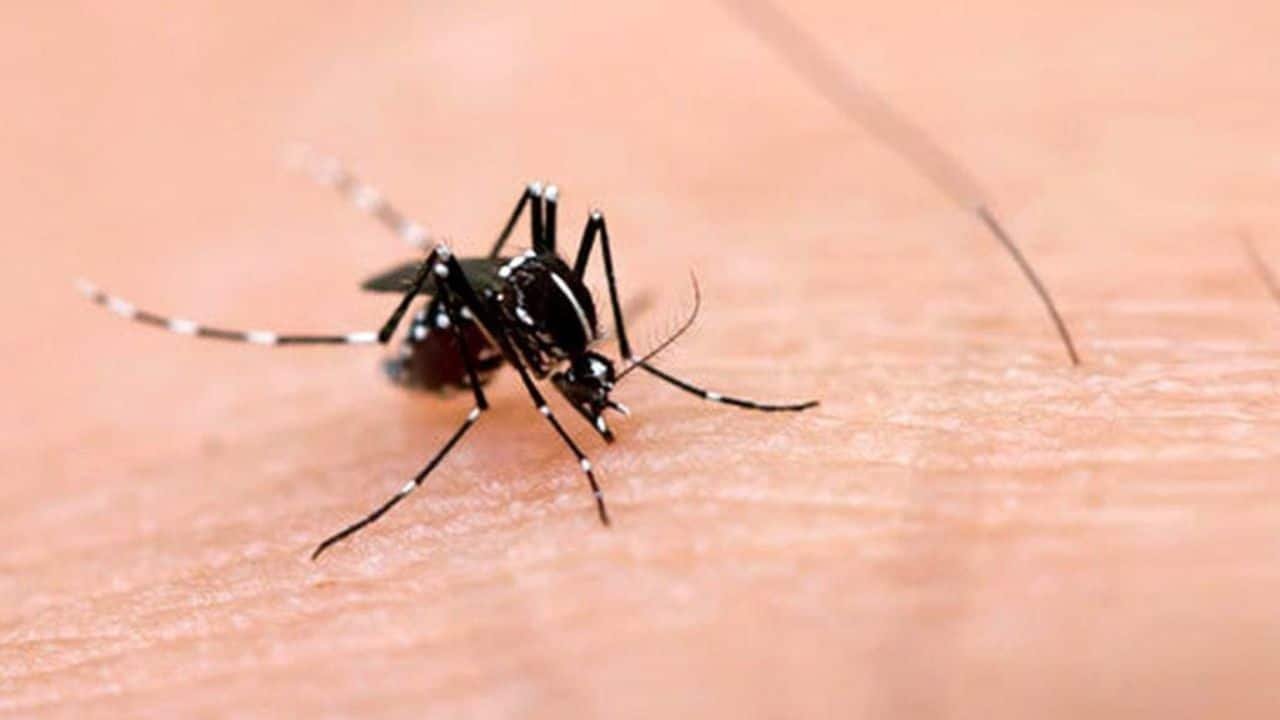
    Warmer, wetter climates can expand the range of vector species like mosquitos, while habitat loss can push disease-carrying animals into closer contact with humans.

    New research reveals how complex the effects are, with our impact on the climate and planet turbocharging some diseases and changing transmission patterns for others.

    Biodiversity loss appears to play an outsize role in increasing infectious disease, according to work published in the journal Nature this week.

    It analysed nearly 3,000 datasets from existing studies to see how biodiversity loss, climate change, chemical pollution, habitat loss or change, and species introduction affect infectious disease in humans, animals and plants.

    It found biodiversity loss was by far the biggest driver, followed by climate change and the introduction of novel species.

    Parasites target species that are more abundant and offer more potential hosts, explained senior author Jason Rohr, a professor of biological sciences at the University of Notre Dame.

    And species with large populations are more likely to “be investing in growth, reproduction and dispersal, at the expense of defences against parasites”, he told AFP.

    But rarer species with more resistance are vulnerable to biodiversity loss, leaving us with “more abundant, parasite-competent hosts”.

    The warmer weather produced by climate change offers new habitats for disease vectors, as well as longer reproductive seasons.

    “If there are more generations of parasites or vectors, then there can be more disease,” Rohr said.

    Shifting transmission

    Not all human adaptation of the planet increases infectious disease, however.

    Habitat loss or change was associated with a drop in infectious disease, largely because of the sanitary improvements that come with urbanisation, like running water and sewage systems.

    Climate change’s effects on disease are also not uniform across the globe.

    In tropical climates, warmer, wetter weather is driving an explosion in dengue fever.

    But drier conditions in Africa may shrink the areas where malaria is transmitted in coming decades.

    Research published in the journal Science this week modelled the interaction between climate change, rainfall and hydrological processes like evaporation and how quickly water sinks into the ground.

    It predicts a larger decline in areas suitable for disease transmission than forecasts based on rainfall alone, with the decline starting from 2025.

    It also finds the malaria season in parts of Africa could be four months shorter than previously estimated.

    The findings are not necessarily all good news, cautioned lead author Mark Smith, an associate professor of water research at the University of Leeds.

    “The location of areas suitable for malaria will shift,” he told AFP, with Ethiopia’s highlands among the regions likely to be newly affected.

    People in those regions may be more vulnerable because they have not been exposed.

    And populations are forecast to grow rapidly in areas where malaria will remain or become transmissible, so the overall incidence of the disease could increase.

    Predicting and preparing

    Smith warned that conditions too harsh for malaria may also be too harsh for us.

    “The change in water availability for drinking or agriculture could be very serious indeed.”

    The links between climate and infectious disease mean climate modelling can help predict outbreaks.

    Local temperature and rainfall forecasts are already used to predict dengue upticks, but they offer a short lead-time and can be unreliable.

    One alternative might be the Indian Ocean basin-wide index (IOBW), which measures the regional average of sea-surface temperature anomalies in the Indian Ocean.

    Research also published in Science this week looked at dengue data from 46 countries over three decades and found a close correlation between the IOBW’s fluctuations and outbreaks in the northern and southern hemispheres.

    The study was retrospective, so the IOBW’s predictive power has not yet been tested.

    But monitoring it could help officials better prepare for outbreaks of a disease that is a major public health concern.

    Ultimately, however, addressing increasing infectious disease means addressing climate change, said Rohr.

    Research suggests “that disease increases in response to climate change will be consistent and widespread, further stressing the need for reductions in greenhouse gas emissions”, he said.

  • Man vaccinated for Covid 217 times reports no Side effects: scientists

    A German man who deliberately got vaccinated for Covid-19 a whopping 217 times did not report any side effects from his many jabs, according to researchers studying possibly the “most vaccinated person in history”.

    The immune system of the 62-year-old man from the central German city of Magdeburg — who has not been named — is still firing on all cylinders, the researchers said in The Lancet Infectious Diseases journal.

    They said the man voluntarily received so many shots against all medical advice, and warned against jumping to far-reaching conclusions from this single case.

    The man first came to the attention of the German-led researchers due to news reports in 2022, when he had only received 90 jabs.

    Media reports at the time said the man was suspected of getting so many doses to collect the completed vaccination cards, which could then be forged and sold to people who did not want to be vaccinated.

    A public prosecutor in Magdeburg opened an investigation into allegations of fraud over the case but no criminal charges were filed, according to the scientific paper published earlier this week.

    The prosecutor collected evidence of 130 vaccinations over nine months, it added.

    But the man claims to have received 217 vaccine doses of eight different Covid vaccines — including all mRNA versions — over 29 months.

    Kilian Schober, a virologist at Germany’s University of Erlangen-Nuremberg and study co-author, said in a statement that when they contacted the man, he was “very interested” in undergoing a range of tests to examine the effect of so many vaccinations.

    The case allowed the researchers an extremely rare chance to study what is known as “hyper-vaccination”.

    Some scientists have theorised that after being hit by so many vaccinations, a body’s immune cells would become less effective as they became accustomed to the antigens.

    But that was not the case for the German man, the researchers found.

    In fact, he had “considerably higher concentrations” of immune cells and antibodies for the Covid virus than a control group of three people who received the recommended three vaccinations, the study said.

    His body also showed no sign of fatigue from all those vaccinations — his 217th jab still boosted his number of antibodies against Covid, the researchers found.

    The man reported that he never had any vaccine-related side effects from any of the 217 jabs. He also never tested positive for Covid and showed no signs of past infection, the researchers said.

    But they warned against taking away any wider lessons from the man’s experience.

    “It should go without saying that we do not endorse hypervaccination,” Schober wrote on X, formerly Twitter.

    Caitjan Gainty, an expert in the history of vaccines at King’s College London not involved in the study, told AFP she had “never come across a historical discussion of someone who received more vaccinations than this”.

    It is “relatively unlikely” that anyone has ever had more vaccinations than the man, she added.

    Spyros Lytras, a virologist at the University of Tokyo, said it was a “comically large number of vaccinations”.

    “Whether this is the most vaccinated person in history, I cannot know, but they are certainly the most vaccinated person reported to date” by some margin, he told AFP.

    “And I doubt that we’re going to see another such report any time soon.”

  • Risk of another poliovirus outbreak

    Risk of another poliovirus outbreak

    More evidence of poliovirus was found in five samples in Peshawar and Karachi and so, the chances of a poliovirus outbreak in the country have now increased.

    According to the Ministry of Health, polio virus found in the five samples in Karachi are genetically linked to the virus in Afghanistan. Whereas, the genetic testing of the virus found in the positive sample from Peshawar is ongoing.

    Previously, five Union Councils of Karachi have been declared at high risk of polio virus.Other places of detection include Hangu and Pishin.

    Earlier this week, Egyptian authorities made it mandatory for travellers from Pakistan, Afghanistan, and other countries to provide a polio vaccination certificate.“

    As informed by the Egyptian Authorities, passengers travelling to Egypt from Pakistan, Afghanistan, Malawi, Mozambique and Congo are requested to provide an international certificate of vaccination specifically polio vaccine, OPV or IPV (both are acceptable),” Pakistan’s Civil Aviation Authority (CAA) said in an advisory on its website on Monday.

    Additionally, last month, the International Health Regulations (2005) Emergency Committee as well as the World Health Organisation (WHO) expressed concerns over Pakistan’s efforts in eliminating polio virus.

  • 15,105 pink eye cases reported in 24 hours in Punjab

    15,105 pink eye cases reported in 24 hours in Punjab

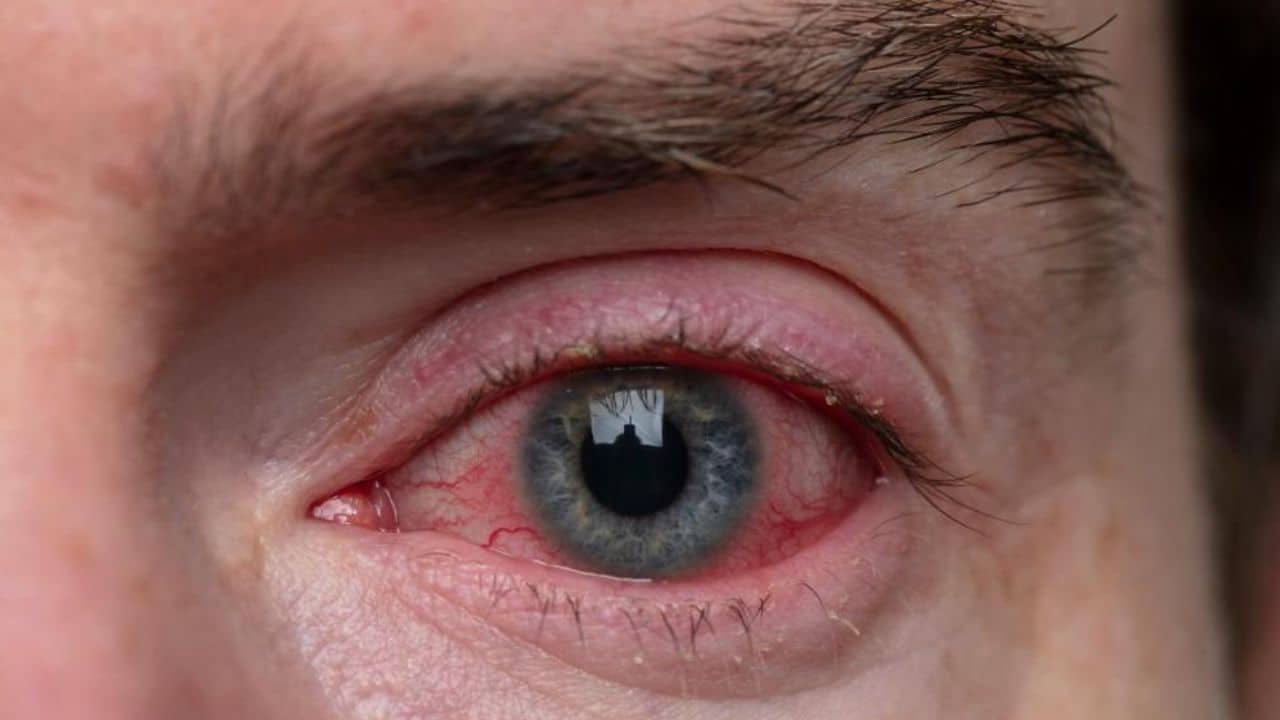
    Conjunctivitis infections are increasing in Punjab with 15,105 new cases reported during the last 24 hours.

    According to Primary Health Punjab, 3 lakh 79 thousand 690 cases of conjunctivitis were reported this year.

    Moreover, 22,481 cases were reported in Lahore this year, while 916 new patients were reported in the past 24 hours.

    Whereas in Multan and Faisalabad, 1217 and 1827 cases were reported respect yesterday.

    Due to the outbreak of conjunctivitis, schools across Punjab will remain closed until Monday.

  • Deadly virus kills 35 ibex in Kirthar

    Deadly virus kills 35 ibex in Kirthar

    Ibex goats are dying in large numbers in Kirthar National Park, authorities have confirmed.

    According to local sources, four more ibex were found dead on Sunday while nine infected animals were traced by wildlife officers.

    Local sources have also reported that dead ibex are being cremated and buried, while efforts are being made to clean the ibex’s watering holes.

    The water in which the dead ibex were found has been blocked by planting bushes around it. While the water has become very polluted after decomposing ibex were found in it, locals claim the water will clean naturally with rains.

    Ibex are apparently suffering from an epidemic called Peste des Petits Ruminants, or PPR.

    Locals explain that this ‘goat plague’ is a virus that spreads rapidly, usually infecting sheep and goats. It is thus feared that the disease has been spread to ibex from goats

    Currently, there are around 25 thousand ibex in Kirthar and so far, 35 have died.

    Deputy Conservator of the Department of Wildlife, Hyderabad, Wahid Shaikh told Geo News that samples of the dead ibex have been sent to the laboratory for analysis, adding that the Sindh Wildlife Department has sent more teams to the affected area.

  • New dengue cases reported across Punjab

    New dengue cases reported across Punjab

    New cases of dengue are being reported across Punjab. In Lahore alone, 18 confirmed cases have been reported in the past 24 hours while 83 confirmed cases were reported in less than a week.

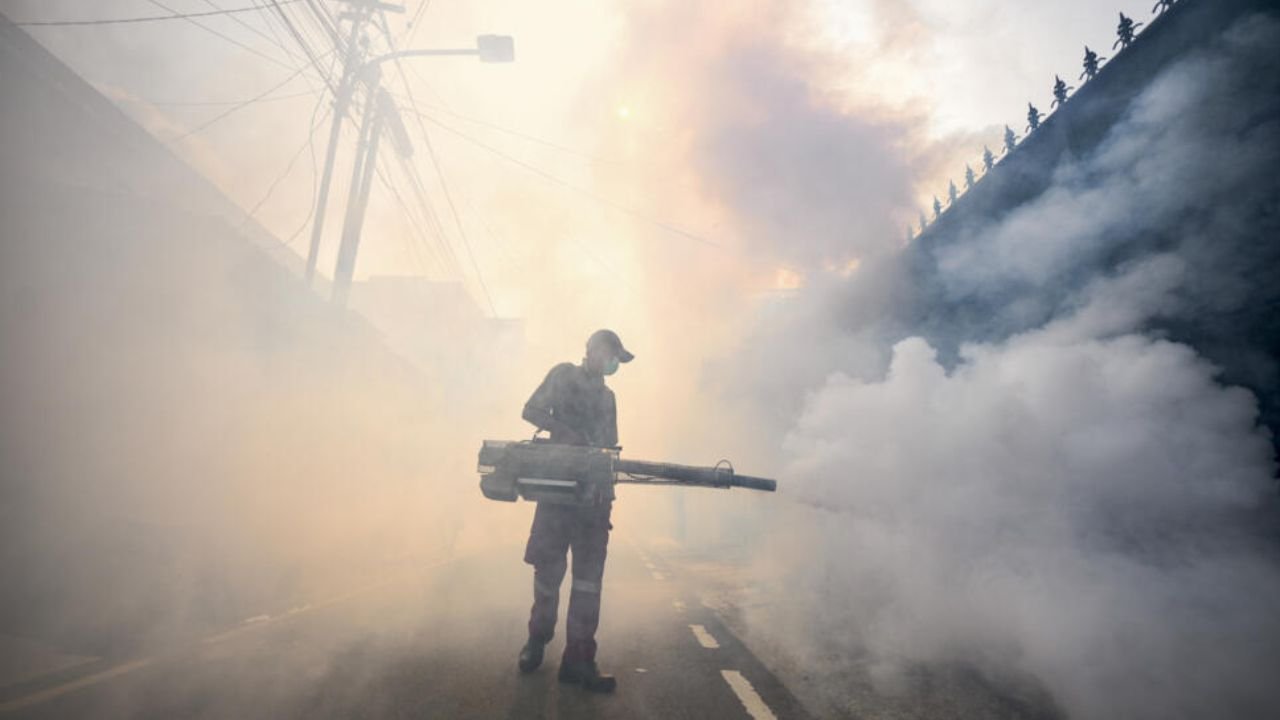
    According to Dunya News, more than 30,000 dengue hotspots were found in the city by the government officials. Doctors are advising people to strictly follow standard operating procedures (SOPs).

    Similarly, dengue cases in Rawalpindi crossed 100 last week with at least 13 more patients diagnosed in the last 24 hours while 63 FIRs registered, 18 tickets issued, and 28 premises were sealed.

    District Coordinator Epidemics Prevention and Control Dr Sajjad Mehmood said the Rawalpindi administration registered as many as 1,802 FIRs on violations of anti-dengue SOPs from January 1 to date in various areas of the district.

    The Express Tribune has reported that the district administration, in collaboration with allied departments, had sealed 438 premises, issued tickets to 646 and a fine of Rs31,33,000 was imposed on violations of dengue SOPs in 2023.

    On August 23, Business Recorder reported that up till now, since January 1, 2023, a total of 678 confirmed dengue cases had been recorded in all the 36 districts of Punjab but fortunately there have been no deaths.

    Punjab Minister for Primary and Secondary Healthcare Dr Jamal Nasir has stated that on directions of caretaker Chief Minister Punjab Mohsin Naqvi, special dengue centres have been established in district and tehsil headquarters hospitals, which will provide free treatment to dengue patients.

    Dr Nasir has also claimed that larva monitoring has been increased throughout Punjab and strict legal action will be taken against the violators.

  • Polio detected in Lahore’s environmental sample

    A strain of wild poliovirus has been detected in an environmental sample in Lahore, Razya Khan has reported for Express Tribune.

    The Pakistan Polio Laboratory at the National Institute of Health said in a statement on Tuesday that the virus discovered in Lahore’s Gulshan-e-Ravi had connections to a poliovirus discovered in Nangarhar, Afghanistan last November.

    “While the isolation of the virus is a cause of concern, it is excellent to note that it was detected promptly. This timely detection of the virus in the environment is crucial to protecting children from being paralysed by the poliovirus,” said Federal Minister for Health Abdul Qadir Patel.

    Up to 44 million children would be immunised across Pakistan as a result of anti-polio campaigns in 2023.

    Pakistan and Afghanistan are the only two countries in the world where polio has not yet been eradicated. To formally eradicate the disease, a nation must be polio-free for three consecutive years. Nigeria was declared free from wild polio in August 2020.

  • PC running slow? Here are some easiest fixes

    PC running slow? Here are some easiest fixes

    A slow computer can make life much more difficult than it has to be, whether you’re using it for business or for entertainment. When you can hardly open a window, load a website, or even start up your system, slow performance speed can make your computer worthless.

    Spending a few minutes working through some tried-and-true troubleshooting procedures can make life easier if you’ve recently been experiencing issues.

    The following steps will help your PC perform smoothly:

    Delete unnecessary images or files.

    Sifting through the files and images on your computer might be overwhelming, but by deleting the ones you no longer use, you can speed up the process and prevent your computer from halting or crashing. Clearing out old images, erasing files on desktops, or moving huge files to online backup, are small and sensible methods to help your PC run quicker.

    If the process feels burdensome, break it down and take out 30 minutes each day to delete everything unnecessary. You may quickly identify any temporary files or apps sapping your PC’s storage.

    Get an external SSD/HDD

    If you take a lot of pictures, you might even want to think about external storage, like Portable SSD. It is ideal for safely saving a large number of your necessary high-resolution videos and photographs rapidly.

    Empty Recycle Bin

    Unwanted files will remain in the recycle bin after you have erased them because they are still there. You should routinely empty your recycle bin because it can be taking up space on your computer that could be better used elsewhere.

    The more capacity you have on your hard drive, the better your PC will perform. Your computer will also accumulate temporary files, but you may easily get rid of them. The steps are as follows for Windows 10 and 11:

    1. From the Start menu, select Settings
    2. Go to Storage
    3. Open ‘This PC’ and select the hard drive
    4. Click on Temporary Files
    5. Under Recycle Bin, click Empty Recycle Bin
    6. In Temporary Files, click Delete Temporary Files
    7. Under Downloads, select View Downloads and delete unwanted downloads

    Get more RAM

    You might need to add more RAM if your computer is displaying error warnings and files are taking a long time to load. Although this is distinct from the total amount of storage on your hard drive, adding more RAM will improve your computer’s multitasking abilities.

    Adding RAM can help if you frequently run many programmes at once (opens in a new tab). Installing at least 16GB and 32GB RAM from reputable manufacturers is a good idea. This will help in quicker startups, fewer delays, and smooth app switching.

    Install an anti-virus

    Malware infections can cause a computer to run slower than usual. Additionally, you can have unexpected pop-up warnings, a noisy computer, and erratically starting apps. However, the malware won’t always be so obvious.

    According to Microsoft, running anti-virus and anti-malware software and keeping it updated is the best way to deal with infections and harmful software. For instance, Windows 11 includes Windows Security, which will check your computer for viruses and other harmful software.

    Defragment disk

    In contrast to a solid state drive (SSD), a hard disc drive (HDD) stores data in discrete chunks across the disc. As a result of use and time, relevant data can become dispersed across the entire disc. When you start a software or app, the system then needs more time to locate each piece of data and put it back together for use. Your HDD’s defragmentation can expedite this procedure.

    Click the Windows button or Start menu, choose Control Panel, then System and Security to defragment your hard drive. Defragment your hard drive by selecting it under Administrative Tools.

    Since SSDs use a completely different technology than HDDs, they do not require defragmentation.

    Disable programs that auto-start

    On your computer, certain apps are configured to launch automatically when Windows does. Even though it’s not always simple to know which ones are active, having too many operate concurrently can cause delays.

    In order to prevent start-up apps from starting automatically, you must manually change the settings on your computer.

    Disable constant anti-virus checks

    You may have observed your system performing slowly when Task Manager was open, and that your antivirus programme frequently occupies a position towards the top of the list. While continually scanning your computer for viruses and malware, antivirus software can cause your system to sluggishly operate.

    Read more: 12 important things you need to know before buying a used iPhone

    Schedule your antivirus programme to run at times when you’re not likely to be using your computer, such as overnight or during your lunch break, rather than letting it scan whenever it pleases. Depending on the programme you use, you can modify the scan schedule.

    No matter what model or generation of PC you are using, by following these instructions you can significantly improve your PC’s performance. Unless you’re still on a Core 2 duo.

  • Surge in Covid-19 cases in Pakistan

    Surge in Covid-19 cases in Pakistan

    Pakistan’s Covid-19 positivity rate has gone to 1.22 per cent today (Thursday), according to the National Institute of Health (NIH), Islamabad.

    According to NIH data, 144 people have been found infected with the virus and one death has been reported.

    The positivity rate was at 0.83 per cent on Wednesday with 106 cases.

    In April, Pakistan reported zero Covid-19-related deaths for the first time since the breakout of the pandemic in the country.

    In March, the government announced the closure of the National Command and Operation Centre (NCOC). The body was set up in March 2020 to deal with Covid-19.

  • VIDEO: Justin Bieber reveals he is suffering from facial paralysis

    VIDEO: Justin Bieber reveals he is suffering from facial paralysis

    Canadian popstar Justin Bieber revealed that he is suffering from facial paralysis after cancelling a series of shows on his latest tour. He was on his Justice tour in North America but cancelled performances in New York, Washington DC and Toronto.

    In a video posted on his Instagram page, the 28-year-old singing sensation said he had been diagnosed with Ramsay Hunt syndrome after a virus had damaged the nerves in his ear.

    Justin Bieber revealed: “As you can see, this eye is not blinking. I can’t smile on this side of my face. This nostril will not move, so there’s full paralysis on this side of my face.”

    According to the BBC, the Ramsay Hunt syndrome is when a shingles outbreak affects the facial nerve near someone’s ears.

    Bieber asked his fans to understand as he will be using this time rest and relax.

    “I hope you guys understand, and I’ll be using this time to just rest and relax and get back to 100 per cent so I can do what I was born to do. But in the meantime, this ain’t it.”

    READ MORE: By 20 I made every bad decision you could have thought of: Justin Bieber

    Bieber’s last album, Justice, released in March 2021, has been certified platinum in the US, and got to second in the UK album charts. Bieber’s Justice World Tour began in February.