Tag: Wapda

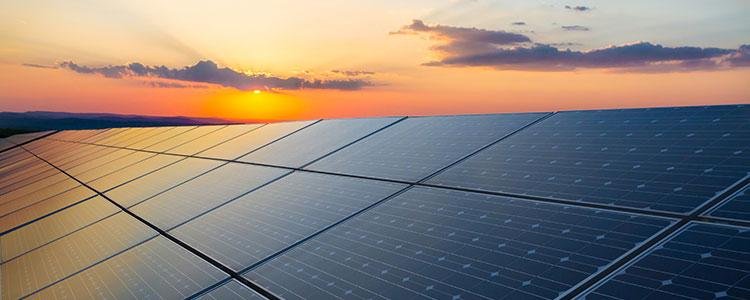
  • KP to provide free solar panels to low-income families

    KP to provide free solar panels to low-income families

    Khyber Pakhtunkhwa (KP) government has decided to provide two KV solar panels to poor families in the province, ARY News reported on Wednesday.

    Muzammil Aslam, the provincial advisor for Finance, told journalists that the KP government will provide one lakh solar systems to poor families.

    “The government will also provide electric wires and inverter fans with panels in a package,” Muzammil Aslam said.

    The advisor also stated that more than 90 power plants have been installed in the province, with electricity for six to seven rupees per unit.

    “Wapda is demanding Rs 27 per unit price for supplying electricity to consumers,” the provincial advisor stated. “We will also lay down the province’s own electricity transmission line,” he remarked.

  • Who are the people using free electricity in Pakistan?

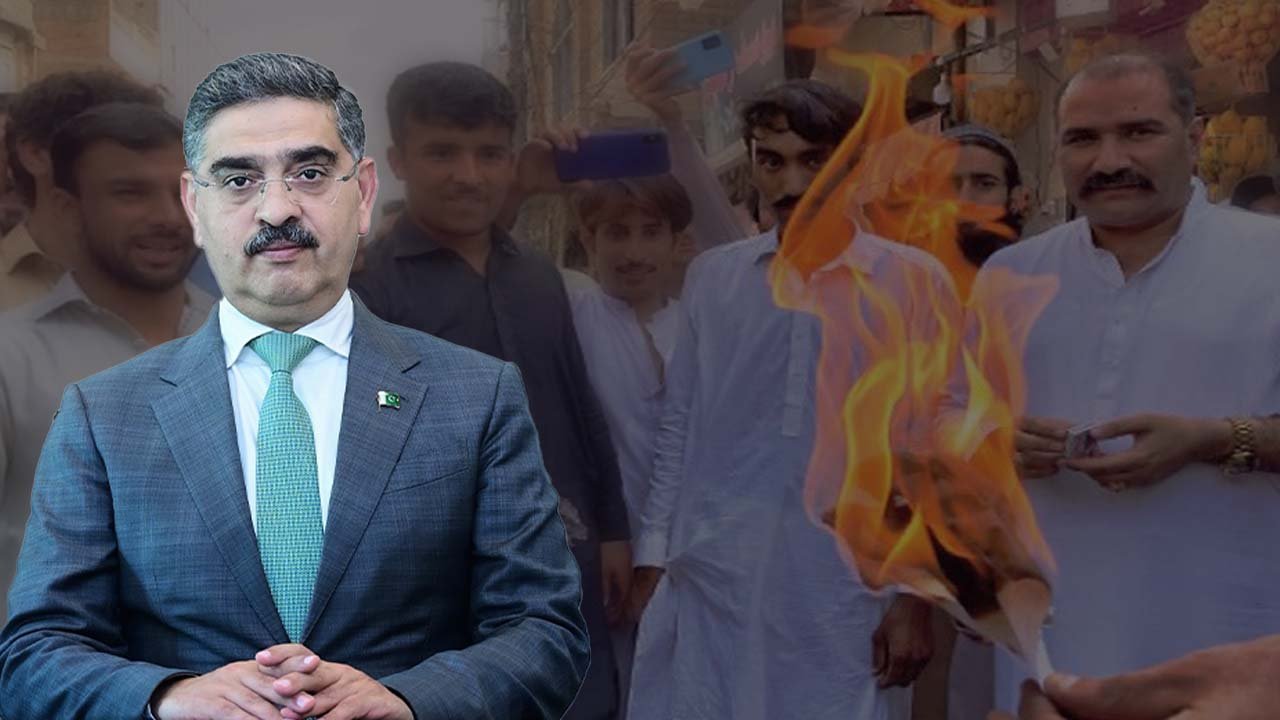
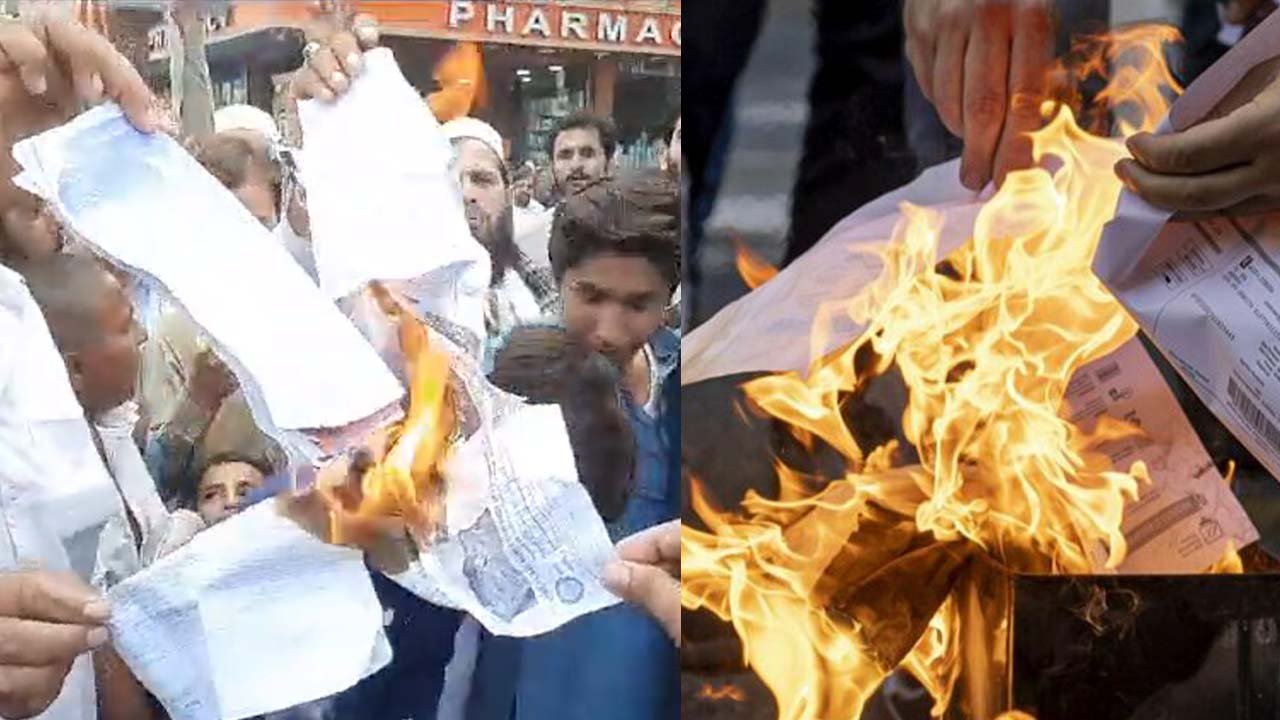
    A sharp hike in electricity bills has led to public protests across the country with consumers burning electricity bills collectively to express their objection to the exorbitant sums. The protesters are demanding that free electricity is not given to WAPDA employees and other officials because it is the general public who has to bear its burden — something they can no longer do.

    We News’ reporter, Bilal Abbasi, has investigated the amount of electricity being used every month by individuals like the Prime Minister, President, Supreme Court and High Court Judges, Federal Ministers, Chairman NAB, Governor State Bank, Senior Bureaucrats and senior government officials.

    Here are the details that We News has uncovered:

    During presidency, unlimited power unit; after retirement, 2000 units per month

    According to the President’s Salary, Allowances and Privileges Act 1975, unlimited electricity units will be provided to the President and after their retirement, the President will be able to use 2000 units per month for free.

    After the death of the president, 2000 units of free electricity will be provided to his widowed wife.

    Similarly, the Prime Minister of Pakistan is also provided unlimited free electricity.

    The Chief Justice of the Supreme Court and other judges have the right to use 2000 units of electricity during and after their service.

    A High Court Judge is provided 800 units of free electricity after retirement.

    22 thousand rupees for utility bills to the Federal Minister

    As per public perception, electricity provided to federal ministers and members of assembly is free of charge; but that isn’t so. Federal Ministers are paid 22,000 rupees in monthly salary to pay all utility bills, while Members of the Assembly are not paid any amount for any utility nor for their official residence ‘Parliament Lodges’.

    Similarly, senior bureaucrats also pay their own electricity bills.

    Chairman NAB 2000 units, Governor State Bank unlimited electricity units

    Chairman NAB is also provided with free electricity units equal to judges of the Supreme Court. They are provided with 2000 units of electricity per month for free.

    The Governor State Bank, however, is provided with unlimited electricity free of cost and the amount is paid by the State Bank. The officers of government institutions are also provided free electricity, but the relevant department/institution pays their bills to WAPDA.

    How many billions of rupees of electricity did WAPDA employees use for free in a year?

    Heavy units are provided free of charge to WAPDA employees and those working in power generation and transmission.

    According to statistics presented by the Ministry of Energy in the Senate Committee, 189,000 WAPDA employees were provided with 34 crore units of electricity for free in a year, using electricity worth 8 billion rupees for free.

    How many electricity units are provided free to WAPDA officers?

    WAPDA earning officers start getting free electricity units from 16th grade onwards. 16th grade officers are provided with 300 units per month, 17th grade officers with 450 units per month, 18th grade officers with 600 units, 19th grade officers with 880 units per month, 20th grade officers with 1100 units while 21st and 22nd scale WAPDA officers are provided with 1300 per month. These power units are provided free of charge. The perks are provided after retirement as well.
  • PM Kakar sets 48-hour deadline for relief plan amid electricity bill protests

    PM Kakar sets 48-hour deadline for relief plan amid electricity bill protests

    Amid escalating protests across the nation demanding relief from inflated power bills, Caretaker Prime Minister Anwaar ul Haq Kakar has taken proactive steps to address the pressing issue. In response to the ongoing unrest, Prime Minister Kakar convened a high-level meeting yesterday to strategise and formulate a comprehensive relief plan within the next 48 hours.

    The focal point of the meeting was an informative briefing provided by the Power Division, shedding light on the notable increase in power bills during the month of July. Attended by esteemed members of the interim cabinet, including Dr Shamsad Akhtar, Dr Gohar Ijaz, and the PM’s advisor, Dr Waqar Masood, the meeting aimed to address the mounting concerns over the substantially high electricity bills. There are growing fears that if swift action is not taken, the situation could spiral into widespread public protests and potentially even riots.

    In the aftermath of the meeting, PM Kakar took to social media to communicate the intended course of action. “The Ministry of Energy and the Ministry of Finance have been tasked with collaboratively devising an action plan aimed at providing relief to the public with regard to their electricity bills,” announced the Prime Minister, reiterating the government’s commitment to addressing the pressing issue.

    Beyond seeking immediate measures to curtail electricity consumption on government premises, Prime Minister Kakar emphasised that consultations would be initiated with all provincial representatives. He further assured the public that the caretaker government was resolute in its commitment to providing the maximum possible relief while remaining within its designated mandate.

    The Caretaker Minister for Information and Broadcasting, Murtaza Solangi, echoed the Prime Minister’s sentiments by sharing the key outcomes of the meeting via social media. He conveyed that PM Kakar had stressed the urgency of devising an action plan within the next 48 hours to alleviate the mounting financial burden caused by excessive charges on electricity bills. The Prime Minister’s emphasis was on implementing measures that wouldn’t have a detrimental impact on the national exchequer yet would genuinely alleviate the financial strain on consumers.

    The meeting concluded with a comprehensive commitment to tackle electricity theft, roll out energy-efficient initiatives, and initiate dialogue with provincial chief ministers regarding the substantial charges incurred in July. The meeting also included detailed briefings on pertinent issues within the electricity sector and strategies to counteract electricity theft.

    Against the backdrop of sustained protests, political parties from diverse backgrounds have voiced their concerns and demands. Jamaat-e-Islami has taken a decisive step by announcing a nationwide strike on September 2 as a means of voicing their discontent with the drastic surge in electricity bills. The party’s leader, Siraj-ul-Haq, articulated his intention to mobilise people across the country to participate in these protests, lamenting the financial hardship faced by salaried individuals due to soaring living costs.

    According to Brecorder, adding to the chorus of concerns, MQM-P leaders have issued a stern warning that the ongoing protests could rapidly escalate into violent riots if prompt relief measures are not taken. Farooq Sattar, Senior Deputy Convener of MQM-P, highlighted the burden of multiple taxes contributing to the high electricity bills, underscoring the palpable frustration among the populace.

    As the nation anticipates the proposed relief plan within the stipulated 48-hour timeframe, the government’s actions in response to the mounting crisis will significantly shape the trajectory of the ongoing protests and public sentiment at large.

  • Over 500 personnel deployed by Rawalpindi police to provide security for IESCO and WAPDA employees amid protests

    Over 500 personnel deployed by Rawalpindi police to provide security for IESCO and WAPDA employees amid protests

    Large-scale protests erupted across Pakistan on Friday as traders’ associations and the general public voiced their frustration over skyrocketing electricity bills and heavy taxes. The demonstrations, which gained momentum in cities like Karachi and Islamabad, highlighted the widespread discontent with the financial burden faced by the population.

    In Karachi, a significant protest gathered steam with the backing of the Jamaat-e-Islami (JI) party. The focal point of the protest was a call for a reduction in the surging electricity prices and the additional taxes added to power bills.

    Rawalpindi saw its own protest against added electricity charges, with citizens chanting slogans against the Islamabad Electric Supply Company. Protesters in various cities also directed their chants against the Water and Power Development Authority (WAPDA) while symbolically burning electricity bills.

    The backdrop of these protests is the recent approval by the federal cabinet to increase the national average tariff. This move led to an increase of up to Rs7.5 per unit in the national uniform electricity tariff starting July 1, 2023. This pushed the total cost of electricity, including extra charges and taxes, beyond Rs55 per unit for certain categories of consumers.

    520 police officers deployed to secure IESCO and WAPDA offices

    The growing protests have also raised concerns about the safety of power company employees, prompting calls for enhanced security measures. In Rawalpindi, over 500 police personnel have been deployed to address potential public unrest.

    Here is a letter from IESCO requesting the police to enhance security at electricity offices:

    Amidst the escalating situation, the IESCO (Islamabad Electric Supply Company) has taken steps to secure their offices and installations. The Superintendent Engineer of Rawalpindi sent a request to the Central Police Officer (CPO) of Rawalpindi for additional security. According to Express Tribune, this step was taken due to agitated consumer groups visiting IESCO offices and staging protests, putting the safety of IESCO employees at risk during work hours.

    Following the request, the Rawalpindi police have taken action by assigning over 500 personnel to enhance security at electricity offices. A police spokesperson has confirmed that 520 officers and personnel are now in charge of keeping IESCO and WAPDA employees safe.

    The authorities are closely monitoring the situation, and the police officials are on high alert to ensure everything runs smoothly.

  • Those who cut trees in Lahore should be jailed, says court

    Those who cut trees in Lahore should be jailed, says court

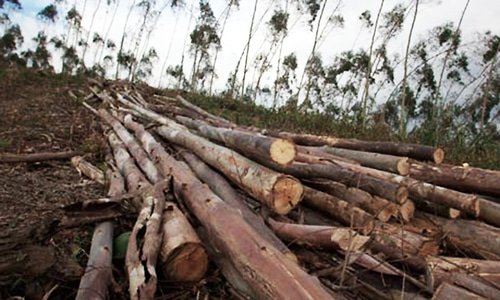
    The Lahore High Court (LHC), while hearing a petition seeking curbs to control smog in Lahore, barred Water and Power Development Authority (WAPDA) from cutting trees in Lahore and other parts of the province where smog is prevalent.

    Justice Shahid Karim also warned that those found cutting trees will be jailed.

    In the hearing which took place on Friday, a member of the judicial commission informed the court that WAPDA staff is cutting trees in Lahore and other parts of the province because of their transmission lines.

    Smog is dangerous for the lives of citizens in Lahore, the LHC judge remarked.

    Lahore is consistently featured among the top ten cities with the worst Air Quality Index (AQI).

    In December, some of Pakistan’s biggest cities were ranked among the most polluted in the world. Lahore, the capital of the province was ranked as the metropolis with the most polluted air thrice in one week.

  • Weekly inflation up by 4% due to sharp increase in electricity prices

    Weekly inflation up by 4% due to sharp increase in electricity prices

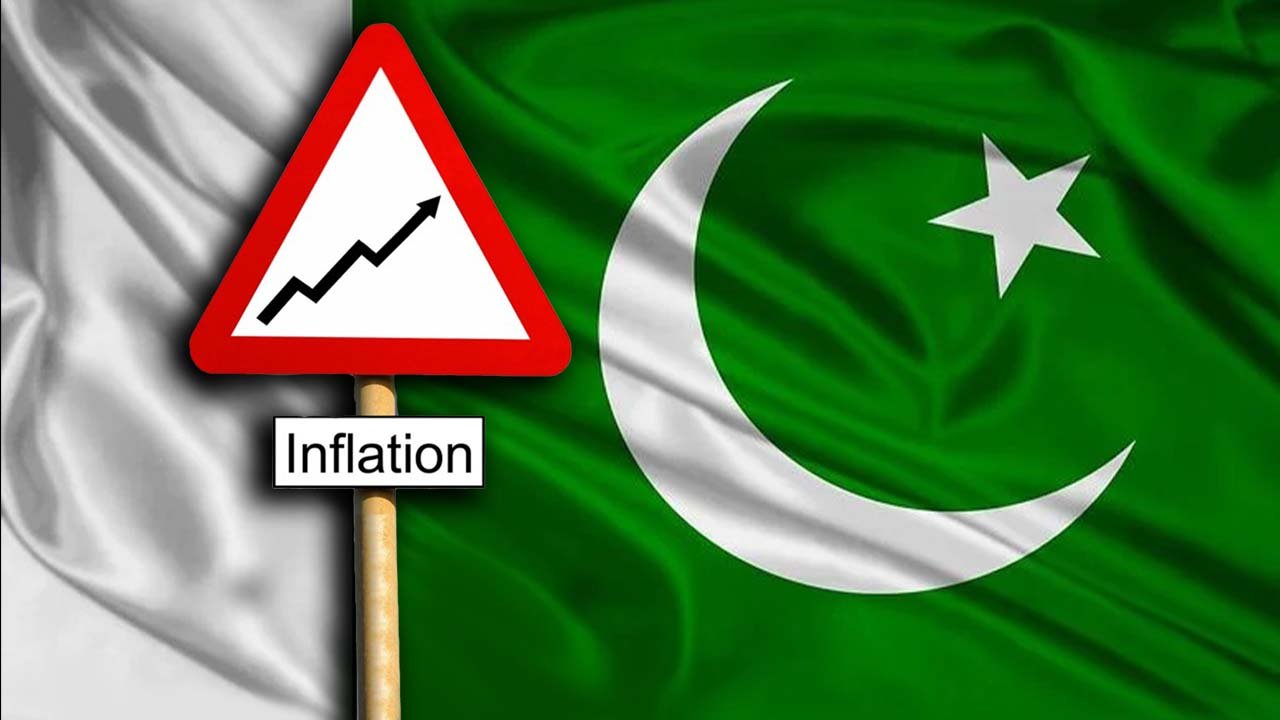
    Owing to a sharp increase in electricity prices, the sensitive pricing index (SPI), which measures weekly inflation, increased by more than 4 per cent.

    According to data released on Friday by the Pakistan Bureau of Statistics (PBS), the SPI-based inflation rate increased 4.13 per cent from the previous week to the week ending October 27 while increasing 30.68 per cent from the same time last year.

    The cost of power, salt, rice, and other basic commodities went up on average during the previous week.

    According to Geo, there has been a decrease in the cost of 16 goods, including chicken, tomatoes, onions, and masoor pulses. In the meantime, the prices for 14 necessities remained the same.

    Electricity costs up by 89 per cent

    An increase from week to week is mostly caused by an 89 per cent increase in electricity costs.

    Recall that a negative Rs10 per unit adjustment to fuel prices was implemented in September. The government opted to postpone the Rs. 10 per unit adjustment for the June fuel price, but it had already been accounted for in the inflation figures for August, therefore it was corrected for in the September inflation figures.

    Inflation is expected to be 25.7 per cent in October, up from 23.2 per cent in September, according to the brokerage.

    In the week under examination, the combined income group index increased from 205.27 points for the week that concluded on October 20 to 213.74 points.

    In comparison to the prior week, the SPI for the income bracket with the lowest income rose by 4.64 per cent. The group’s index was 220.56 points, up from 210.78 points the previous week.

    Increase in prices

    Prices of the following items increased:

    Food items

    Salt powdered: 2.57 per cent

    Tea Lipton: 1.89 per cent

    Rice: 1.24 per cent

    Garlic: 1.04 per cent

    Non-food items

    Electricity charges for Q1: 89.34 per cent

    Energy saver: 1.57 per cent

    Reduction in prices

    Prices of the following items decreased:

    Food items

    Tomatoes: -3.77 per cent

    Onions: -2.97 per cent

    Pulse Masoor: -2.50 per cent

    Chicken: -1.86 per cent

    Pulse Gram: -1.35 per cent

    Gur: -1.09 per cent

    Non-food items

    LPG: -0.72 per cent

  • NEPRA okays Rs3.21 per unit hike in power tariff

    NEPRA okays Rs3.21 per unit hike in power tariff

    A quarterly adjustment of Rs3.21 per unit of power for the period of April to June 2022 has been approved by the National Electric Power Regulatory Authority (NEPRA).

    A further burden of Rs93.95 billion will be placed on energy consumers as a result of the most recent price increase. To be effective as of October 1, 2022, the authority transmitted its decision to the federal government.

    According to specifics, the prior adjustments’ time period ended on September 3, 2022. As of October 1, the electricity customers will not receive any respite as the authority implements fresh adjustments immediately following the expiration of the prior adjustment.

    For K-Electric customers, the NEPRA earlier in the day authorised a cut in power rates of Rs4.89 per unit due to a fuel cost adjustment (FCA) for August 2022.

    The notification states that, in contrast to KE’s plea for Rs4.21, the fuel cost adjustment for K-Electric customers would be reduced by Rs4.89 per unit. However, it specified that the tariff cut for July would only be valid for that particular month.

    According to the NEPRA, all consumer categories would be affected by the drop in FCA, with the exception of lifeline consumers, home consumers consuming up to 300 units, agriculture consumers, and EVCS (Electric Vehicle Charging Station).

  • PM orders discos to suspend staff leaves and work nonstop to correct electricity bills

    PM orders discos to suspend staff leaves and work nonstop to correct electricity bills

    The staff of power distribution companies (DISCOs) must work nonstop to correct the electricity bills of consumers using less than 200 units per month, following a directive from Prime Minister (PM) Shehbaz Sharif.

    He gave the order for all staff members’ leaves to be ended, the bills should be corrected right away, and a report should be given to him. In order to deposit electricity bills in the upcoming days, he continued, the banks should be instructed to stay open.

    PM Shehbaz gave the orders while presiding over a high-level meeting to address the issues facing electricity consumers.

    Furthermore, a high-level committee was formed by the prime minister to address the issues of power users.

    The gathering was informed that efforts are being made to ensure the adoption of the relief package for power consumers that the prime minister had announced. According to him, bill adjustments are being made as part of the relief for 16.6 million consumers related to the change in fuel prices.

    The relief measures must be put into effect right away, according to directives issued by the prime minister.

  • Nepra approves price increase of Rs9.66 per unit for Karachi

    Nepra approves price increase of Rs9.66 per unit for Karachi

    On account of the fuel cost adjustment (FCA) for May 2022, the National Electric Electricity Regulatory Authority (Nepra) allowed K-Electric to increase its power rate by Rs9.66 per unit on Monday.

    According to Aaj News, Nepra will make the announcement following careful consideration.

    In order to transfer the financial burden of Rs22.65 billion to consumers for May 2022, K-Electric requested an increase of Rs11.34 per unit.

    Officials from Nepra questioned K-Electric during a hearing about why it wasn’t buying less expensive electricity and offered to help K-Electric establish a connection with the provincial and federal governments for this reason.

    The power distributor also questioned K-Electric’s decision not to use the inexpensive oil it had acquired for power production.

    Nepra’s representatives responded that the company was using peak hours, which are from 6:30 PM to 10:30 PM, to provide electricity and that the cost of power is much greater at these times.

    The FCA estimate for May 2022, according to K-Electric, was based on the requested rate for the month from CPPA-G and is subject to change based on a decision to be made by Nepra.

    In its FCA adjustment request, the power utility informed the regulator that it imports from outside sources and dispatches power from its own generating units (with the available fuel resources) in accordance with economic merit orders (EMOs).

  • Energy sector to get a massive portion of the Rs699 billion subsidy

    Energy sector to get a massive portion of the Rs699 billion subsidy

    The government has proposed allocating Rs699 billion to multiple sectors in order to provide relief to the masses during the new fiscal year 2022-23.

    According to budget estimates, the government plans to boost subsidies by Rs17 billion to Rs699 billion for the next fiscal year, up from Rs682 billion in the previous fiscal year.

    The government has reduced power sector subsidies by Rs26 billion to Rs570 billion for the next fiscal year, down from Rs596 billion in the previous fiscal year and proposed increasing the total subsidy for the power sector for PEPCO by Rs18 billion to Rs275 billion. The budget 2022-23 proposed reducing the subsidy amount for K-Electric by Rs5 billion to Rs80 billion.

    Moreover, subsidies for Independent Power Producers (IPPs) are slashed by Rs39 billion to Rs215 billion for the coming fiscal year.

    The amount of petroleum subsidy has been upped from Rs51 billion to Rs71 billion. During the next fiscal year, the Utility Stores Corporation (USC) will receive a Rs17 billion subsidy. PASSCO will also receive Rs7 billion subsidy.

    During the next fiscal year, Rs8 billion has been set aside for wheat subsidies to Gilgit-Baltistan. For the coming fiscal year, the subsidy for the metro bus service has been increased to Rs4 billion. Similarly, the fertiliser plant subsidy has been increased to Rs15 billion.

    Read more: Govt unveils Rs9.5 trillion budget 22-23, focused on sustainable growth

    The new government has reduced the Naya Pakistan Housing and Development Authority (NAPHDA) subsidy amount to Rs500 million for the next fiscal year, down from Rs30 billion in the previous fiscal year. NAPHDA’s markup subsidy has also been reduced, from Rs.3 billion to Rs.500 million for the coming fiscal year.