Tag: Wapda

  • Energy crisis worsens, electricity gap surpasses 7,000 megawatts

    Energy crisis worsens, electricity gap surpasses 7,000 megawatts

    The demand for electricity in Pakistan has risen to 28,200 megawatts due to the hot weather, while the supply is only 21,200 megawatts, resulting in a power shortfall of nearly 7,000 megawatts.

    According to well-placed sources, the country currently gets 4,635 megawatts of energy from hydropower, 1,060 megawatts from government thermal power plants, and 9,677 megawatts from IPPs. Additionally, due to a lack of oil, gas, and coal, numerous factories have been shut down.

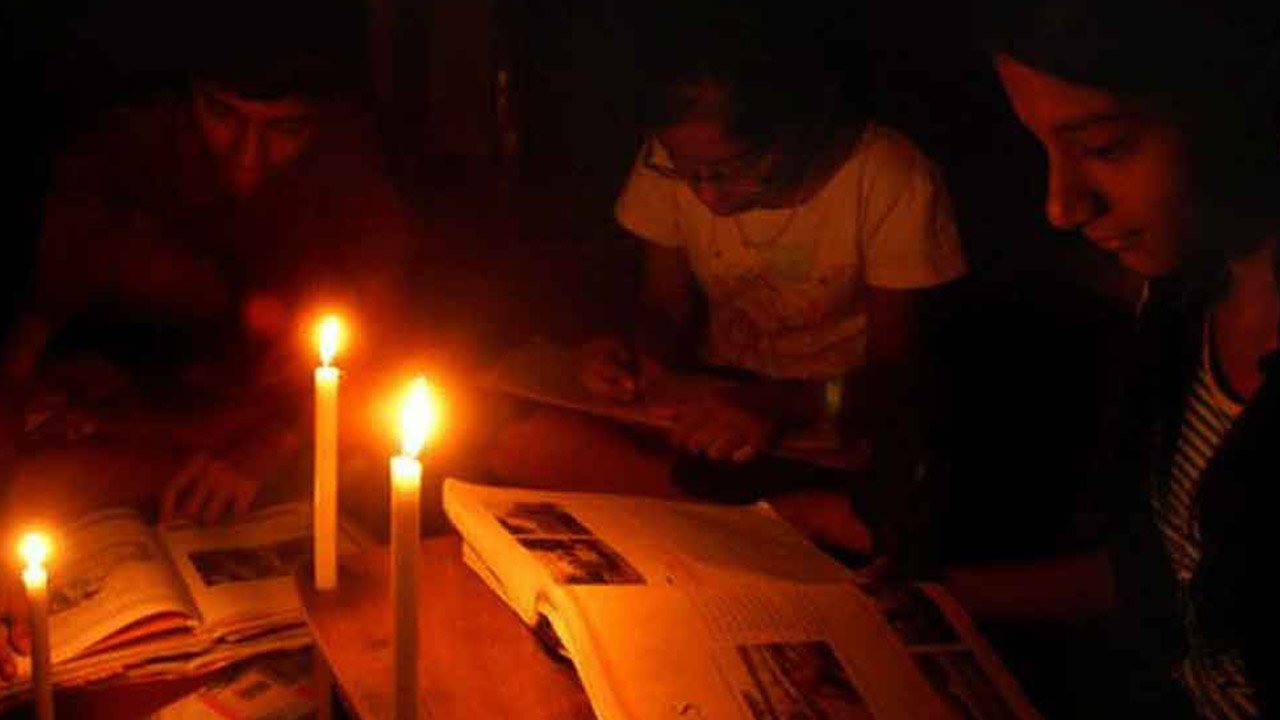
    Several areas of the country are experiencing daily loadshedding of 10 to 12 hours due to the expanding shortfall, which is exacerbated by the hot heat.

    However, in locations with significant line losses, loadshedding lasts longer than 12 hours.

    The scheduled loadshedding technique is not being used due to the lack of data, according to the sources. In Karachi, K-Electric, the city’s sole electricity distribution provider, is imposing daily loadshedding of 9 to 10 hours.

    As per reports, the loadshedding will be resolved within the next several months.
  • NEPRA hikes power tariff by Rs2.86 per unit

    NEPRA hikes power tariff by Rs2.86 per unit

    The National Electric Electricity Regulatory Authority (NEPRA) has increased the power price by Rs2.86 per unit for the month of March 2022 due to Fuel Charges Adjustment (FCA) and also issued a notification in this regard.

    As per NEPRA’s notice, power consumers of Ex Wapda Distribution Companies (DISCOS) will be charged an increase of Rs2.86 per unit on account of FCA for March 2022 in their electricity bills for May 2022, resulting in an added strain of Rs29 billion on consumers, along with General Sales Tax (GST).

    The Central Power Purchasing Agency (CPPA) had urged the administration to raise the electricity tariff by Rs3.16 per unit. Except for lifeline and K-Electric (KE) customers, the hike will apply to all consumer categories.

    Read more: Pakistan starts oil and gas production from Dhok Sultan DS X-1

    Moreover, the authority also announced Rs1.38 per unit increase for K-Electric customers. For the month of February 2022, Karachi Electric (KE) requested an increase of Rs3.45 per unit. The hike will be billed to electricity customers in May 2022, according to the announcement. Except for lifeline customers who use less than 100 units per month, the tariff increase would affect all KE customers.

  • Pakistan’s energy crisis worsens, resulting in ten hours of load shedding

    Pakistan’s energy crisis worsens, resulting in ten hours of load shedding

    Due to higher demand and reduced generation caused by fuel shortages, and reduced gas supplies to power plants, Pakistan is experiencing 6-10 hours of electricity load-shedding in various areas.

    As of April 25, generation was 17,976 MW, compared to demand of almost 21,000 MW, indicating a significant discrepancy between demand and generation. IPPs contributed 14,536 MW, Gencos contributed 837 MW, and Wapda hydel contributed 2,603 MW.

    LNG-powered facilities are only receiving 500 MMCFD RLNG against a demand of 690 MMCFD, forcing the system operator, the National Power Control Centre (NPCC), to run furnace oil-fired facilities, which are much more expensive to run than natural gas and RLNG. Due to a lack of gas, Nandipur is working, however, Bhikki is not operating at full capacity.

    Prime Minister (PM) Shahbaz Sharif and former Minister of Energy Hammad Azhar exchanged accusing remarks on Twitter.

    “Mian Nawaz Sharif’s government halted the worst load-shedding in five years,” the Prime Minister declared in a tweet. The PTI administration failed to procure fuel on schedule or fix power plants. As a result, present load shedding is in effect. Power generation costs the population Rs100 billion per month due to inefficient plants. “We’re working on it”.

    Former Energy Minister Hammad Azhar responded to Prime Minister, claiming that “there are only 5 power plants under repair, the most of them are in the private sector”.

    Read more: US launches $23 million project to enhance Pakistan’s power sector

    Two PML-N LNG contracts defaulted in the recent two weeks, resulting in a fuel deficit and prompt system gas diversions. This is a textbook case of poor management that could have been averted.

  • Lahore continues to face gas and power outage in Ramzan

    Lahore continues to face gas and power outage in Ramzan

    People in several localities of Lahore have complained of substantial pressure reduction as well as unannounced power cuts, bringing the natural gas and power shortages back in the holy month of Ramzan.

    On Friday, customers reported that natural gas load shedding had resumed in the city, making cooking at home difficult. Natural gas pressure only improved to a limited extent during Sehri and Iftari hours due to micromanagement by Sui Northern Gas Pipelines Ltd (SNGPL).

    As per the gas load management plan, gas supply to Compressed Natural Gas (CNG) filling stations has been a concern in the country, which has yet to be updated to accommodate this sector.

    Shortages, according to experts, are due to a gap in the import of Liquefied Natural Gas (LNG) shipments. After long-term sellers were unable to deliver, the government attempted to negotiate cargoes of spot LNG as a backup plan. Such attempts, however, have yet to show positive outcomes. The same goes for power load shedding.

    Read more: Another hike of Rs4.9 per unit approved in power tariff

    Gas disruptions and load shedding have become the norm, according to residents. Affected locations include Canal Bank Housing Scheme, Bedian Road, Taj Bagh, Mughalpura, Saddar, Johar Town, and many more Lahore neighbourhoods.

  • PML-N’s Miftah Ismail fact-checked by PTI’s Hammad Azhar on load-shedding, Miftah acknowledges

    PML-N’s Miftah Ismail fact-checked by PTI’s Hammad Azhar on load-shedding, Miftah acknowledges

    Miftah Ismail, General Secretary of the Pakistan Muslim League-Nawaz (PML-N) in Sindh, recently took to Twitter, saying that Pakistan State Oil (PSO) has restricted fuel supplies to Independent Power Projects (IPPs), potentially resulting in significant load shedding in the coming week.

    He directly accused Prime Minister (PM) Imran Khan of the impending power outage, writing that it is the result of his incompetence, corruption, falsehoods, and “lust for power: that has gotten the country into such a mess.

    After an hour, Former Energy Minister, Hammad Azhar responded to Ismail’s tweet, calling it “Fake news” and claiming that he had checked with PSO and there had been no such supply cuts notified for IPPs.

    “My statement regarding IK’s corruption (Farah), incompetence (Buzdar), lying (Sh Rasheed) & hunger for power (Suri) is valid,” Ismail responded with a strange tweet to cover up his incorrect finding about PSO.

    It is worth noting that PSO serves a diverse range of customers, including Pakistan’s industrial sector, several power projects, aviation, and maritime sectors. On a daily basis, the company meets the POL needs of millions of clients.

    Apart from selling oil to Pakistan’s power utilities, such as K-Electric and Wapda, PSO is the primary supplier of furnace oil to all IPPs in the country, with a local market share of more than 80 per cent.