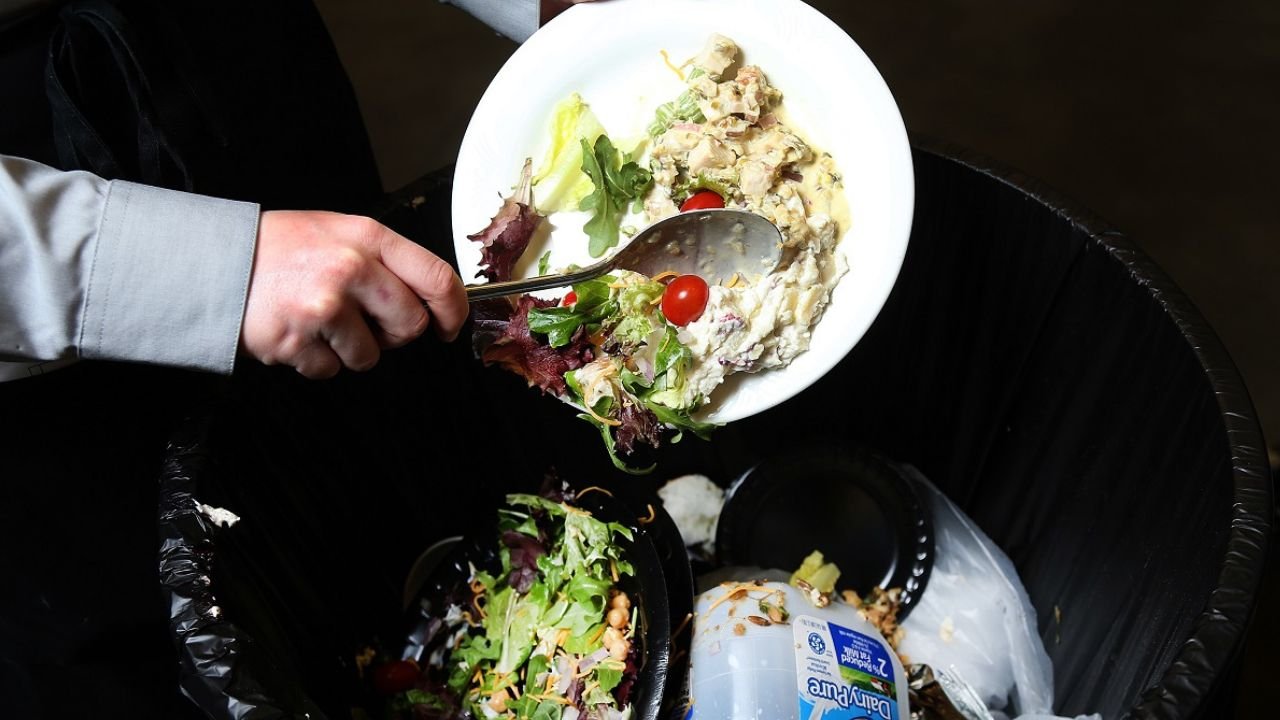
Paris, France – Households around the world threw away one billion meals every single day in 2022 in what the United Nations on Wednesday called a “global tragedy” of food waste.
More than $1 trillion worth of food was binned by households and businesses at a time when nearly 800 million people were going hungry, the UN’s latest Food Waste Index Report says.
It said that more than 1 billion tonnes of food — almost one fifth of all the produce available on the market — was wasted in 2022, most of it by households.
“Food waste is a global tragedy. Millions will go hungry today as food is wasted across the world,” Inger Andersen, executive director of the UN Environment Programme, said in a statement.
Such wastage was not just a moral but “environmental failure”, the report said.
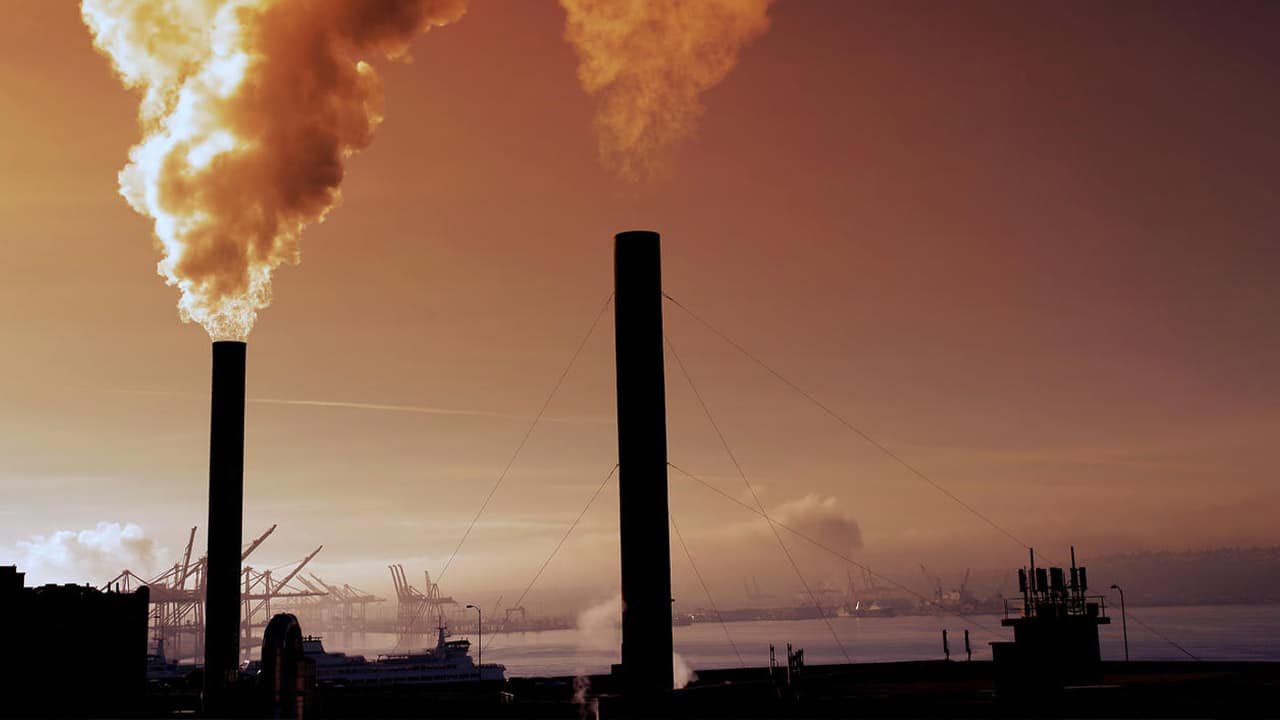
Food waste produces five times the planet-heating emissions of the aviation sector, and requires huge tracts of land be converted for growing crops that are never eaten.
The report, co-authored with non-profit organisation WRAP, is just the second on global food waste compiled by the UN and provides the most complete picture to date.
As data collection has improved the true scale of the problem has become much clearer, said Clementine O’Connor from UNEP.
“The more food waste you look for, the more that you find,” she told AFP.
Billion meals binned
The report said that the “billion meals” figure was a “very conservative estimate” and “the real amount could be much higher”.
“For me, it’s just staggering,” Richard Swannell from WRAP told AFP.
“You could actually feed all the people that are currently hungry in the world — about 800 million people — over a meal a day just from the food that is wasted every single year.”
He said bringing together producers and retailers had helped reduce waste and get food to those who need it, and more such action was needed.
Food services like restaurants, canteens and hotels were responsible for 28 percent of all wasted food in 2022, while retail like butchers and greengrocers dumped 12 percent.
But the biggest culprits were households, which accounted for 60 percent — some 631 million tonnes.
Swannell said much of this occurred because people were simply buying more food than they needed, but also misjudging portion sizes and not eating leftovers.
Another issue was expiration dates, he said, with perfectly good produce being trashed because people incorrectly assumed their food had gone off.
A lot of food, particularly in the developing world, was not so frivolously wasted, but instead lost in transportation or spoiling because of a lack of refrigeration, the report said.
Contrary to popular belief, food waste is not just a “rich country” problem and can be observed across the world, the report said.
Hotter countries, too, generated more waste, possibly due to higher consumption of fresh foods with substantial inedible parts.
‘Devastating effects’
Businesses also underestimate the cost of wasting food to their bottom line because it was cheap to dump unused produce in landfill.
“It’s quicker and easier to throw it away at the moment because the waste fee is either zero or very low,” O’Connor said.
Food waste had “devastating effects” on people and the planet, the report said.
Converting natural ecosystems for agriculture is a leading cause of habitat loss yet food waste takes up the equivalent of nearly 30 percent of the world’s farming land, the report said.
“If we can reduce food waste across the entire of the supply chain, we can… minimise the need to have land set aside that’s growing stuff that’s never used,” Swannell said.
It is also a key driver of climate change, generating up to 10 percent of annual greenhouse gas emissions.
“If food waste was a country, it would be the third biggest emitter of greenhouse gas emissions on the planet behind the US and China,” Swannell said.
But people rarely think about it, he said, despite the opportunity to “reduce our carbon footprint, reduce our greenhouse gas emissions, and save money, simply by making better use of the food that we’re already buying”.