Tag: water

  • Kohli, Anushka Sharma’s drinking water costs more than most of us earn in a month

    Kohli, Anushka Sharma’s drinking water costs more than most of us earn in a month

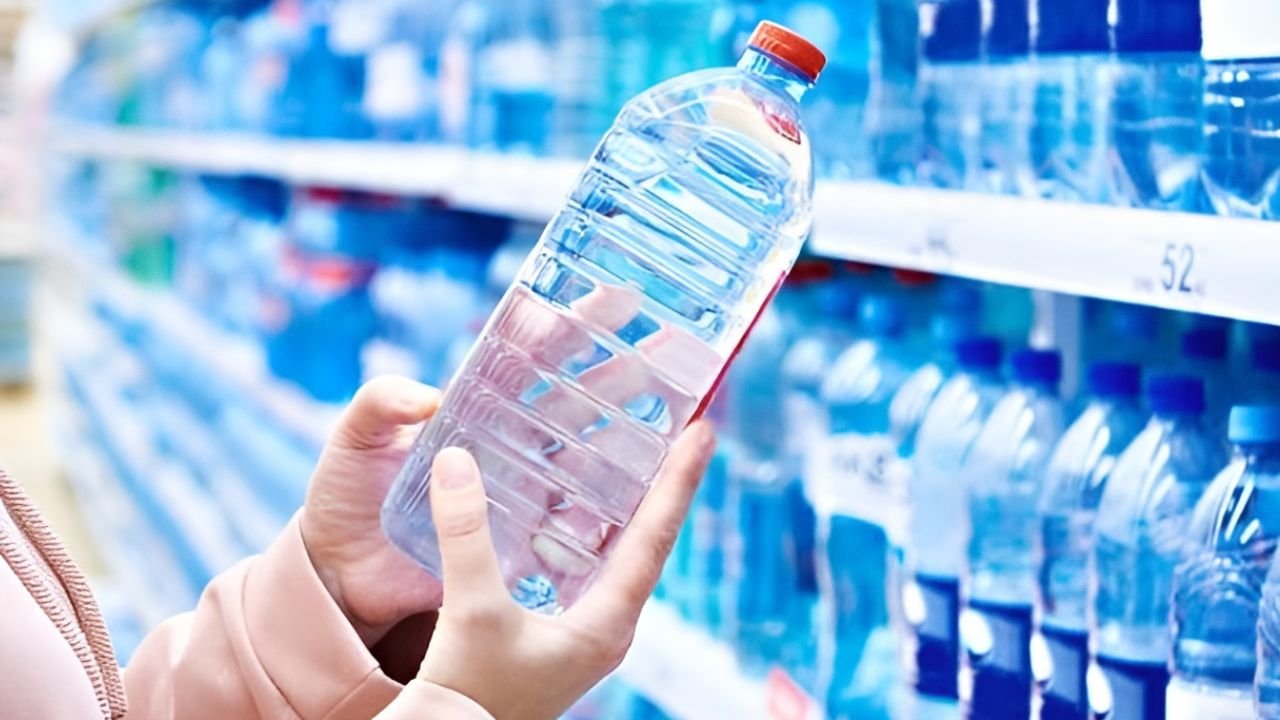
    Indian cricketer Virat Kohli and Bollywood actress Anuskha Sharma are known for their strict commitment to health and wellness. But did you know they drink water that costs more than most people spend in a month.

    According to reports, Virat and Anuskha drink water from the southern bank of Lake Geneva, one of the purest water sources in world.

    The pristine French-imported water is completely free from chemicals and is sourced from one of the largest lakes in Europe, shared by France and Switzerland.

    The special water comes with a hefty price tag of 600 Indian rupess for just one litre, let’s suppose if they drink 2 liters each per day, that’s 4 liters in total, costing 2400 Indian rupess daily. Over a month, their water expenses add up to a staggering 72,000 INR, which is about 645 Pakistani rupees per liter.

    Anuskha and Virat tied the knot in 2018 in Tuscany, Italy.

  • Continuous violation of Indus Basin Treaty by India

    Continuous violation of Indus Basin Treaty by India

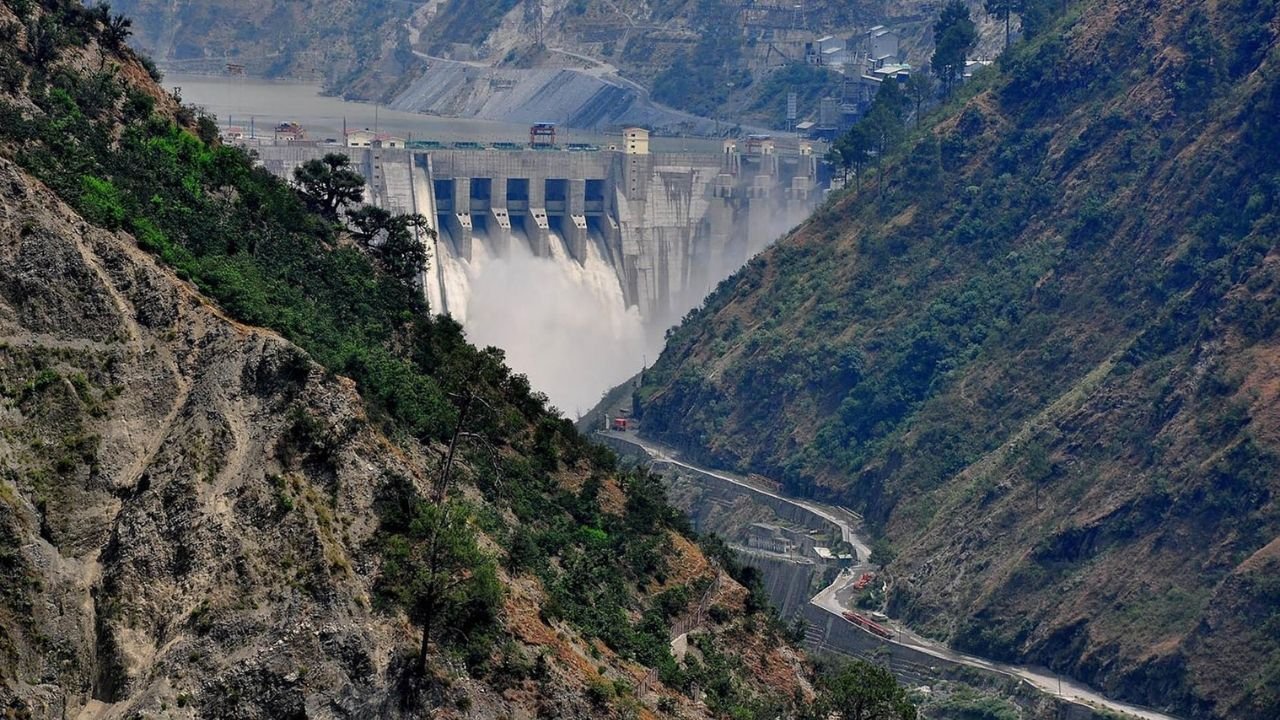
    India has continuously violated the Indus Basin Agreement as sources report that the Indus Water Commissioners meeting has been delayed since the last two years.

    Under the Indus Basin Agreement, a meeting of the India-Pakistan Indus Water Commissioners is required once a year.

    Pakistan’s Indus Water Commissioner, Mehr Ali Shah, has reportedly repeatedly requested a meeting with her Indian counterpart, but no response has been given.

    Sources say that the last meeting of the Indus Water Commissioners took place in New Delhi on May 30 and 31, 2022.

    The agreement also stipulates that the Indus Water Commissioners should meet alternately in Pakistan and India. The purpose of these meetings is to address bilateral concerns through mutual cooperation.

    The meetings should also include discussions on flood data, river flow, and controversial Indian projects affecting the rivers flowing into Pakistan.

  • Karachiites to suffer more water shortages

    Karachiites to suffer more water shortages

    The Water Corporation has warned the people of Karachi suffering from shortage that there will be further reduction in water supply, advising carefully storing and using water.

    Geo reports that according to the spokesperson of Water Corporation, the supply of water from New Pump House Gharo will be suspended from May 16 to 19 due to development works of K-Electric and Water Corporation.

    The annual work by Water Corporation and K-Electric in New Pump House Gharo will result in a shortage of 13 MGD of water in the city.

    The Water Corporation also said that new electrical panels and electrical equipment will be installed in New Pump House Gharo, and the total duration of development works will be 72 hours.

  • BEWARE: 19 water-bottle brands unsafe for consumption

    BEWARE: 19 water-bottle brands unsafe for consumption

    It has been long debated that there are possible health risks when it comes to consuming plastic water bottles.

    19 brands of drinking water bottles have been deemed unsafe by Pakistan Council for Research in Water Resources.

    PCRWR has been instructed by the government to keep a track of bottled and mineral water brands on a quarterly basis, and to publicly release the results.

    185 samples of brands were collected from 21 cities from January to March, and were then tested against the water quality standards of Pakistan Standards and Quality Control Authority (PSQCA) which then revealed that 19 brands are unsafe for human consumption because of microbiological or chemical contamination.

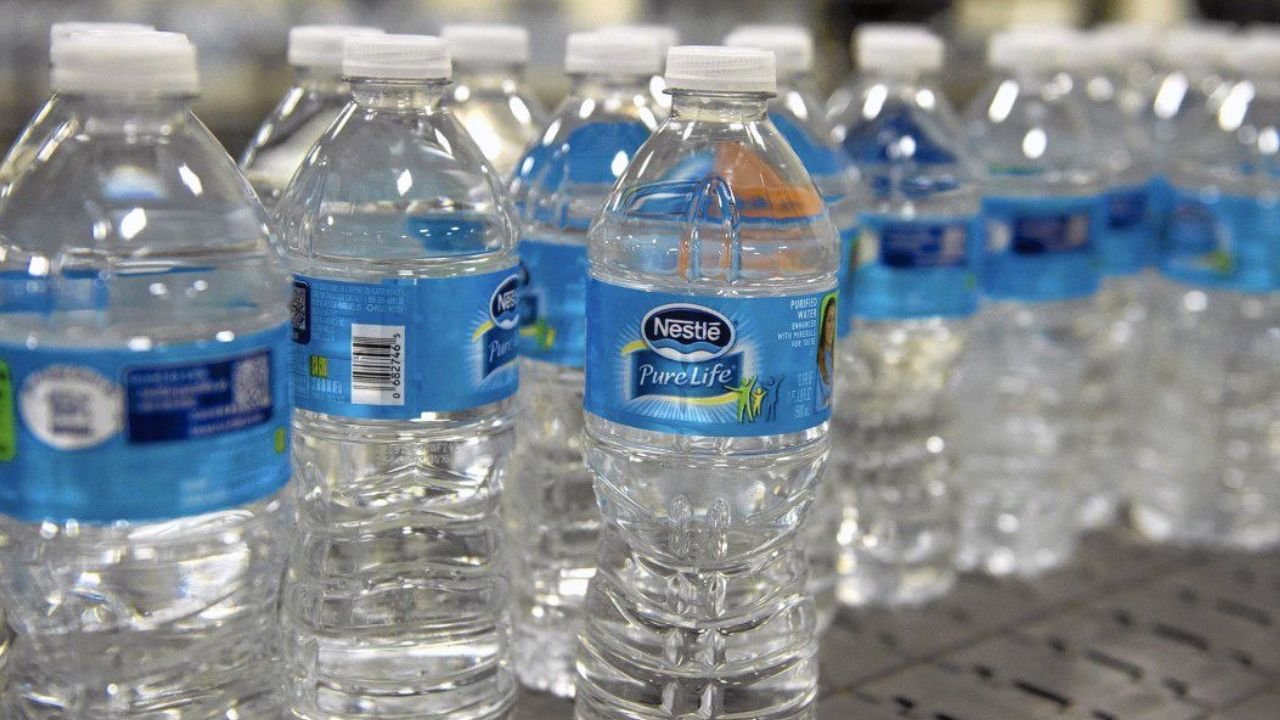
    Six brands that are unsafe due to higher levels of sodium include Hensley Pure Water, Pure Life, Natural Pure Life, Klear, Am Mughal Pure Water and Nero.

    Nero is said to have high level of total dissolved solids (TDS) than the set limit.

    Likewise, Cleana, Orwell and Still have high level of arsenic.

    Starlay, Al-Faris Water, Nestlo Healthy Water, Nesspure, Pure Life, Natural Pure Life, Nesspak, Geo Max Premium, Cleana, Splash, Karakorum, Heavenly and 7 Bro are reportedly contaminated with bacteria.

    The public has been advised to read the report and aware themselves about the water quality of bottled water being consumed.

    The detailed report is available on www.pcrwr.gov.pk.

  • Pakistan facing 30 percent water shortage for sowing season

    Pakistan facing 30 percent water shortage for sowing season

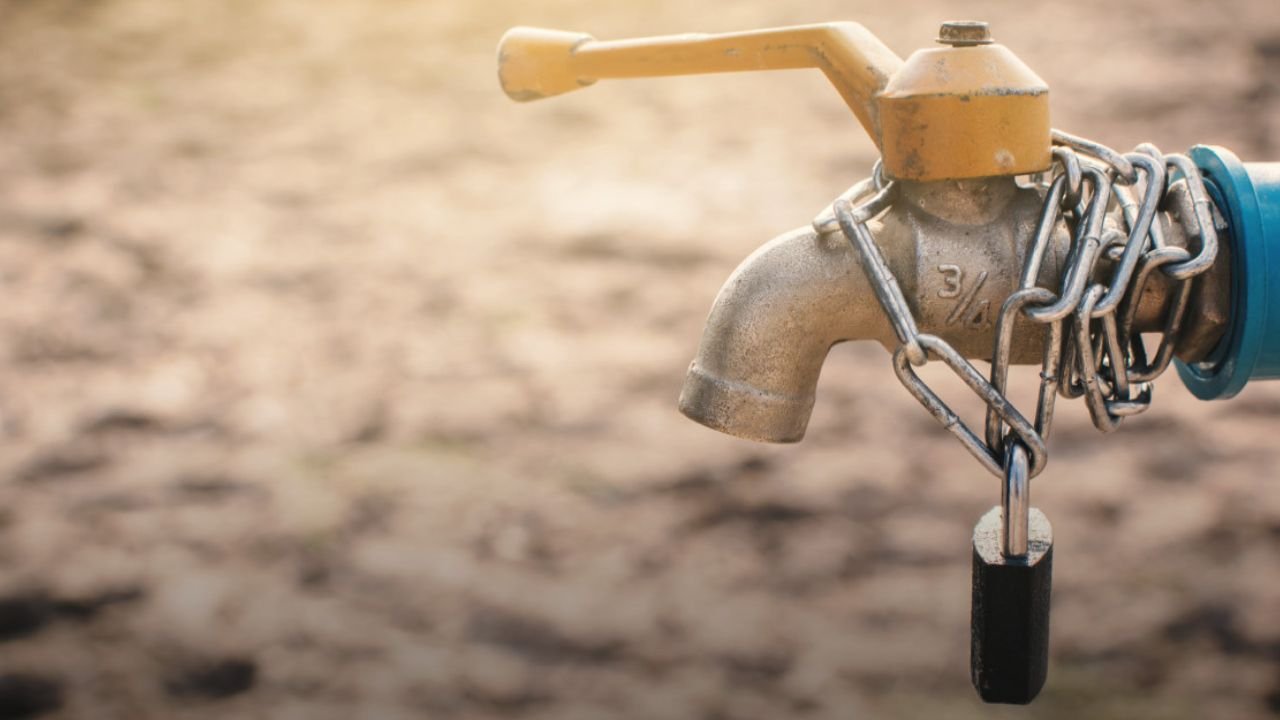
    Pakistan is facing a 30 percent water shortage at the start of the sowing season for cash crops such as rice and cotton, the country’s water regulator said.

    The Indus River System Authority (IRSA) said the gap is based on lower-than-normal winter snowfall in Pakistan’s northern glacier region, affecting catchment areas of the Indus and Jhelum Rivers that are used for irrigation.

    Kharif crops, or monsoon crops, including rice, maize, sugarcane and cotton are sown in April and require a wet and warm climate with high levels of rainfall.

    “There was less snow than normal as a result of climate change affecting the country’s glaciers,” Muhammad Azam Khan, assistant researcher with IRSA, which regulates the distribution of water resources along the Indus river, told AFP on Wednesday.

    “This will have a direct impact on the availability of water for kharif crops in the summer.”

    The water shortage gap is expected to narrow as the monsoon rains arrive later in the season.

    However, the country’s meteorological department has also forecast higher than normal temperatures during monsoon season, increasing uncertainty.

    Agriculture is the largest sector of Pakistan’s economy, contributing about 24 percent of its GDP.

    But it has been criticized for being water inefficient.

    “What this current water shortfall means for the crops is that authorities will have to better plan on how to utilize the water that is allotted to them,” said IRSA’s Khan.

    Pakistan, the world’s fifth-largest country with a population of more than 250 million, has recently been grappling with the profound impacts of climate change which includes shifting and unpredictable weather patterns.

    Devastating floods in 2022 — which scientists linked to climate change — that affected more than 30 million people also severely impacted Pakistan’s cotton crop that year.

  • Food watchdog lodges complaint over Nestle mineral water ‘fraud’

    Food watchdog lodges complaint over Nestle mineral water ‘fraud’

    Paris, France – Consumer watchdog Foodwatch said it was filing a legal complaint Wednesday against food giant Nestle and another group over them allegedly fraudulently treating water for their top mineral water brands.

    A government probe reported by media last month said about 30 percent of mineral water sold in France had undergone purification treatment only meant to be used on tap water.

    Foodwatch said it was lodging its complaint with a Paris court against Nestle Waters, behind brands such as Perrier and Vittel, and the Sources Alma group, which also owns several water labels.

    “This is a massive fraud for which Nestle Waters, the Sources Alma group and the French government must answer,” the European watchdog said.

    “Nobody, not even a multinational like Nestle, is above the law,” Foodwatch spokeswoman Ingrid Kragl said.

    The NGO claimed Nestle Waters and Sources Alma had “illegally processed their bottled waters and then sold them without informing consumers”.

    French law, based on a European Union directive, forbids such purification of mineral water, which is supposed to be of naturally high quality before bottling.

    French prosecutors last month said they had opened an investigation into suspected fraud by Nestle Waters after a complaint by France’s ARS health regulator.

    They spoke after Le Monde and Radio France reported that a government investigation had concluded in 2022 that “almost 30 percent of commercial brands undergo non-compliant treatments”.

    Nestle Waters said it put some top brands, such as Perrier and Vittel, through ultraviolet light and active carbon filters “to guarantee food safety”, and had informed French authorities about this in 2021.

    A government source told AFP that authorities had found “no health risk” linked to the bottled water.

    Foodwatch said it had also written to the European Commission, denouncing “the complacency of France, which… should have alerted European authorities and the other member states importing these waters”.

    max/spb/ah/rl

    © Agence France-Presse

  • Gold price in Pakistan increases to Rs218,600 per tola

    Gold price in Pakistan increases to Rs218,600 per tola

    Gold prices in Pakistan experienced a marginal uptick on Friday, with the value of 24-karat gold climbing by Rs300 per tola, concluding the session at Rs218,600.

    According to the Karachi Sarafa Association, the closing rate for 10-gramme 24-karat gold in today’s session reached Rs187,414, marking an increase of Rs257.

    Simultaneously, the price of 10-gramme 22-karat gold reached Rs171,796, reflecting a rise of Rs235.

    In the domestic market, silver prices also saw an upward trend, with 24-karat silver and 10-gramme 24-karat silver settling at Rs2,670 and Rs2,289.09, respectively.

    It is noteworthy that the domestic bullion market displayed a robust recovery in the previous session after enduring five consecutive losses, resulting in a cumulative loss of Rs6,300 for 24-karat gold.

    This surge was attributed to a rally in international markets, which persisted today, contributing to gains in the domestic market.

    As of the latest update, international spot gold is trading at $2,041.17, reflecting a 0.26 per cent increase for the day.

    The ongoing upward trajectory in international gold prices is influenced by the recent statement from the US Federal Reserve, which indicates a cumulative rate cut of 75 basis points in 2024.

  • South Asia worst in world for water scarcity: UN

    New Delhi (AFP) – More children in South Asia are struggling due to severe water scarcity made worse by the impacts of climate change than anywhere else worldwide, the United Nations said Monday.

    “A staggering 347 million children under 18 are exposed to high or extremely high water scarcity in South Asia, the highest number among all regions in the world,” the UN children’s agency said in a report.

    The eight-nation region, comprising Afghanistan, Bangladesh, Bhutan, India, Nepal, Maldives, Pakistan and Sri Lanka, is home to more than one-quarter of the world’s children.

    “Climate change is disrupting weather patterns and rainfall, leading to unpredictable water availability,” the UN said in its report.

    The report cites poor water quality, lack of water and mismanagement such as over-pumping of aquifers, while climate change decreases the amount of water replenishing them.

    “When village wells go dry, homes, health centres and schools are all affected,” UNICEF added.

    “With an increasingly unpredictable climate, water scarcity is expected to become worse for children in South Asia.”

    At the UN COP28 climate conference in December in Dubai, UNICEF said it will call for leaders “to secure a livable planet”.

    “Safe water is a basic human right,” said Sanjay Wijesekera, UNICEF chief for South Asia.

    “Yet millions of children in South Asia don’t have enough to drink in a region plagued by floods, droughts and other extreme weather events, triggered increasingly by climate change”.

    Last year, 45 million children lacked access to basic drinking water services in South Asia, more than any other region, but UNICEF said services were expanding rapidly, with that number slated to be halved by 2030.

    Behind South Asia was Eastern and Southern Africa, where 130 million children are at risk from severe water scarcity, the report added.

  • Lahore High Court issues directives on safety, environmental hazards

    Lahore High Court issues directives on safety, environmental hazards

    Lahore High Court has issued a written order pertaining to environmental problems and safety hazards on roads.

    The court order said that those who use green belts for parking should be fined Rs 5,000, forwarding the order to all housing societies and authorities concerned.

    The court has also ordered the shutting down of polluting brick kilns, and filing criminal cases against the officials who do not take action against the kilns.

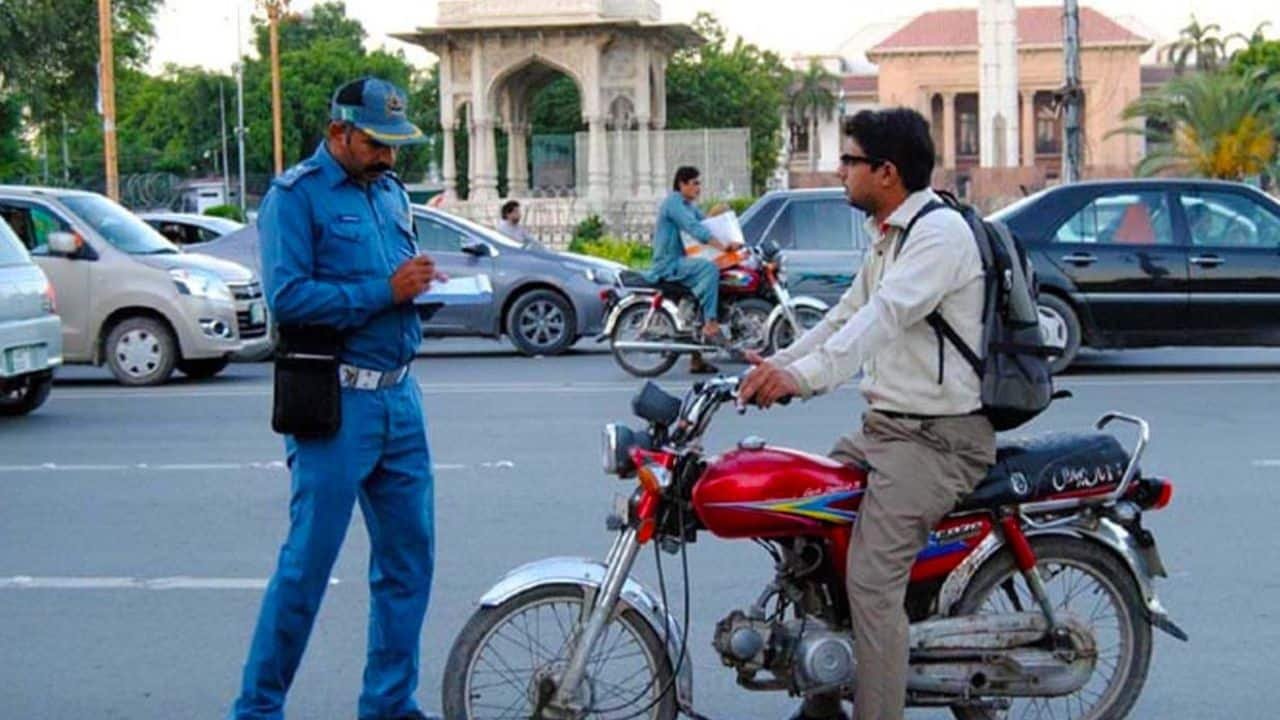
    Additionally, the court ordered the CTO to impose a fine of Rs 2,000 on motorcycle riders without helmets and this order will be enforced across the province.

    The Dolphin police have also been directed to keep a check on people in case of violation of the latest orders.

    Reforestation

    The Lahore High Court also shed light on the importance of reforestation, pointing at the Miyawaki model where more urban forests should be planted.

    To ensure that they meet the necessary environmental standards, the LDA will be closely working with the Environment Department while planning and executing development projects.

    Additionally, strict action is to be taken against kilns emitting black smoke which is one of the major contributors to poor air quality.

  • Japanese researchers discover microplastics in clouds

    Japanese researchers discover microplastics in clouds

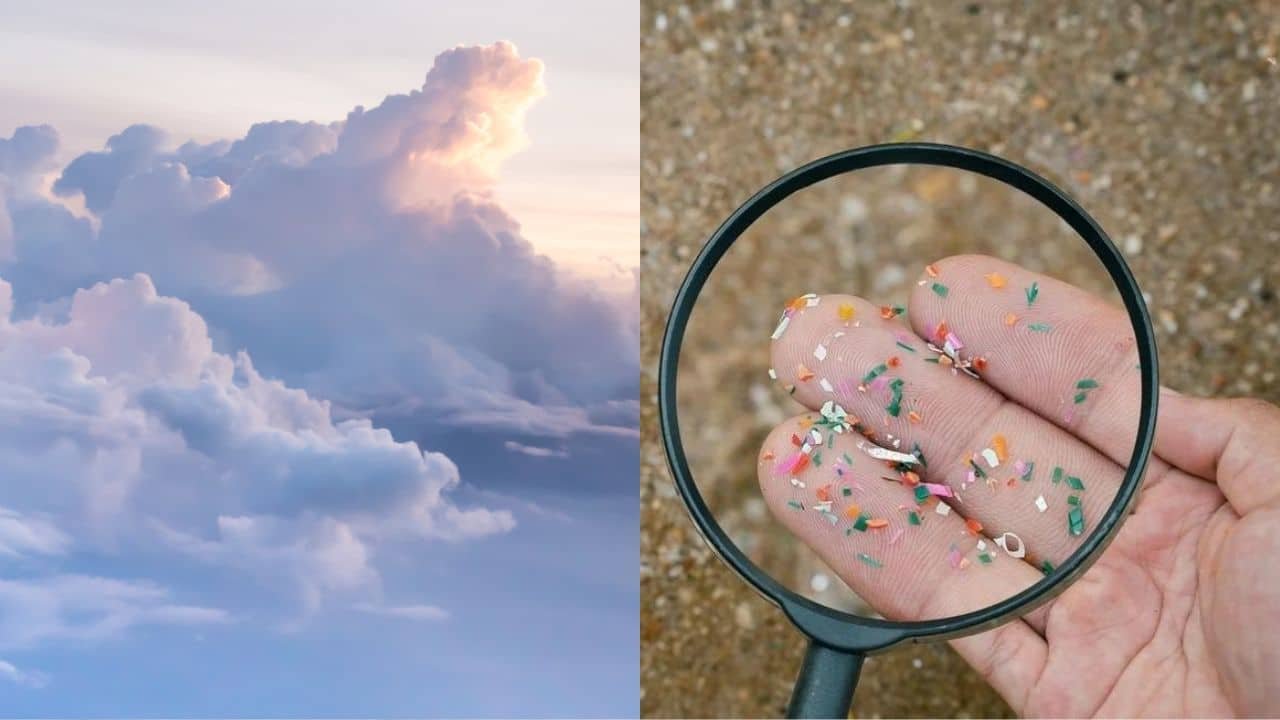
    Researchers in Japan have claimed they have discovered the presence of microplastics in clouds. These small particles of plastic are believed to be affecting the climate in ways that scientists still do not fully understand.

    According to Al Jazeera’s report, a study published in the journal ‘Environmental Chemistry Letters’ details that Japanses scientists researched the collection of water from the fog covering Mount Fuji and Mount Aoyama.

    The research team found nine different types of polymers and one type of rubber in the samples, with particles ranging in size from 7.1 to 94.6 micrometers.

    The amount of plastic particles found in each liter (0.26 gallon) of cloud water ranged from 6.7 to 13.9.

    Lead author of the study from Waseda University, Hiroshi Okuchi, has warned that if the issue is not taken into account, climate change and environmental threats could cause serious environmental damage in the future.

    What is microplastic?
    Microplastics are small plastic particles measuring less than 5 mm which come from industrial waste, textiles, synthetic car tires, and similar products.

    These microplastics have also been found inside fish in the Arctic Ocean and in frozen snow in the Pyrenees mountains between France and Spain.

    In the research report, the author said that “according to our knowledge, this is the first report of the presence of microplastics in clouds.”

    Researchers have stated that humans and animals are ingesting and/or inhaling microplastics, and these small particles of plastic have been found in various human organs, including the lungs, heart, blood and faeces.

    One million tonnes of tiny plastic particles accumulate in the ocean which are often released into the air and then into the atmosphere. Hence, microplastics have also seemingly become an integral part of clouds, potentially contaminating several things including our food and drink.

    Recent findings also show that microplastics are linked to health problems, including effects on heart and lung, as well as cancer.