Tag: Weekly inflation

  • Weekly inflation slows as prices of eight essential items drop across local markets

    Weekly inflation slows as prices of eight essential items drop across local markets

    Short-term inflation in Pakistan has somewhat eased, as the Pakistan Bureau of Statistics (PBS) reported a decrease in the prices of eight essential items.

    According to data collected through the Sensitive Price Indicator (SPI), weekly inflation was recorded as 0.8 per cent lower on a weekly basis. However, SPI-based inflation increased by 12.74 per cent on a year-on-year (YoY) basis.

    The SPI tracks price movements of key items on a weekly basis. In the week ending on October 10, the prices of 15 items increased, while the prices of 8 items decreased compared to the previous week. Moreover, the prices of 28 items remained unchanged during the week.

    These prices were collected from nearly 50 markets across Pakistan.

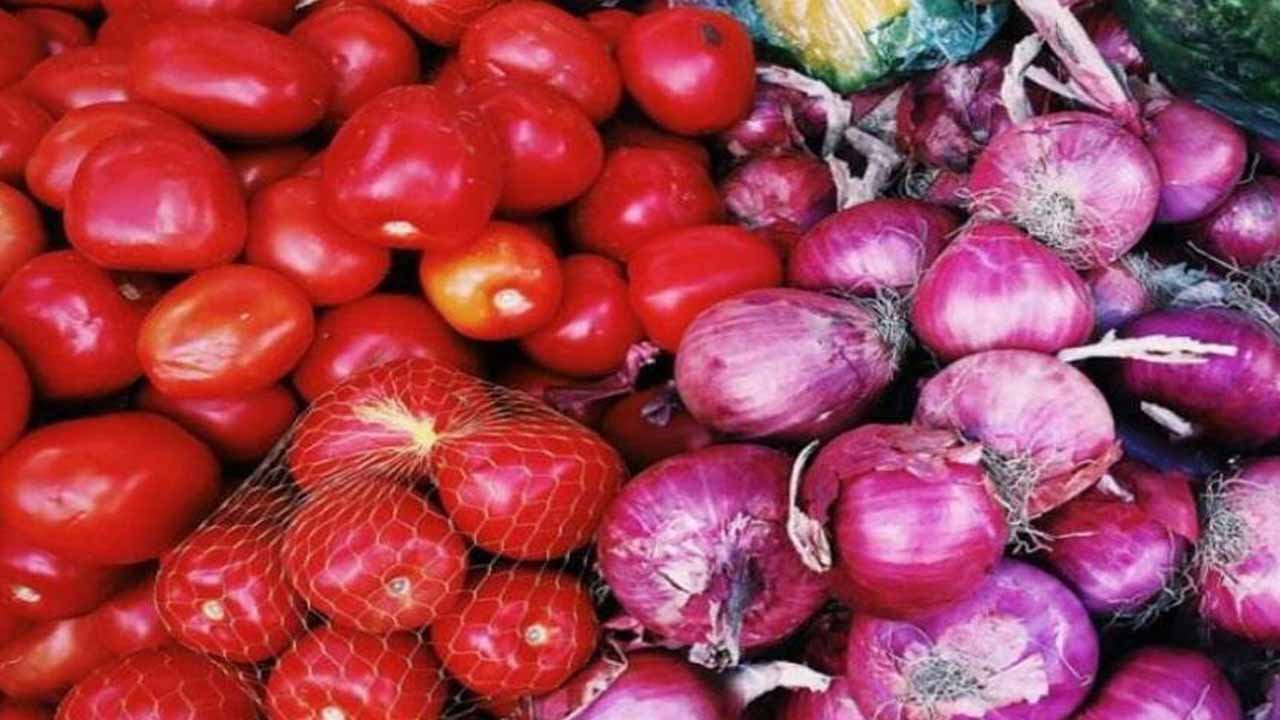
    The most prominent reductions were observed in the prices of tomatoes, which saw a decline of over 19 per cent. Prices for bananas, sugar, pulse mash, and chicken were also recorded lower.

    However, a notable increase was seen in the prices of onions, wheat flour, pulse gram, and potatoes.

  • Weekly inflation eases 0.52 per cent as prices of 15 essential items decline

    Weekly inflation eases 0.52 per cent as prices of 15 essential items decline

    Weekly inflation in Pakistan eased by 0.52 per cent in one week, while on an annual basis, the inflation was recorded up by over 12 per cent in the week ending September 19.

    According to the Pakistan Bureau of Statistics (PBS), which calculates short term inflation through the sensitive price indicator revealed price movements for essential food items witnessed in the week under observation.

    The prices of 51 essential items were analysed in different cities across the country and it was revealed that prices of 17 items increased in Pakistan, while prices of 15 items declined and prices of 19 items remained almost unchanged.

    Looking at the data released by the PBS, a major reduction was seen in the price of diesel, onions, petrol, sugar, and tomatoes.

    On the other hand, pulse gramme, chicken, cooked daal, cooked beef, and shirting.

    Cement prices also reduced in the country as the rate for 50 kg cement bag was recorded at Rs1,466, about 22.85 per cent more than the previous year.

    Furthermore, yearly SPI for the lowest-income group has increased by more than 9 per cent.

    Item Change Direction
    Diesel -5.00 per cent Decrease
    Onions -4.45 per cent Decrease
    Petrol -3.88 per cent Decrease
    Tomatoes -1.93 per cent Decrease
    Sugar -0.70 per cent Decrease
    Chicken +1.49 per cent Increase
    Pulse Gram +0.83 per cent Increase
    Cooked Daal +0.81 per cent Increase
    Shirting +0.74 per cent Increase
    Cooked Beef +0.72 per cent Increase
    Price changes
  • Pakistan’s weekly inflation dips slightly amid lower fuel and onion prices

    Pakistan’s weekly inflation dips slightly amid lower fuel and onion prices

    Pakistan’s weekly inflation, as measured by the Sensitive Price Indicator (SPI), registered a slight decline of 0.16 per cent for the combined consumption groups during the week ending on August 15, according to the Pakistan Bureau of Statistics (PBS).

    The SPI for the period under review stood at 322.03 points, down from 322.54 points the previous week. However, compared to the corresponding week last year, the SPI for the combined consumption group saw a significant increase of 16.86 per cent.

    The SPI, with the base year set at 2015-16, covers 17 urban centres and tracks 51 essential items across all expenditure groups.

    For the lowest consumption group, with a monthly expenditure of up to Rs17,732, the SPI witnessed a marginal increase of 0.07 per cent, rising to 311.04 points from 310.83 points in the previous week.

    Similarly, the SPI for the Rs 17,732-22,888 consumption group saw a minimal rise of 0.01 per cent. In contrast, for consumption groups with expenditures ranging from Rs22,889-29,517, Rs29,518-44,175, and above Rs44,175, the SPI declined by 0.05 per cent, 0.10 per cent, and 0.25 per cent, respectively.

    Out of the 51 items monitored during the week, the prices of 19 items (37.25 per cent) increased, 13 items (25.50 per cent) decreased, while the remaining 19 items (37.25 per cent) remained stable.

    The key items that saw a decrease in average prices on a week-on-week basis included onions (4.91 per cent), petrol (3.15 per cent), diesel (2.44 per cent), wheat flour (1.83 per cent), pulse moong (1.81 per cent), chicken (1.57 per cent), bananas (1.36 per cent), LPG (0.90 per cent), sugar (0.59 per cent), potatoes (0.58 per cent), and pulse masoor (0.56 per cent).

    Conversely, items that recorded an increase in their average prices included tomatoes (34.77 per cent), eggs (4.78 per cent), garlic (1.99 per cent), beef (0.88 per cent), cooked beef (0.41 per cent), georgette (0.40 per cent), gur (0.39 per cent), curd (0.32 per cent), and mustard oil (0.28 per cent).

  • Weekly inflation rises with tomato prices up 27.14%, chicken 11.75%

    Weekly inflation rises with tomato prices up 27.14%, chicken 11.75%

    The Weekly Sensitive Price Indicator (SPI) for the Combined Group saw a 1.3 per cent week-over-week increase during the week ending June 13, 2024, according to data released by the Pakistan Bureau of Statistics (PBS).

    The SPI also showed a significant year-over-year rise of 23.03 per cent compared to the same period last year.

    The Combined Index reached 313.93, up from 309.91 the previous week, and significantly higher than the 255.17 recorded a year ago.

    During the week, out of 51 monitored items, prices of 19 items (37.26 per cent) increased, 8 items (15.68 per cent) decreased, and 24 items (47.06 per cent) remained stable.

    Major price increases were observed in tomatoes (27.14 per cent), chicken (11.75 per cent), electricity for Q1 (8.73 per cent), pulse gram (7.19 per cent), and LPG (6.14 per cent). On the other hand, notable price decreases were recorded in onions (5.00 per cent), chilies powder (1.95 per cent), rice basmati broken (1.65 per cent), garlic (1.32 per cent), and rice IRRI (1.08 per cent).

    The SPI percentage change by income groups indicated increases across all quantiles, ranging from 1.01 per cent to 1.31 per cent on a weekly basis. The lowest income group experienced a rise of 1.01 per cent, while the highest income group saw an increase of 1.29 per cent.

    Yearly analysis of SPI changes across different income segments showed increases ranging between 16.29 per cent and 26.07 per cent. These statistics highlight the varying impact of price changes on different income groups, reflecting broader economic trends and inflationary pressures within the country.

  • Tomato and onion price hikes push weekly inflation up

    Tomato and onion price hikes push weekly inflation up

    In a significant shift, weekly inflation in Pakistan has increased after seven weeks of consecutive declines.

    The Weekly Sensitive Price Indicator (SPI) for the Combined Group saw a 0.11 per cent week-on-week rise for the week ending May 30, 2024.

    This comes as a 21.4 per cent year-on-year increase compared to the same period last year, according to the Pakistan Bureau of Statistics (PBS).

    The Combined Index stood at 308.52, slightly up from 308.19 the previous week, and significantly higher than the 254.13 recorded a year ago.

    Out of the 51 items monitored, prices for 14 items (27.45 per cent) increased, 14 items (27.45 per cent) decreased, and 23 items (45.10 per cent) remained unchanged.

    Inflation drivers

    Notable price increases during the week were observed in tomatoes (11.25 per cent), onions (3.62 per cent), pulse mash (2.00 per cent), bananas (1.78 per cent), and potatoes (1.23 per cent).

    Conversely, significant price decreases were seen in eggs (6.14 per cent), chili powder (5.73 per cent), LPG (5.40 per cent), garlic (4.02 per cent), and rice IRRI (2.93 per cent).

    The SPI percentage change by income groups revealed increases across all segments, ranging from 0.08 per cent to 0.15 per cent. The lowest income group experienced a 0.09 per cent rise, while the highest income group saw a 0.08 per cent increase.

    On an annual basis, SPI changes showed increases between 14.68 per cent and 24.67 per cent across different income segments, with the lowest income group seeing a 14.68 per cent rise and the highest income group a 19.24 per cent increase.

    The average price of Sona urea was recorded at Rs4,796 per 50 kg bag, reflecting a 0.16 per cent decrease from the previous week but a 55.19 per cent increase from last year.

    Meanwhile, the average price of cement rose to Rs1,237 per 50 kg bag, up 0.30 per cent from the previous week and 9.80 per cent higher than the previous year.

  • Pakistan’s headline inflation expected to drop below 14%

    Pakistan’s headline inflation expected to drop below 14%

    Inflation in Pakistan is projected to decelerate significantly in May 2024, with the year-on-year (YoY) rate expected to drop to approximately 13.9 per cent. This sharp slowdown is attributed to a notable decline in monthly prices, aided by a favorable base effect.

    Monthly inflation is forecasted to decrease by 1.4 per cent, marking the second consecutive month of decline. This figure is significantly lower than the average monthly increase of 1.35 per cent observed over the past 12 months.

    As a result, the average yearly inflation for the first 11 months of the fiscal year 2024 (11MFY24) is anticipated to be 25.1 per cent YoY, compared to 29 per cent YoY in the same period of the previous fiscal year (FY23).

    The primary driver behind the decline in monthly inflation is a substantial 440 basis points (bps) drop in the Food Index. This reduction is mainly due to lower prices of essential food items such as onions, tomatoes, chicken, and wheat. Additionally, the Transport Index is expected to decrease due to falling fuel prices.

    Looking ahead, if consumer prices increase by an average of 0.5 per cent per month, the annual inflation rate is projected to decline to about 7.4 per cent by the end of December 2024. With a 1 per cent monthly increase, the annual inflation rate would fall to approximately 11.7 per cent.

    If the monthly increase matches the last 12-month average of 1.35 per cent, the annual inflation rate will stand at 14.8 per cent by December 2024.

    The following chart outlines the projected yearly inflation trajectory based on monthly inflation rates of 0.5 per cent, 1 per cent, and the last 12-month average of 1.35 per cent.

  • Weekly inflation eases as tomato and onion prices drop

    Weekly inflation eases as tomato and onion prices drop

    According to data released by the Pakistan Bureau of Statistics (PBS), the SPI for the week ending on May 16, 2024, showed a decline of -1.06 per cent compared to the previous week. However, in a year-on-year comparison, the SPI surged by 21.22 per cent compared to the same period last year.

    The Combined Index, a key metric monitored by economists and consumers alike, stood at 309.25, indicating a decrease from 312.56 recorded a week earlier. This contrasts with the index of 255.12 registered during the corresponding period last year.

    Among the 51 items tracked, prices exhibited mixed trends, with 39.22 per cent of items experiencing an increase, 31.37 per cent witnessing a decrease, and 29.41 per cent remaining stable.

    Notable decreases were observed in the prices of tomatoes (31.18 per cent), onions (21.84 per cent), garlic (7.76 per cent), wheat (5.48 per cent), and petrol (5.32 per cent). Conversely, significant increases were noted in the prices of cooked daal (1.96 per cent), shirting (1.74 per cent), potatoes (1.46 per cent), beef (1.11 per cent), and mutton (1.04 per cent).

    Analysis of the weekly SPI percentage change across income groups revealed a uniform decrease, ranging between -1.02 per cent and -1.17 per cent. The lowest income group experienced the most significant weekly fall at 1.17 per cent, while the highest income group recorded a decline of 1.06 per cent.

    On an annual basis, SPI trends across income segments indicated increases ranging between 14.54 per cent and 24.58 per cent. The lowest income group saw a 14.54 per cent increase in the yearly SPI, while the highest income group experienced a 19.07 per cent rise.

  • Weekly inflation drops 1.39% as onion and chicken prices ease

    Weekly inflation drops 1.39% as onion and chicken prices ease

    The latest report from the Pakistan Bureau of Statistics (PBS) reveals that the Weekly Sensitive Price Indicator (SPI) for the Combined Group dropped by 1.39 per cent week-on-week for the period ending May 09, 2024.

    However, when compared to the same period last year, the SPI has risen by 22.32 per cent.

    The Combined Index, which measures price changes for essential items, stood at 312.56 at the end of the week, down from 316.95 the previous week. A year ago, the index was at 255.53.

    Among the 51 items tracked by the SPI, 12 (23.53 per cent) showed price increases, 13 (25.49 per cent) saw price decreases, and 26 (50.98 per cent) remained stable.

    Notable price decreases during the week included onions, which dropped by 19.22 per cent, chicken by 18.83 per cent, wheat flour by 4.00 per cent, LPG by 3.67 per cent, and wheat by 3.49 per cent.

    In contrast, the most significant price increases were recorded for tomatoes, which rose by 19.24 per cent, eggs by 4.73 per cent, potatoes by 4.38 per cent, pulse gram by 0.91 per cent, and cooking oil (5-litre packs) by 0.89 per cent.

    The SPI’s weekly percentage change by income groups indicates that all income brackets experienced a decline in the SPI, ranging from -0.99 per cent to -1.53 per cent.

    The lowest income group saw a drop of 0.99 per cent, while the highest income group experienced a more significant decrease of 1.53 per cent.

    However, over the year, the SPI has increased across all income groups, with the percentage change varying between 15.95 per cent and 25.88 per cent.

    The lowest income group recorded a 15.95 per cent increase, while the highest income group saw a rise of 19.99 per cent.

    In other market trends, the average price for a 50 kg bag of Sona urea stood at Rs4,836, which is 1.80 per cent lower than the previous week but 57.36 per cent higher than a year earlier.

    Meanwhile, the average price for a 50 kg bag of cement was Rs1,204, showing a slight decrease of 0.95 per cent from the previous week, but still 7.58 per cent higher than the corresponding period last year.

  • Weekly inflation falls by 1%, but year-on-year rates remain high

    Weekly inflation falls by 1%, but year-on-year rates remain high

    The weekly inflation measured by the Sensitive Price Indicator (SPI) recorded a decrease of 1 per cent for the combined consumption groups during the week ended on May 02, according to data released by the Pakistan Bureau of Statistics (PBS).

    This marks a significant shift as inflation pressures ease for the first time in weeks. The SPI for the current week stands at 316.95 points, down from the previous week’s 320.14 points.

    However, compared to the corresponding week of the previous year, the SPI is up by 24.37 per cent, reflecting the ongoing inflationary trend across various sectors.

    The SPI, calculated with a base year of 2015-16, encompasses 17 urban centers and 51 essential items across all expenditure groups. The index serves as a critical barometer of inflationary trends in Pakistan.

    For the lowest consumption group, earning up to Rs17,732, the SPI decreased by 1.09 per cent, settling at 306.26 points, down from last week’s 309.64 points.

    Similarly, the SPI for consumption groups in the ranges Rs17,732-22,888, Rs22,889-29,517, Rs29,518-44,175, and above Rs44,175 saw decreases of 1.12 per cent, 1.02 per cent, 1.04 per cent, and 0.95 per cent, respectively.

    This broad-based decline indicates a general easing of inflationary pressures across different income groups.

    Price variations across essential items

    Out of the 51 items evaluated by the SPI, the prices of 18 items decreased, 15 increased, and 18 remained stable during the week.

    Items showing decreased prices

    Key items that recorded a notable decrease in their average prices on a week-on-week basis include:

    – Tomatoes: 22.05 per cent decrease

    – Chicken: 8.03 per cent decrease

    – Onions: 7.71 per cent decrease

    – Wheat flour: 6.88 per cent decrease

    – Bananas: 5.25 per cent decrease

    – Diesel: 2.89 per cent decrease

    Items with increased prices

    In contrast, some items saw a rise in their prices. These include:

    – Potatoes: 6.06 per cent increase

    – Salt powder: 0.91 per cent increase

    – Garlic: 0.85 per cent increase

    – Powdered milk: 0.70 per cent increase

    Year-on-year trends

    While the week-on-week numbers showed a decline, the year-on-year comparison paints a more complex picture.

    Certain commodities experienced significant increases over the past year. Notable among them are:

    – Gas charges for Q1: 570 per cent increase

    – Onions: 145.15 per cent increase

    – Tomatoes: 79.43 per cent increase

    – Garlic: 72.46 per cent increase

    – Chilies powder: 71.96 per cent increase

    However, some items witnessed a decrease in average prices over the year, including:

    – Bananas: 37.76 per cent decrease

    – Wheat flour: 23.15 per cent decrease

    – Cooking oil (5 litre): 20.45 per cent decrease

    These figures suggest a dynamic landscape of price fluctuations, with some areas showing improvement while others continue to face inflationary pressures.

    The decrease in SPI for the current week offers a brief respite from the upward inflation trend, but with significant year-on-year increases in many commodities, vigilance remains crucial.
  • Pakistan’s weekly inflation soars beyond 44%

    Pakistan’s weekly inflation soars beyond 44%

    In the latest economic developments, Pakistan has witnessed a surge in weekly inflation for the third consecutive week, marked by a notable increase in the Sensitive Price Indicator (SPI) for the Combined Group.

    The SPI for the said group witnessed a significant rise of 1.36 per cent week over week (WoW) during the week concluded on January 11, 2024.

    Adding to the economic landscape, the SPI showcased a remarkable year-over-year (YoY) increase of 44.16 per cent, comparing the current statistics with the corresponding period from the previous year.

    Last week’s SPI for the Combined Group demonstrated a WoW increase of 0.81 per cent.

    Data released by the Pakistan Bureau of Statistics (PBS) reveals that the combined index stood at 317.92 in comparison to 313.66 on January 4, 2024.

    Notably, this index was recorded at 220.53 a year ago, specifically on January 12, 2023.

    Among the 51 items analysed, 21 experienced an increase in average prices, while prices for 8 items decreased, and 22 items remained stable.

    The noteworthy price hikes during the week were observed in tomatoes (15.63 per cent), onions (8.94 per cent), chicken (6.42 per cent), electricity charges for Q1 (5.11 per cent), and eggs (4.31 per cent).

    Conversely, significant decreases were noted in the prices of potatoes (5.92 per cent), vegetable ghee (1 KG) (0.84 per cent), sugar (0.43 per cent), vegetable ghee (2.5 KG) (0.29 per cent), and mustard oil (0.26 per cent).

    The weekly SPI percentage change, when categorised by income groups, indicated a uniform increase ranging between 1.2 per cent and 1.34 per cent across all quantiles. The lowest-income group experienced a 1.2 per cent rise, while the highest-income group recorded a 1.34 per cent increase.

    On a yearly basis, the analysis of SPI change across various income segments revealed an overall increase ranging from 36.06 per cent to 47.48 per cent.

    The lowest-income group witnessed a yearly rise of 36.06 per cent, whereas the highest-income group recorded a significant increase of 42.71 per cent.