Tag: Weekly inflation

  • Cost of living rises in Pakistan: Weekly inflation jumps by 0.81%

    Cost of living rises in Pakistan: Weekly inflation jumps by 0.81%

    In a recent report by the Pakistan Bureau of Statistics (PBS), the Weekly Sensitive Price Indicator (SPI) for the Combined Group witnessed a marginal increase of 0.81 per cent Week on Week (WoW), concluding on January 04, 2024.

    The SPI also exhibited a substantial 42.86 per cent Year on Year (YoY) surge when compared to the corresponding period from the previous year.

    The Combined Index, reflecting the overall price movement, stood at 313.66 as of January 04, 2024, compared to 311.14 on December 28, 2023. In contrast, a year ago on January 05, 2023, the index was reported at 219.56.

    Out of the 51 items considered, the average prices of 19 items experienced an increase, 09 items observed a decrease, and 23 items remained stable throughout the week.

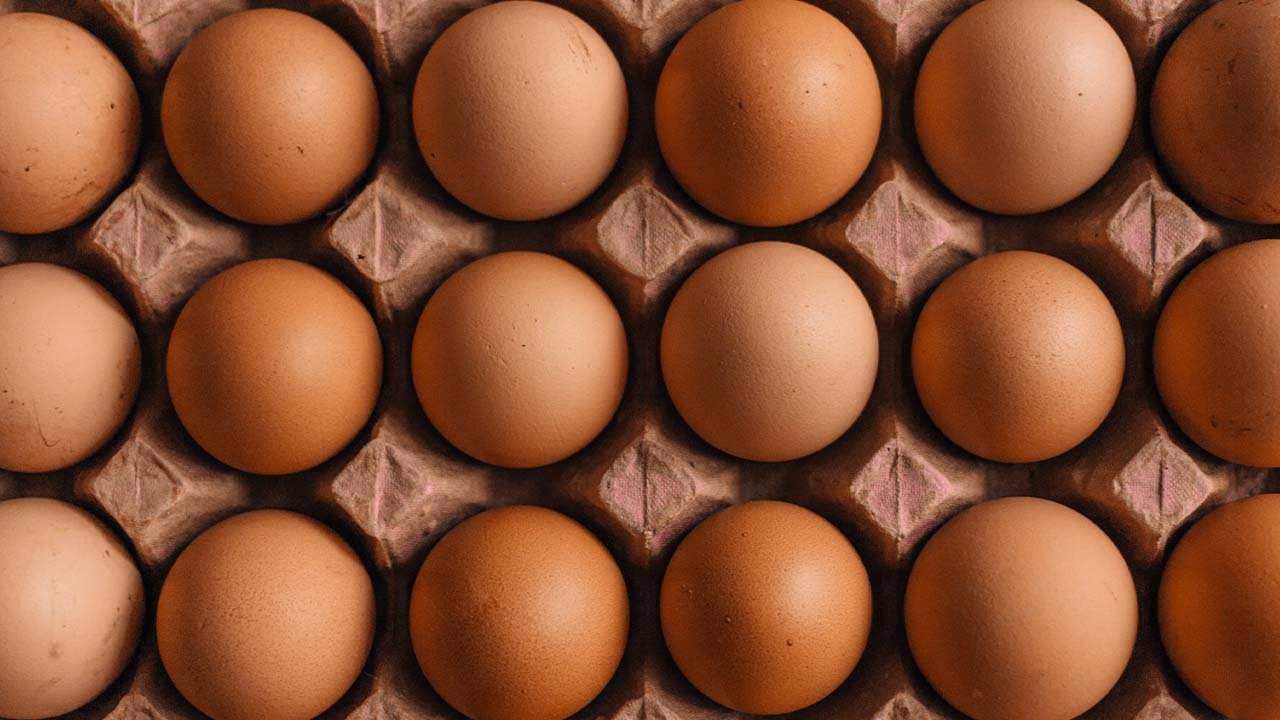
    During this period, notable price hikes were observed in tomatoes (16.04 per cent), chicken (13.98 per cent), eggs (3.20 per cent), onions (3.04 per cent), and bananas (2.13 per cent).

    Moreover, significant decreases were noted in the prices of potatoes (8.68 per cent), tea Lipton (1.29 per cent), garlic (0.68 per cent), and cooking oil 5 litre & vegetable ghee 2.5 kg (0.54 per cent) each.

    Analysing the weekly SPI percentage change across income groups revealed a universal increase ranging from 0.79 per cent to 0.84 per cent. The Lowest Income Group experienced a rise of 0.81 per cent, while the highest income group recorded a slightly lower increase of 0.8 per cent.

    On a yearly basis, the SPI change across different income segments exhibited a general increase ranging from 35.33 per cent to 46.38 per cent. The Lowest Income Group saw a yearly rise of 35.33 per cent, while the highest income group recorded an increase of 41.35 per cent.

    Noteworthy price points in the market included Sona urea, with an average price of Rs4,618 per 50 kg bag, marking a 0.02 per cent increase from the previous week and a substantial 72.45 per cent surge compared to the previous year.

    In contrast, the average Cement price recorded at Rs1,226 per 50 kg bag showed a 0.47 per cent decrease from the previous week but stood 17.43 per cent higher than prices observed last year.

    These fluctuations in the SPI underscore the dynamic nature of the market, reflecting both short-term variations and longer-term economic trends.

    As consumers and businesses navigate these changes, analysts are closely monitoring the SPI for insights into broader economic patterns.

  • Weekly inflation in Pakistan remains above 40% for sixth consecutive week

    Weekly inflation in Pakistan remains above 40% for sixth consecutive week

    In the week concluding on December 21, weekly inflation exhibited a marginal easing but persisted above 40 per cent for the sixth consecutive week. 

    Official data released for this week highlighted heightened consumer costs for eggs, firewood, and pulses. 

    The Pakistan Bureau of Statistics (PBS) revealed a 0.51 per cent decline in the Sensitive Price Indicator (SPI) from the previous week, attributed to lower prices of potatoes, petrol, diesel, tomatoes, and sugar.

    Despite this reduction, the SPI inflation rate remained notably high at 43.16 per cent, surpassing last year’s figure of 42.68 per cent for the same week. 

    This elevated inflation has adversely impacted the purchasing power of consumers, particularly those in lower and middle-income brackets. 

    The decline in SPI was driven by significant drops in the prices of potatoes (13.17 per cent), petrol (4.97 per cent), diesel (4.68 per cent), tomatoes (3.45 per cent), sugar (1.16 per cent), and other essential items.

    Conversely, considerable increases were observed in the prices of eggs (10.4 per cent), firewood (1.23 per cent), onions (1.19 per cent), and various pulses. 

    Out of the 51 essential items in the SPI, 35.29 per cent experienced price increases, 17.65 per cent saw decreases, and 47.06 per cent remained stable during the week.

    ConsumeRsin the lowest income bracket, earning up to Rs17,732 per month, faced a substantial SPI inflation rate of 35.13 per cent. 

    Meanwhile, the higher-income group, spending more than Rs44,175 per month, encountered an even higher SPI inflation rate of 40.93 per cent. 

    The middle quintile, ranging from Rs22,889 to Rs29,517, experienced a weekly inflation rate of 46.46 per cent.

    Various consumer goods displayed a mix of price increases, decreases, and stability, as indicated by the latest PBS data. 

    Notably, the price of a dozen eggs rose by 10.42 per cent, reaching Rs388.7, while firewood’s 40kg bundle increased by 1.23 per cent, totaling Rs1146. 

    Onion prices rose by 1.2 per cent, and various pulses witnessed increases.

    In contrast, potato prices per kilogramme dropped significantly by 13.17 per cent, reaching Rs76.8/kg, and petrol recorded a decrease of 4.97 per cent per litre, settling at Rs268.41. Hi-Speed Diesel also saw a decline of 4.68 per cent, reaching Rs277.29 per litre. 

    Tomatoes and refined sugar experienced decreases of 3.45 per cent and 1.16 per cent, respectively.

    Several essential commodities, including bread, beef, mutton, and various household items, maintained stable prices during the week with no significant fluctuations.

  • Annual inflation increases by 29.65% in Pakistan, driven by rising gas prices 

    Annual inflation increases by 29.65% in Pakistan, driven by rising gas prices 

    According to the Pakistan Bureau of Statistics (PBS) report released on Friday, the weekly inflation, as measured by the Sensitive Price Indicator (SPI), exhibited a decline of 0.33 per cent during the week ending on October 19. 

    The Combined Index, as reported by PBS, stood at 277.11, down from 278.04 on October 19, 2023, with a notable contrast to the index of 213.74 recorded on October 27, 2022, a year ago.

    Among the 51 items monitored, the analysis indicates that the average prices of 14 items experienced an increase, 17 items saw a decrease, and 20 items remained stable. 

    Significant reductions were observed in the prices of chicken (10.19 per cent), onions (4.4 per cent), rice IRRI-6/9 (3.84 per cent), bananas (3.64 per cent), gur (3.4 per cent), pulse masoor (2.36 per cent), sugar (2.22 per cent), and mustard oil (2.17 per cent). 

    Conversely, notable price increases were recorded for tomatoes (20.81 per cent), potatoes (3.33 per cent), eggs (1.63 per cent), salt powdered (0.91 per cent), garlic (0.77 per cent), tea prepared (0.67 per cent), bread plain (0.56 per cent), and mutton (0.28 per cent).

    In a year-on-year comparison, the trend reveals an increase of 29.65 per cent in overall inflation, with substantial hikes in gas charges for Q1 (108.38 per cent), cigarettes (94.46 per cent), chilies powder (84.11 per cent), rice basmati broken (78.51 per cent), wheat flour (77.49 per cent), sugar (63.22 per cent), rice irri-6/9 (62.83 per cent), gents sponge chappal (58.05 per cent), gur (57.73 per cent), and salt powdered (54.84 per cent). 

    In contrast, price decreases are observed in tomatoes (31.90 per cent), onions (24.88 per cent), pulse gramme (5.82 per cent), mustard oil (4.16 per cent), and vegetable ghee (1 1 kg) (0.92 per cent).

  • Eggs and tomatoes lead weekly price hikes in latest SPI inflation report 

    Eggs and tomatoes lead weekly price hikes in latest SPI inflation report 

    The latest data from the Pakistan Bureau of Statistics (PBS) reveals that, for the week ending on October 12, the Sensitive Price Indicator (SPI) reflected a notable weekly inflation uptick of 0.30 per cent.

    During this period, the SPI for this particular category surged to 282.86 points, marking a distinct rise from the preceding week’s 282.00 points.  

    Among the 51 items tracked, the price dynamics exhibited a balanced distribution, with 17 items experiencing upward price movements, 17 witnessing price declines, and 17 remaining stable throughout the week. 

    Some of the commodities that observed a decline in prices encompassed sugar (4.47 per cent), pulse gramme (2.75 per cent), bananas (2.47 per cent), pulse moong (2.44 per cent), gur (1.93 per cent), chicken (1.69 per cent), rice irri-6/9 (1.46 per cent), and pulse masoor (1.26 per cent). 

    Conversely, there was a noticeable surge in the prices of several items during the same week, including tomatoes (6.28 per cent), eggs (3.48 per cent), salt powdered (2.75 per cent), cooked beef (1.06 per cent), garlic (1.04 per cent), tea prepared (0.73 per cent), beef (0.39 per cent), potatoes (0.35 per cent), electricity charges for Q1 (8.59 per cent), energy server (0.55 per cent), shirting (0.47 per cent), and LPG (0.31 per cent). 

    For a broader perspective, when evaluating these price changes on a year-on-year basis, it becomes evident that certain commodities have shown significant variations.  

    For instance, tomatoes witnessed a substantial year-on-year decline of 43.53 per cent, while onions experienced a decrease of 16.67 per cent.  

    Furthermore, pulse gramme recorded a drop of 4.01 per cent, and mustard oil saw a more modest decline of 1.19 per cent. These statistics provide valuable insights into the evolving economic landscape and the relative stability of various consumer goods. 

  • SPI index surges to three-week high at 26.41%: Food and energy prices drive inflation

    SPI index surges to three-week high at 26.41%: Food and energy prices drive inflation

    The Sensitive Price Indicator (SPI) index recorded a notable surge, reaching 26.41 per cent for the week ending on September 7, 2023, marking a three-week high. This increase was primarily propelled by the persistent rise in food and energy prices when compared to the same week in the previous year, putting added strain on households’ purchasing power and disposable income.

    Within this week, data from the Pakistan Bureau of Statistics (PBS) revealed that out of 51 items, 32 (62.75 per cent) experienced price increases, 5 (9.80 per cent) saw decreases, while 14 (27.45 per cent) remained unchanged, in contrast to the previous week.

    Food items saw significant price hikes, including a 17 per cent increase in tomato prices, a 10.87 per cent uptick in pulse masoor prices, a 6.73 per cent rise in sugar prices, a 4.66 per cent surge in garlic prices, and a 3.62 per cent uptick in gur prices. Pulse moong prices rose by 3.55 per cent, onions by 3.43 per cent, and pulse gram by 3.25 per cent. Among non-food items, diesel prices soared by 6.28 per cent, LPG (liquefied petroleum gas) increased by 5.19 per cent, and petrol prices rose by 5.12 per cent.

    Conversely, there was a decline in the prices of certain items, including chicken by 3.20 per cent, 5-liter cooking oil by 1.03 per cent, 2.5 kg vegetable ghee by 0.47 per cent, Lipton tea by 0.43 per cent, and 1 kg vegetable ghee by 0.14 per cent, compared to the previous week.

    Looking at the bigger picture, the Consumer Price Index (CPI) revealed that monthly inflation has remained persistently high, averaging 27.8 per cent in the first two months (Jul-Aug) of the current fiscal year 2023-24. This was primarily attributed to recent rupee depreciation, imported inflation, and the continuous ascent of power and petroleum product prices.

    It is anticipated that September’s monthly inflation reading will reach its peak, with experts also suggesting the possibility of the government raising gas prices, further exacerbating inflationary pressures on the economy.

    To combat inflation, the Pakistan central bank is expected to raise its key policy rate by 1.5 to 2 percentage points during its upcoming Monetary Policy Committee (MPC) meeting on September 14. The current policy rate stands at a record high of 22 per cent.

    Topline Research highlighted significant developments since the last MPC meeting on July 31, 2023, including Pakistan posting a current account deficit of $809 million in July after four consecutive months of current account surplus. 

    Additionally, local fuel prices have increased by around 19 per cent, international oil prices in US dollars have risen by 6 per cent, and the rupee has depreciated by 6 per cent against the US dollar. These factors are expected to weigh heavily on the central bank committee’s decision during the upcoming MPC meeting.

  • Weekly inflation increases to 27.5%, impacting household expenses

    Weekly inflation increases to 27.5%, impacting household expenses

    According to official data from the Pakistan Bureau of Statistics (PBS), the Sensitive Price Indicator (SPI) shows that inflation for the week ending on August 17 increased by 27.57 per cent compared to the same period last year. In simpler terms, things are getting more expensive.

    Looking at shorter periods, within a week, inflation went up by 0.78 per cent. This means prices are rising quickly and there’s no sign of them slowing down, which is worrying for both economists and consumers.

    Comparing some numbers, the overall price index was 275.57 on August 17, up from 273.43 on August 10 this year, and a significant increase from 216.02 on August 18 last year.

    Out of the things people buy, 32 items got pricier, 7 got cheaper, and 12 stayed the same. Among the things that became more expensive this week compared to a year ago were things like chillies powder (up 7.58 per cent), rice irri-6/9 (up 7.48 per cent), garlic (up 5.06 per cent), sugar (up 4.02 per cent), gur (up 3.23 per cent), and chicken (up 2.83 per cent). non-food items like diesel (up 7.29 per cent) and petrol (up 6.40 per cent) also got more expensive.

    On the flip side, the price of some things dropped. Tomatoes got 13.60 per cent cheaper, cooking oil (5 liters) became 1.65 per cent cheaper, and there were smaller drops in prices for things like vegetable ghee and wheat flour.

  • Pakistan’s weekly inflation reaches lowest point at 28.6% since October 2022

    Pakistan’s weekly inflation reaches lowest point at 28.6% since October 2022

    The Sensitive Price Indicator (SPI) recorded a weekly inflation increase of 0.70 per cent, reaching 28.55 per cent on a year-on-year basis for the week ending June 6.

    This represents the lowest rate since October 20, 2022, when SPI inflation stood at 27.1 per cent. Furthermore, short-term inflation surged to an all-time high of 48.35 per cent for the period ending on May 4.

    During the week, a total of 51 items were monitored, and their price movements were analysed. Out of these items, 24 (47.06 per cent) experienced price increases, 10 (19.61 per cent) witnessed price decreases, and 17 (33.33 per cent) remained stable.

    This table showcases the items that recorded either an increase or decrease in their average prices during the specified week:

    Item Increase/Decrease
    Tomatoes Increase (42.25%)
    Onions Increase (8.70%)
    Potatoes Increase (4.79%)
    Wheat flour bag 20 kg Increase (4.05%)
    Gur Increase (4.01%)
    Sugar Increase (3.48%)
    Shirting Increase (3.02%)
    Hi-speed diesel Increase (2.95%)
    Garlic Increase (1.90%)
    Matchbox each Increase (1.66%)
    Curd Increase (1.43%)
    Pulse mash Increase (1.29%)
    Fresh milk Increase (1.20%)
    Rice irri-6/9 Increase (0.74%)
    Rice basmati broken Increase (0.67%)
    Mustard oil Increase (0.59%)
    Prepared tea Increase (0.56%)
    Long cloth 57″ Gul Ahmed/Al Karam Increase (0.51%)
    Mutton Increase (0.40%)
    Beef with bone Increase (0.39%)
    Toilet soap Increase (0.24%)
    Powdered milk Nido 390 gm polybag each Increase (0.13%)
    Georgette Increase (0.08%)
    Cooked daal Increase (0.04%)
    Bananas Decrease (7.51%)
    Chicken Decrease (2.80%)
    Eggs Decrease (1.17%)
    LPG Decrease (0.96%)
    Vegetable ghee Dalda/Habib 2.5 kg tin each Decrease (0.74%)
    Cooking oil Dalda or other similar brands, 5L Decrease (0.72%)
    Vegetable ghee Dalda/Habib or other superior quality, 1 kg pouch each Decrease (0.81%)
    Pulse masoor Decrease (0.47%)
    Pulse moong Decrease (0.31%)
    Pulse gram Decrease (0.24%)
  • Weekly inflation in Pakistan remains stubbornly high at 45.72%

    Weekly inflation in Pakistan remains stubbornly high at 45.72%

    Despite coming down marginally, weekly inflation remains above 45 per cent and stood at 45.72 per cent on a year-on-year (YoY) basis for the week ended on 18th May 2023, showed data released by the Pakistan Bureau of Statistics (PSB) on Friday.

    The Sensitive Price Indicator (SPI) based inflation for the week ended 11th May 2023, recorded a decrease of 0.16 per cent over the previous week due to a decrease in the prices of food and non-food items.

    The year-on-year trend posted an increase due to an increase in the prices of Cigarettes (138.50 per cent), Tea Lipton (114.93 per cent), Potatoes (114.69 per cent), Gas Charges for Q1 (108.38 per cent), Bananas (104.44 per cent), Gents Sponge Chappal (100.33 per cent), Wheat Flour (90.77 per cent), Rice Basmati Broken (86.30 per cent), Eggs (85.86 per cent), Rice Irri-6/9 (80.44 per cent), Petrol (79.85 per cent), Diesel (78.68 per cent), Pulse Moong (66.79 per cent), Bread (63.17 per cent), and Pulse Mash (57.06 per cent), while a decrease was observed in the prices of Tomatoes (38.30 per cent), Onions (30.18 per cent), and Chilies Powdered (6.48 per cent).

    A decrease was observed in the prices of food items: Onions (9.04 per cent), Garlic (1.76 per cent), Sugar (1.42 per cent), Wheat Flour (1.40 per cent), Vegetable Ghee 2.5kg (0.63 per cent), Mustard Oil (0.48 per cent), Pulse Masoor (0.40 per cent), Pulse Gram (0.12 per cent), and Vegetable Ghee 1kg (0.11 per cent); and non-food items: Diesel (10.38 per cent), Petrol (4.24 per cent), LPG (3.02 per cent), and Firewood (0.89 per cent).

    On the other hand, an increase was observed in the prices of Chicken (7.51 per cent), Tea Lipton (4.53 per cent), Gur (2.79 per cent), Eggs (2.29 per cent), Energy Saver (2.22 per cent), Tomatoes (2.11 per cent), Tea Prepared (1.09 per cent), and Curd (1.08 per cent).

    During the week, out of 51 items, prices of 23 (45.10 per cent) items increased, 13 (25.49 per cent) items decreased, and 15 (29.41 per cent) items remained stable.

  • Weekly inflation witnesses slight increase of 0.62%

    Weekly inflation witnesses slight increase of 0.62%

    Sensitive Price Indicator (SPI) data shows that short-term inflation in the week ending November 17 decreased to 0.62 per cent week-over-week (WoW), primarily as a result of lower prices for some food products such tomatoes, lentils, and cooking oil. The SPI was 0.74 per cent last week.

    The Pakistan Bureau of Statistics (PBS) revealed data on Friday showing that the weekly inflation rate increased by 28.67 per cent year over year (YoY).

    Since reaching a peak of 45.5 per cent in the week ending September 1, the annual increase in SPI has been declining. YoY inflation was measured at 29.24 per cent last week.

    Based on a study of 50 markets in 17 cities across the country, the SPI tracks the costs of 51 necessities. 23 items had price increases over the week, 13 saw price decreases, and 15 saw no change.

    Highest WoW increase

    Salt: 7.61 per cent

    Lipton tea: 5.9 per cent

    Chicken: 4.89 per cent

    Onions: 4.61 per cent

    Eggs: 3.66 per cent

    Highest WoW decline

    Tomatoes: 6.06 per cent

    Pulse Masoor: 1.56 per cent

    Pulse Gram: 1.46 per cent

    Ghee (1 kg): 1.03 per cent

    Pulse Mash: 0.68 per cent

    Highest YoY increase

    Onions: 319.35 per cent

    Lipton tea: 59.27 per cent

    Pulse Gram: 57.39 per cent

    Petrol: 53.85 per cent

    Pulse Moong: 51.24 per cent

    Highest YoY fall

    Chilli powder: 41.42 per cent

    Sugar: 4.27 per cent

    After slowing to 23.2 per cent in September from a 49-year high of 27.3 per cent in August as the nation continued to be gripped by high food and transportation expenses, annual CPI inflation soared to 26.6 per cent YoY in October.

    In recent weeks, inflation has been driven up by rising vegetable prices, particularly those of onions and tomatoes, as a result of standing crops damaged by floods, as well as a significant increase in electricity prices.

    The Food and Agriculture Organization of the United Nations issued a warning last month that severe food insecurity is likely to get worse in some areas of Pakistan as a result of the negative effects of floods and the astronomically high prices of energy and gasoline.

  • Food price hikes pushes weekly inflation to 3.38 per cent

    Food price hikes pushes weekly inflation to 3.38 per cent

    According to the Pakistan Bureau of Statistics (PBS), the Sensitive Price Indicator (SPI) for the week ended June 16, 2022, surged by 3.38 per cent due to increases in the prices of food and non-food items.

    The year-over-year (YoY) trend indicates a 27.82 per cent rise, owing primarily to an increase in rates of following:

    Onions (135.31 per cent), diesel (132.61 per cent), tomatoes (117.27 per cent), petrol (110.16 per cent), vegetable ghee 1 kg (81.76 per cent), mustard oil (80.88 per cent), pulse Masoor (74.77 per cent), cooking oil 5 litre (71.52 per cent), vegetable ghee 2.5 kg (68.47 per cent), LPG (60.97 per cent), garlic (57.72 per cent), washing soap (52.73 per cent), garlic (57.72 per cent (51.11 per cent).

    On the flip side, a considerable decrease was reported in prices of chilli powder (43.42 per cent), pulse Moong (18.06 per cent), sugar (10.79 per cent), bananas (0.83 per cent), gur (0.45 per cent).

    According to the most recent data, the SPI increased from 182.88 per cent to 189.07 per cent during the week ended June 9, 2022.

    The SPI increased by 2.85 per cent, 3.45 per cent, 3.10 per cent, 3.12 per cent, and 3.10 per cent for consumption groups up to Rs17,732 and Rs17,733 to Rs22,888, Rs22,889 to Rs29,517, and Rs29,518 to Rs44,175 and above Rs44,175 respectively.

    According to the PBS, out of 51 items, 36 (70.59 per cent) increased in price, 06 (11.76 per cent) decreased in price, and 09 (17.65 per cent) remained stable during the week.

    Increase: Vegetable ghee Dalda/Habib or other superior quality 1 kg pouch each (4.95 per cent), tea prepared (4.83 per cent), bread plain (4.37 per cent), toilet soap Lifebuoy (4.13 per cent), pulse Masoor (3.50 per cent), cooking oil Dalda 5 litre tin each (2.87 per cent), Sufi washing soap (2.33 per cent), mustard oil (2.24 per cent), vegetable ghee Dalda/Habib 2.5 kg tin each (1.93 per cent), pulse Mash (1.71 per cent), beef with bone (1.50 per cent), energy saver (1.04 per cent), curd (1.01 per cent), mutton (0.89 per cent), eggs (0.85 per cent), salt powdered (0.79 per cent), lawn printed Gul Ahmed/Al Karam (0.77 per cent), basmati broken (0.68 per cent), garlic (0.59 per cent), tomatoes (0.49 per cent), milk fresh (0.45 per cent), powdered milk Nido (0.41 per cent).