Tag: wheat import

  • ECC greenlights 25% sales tax increase on domestic cars

    ECC greenlights 25% sales tax increase on domestic cars

    In a significant development, the Economic Coordination Committee (ECC) of the Cabinet has given its nod to a proposal for increasing the sales tax on vehicles manufactured and assembled within the borders of Pakistan.

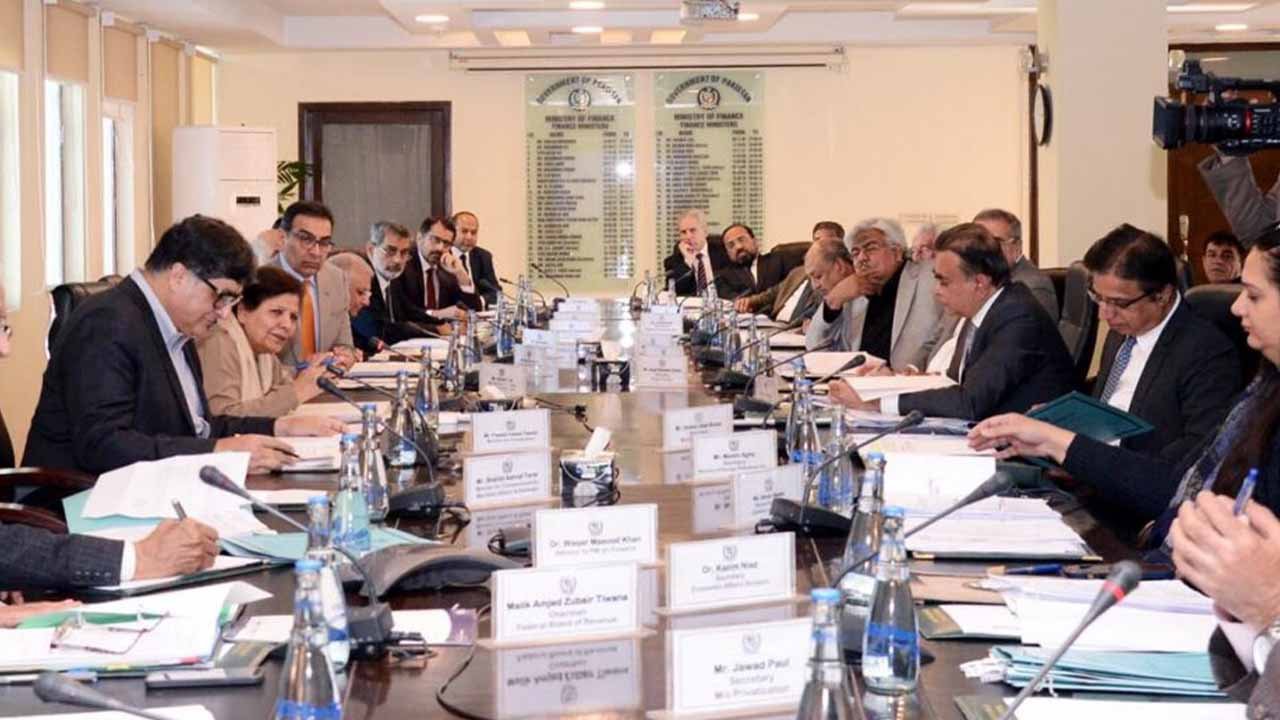
    The decision was finalised during a pivotal ECC meeting held in the capital city on Wednesday.

    The proposal, presented by the Federal Board of Revenue (FBR), suggested an elevation in the sales tax applicable to the auto sector, particularly on vehicles produced and assembled domestically.

    Following a comprehensive deliberation, the ECC cabinet sanctioned the process for determining a 25 per cent sales tax rate on locally manufactured and assembled vehicles.

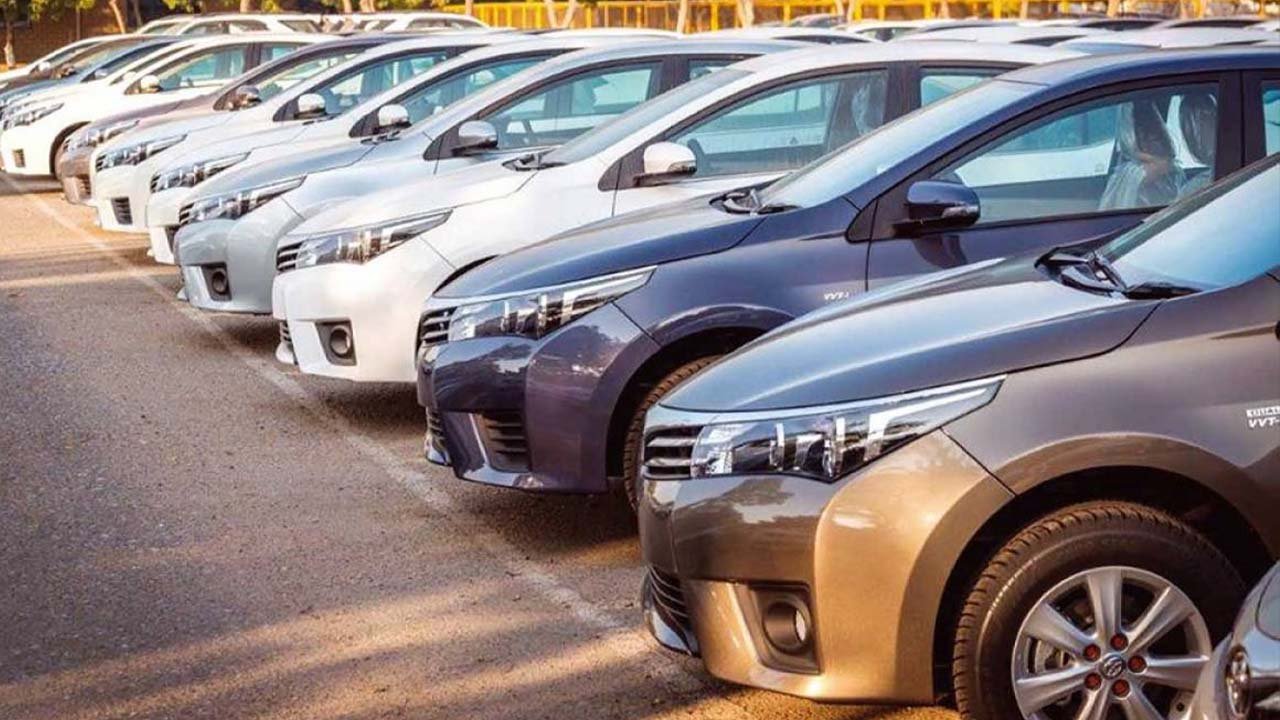
    As per the endorsed proposal, vehicles valued at Rs4 million or equipped with 1400 cc engines will be subject to a 25 per cent sales tax.

    This taxation structure is anticipated to persist in the upcoming budget, signalling potential implications for consumers as a result of the price hike.

    The imposition of a 25 per cent sales tax on 1400cc vehicles is expected to have a direct impact on the pricing structure, leading to a potential surge in vehicle costs. The ECC’s decision aligns with ongoing efforts to streamline fiscal policies in the country.

    In addition to this decision, the ECC also greenlit a substantial subsidy of Rs7,492.75 million under the Ramazan Relief Package 2024.

    Chaired by Caretaker Finance Minister Shamshad Akhtar, the meeting aimed to address the financial aspects of the relief package, particularly subsidising the targeted beneficiaries of the Benazir Income Support Programme (BISP).

    According to a press statement issued by the finance ministry, the subsidy allocation is part of the budget for 2023–24, with a primary focus on providing support to those identified under the BISP. This move underscores the government’s commitment to social welfare initiatives.

    Furthermore, the ECC approved a proposal related to the “Permission to Import Wheat and Export of Wheat Flour under the Export Facilitation Scheme 2021.” This decision, brought forth by the Ministry of Commerce, reflects the government’s strategic measures to balance wheat supply and demand dynamics in the country.

    The ECC meeting signifies a pivotal moment in shaping economic policies, with decisions that carry far-reaching implications for both the automotive sector and social welfare initiatives in Pakistan.

    The approved proposals are poised to contribute to the broader economic landscape and address pertinent challenges in the nation’s fiscal framework.
  • ECC approves Rs7.49 billion Ramzan Relief Package

    ECC approves Rs7.49 billion Ramzan Relief Package

    In a significant move to provide relief to the general public during the upcoming Ramazan, the Economic Coordination Committee (ECC), in its latest meeting chaired by the Federal Minister for Finance, Revenue, and Economic Affairs, Dr Shamshad Akhtar, approved the Ramzan Relief Package-2024.

    The approved package, with a net amount of Rs7.49 billion, is specifically designed to benefit targeted beneficiaries of the Benazir Income Support Programme (BISP). This allocation is part of the budget for the fiscal year 2023-24.

    During the meeting, the committee also discussed and gave the green light to a summary from the Ministry of Commerce’s Tariff Policy Wing.

    The summary pertained to “Individual Tariff Rationalization Proposals from Different Sectors for Review of Custom Duties.” Following thorough deliberations, the committee advised that tariff rationalization should be coordinated with the overall trade policy.

    Furthermore, a proposal related to the “Permission to Import Wheat and Export of Wheat Flour under Export Facilitation Scheme 2021” was presented by the Ministry of Commerce.

    The ECC not only approved this proposal but also directed the relevant ministries to prepare comprehensive plans aimed at enhancing opportunities for value-added exports.

  • Wheat production will break all records this year: experts

    Wheat production will break all records this year: experts

    Pakistan will likely experience an upsurge in wheat production this year as experts are giving projections on the surplus of wheat, media reported.

    A media organisation conducted surveys that say that Pakistan will produce over 28.75 million tons of wheat in 2021. This yield will break the record of 2016-17 when Pakistan produced 26.67 million tons.

    Over the last two years, Pakistan had to import two million tons of wheat to cater for the shortage caused by low harvest. If the projections come true, it will eliminate the need for any imports.

    On the contrary, the Federal Committee on agriculture predicted that the production would remain at 26.04 million tons while showing an increase of 1.7 per cent. The committee gave these estimations while reviewing the performance of Rabi Crops in(2020/21). But the farmers are more optimistic about harvesting a greater output of wheat in the 2020/21 season.

    According to the Punjab Agriculture Department, the production of crops on the provincial level had jumped around 600,000 tons.

    The news report quoted the Chairman of the Agri-Forum Pakistan, Ibrahim Mughal, as saying, “We have never heard so consistently about 40-45 maunds per acre yield by so many growers this year”.

    A conducive temperature when the crop was sown has resulted in favourable prospects for high output. “Safely, we may see at least 1.5 million tons of more production than the initial estimates,” he said.

  • INTERACTIVE: What’s this wheat crisis?

    INTERACTIVE: What’s this wheat crisis?

    As the price of wheat (atta and flour) reaches Rs75 per kilogram (kg) — the highest price recorded in Pakistan’s history — amid shortage, we have to ask: what is this crisis and what led to it?

    The crisis is huge because it hits a daily essential. Roti, bread, naans and puris, you name it, everything with any bit of flour or wheat in it is going to be affected, and prices are rising.

    What happened? A country that is rich in wheat production, exports millions of tonnes of wheat itself is now in a massive wheat shortage?

    It all started from projection vs. reality.

    Projection this year did not meet reality and was less than the previous three years

    It all started from the government projecting that the wheat production of 2018-2019 would be 25.2 million tonnes, which would be sufficient for the year. Pakistan also exports wheat and because the projected wheat crop was high, the country exported, 640,000 tonnes. Pakistan was supposed to export between 200,000 to 400,000 tonnes.

    The crisis began when Pakistan did not meet its projected figure. It produced 24.7 million tonnes due to bad management, poor coordination and the weather.

    So now all provinces are racing to save their stock. Punjab has imposed a ban on moving wheat to other provinces and reportedly, people who want to profit from the shortage, are hoarding the wheat to sell at a later stage when prices increase.

    The federal government is blaming the provinces for the shortage, primarily the Sindh government (Sindh is also the only province which is not under PTI rule) saying that the Sindh government bought a lot of wheat at the wrong time. The Sindh government is saying that Imran Khan is responsible because he allowed the extra wheat to be exported.

    Prices of 10KG of atta in four cities

    The next few months are going to be crucial for wheat. The price of wheat used to be around Rs45-50 per kg and is now Rs75. The government is now having to import wheat from other countries to make up for the shortage, and Twitter is not happy about it.

    The difficult news is that the wheat that we exported for around Rs24/kg, is now going to be imported for more than double the price.