Tag: WHO

  • We need to talk about depression and mental health…now

    We need to talk about depression and mental health…now

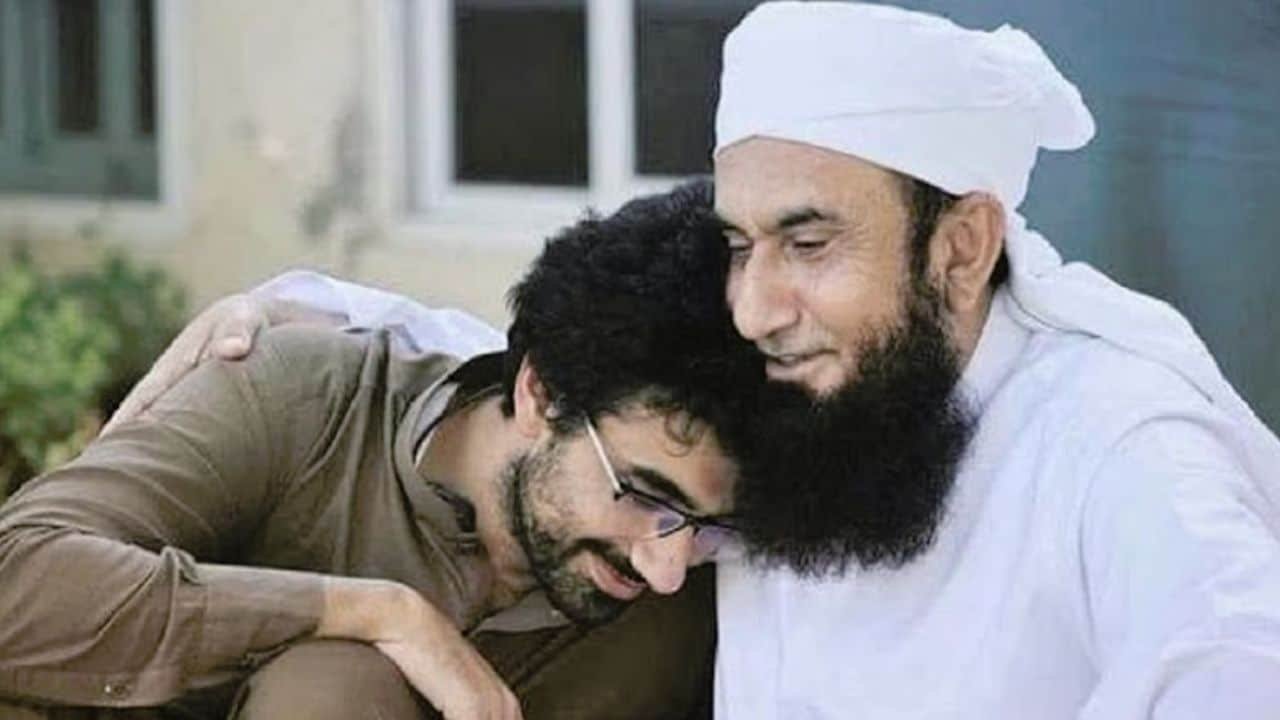
    The recent tragic incident involving the son of a prominent religious scholar, Maulana Tariq Jamil, has once again brought the discussion of mental health to the forefront.

    The heartbreaking revelation that Asim Jamil, son of Maulana Tariq Jamil, couldn’t survive due to severe depression and eventually took his own life, highlights the urgent need to address the often-neglected intersection between religion and mental health.

    According to the elder son of Maulana Tariq Jamil, Yousaf Jamil, Asim had been grappling with severe depression since childhood. Despite undergoing treatment, including Electroconvulsive Therapy (ECT), his mental illness only deepened in the last six months.

    As evidenced by Asim’s case, where even Electroconvulsive Therapy (ECT) proved ineffective, the necessity of professional medical intervention in severe cases of mental illness cannot be overstated.

    Despite the claims of certain public figures such as Resham, who said that depression “does not exist” and Feroz Khan, who while responding to a fan’s question regarding curing depression among 21-25 years old girls said: “Obey your men. Give them your responsibility and sit back and enjoy grapes. I’d do that if I was a woman. Be a queen,” it is important to recognise the limitations of this approach.

    It is pertinent to mention that the suicide rate in Pakistan has alarmingly crossed eight per cent (per 100,000 people), according to the World Health Organisation (WHO), and this can significantly be associated with mental health problems.

    According to WHO, there are only 0.19 psychiatrists in Pakistan per 100,000 inhabitants, one of the lowest numbers in the WHO-EMRO region as well as the entire world. The absence of trained mental health professionals in the country has created a major treatment gap, leaving more than 90 per cent with mental health issues untreated.

    Unfortunately, we, as a cultural collective, only end up making fun of people with mental health issues, sweep it under the carpet or pretend as if mental health is not an issue at all. We forget that globally, one in eight people have mental health conditions. We forget that being insensitive to mental health issues only increases the pain and agony of those who are facing these issues.

    In a country where we think a mentally troubled young man’s illness will be cured if he gets married, where we think talking about mental illness or seeking therapy or psychiatric treatment means you’re either not ‘man enough’, ‘weak’ or ‘mental’, we must raise awareness about mental health and how medical science can help resolve these issues.

    The unfortunate incident involving Asim Jamil highlights the urgency of destigmatising conversations surrounding mental health. It is imperative to foster an environment where individuals feel comfortable discussing their struggles openly without fear of judgement or discrimination.

  • Only 20 trucks of aid allowed into Gaza

    Only 20 trucks of aid allowed into Gaza

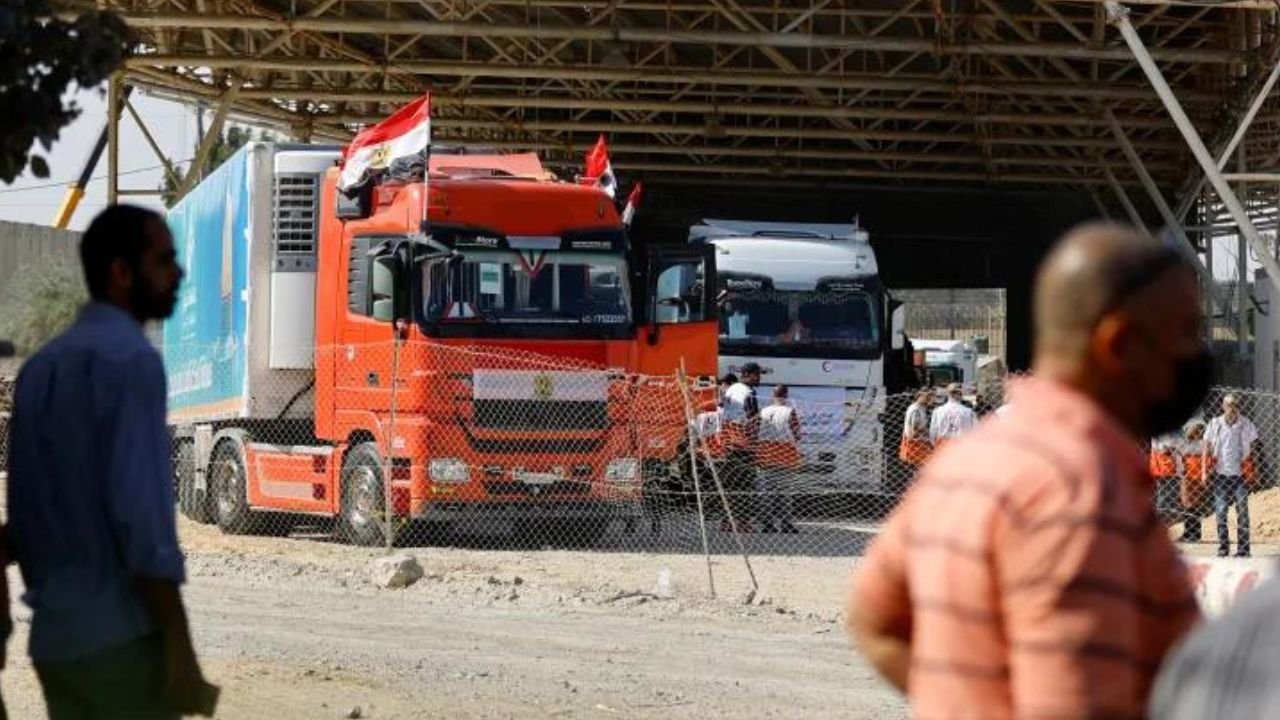
    The Rafah border between Egypt and Gaza has finally been opened for aid trucks into Gaza on Saturday.

    Al Jazeera reports that Hamas’s media office confirmed that “The relief aid convoy that is supposed to enter today includes 20 trucks that carry medicine, medical supplies, and a limited amount of food supplies [canned goods],”

    The World Health Organization took to X to highlight that its trucks consists of trauma supplies for 1,200 people, portable trauma bags for on-the-spot stabilisation for 235 people, medication for chronic diseases for 1,500 people, essential health supplies for 300,000 people for three months.

    It is, however, important to note that the besieged Gaza Strip has a population of 2.3 million people.

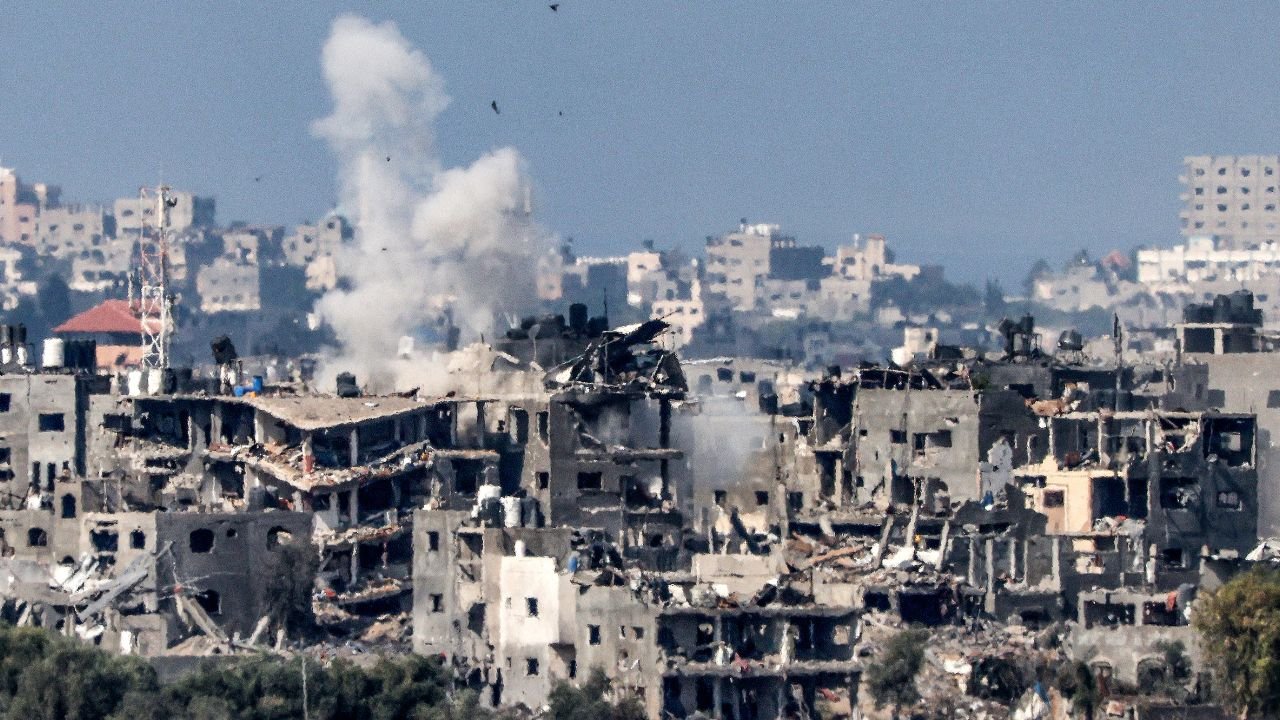
    Humanitarian workers have been saying that 20 trucks are not enough for the catastrophe caused by Israeli attacks on the Gaza strip. So far, more than 4,000 people have been killed while more than 12,000 are injured.

    The UN reported that there is a severe dearth of food and drinking water while sanitation facilities, water wells, reservoirs, and pumping stations have been destroyed due to air raids.

    Hamas’s media office has also stated that this aid “will not change the catastrophic medical conditions in Gaza”.

    Previously, US President Joe Biden visited Israel and announced the agreement to allow 20 trucks in Gaza through Egypt.

  • Seven hospitals, 21 health centres out of service: What do we know about day 14

    Seven hospitals, 21 health centres out of service: What do we know about day 14

    Church Attack

    The Greek Orthodox Saint Porphyrius Church, a shelter for several Palestinian families in Gaza, was struck by Israeli bombing on Thursday night.

    Muslims and Christians, together, were seeking refuge under its roof however, Israel military targeted the Church killing and injuring dozens.

    According to Gaza’s Hamas-run government media office, 18 Christian Palestinians were among the killed.

    Israel air strike destroys al-Omari Mosque

    In another Israeli air raid, the historic al-Omari Mosque in the northern Gaza Strip has been razed.

    Humanitarian aid stuck at the closed Rafah crossing

    Humanitarian aid consisting of food, medicine, water purifiers, hygiene products and blankets have been stacking up in Egypt’s Sinai region at El Arish airport.

    It had been decided that Rafah border, the gateway to Gaza, would open but as of Friday morning, it remains closed.

    Some report that it could open on Saturday.

    On Thursday, the UN chief Antonio Guterres said in Cairo that “rapid, unimpeded humanitarian access” is urgently required and that the Rafah crossing and El Arish airport “are not only critical, they are our only hope” and “lifelines” for the people of Gaza.

    100+ targets attacked Gaza overnight

    The Israeli army claims to have attacked more than 100 targets last night across Gaza Strip.

    The attacks have reportedly destroyed tunnel shafts, munitions warehouses and dozens of operational headquarters.

    Read more: Israel attacks church sheltering displaced Christians and Muslims

    7 hospitals, 21 health centres out of service

    Health ministry spokesperson Ashraf al-Qudra spoke at a press briefing outside al-Shifa Hospital in Gaza City, saying that seven main hospitals and 21 health centres are now out of service.

    Forty-six members of medical teams have been killed and 23 ambulances are completely destroyed.

    “What’s going on in the Gaza Strip is a big massacre against our Palestinian people, against the Muslims and Christians … Israel is undoubtedly going to commit more massacres and the international world is witnessing [this],” he said.

    He also reported that 4,137 people have been killed in Israeli attacks since October 7 which includes 1,661 children whereas 13,260 people are wounded.

    Palestinians harassed in West Bank

    Since October 7, raids and arrests of Palestinians have increased in the West Bank — to be specific, more than 900 have been arrested in just two weeks whereas at least 10 people have been taken from Nur Shams refugee camp last night.

    20 arrested in the Nur Shams refugee camp

    The Israeli army has arrested 20 people and killed a dozen “terrorists” during its operation in the Nur Shams refugee camp in the occupied West Bank.

    According to Al Jazeera, at least 13 people have been killed among whom seven were children.

    Since the Hamas attack in Israel, around 900 people have been arrested from the occupied West Bank, and at least 10 people were taken from this refugee camp alone last night.

    Credits: Al Jazeera

  • Poliovirus in Afghanistan poses a threat to Pakistan

    The International Health Regulations’ Emergency Committee has expressed concern over the increasing number of polio cases in Afghanistan which also pose a threat to Pakistan because of constant travel between the two countries.

    The Polio Emergency Committee issued a statement on Friday stating that there is still a risk of poliovirus spreading worldwide considering the “cross-border spread into Pakistan” from the eastern Afghan border.

    According to the committee, five new wild poliovirus cases were reported in Nangarhar province of Afghanistan. There were 32 positive environmental samples this year so far in the eastern region except for one site in Kandahar in the southern region and one from Balkh in the north.

    During the committee meeting summoned by the director general of World Health Organisation on August 16, it was stated that one new case of wild poliovirus was reported in Pakistan since May, total cases being two in 2023. Both the cases were reported from Bannu district.

    According to the committee statement, there have been 15 environmental surveillance positive samples in 2023. And while action plan in southern Khyber Pakhtunkhwa has resulted in 160,000 more children being vaccinated, it remain a challenge nonetheless due to “political instability, insecurity in some areas, with front line workers requiring police patrols to accompany them, and vaccination boycotts where communities make demands for other services in exchange for allowing polio vaccination”.

  • The high cost of not automating healthcare records can be death

    The high cost of not automating healthcare records can be death

    Shafiq* is a middle-aged Pakistani man, working as a driver for a household in Lahore. His son has just been diagnosed with early-stage lung cancer. He finally manages to take time off to take his son to an oncologist in a government hospital. The oncologist asks for all the lab reports of the patient. Shafiq hands over a heavy file. It turns out, one of the reports has been misplaced. The doctor tells Shafiq to come back after getting his son’s lab work done again. Shafiq now has to find the money to pay for more testing and also has to plead with his boss to give him another day off. Meanwhile, his son’s condition is only getting worse.

    When a healthcare system has no proper infrastructure for medical record keeping, the result is waste and medical errors. For example, the cost of repeat lab work will either be borne by Shafiq if he goes to a private lab or by the taxpayer if he opts for a government one. Repetition of tests will also use up limited laboratory resources and delay the test results of other patients. Shafiq’s story also points out another avenue of concern: medical misdiagnoses. Generally, a primary care physician, or family doctor, ensures an individual’s health through keeping family histories, doing annual health screenings and ensuring immunisations. These doctors maintain all this information is the form of electronic medical records. Shafiq’s son had no such family doctor to track his smoking habits or note the prevalence of cancer in his family history. In fact, the first doctor he saw gave him antibiotics for what he diagnosed as a bacterial infection of the lungs.

    In a country with less than 125,000 government hospital beds for more than 200 million people, there is little room for such errors. According to the World Health Organisation (WHO), Pakistan has one of the lowest per capita current health expenditures among Eastern Mediterranean countries, second only to Afghanistan. Because of our chronic debt issues, our healthcare spending will likely remain dismal. In such an environment, technology is a relatively inexpensive tool that can be used to improve efficiencies and better population health.

    Pakistan’s larger cities are home to a select few secondary and tertiary care hospitals, which are meant to provide inpatient care, ambulatory services and specialist care. The major swathe of the country, however, does not have access to these hospitals. In rural areas, the major public health facilities are small establishments called Basic Health Units (BHUs). In the more than 5,500 BHUs across Pakistan, outpatient facilities are provided to ordinary citizens. Contrastingly, the private sector is dominated by specialist care with doctors running their own independent clinics. Here, primary care is seen as neither lucrative nor prestigious. Patients do their own guesswork at diagnosing their problems and then decide which specialist they should see.

    But be it private or public, most doctors in Pakistan are reliant on pen and paper for record keeping. Patients like Shafiq* are meant to keep these physical records safe in a folder and bring them to each appointment. According to one doctor practicing in a government-run tertiary hospital in Lahore, the only records their hospital keeps is the patient’s admission date, discharge date and what kind of operation was performed. Any blood tests, imaging or other notes go into a black hole of patient data. 

    This is all set to change in the province of Punjab. The government is in the process of completing its transition from physical registers to electronic medical records in BHUs across the province.

    Khalid Sharif is Manager MIS in the government’s Health Information and Service Delivery Unit (HISDU). His unit aids the primary and secondary health department in developing and running health dashboards, inventory management systems and mobile applications.

    “Electronic Medical Records (EMR) came about because we wanted to be able to assess our performance as a department,” he said. “Before this, we had no credible way of knowing any metrics like doctor-patient ratios or the number of daily births.”

    The process began in around 2017, when they began testing out earlier versions of EMR in select BHUs. Now, they are running the multi-module application across more than 2,500 BHUs.

    “We expect to be fully paperless in about one and a half month’s time,” he said.

    Each employee at a BHU logs in using their computerised national identity card (CNIC) number and has access to a different module of the system. When a patient comes in, they are registered using their CNIC number. The receptionist takes the patient’s vitals and adds them to their profile. Then, when the patient goes to the doctor’s office, the doctor select a diagnosis and prescribes medicine. Finally, the medicine dispenser checks off the prescription he/she is filling, which automatically updates inventory records.

    “If someone doesn’t have a CNIC we have created another option,” Sharif said. “They can use a relative’s CNIC and we can select their relationship to the CNIC holder.”

    Dr. Faiza Ahmed* has been practicing as a health officer at a BHU near Faisalabad for the last couple of years. When I visited her, they were partially using the EMR system. Out of the 150 patients that had been to the BHU that day, they had electronically registered around 90 of them.

    Most of her patients, especially women, don’t bring along CNICs. But she has made it a point to especially encourage expectant mothers to bring along their own or a relative’s CNIC so that she can track the health of mothers and babies. “This way, I can see a patient’s data even if she had her baby six months ago,” she said. “I can see if she was hypertensive or diabetic back then and how her child was doing back then.”

    Dr. Ahmed has not received instructions to go paperless and she is skeptical of the idea.

    “It’s practically impossible to register all 200 patients because of resource limitations,” she told me. “Internet speed in this area is also very slow.”

    When I asked Khalid Sharif about this, he said that they had already address this issue by creating an offline version of the software which automatically uploads the data when the internet reconnects. However, Dr Ahmed said that the offline version is not functional yet.

    Another reason why the system might feel tedious to Dr Ahmed is because they are currently running two parallel systems. The EMR system has been designed with the idea of print receipts. When the midwife sends the patient off to the doctor, they are supposed to bring their registration slip along. Similarly, the doctor is supposed to print out a prescription slip and hand it to the patient. However, Dr. Ahmed contended that the BHU cannot afford to thermally print slips for every patient. So currently they are both logging data online and writing all the information manually on pieces of paper to give to the patients.

    “I think there’s always resistance to change — everyone gets used to a certain system and doesn’t want to get out of it,” Zara Ansari, a consultant for the government, said. “As with any new data system, it takes time, but this is definitely the future.”

    Zara Ansari is a senior consultant at ACASUS, a management consultancy firm that is assisting the health department with the rollout of electronic medical records. Ansari and her team have been giving trainings to doctors to make them comfortable with the new system. They have also been analysing data for the government to monitor the level of compliance that each BHU is showing.  

    “We started off by assigning lax targets so people can be onboard with actually doing this and then progressively over time making it more strict,” she said. “As of recently, we will be monitoring to see which facilities are doing completely paperless entry.”

    There are of course caveats to this new age technology. There is not a lot of clarity around the privacy of the date being collected and how it will be kept safe. There seem to be no conversations happening around data privacy or patient confidentiality in government halls. 

    Caveats and all, Punjab is making a step forward into modern healthcare. How successful they will be is something only time can tell.

    (*Names have been changed to protect privacy)
  • Eight million flood-affected people need immediate medical attention, $81m: WHO

    Eight million flood-affected people need immediate medical attention, $81m: WHO

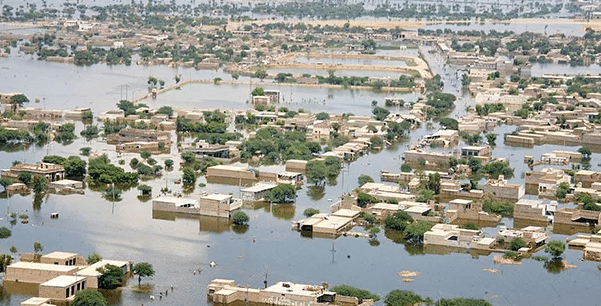
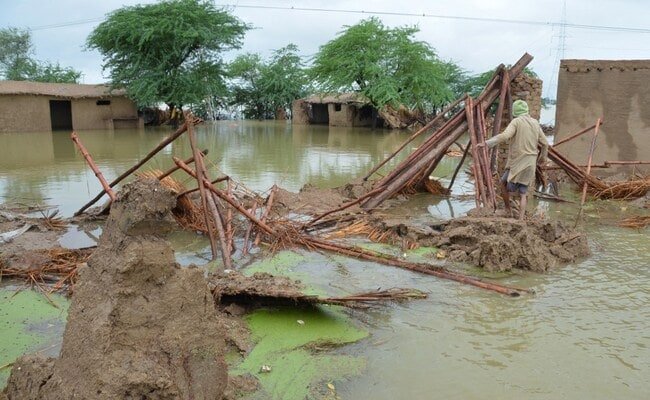
    The World Health Organization has issued a warning that the flood-affected areas of Pakistan are becoming more dangerous as eight million people are in need of immediate medical attention.

    According to WHO Regional Emergency Director Dr Richard Brennan, deteriorated infrastructure, stagnant water and insufficient sanitation facilities are all contributing to an increase in public health hazards.

    He said that massive amounts of lingering floodwaters had served as mosquito breeding grounds, causing an ongoing malaria outbreak in 32 regions across the nation.

    According to Dr Brennan, it will be difficult for relief organisations to handle the crisis. 

    He said that more than $81.5 million was required to address the health crisis in Pakistan’s flood-affected regions in order to ensure coordinated provision of critical medical services, effective management of severe acute malnutrition, and more effective epidemic identification and control.

    The UN has issued a warning about a “second wave” of disaster, with the possibility that the 1,700 people who drowned and died from electrocution in the original cascade may be outnumbered by those who die from water-borne illness and starvation.
    As many as 33 million people of the 220 million South Asian nation have been affected in some way by the floods that swept away houses, roads, railways and bridges and submerged around 4 million acres of farmland.

  • Indonesia bans all syrup, liquid medication after death of nearly 100 children

    Indonesia bans all syrup, liquid medication after death of nearly 100 children

    Indonesia has suspended sales of all syrup and liquid medication in the country after the death of nearly 100 children in the region.

    According to the media reports, a few syrup medicine was found to contain ingredients linked to Acute Kidney Injuries (AKI), which have killed a total of 99 young children this year.

    The country’s authorities have so far not disclosed the brands or types of syrup medicines suspected to have caused the illnesses. For now, the government has temporarily banned the sale and prescription of all syrup and liquid medicines.

    Indonesian health officials said they had reported around 200 cases of AKI in children, most of who were aged under five

    “Some syrups that were used by AKI child patients under five were proven to contain ethylene glycol and diethylene glycol that was not supposed to be there, or is supposed to be in very little amount,” said Indonesia’s Health Minister Budi Gunadi Sadikin.

    Earlier this month, the World Health Organization (WHO) issued a global alert over four cough syrups, allegedly manufactured in India, that were linked to the deaths of almost 70 children in The Gambia.

  • WHO assures assistance in essential healthcare in flood- affected areas

    WHO assures assistance in essential healthcare in flood- affected areas

    World Health Organization’s (WHO) Country Representative Dr Palitha Gunarathna Mahipala on Saturday said that essential healthcare services will be provided in flood-affected areas.

    During a media briefing on the WHO’s role in relief efforts in flood-hit areas, he said that WHO was working on a plan to aid in establishing effective healthcare systems.
    The WHO country director stated that his agency was fully aware of the destruction brought on by the recent floods in Pakistan, stressing that the flood seriously harmed the delivery of health-care services, leading to a variety of health hazards.

    He continued by saying that numerous diseases like cholera, malaria, dengue fever, skin infections, and typhoid were on the rise in the impacted areas.

    “In order to prevent mortality due to malaria, WHO is providing rapid diagnostic kits and anti-malarial medicines worth $2.5 million while technical support is also being provided to the federal and provincial governments to deal with malaria outbreaks. As larvicidal preventive measures are not possible in flood-affected areas, prophylactic treatment and post-exposure treatments are being arranged to treat malaria patients”, he added.
    WHO will hire an additional 107 technical specialists and staff to help manage the health emergency in Pakistan’s flood-affected regions.

  • ‘It is water everywhere, just like a sea’: PM Shehbaz visits flood-affected areas

    ‘It is water everywhere, just like a sea’: PM Shehbaz visits flood-affected areas

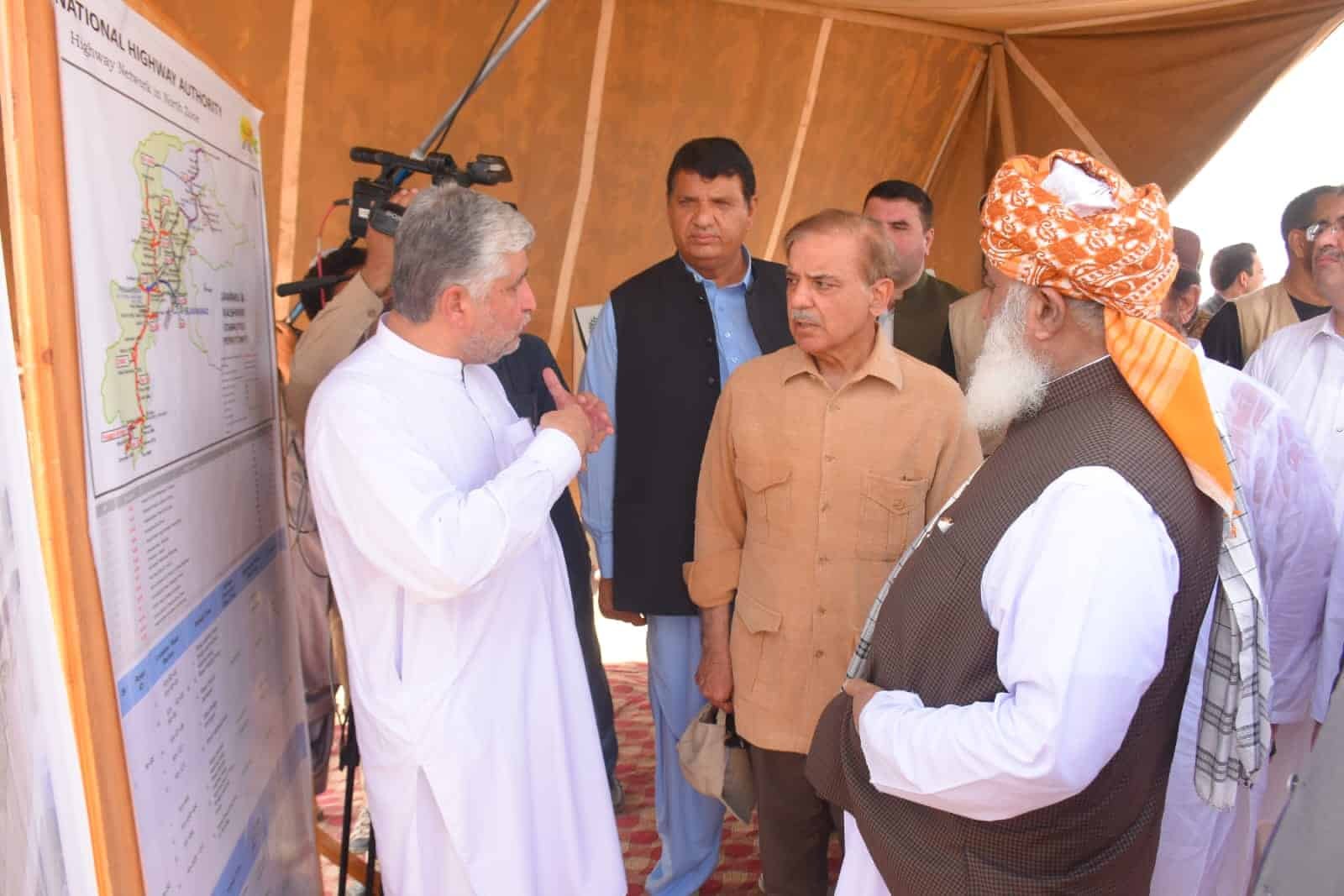
    Prime Minister (PM) Shehbaz Sharif visited Dera Ismail Khan, KP to review ongoing restoration and rehabilitation work in flood-affected areas today (Wednesday).

    During the visit, while talking to the media, PM Shehbaz said, “You wouldn’t believe the scale of destruction there. There is water everywhere as far as you can see. It is just like a sea.”

    The premier emphasised the need for a “sustainable system” to cope with the challenges of climate change.

    He said trillions are needed for relief and rehabilitation activities post floods. “We will need trillions of rupees to cope with this calamity”, he observed.

    “The country is grappling with an unprecedented situation, witnessing floods that have resulted in the loss of lives, infrastructure and crops,” he said, adding that it was time to “rise above politics and demonstrate the spirit of service and welfare.”

    The Premier announced that a sum provided by a philanthropist for flood relief would be used for installing 100 prefabricated houses in DI Khan.

    Moreover, the premier announced that under the Benazir Income Support Programme (BISP), every flood-hit household would be given Rs25,000 and Rs1 million would be given in compensation to the relatives of the deceased.

    According to National Disaster Management Authority (NDMA),18 more people died from the flood in the past 24 hours, taking the death toll to 1,343. Eight children were among the dead in the last 24 hours.

    The government has said 33 million people have been affected. The floods were brought by record monsoon rains and glacier melt in Pakistan’s northern mountains. A total of 116 districts have been adversely affected.

    World Health Organisation (WHO) said more than 6.4 million people need humanitarian support in the flooded areas.

  • Asia’s first monkeypox death reported in India

    Asia’s first monkeypox death reported in India

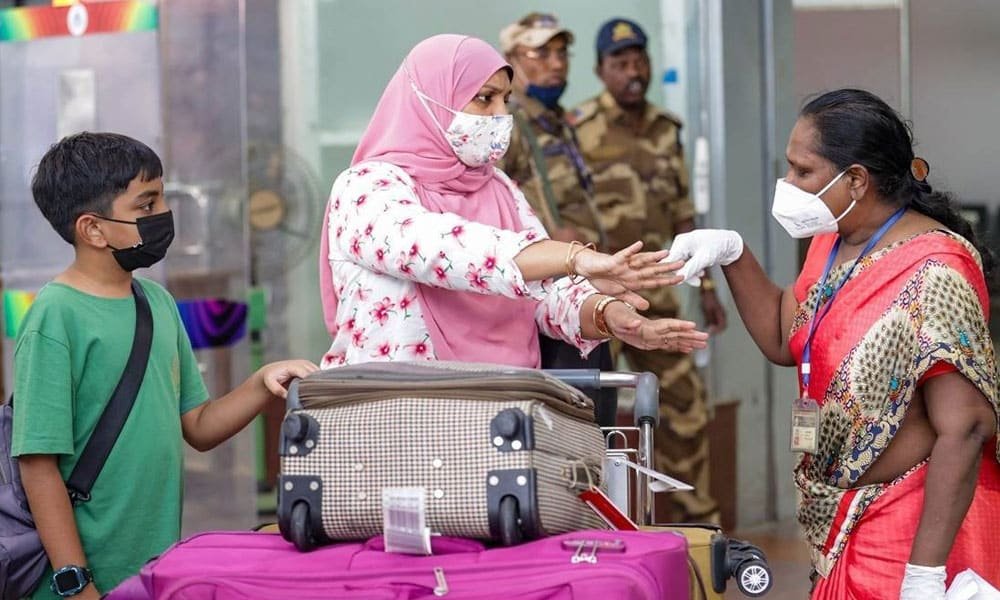
    India confirmed the death of a 22-year-old man from monkeypox in the southern state of Kerala. The death is India’s as well as Asia’s first death from the disease, reports Reuters. This is the world’s fourth known fatality from the disease.

    Kerala’s revenue minister K Rajan said that the government isolated 21 people who had come in contact with the young man. He further said that the deceased displayed fatigue and fever.

    According to the state’s Health Minister Veena George, the man’s family told the authorities that he had tested positive for monkeypox in the United Arab Emirates (UAE) before returning to India.

    The Indian federal health ministry stated that they had formed a task force to monitor monkeypox cases across the country.

    Last month, the World Health Organisation (WHO) declared the outbreak of monkeypox a global health emergency. No case of monkeypox has been reported in Pakistan. However, 78 countries had reported more than 18,000 cases of monkeypox.