Tag: wildfire

  • World not ready for climate change-fueled wildfires: experts

    World not ready for climate change-fueled wildfires: experts

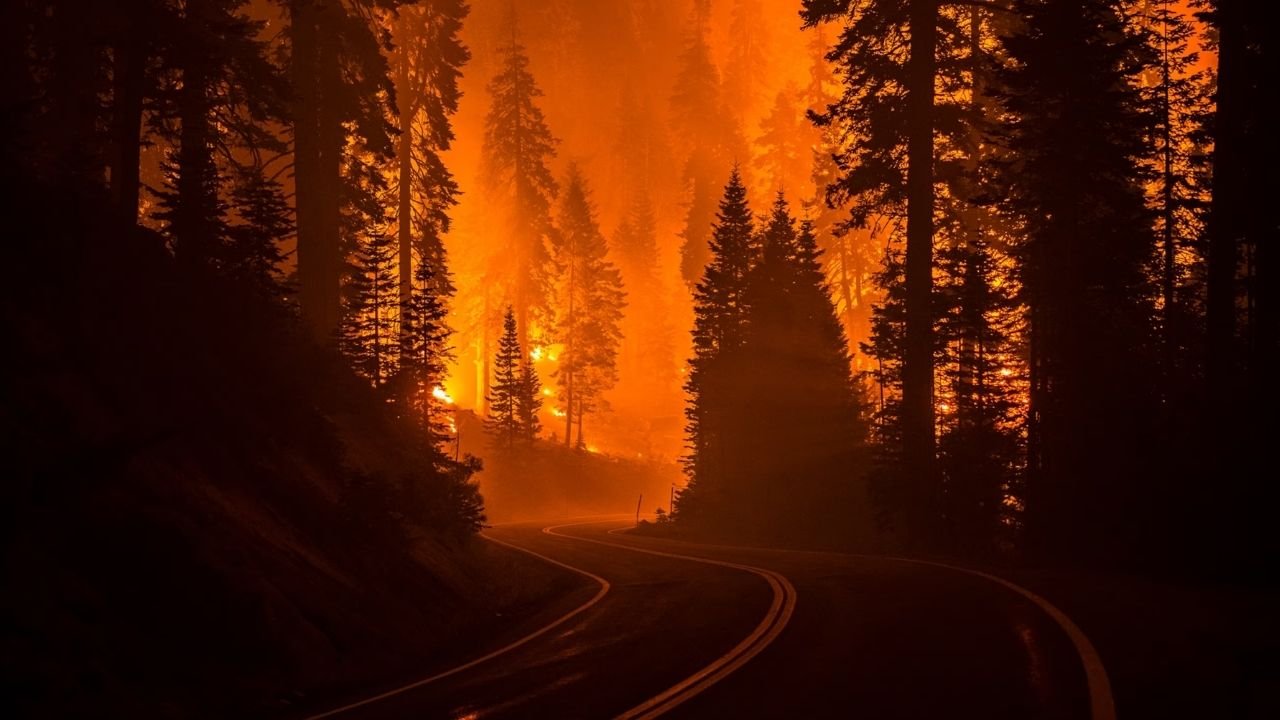
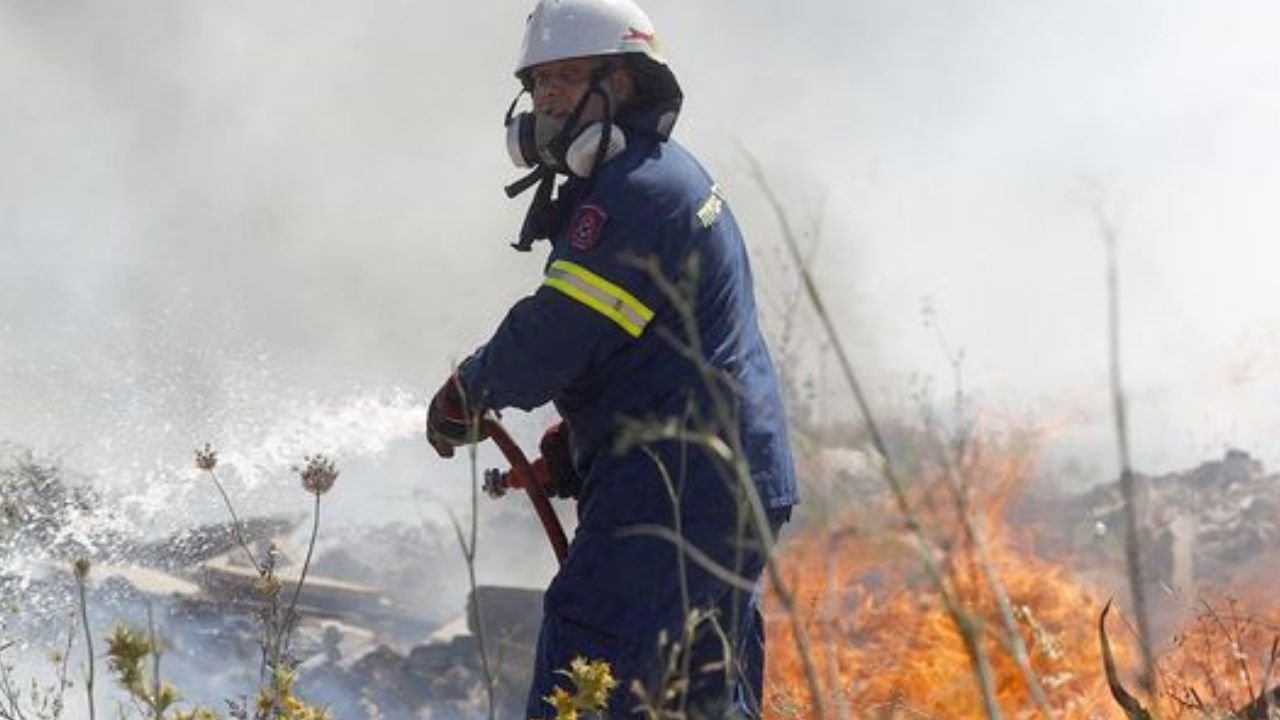
    The world is unprepared for the increasing ferocity of wildfires turbocharged by climate change, scientists say, as blazes from North America to Europe greet the northern hemisphere summer in the hottest year on record.

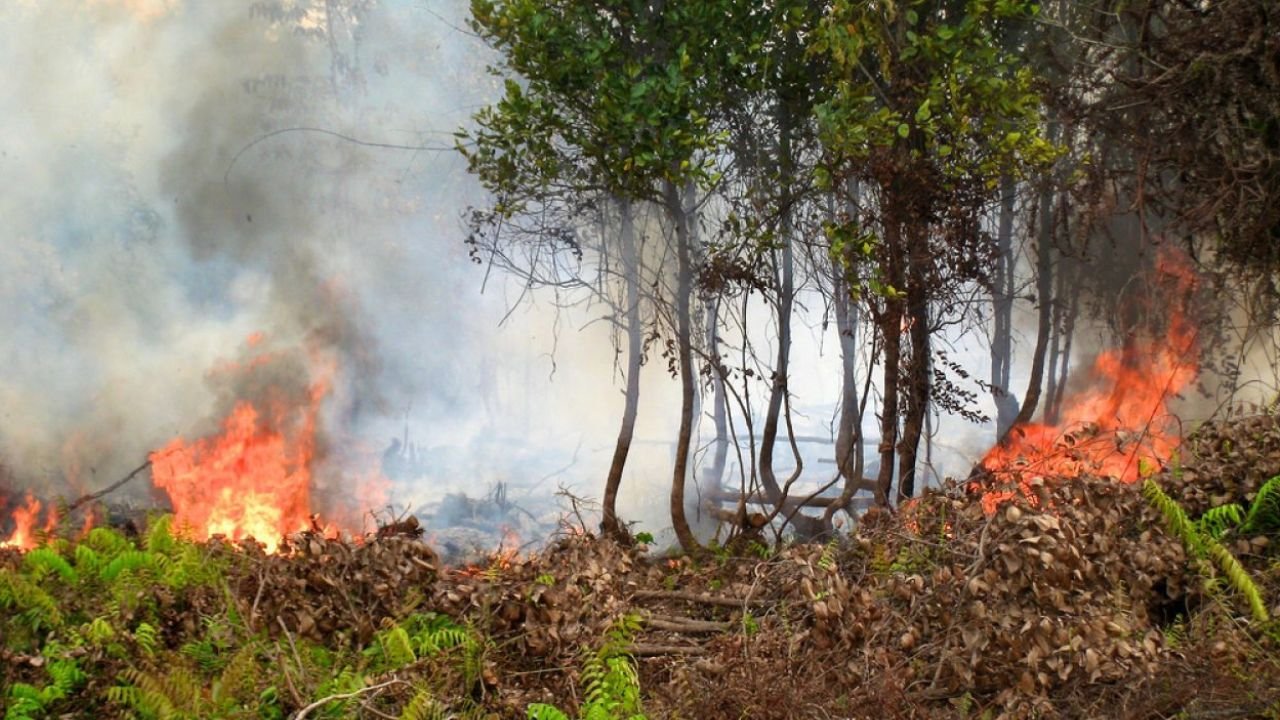
    Wildfires have already burned swathes through Turkey, Canada, Greece and the United States early this season as extreme heatwaves push temperatures to scorching highs.

    While extra resources have been poured into improving firefighting in recent years, experts said the same was not true for planning and preparing for such disasters.

    “We are still actually catching up with the situation,” said Stefan Doerr, director of the Centre for Wildfire Research at the UK’s Swansea University.

    Predicting how bad any one blaze will be — or where and when it will strike — can be challenging, with many factors including local weather conditions playing into calculations.

    But overall, wildfires are getting larger and burning more severely, said Doerr, who co-authored a recent paper examining the frequency and intensity of such extreme events.

    A separate study published in June found the frequency and magnitude of extreme wildfires appeared to have doubled over the past 20 years.

    By the end of the century, the number of extreme wildfires around the globe is tipped to rise 50 percent, according to a 2022 report by the UN Environment Programme.

    Doerr said humanity had not yet faced up to this reality.

    “We’re clearly not well enough prepared for the situation that we’re facing now,” he said.

    Climate change is a major driver, though other factors such as land use and the location of housing developments play a big part.

    Fires do not respect borders so responses have evolved between governments to jointly confront these disasters, said Jesus San-Miguel, an expert for the European Commission Joint Research Centre.

    The EU has a strong model of resource sharing, and even countries outside the bloc along the Mediterranean have benefited from firefighting equipment or financial help in times of need, San-Miguel said.

    But as wildfires become increasingly extreme, firefighting simply won’t be a fix.

    “We get feedback from our colleagues in civil protection who say, ‘We cannot fight the fires. The water evaporates before it reaches the ground,’” San-Miguel said.

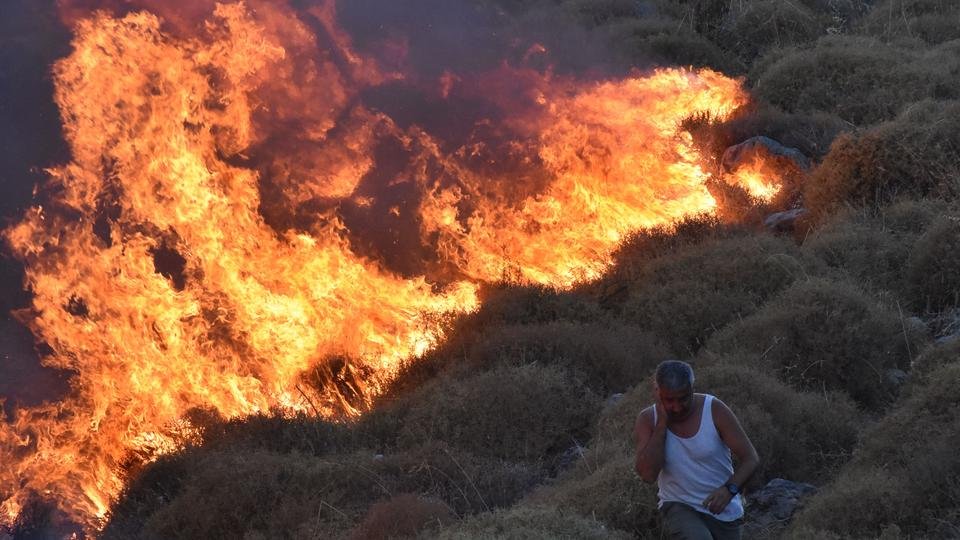
    Wildfires have already burned swathes through Turkey as extreme heatwaves push temperatures to scorching highsMahmut BOZARSLAN

    “Prevention is something we need to work on more,” he added.

    Controlled burns, grazing livestock, or mechanised vegetation removal are all effective ways to limit the amount of burnable fuel covering the forest floor, said Rory Hadden from the University of Edinburgh.

    Campfire bans and establishing roads as firebreaks can all be effective in reducing starts and minimising spread, said Hadden, an expert on fire safety and engineering.

    But such efforts require funding and planning from governments that may have other priorities and cash-strapped budgets, and the return is not always immediately evident.

    “Whatever method or technique you’re using to manage a landscape… the result of that investment is nothing happens, so it’s a very weird psychological thing. The success is: well, nothing happened,” said Hadden.

    Local organisations and residents often take the lead in removing vegetation in the area immediately around their homes and communities.

    But not everyone is prepared to accept their neighbourhood might be at risk.

    ‘People don’t think that it will happen to them, but it eventually will,’ fire expert Jesus San-Miguel saidETIENNE TORBEY

    “People don’t think that it will happen to them, but it eventually will,” San-Miguel said, pointing to historically cold or wet climates like the US Pacific Northwest that have witnessed major fires in recent years.

    Canada has adapted to a new normal of high latitude wildfires, while some countries in Scandinavia are preparing for ever-greater fire risk.

    But how best to address the threat remains an open question, said Guillermo Rein from Imperial College London, even in places where fire has long been part of the landscape.

    Even in locations freshly scarred by fire, the clearest lessons are sometimes not carried forward.

    “People have very short memories for wildfires,” said Rein, a fire science expert.

    In July 2022, London witnessed its worst single day of wildfires since the bombings of World War II, yet by year’s end only academics were still talking about how to best prepare for the future.

    “While the wildfires are happening, everybody’s asking questions… When they disappear, within a year, people forget about it,” he said.
  • Anger after fireworks trigger Greek forest fire

    Anger after fireworks trigger Greek forest fire

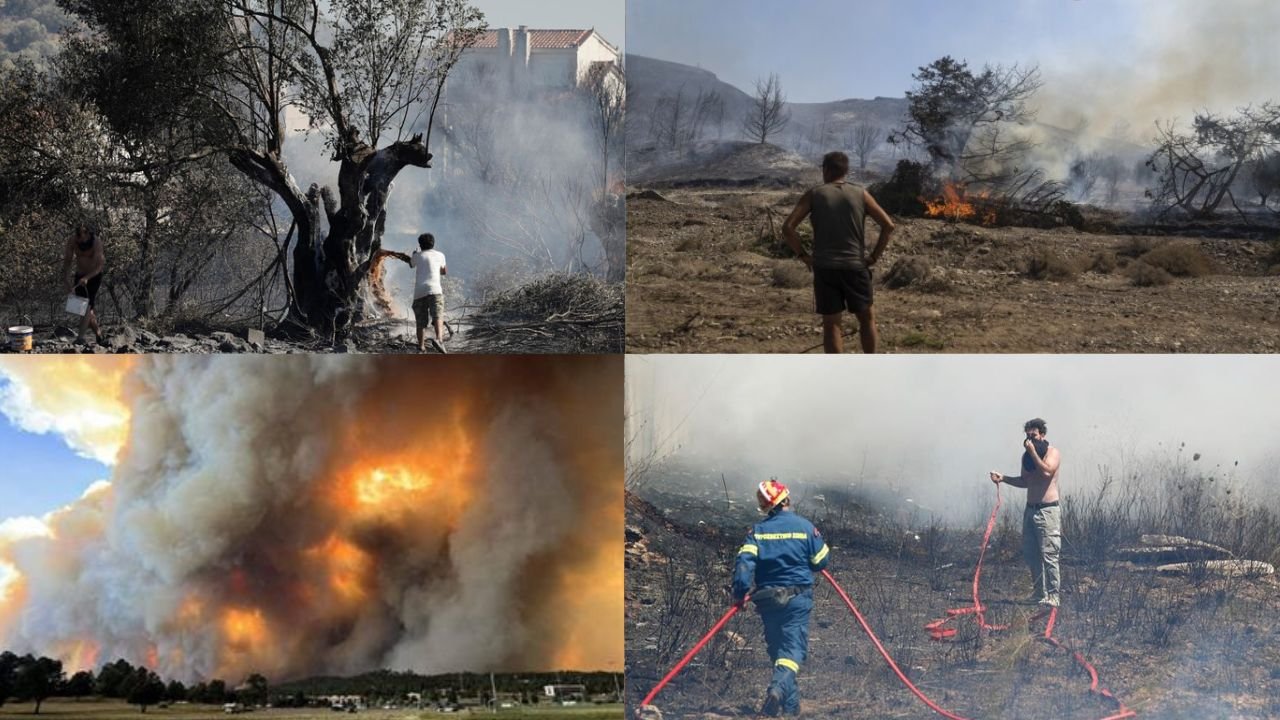
    Firefighters said Saturday that fireworks launched from a yacht started a forest fire on the Greek tourist island of Hydra, near Athens, sparking widespread anger.

    The fire, which started on Friday evening, has been brought under control, authorities said.

    The blaze was “caused by a fireworks launched from a boat and burned the only pine forest on the island in a place that is difficult to access and has no road,” said the island’s seasonal firefighting team on Facebook.

    The island’s mayor, Giorgos Koukoudakis, told public television channel ERT that he was “outraged that certain people are starting fires in such an irresponsible manner.”

    The news also sparked fury on social media.

    Greece has recently toughened penalties for arson, with perpetrators now facing up to 20 years in prison and a fine of up to 200,000 euros.

    The country has been bracing for a particularly difficult summer as authorities warned that strong winds and high temperatures mean there was a “very high risk” of forest fires.

    The Mediterranean country recorded its first heatwave of the year last week, with temperatures passing more than 44 degrees Celsius (111 degrees Fahrenheit) in some locations.

    Greek firefighters on Friday battled wildfires fanned by three days of fierce winds that left at least one person dead.

    Last year, a fierce two-week heatwave was followed by devastating wildfires in which 20 people died.

    Scientists warn that human-caused fossil fuel emissions are worsening the length and intensity of heat waves worldwide.

    Rising temperatures are leading to extended wildfire seasons and increasing the area burnt by the blazes, according to the United Nations Intergovernmental Panel on Climate Change.

  • Climate change hitting home once again with wildfire in forests of Balochistan

    Climate change hitting home once again with wildfire in forests of Balochistan

    A fire has broken out over the weekend in the forests of Sherani and Musakhail, divisions close to the border area of Balochistan, reports Geo.

    This is not the first time that these regions have been caught in a wildfire as last year in May, another fire destroyed a vast cultivation of Chilgoza pine plants spread on almost 30 square kilometer area. The fire lingered on for more than 10 days and took the lives of three people.

    Deputy Commissioner Musakhail Zulfiqar Kirar has employed Levies Force and fireballs to curb the fire in the mountainous forests. As cars can not reach the region, the Levies force is heading the firefighting effort on foot. He further said that inmates of the two houses have been relocated due to the fire. The operation will continue all night while the Provincial Disaster Management Authority (PDMA) will remain in close coordination with the administration.

    Caretaker Chief Minister Balochistan Ali Mardan Domki has also directed officials to stop the spread of the fire.

  • Wildfires sweep Turkey, Pakistan extends support

    Wildfires sweep Turkey, Pakistan extends support

    Prime Minister Imran Khan and several other politicians have showed solidarity with the Turkish government over the loss of lives in Turkey as wildfires sweep the country.

    PM Khan, in his tweet, stated that Pakistan is ready to offer any help at this difficult time. “We stand with the govt & people of Turkey & share in their sorrow at the tragic loss of life in the wildfires tragedy”, he further added.

    Leader of the Opposition in the National Assembly, Shehbaz Sharif, expressed his grief and said, “We send our prayers & best wishes 2 our Turkish brothers & sisters as firefighters are busy putting down fire.”

    Moreover, Pakistan Foreign Minister Shah Mahmood Quershi, tagging Minister of Foreign Affairs of Republic of Turkey stated, “Pakistan extends support to the government of Turkey and to our Turkish brothers and sisters over the loss of lives.”

    In addition to this, PML-N’s MPA Hina Parvez Butt and PTI’s Abdul Aleem Khan have also extended their support.

    Support and help are pouring in from throughout the world as planes from Russia and Ukraine helped battle the flames.

    About 70 wildfires have broken out across 17 provinces on the country’s coasts this week resulted in four deaths and the evacuation of thousands, reports Reuters.

    #PrayforTurkey is the top trending hashtag on Twitter in Pakistan today.