Tag: wildlife treaties

  • Saudi Crown Prince MBS to hunt rare houbara bustard in Pakistan

    Saudi Crown Prince MBS to hunt rare houbara bustard in Pakistan

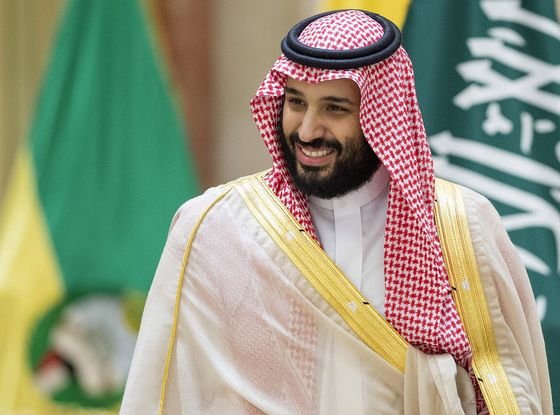
    At least 18 Saudi and Qatari royals, including Saudi Crown Prince Muhammad Bin Salman, will visit Pakistan to hunt rare houbara bustard after the confirmation of their special hunting licences.

    The members of royal families have obtained permission to hunt houbara bustard in Balochistan in spite of the international and local bans on the hunt of the endangered species.

    Media reports suggest that Saudi CP Muhammad Bin Salman will hunt the bird in Layyah and Bhakkar region, whereas another Saudi royal Prince Fahad Bin Sultan has been allotted Awaran and Chaghi areas of Balochistan for the hunting of the rare bird.

    Qatari royal Muhammad Bin Khalifus Sani and Sheikh Jassim bin Hamadus Sani will be hunt the migratory bird in Loralai and Musakhel, respectively. Sheikh Muhammad bin Ali Sani was allotted Barkhan while Sheikh Sani Abdul Aziz was given Kalat and Surab.

    In total 18 sheikhs from Saudi Arabia and Qatar succeeded in getting permission for hunting in Balochistan and other provinces. In return, the Balochistan government will receive Rs150 million for granting this permission.

    Last month, the federal government had granted permission to Sheikh Mohammad bin Rashed Al Maktoum, Vice President of the United Arab Emirates and ruler of Dubai, to export 150 falcons of rare species from Pakistan to the United Arab Emirates.

    The Dubai ruler had needed younger falcons to hunt houbara bustards, and permission in this regard was issued by the foreign ministry.

    The permit issued on Sept 15 this year had read: “The Ministry of Foreign Affairs…has the honour to inform that the esteemed embassy may export one hundred and fifty (150) falcons from Pakistan to the United Arab Emirate (UAE) for the personal use of His Highness Sheikh Mohammad bin Rashed Al Maktoum, vice president of UAE and ruler of Dubai, from Karachi/Bahawalpur/Rahim Yar Khan/Islamabad/Quetta.”

  • Govt allows Dubai ruler to export 150 rare falcons despite ban

    In spite of a ban on the trade of falcons under wildlife protection laws, the federal government has granted permission to Sheikh Mohammad bin Rashed Al Maktoum, Vice President of the United Arab Emirates and ruler of Dubai, to export 150 falcons of rare species from Pakistan to the United Arab Emirates.

    According to a report in Dawn, the Dubai ruler needed younger falcons to hunt houbara bustards, and a permission in this regard has been issued by the foreign ministry.

    The permit issued on Sept 15 this year read: “The Ministry of Foreign Affairs…has the honour to inform that the esteemed embassy may export one hundred and fifty (150) falcons from Pakistan to the United Arab Emirate (UAE) for personal use of His Highness Sheikh Mohammad bin Rashed Al Maktoum, vice president of UAE and ruler of Dubai, from Karachi/Bahawalpur/Rahim Yar Khan/Islamabad/Quetta.”

    “In this regard, the concerned authorities have been requested to accord facilitation for the export of one hundred and fifty (150) falcons from Pakistan to UAE,” the notification read.

    The permission, however, will create challenges for Pakistan as it is a member of various wildlife conservation treaties. The newspaper reported that Pakistan is a signatory to treaties that ensure the protection of wildlife, such as the Switzerland-based Conven­tion on International Trade in Endangered Species of Flora and Fauna (CITES).

    Also, due to a ban on the trade of rare falcons, there are no markets in the country that would deal in the ‘legal trade’ of these species, which meant that the Arab exporter will have to seek these birds in the black market. By allowing this trade, the government and the exporter will be guilty of patronising this illegal wildlife trafficking, the news report added.

    In addition, the export of these birds would also hurt Pakistan’s standing in the eyes of the European Union and the country may lose the Generalised System of Preferences (GSP) Plus for violating international conservation treaties, the newspaper quoted sources as saying.

    The GSP+ status facilitates the easy access of Pakistani exports to the highly lucrative market of the European Union.