Tag: wildlife

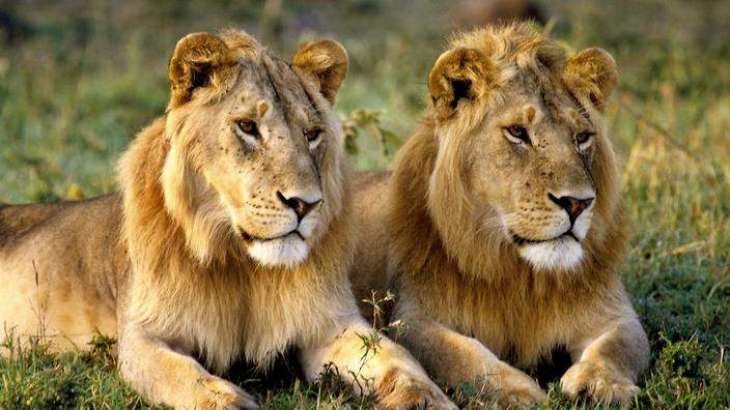
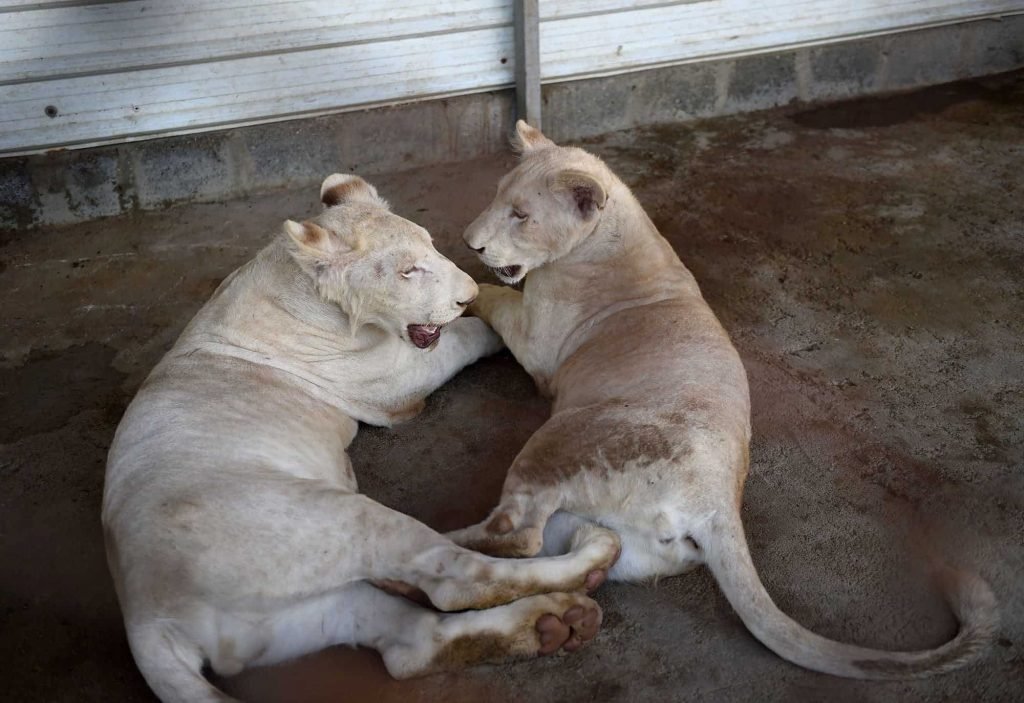
  • Wildlife dept recovers two lions from bathroom in a residential area in Multan

    Wildlife dept recovers two lions from bathroom in a residential area in Multan

    The Punjab Wildlife Department recovered a pair of lions from the custody of a Multan resident and fined him Rs130,000 for the crime.

    Read more – Rare striped hyena rescued in DI Khan

    Wildlife Department Deputy Director Hassan Ali Sukhera while talking to APP said that a team of the department recovered the lions from a house in Khushhal Colony on May 30 in a raid that was conducted after obtaining search warrants.

    The lions were found kept in a bathroom after which the owner was punished with a fine worth Rs130,000 for violating the breeding farm rules and guidelines under Punjab Wildlife Act.

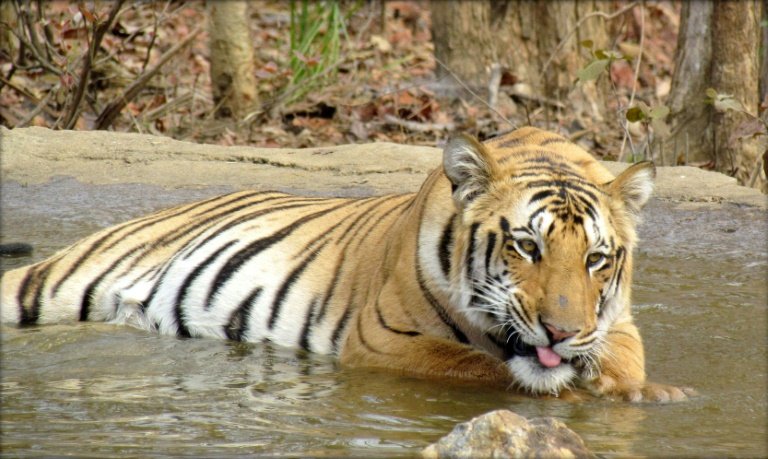
  • ‘Man-eating’ tiger sentenced to a lifetime in captivity

    ‘Man-eating’ tiger sentenced to a lifetime in captivity

    A tiger accused of killing three people will spend the rest of its life in captivity, Indian officials said Sunday, saying the big cat was “too dangerous” to be allowed to roam free.

    According to AFP, the five-year-old male predator, also blamed for attacking cattle, had embarked on a trek more than 500 kilometres (310 miles) long from western Maharashtra state to central India’s Betul district in Madhya Pradesh state in 2018.

    “We gave it several chances to re-wild but it habitually went into human habitations,” said Madhya Pradesh’s chief wildlife warden, S.K. Mandal.

    “The only option left was to put it in captivity to ensure both the tiger and humans are safe.”

    The tiger — dubbed the “vagabond” or “nomad” by some local media — was first trapped in December 2018 after its long journey and held in captivity for two months.

    The big cat was eventually fitted with a tracking collar and shuttled between a tiger reserve and a national park.

    Officials however said it repeatedly strayed and hunted near human settlements, attacking cattle and endangering humans.

    Finally the tiger was tranquilised and sent to a zoo in Madhya Pradesh capital’s Bhopal on Saturday.

    Officials said the decision to capture the adult tiger was taken a few months ago, but was delayed due to the novel coronavirus lockdown.

    “It will take sometime for him to adjust to the new environment. We will be monitoring his behaviour,” Bhopal’s Van Vihar National Park director, Kamlika Mohanta shared.

    “As of now it will remain in solitary confinement. A decision to put it on display at the zoo or send it to a (fenced) safari will be taken later.”

    Human encroachment on tiger habitats have increased in recent decades in the nation of 1.3 billion people, leading to deadly conflicts with the animals.

    Nearly 225 people were killed in tiger attacks between 2014 and 2019, according to government figures.

    More than 200 tigers were killed by poachers or electrocution between 2012 and 2018, the data showed.

    India is home to around 70 percent of the world’s tigers. Last year, the government said the tiger population had risen to 2,967 in 2018 from a record low of 1,411 in 2006.

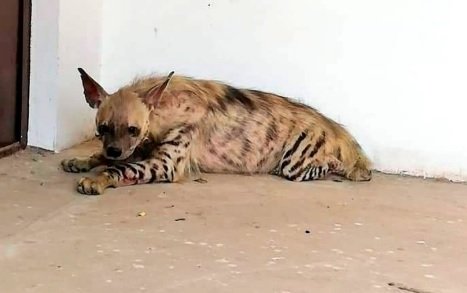
  • Rare striped hyena rescued in DI Khan

    Rare striped hyena rescued in DI Khan

    WARNING: This article may contain graphic images which may be distressing for some people

    The DI Khan police have rescued an endangered striped hyena, which was captured by some locals to take part in a dog fight, Khyber Pakhtunkhwa MPA Faisal Amin Khan has shared. The hyena, which has been identified as a female, has been sent to Peshawar for treatment before it can be released back into the wild.

    Khan also shared that hyena was being cared for and that Chief Conservator Wildlife KP is “personally taking care” of the injured animal.

    Read more – Cher thanks Pakistani govt for freeing lonely elephant Kaavan

    According to Deputy Commissioner DI Khan’s official Twitter account, the hyena was caught by some tribal locals and their hunting dogs.

    From the limited details available, it can be understood that the animal had been captured by the locals to take part in a dog fight.

    The matter of the captive hyena had come to light after a Twitter account dedicated to saving Pakistan’s wildlife “from the threats of hunting, loss of habitat and pesticides” raised alarm and shared videos of people capturing the hyena. Sharing the location of the incident, they had urged the authorities to take swift action and rescue the animal.

    https://twitter.com/wildpakistan/status/1266341857895878656?s=20

    Meanwhile, conservationist Javed Mahar shared some characteristics of the rare animal, called lagar bagar in the local language, and said that they are mostly found in Sindh along the Kirthar National Park.

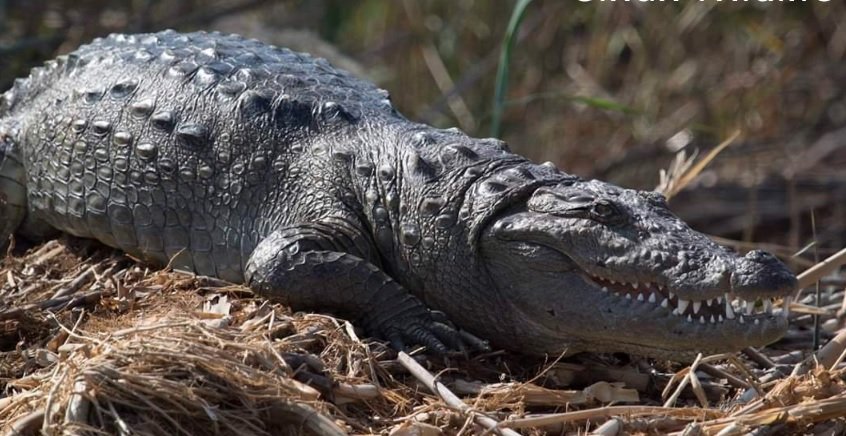
  • Sindh’s Marsh Crocodiles witness an increase in population

    Sindh’s Marsh Crocodiles witness an increase in population

    With humans under lockdown, wildlife all over the world is getting a chance to flourish. And according to latest reports, the population of marsh crocodiles living in the wilderness of Sindh is believed to have increased in at least four locations across the province. The locations include Haleji Lake, Nara Wetland Complex, Chotiari Wetland Complex and Wagni village near the Ghotki and Hub Dam.

    While an exact number is not known, a representative of the Sindh Wildlife Department (SWD) said that over 200 crocodiles have been sighted in Haleji Lake and its surroundings and as many in the Nara Wetland Complex.

    He added that these were just rough estimates and that there is no exact tally of the crocodile population in the province.

    Sharing his excitement, SWD Conservator Javed Mahar said: “Crocodiles coming out of the water to bask at Haleji Lake is a sight to see. Crocodiles opening their mouths and sunbathing is called basking, which is a natural process. It re-energises them.”

    Mahar further shared that these carnivores were once found in abundance in the region but their population shrunk after a canal irrigation system was constructed in the region.

    “The fragmentation of their habitat, illegal hunting and illegal trade also contributed to their declining numbers,” said Mahar, adding that records show that they also used to reside in creeks near Karachi.

    Read more – Leopard spotted near Islamabad’s hiking trails

    He said that though illegal hunting of these animals has now been banned, hunters continue to target these animals to polish their shooting skills. Meanwhile, others kill these animals in fear that they would attack and hurt them.

    “But they [marsh crocodiles] are not aggressive and do not attack people. I have not heard of any incident of them attacking people,” he said.

  • VIDEO: Himalayan lynx attacks Markhor in Chitral

    With a decrease in human activity all over the world, animals, some which have rarely been seen before, are coming out of their hiding places and exploring their surroundings without an interference.

    Recently, WWF-Pakistan released a never seen before footage of the Himalayan lynx, captured on the steep rocky cliffs of Chitral Valley, Pakistan. According to officials, this is the first time that the nocturnal hunter and highly elusive animal has been filmed in the area.

    The video which is intense and chilling shows the cat observe and successfully hunt her prey.

    “While filming a group of markhor grazing in the Tooshi-Shasha Wildlife Conservancy recently, our field production team and the Khyber Pakhtunkhwa Wildlife Department spotted this lynx crouching in a camouflaged position behind a rock, about to begin a hunt,” shared the animal protection organisation. “What followed was a dramatic scene few have ever witnessed – a lynx stalking and successfully killing a yearling markhor.”

    Watch the full video here:

    According to WWF, “the Himalayan lynx is one of the most elusive and powerful cats living in these mountains, rivaled only by the famous snow leopard. As an apex predator, the lynx plays an essential role in maintaining the balance and health of this complex mountain ecosystem.”

    The lynx is considered to be rare species and is known to be present in Chitral and other northern areas of Pakistan, including Gilgit-Baltistan, although its exact distribution and range are not known.

    Earlier, a brown bear was also spotted in Laspur Valley in Chitral by the locals.

  • Leopard spotted near Islamabad’s hiking trails

    Leopard spotted near Islamabad’s hiking trails

    With human under lockdown, nature is running free and wildlife is coming out of hiding to explore the empty spaces once swarmed with humans.

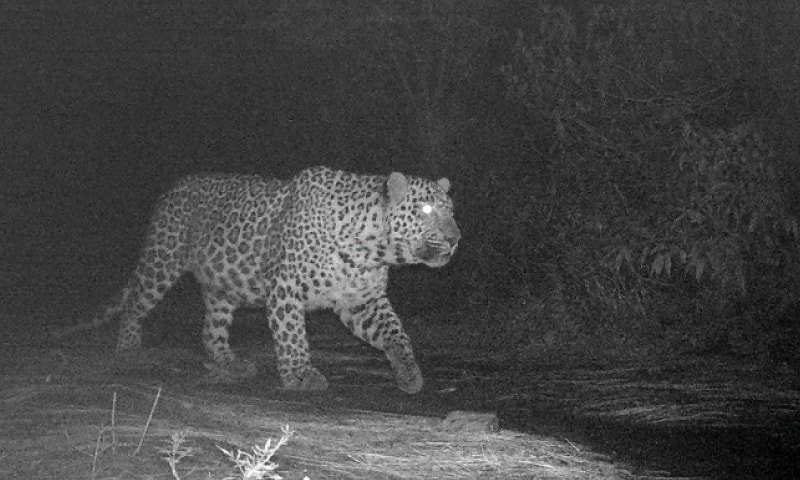
    According to the Islamabad Wildlife Management Board (IWMB), a male leopard was caught on a camera trap near the hiking trails of Margalla Hills National Park. While leopards are occasionally caught on camera, this is the first time a larger male leopard was spotted on the hills. The IWMB added that the latest discovery could mean that there are three families of the common leopard hiding in the national park. Popularly referred to as the Margalla Leopards, these animals are an endangered species.

    The board also shared that not just leopards but wild animals including fox, martins, porcupines, barking deer, jackals and wild boars among others have also descended from the hills. They have also been caught by the camera traps laid out by the wildlife board.

    Various species of birds including pheasants have also been spotted on the grounds.

    Meanwhile, it has also been reported that dozens of monkeys living in the Margalla Hills National Park have descended on to the residential areas of the city in search of food.

    IWMB Assistant Director Sakhawat Ali said that residents of sectors F-6 and F-7 have filed complaints about the monkeys entering their homes. Some videos posted online showed the simians scurrying about the streets of the city or climbing over rooftops.

    “It is not a good practice [to feed animals when you go hiking on the MHNP trails or other hilly areas] as human-fed food item will have bad impacts on their health,” Ali said, adding that monkeys have lived in the national park since before humans inhabited this region.

    Ali, however, noted that the monkeys were not hostile to human beings and only attack or become violent when someone tries to hurt them.

    He advised the public to stay calm if they encountering any monkey. Moreover, he suggested that people keep their food items secure in their stores and not offer animals anything.

    Ali also advised people to take care of their clothes and the laundry hung out to dry.

    “Monkeys have a habit to take away clothes left outside a house if they find nothing in their search of food,” the IWMB officer warned.

  • Spanish hunter pays $83,500 to kill season’s third markhor in Gilgit

    Spanish hunter pays $83,500 to kill season’s third markhor in Gilgit

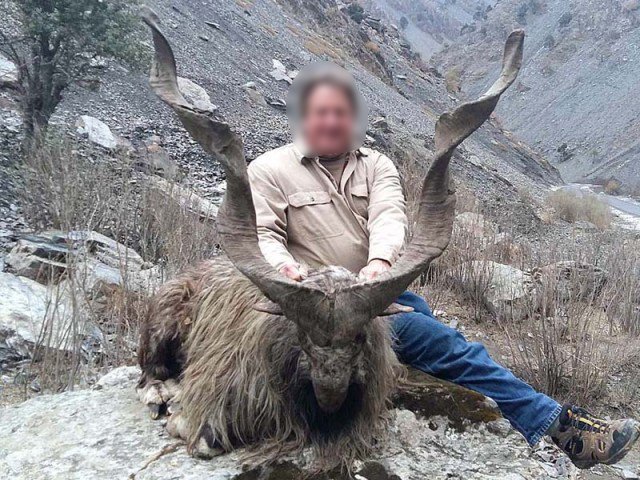
    A Spanish hunter in Gilgit has killed the third markhor of the season after paying a whopping $83,500 as the permit fee, ARY reported.

    According to Gilgit-Baltistan (GB) Wildlife Department, Carlo Pasco successfully hunted a flared-horned markhor in the conservation area.

    The hunting fees for different local species were decided in November last year as the Wildlife Department auctioned off the permits for markhor for $83,500. In 2018-19, the hunters paid $110,000 for hunting the animal.

    The Wildlife Department claims that 80 per cent of the amount paid by hunters is given to the local community to invest in themselves and the conversation of these animals. The remaining 20 per cent is deposited to the national exchequer.

    Pakistan’s national animal, markhor, is a large Capra species native to Central Asia, Karakoram and the Himalayas. According to the International Union for Conservation of Nature’s (IUCN) Red List, it is listed as a near-threatened species since 2015.

    Earlier on December 12, an Italian citizen had hunted the first markhor of the season.

  • VIDEO: Bilawal, Bakhtawar go to the beach

    VIDEO: Bilawal, Bakhtawar go to the beach

    Chairman Pakistan Peoples Party Bilawal Bhutto Zardari on Monday took a break from his political activities to bond with nature.

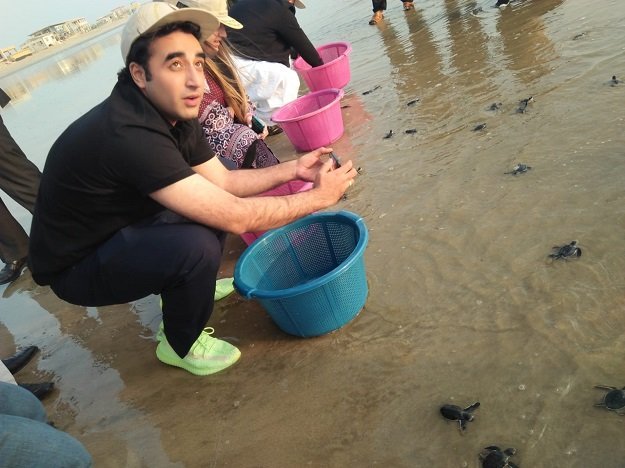
    Accompanied by his sister, Bakhtawar Bhutto Zardari, Bilawal made his way to Hawke’s Bay Beach where he released 300 baby green turtles into the sea. According to details, Bilawal was very excited to touch the baby turtles who were hatched at the Marine Turtle Conservation Nursery of Sindh Wildlife Department.

    The Sindh Wildlife Department, along with International Union for Conservation of Nature (IUCN) and World Wildlife Fund (WWF), has been carrying out a sea turtle conservation project in Pakistan since 1979. Adults are tagged and the eggs collected from the beach are incubated in special enclosures at Hawkesbay and Sandspit. Hatchlings are weighed and counted at the Sindh Wildlife lab at the beach and the relevant data is gathered.

    Though adult sea turtles spend most of their lives in the oceans, they return to the beach where they were born to lay their eggs. Every year in October and November, green sea turtles arrive at the sandy beaches of Sindh and Balochistan which are important nesting sites for sea turtles. The turtles lay their eggs there and leave after burying them. This is where the wildlife department steps in a takes care of the eggs, which are vulnerable and can easily be preyed. After an incubation period of about two months the youngsters hatch and scramble towards the water. Only one in a thousand survive to adulthood.

    Watch video of the Bhutto-Zardari siblings releasing sea turtles here:

    https://www.instagram.com/p/B6KzzXdBLCN/

    Meanwhile, Bakhtawar also shared her experience on Twitter:

  • The lions of Karachi

    The lions of Karachi

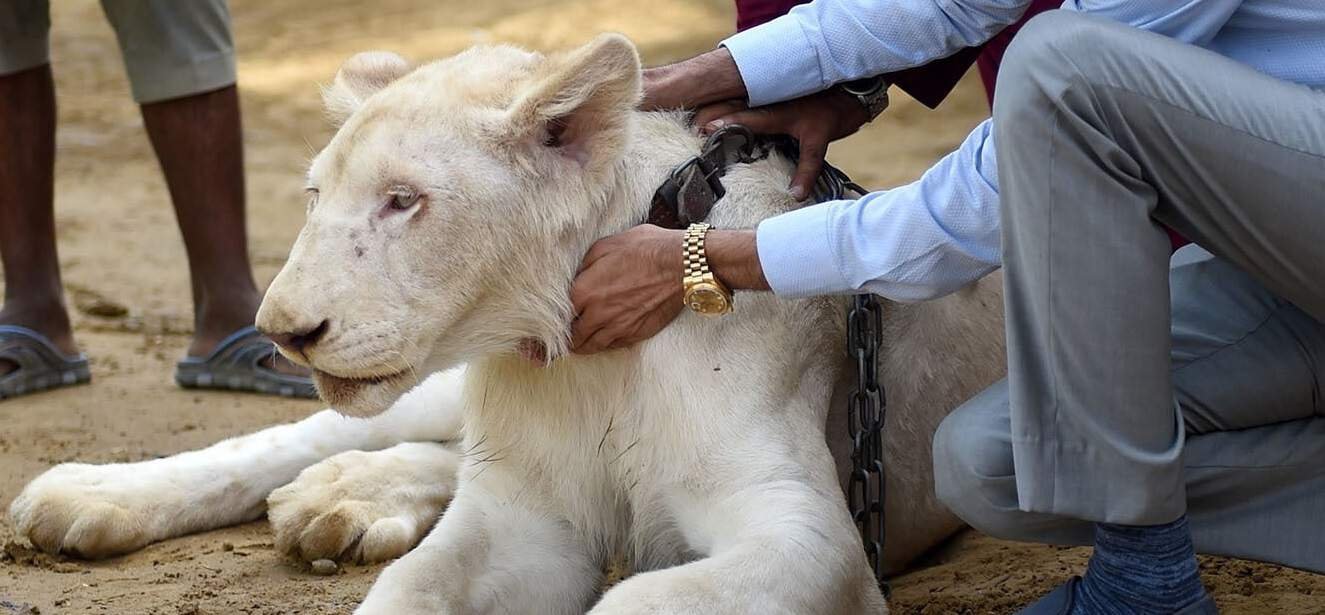
    Industrialist Bilal Mansoor Khawaja beams as he pets his white lion, one of the thousands of exotic animals at his personal “zoo.”

    Khawaja calls his handful of lions and a tiger the “crown jewels” of a larger collection of more than 4,000 animals he has amassed in recent years. He insists his zoo — made up of some 800 different species — is not about status or prestige but simply a manifestation of his love for pets. And to care for his flock, he has more than 30 people working in shifts and four vets on staff. Bilal admits that the entire setup costs a fortune although he refuses to provide an estimate of how much.

    His nine-acre property where a portion of his animals, including zebras, flamingos, and horses, reside is right in the middle of a dense neighbourhood in Karachi.

    Bilal, in his conversation with AFP on wild animals as pets, revealed that there are up to 300 lions within Karachi, kept in gardens, inside rooftop cages, and at farmhouses across the metropolis.

    Bilal is among those wealthy Karachiites who have a penchant for wild and exotic animals and likes to keep them in their homes as pets. Pictures of them cruising with their lions sitting in the front seats of luxury SUVs, have often made it to social media and invited uproar but little has been done about this.

    Pakistani laws make it easy to import exotic animals, but once inside the country regulation is almost non-existent. This has led to an untold number of such creatures being imported or bred across Pakistan in recent times.

    Exotic animal dealer Aleem Paracha, who claims to be one of the top three importers of exotic animals in Karachi, says that for 1.4 million rupees ($9,000) he can deliver a white lion to a client in up to 48 hours —and do so entirely legally.

    Certificates from the countries of origin along with permits from authorities are provided for any animal brought into Pakistan in accordance with an international treaty to protect endangered species.

    But Paracha says there is also a network of breeders across Pakistan that can also provide lions at a moment’s notice. He added that lion farming has become very popular in the city.

    This has lead to a deterioration in their health. Karachi veterinarian Isma Gheewala says lions suffering from calcium deficiencies are common at her clinic, where she says she has treated between 100 to 150 big cats over the years.

    “The bones become extremely brittle,” she explains. “And even if they jump like a foot down, they will injure some bone or the other and then it takes a long time for the animals to recover.”

    But both Paracha and Khawaja dismiss claims they are doing anything harmful by taking exotic species out of their natural habit and raising them in Pakistan.