
Tag: withholding taxes

  • FBR surpasses Rs1 trillion tax collection milestone in December

    FBR surpasses Rs1 trillion tax collection milestone in December

    In a historic achievement, the Federal Board of Revenue (FBR) announced the unprecedented collection of over Rs1 trillion in December, marking the first instance of such a milestone, as per a press release issued today.

    Furthermore, the FBR has set a new record by collecting Rs4.468 trillion in the initial six months of Fiscal Year 2024, indicating a notable increase of over Rs1 trillion when compared to the Rs3.43 trillion collected during the same period in FY23.

    Remarkably, the FBR has surpassed its targeted collection for the first half of FY24, which was initially set at Rs4.425 trillion. The government’s ambitious projection for the entire fiscal year stands at Rs9.415 trillion.

    Despite challenges such as the issuance of Rs230 billion in refunds, up from Rs177 billion in the corresponding period of the previous year, and sustained import compression, the FBR continues to face obstacles in revenue collection at the import stage.

    Traditionally, the revenue mix at the import stage and domestic taxes had a 50:50 ratio. However, this balance has shifted to 36:64, with the FBR mitigating the impact of import compression by generating more revenue domestically.

    The ratio of direct to indirect taxes has also experienced a shift, with the share of direct taxes increasing to 49 per cent in the first six months.

    Notably, in December alone, direct taxes accounted for 59 per cent, marking a 41 per cent increase in the first six months compared to the previous year.

    Within the category of direct taxes, the FBR has reduced the share of withholding taxes from 70 per cent to 55-58 per cent over the past two years. Remarkably, the share of withholding taxes reached as low as 40 per cent in December 2023.

    It’s worth noting that the FBR had achieved a Rs1 trillion annual collection back in 2007-08, a milestone that took 50 years to accomplish.

    In contrast, the FBR has achieved a comparable feat within a single month after 15 years, underscoring the relentless efforts, unwavering dedication, and hard work demonstrated by the field formations and top leadership of the FBR.

  • We’re not shocked: Salaried class pays 200% more tax than exporters, retailers

    We’re not shocked: Salaried class pays 200% more tax than exporters, retailers

    In the fiscal year 2022-23, Pakistan’s salaried class emerged as the leading contributor to the nation’s income tax, making a substantial contribution of Rs264.3 billion. Astonishingly, this amount was nearly 200 per cent higher than the combined income tax paid by the country’s exporters and largely undertaxed retailers.

    Data collected and released by the Federal Board of Revenue (FBR) unveiled that salaried individuals paid a total of Rs264.3 billion in taxes during the fiscal year, marking an impressive increase of over Rs75 billion or 40 per cent compared to the previous year. This rise was attributed to the imposition of up to a 35 per cent tax rate on their earnings.

    Ranked as the fourth-largest contributor to withholding taxes, following contractors, bank depositors, and importers, the salaried class has faced increased taxation in the latest budget. Despite grappling with this added burden alongside historically high inflation rates, the government once again raised taxes on salaried individuals earning more than Rs200,000 per month in the recent budget. In a surprising move, around 5,000 retailers were relieved from stricter registration conditions.

    It is noteworthy that during the preceding fiscal year, the FBR managed to collect over Rs2 trillion through withholding taxes, accounting for 61 per cent of the total income tax generated in the same period. However, concerns were raised over the ease of collecting withholding taxes, especially from non-filers at double rates, which has become a reliable revenue source for the FBR.

    The Salaried Class Alliance expressed apprehension over the prioritisation of additional taxation on existing taxpayers while allowing the informal sector to thrive. The highest income tax collections came from contractors, savings account holders, importers, salaried individuals, non-filers’ electricity bills, telephone & mobile phone users, and dividend income. According to Express Tribune, other significant contributors included taxes on property transactions, exports, foreign income fees, brokerage commissions, and car registrations.

    Comparatively, provisional figures revealed that exporters and retailers combined paid Rs175 billion less in taxes compared to the salaried class. Despite earning $27.7 billion during the last fiscal year, exporters contributed only Rs74 billion in taxes. Although their tax contribution increased by 17.4 per cent from the previous year, it did not match the rise in their income in rupee terms. Retailers, subject to a 0.5 per cent advance tax on sales, contributed a mere Rs15.6 billion, reflecting the lowest contribution among income groups. Surprisingly, despite accounting for approximately 19 per cent of the economy, retailers and wholesalers only contributed 0.4 per cent to the total income tax collection.

    The approach of the International Monetary Fund (IMF) came under criticism for disproportionately burdening the salaried class, which lacks representation in the corridors of power, unlike exporters and retailers.

    Lastly, tax collection from contractors and service providers reached an impressive Rs391 billion in the last fiscal year, marking the largest single-income tax collection head over which the FBR has no control. Additionally, profits on debt witnessed a remarkable 106 per cent increase, amounting to Rs320 billion, reflecting higher interest rates and increased savings. Importers also contributed significantly, paying Rs290 billion in income tax on various types of imports, ranking as the third-largest contributor to withholding taxes.

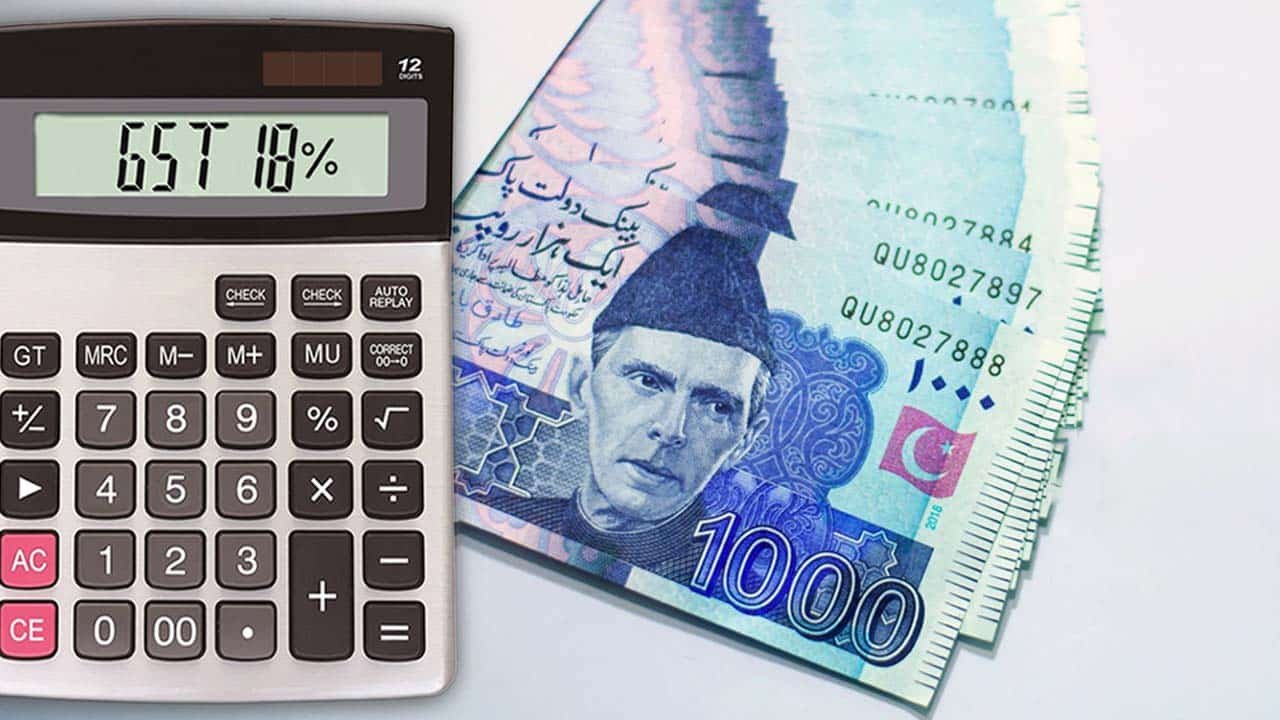
  • Govt to maintain 18% GST rate in upcoming budget 2023-24

    Govt to maintain 18% GST rate in upcoming budget 2023-24

    In the forthcoming budget for 2023-24, it is anticipated that the government will maintain the current standard rate of General Sales Tax (GST) at 18 per cent. Additionally, efforts are being made by the government to increase the rates of withholding taxes, where applicable, with the aim of augmenting tax revenues.

    Another aspect being considered is the implementation of amendments for retailers, with the objective of including a larger number of businesses within the tax bracket. It is worth noting that previous schemes designed to entice retailers into the tax system have proved unsuccessful over the past few decades.

    According to The News, various proposals are currently being deliberated upon for the imposition of Minimum Asset Tax (MAT) on both movable and immovable assets. However, the Federal Board of Revenue (FBR) has been advised to seek constitutional validation for these proposed taxation measures in order to avoid potential legal disputes.

    Moreover, the government is exploring options to enhance documentation within the property sector, as part of its ambitious goal to achieve a tax collection target ranging between Rs9 and Rs9.2 trillion for the upcoming budget.

    These proposals were thoroughly discussed in a meeting chaired by Finance Minister Senator Ishaq Dar, which focused on budgetary considerations within the Finance Division. Present at the meeting were State Minister for Finance Dr Ayesha Ghous Pasha, Special Assistant to the Prime Minister (SAPM) on Finance Tariq Bajwa, SAPM on Revenue Tariq Mehmood Pasha, Chairman of the Reforms and Resource Mobilization Commission (RRMC) Ashfaq Yousuf Tola, the finance secretary, FBR chairman, and other senior officials from the Finance Division and FBR.

    During the meeting, FBR Chairman Asim Ahmad provided a comprehensive presentation on the budgetary proposals for the Federal Budget 2023-24.