Tag: women

  • ‘Give yourself a second chance’: Madiha Iftikhar’s advice to women

    ‘Give yourself a second chance’: Madiha Iftikhar’s advice to women


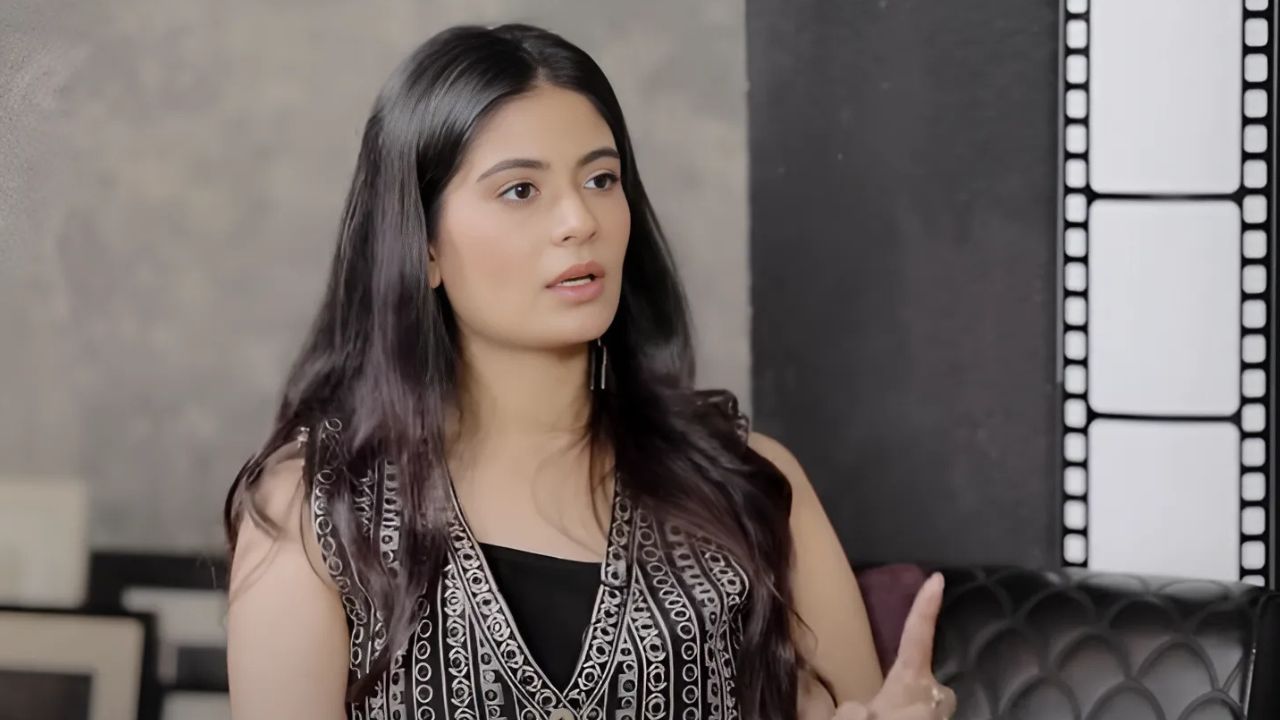
    What if the key to a better life is simply giving yourself a second chance? Actress and model Madiha Iftikhar has advised women to build trust, embrace change and finding strength in the face of life’s challenges.    


    In an interview with Fuchsia Magazine, Madiha opened up about her personal journey, marriage and the challenges women face in society. 


    “People have 100 different opinions, especially about actresses. So how do you build trust? I realised I would have to leave the field, at least temporarily. I had to focus on building my home, earning my husband’s trust, showing him who I am, and understanding who he is,” she said.

    The Chand Tara actress emphasised the importance of building trust in relationships saying, “Over time, in about six or seven years, by 2018, we had built such a strong bond that my husband trusted me completely. He knows I won’t do anything wrong, and I know I would never let him down in any way.”


    Madiha also talked about her approach on marriage. The Ishq Ki Inteha actress encouraged women to not let societal pressure dictate their decisions, especially when it came to relationships and marrying again.


    “Life doesn’t end there. You can find another partner because partnerships are important in life. Don’t let society dictate your choices. These days, so many divorces are happening, and many women avoid marrying again out of fear of what people will say. But it’s your life—you have to live it. No one came to train me on how to live my life,” Madiha added.


    “Since I made the decision to marry so late in life… at 29, it was a well-thought-out decision. If I wanted to have extramarital affairs or lead a life of scandal, I wouldn’t have married at all. When you marry someone, you marry them alone. There’s no point in looking right or left. However, if the person you marry doesn’t treat you well, then don’t seek sympathy. Instead, make yourself strong enough to move on,” she said. 


    Madiha said she and her husband were clear on their marriage’s dynamics. “The best part of our relationship is that there was never a third person involved, and there still isn’t. For example, if I have a problem, I wouldn’t go to someone else to mediate.”

     

  • PTI MNA’s sexist outburst targets female K-Electric employee in National Assembly

    PTI MNA’s sexist outburst targets female K-Electric employee in National Assembly

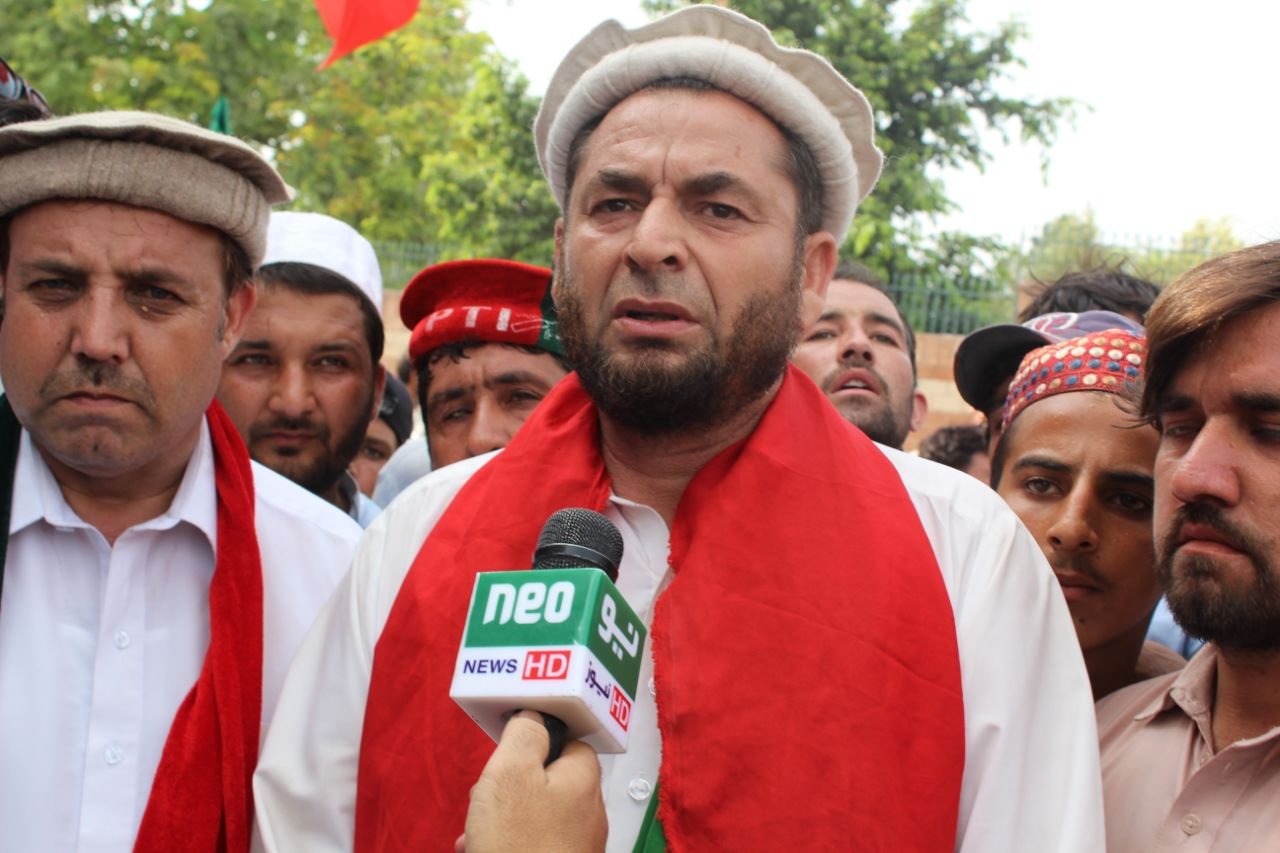
    In a shocking development, a Pakistan Tehreek-e-Insaf (PTI) MNA, Iqbal Afridi, went on a sexist rant against a female employee of K-Electric during a meeting of the Standing Committee on Energy meeting of the National Assembly on Friday.

    “Mr Chairman, the K-Electric’s female employee’s dress code isn’t appropriate. There should be proper SOPs for dress code in National Assembly,” said the PTI MNA to Chairman Muhammad Idrees.

    Geo News reported that the agenda of the meeting revolved around K-Electric’s performance.

    As the meeting concluded and the team left, the PTI MNA considered it essential to discuss a woman’s attire in the meeting.

    The Chairman of the committee, Muhammad Idrees, apologised in front of journalists, remarking that a woman’s dress code shouldn’t have been discussed in the first place.

    Afridi, however, was undeterred and spoke with journalists, saying, “If this kind of people come into a civilized society, then what will our kids say? You saw the woman who was here; her clothes weren’t appropriate.”

  • 47 per cent Pakistani women face domestic violence: Report

    47 per cent Pakistani women face domestic violence: Report

    The National Commission for Human Rights has issued a report revealing that a large number of women in Pakistan are victims of domestic violence.

    According to the evaluation, 47 per cent of Pakistani women face domestic violence, and this cycle continues even after marriage, which often ends in divorce.

  • Will Khalil ur Rehman Qamar ever learn to respect women?

    Will Khalil ur Rehman Qamar ever learn to respect women?

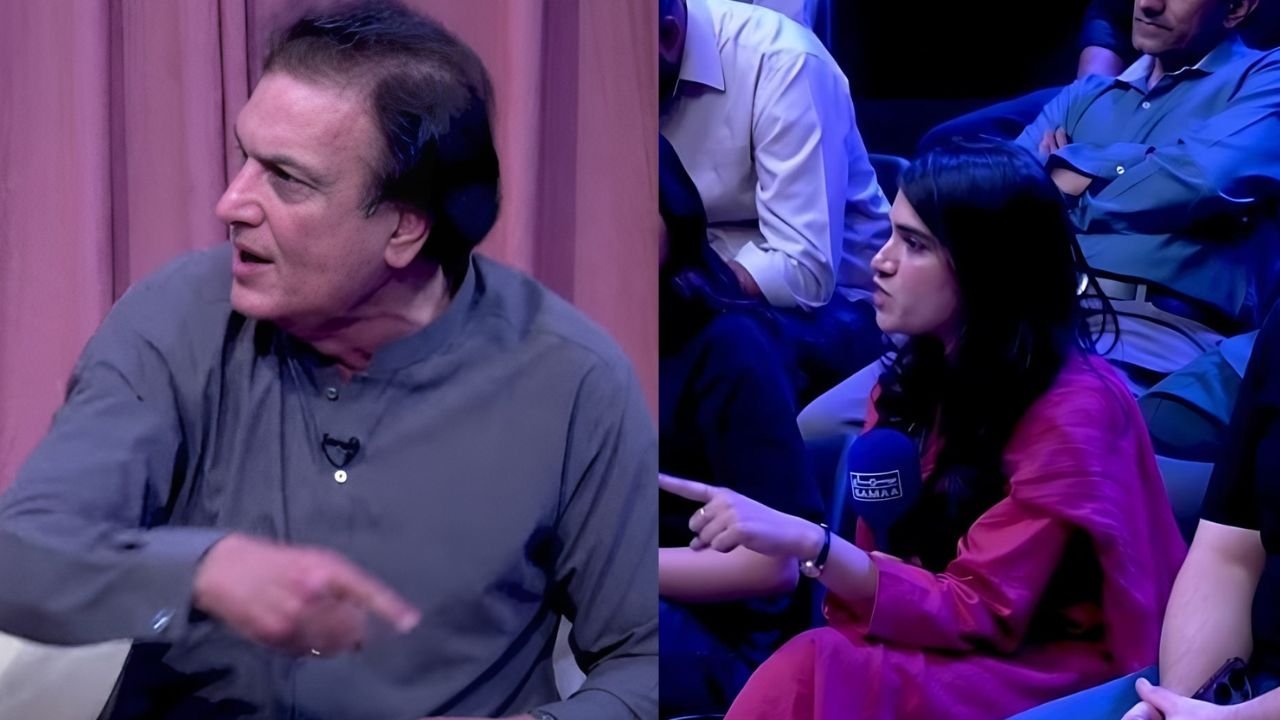
    Controversial screenwriter Khalil ul Rehman Qamar is once again in the spotlight for his misogynist behavior towards women. At a recent panel discussion, the ‘Teri Meri Khanaiyan’ co-writer joined Sahil Adeem.

    During the show, they had a heated exchange with a female audience member who questioned their regressive views on women’s rights. At one point, Sahil Adeem claimed that 95 percent of women in Pakistan are uneducated, causing an uproar among the audience. The incident has sparked renewed controversy over their views on women’s rights in Pakistan.

    Samaa TV’s show ‘Mukalma,’ hosted by Ayesha Jahanzeb, turned into a battle ground. During the discussion, a female audience member confronted Sahil Adeem for his rude remarks about women.

    “If you have called girls ‘Jahil,’ you should apologize or show me where the Quran says to use this word for those who don’t know certain things,” she said angrily. In response, Sahil shared Arabic verses, which angered the girl. Her reaction to the use of Arabic upset Khalil ul Rehman Qamar, leading to a heated argument between him and the girl. The host eventually calmed them all down and moved on to another guest.

    Here is the link to the video:

    A social media user shared a clip of the heated argument on her X account, calling for Khalil ul Rehman Qamar and Sahil Adeem to be banned from live television.

    “Such archaic views should be condemned and have no place in modern discourse. He must be held accountable for his irresponsible remarks,” the post said.

    Social media users praised the woman for bravely standing up to the screenwriter.

  • No relief for babies: Heavy tax on formula milk

    No relief for babies: Heavy tax on formula milk

    The budget for 2024-25 was unveiled this Wednesday, on June 12, by Finance Minister Muhammad Aurangzeb.

    As the government depends on the International Monetary Fund’s (IMF) bailout package, citizens were further burdened with heavy taxes as per the administration’s commitments to the lender. Milk products for infants, a necessary item for many families, will now carry an 18 per cent tax.

    But why is this issue noteworthy?

    On January 21, 2022, the Finance (Supplementary) Bill—a ‘mini budget’—was passed by the National Assembly following extensive debate over the proposed taxes by the Pakistan Tehreek Pakistan (PTI) government. Among the contentious proposals was a 17 per cent sales tax on locally produced infant formula milk, classified as a “luxury product.”

    This classification sparked heavy criticism from both the public and the opposition, who argued that labelling a basic necessity for children as a luxury was unjust. In response, the-then Finance Minister Shaukat Tarin promised to push for the exclusion of children’s milk products from the Bill.

    However, two years later, heavy taxes are being imposed on infant milk products once again.

    According to Statista, a German data-centric platform, the Baby Milk & Infant Formula Market in Pakistan is projected to grow by 0.76 per cent from 2024 to 2029. This trend indicates increasing reliance on infant milk products due to various reasons.

    Traditionally, in South Asian countries like Pakistan, reliance on infant milk products is frowned upon, with a cultural preference for breastfeeding. However, several factors can make breastfeeding unfeasible.

    Certain health conditions, such as infections or breast surgeries, can prevent mothers from breastfeeding. Additionally, some mothers can not produce enough milk due to lactation insufficiency. In other cases, babies are born with conditions like galactosemia, which prevents them from digesting breast milk. Furthermore, specific nutritional deficiencies can not be addressed by breast milk alone and require formula milk supplementation.

    Moreover, not every mother is comfortable with breastfeeding, and many prefer to use formula milk to feed their children. Working mothers, in particular, may not have the flexibility to breastfeed and thus rely on formula milk.

  • ‘Just empowering women’: Hamza Sohail on playing Dr. Nofil in ‘Zard Patton Ka Bunn’

    ‘Just empowering women’: Hamza Sohail on playing Dr. Nofil in ‘Zard Patton Ka Bunn’

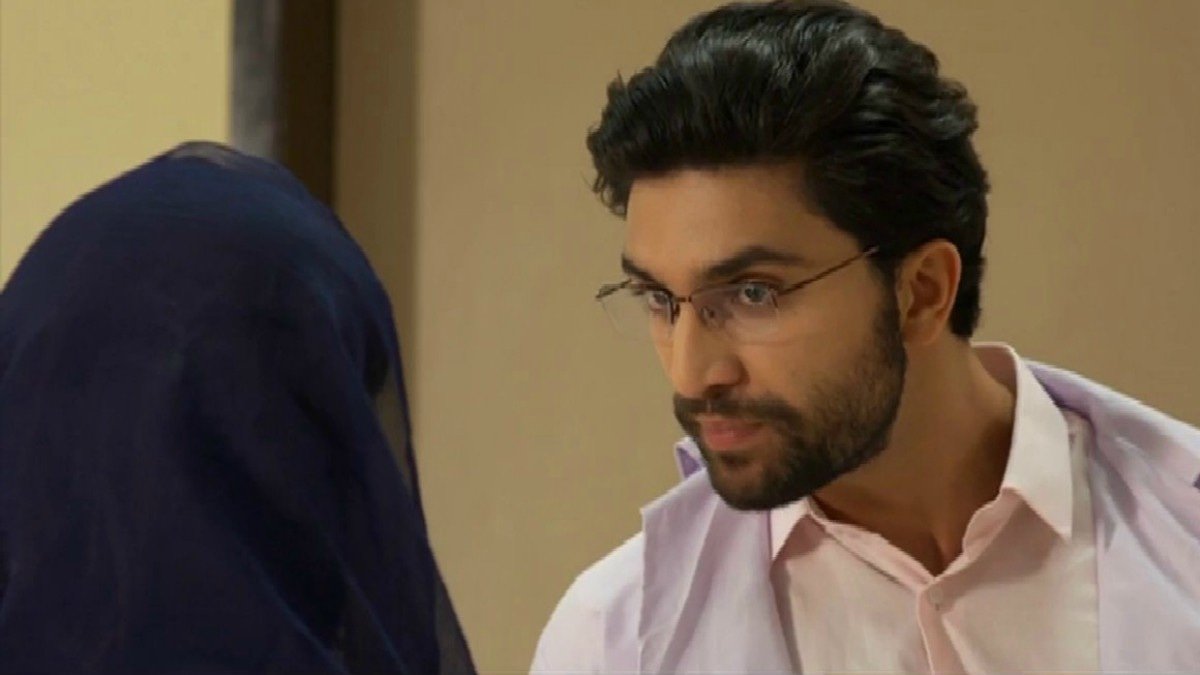
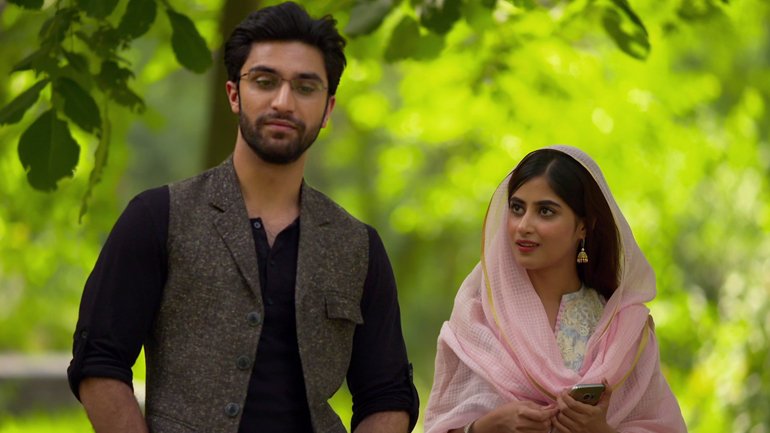
    Heartthrob Ahad Raza Mir, who played the character of Dr. Asfandyar in ‘Yakeen Ka Safar’ remains an unforgettable character for fans as does his on-screen chemistry with Sajal Aly. The role catapulted Ahad’s career to stardom.
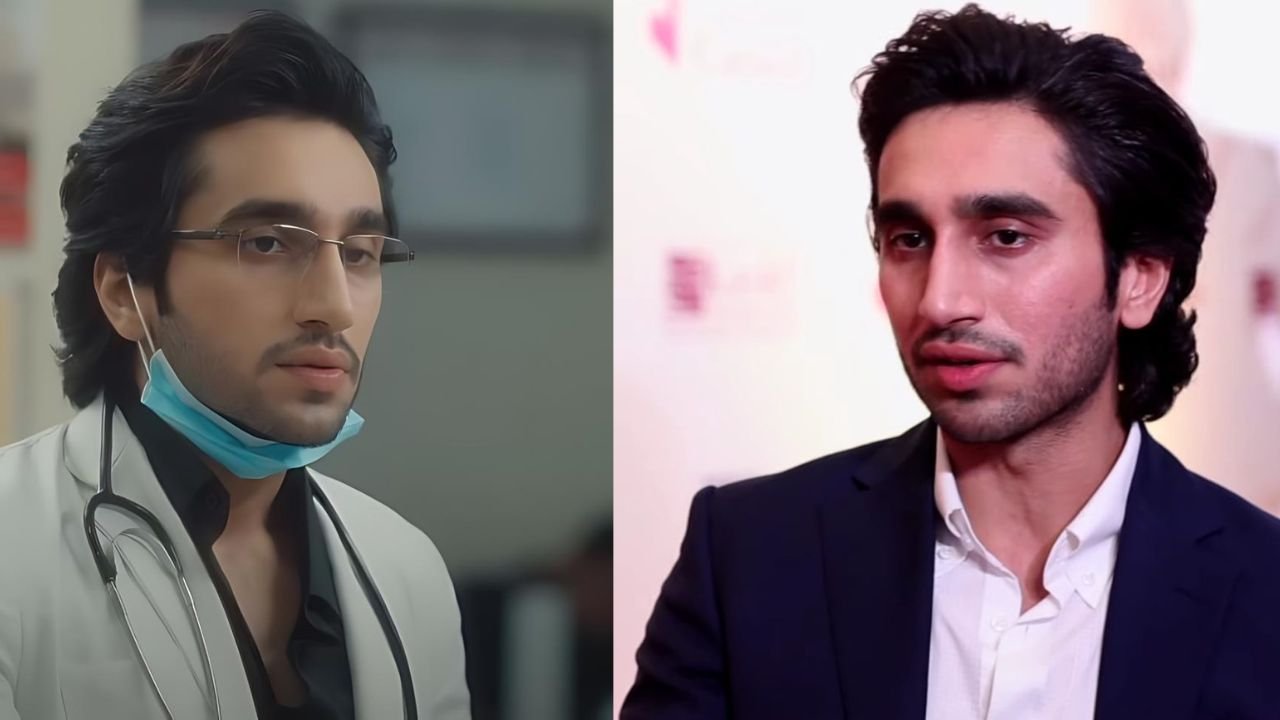
    Now, meet Dr. Nofil in ‘Zard Patton Ka Bunn’, played by Hamza Sohail. He’s on a mission to empower women, while starring alongside Sajal Aly. Recently he gave an interview to BBC Urdu, where he was asked if Dr Asfandyar was the inspiration for his character.

    Hamza Sohail said, “I haven’t seen Yakeen Ka Safar, and I didn’t know people would compare my character to Dr. Asfandyar. I’m glad I didn’t know, or I would have felt pressure to live up to expectations. I’m happy with my character and the chance to support women’s empowerment.”

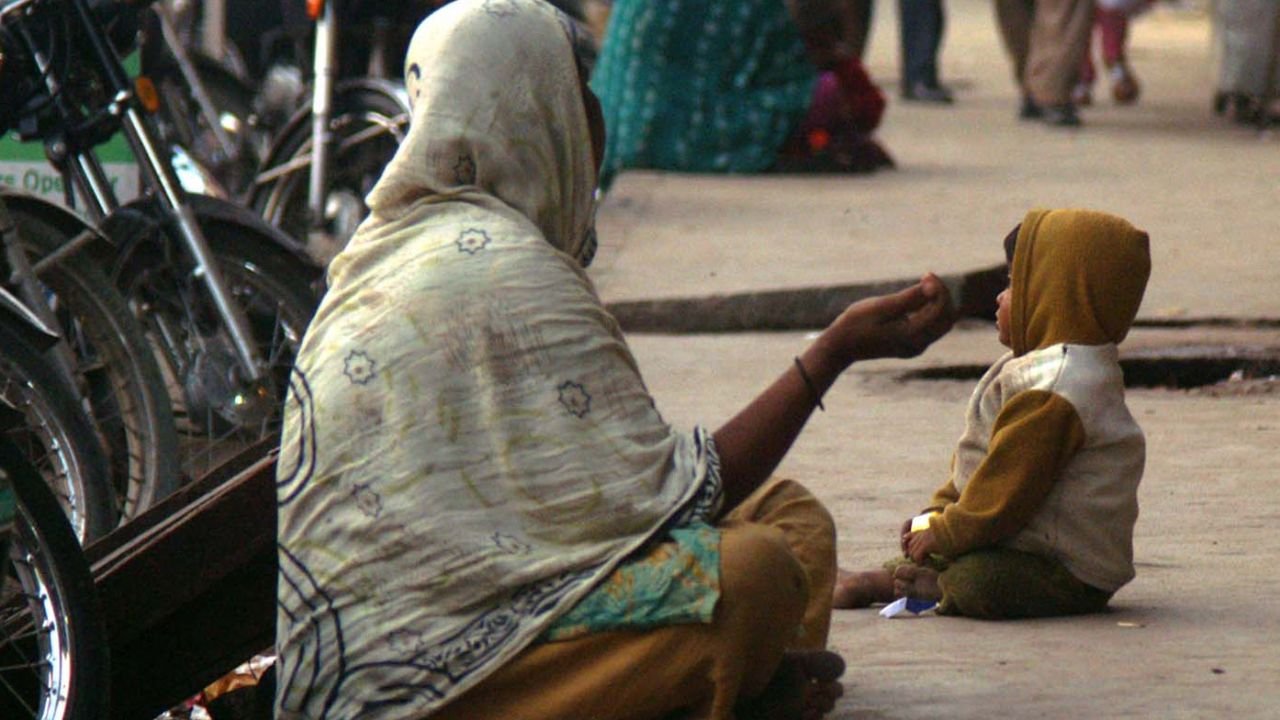
  • Forced begging now non-bailable offence

    Forced begging now non-bailable offence

    The Punjab Home Department has sent amendments to the anti-rape law to the Cabinet for approval.

    According to the spokesman of the Punjab Home Department, under the new law, forced begging has been declared a non-bailable offence.

    The spokesperson said that those who force children, the elderly and women to beg will be severely punished, while the gang leaders of beggar mafias will face 10 years of imprisonment with a fine of 20 lakh rupees. In case of non-payment of fine, three additional years of punishment will have to be served.

    Similarly, apart from forcing children to beg, those you physically harm minors are also in for a tough time.

    The Home Department noted that previously, there was no law to punish the gang leaders of the beggar mafia.

  • Saeed Anwar becomes latest celeb to blame women for rising divorce rates

    Saeed Anwar becomes latest celeb to blame women for rising divorce rates

    Saeed Anwar played the most beautiful cover drive the world of cricket had ever seen but his opinions on working women are far less appealing.

    Fans are upset with the former opener after he passed old-fashioned remarks about women being independent.

    Journalist Murtaza Ali Shah, posted a video in which Anwar can be seen stating that divorce rates went up by 30 per cent because women started working and making their own money.

    He talked about meeting an Australian mayor who said their culture suffered when women started working outside their homes.

    Anwar also talked about meeting top cricket players from New Zealand and Australia who asked him for advice on fixing problems in their culture. He said, “Women are now quick to end marriages because they can work on their own.”

    Since the video was shared on social media, people have criticized Anwar for blaming women and not talking about what men do.

  • More than 50 per cent Pakistani women suffer from PCOS

    More than 50 per cent Pakistani women suffer from PCOS

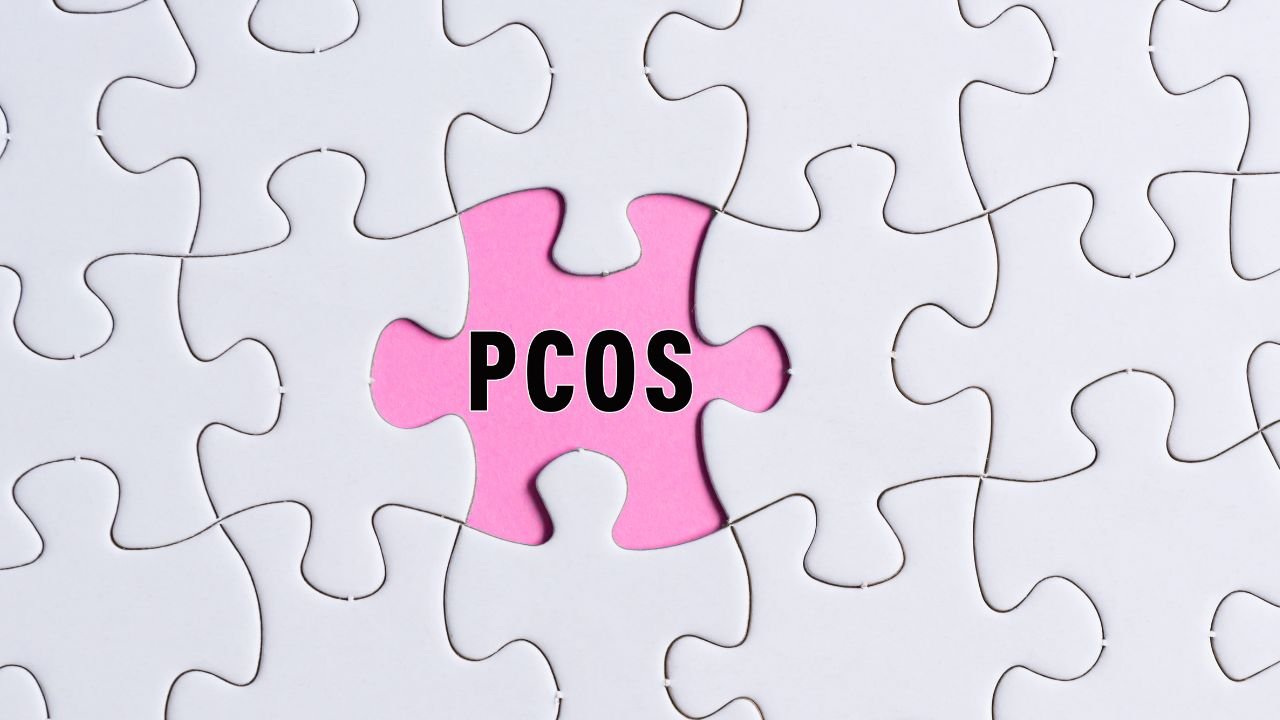
    More than 50 per cent of Pakistani women suffer from Polycystic Ovary Syndrome (PCOS) after hitting their reproductive years.

    PCOS is a hormonal condition that disrupts the process of ovulation, disturbing the menstrual cycle which consequently makes it difficult to conceive.

    Gynaecologists from across the country participated in Pakistan’s First International PCOS Summit 2024, asserting on the importance of spreading awareness about the condition among girls at school and colleges since an estimated 70 per cent of women of reproductive age live with it without getting diagnosed due to lack of knowledge.

    Dawn News reports that Prof. Dr. Rizwana Chaudhry pointed out that there is no remedy for PCOS, and its treatment is dependent on controlling symptoms and tackling possible complications. These include, as highlighted, “a healthy diet, regular exercise, and weight management”.

    The doctors cautioned that PCOS is a major health concern in Pakistan women, and that lack of diagnosis can result in emotional suffering because of “irregular periods, weight gain, infertility, and other symptoms”.

    According to gynaecologist Prof. Saqib Siddiq, while there isn’t any conclusive cause behind PCOS, apart from genetic susceptibility, there are agents that can contribute to the condition which include “increased sugar intake, refined carbohydrates, and a lack of physical activity”.

  • Why is South Africa still waiting for a female president?

    Why is South Africa still waiting for a female president?

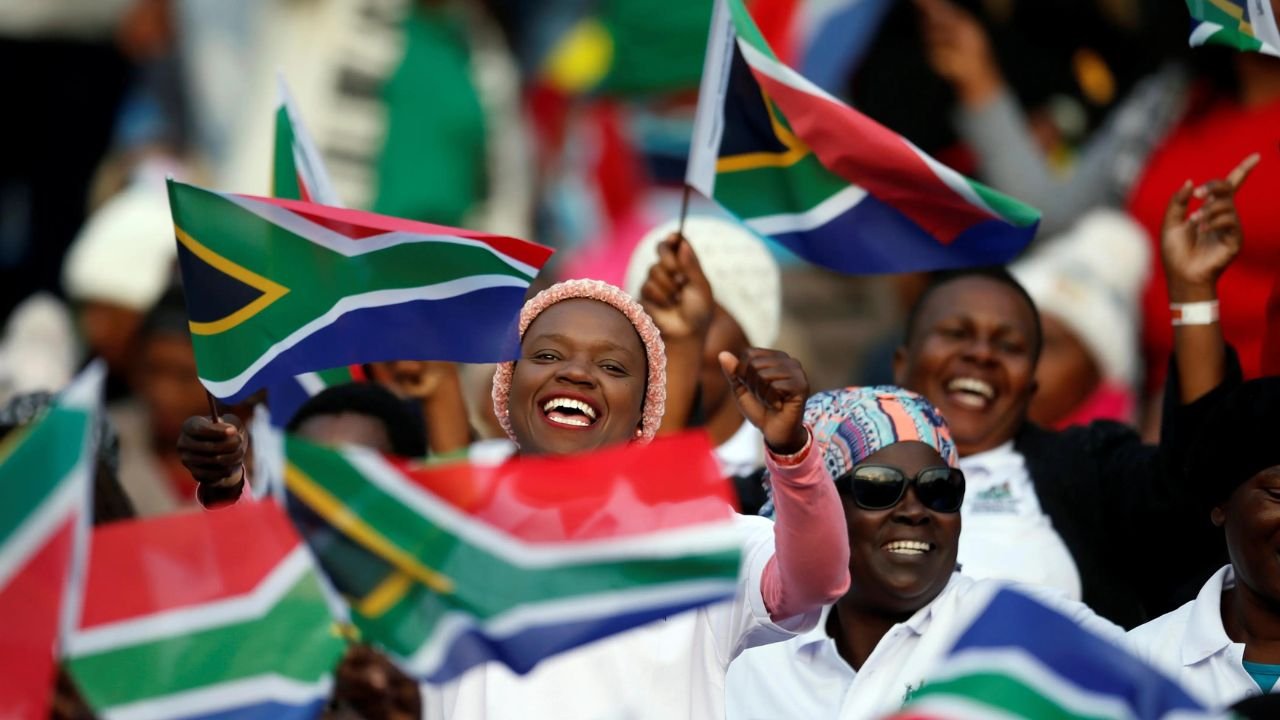
    South Africa has one of the world’s highest rates of female parliamentary representation in the world while boasting one of the most progressive constitutions.

    Yet the country is yet to produce a female president — something upcoming general elections are unlikely to change.

    Of the more than 50 parties in the running on May 29, only a handful are led by a woman. The five largest are all headed by men.

    “It is rare for a woman-owned party to stand, succeed and be sustainable,” said Colleen Makhubele, one of the few female party chiefs, who runs the small South African Rainbow Alliance (SARA).

    The dearth is despite South Africa ranking 11th globally for female representation in parliament, just below Sweden and higher than Finland.

    Women played a major role in the anti-apartheid struggle, and have held important government posts since the advent of democracy in 1994.

    About half the country’s ministries, including the key departments of foreign affairs and defence, are currently run by women.

    Women’s rights activists say the reason partially lies in the disconnect between the liberal views on which democratic South Africa was founded, and what still remains a fairly conservative society.

    The rainbow nation’s constitution lists “non-racialism and non-sexism” as the country’s second founding value after democracy itself.

    Yet many still see women as fit to lead their family — but not the nation.

    About one in five respondents to a 2017 Ipsos survey said that a woman’s place was in the home. Moreover, 22 percent thought men made better political leaders.

    This results in women often being overlooked when parties choose a leading candidate, said Bafana Khumalo, co-director of NGO Sonke Gender Justice.

    “Women are seen as important… but not to be voted into power,” he said.

    Makhubele of SARA, a former Johannesburg council speaker, said she has to work twice as hard as her male colleagues to win votes, funding and media coverage.

    Attitudes are slowly changing.

    A 2020 poll by Women Deliver, a non-profit, found 91 percent of respondents believed gender equality was important.

    Forty-three percent supported the government taking action to achieve equal representation in politics, and 69 percent backed gender quotas.

    The latter are already implemented by the ruling African National Congress (ANC) and the leftist Economic Freedom Fighters (EFF) — the country’s third largest party.

    The second largest party, the liberal Democratic Alliance (DA), had a female leader between 2007 and 2015.

    But that’s not enough, said political analyst and author Susan Booysen.

    “I’m blaming political parties for not systematically nurturing women’s ascendancy in party politics to get them to the top… women don’t see that systemic mentoring and promotion” she said.

    Parties might be missing out.

    Women make up more than 55 percent of registered voters in the upcoming elections and are seen as key drivers of support.

    “They’re the ones who actually make sure the people they live with go and vote on election day,” said Zama Khanyase of the ANC’s youth league.

    The ANC is largely expected to get less than 50 percent of the vote and for the first time lose its absolute majority in parliament when South Africans head to the polls in a month’s time.

    That could force it into a coalition to remain in power.

    After the parliamentary vote national assembly lawmakers then appoint a president.