Tag: women inclusion

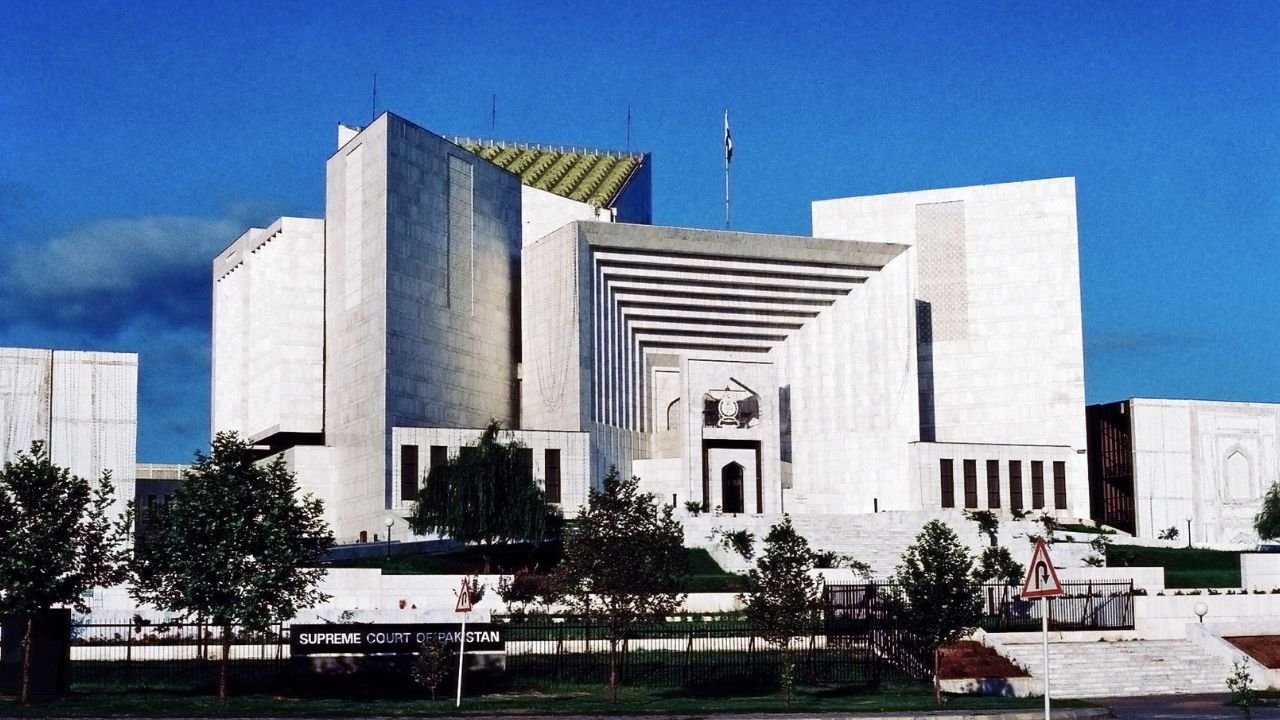
  • Out of 687 staff members, only 45 women are employed in the Supreme Court

    Out of 687 staff members, only 45 women are employed in the Supreme Court

    New details reveal that among the total staff members of 687 in the Supreme Court, only 45 are women.

    The information came to light as a judicial order directed Supreme Court Registrar Jazeela Aslam to give details on staff following a petition filed in 2019, appealing the Right of Access to Information Act 2017 and Article 19-A of the Constitution.

    The apex court reportedly has 894 sanctioned positions at the moment but 207 of them are vacant and 687 employees were working as of September 25.

    146 are employed on a daily wage basis.

    84 new positions have been created since January 2017.

    The details also reveal that out of all the 45 women working in the apex court, 33 hold regular positions while 12 are contingent employees.

    Additionally, only two people with disabilities and two transgenders are employed.

  • Why we march

    International Women’s Day is celebrated across the globe on March 8. Pakistan, too, marks the day as women from all walks of life take out rallies and marches across the country to ask for equal rights.

    Aurat March, a rally organised by women, is being held across several cities of Pakistan today. 

    Despite threats from the Jamiat Ulema-e-Islam-Fazl (JUI-F), Lal Masjid affiliates and other right-wing elements, women have not backed down and will continue marching, bearing the flag of equality.

    As for why we march; we march for those 1,000 women killed in the name of “honour” every year. We march because domestic violence has been normalised in our society. We march because more than a thousand Christian and Hindu girls are forcefully converted and then married off to Muslim men against their will. We march because only 5-10 per cent of women have land in their own name. We march because 70,000 young girls die during childbirth as a result of underage marriages. We march because acid attack victims are shunned by society. We march because rape survivors are shamed into silence. We march so that victims of sexual harassment do not fear speaking out. We march because freedom should win over fear. We march because misogynists like Khalilur Rehman Qamar are glorified by our media while strong women like Marvi Sirmed are asked to tone down their behaviour. 

    Women were told to change or tone down the slogans of Aurat March. They are being threatened that if this is how they ask for their rights, they will not be given anything. Well, enough! We will ourselves decide how to speak, how to walk, how to sit, what to wear, where to go, what to do. When a woman says no, it means NO! 

    When we say ‘Mera Jism, Meri Marzi’, we speak for those nameless rape survivors, for those who are victims of domestic violence, for those who are victims of sexual violence, for those whose reproductive health rights have been snatched away, for those women who continue to suffer silently because society does not give them a chance or a way out. 

    We will march and continue to fight patriarchy every step of the way. Without equality, there is no going forward. It is not an easy task but our women have never let us down. From Fatima Jinnah to Benazir Bhutto, from Asma Jahangir to Malala Yousafzai, our women have continued to make us proud. We are proud of each and every one of our women. More power to you. Happy Women’s Day!
  • Women’s museum to be set up in Islamabad

    The National Commission on Status of Women (NCSW) and Higher Education Commission (HEC) have signed a principal agreement to set up a women’s museum in Islamabad.

    According to reports, the aim of establishing this museum is to preserve women movements throughout history and to provide a resource for newly enfranchised women to enter public life.

    The museum will support and protect education, research and training on the roles and contributions of women.

    NCSW is striving for the development of women’s libraries, museums and archives.

  • CJP says Supreme Court will soon get female judges

    Chief Justice Pakistan Asif Saeed Khosa has revealed that the judiciary is working towards inducting female judges in the Supreme Court.

    Addressing the concluding session of Women Judges Conference in Lahore, Justice Khosa said that more than 300 female judges are working in the district courts of Pakistan and that they are doing a brilliant job.

    “Our women judges have proven their abilities through their verdicts and by the way they have handled complex cases,” said Justice Khosa, adding, “We have as many as 300 women judges in district courts and we hope to soon have at least one or two in the Supreme Court. I had the opportunity to propose two names and they are being actively considered.”

    Justice Khosa said that the top court is working on women’s rights and with time, the differences between male and female judges will be eliminated, adding that women must be empowered for the society to develop.

    Explaining that the Constitution ensures equal rights and treatment to all citizens including minorities, Justice Khosa said that they are encouraging women to enter the judiciary.

    Lahore High Court Chief Justice Muhammad Shamim Khan, while addressing the conference, said that “the judiciary plays an important role in structuring and restructuring of the society.”

    Justice Shamim said that gender-based violence courts were being established in Punjab to protect the rights of women and children.