Tag: women rights

  • One woman killed by partner, relative every 10 minutes worldwide: UN

    One woman killed by partner, relative every 10 minutes worldwide: UN

    One woman was killed by a partner or relative every 10 minutes worldwide in 2023, the United Nations warned Monday, stressing that femicides remained at “alarmingly high levels”.

    Almost 85,000 women and girls were murdered by people last year, according to a joint report by the United Nations Office on Drugs and Crime (UNODC) and the UN Women agency published Monday.

    About 60 percent-or more than 51,000 women and girls-died at the hands of their partner or relative, the report found.

    This equates to 140 women killed per day or one every 10 minutes by those closest to them.

    “The home remains the most dangerous place for women and girls in terms of the risk of lethal victimisation,” the report said.

    While men were four times more likely than women to fall victim to homicide — forming 80 percent of all murder victims last year — they more often than not died at the hands of a stranger.

    Africa had the most severe toll with 21,700 women killed by someone close to them in 2023.

    The lowest femicide rates were in Europe (2,300 murders in absolute numbers) and Asia.

    Despite efforts in some countries to prevent femicides, they remain “at alarmingly high levels” due to deep-rooted gender inequality and damaging stereotypes.

    “We must confront and dismantle the gender biases, power imbalances, and harmful norms that perpetuate violence against women,” UNODC Executive Director Ghada Waly said in a statement accompanying the report.

    Data from countries including France indicated that femicides are often the “culmination” of repeated episodes of violence and can be prevented by measures such as restraining orders.

    UN Women Executive Director Sima Bahous said robust legislation, greater government accountability, and increased funding for women’s rights organisations and institutional bodies are needed to stem violence against women.

    Furthermore, improved data collection from different antional sources — including media reports — and a “zero-tolerance culture” are essential in tackling femicides, she said.

    The report is based on available data from 107 countries or territories, and information the UNODC has collected from responses submitted by member states.

    Its release coincides with the International Day for the Elimination of Violence Against Women.

  • UAE to allow abortion in cases of rape, incest

    UAE to allow abortion in cases of rape, incest

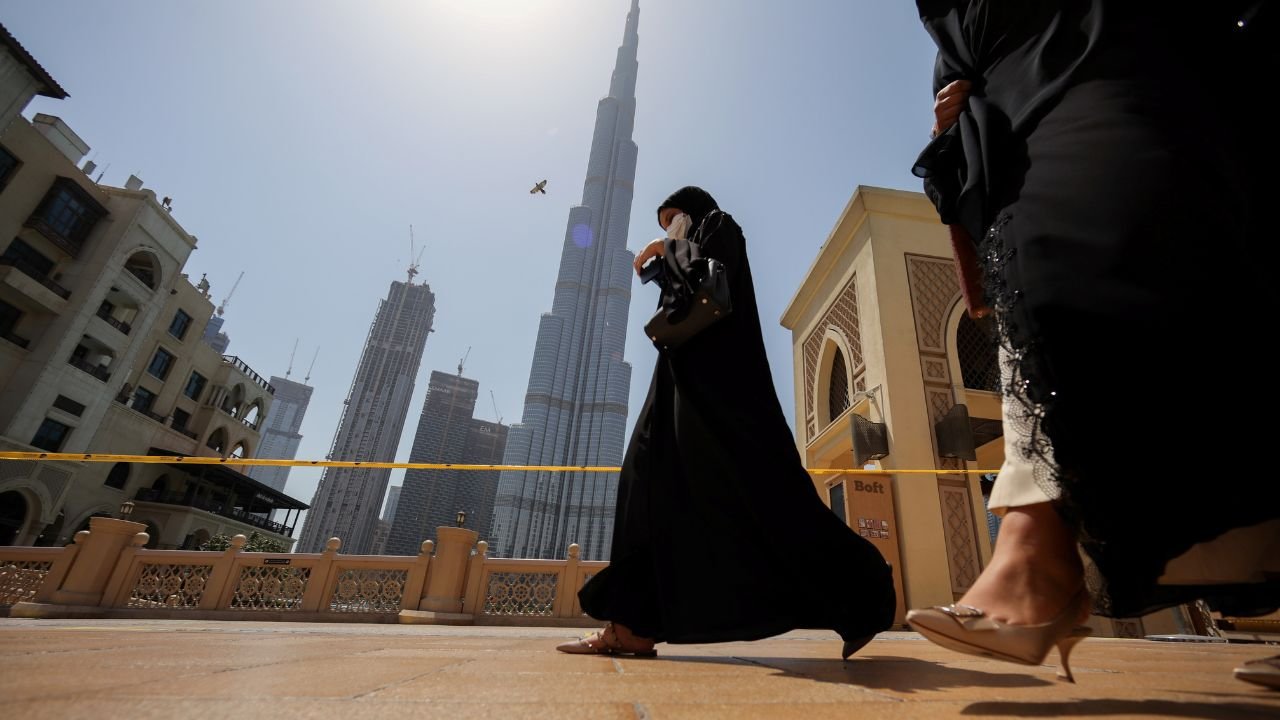
    The United Arab Emirates (UAE) will now legally permit abortion in cases of rape and incest for the first time.

    Under a cabinet resolution, abortions will be permissible in cases where pregnancy stems from rape or incest, contingent upon the incident being reported and validated by public prosecution, and if the fetus is under 120 days old.

    The new resolution states that abortion will be allowed “if the pregnancy is the result of intercourse with a female against her will, without her consent, or without adequate volition” or “if the person who caused the pregnancy is an ancestor of the woman or one of her mahram [ineligible for marriage] relatives”.

    The aims of the new legislation is to safeguard women’s health and well-being, legally tackling the handling of the aftermath of these incidents and allowing abortions to be conducted without endangering the woman’s life.

    Under current UAE law, abortions are only allowed when there is a risk to the mother’s life or serious abnormalities in the fetus.

    The new changes to the UAE’s abortion laws includes permitting emergency abortions without requiring spousal consent.

  • In historic first, Mexicans expected to elect woman president

    In historic first, Mexicans expected to elect woman president

    Millions of Mexicans are expected to vote for their first woman president in a landmark election Sunday, following a long and sometimes acrimonious race overshadowed by soaring political violence.

    In a watershed for a country with a long history of gender discrimination, two women have dominated the contest to lead the world’s most populous Spanish-speaking country.

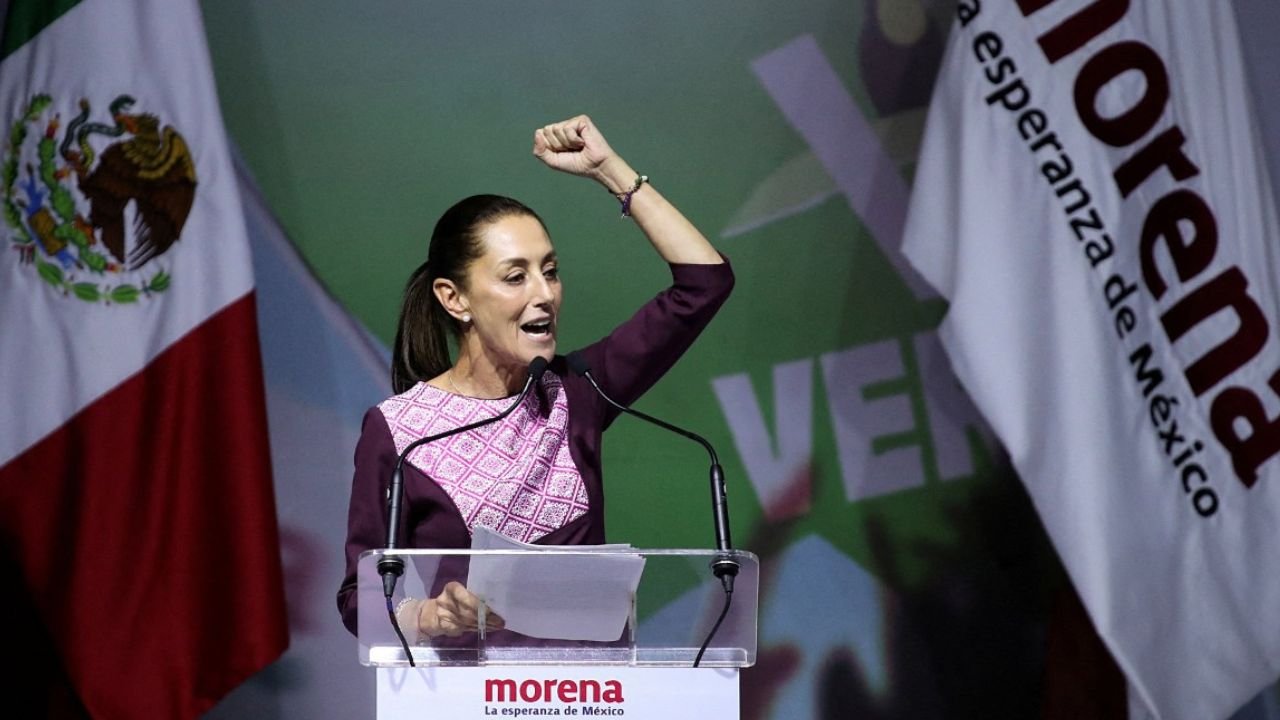
    Addressing a cheering crowd of thousands at her closing campaign rally, ruling party candidate Claudia Sheinbaum said Mexico was going to “make history” this weekend.

    “I say to the young women, to all the women of Mexico — colleagues, friends, sisters, daughters, mothers and grandmothers — you are not alone,” the 61-year-old said.

    Her vow to champion women’s rights was music to the ears of Evelyn Trasvina.

    “I’m very excited,” said the 42-year-old accountant from western Mexico.

    “Many people have been lifted out of poverty and one of the promises is the recognition of women’s unpaid work,” she told AFP.

    Sheinbaum, a former Mexico City mayor and a scientist by training, was leading her main opposition rival Xochitl Galvez, also 61, by around 17 points in opinion polls days before the election.

    Nearly 100 million people are registered to vote in the country of 129 million, and 61-year-old housewife Rosa Maria Miranda said that criminal violence meant Galvez would get her support.

    “We women are fed up. We’re afraid to go out into the streets,” she said.

    The campaign season ended on a tragic note Wednesday when a gunman shot dead an aspiring mayor in the southern state of Guerrero.

    The attack brought the number of local politicians who have been murdered to at least 24 during what has been a particularly violent electoral process, according to official figures.

    Some non-governmental organizations have reported an even higher toll, including Data Civica, which has counted around 30 killings.

    Sheinbaum has pledged to continue outgoing President Andres Manuel Lopez Obrador’s controversial “hugs not bullets” strategy of tackling crime at its roots.

    Galvez, meanwhile, promised a tougher approach to cartel-related violence.

    “You will have the bravest president, a president who does confront crime,” the outspoken senator and businesswoman with Indigenous roots told her closing rally in the northern city of Monterrey.

    She accused Lopez Obrador of implementing “a security strategy where hugs have been for criminals and bullets for citizens.”

    Sheinbaum owes much of her popularity to Lopez Obrador, a close ally who has an approval rating of more than 60 percent but is only allowed to serve one term.

    It is almost a year since the contest for the ruling party nomination got underway, with Sheinbaum crisscrossing the country to meet supporters.

    The ruling party candidate had the backing of 53 percent of voters as campaigning drew to a close, according to a poll average compiled by research firm Oraculus.

    Galvez, who lashed out at her main rival in a series of televised presidential debates, calling her an “ice lady” and “narco-candidate,” was second with 36 percent.

    The only man running, 38-year-old centrist Jorge Alvarez Maynez, had just 11 percent.

    Tackling the cartel violence that makes murder and kidnapping a daily occurrence in Mexico will be among the major challenges facing the next leader, along with managing migration and delicate relations with the neighboring United States.

    More than 450,000 people have been murdered and tens of thousands have gone missing since the government deployed the army to fight drug trafficking in 2006.

    While Mexican women enjoy growing success in politics and business, gender violence remains a major problem in a country where around 10 women are murdered every day.

    And while millions of Mexicans have escaped poverty in recent years, more than a third still live below the poverty line, according to official figures.

    As well as voting for a new president, Mexicans will choose members of Congress, several state governors and myriad local officials. In total, more than 20,000 positions are being contested.

  • Passports to have box for former husband’s name: DG Passports

    Passports to have box for former husband’s name: DG Passports

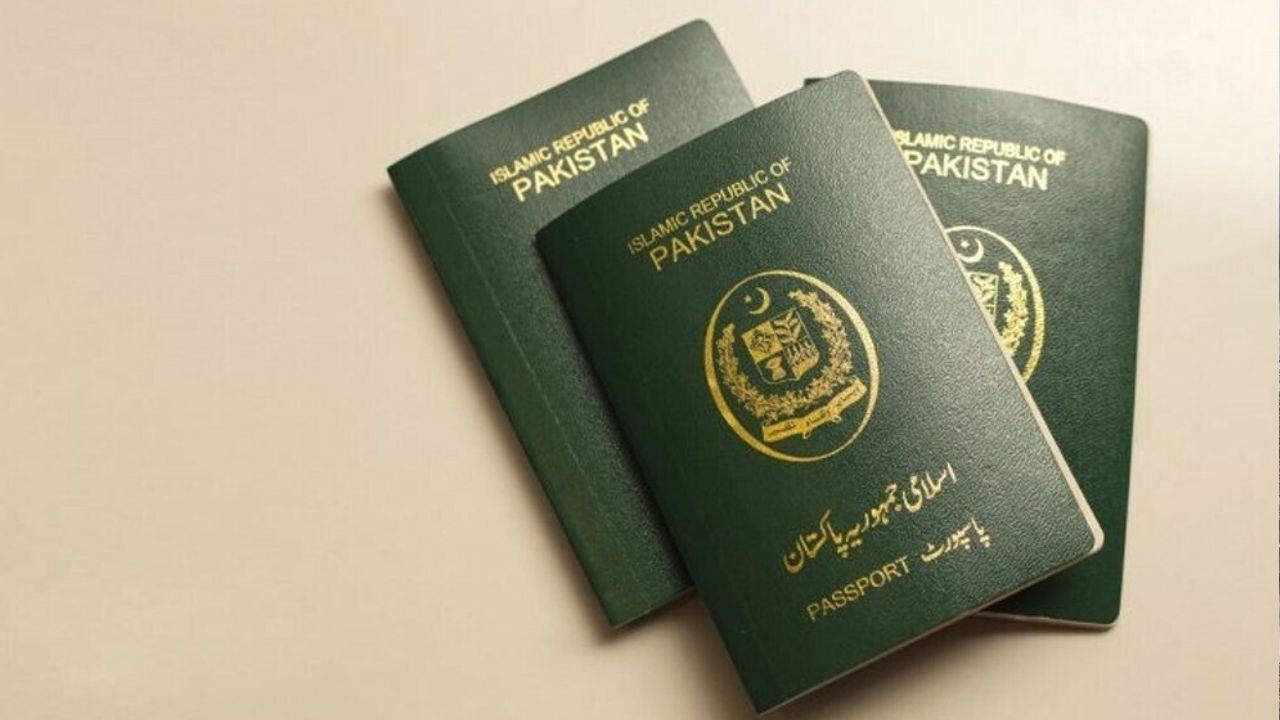
    Directorate General of Immigration & Passports Mustafa Jamal has recently revealed that a married woman must have her husband’s name on her passport as per law. He revealed that modifications will be made in the passports, with an addition to a section to insert a former husband’s name.

    While talking on Geo Pakistan, Jamal also said that there has been an issue with the machinery used in making passports, and the department has ordered new printers.

    According to the DG, the backlog of passports will be cleared soon, and 75,000 passports are processed on a daily basis.

    He also said that running 24 hours shifts seven days a week, we have a daily passport print capacity of 25 thousand.

  • Nearly 230,000 children, new mothers risk dying of hunger in Sudan: NGO

    Nearly 230,000 children, new mothers risk dying of hunger in Sudan: NGO

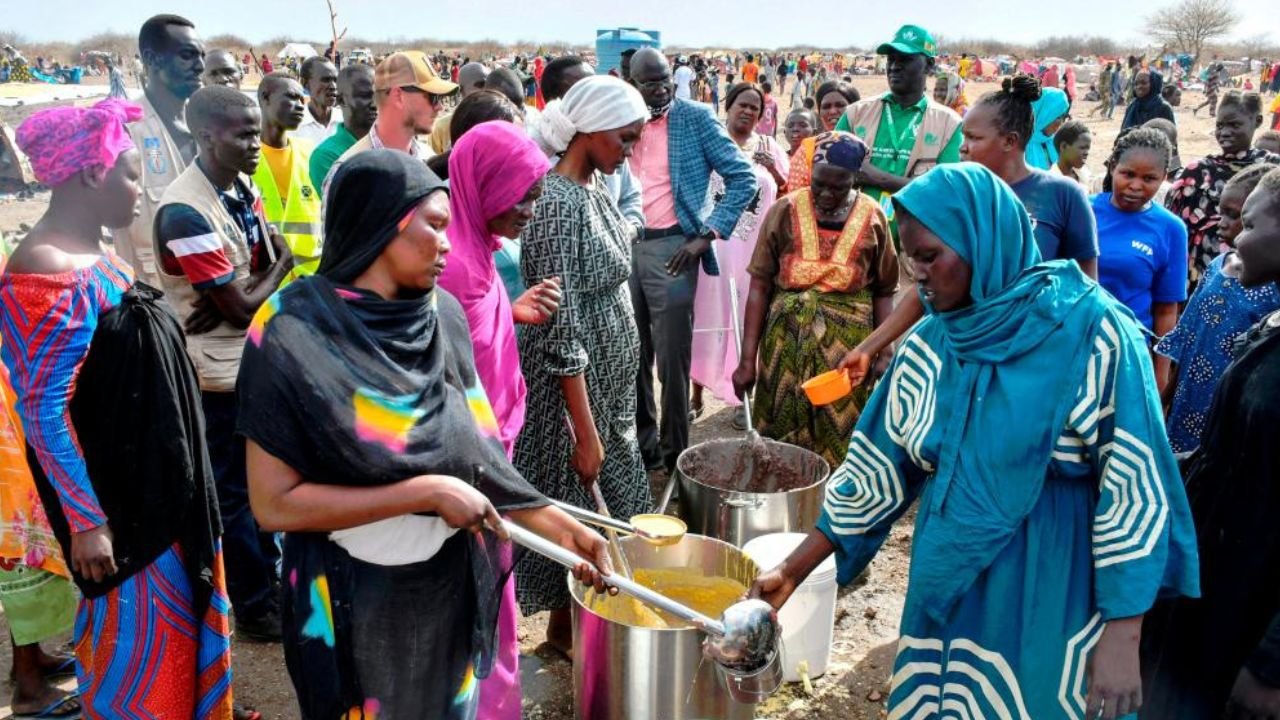
    Without critical action, nearly 230,000 children and new mothers in war-ravaged Sudan are “likely to die from hunger”, Save the Children warned on Wednesday.

    Nearly 11 months of fighting between the forces of two rival generals has killed thousands and displaced eight million people in the northeast African country, the United Nations says.

    The bombing and destruction of fields and factories have plunged Sudan into “one of the worst” nutrition situations in the world, said Arif Noor, Save the Children’s country director in Sudan.

    “Nearly 230,000 children, pregnant women and new mothers could die in the coming months,“ the British non-governmental organisation said.

    The charity said “more than 2.9 million children in Sudan are acutely malnourished and an additional 729,000 children under five are suffering from severe acute malnutrition — the most dangerous and deadly form of extreme hunger”.

    It warned “about 222,000 severely malnourished children and more than 7,000 new mothers are likely to die” under the current levels of funding which “only covers 5.5 percent” of Sudan’s total needs.

    The United Nations’ World Food Programme sounded the alarm on Sudan this month, warning the war risked triggering the world’s largest hunger crisis.

    The conflict, which experts have warned could last years, is being fought between Sudan’s army chief Abdel Fattah al-Burhan and Mohamed Hamdan Daglo, his former deputy and commander of the paramilitary Rapid Support Forces (RSF).

    Noor warned the situation would only worsen as the consequences of the current fighting take hold.

    “No planting last year means no food today. No planting today means no food tomorrow. The cycle of hunger is getting worse and worse with no end in sight — only more misery,“ he said.

    Already, more than half of all Sudanese, including 14 million children, require humanitarian assistance to survive, the United Nations says.

    The UN has described a “climate of sheer terror”, reporting the use of heavy artillery in densely populated urban areas, sexual violence as a weapon of war, the destruction of hospitals and schools.

    The United States has accused both sides of war crimes and alleged the RSF has carried out ethnic cleansing and crimes against humanity.

    A report before the UN Human Rights Council details gross violations and abuses of international human rights law and possible war crimes.

    Earlier in March, the UN’s human rights chief Volker Turk called the conflict a “living nightmare” and said it had “slipped into the fog of global amnesia”.

    The conflict has driven 18 million people into food insecurity, including five million who are only one stage away from famine.

    Humanitarian organisations have been prevented from entering Sudan or moving freely and have come under attack by both sides. – AFP

  • Mark your calendars: Aurat March is around the corner!

    Mark your calendars: Aurat March is around the corner!

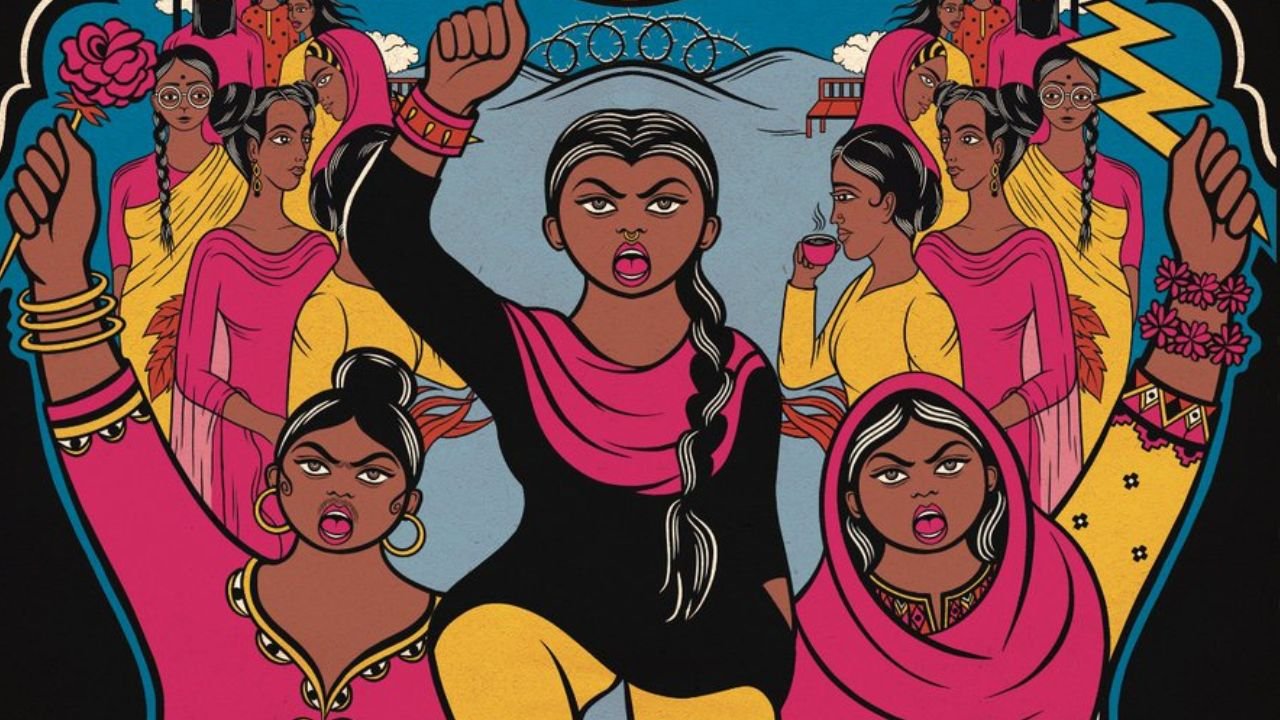
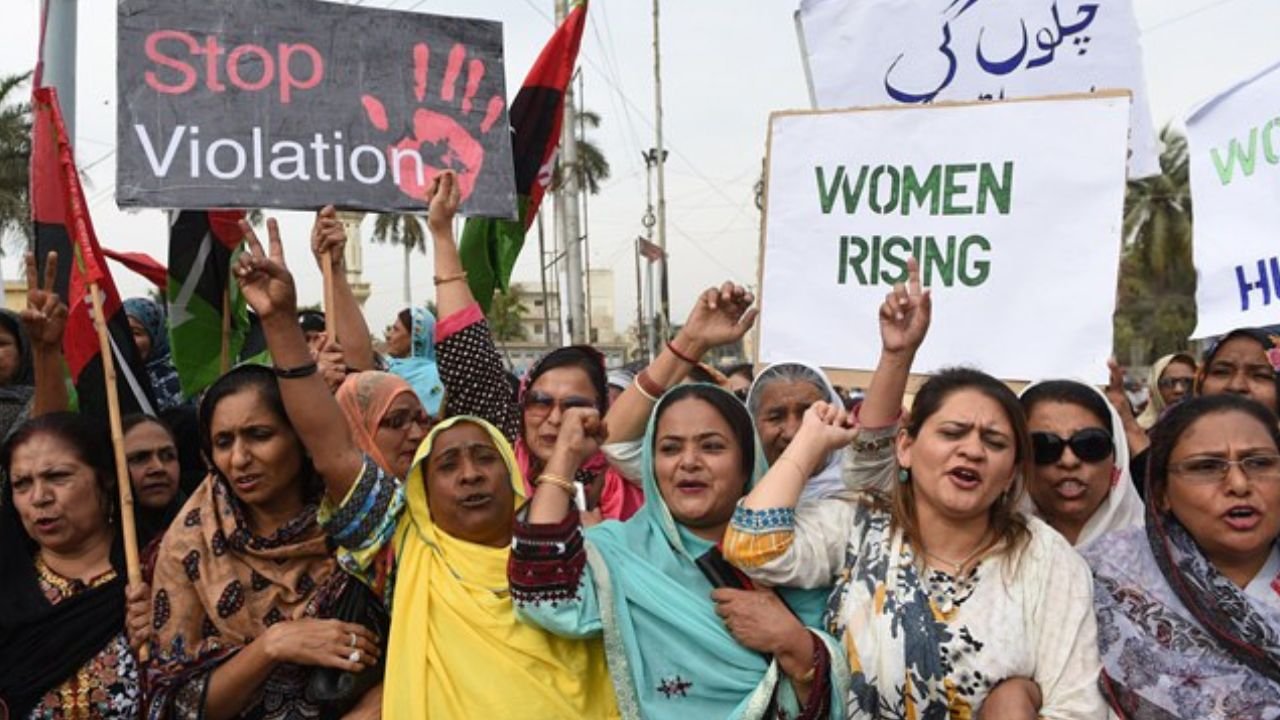
    March is finally here which means that 8th of the month is Women’s Day around the world and in Pakistan, Aurat March in major cities will walk through the streets to remind the state and the society of the due rights of women and minorities of the country.

    Where and when to join Aurat March?

    Lahore
    Time: 8th March, 2 pm
    Place: Lahore Press Club

    Karachi
    Time: 2:30 pm
    Place: Frere Hall

    Islamabad
    Time: 2 pm
    Place: Islamabad Press Club

    Multan
    Time: 3 pm
    Place: Nawan Shehar Chowk

    What are the demands this year?

    Lahore

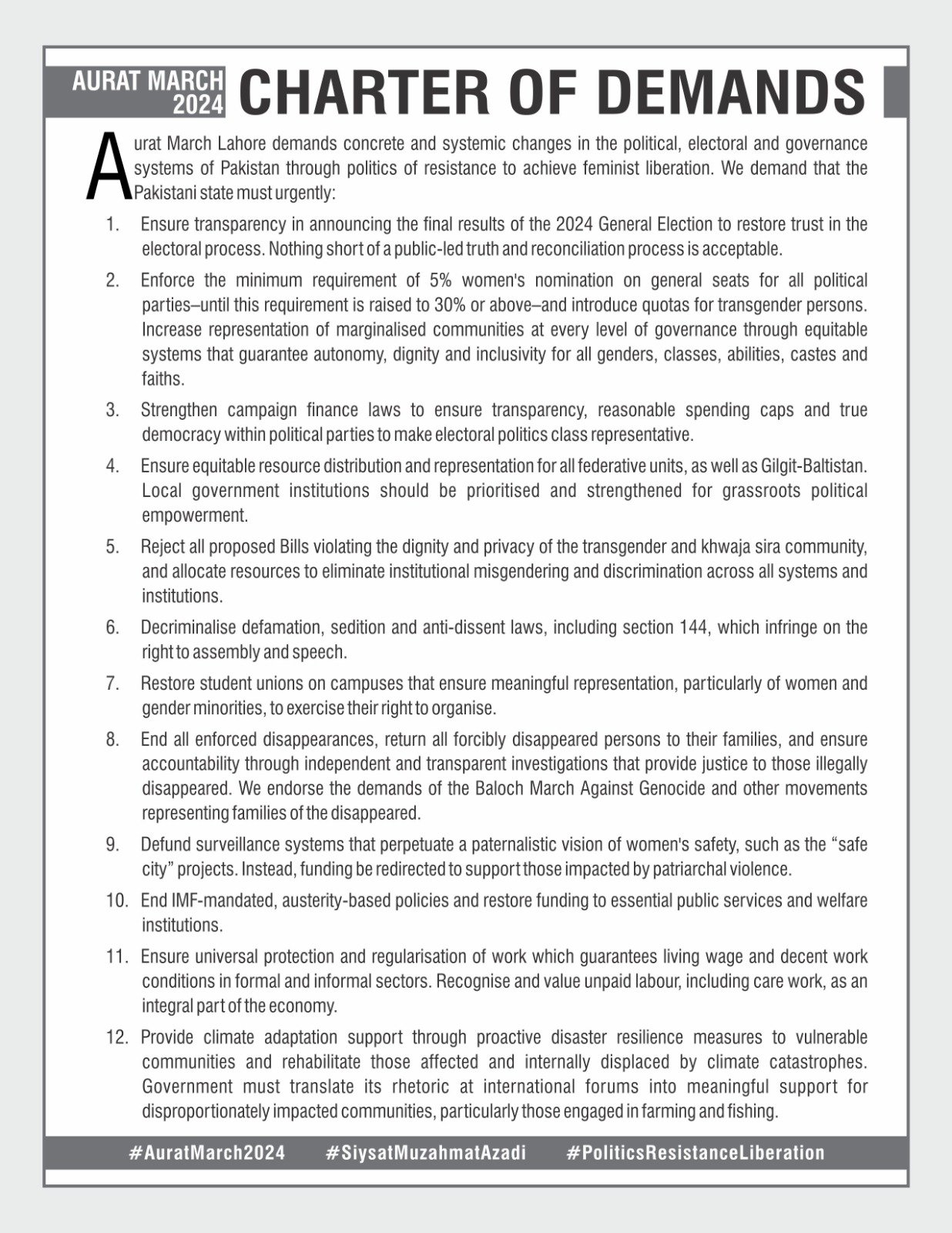
    This year, Lahore based its theme on “Siyasat, Muzahamat aur Azadi” which means that the manifesto addresses the electoral politics (in the light of the recent General Elections of Pakistan back in February 8), as well as asserts on the re-envisioning political participation where “oppressed groups and communities on the margin take center stage.”

    Here are the demands by Aurat March Lahore:

    Karachi

    In Karachi, Aurat March will focus on domestic violence, sexual violence, enforced disappearances, extrajudicial killings, land grabbing, state-sponsored poverty, religious extremism, repression of gender and body politics, fascistic capture of politics and everything “the patriarchy subjects us to under its militaristic control of our bodies.”

    Islamabad

    The capital’s theme this year is Resistance and Hope:

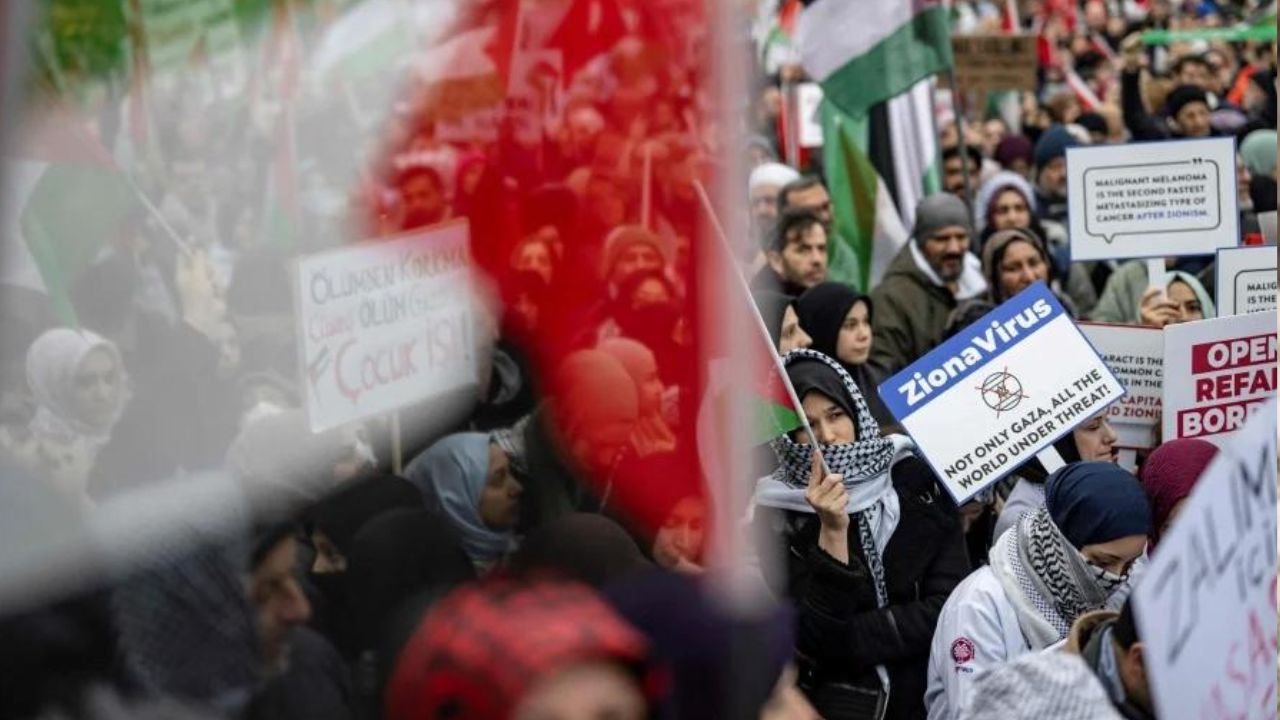
    Calling on to end enforced disappearances; promoting “hope and world peace” in light of Israeli genocide in Gaza; end to gender-based violence; to take action against cyber harassment targeting women, minorities, and children with effective legislation; end to period poverty by making period products accessible for all and provind period education in school; economic justice i.e. integrating women’s reproductive labour into country’s Gross Domestic Product (GDP), formalisation of informal sector to ensure work standards and safe working environment, action against child labour, wage regularisation, right to unionisation, and allocation of funds to rehabilitate women farmers, shopkeepers, small landlords; improved access to universal education and healthcare; political rights of women; as well as rights of religious minorities.

    Read the details on the demands by Islamabad here:

    Multan

    With the main focus on climate justice right and economic liberation, here are the demands by the city of Multan this year:

    1. Education for All: Guarantee education for girls up to the age of 16, ensuring equal access to knowledge and opportunities.
    2. Right to Identity: Ensure that all men, women, and transgender people in Siraiki Wasaib have their identity cards without any hindrance from the state.
    3. Combat Harassment: Form active committees against sexual harassment in educational institutions and workplaces, enforcing strict adherence to anti-harassment laws.
    4. Student Empowerment: Lift the ban on student unions in universities across Pakistan, allowing students to exercise their rights and have a say in their education. Also, Establish new colleges and universities with equitable access for all, fostering an environment of learning and growth.
    5. Inclusive Infrastructure: Implement accessible architecture in schools, government offices, and public spaces, catering to the needs of people with disabilities.
    6. Fair Wages: Enforce inflation-adjusted and gender-conscious minimum wage policies, promoting economic justice for all.
    7. Protect Domestic and Small Industry Workers: Safeguard the rights of domestic workers, particularly young girls, from exploitation and abuse.
    8. End Early Marriage: Enact laws against early marriage and forced religious conversion, setting the legal marriage age to 18.
    9. Transgender Rights: Implement the Transgender Rights Act 2018, ensuring equality and protection for transgender individuals.
    10. Political Victimisation: Stop the unjust targeting and unlawful detention, especially of women, for political reasons.
    11. Women’s Protection: Fully implement the Women Protection Bill and expedite the completion of Women Crisis Centers in Multan.
    12. Holistic Education: Incorporate human rights, climate change, and gender education into the high school curriculum, fostering awareness and understanding.
    13. Healthcare Access: Ensure accessible healthcare and employment opportunities, along with childcare facilities for women in both government and non-government sectors.
    14. Remove Taxes: Eliminate taxes on women’s hygiene products and essential items, relieving financial burdens on women.
    15. Worker Rights: Abolish the exploitation of various marginalized groups, including brick kiln workers, farmers, journalists, and factory workers.
    16. Combat Terrorism: Take legal action against activities that terrorize women, ensuring the rule of law prevails.
    17. Judicial Representation: Increase the number of women judges, particularly in the Lahore High Court, Multan, and Bahawalpur Benches, promoting gender parity in the judiciary.
    18. End Corruption: Eradicate corruption and mistreatment of women in social support programs.
    19. Report Mechanisms: Establish effective portals to report incidents of harassment and violence against women, ensuring swift action and justice.
    20. Religious Freedom: Protect religious places and minorities from desecration and criminal acts, upholding fundamental freedoms for all.
    21. Child Protection: Implement stringent measures to prevent the sexual abuse of children, safeguarding the innocence and well-being of our youth.
    22. Safe Spaces: Ensure the fundamental freedoms and protection of women in Dar ul Aman and working women hostels, providing safe havens for those in need.
    23. Digital Access: Declare internet access as a fundamental right and bridge the digital divide, ensuring equitable access to technology for all.
    24. Combat Stereotypes: Eliminate gender stereotypes in educational materials, electronic media, and social platforms, promoting equality and diversity.
    25. Justice for All: Pay homage to human rights leaders like Rashid Rehman and demand justice for those who have sacrificed for the cause of equality and justice.
  • UN experts urge probe of Israeli abuses of Palestinian women, girls

    UN experts urge probe of Israeli abuses of Palestinian women, girls

    Geneva, Switzerland – UN rights experts called Monday for an independent probe into alleged Israeli abuses against Palestinian women and girls, including killings, rapes and sexual assault.

    The statement by the seven independent UN experts prompted an angry reaction from Israel, which rejected the “despicable and unfounded claims”.

    The experts voiced alarm at “credible allegations of egregious human rights violations” targeting women and girls in the Gaza Strip and the West Bank.

    They cited reports of women and girls reportedly being “arbitrarily executed in Gaza, often together with family members, including their children”.

    “We are shocked by reports of the deliberate targeting and extrajudicial killing of Palestinian women and children in places where they sought refuge, or while fleeing,” they said.

    The independent experts, who are appointed by the UN Human Rights Council but who do not represent the United Nations, also pointed to the “arbitrary detention of hundreds of Palestinian women and girls”, including human rights defenders, journalists and humanitarians.

    They said many of those detained had reported been subjected to “inhuman and degrading treatment”, including severe beatings and being denied menstrual pads, food and medicine.

    They voiced particular alarm at reports of “multiple forms of sexual assault”, including reports of rapes of at least two female detainees, while others were “stripped naked and searched by male Israeli army officers”.

    Israel’s assault on Gaza has killed more than 29,000 people, mostly women and children, according to the health ministry.

    The experts called for an “independent, impartial, prompt, thorough and effective investigation” into the allegations, urging Israel to cooperate.

    The Israeli mission in Geneva dismissed the statement saying the experts were “motivated by their hatred for Israel, not by the truth”.

    It said Israeli authorities had received no complaints, but stood ready to investigate any “concrete claims of misconduct by its security forces when presented with credible allegations and evidence”.

  • In a first, man sentenced to three years in jail for marital rape

    In a first, man sentenced to three years in jail for marital rape

    In a legal first, a man has been sentenced to three years in jail after he was found guilty of having non-consensual sex with his wife, a punishable act under Section 377 (unnatural offences) of the Pakistan Penal Code, The News has reported.

    Additional Sessions Judge (South) Ashraf Hussain Khowaja announced the reserved judgment in Karachi after recording evidence and final arguments from both the defence and prosecution sides.

    He sentenced the convict named Javed to three-year rigorous imprisonment and ordered him to pay a Rs30,000 fine. If he fails to pay the fine, he would have to undergo an additional one month of simple imprisonment.

    “From a perusal of evidence brought at the trial by the prosecution, it appears that the victim has fully established a commission of sodomy with her by the accused being her husband,” the judge observed.

    “Though the victim/complainant contradicted some facts relating to the period of her stay with the accused, putting her signature on the memo of site inspection at PS, suffering from disease of piles and her age which are immaterial facts which would not be fatal to the prosecution case,” he added.
    The judge noted the medical evidence supported this version. On the other hand, he said the accused failed to establish “enmity” that her wife loved somebody else and therefore she implicated him falsely. The convict’s sisters who appeared as defence witnesses failed even to disclose the name of the alleged affair of the victim, he added.

    The victim testified that her husband would commit sodomy with her despite her attempts to stop him. About two months after their marriage, she informed her mother-in-law, who didn’t say anything to him, she said, adding that then she disclosed her ordeal to her sister and brother, after which she lodged an FIR against her husband on November 23, 2022.

    Advocate Bahzad Akbar of the Legal Aid Society, who represented the complainant, contended that sodomy falls within the definition of rape and marital rape in this case after an amendment brought to Section 375 of the Pakistan Penal Code in 2021.

    He said that the woman’s testimony and medical evidence corroborated the charges against the accused, requesting the judge to punish Javed as per the law.
    “I am not sure about other provinces but this is certainly the first such conviction over marital rape in Sindh following the amendment,” he told The News.
    He added there are no known convictions on charges of marital rape in the country. An FIR had been lodged under Section 377 of the PPC at the Chakiwara police station on the woman’s complaint.

  • Rates of violence against women, children remain alarming in 2023

    Rates of violence against women, children remain alarming in 2023

    2023 was another difficult year for the women of Pakistan who routinely have to battle against violence and discrimination. 

    In November, UN Women’s Gender Snapshot 2023 report revealed that 245 million women and girls are subjected to physical and/or sexual violence from their intimate partners each year, adding that a “staggering 86pc of women and girls live in countries without robust legal protections against violence, or in countries where data are not available”.

    This violence is not limited to women and girls but extends to boys as well. Back in August, Sahil, an NGO, reported that an average of 12 children per day (or one every two hours) faced sexual abuse in Pakistan in 2023 whereas 2,227 cases of child sexual abuse were traced between January and June this year.

    Here are some of the pertinent cases from the year 2023 that took over the headlines:

    1. Fatima Case

    A domestic maid, 10-year-old Fatima Phuriro, was found dead under suspicious circumstances in Ranipur.

    The child had been working as a domestic worker at a haveli owned by an influential local, Pir Asad Shah Jilani.

    It was not until videos of the child were leaked by an unknown source and circulated in social media that the case caught the media’s eye. By then, the family had buried Fatima on August 15.

    The body was later exhumed and sent for an autopsy which revealed that the girl had been raped both vaginally and anally.

    The suspects are in custody. 

    2.  Rizwana

    Rizwana, 14, had been allegedly assaulted and abused while working at a civil judge’s home in Islamabad, after she was accused of stealing jewellery. Rizwana’s family revealed that the girl was not paid a single penny by the family for the extensive workload she was doing and was instead subjected to violence.

    Islamabad Police recorded Rizwana’s statement at the Child Protection Bureau in Lahore where she alleged that the judge himself beat her up, hitting her head against the wall, while his wife and children would also assault her.

    3. F9 park incident

    In February, a girl went to Islamabad’s F-9 park along with her male colleague when two men stopped them at gunpoint and took them to a heavily wooded area where they beat her, raped her and told her to “not come to the park at this time”.

    In her FIR, the girl said that the men told her to “not come to the park at this time”.

    The incident sparked anger and protests as women questioned the security in the capital of the country.

    4. Sara Malik

    The year started with the news that a body was found near Farhan Shaheed Park at Seaview, Karachi, in January. Identified as Sara Malik, the 23-year-old employee worked at a veterinary hospital in DHA 8. Registration of a murder case was recorded under Section 302 (premeditated murder) of the Pakistan Penal Code after further investigations.

    Malik initially went missing from Karachi’s Seaview beach and the police reportedly claimed that she might have committed suicide by jumping into the sea but according to police officials, Dr Shan Saleem, who was nominated in the case, confessed to killing her after sexually assaulting her.

    5. Principal raping women

    The principal of a private school in Gulshan-i-Hadeed, Karachi, was taken into custody in September after allegations of raping and blackmailing women.

    Steel Town police Station House Officer (SHO) Nand Lal told media that the school principal was detained as videos of the alleged rape incidents made rounds on social media.

    The principal has admitted to the allegations that he raped women after promising them job opportunities, then recording their videos to blackmail them.

    It was also revealed that more than 45 women were identified in connection with the case as Irfan allegedly blackmailed the women in order to commit these crimes.

    The public prosecutor contended that the case is indicative of a planned scheme.

    6. Andaleeb Fatima

    Andaleeb Fatima, 13, was named as the victim in an FIR filed by her mother, Khalida Bibi, a resident of Chiniot in Punjab. Andaleeb had been working for the female suspect since July of this year and according to her mother, she was unable to talk to her daughter since was not allowed to do so by her employer.

    It was only when Khalida Bibi visited Fatima after several unanswered calls that she found out about the torture inflicted upon her daughter. She found bruises on different parts of her daughter’s body. Fatima told her mother that her employer routinely beat her and tormented her with a hot spoon. She also locked her up and did not feed her food.

    7. Special needs children

    A nine-year old child with special needs was raped and murdered in Korangi, Karachi.

    According to Zaman Town police, the body was found in the “rear seat of a parked Suzuki Cultus car. The body was bluish and foaming from the mouth”.

    Police surgeon Dr Summaiya Syed reported that the child was differently abled with a right hand deformity. “There were multiple injuries all over the body and findings are suggestive of anal sexual abuse,” she revealed.

    Similarly, a 12-year-old student with special needs was sexually assaulted in a school for special children in Rawalpindi.

    8. Raped during job application

    In January, a woman in Lahore was gang-raped after being lured for a job. The culprits recorded videos of the immoral act to blackmail the victim.

    The defendant, Khalil, had invited the woman to travel to Kot Khawaja Saeed Hospital for a meeting and had given her a job. As soon as she arrived, the suspect led her to a house where he and two other accomplices forced her into a room and raped her on gun point.

    According to the FIR, the woman alleged that the suspect had also videotaped the immoral behaviour and had told her not to call the police.

    9. Burnt alive

    Shumaila, the woman who was burnt alive by her husband Naseer and his first wife Robina died in a hospital in Lahore. She was admitted to a hospital but could not survive the severity of her burns. The incident happened in a village near Gujranwala, Chak Behlol.

    Further investigation revealed that she got divorced from her first husband to marry Naseer who was already married. The constant tussle between the two wives led to this tragic situation where she was burnt alive by Naseer and his first wife in the presence of a crowd of villagers who kept making videos.

    Naseer was taken into custody by the police.

    10. Boys

    In June, a cleric in Lahore’s Raiwind area tried strangling an eight-year-old to death after after he had repeatedly raped him in his madrassah.

    The FIR, revealed that the accused Qari Muhammad Rizwan fractured the child’s arm while he was torturing him and had then pushed the boy down stairs from the first floor to the ground floor, which led to severe head injuries that made the boy unconscious.

    11. Honour Killing

    In September, a married woman from the Alkani tribe was allegedly killed by her husband and his allies over ‘honour’. The stoning took place in the limits of Chucha Border Military Police (BMP) station in the tribal area of Rajanpur district after the woman was accused of adultery with a man, leading to her husband killing her, along with her brother-in-law and their accomplice. They reportedly smashed her head with stones and clubs.

    In October, a newlywed couple was shot dead inside a mosque in Jhelum.

    Rehman Rasool and Safia recently eloped to get married of their own free will. They were then called in by the girl’s family for reconciliation. Sensing the possible threat, the two of them took refuge in a mosque’s courtyard but got gunned down by the family, nevertheless.