Tag: women rights

  • Baby’s head cut in womb in Tharparkar

    Baby’s head cut in womb in Tharparkar

    A 32-year-old Hindu woman from a village in Chhachhro, Tharparkar, delivered a dead breech baby girl at a charity hospital on June 16.

    Breech delivery is when a baby’s bottom comes out first during the delivery.

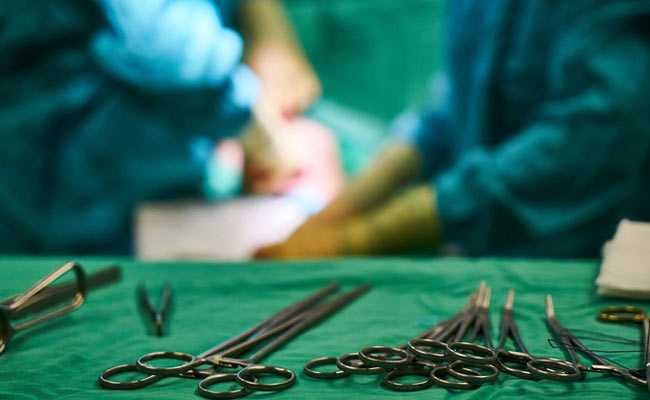
    In Chhachhro the hospital staff tried to deliver the breech baby’s head for half an hour but failed. After failing to deliver the rest of the baby, the hospital staff cut off the head before the mother was sent to Mithi hospital. The procedure was done in the absence of a gynaecologist and female staffers. The woman was then taken to the Mithi district headquarters hospital, where she was advised to rush to Liaquat University of Medical & Health Sciences, Jamshoro (LUH), which was 220 km away from Mithi. Altogether, she had to travel 319 km with the baby’s head inside her womb.

    According to the baby’s father, they had an X-ray taken from a hospital, where the doctor had told him that his wife would have an operation because the baby was upside down in the mother’s womb. According to him, the doctor also told him the date of delivery. He said that as soon as his wife’s condition deteriorated, he took her to a local midwife who said that she was not feeling well, after which he took his wife to the hospital.

    In LUH, an abdomen surgery was performed on her and the baby’s head was taken out after 18 hours of back-to-back delivery pains. This was the woman’s fifth child who died during delivery.

    Prof Dr Raheel Sikandar of LUH said that usually breech babies are delivered and they survive. According to him, the woman had a ruptured uterus.

    “Healthcare providers [in Chhachhro] might have tried to save the baby, but in vain. The baby’s head was entrapped. In such breech baby cases, deaths occur in one minute if they are not fully delivered.”

    “The baby’s buttocks and legs were fully developed, but unfortunately it was a dead breech baby,” Dr Sikandar added. However, the woman’s life has been saved. She is currently admitted to the gynecology unit of LUH.

    The charity hospital in Chhachhro said that while the nurses were cleaning the patient, the dead baby’s torso detached from the neck because the neck had already been broken. They revealed that at the time they didn’t have any gynaecologist, which is why they could not operate. The hospital further claimed that the woman’s family was told to go to Mithi but they insisted on getting the treatment at the charity hospital, reports BBC Urdu.

    Action taken by the authorities:

    A notification issued by the Director-General (DG) Sindh Health on Saturday stated: “The fetus was not in a cephalic position. So the head got stuck after delivering the torso because the delivery was done by inexperienced hands.” DG Sindh Health said that an investigation has been started in which the statements of the staff of the missionary hospital have been recorded. An inquiry was also ordered by the provincial health secretary.

    Pakistan has the highest infant mortality rate in South Asia. According to the United Nations International Children’s Emergency Fund (UNICEF), the country reported 54 infant deaths per 1,000 live births.

    News of infant deaths and the non-availability of doctors in hospitals have been circulating in the media for the last decade in Tharparkar. Several times, this issue was brought up in the Supreme Court (SC), High Court, and the Sindh Assembly but all in vain.
  • Taliban orders TV presenters to cover their faces on air, Twitter protests

    Taliban orders TV presenters to cover their faces on air, Twitter protests

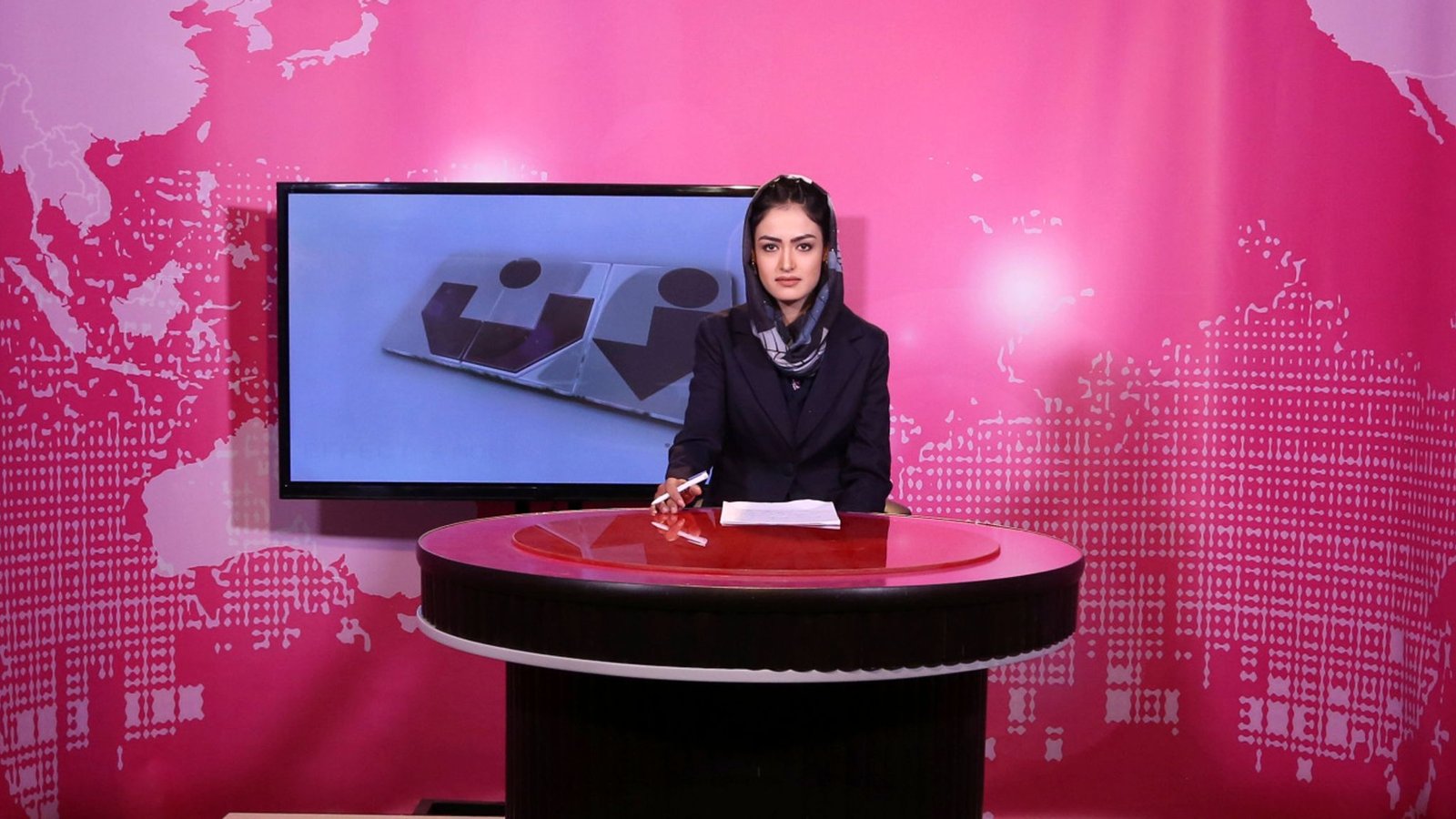
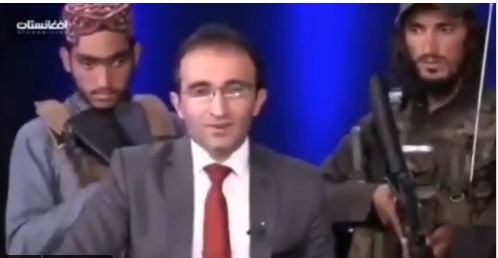
    Taliban authorities issued a decree on Wednesday, ordering female Afghan TV presenters and other women on screen to cover their faces while appearing on air.

    The Afghan spokesman of the Ministry for the Prevention of Vice and Promotion of Virtue announced that it will be mandatory for all women in the country to cover their faces in public, including those who appear on the screen. The new decree will take effect from 21 May, reports Reuters.

    One female Afghan journalist working for a local TV station in Kabul told BBC, “They are putting indirect pressure on us to stop us presenting on TV.”

    “How can I read the news with my mouth covered? I don’t know what to do now but I must work, I am the breadwinner of my family,” she added.

    The spokesman referred to the ruling as “advice” as it is not clear what will happen to anyone who fails to comply. “Based on information received by Tolo news, the order has been issued to all media outlets in Afghanistan.”

    The decision is being widely criticised on Twitter, many people calling it another step by the Taliban to promote extremism.

    https://twitter.com/GirlFrmKandahar/status/1527314957603586048?s=20&t=r4iohvWbRdMzY75VbhVVPQ
    https://twitter.com/Zhalsarmast/status/1527575760705204225?s=20&t=r4iohvWbRdMzY75VbhVVPQ

    https://twitter.com/GaheezSaapai/status/1527434149362946048?s=20&t=r4iohvWbRdMzY75VbhVVPQ

    It is pertinent to mention that this recent ruling has come two weeks after all women were ordered to cover themselves from head to toe in public.

  • Pakistan wants to ensure rights to the women of Afghanistan: Bilawal Bhutto

    Pakistan wants to ensure rights to the women of Afghanistan: Bilawal Bhutto

     Foreign Minister (FM) Bilawal Bhutto-Zardari has said that Pakistan wants to ensure rights to the women of Afghanistan.

     The foreign minister in an interview with CNN’s Christiane Amanpour said, “I see women’s rights or women’s rights to education as rights granted to us in Islam. We’ll be emphasising that the Taliban keep their international commitments and ensure rights to the women of Afghanistan because these are rights guaranteed to women in Islam,” Bilawal said when he was asked if Islamabad had engaged with the Afghan Taliban on how Muslim countries can give rights to women.

    The minister said it wasn’t an issue of the West. He also said that the first word in Quran is ‘Iqra’, which means to read. “Nowhere is it written that only men should read. We are all meant to pursue our path to education.”

    FM Bilawal said that Islamabad is looking to the Taliban regime in Afghanistan to play its role in discouraging the increase in terrorist activity on Pakistan’s side of the border.

    “We continue to not only monitor this situation but work on our side to ensure that we can try to tackle the threat of terrorism and hope that the regime in Afghanistan lives up to their international commitment to not allow their soil to be used for terrorism.”

    “We must prioritise, alleviate the humanitarian crisis, ensure there’s no economic collapse and hold the Taliban regime to the international commitments. It was not Pakistan, but the United States who had direct communication with the Taliban regime before their takeover of Kabul. Pakistan and the international community believe it will not serve any of our interests if we abandon the people of Afghanistan once again,” said Bilawal.

    “We all believe, Pakistan believes and the international community believes, they will not serve any of our interests if we abandon the people of Afghanistan, once again,” said Bilawal.

  • Shireen Mazari accuses Aurat March of being ‘foreign funded’ over political stance

    Shireen Mazari accuses Aurat March of being ‘foreign funded’ over political stance

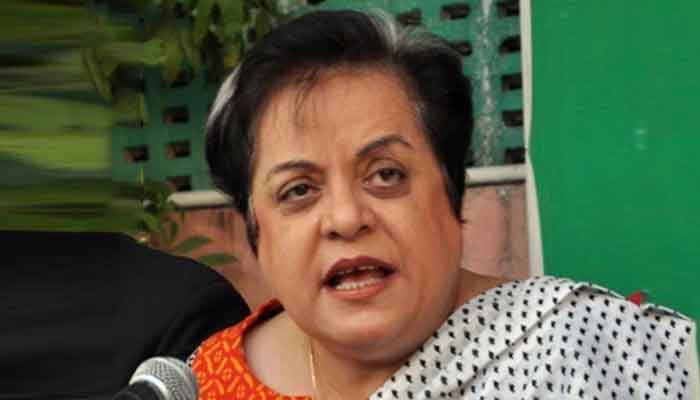
    While reacting to Aurat March’s statement in which the forum strongly condemned the constitutional crisis in Pakistan and the dissolution of the National Assembly (NA), Federal Minister Shireen Mazari dropped a controversial tweet.

    A day earlier in a tweet, the Aurat March criticised Prime Minister (PM) Imran Khan, saying: “We condemn the political circus that has been kicked off due to the fragile masculine ego of a person who has sabotaged democratic processes just to save the perception of his individuality and to stage a dirty manoeuvre for his comeback to power.”

    The statement clearly didn’t sit well with Mazari. She replied in disagreement, saying that “This [statement] shows Aurat March has little to do with genuine issues faced by women in Pakistan and more with politics and political agendas. Since many here have NGOs funded from abroad this statement, while condemnable, is not surprising. Fact is the US sought regime change and we do not accept it.”

    Indirectly hinting at Mazari, Aurat March Lahore released a brief statement, saying, “We cannot be asked to stay in our lane when the politics of this country deeply impact us.”

    The statement reads, “Aurat March does not accept funds from, partner with, or endorse any political party, NGO or corporation. We reject the idea that activism should be apolitical.”

    “We will continue to engage with politics, not only because it has a tangible impact on our lives, safety and wellbeing but because we are unafraid to stand up to institutions of political power,” the statement further reads.

  • Pakistani women don’t get their rights as traditions adopted from India: PM Khan

    Pakistani women don’t get their rights as traditions adopted from India: PM Khan

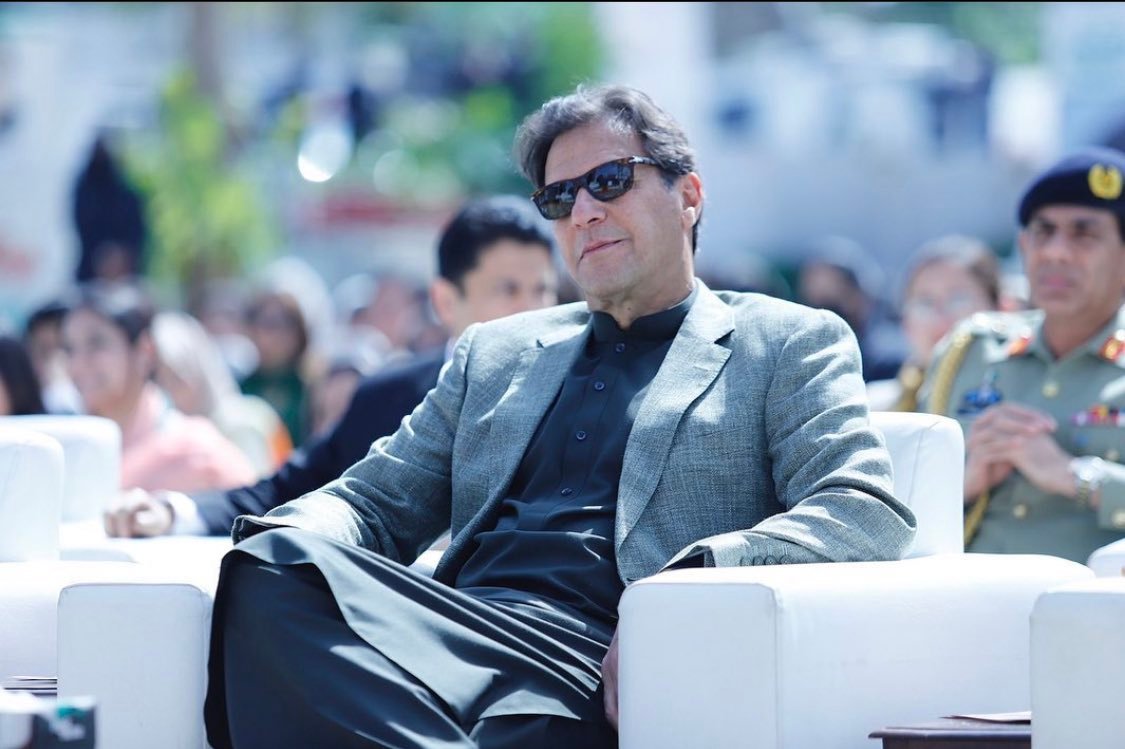
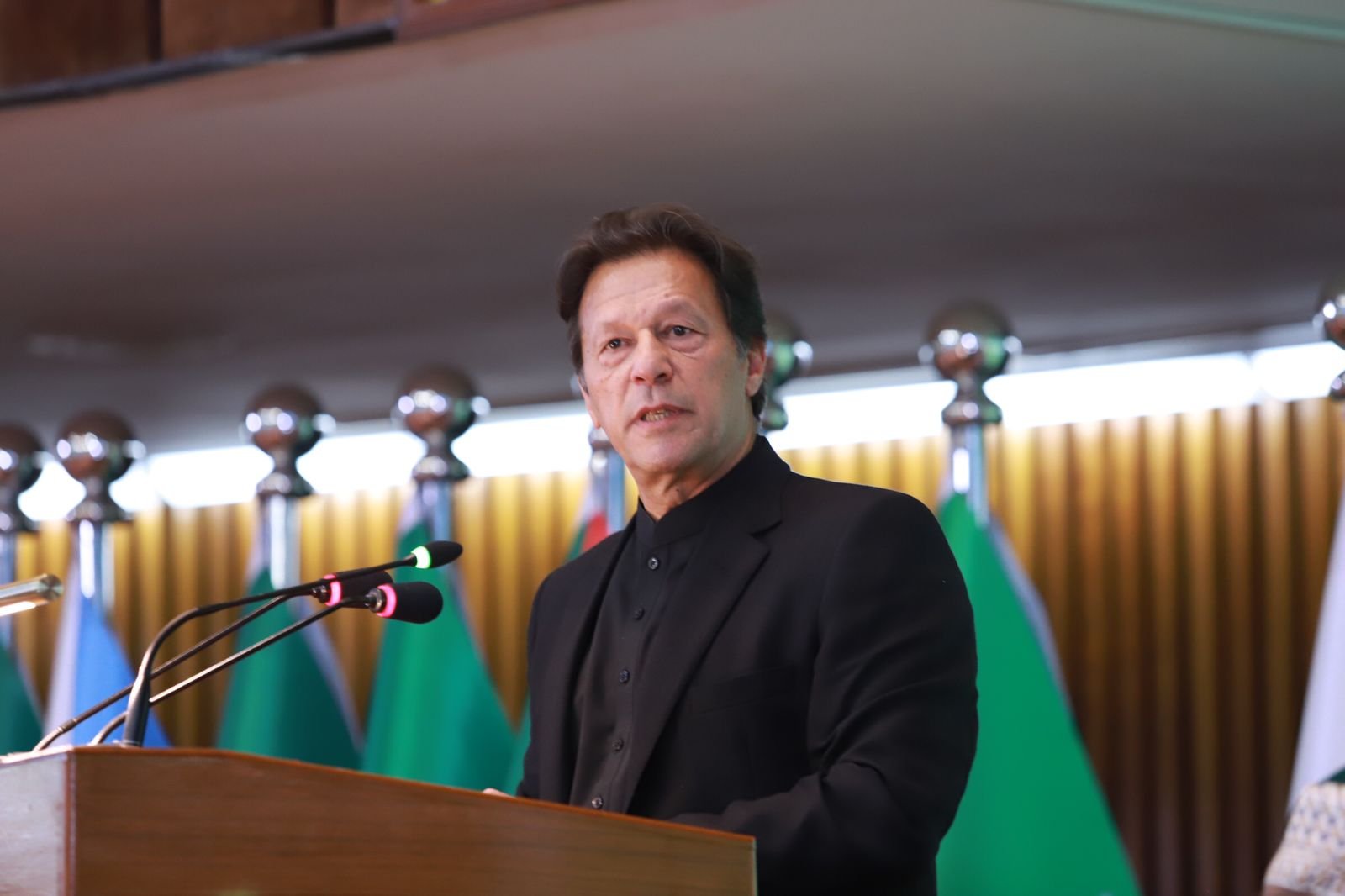
    Prime Minister (PM) Imran Khan, at a ceremony in Rawalpindi’s Fatima Jinnah University to celebrate International Women’s Day, said that when the history of Pakistan Tehreek-e-Insaf (PTI) will be written, the only party that shall be known to have empowered women will be PTI.

    PM Khan said that most Pakistani women don’t get their rights and that is because the country has adopted traditions from India, where women were considered men’s property.

    “Indian women used to be burned alive (Satti) with the body of her husband if he died,” said PM Khan, adding that Islam gives more rights to women.

    Praising his mother, PM Khan said, “I am what I am today because of my mother.”

    “My mother was educated, if she had not made me sit and do my homework, I would have never studied in the first place,” said the prime minister.

    “Education is also important along with the protection of their rights,” said PM Khan.

    The premier further said that rule of law is the biggest issue in Pakistan.

    PM Khan, criticising the former leader of Pakistan, said, “The powerful desires NRO and threaten to topple the government if they don’t get it but I will not give them that as long as I am alive.”

    “No matter what these robbers do, try as much as they can or plan any strategy, I am ready,” he said in reference to the Joint Opposition’s efforts to table a no-trust motion against the incumbent government.

  • No transport for women travelling without hijab, male relative: Taliban

    Afghanistan’s Taliban leadership has announced that women who seek to travel long distances should not be offered transport if they are not wearing hijab and are not accompanied by a close male relative, reports Agence France-Presse (AFP).

    The guidance was issued on Sunday by the country’s Ministry for the Promotion of Virtue and Prevention of Vice. The ministry spokesman Sadeq Akif Muhajir told AFP: “Women travelling for more than 72 kilometers (km) should not be offered a ride if they are not accompanied by a close family member.”

    Previously, the government had also called on women TV journalists to wear hijabs while presenting. They also directed people to stop playing music in their vehicles.

    Taliban also banned women from acting in dramas due to which they received immense backlash.

    Since August, the Taliban have been imposing severe restrictions for women in the country despite promising the fulfillment of their rights.

    However, activists hope that the Taliban’s battle to gain international recognition and get aid flowing back into Afghanistan will lead to them making concessions to women.

  • ‘Human rights and women rights are different’: PM Khan

    ‘Human rights and women rights are different’: PM Khan

    Prime Minister (PM) Imran Khan during his address at the 17th extraordinary session of the Organisation of Islamic Cooperation (OIC) said that human rights and women’s rights are different.

    “We must understand that when we talk about human rights, every society is different, every society’s idea of human rights and normal rights is different,” said PM Khan.

    “The Pakhtunkhawan province, which borders Afghanistan because the culture is similar because there the Taliban are predominantly the Pashtun movement and there are more Pashtuns on our side of the border,” said the premier, adding, “The city culture is completely different from the rural culture.”

    https://twitter.com/mSaleemJaved/status/1472515320850038785

    “Culture in Kabul was always different to culture in rural areas. Just like in Peshawar it is completely different from the culture to the district adjoining the Afghanistan border,” said the prime minister.

    “I will give you an example. We give stipends to the girl’s child parents to put the girls in school but in tribal districts or districts adjoining Afghanistan, if we are not sensitive to the cultural norms of those people, even with stipends they will not send the girls to school,” said the premier.

    “But if we are sensitive to their cultural norms, without stipends they are willing to send their girls to school,” said PM Khan adding, “So this sensitivity I am afraid when we are talking about human rights and women’s rights we have to be sensitive about this.”

    PM Khan’s words received some criticism online.

  • Afghan women make up half of BBC’s 100 women list for 2021

    The British Broadcasting Corporation (BBC) has listed its 100 inspiring and influential women from around the world for 2021.

    This year’s theme – ‘women who are hitting “reset”, playing their part to reinvent our world after the global pandemic has forced so many of us to reassess the way we live.’

    This list is devoted to half of the women from one country – Afghanistan. As recent episodes in the country have made headlines and left millions of Afghans questioning their future, rights groups have spoken up in fear that women freedom could be eroded for the foreseeable future under the Taliban.

    From women who work for girls’ education in Afghanistan to the women who portrayed Afghan women in the movies. The list includes:

    Some of the Afghan women on the list are anonymous.

    From women who work for girls’ education in Afghanistan to the women who portrayed Afghan women in the movies. The list includes:

    Pashtana Durrani- a teacher dedicated to innovation in education with a focus on girls’ rights. She has established schools in Kandahar.

    Razia Barakzai- since the Taliban she has been actively involved in marches in Kabul.

    Leena Alam- is renowned for her appearances in feminist television shows in Afghanistan.

    Sahar Fetrat- feminist activist Sahar Fetrat was a young refugee.

    Basira Paigham- working for LGBTQ+ rights in Afghanistan.

    Roya Sadat- first female director to emerge from the Taliban era in Afghanistan.

  • ‘Women are not property,’ Taliban ban forced marriages

    The Taliban issued a decree that bans forced marriages in Afghanistan on Friday, saying women should not be considered “property” and must consent to marriage, reports Al Jazeera.

    It was annouced by Taliban Chief Hibatullah Akhunzada. The international community, which has frozen billions of dollars in funds for Afghanistan, has made women’s and human rights a key element of any future engagement with Afghanistan.

    The decree said, “Both women and men should be equal. No one can force women to marry by coercion or pressure.”

    However, it didn’t mention a minimum age for marriage, which previously was set at 16-years-old.

    The Taliban also allowed a window to re-marry after 17 weeks of her husband’s death. Moreover, the Taliban leadership has ordered Afghan courts to treat women fairly, especially widows seeking inheritance as next of kin.

    The development was hailed on social media by some social media users while most of them shared their concerns.

    https://twitter.com/Nedahalim/status/1466926067323523073?s=20

    During the Taliban’s previous rule from 1996 to 2001, it banned women from leaving the house without a male relative, full face and head covering and girls were made compulsory and restricted from getting education.

    However, now they claim that they have changed but many women, advocates and officials remain skeptical.

  • Sitara-i-Imtiaz holder allegedly sexually abused a 23-year-old girl

    Zia Chishti, Sitara-i-Imtiaz (third-highest honour and civilian award in Pakistan) holder and founder of a multi-dollar company “Afiniti”, has been accused by a 23-year-old Tatiana Spottiswoode of sexually abusing her, reports The Guardian.

    Spottiswoode, who is a Columbia University law student and daughter of Chishti’s friend, told the United States (US) House of Representatives judiciary committee that Chishti had told her “he should have had sex with me when I was 13 years old”.

    The committee released images on Wednesday allegedly showing neck injuries sustained by Spottiswoode.

    Spottiswoode, who joined Afiniti on Chishti’s insistence in 2016, told the committee her contract included an arbitration agreement with a “strong confidentiality clause” that had prevented her from speaking out about the alleged assaults.

    Trigger Warning!

    She said, “Over the next 18 months he [Chishti] oscillated between pressuring me for sex and punishing me. When I rebuffed him he humiliated me in front of co-workers and then ignored me completely, causing me to fear for my job.”

    She said that on a work trip to Brazil she “began to worry that, in addition to wanting sex, Chishti wanted to hurt me and punish me for rejecting him”.

    “I felt completely trapped and hopeless. I was 23 and very far from home,” she told the committee. “I didn’t want to lose my job, I didn’t want him to get any angrier, I did not feel that anyone would protect me and I was too tired to argue with him anymore. I went to his room where he beat me while having sex with me.”

    Spottiswoode said her body was “covered with scratches, cuts, and contusions”.

    “I had bruises around my neck that looked like I had been strangled, a large bump on my head, and a black eye. A nurse at the hospital said I had the symptoms of a concussion,” she said.

    Afiniti, which also employs Princess Beatrice, said Chishti “strongly disputes all accusations against him” and termed Spottiswoode’s claims “wrong”.

    After a detailed string of allegations made against the Sitara-i-Imtiaz holder, former British Prime Minister (PM) David Cameron announced that he has quit his role at the software company.

    The former PM stood down as chair of its advisory board.