Tag: women rights

  • Man beats wife for spending money without permission

    Man beats wife for spending money without permission

    A Gujranwala resident, identified as Usman Arshad cruelly beat his wife for spending money without his permission, in front of his children and maid who tried to stop him but he continued beating her.

    A First Information Report (FIR) was registered against him by his wife and it stated that the incident took place on June 10 in Gujranwala’s DC Colony area, reported Geo News.

    While the suspect has been under arrest on the charges of domestic violence.

    Further reports reveal that CCTV footage has also been found by the Polic that can be used as an important evidence against the accused. The man is also suspected to have an affair.

    Read More– Helplines for women facing violence during the the COVID crisis.

    Domestic violence cases are increasing gradually in the country. Last year, Government officials reported a 25% increase in domestic violence incidents during the lockdown across the eastern Punjab province.

    Meanwhile, the federal government has launched the app ‘Helpline 1099’ to report domestic violence or one can simply call at 1099.

  • Saudi Arabia allows women to live alone without male consent

    Saudi Arabia allows women to live alone without male consent

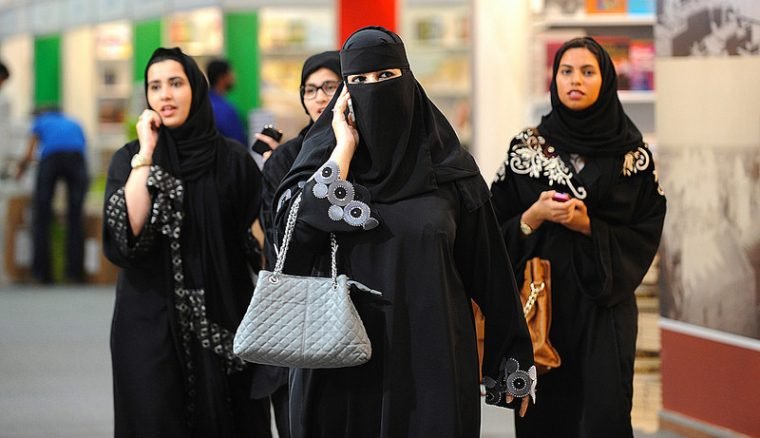
    Saudi Arabia has announced that Saudi women can now live on their own without the approval of their male guardians.

    Saudi Judicial authorities have revoked Paragraph B under article No. 169 of the “Law of Procedure before Sharia Courts”, reported Gulf News which has been replaced now. It states “An adult woman has the right to choose where to live.”. It is also included, under the law if a woman is imprisoned, she will not be handed over to her guardian after the expiry of her sentence.

    While speaking to a local newspaper, Saudi Attorney Naif Al-Mansi said, “Families can no longer file lawsuits against their daughters who choose to live alone.” Prior to this, under the old  “absenteeism” law, families were able to file a report with the police against the woman in case she disappears or choose to live independently.

    Read More- In a first, Saudi Arabia appoints women security guards at Grand Mosque.

    Under this law, last year, a Saudi woman Mariam Al Otaibi was detained because her family sued her for traveling alone. However, she won a historic ruling after the Saudi court passed a remarkable ruling that she had “the right to choose where to live”.

    This new amendment made after the passing of a law that allowed Saudi Arabia women over the age of 18 to change names on their ID cards without guardian approval. Moreover, in 2017, the Kingdom’s Head of State granted permission to women to drive putting an end to an old traditional practice.

    These developments are actually a part of Saudi Crown Prince Mohammed Bin Salman’s Vision 2030, formed five years ago to focus more on public sectors.

  • ‘Saba Qamar came to my rescue when I was harassed at a drama shoot’: Mehar Bano

    Mehar Bano shared in her interview with Something Haute that actress Saba Qamar rescued her when she was harassed at a drama set. Saba and Mehar Bano have collaborated on multiple projects such as Bunty I Love You and Miss Fire.

    “One of my first cases when i had to experience harassment, Saba Qamar actually came to my rescue”.

    She continued: “Aik mic wala tha, you can get harassed at anytime by anyone, especially when you don’t know what’s going on and you are just a child.”

    She had to involve a senior actor as she was new in this field, “I told her because I did not know what was going on, she just went on set and got him kicked out. I think it is the only time I remember a woman taking such a strong stance for me.”

    This incident did make Mehar Bano more aware about the fact that how unpredictable work place harassments can be, “It made me realize that I should be more aware that what happens to me and what happens to other girls so that I can also stand up for them.”

    On the work front, Saba Qamar Zaman is all set to make a comeback on television with the upcoming drama serial, Tumhare Husn K Naam. Besides Saba, the drama will also feature Imran Abbas, Salman Shahid, Nayyer Ijaz and Asad Siddiqui. Meharbano is currently being seen on Geo Entertainment’s Khuda Aur Mohabbat 3.

  • Endangering innocent lives

    Endangering innocent lives

    Aurat March has rattled many a misogynist over the years. Women out on the streets, marching for their rights and raising their voice is somehow considered ‘vulgar’ and ‘obscene’. This year, though, what the anti-women brigade did was unforgivable. By their false and malicious propaganda, they have put the lives of thousands of women at stake.

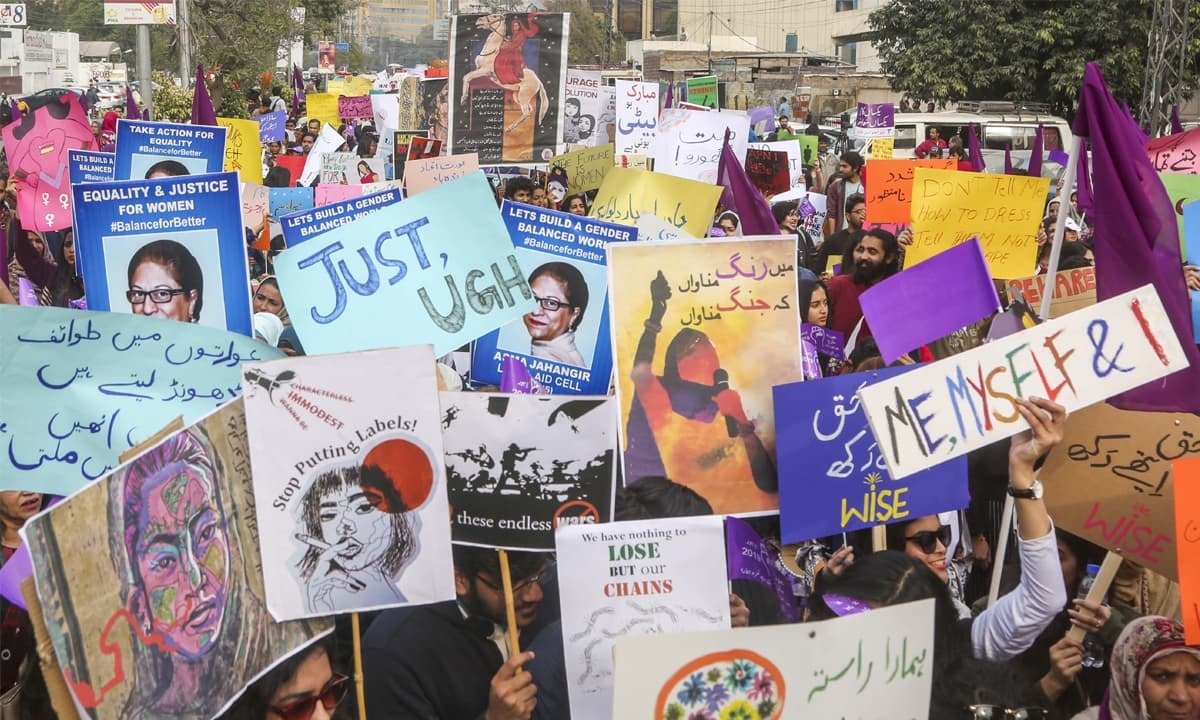
    Last week, a doctored video of Aurat March was widely shared on social media. Some men from mainstream media with a large following on social media platforms like Twitter shared the video without verifying it. Their tweets amplified the propaganda against Aurat March organisers and participants so much so that the banned terrorist outfit Tehreek-e-Taliban Pakistan (TTP) issued a threat to the women and told them to “fix their ways”. It is indeed criminal how a doctored video and false propaganda was carried out about the Aurat March even on the media where the flag of the Women Democratic Front was falsely misrepresented as the French flag, a poster about child sexual abuse and a video with slogans were misrepresented as being blasphemous. Right-wing groups took out rallies and threatened the Aurat March organisers as well as participants.

    Organisers of the Aurat March released a statement that said that the Aurat March faces severe backlash every year. “Our videos and posters are targeted and manipulated, spreading misinformation and maligning the March. This year, one of our videos was doctored and heinous allegations are being placed on us.” They demanded an immediate apology and retraction from all those who shared the doctored video as well as a retraction by all journalists and media houses that shared this disinformation.

    The Human Rights Commission of Pakistan (HRCP) said that this campaign was not just repugnant but an incitement to violence. “We demand that action be taken against all such persons.”

    It is a no-brainer why a majority of our society would propagate such false accusations against women. How dare women ask for their rights, how dare they fight for equality, how dare they raise their voice for issues related to women’s health, how dare they talk about sexual harassment and rape, how dare they talk about child abuse and child marriage, how dare they ask for the rights of the marginalised… how dare they? No wonder why Pakistan ranks so low on the gender gap index as well as other indicators related to gender. We have weaponised an entire society against women. There was so much outrage about a doctored video, the misrepresentation of a flag and a poster but have we ever seen such outrage over domestic violence, child marriage, rape, sexual harassment, lack of health facilities for women, child molestation, low wages for women workers, etc? No, we have not. Because our patriarchal society will only reserve this misplaced anger and outrage at women.

    Read more – ‘Ek hee dafaa sari aurton ko ban ker do’: Meesha Shafi defends Aurat March

    It is time that we all raise our voice against this dangerous and vicious campaign against Aurat March. Some from media have tendered an apology for sharing the doctored video and deleted their tweets but is a mere apology enough for putting the lives of thousands of women at risk with allegations of a topic as sensitive as blasphemy? These people must be held accountable. The government should not only provide protection to these women but must also take action against all those who took forward the false propaganda against Aurat March.

  • ‘Ek hee dafaa sari aurton ko ban ker do’: Meesha Shafi defends Aurat March

    Meesha Shafi has stepped forward to support the Aurat March after it faced backlash over a doctored video, which is being widely circulated on social media.

    Read more – ‘Whatever’: Meesha Shafi hits back at trolls

    “Classic, twisted and dark,” wrote the singer on Twitter. “A marginalized, victimized and vulnerable sector of society takes peacefully to the streets on a universally designated single day set aside for them, the usual rabid suspects take it straight into the twilight zone!”

    “Corona ko kahin hum na ho jayein,” she added on a humorous note.

    In another tweet, Shafi shed light on the main reason behind the backlash.

    “And remember, this whole thing started this time because a young lady displayed a poster stating she was sexually abused by a maulvi,” said the singer.

    “Pedophiles are running free. Children can’t play. But the #AuratMarch is a western agenda,” she said further, adding: “This is what epic gaslighting looks like!”

    Expressing her frustration, the Shafi further said:“Ek hee dafaa sari aurton ko hee ban ker do. Kissaa hee khatam. Na hum rahein ge na tum.”

    Meanwhile, Meesha also hit back at trolls over their comments.

  • Women of the world, unite!

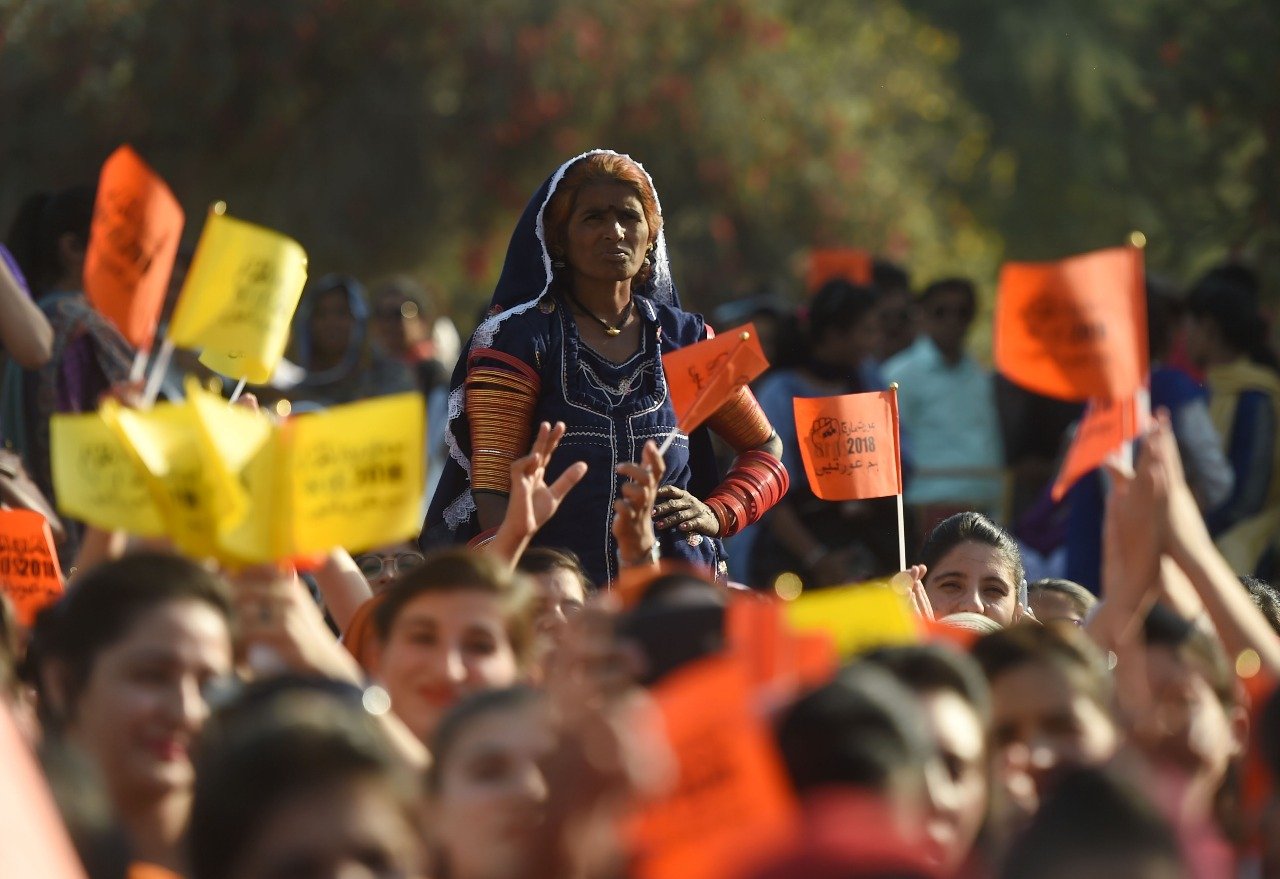
    Tomorrow is International Women’s Day, which is celebrated worldwide. In Pakistan, many events are organised to mark Women’s Day. Aurat March, which has been held since 2018, will be marked with rallies in several cities, including Lahore, Islamabad and Karachi.

    This year, Aurat March Lahore’s theme is women’s health and the issues faced by women and gender minorities. They are demanding that the health budget be increased to 5 per cent of the GDP. Aurat March organisers have highlighted how violence has always existed for women and gender minorities in Pakistan since before COVID-19 but the lockdowns and social isolation resulting from the pandemic have further exacerbated physical, emotional and sexual violence against them across the country.

    It is quite unfortunate that Pakistan ranks 151 out of 153 countries on the Global Gender Gap Index Report 2020 index, published by the World Economic Forum. The only two countries lagging behind Pakistan are Iraq and Yemen. This is not a surprise given the way our patriarchal society treats women. From blaming rape survivors to practices such as honour killing, vinni and swara (exchange of women, especially young girls, to settle disputes between families), child marriage, domestic violence and many other such anti-women practices, Pakistani society does not make life easy for women.

    Sexual harassment cases when reported or talked about are brushed under the carpet. We have seen how women don’t just face offline harassment and violence but online harassment of women has increased manifold. It is but a manifestation of the anti-women bias in society. Women politicians, journalists and activists are targeted online on a regular basis. But it is good to see Pakistani women breaking these chains and raising their voices for women empowerment and their rights.

    From leading lights such as Fatima Jinnah, Benazir Bhutto, Asma Jahangir, Malala and many others who paved the way for women and young girls in our society, the struggle continues. It will take a long time to achieve equal rights for women but there is no reason to lose hope. We have seen that when women take a stand, it leads to the betterment of society at large.

    For an inclusive, tolerant and progressive Pakistan, women have to be treated as equal human beings. Women of the world, unite, for you have nothing to lose but your chains.

  • ’کیوں بھی کہنا جرم ہے‘

    ’کیوں بھی کہنا جرم ہے‘

    مارچ 8 ، عورتوں کے عالمی دن کے طور پر منایا جاتا ہے . دنیا بھر کی خواتین ، دین و مسلک سے بےنیاز ہو کر ، اک زنجیر کی طرح بندھ جاتی ہیں . اپنے حق کے لیے آواز اُٹھاتی ہیں . اپنے وجود کو اک ماں ، بہن ، ِبیِوی ، اور بیٹی کے روپ سے نکال کر ، صرف ایک انسان ، صرف ایک عورت ہو کر اپنے لیے وہی حق مانگتی ہیں ، جو مردوں کے پاس ہیں . بنیادی انسانی حقوق جن کو اِس سماج نے عورتوں کے لیے لاحاصل بنا دیا . اِس لاحاصل کو حاصل کرنے پر جب عورتوں نے آواز اٹھانی شروع کی ، اور خصوصی طور پر پاکستان میں ، تو مردوں پر جیسے قیامت ہی بیت گئی . قیامت سے پہلے قیامت سی ہوگئی۔

    پورےسال میں ایک دن اگرعورت نے اپنےحق کےلیےآوازاٹھائی تواٹھائی کیوں؟آخرآج ہی کیوں ؟ آخر 8 مارچ کو ہی کیوں ؟ آخر اتنی ساری عورتیں کیوں ؟ مردوں کا کہنا تھا کہ انہوں نے آخر عورت کو کہا ہی کیا ہے جو عورت کو باہر آ کر با آواز بلند کہنا پڑا کے اُنہیں بنیادی حقوق دئیے جائیں ؟ ایسے بہت سے سوال مردوں كے ذہن میں ہر سال 8 مارچ کو آتے ہیں . ِپھر اُنہیں غصہ آتا ہے . ِپھر وہ غصے میں آ کر ​کہتے ہیں ​“ہم اپنی عورتوں کو اتنی عزت دیتے ​ہیں” اور اسی ​جملے کے اختتام پر مرد حضرات ماں بہن کی گالی بھی شامل کر دیتے ہیں . یہ لیں ، یہ ہے عورت کی عزت کی بریانی بنانے کی ترکیب . اِس ترکیب میں کچھ اور ​اجزاء بھی شامل کیے جا سکتے ہیں جیسے عورت کو مارنا ، اس پر ​تیزاب پھینکنا، اس پر جنسی تشدد کرنا ، اس کو بیٹی پیدا کرنے پر طلاق دینا ، اس کو مزید بچے پیدا نہ کرنے پر گھر سے نکال دینا، اس کو سڑک پر چلتے ہوئے ہاتھ مار جانا ، اس کے پیچھے گاڑی لگا کر اس کو احساس دلانا کے یہ زمین صرف مرد کے لیے ہے، اور مزید بہت سے اجزاء حسب ذائقہ ڈالے جا سکتے ہیں۔

    اسی شور اور ​واویلے کے بیچ میں عورتیں 8 مارچ کو ملک بھر میں پر امن احتجاج کرتیں ہیں . اور ہر عورت اپنی زندگی کے حساب سے اپنا حق مانگتی ہے. میں ہر سال ان ​پلے کارڈز کو بہت غور سے پڑھتی ہوں. تعلیم کے حق سے لے کر كھانا خود گرم کر لو تک ، مختلف ​مطالبات ان پلےکارڈز کے ذریعے اجاگر کیے جاتے ہیں . کچھ ​مطالبات ایسے ہیں جن سے میں ذاتی طور پر بھی ​اتفاق کرتی ہوں کیونکہ میں بھی ایک عورت ہوتے ہوئے بہت مشکل مرحلوں سے گزری ہوں . عورت مارچ میں کچھ ایسے ​پلےکارڈز بھی تھے جس سے یہ اندازہ لگانا مشکل نہیں تھا کہ یہ ​پلےکارڈ لانے والی لڑکی کس قدر بےبسی کا شکار ہو کر باہر نکلی ہے. اک پلےکارڈ پر ​“میں خود ایک گھر بناؤں گی جس میں سے تم مجھے نکال نہ سکو” لکھا تھا، مجھے لگا جیسے کسی بچی نے میرے جذبات کی آخر کار ترجمانی کر دی. وہ چھت ​فراہم کرنے والا جب بے گھر کرتا ہے ، تو یہ زمین عورت پر اور بھی تنگ ہوجاتی ہے  لیکن وہ عورت ہی کیا جو ہار جائے!

    ایسے بہت سے ​مطالبات دیکھتے ہوئے ایک ​مطالبے پر نظر پڑی جس میں لکھا تھا ​“میرا جسم میری ​مرضی” یہ بے ضرر سا ​پلےکارڈ دیکھ کر خیال یہی آیا کے ہاں ، خدا نے یہ جسم مجھے دیا ہے تو مرضی بھی میری ہی بنتی ہے. کوئی بھی شعور رکھنے والا انسان اِس سے متفق ہی ہو گا لیکن جنہیں شعور حاصل نہیں، وہ ہکا بکا رہ گئے  اور ہکا بکا رہنے والے تھے بھی مرد ان کا ردعمل ویسا ہی تھا جیسے میرا حال ہوا تھا جب میرے والدین نے مجھے بتایا تھا کہ میٹرک کے بعد ابھی اور پڑھنا ہے۔

    سوشل میڈیا پر ایک آگ سی لگ گئی، ان ​بے شعور لوگوں کا کہنا تھا کے ٹھیک ہے جسم عورت کا ہے ، لیکن اب کیا اِس جسم کے ساتھ کچھ بھی کرنےکےلیےہمیں اِجاَزت لینی ہوگی؟ کیاعورت کےجسم کوبھرے بازارمیں ایک دو سیکنڈ کی لذت حاصل کرنے کے لیے ہم مرد بغیر پوچھے ہاتھ بھی نہیں لگا سکتے؟ کیا عورت کے جسم کو ہم اپنا غصہ ​نکالنے کے لیے استعمال نہیں کر سکتے ؟ کیا اب جنسی عمل کے لیے ہمیں عورت سے اِجاَزت لینی ہوگی ؟ اب کیا ہم عورت کی مرضی کے خلاف اس کے جسم پر جنسی تشدد بھی نہیں کر سکتے ؟ کیا اب ہمیں عورت کو اپنی مرضی سے پہننے اور اوڑھنے کو برداشت کرنا ہوگا؟ مزے کی بات ہے کے ان میں زیادہ وہ لوگ تھے جو ​“میرا جسم میری مرضی” کو سمجھ رہے تھے کے ​“اچھا اب عورتیں ننگی ہو کر باہر نکلیں گئیں ؟” ارے صاحب عورت کو کبھی کپڑے کے ساتھ تولنا چھوڑ بھی دیا کریں۔

    اگر عورت نے ​واقعی اپنے جسم کو آپ سے محفوظ کرنے کا ​نعرہ بلند کیا ہے تو کیا غلط کیا ؟ اگر عورت نے سڑک پر بے خوف و خطر چلنے کا مطالبہ کیا تو کیا غلط کیا ؟ اگر عورت نے جنسی ہراسگی کے خلاف آواز اٹھائی تو کیا غلط کیا ؟ اگر عورت نے اپنے جسم کو درندوں کی طرح اکھاڑ پچھاڑ کے خلاف آواز اٹھائی تو کیا غلط کیا ؟ صاحب ، عورت کے جسم کی آزادی صرف دو گز کپڑے سے منسلک نہیں ہے . اس کے جسم کی آزادی اس کا باہر بے خوف و خطر پھرنا ہے . اس کے جسم کی آزادی اس کا اپنے گھر میں بغیر جسمانی تشدد کے رہنا ہے . اس کے جسم کی آزادی اس کا اپنا خیال کرنا ہے . اس کے جسم کی آزادی اس کا اپنی مرضی کا ​اوڑھنا پہننا ہے . اور یہ آزادی وہ سال کے ایک دن میں اگر مانگ ہی لیتی ہے ، تو ایسا ​واویلا ؟ اس کی اِس مرضی کو جرم کی شکل نہ دیں۔ اسے سنے ، اسے سمجھیں اور اپنی ذات کے خول سے باہر نکلیں… وہ جیسے احمد ندیم قاسمی نے کہا ہے؛

    کیوں بھی کہنا جرم ہے کیسے بھی کہنا جرم ہے سانس لینے کی تو آزادی میسر ہے مگر زندہ رہنے کیلئے انسان کو کچھ اور بھی درکار ہے اور اس کچھ اور بھی کا تذکرہ بھی جرم ہے۔

  • Aurat March Lahore announces ‘Charter of Demands’ for 2021

    Aurat March Lahore has unveiled its charter of demands for 2021. This year’s charter of demands is based on 15 points with a special focus on women’s healthcare, which is also the theme of this year’s march.

    As per the official Twitter account of Aurat March Lahore, the charter “is centred on our theme of healthcare which intersects with the issues of gender-based violence, the dehumanisation and sexualisation of our bodies, safety, environmental justice and our fraught relationship with the state.”

    “Some of our demands are immediate, some of them are from the state — but we recognise that our long-term struggle and means of emancipation lie outside the patriarchal state and exploitative economic system we’re currently in,” read the official statement.

    Earlier, the organisers of Aurat March Lahore released the poster and theme for this year’s march.

    Speaking exclusively to The Current, Shehzil Malik who designed the poster, talked about the thought process behind designing the poster.

    “To know more about women’s health crisis, I reached out to a friend who works in public health which really gave me an insight into the subject,” shared Malik.

    Aurat March is scheduled to take place on March 8 on the occasion of International Women’s Day.

    Meanwhile, expressing her views on the Aurat March, Sarah Khan in an exclusive interview with The Current said: “I think, instead of fight for the rights, we should educate our sons. Don’t teach your daughters to go to ‘Aurat March’, educate your sons and teach them that their mother is also a woman.

    “[A] woman is the one who runs the house, does the house chores and supports the man. If your wife is not helpful, then how will you be happy? Allah has already granted status to the woman, but I think men should be given the same rights. They deserve the same, not only women,” she added.

    On the other hand, actor Mahira Khan who attends the Aurat March every year revealed her reason for going to the event, saying: “I think it is necessary for me [to go to Aurat March] because I think when I do something, no matter how small it is, it leaves an impact.”

    “So when I go to Aurat March, what I’m actually trying to say is ‘Look, if you like me and if you think what I say means something if you think I that I’m on the right side of history, or whatever you think of me, this is also what I believe in, this is why I’m here,” she added.

  • Ali Xeeshan responds to criticism on ‘anti-dowry’ bridal campaign

    Ali Xeeshan’s latest collection ‘Numaish,’ which debuted at the Hum Bridal Couture Week 2021 last week, has created a bit of a storm on social media. The collection, aimed to highlight the burdening culture of dowry in our society, was designed in collaboration with UN Women Pakistan.

    While the campaign was well-intended, the designer received backlash on social media, with people criticising Xeeshan for the cost of his outfits and referring to Ali’s campaign as an act of hypocrisy.

    Responding to the criticism, Xeeshan said: “When I was developing it [the campaign], I was only looking into girls’ struggle but later I realised that dowry pressurises the parents more.”

    “I remember last year a client’s wedding was called off because one of the demands from groom side was to have a gold-plated shaving kit,” shared Xeeshan.

    He continued: “Many people say that you make expensive outfits, then why are you talking about this? These two are very different things – that [designing outfits] is my business and no one is compelled [to buy them].”

    “If you can afford my clothes please be my guests and if you can’t then don’t put yourself under the pressure,” added Xeeshan.

    The designer concluded by saying, “Agar meray say koi poochay keh mere kapray khareeday ya beti ko education de, toh beti ko education day dein. Mein kapray baich loon ga.”

  • ‘#AttacksWontSilenceUs’ trends at No 1 after women journalists release statement on online harassment

    ‘#AttacksWontSilenceUs’ trends at No 1 after women journalists release statement on online harassment

    Pakistani women journalists released a joint statement on attacks on women in media in Pakistan, which says that vicious attacks through social media are being directed at women journalists and commentators in Pakistan, making it incredibly difficult for them to carry out their professional duties.

    The statement was signed by journalists including Asma Shirazi, Nasim Zehra, Gharidah Farooqi, Amber Shamsi, Benazir Shah, Mehmal Sarfraz, Zebunnisa Burki, Alia Chughtai, Ayesha Bakhsh, Munizae Jahangir, Ramsha Jahangir, Alina Farooqi, Reem Khurshid, Najia Ashar and many more.

    “The target of these attacks are women with differing viewpoints and those whose reports have been critical of the Pakistan Tehreek-e-Insaf’s government, and more specifically its handling of the coronavirus pandemic. The online attacks are instigated by government officials and then amplified by a large number of Twitter accounts, which declare their affiliation to the ruling party. In what is certainly a well-defined and coordinated campaign, personal details of women journalists and analysts have been made public. To further discredit, frighten and intimidate us, we are referred to as peddlers of ‘fake news’, ‘enemy of the people’ and accused of taking bribes (often termed as ‘paid’ journalists or lifafas). In some instances, our pictures and videos have also been morphed.”

    The statement further says that women in the media are not only targeted for their work, but also their gender. “Our social media timelines are then barraged with gender-based slurs, threats of sexual and physical violence. These have the potential to incite violence and lead to hate crimes, putting our physical safety at risk. Lately, there have also been attempts to hack into the social media accounts of reporters and analysts, as well as limit our access to information. In some cases, journalists have been locked out of their social media accounts as a result of hacking attempts.”

    The statement said that women in the media, especially those on social media platforms, are finding it increasingly difficult to remain on these platforms and engage freely. Many now self-censor, refrain from sharing information, giving their opinion or actively engaging online. These sustained attacks undermine public trust in journalism and go against the basic tenets of democracy. It is a public right to access accurate and reliable information, especially during a public health emergency.

    “We are being prevented from exercising our right to free speech and participate in public discourse. When we self-censor, others are prevented from receiving information to form their views, which is a violation of their rights under Article 19-A. When attacks and threats are made against us, we do not enjoy the protection of the law as guaranteed under Article 4, and this is the direct result of the actions of those who hold positions in government and are affiliated with the PTI.”

    Women journalists have asked Human Rights Minister Shireen Mazari to fulfil her promise to take notice of threats against journalists and to address the climate of abuse, bullying, fear and censorship.

    Their demands from the government include:

    1) Immediately restrain its members from repeatedly targeting women in the media

    2) Send out a clear message to all party members, supporters and followers, to desist from launching these attacks, whether directly or indirectly

    3) Hold all such individuals within the government accountable and take action against them

    They also called upon the Standing Committees on Human Rights of the upper and lower house of parliament to take notice and hold the government accountable by ensuring they acknowledge, apologise and list the actions they will now take to put an end to such a threatening environment.

    It wasn’t later that the demands became the number one trend on Twitter in Pakistan, and PPP chief Bilawal Bhutto-Zardari tweeted that he has taken notice of threats to women journalists as chair of the NA Human Rights Committee and would like to invite all the signatories to brief the committee.

    As per the latest updates, the human rights minister has reacted to the trend, saying attacking women journalists for doing their job is disgusting.

    In a subsequent tweet, Mazari said she had once again spoken to the information minister and stressed the need for Journalist Protection Bill.