Tag: women

  • In Pakistan, is abortion just a word or choice?

    ‘Woman of bad character’ is one of the phrases we often hear when the word ‘abortion’ is mentioned in our country. Abortion means the deliberate termination of a human pregnancy, most often performed during the first 28 weeks of pregnancy. Abortion sparked a debate after the United States (US) Supreme Court overturned Roe v Wade, a landmark ruling that granted the right to abortion. The court determined that there is no constitutional right to an abortion, leaving it up to the states to decide whether or not to allow abortions.

    According to a 2020 article in ‘Soch writing’, Pakistan has an annual abortion rate of 50 per 1,000 women as per a 2012 survey, the highest in South Asia and one of the highest in the world. (A previous study estimated a rate of 27 per 1,000 women in 2002).

    So at present, we understand the meaning of abortion but what we don’t understand is why is it required. A woman conceives a child, but somehow her circumstances lead her to the “choice” of not having the child anymore, and “she ends up deciding of quitting the will to bring a child into this world”. What happens next? She decides to “abort” the baby. Will she be “allowed” to do so? What if the woman was raped and conceived the child as a result of sexual assault? What if she is in an abusive marriage and doesn’t want to risk another life at the hands of her partner? What if the child conceived is a serious threat to the mother’s health? What if both parents are drug addicts? What if they don’t have the financial means to nurture a child? What if both parents carry childhood traumas that they haven’t fully recovered from? What if they are simply not ready? The situations are plenty but they all lead to one word, “choice”. A choice that a woman and her partner must have. A choice to decide when to bring another life into this world and their lives.

    Women in Pakistan are no different. They are clearly seeking abortions, and medical practitioners often refuse to perform them or do so only in secret, which are very risky and at times, very expensive —in general, both seekers and providers of abortions tend to believe the procedure is against religion or Pakistani law, or both. So where does it lead us? Education on abortion must be taken up as a priority by the health practitioners and by the individuals involved. Yes, abortion is a big step and comes with its own weight and worries but one’s mind and body should be allowed to make a choice. A choice that doesn’t lead to a judgement about a woman’s character but will only be considered a choice which she freely made for herself. Her body, her choice.
  • Self-love: woman to marry herself, plans to go on a two week honeymoon

    Self-love: woman to marry herself, plans to go on a two week honeymoon

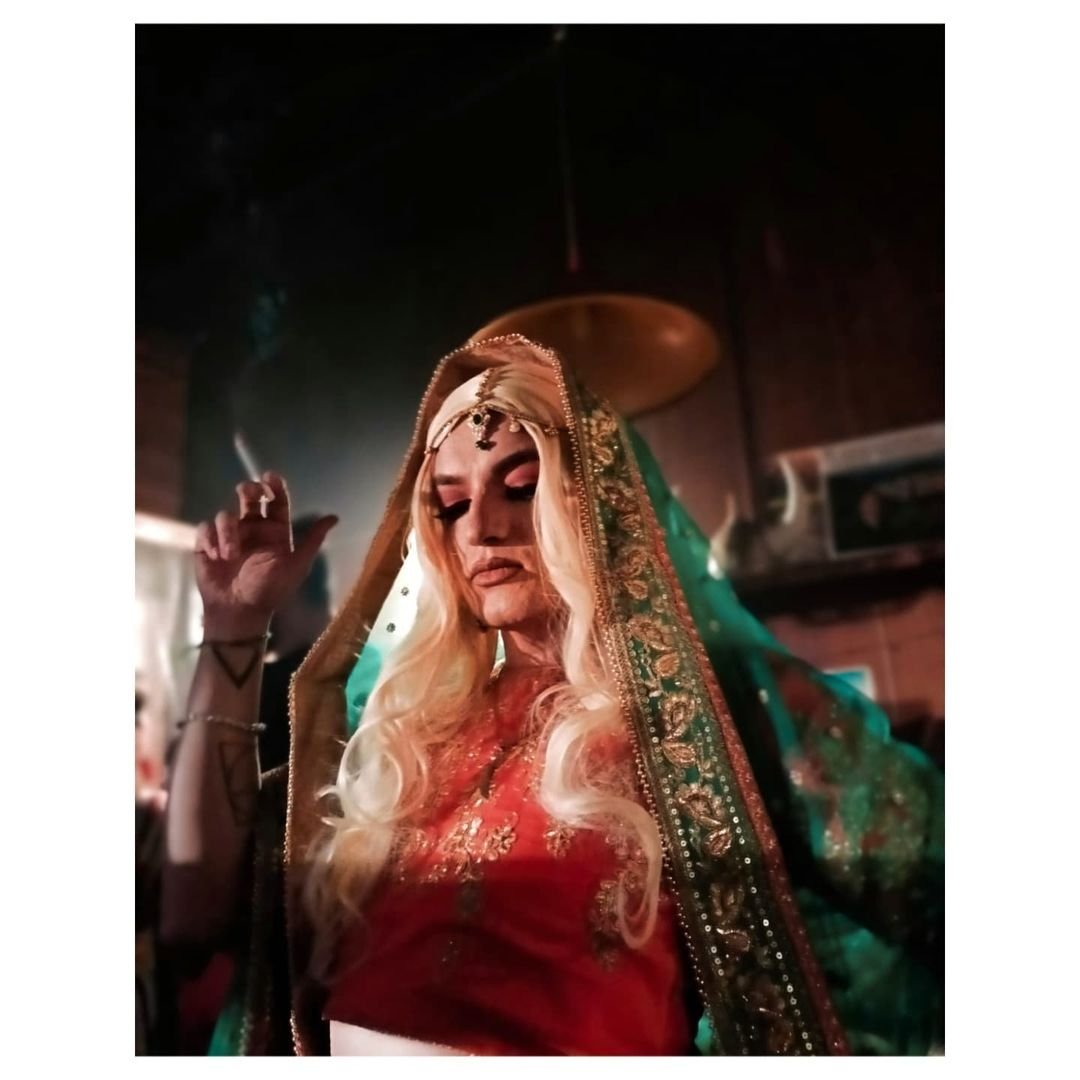
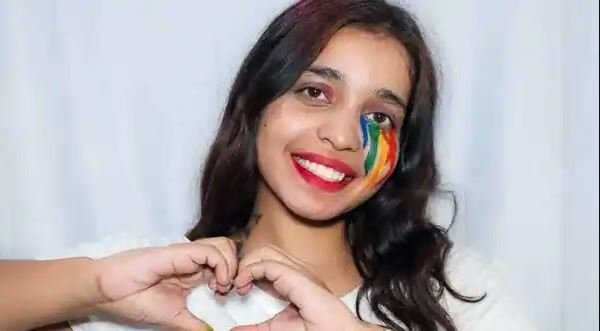
    A woman in India is all set to marry herself on June 11. Kshama Bindua a 24-year-old woman will take the ‘saat phere’ with herself on June 11.

    “I never wanted to get married. But I did want to become a bride. So I decided to marry myself”, said the girl while talking to Indian media. “Maybe I am the first to set an example of self-love in our country,” she added.

    “Self-marriage is a commitment to be there for yourself and unconditional love for oneself. It’s also an act of self-acceptance. People marry someone they love. I love myself and hence, this wedding,” she said, while explaining the reason behind the decision of marrying herself.

    She’s even planning a two-week vacation for herself, complete with wedding customs.

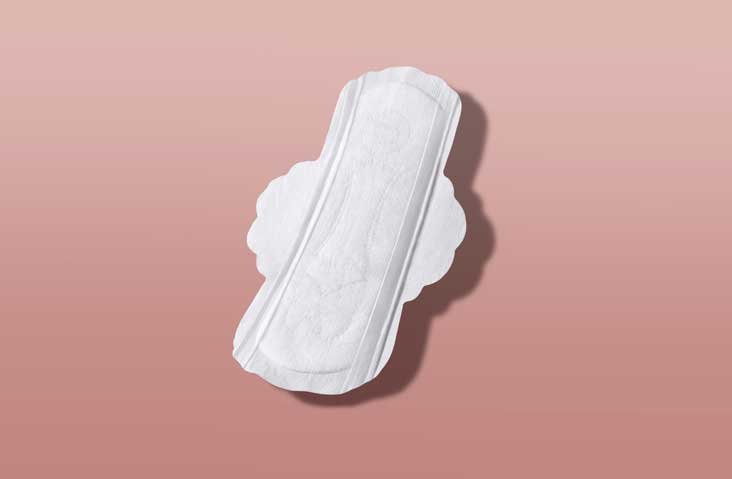
  • No ban on diapers, sanitary pads, their raw material, clarifies Miftah Ismail

    No ban on diapers, sanitary pads, their raw material, clarifies Miftah Ismail

    Finance Minister Miftah Islamail has clarified there is no import ban on sanitary pads or their raw materials.

    “There is no ban on any industrial raw material. The ban is only on some luxury or non-essential goods. And there is certainly no ban on sanitary pads or diapers (or their raw materials), which are obviously essential goods. We will issue further official clarification on Monday.”

    Head of the Prime Minister’s Strategic Reforms, Salman Sufi, tweeted that the news circulating regarding ban on saintry pads is “absolutely incorrect”.

    “Women’s health is of paramount importance and shall never be compromised,” said Sufi.

    It was reported earlier that government has added raw materials for sanitary napkins to the list of non-essential luxury items in its recent import ban, which will affect the production of pads in Pakistan.

    A major chunk of sanitary napkins is produced by two companies in Pakistan — P&G and Santex, which make Always and Butterfly respectively. The production of sanitary napkins of one of these brands has been majorly affected, reports Dawn.

    “Though all of our products are produced in Pakistan, two of the core raw materials that form the base of the napkin are imported. The ban would mean the factory would have to shut down eventually because we can’t manufacture them anymore after the current supply runs out,” said Muhammad Kamran, Chief Operating Officer of Santex while talking to Dawn.

    The main components in question, he explained, are sap paper and wadding cellulose fibre. These items are classified as HS Code 4803.000, which is prohibited under the new import ban according to the Ministry of Commerce.

    “[These] are basic raw materials utilised in the manufacturing of female sanitary napkins. These items are neither tissues nor luxury but are included in S.No 63 of the SRO,” he added.

     “We’ve sent an application to the Ministry of Commerce that will take 15 to 20 days to review. We’re hoping for a positive response.”

    Read more- Govt bans import of ‘luxury items’ to fight economic crisis

    On May 19, 2022, the federal cabinet issued a list of 41 items, which will be banned from being imported for two months. This is in an attempt to address the current account deficit.

  • ‘Groped her buttocks’: German diplomat in Karachi harasses woman

    ‘Groped her buttocks’: German diplomat in Karachi harasses woman

    Holger Ziegeler, a German diplomat in Karachi, has been accused of sexually harassing attendees and groping a woman at an event in Karachi. The event took place on November 13 last year and was co-funded by the German Consulate.

    “At the 2nd ScrapFest Pakistan event on November 13th/ 2021 at a privately hired venue; a woman attending was sexually harassed by one of the senior staff members from the German Consulate in Karachi,” wrote Urvah Khan in an Instagram post. She was the main organiser of the event.

    “Since my last post on this incident, the German Federal Foreign Office’s unit responsible for investigating all allegations of sexual misconduct has directly contacted me. I have provided them with the video and text evidence I mentioned was in my possession,” wrote Urvah in a separate Instagram post.

    Talking exclusively to The Current, Urvah Khan said that she organised the event ScrapFest, which promotes women and people from the LGBT community. The second event was co-funded by the German Consulate and Holger Ziegeler was German Consul General in Karachi.

    The event took place on November 13, 2021, and Urvah officially issued a statement on April 22, 2022. Three days after issuing a statement, she contacted the German Foreign Office.

    “It took a bit of time to make the statement because I needed time to speak to a victim and to convince the witnesses to come forward. We had a text message. After we found the video evidence and had collected the statements of the victims, I knew we had everything we needed.”

    Regarding the status of the investigation, she said the German Foreign Office in Berlin is investigating the matter. “They are interviewing the witnesses and the victim. We are waiting to find out what is going to happen.”

    Urvah further added that the woman who was groped by Holger Ziegeler reached out to her with the allegations the same night, and recorded her statement the next morning. “I brought it up with Holger. At first he was willing to apologise. The victim asked for a written apology as she was traumatised and did not want to see his face. He later retracted his apology and said that he did not harass her and this was a terrorist attack on his legacy.”

    He also pressurised Urvah to get rid of the evidence.

    Urvah said that when the German Consulate in Karachi was informed, they messaged her to take her Instagram posts down.

    “They did not support me or try to investigate, which is one of the reasons I reached out to the German Foreign Office in Berlin.”

    “A woman came by the stage where he groped her buttocks, then grabbed her hand.”

    Urvah added that apart from the victim who was groped, Holger’s behaviour throughout the night was unacceptable and disrespectful towards many of the attendees. Many of them came forward as witnesses about how uncomfortable they felt.

    “In terms of other attendees, he would try to go closer to them. A few of the witnesses said that they saw him trying to touch women on their body parts, on their stomachs, on their backs.”

    “There was another witness who said that he was standing in front of him while he kept touching his friend’s back. She kept putting his hand back to where it was supposed to be,” added Urvah.

    Asked why she chose to speak to an international publication, VICE, instead of a local one regarding the case, Urvah said, “Because he is a foreign diplomat, he had diplomatic immunity so that is why I was worried about PEMRA coming after an article or news item like this, and shutting it down. This is why I wanted the first article to be published in an international publication so PEMRA could not touch it.”

    “The big issue is that he thought because he co-funded the event through the German Consulate, he could behave in this manner and could get away with it,” said Urvah. “I think it’s important if we all talk about what he did and I think it’s important to have a conversation.”

    Talking exclusively to The Current, Dr Mehrub Moiz Awan, said, “I was hosting this event for a fee as requested by Urvah and a lot of my fans came specially for me.”

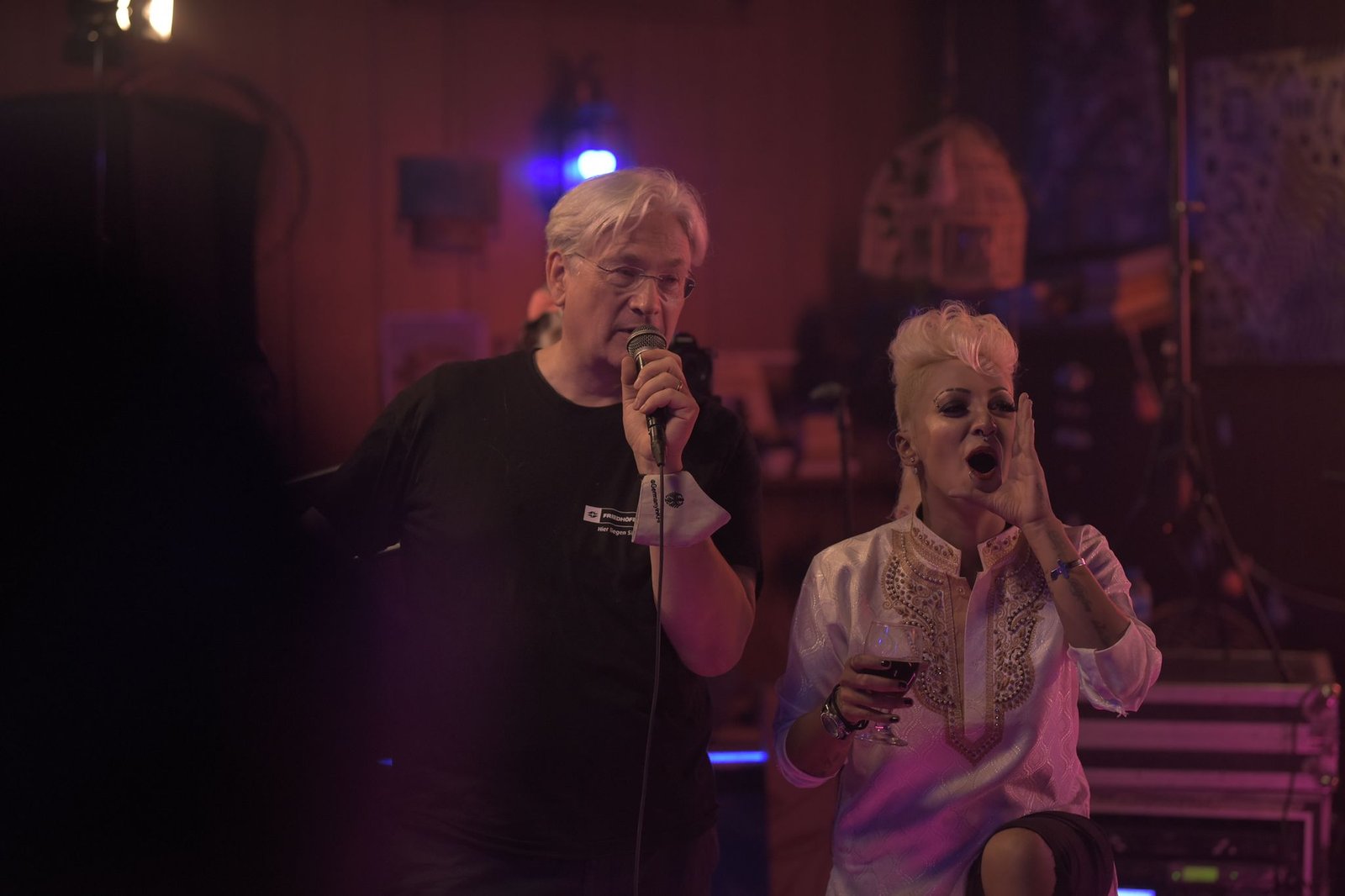
    While narrating what happened at the event, Mehrub said, “The white man was visibly drunk or at least tipsy and interrupted me a few times during my jokes as well. I had especially made a point to crack jokes at white people and white privilege and our own audience was loving them. He tried to be a little handsy with me as well but as I’m a Pakistani transwoman, I know how to handle such guys very well.”

    “Later I found out that a female left very upset because she was groped by the same guy. The dude actually sent Urvah a text as well that I saw with my own eyes. It said something like who’s this girl, she’s good. I want her number,” added Mehrub.

    Disclaimer: The Current is not responsible for the statements mentioned in the story.

  • Man kills nephew after quarrel with boy’s mother

    Man kills nephew after quarrel with boy’s mother

    A nine-year-old child was murdered by his uncle after a quarrel with his mother in Mandi Bahauddin City of Punjab, reports ARY.

    The police said that the accused dumped the child’s dead body in a canal after the gruesome incident. According to police, the accused had a quarrel with mother of the minor child and after he murdered the minor to avenge on his mother.

    The police officials informed that the minor went missing from his home on Sunday evening. However, his dead body was recovered from a canal after the accused was arrested on suspicion.

    Read more- Man kills first-year student in Lahore for refusing to marry him

    Earlier, this month a man in Lahore killed a first-year student for refusing to marry him. After killing the victim, the man named Bilal shot at and injured himself.

    According to the police, the deceased’s body has been transported to a hospital for a post-mortem examination.

  • Shireen Mazari accuses Aurat March of being ‘foreign funded’ over political stance

    Shireen Mazari accuses Aurat March of being ‘foreign funded’ over political stance

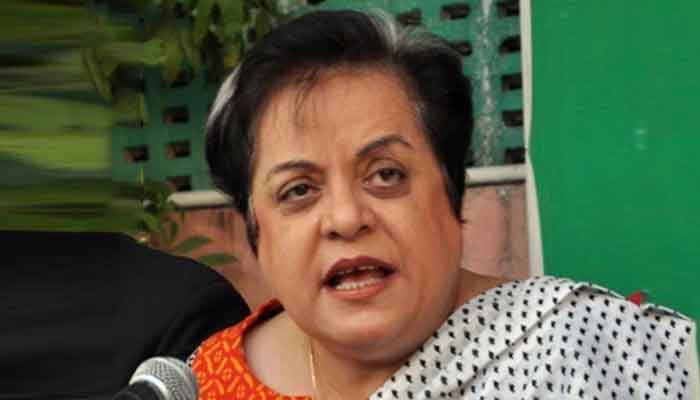
    While reacting to Aurat March’s statement in which the forum strongly condemned the constitutional crisis in Pakistan and the dissolution of the National Assembly (NA), Federal Minister Shireen Mazari dropped a controversial tweet.

    A day earlier in a tweet, the Aurat March criticised Prime Minister (PM) Imran Khan, saying: “We condemn the political circus that has been kicked off due to the fragile masculine ego of a person who has sabotaged democratic processes just to save the perception of his individuality and to stage a dirty manoeuvre for his comeback to power.”

    The statement clearly didn’t sit well with Mazari. She replied in disagreement, saying that “This [statement] shows Aurat March has little to do with genuine issues faced by women in Pakistan and more with politics and political agendas. Since many here have NGOs funded from abroad this statement, while condemnable, is not surprising. Fact is the US sought regime change and we do not accept it.”

    Indirectly hinting at Mazari, Aurat March Lahore released a brief statement, saying, “We cannot be asked to stay in our lane when the politics of this country deeply impact us.”

    The statement reads, “Aurat March does not accept funds from, partner with, or endorse any political party, NGO or corporation. We reject the idea that activism should be apolitical.”

    “We will continue to engage with politics, not only because it has a tangible impact on our lives, safety and wellbeing but because we are unafraid to stand up to institutions of political power,” the statement further reads.

  • Love gone wrong: Pakistani woman married to Indian returns after spending four years in Jail

    Love gone wrong: Pakistani woman married to Indian returns after spending four years in Jail

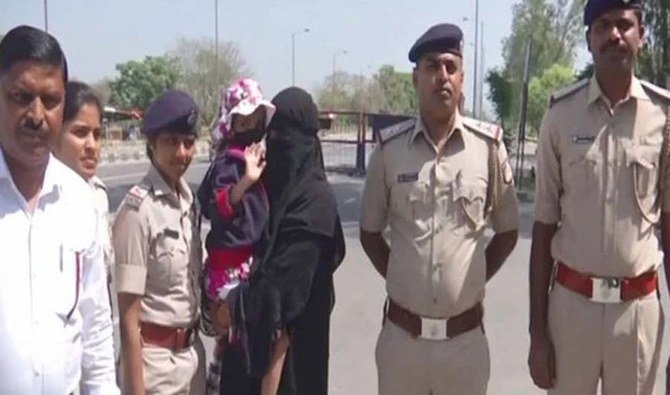
    A Pakistani woman who spent four years in an Indian prison, after living there without a visa, has returned to the country with the help of Pakistani authorities, reports Arab News. Indian authorities handed over Sumaira and her daughter to Pakistani authorities at Wagah border.

    As per media reports, Sameera Abdul Rahman was born in Karachi. She met an Indian man in Qatar and married him by going against her family. Her husband brought her to India without a visa in 2016. Later, both of them were sent to jail.

    In 2017, Rahman gave birth to a daughter in prison. Rahman was released from jail and placed in a detention centre after paying a million-rupee fine to the Indian government.

    Read more- Pakistan rescues woman in love gone wrong, saves wife left in Indian jail by husband

    In a message, she sent through her lawyer to BBC, Rahman had earlier said, “I have been punished by law for the mistake I made, but my sorrows and pains are not diminishing. The family had already separated, but now the husband in India has also turned away. At the moment, my only recourse is my country, Pakistan.”

    In 2018, the Pakistani High Commission was given consular access to Sumaira Rehman. Later, the Interior Ministry in Islamabad received a letter from the Pakistani High Commission confirming Sumaira Rehman’s nationality.

  • Less than 1% Pakistani women divorced: Pulse Consultant

    Less than 1% Pakistani women divorced: Pulse Consultant

    Pulse Consultant has launched a series of statistical information about Pakistani women with the name of “Pink Pakistan”. As per the first part of the report, 98.4 per cent of women over the age of 10 are not active economically.

    As per the report, 68 per cent of female population is married and only 0.57 per cent are divorced.

    The report also revealed that every second woman in Pakistan is literate.

    Another report published by the Pakistan Telecommunication Authority (PTA) for the year 2021 revealed a huge gender gap in social media users of Pakistan.

  • More than 25,000 women abducted in Punjab in three years, police records reveal

    More than 25,000 women abducted in Punjab in three years, police records reveal

    According to police records, 25,099 women were abducted in Punjab between 2019 to 2021. As per details, 6,571 cases of abduction of women were registered in 2019, 8,129 cases were registered in 2020 and 10,399 cases of abduction of women were registered in 2021.

    According to the police, in the last three years, suspects involved in only eight cases of abduction have been convicted. Furthermore, 5,947 cases are still under investigation while challans of 5,157 cases have been submitted to the courts.

    As per the police records,13,901 cases of abduction of women were withdrawn because the abducted women said that they had left by choice. Moreover, 94 women have not been traced yet.

    Earlier this month, a report published in The News said that in the last six months 2,439 women were raped, 9,529 were kidnapped, while 90 women were killed in the name of honour in Punjab.

  • Woman kidnaps ex-husband after he re-marries, demands ransom from family

    Woman kidnaps ex-husband after he re-marries, demands ransom from family

    A woman has been arrested in Yemen on the charges of kidnapping, her husband after he re-married,Gulf News Has reported. As per media reports, the woman alsot tortured and demanded ransom from the family of her ex-husband.

    The man, identified as Mubarak Sultan, was allegedly kidnapped by Taghred Ghalib, on February 7 in Yemen’s south west province of Taiz, according to an unverified police statement posted on the Internet.

    Sultan was abducted while strolling down the street with the help of the woman’s brothers and transported to an unknown location.

    The woman while confessing her crime said, “Yes!” I have kidnapped and tortured him to take my frustration out.” She added that she has shared the pictures of her severely injured ex-husband’s body to set an example.

    She further said that her ex-husband lied, cheated and shared her pictures online and leaked private conversations.