Tag: women

  • ‘Jigar to Jigar’: woman donates liver to husband

    ‘Jigar to Jigar’: woman donates liver to husband

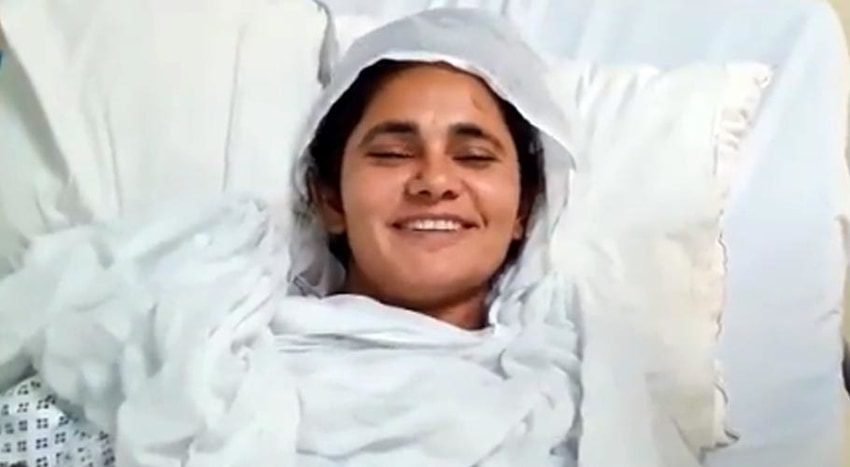
    A woman donated part of her liver to save her husband’s life in Sindh, reports Geo.

    After the operation, the woman said that they have been married for ten years but they have no children and her husband is everything for her. She also said that she can donate every organ of her body just to save her husband’s life. In the video, the woman looked happy with a smile on her face.

    The reporter asked her how is she feeling about donating her jigar (liver), to which she said, “He is my jigar.” She added that she loves her husband a lot.

    The successful and free liver transplant was performed at Abdul Qadir Shah Jilani Institute of Medical Sciences, Gambat, Khairpur. According to doctors, both the husband and wife are healthy after the operation.

    https://www.youtube.com/watch?v=8w23oy23Cw0&feature=youtu.be
  • What Must Pakistan Do to Achieve SDG4 Targets By The Year 2030?

    What Must Pakistan Do to Achieve SDG4 Targets By The Year 2030?

    “Pakistan has the second largest population of out-of-school children in the world”. This population makes up of 22.8 million children being out-of-schools in Pakistan who are between the ages of 5 and 16. This also means that 44% of the population of Pakistan in this age group is out-of-schools.

    The on-going pandemic of Covid-19 has further escalated the challenges in education in the country and it is said that an additional 1 million school going children will have dropped out of schools when the pandemic ends. The government of Pakistan alongside other stakeholders managed to enroll around 2.2 million children in schools in the last decade and these efforts seem to going at a loss owing to the pandemic.

    The parliament of Pakistan adopted the UN Sustainable Development Goals (SDGs) as the country’s national development goals in February of 2016. With the current government coming in to power in 2018, all the provinces were given a free hand in development and practicing their own priority frameworks.

    The provinces were able to conclude drafting their policy framework and SDG 4 (quality education for all) turned up to be a common goal for the provinces.

    Economist and public finance expert Asim Bashir Khan recently authored a white-paper “Public Investment in Education: An Appraisal of SDG 4 in Pakistan” which was published by Pakistan Youth Change Advocates (PYCA) and The Education Champion Network. This white-paper takes stock of Pakistan’s progress towards SDG4 and highlights several glaring gaps that negate the high priority accorded to education on paper.

    On paper, the provinces have key policies to achieve the SDG 4 targets including:

    • Access to Education
    • Quality of Education
    • Gender Parity in Education
    • Adult Literacy
    • Educational Infrastructure
    • Teacher’s Training

    Despite a limited number of targets and poor baseline figures, the progress towards achieving the target of quality education for all has been dauntingly slow. With the current pace of progress, it seems that Pakistan will not be able to meet the targets of Agenda2030.

    This white-paper presents the findings towards the SDG4 progress and also provides a concrete set of recommendations for Pakistani to meet the international commitments of SDG4. With 8 years still remaining, the federal and provincial governments must work collectively and effectively to ensure that Pakistan is able to live up to the international commitments.  

    A summary of the key recommendations in the White-Paper include:

    Eliminating Political Inertia:

    Despite the passage of more than five years since ratifying the 2030 Sustainable Development Agenda, Pakistan is yet to begin making the preliminary but significant adjustments identified in its National Framework.

    The federal and the provincial governments of Pakistan must be synced and work collectively on one agenda. The progress can’t bring any fruits if there is a different agenda on the federal level and a different on provincial level. This will ensure swift progress in the implementation and realization of the necessary steps.

    Classification of Education Budgets:

    It is equally important that budgets for education-related interventions, even if they are undertaken by other departments, should be classified under the education budget. The current approach under which at times large education development projects are classified under “social welfare,” “population development,” or other departments only serves to scatter the effort, making it unnecessarily tedious to monitor progress.

    Alignment of education budget heads with relevant SDG 4 indicators:

    First of all, there is a need to set up an SDG Committee for Equitable Quality Education-related policy scrutiny and parliamentary control. Budget must be adjusted to reflect on SDG4 targets and indicators while drafting budget proposals. SDG 4 budget tagging needs to be introduced and integrated into the Financial Management Information System (FIMS).

    Enrollment in Schools:

    To encourage more students to enroll in schools, the government must increase education stipend programs and introduce new ones that focus on girls and children with impairments.

    Elimination of Gender Disparities:

    In order to curb education inequality across Pakistan, the government should adopt gender-responsive budgeting. Solutions to track and trace out-of-school children by gender and location can greatly help identify the deserving children in need of education. There is also a dire need for a new infrastructure that focuses on facilitating continued learning for girls beyond the primary level.

    Qualified Teachers and Training Programs:

    To provide quality education, the federal and provincial governments must increase the number of qualified teachers with an emphasis on recruiting subject specialists in Math and Science. Investing in the recruitment of female teachers at a secondary and higher level to encourage parents to send their daughters to schools can also be a positive step towards progress.

    This article is part of Pakistan Youth Change Advocates’ #InvestInEducationStrengthenPakistan campaign. For more information follow their Facebook, Twitter, Instagram, and YouTube channels.
  • Indian Muslim women ‘up for sale’ on app again

    Indian Muslim women ‘up for sale’ on app again

    BBC News Correspondent Yogita Limaye claims that Indian Muslim women find themselves ‘up for sale’ for a second time on an application called Sulli [a derogatory term used to refer to Muslim women in India] application.

    In a tweet, she said, “In the span of six months, Indian Muslim women find themselves ‘up for sale’ for a second time. The info tech minister says the content has been blocked. Perpetrators yet to be found.”

    This is not the first time that Muslim women were put up “for auction” online in India. In July, images of hundreds of women were uploaded via an auctioning app called “Sulli Deals”.

    Hana Khan, a commercial pilot whose name was on the list revealed that she was alerted to it when a friend sent her a tweet.

    Police opened an investigation but refused to say who could be behind the app.

    The experience had left women scarred. Those who featured on the app were all vocal Muslims, including journalists, activists, artists and researchers. A few have since deleted their social media accounts and many others said they were afraid of further harassment.

  • عورت ہو انسان نہیں

    عورت ہو انسان نہیں

    میری والدہ کی زندگی میں دو  چیزیں ہیں جو پچھلے 16سال سے  نہیں بدلیں ۔ ایک ان کا  ٹی وی چینل جو کہ ہمیشہ ہم ٹی وی رہا ہے اور ایک میں بذاتِ خود جس کو نا چاہتے ہوئے بھی ان کو دیکھنا پڑ رہا ہے اور چونکہ میں نے اپنی والدہ کے آخری دم تک ساتھ نبھانے کا وعدہ کر رکھا  ہے تو میری زندگی میں بھی ہم ٹی وی اٹل حقیقت کی طرح موجود ہے ۔ وہ جیسے کہتے ہیں کمبل مجھے نہیں چھوڑتا ،ایسے ہی ہم ٹی وی مجھے نہیں چھوڑتا ۔

    میں باقی چینلز کے بارے میں نہیں جانتی لیکن ہم ٹی وی پر پچھلے 16 سال سے  میں نے صرف ایک ہی چیز دیکھی ہے ۔ مظلوم عورت، سسکتی، بلکتی عورت۔  مجبور عورت ، مار کھاتی عورت اور مار کھانے کے بعد آخر میں اسی شخص سے محبت کرنے والی عورت ۔ میری والدہ کے کمرے سے میں نے سوائے ان کی ہنسی کے ،کبھی کسی قسم کی ہنسی نہیں سنی ۔ کیونکہ ہم ٹی وی پر  کوئی نہیں ہنس رہا ہوتا ۔ مرد  چلا رہا ہوتا ہے اور عورت  رو رہی ہوتی ہے ۔ 100 قسطوں میں سے 98 قسطوں میں عورت روتی رہتی ہے اور 100ویں قسط میں اچانک عورت کو مرد سے پیار ہو جاتا ہے اور ایسے ہو جاتی ہے پیار کی جیت۔

    اس سب کے بعد میری والدہ کو  بھی ہنستے ہوئے ڈرامے سمجھ ہی نہیں آتے ۔ وہ کسی ہنسی مذاق والے  پروگرام پر یہی کہتی ہیں “اے کی اے؟” (یہ کیا ہے؟) میں ان کو الزام نہیں دونگی کیونکہ روتی، بلکتی  اور تڑپتی عورت کو  دیکھنے کی ان کو عادت ہو چکی ہے۔اب ہنستی ہوئی عورت یا سجی سنوری عورت کچھ عجوبہ سا لگتی ہے ۔ کچھ یہی حال میری والدہ کا ہوا جب انہوں نے نیا ڈرامہ “دوبارہ ” دیکھنا شروع کیا ۔ اس ڈرامے میں حدیقہ کیانی جو کہ مہرو کا  کردار ادا کر رہی ہیں کی چھوٹی عمر میں شادی ہو  جاتی ہے ۔ ساری عمر خاوند کے مطابق زندگی گزاری ۔ہر طرح کا شوق ختم کر دیا ۔ بچے بھی ہو  گئے ۔ اور  جب خاوند کی وفات ہوئی تو  مہرو نے ایک آزادی کو محسوس کیا ۔ مہرو کو لگا کہ وہ اپنی زندگی کے 20 سال واپس جی سکے گی ۔ اس نے شوخ چنچل کپڑے پہننے شروع کیئے ۔ اس نے بچوں کے ساتھ فٹبال کھیلا ۔ اس نے پارک میں واک شروع کی۔ اور مہرو نے اپنے ہی بیٹے کی شادی پر خوب چمکیلے کپڑے بنوائے ۔ مہرو نے واقعی 20 سال بعد اپنے آپ کو پانے کی کوشش شروع کر دی ۔ لیکن ہر رشتہ دار نے ،دوست نے اور حتی کہ اپنے ہی بیٹے نے  مہرو کو ہر قدم پر یاد کروایا کہ “تم بیوہ ہو مہرو۔ تمہیں یہ چیزیں نہیں جچتی۔تم بس خاوند کی یاد میں زندگی گزارو “۔ خاوند نہیں رہا ، تو تم بھی ختم ہو جاؤ ۔ وہ مہرو، جس کا بچپن چھینا ، جس کے 20 سال صرف بیوی بن کر گزرے ، نا کہ عورت ، اب جب اس مہرو کو سانس لینے کا  موقعہ ملا ، اس کے سانس کو خاوند کے سانس کے ساتھ بند کرنے کو کہا گیا ۔ اسے یاد کروایا گیا  کہ تم بیوہ ہو۔ بیوہ۔بیوہ، بیوہ۔

    میری والدہ کو مہرو کے بچپن میں شادی سے ہمدردی ہوئی  لیکن ان کے لیے یہ بات شدید ناگوار ہے کہ ایک “بیوہ عورت” اتنا سجے کیوں ؟ ایک بیوہ عورت اپنے خاوند کی یاد میں گھٹ کے مر کیوں نہیں رہی؟ میں یہ دہرانا چاہوں گی کہ میں اپنی والدہ کی سوچ پر حیران نہیں ہوں ۔ وہ اس جنریشن سے ہیں جب عورت صرف بیوی اور ماں ہوتی تھی،اور کچھ بھی نہیں ہوتی تھی ۔ اور ماں یا بیوی خود مختار کیسے ہو سکتی ہے؟

    یہ تو خیر قصہ ایک بیوہ عورت کا ہے ۔ جب میں یہ کالم لکھنے کی ناکام کوشش کر رہی تھی تو اسی وقت مریم نواز کی کچھ تصویریں سوشل میڈیا پر شیئر کی گئی۔ وہ بھی ان کے بیٹے کی شادی کی تقریب میں سے تھیں ۔ مریم نواز اپنے اکلوتے بیٹے کی شادی پر  بہت ہی جوش و خروش سے تیار ہوئیں ۔ میں یاد کرواتی جاؤں کہ  نہ وہ بیوہ ہیں اور نہ ہی کوئی اور مسئلہ ۔ وہ اپنے خاوند کے ساتھ ویسے ہی ہیں جیسے میں ہم ٹی وی کے ساتھ ہوں۔لیکن مریم نواز کی سجاوٹ سے جو صفِ ماتم بچھا ، وہ دیکھنے سے تعلق رکھتا ہے ۔ کسی نے انہیں یاد کروایا کہ وہ 170  سال کی ہیں ، انہیں شرم آنی چاہیئے۔ کسی نے ان کو یاد کروایا کہ وہ نانی ہیں ، جیسے نانی ہونا کوئی گالی ہو۔ کسی نے ان کو یاد کروایا کہ وہ چور ہیں ۔ پھر کسی نے یہ بھی کہا کہ سرجری سے ایسی ہوئی ہیں ۔ مجھے یقین ہے کہ ان کی سجاوٹ کو اگر پتا چلے کہ اس سجاوٹ کے بارے میں کیا کہا جا رہا ہے تو یہ سجاوٹ بھی ملک چھوڑ کے چلی جائے ۔

    ان دونوں قصوں کو دیکھ کر میرے ذہن میں بس ایک ہی بات آئی ۔ ” تم عورت ہو ، تم مرکیوں نہیں  جاتی ؟” وہ معاشرہ جہاں 60 سال کے رنڈوے کو بھی کنواری لڑکی چاہیئے، وہاں ایک بیوہ عورت کے ناچنے پر اتنا واویلا؟ وہ معاشرہ جہاں مرد دوسری شادی سب کچھ چھوڑ کر کر لے ، وہاں ایک عورت کے اپنے بارے میں سوچنے پر اتنا واویلا ؟ وہ معاشرہ جہاں” چاند سی بہو لاؤنگی ” ہر کسی کا ارادہ ہے ، اسی  چاند کی روشنی پر اتنا واویلا؟

    عورت ہو عورت بن کر رہو کہنے والوں سے کوئی تو کہے ، انسان ہے، انسان بن کےرہنے دو !

  • Men in Quetta arrested for raping, filming, sharing inappropriate videos of girls

    Men in Quetta arrested for raping, filming, sharing inappropriate videos of girls

    The Quetta Police have arrested two suspects for allegedly raping, filming and sharing inappropriate videos of girls on social media. As per details, the suspects also used to blackmail and force girls to make inappropriate videos. The initial investigation suggests that the suspects lured women with the promise of jobs.

    Police have the prime suspect Hidayat Khilji, and his brother on judicial remand of 14 days. As per the police, both the suspects are brothers.
    An FIR under sections 34 (common intention), 354-A (stripping woman of her clothes), 365-B (seducing or forcing of adults into illicit intercourse), 376 (punishment for rape), 376-A (disclosure of the identity of the victim of rape, etc), 496-A (enticing or taking away a woman), 503 (criminal intimidation), 506 (punishment for criminal intimidation), 506-B and 509 (violating modesty or causing sexual harassment) has been registered by the womens’ mother at the Quaidabad police station.

    Police have confiscated mobile phones, videos, USBs, and other devices from the suspects that contains videos and have sent them for forensic analysis.

    Quetta DIG Fida Hassan Shah, while addering a press conference, has said that the location of the missing girls has been traced in Kabul adding, “We have reached out to the Afghan government to recover them as soon as possible.”

    Balochistan Chief Minister Mir Abdul Qudoos Bizenjo, while reacting to the incident, has said that the incident has shaken the country. He further added that the culprits will be handed exemplary punishments.

  • US embassy nominates ASP Amna Baig for prestigious award

    US embassy nominates ASP Amna Baig for prestigious award

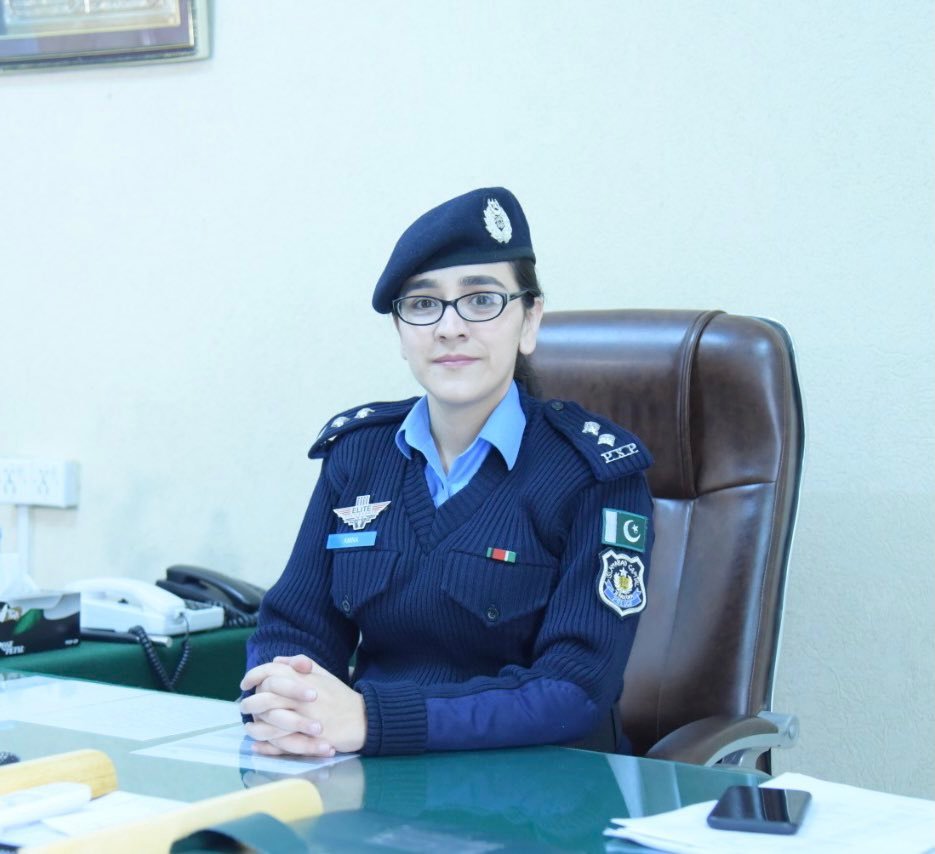
    United States embassy has nominated Assistant Superintendent of Police (ASP) Amna Baig for International Women of Courage award. She was nominated during an event held to mark the 30th anniversary of the “16 Days of Activism Against Gender-Based Violence” campaign, hosted by US Embassy Charge d’affaires Angela P Aggeler.

    Amna Baig is in charge of the law enforcement’s Gender Protection Unit – a government initiative to facilitate women and transgender individuals in their fight against discrimination and injustice. 

    The award recognises women from around the globe who have demonstrated exceptional courage and leadership in advocating for peace, justice, human rights, gender equality, and women’s empowerment.

    “Even though gender-based violence is pervasive, it is not inevitable,” Charge d’affaires Aggeler said at the event. She also added that it was in this spirit that the embassy nominated ASP Baig for the award.

    “It can and must be prevented. This is why we take this time each year to reinvigorate our efforts against gender-based violence and to call for greater collective and individual action to prevent and respond to all forms of violence against women.”

  • Four women stripped naked, paraded, beaten on the accusation of theft

    Four women stripped naked, paraded, beaten on the accusation of theft

    Four women in Faisalabad were stripped naked and were beaten by locals on the accusation of theft. The incident took place on Monday, in Bawa Chak Market where dozens of people locked the women inside an electric shop. The women came there to drink water.

     A first information report (FIR) was registered and the suspects have been charged under sections 354-A (assault or use of criminal force against a woman and stripping her), 509 (insulting modesty or causing sexual harassment), 147 (punishment for rioting) and 149 (unlawful assembly guilty of an offence committed in prosecution of common object) of the Pakistan Penal Code.

     “They continued to beat us for around an hour and made our videos in naked condition,” the complainant said in FIR, as reported by Dawn.

    “The suspects committed gross injustice by stripping us, dragging us through the market and torturing us and strict action should be taken against them,” the complaint’s statement read in the FIR.

    As per reports, no one stopped people from beating the women and many were making videos from their phones. After the video went viral, the police took action against the accused people and arrested five people.

  • Hidden cameras found in Karachi private school’s female washrooms

    Hidden cameras found in Karachi private school’s female washrooms

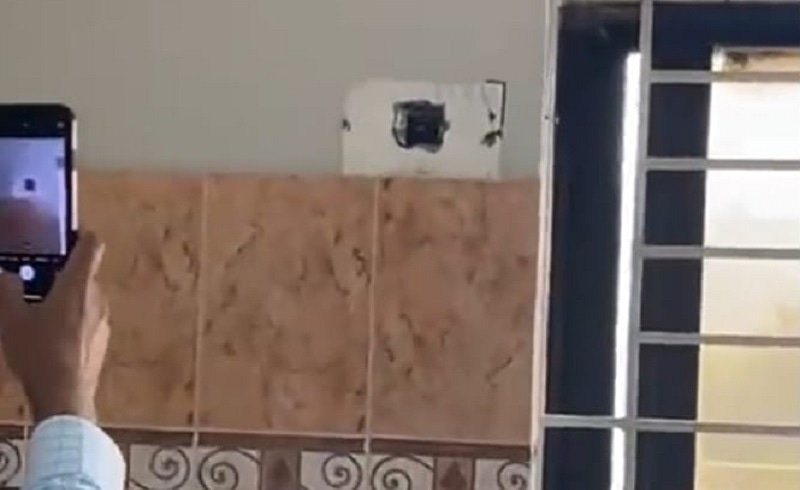
    Hidden Closed-Circuit Television (CCTV) cameras were found in a private school’s female washrooms in Karachi, reports Geo News.

    Videos of women were being made with the hidden cameras, officials from the Sindh Education Department confirmed.

    The Education Department issued a notification according to which the cameras were secretly installed in the female washroom as well as the men’s washroom used by both teachers and students.

    However, the school administration has maintained that the cameras were installed in the washrooms for “monitoring purposes”.

    According to the Sindh Educational Department, “Hidden CCTV cameras were installed behind a sheet with holes in the area of the washbasins situated with the toilets of girls and boys/washrooms, so that one can easily watch the movements of male and female students and staff,” as per Dawn.

    An inquiry committee of the inspection directorate later in the day served a notice to the school administration, asking its principal or a senior official to appear before the department on November 4.

    However, no official from the school turned up in disregard of the orders.

    After that, the Sindh Education Department on Friday suspended the registration of the said private school and asked its administration to furnish a show-cause notice.

    According to the notice, the registration of the school will remain suspended until the completion of the investigation.

    According to the notice, the registration of the school will remain suspended until the completion of the investigation. 

  • 78% Pakistanis think women ‘not safe’ here: Survey

    78% Pakistanis think women ‘not safe’ here: Survey

    Almost 78% of Pakistanis believe that no woman is safe in Pakistan while only 20% believe that women are safe in the country, a survey conducted by Pulse Consultant has shown.

    At least 18,000 Pakistanis participated in the survey conducted by a Karachi-based marketing and social research company, Pulse Consultant. 

    Most of the Pakistanis who think women are unsafe in the country were from Khyber Pakhtunkhwa.

    The survey showed that 35% of citizens of Khyber Pakhtunkhwa consider women safe to some extent in Pakistan, while only 19% consider them completely safe.

    Similarly, 35% of people in Punjab saw women as unsafe in Pakistan, 41% saw them safe to some extent, and 21% saw them completely safe.

    The rate of people who consider women unsafe in Pakistan from Sindh was 26% in the survey, while the rate of those who consider them safe to some extent was 49%. Meanwhile, 24% of the survey respondents considered them to be completely safe in the country.

    The survey showed that most Pakistanis who see women safe to some extent in Pakistan are from Balochistan, where 74% of people vouched for it.

    Whereas, 19% of citizens of Balochistan saw women as unsafe in Pakistan. Only 7% of the respondents from the province saw them as completely safe.

    The statistics compiled in the survey based on social status suggested that 45% of people from the lower class believe that women are not safe in Pakistan.

    The rate of people who saw women as unsafe from the lower middle class was 35%, 30% from the middle class, 29% from the upper-middle class, while 34% from the upper class.

    Meanwhile, statistics based on gender showed that women were more positive than men when it came to their safety in Pakistan.

    As many as 29% of women believe that they are safe outside the home, while only 22% of men vouched for it. 

    The survey was conducted through CATI (Computer assisted telephonic interviews), a state-of-the-art technology where all calls are recorded.

    Overall Perception of Women Safety in Pakistan

    •  Only 20% of Pakistanis feel that women are ‘safe’ in Pakistan
    •  43% believe that women are ‘somewhat safe’ – it means their opinion is in between – neither they believe that Pakistani women are ‘unsafe’ nor do they believe that Pakistani women are ‘safe’
    •  35% of Pakistanis believe that Pakistani women are entirely not safe in Pakistan
    •  Highest perception of “unsafety” reported from KP (46%) followed by Punjab (35%)

    Women Safety – Outside the home – Women’s Perception

    •  29% of the Pakistani females feel that they are ‘safe’ when they go outside the home
    • However, 35% of females believe that they are “smewhat safe” and similar population (35%) believes that they are absolutely “unsafe” when they commute in society
    •  The highest perception of “unsafety” again reported from KP (46%) followed by Punjab (36%)
    •  Almost half (51%) of the female respondents from ‘Upper Class’ & one third (38%) from ‘Lowest Class’ have a concern about safety when commuting outside the home

    Women Safety – Outside the home – Male’s Perception

    •  Interestingly, males consider females less safe (22%) in Pakistan as compared to female respondents (29%)
    •  The majority 45% of males believes that their family female members are “somewhat safe” and 30% believe that their family females’ members are ‘unsafe’ outside the home
    •  Interestingly, contrary to females belonging to ‘Upper Class’ (Where 51% believe that they are unsafe), almost one-third of males belong to the same class have the opinion that their female family members are safe (36%) and only one-fourth (25%) have the opinion that females family members are ‘unsafe’
  • Taliban ban women from teaching, attending Kabul University until Islamic environment is created

    Taliban ban women from teaching, attending Kabul University until Islamic environment is created

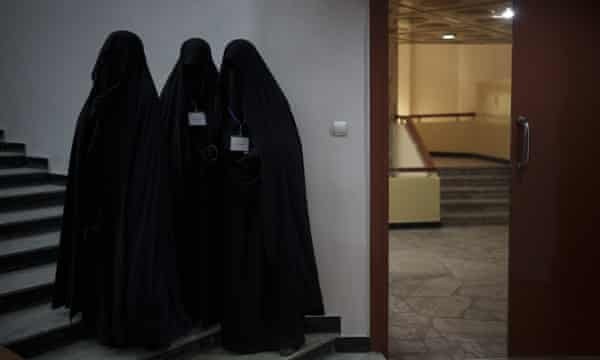
    Newly Taliban-appointed Kabul University Chancellor Mohammad Ashraf Ghairat announced that women would be banned from the institution either as instructors or students.

    In a tweet, Ghairat said, ” I give you my words as the chancellor of Kabul University, as long as a real Islamic environment is not provided for all, women will not be allowed to come to universities or work. Islam first.”

    https://twitter.com/MAshrafGhairat/status/1442385192824487937?s=20

    While speaking with New York Times, one female lecturer said, “Presidents, teachers, engineers and even mullahs are trained here and gifted to society. Kabul University is the home to the nation of Afghanistan.”

    Earlier, the chancellor tweeted in Pashto that the university was working on a plan to accommodate teaching female students.

    “Due to shortage of female lecturers, we are working on a plan for male lecturers to be able to teach female students from behind a curtain in the classroom. That way an Islamic environment would be created for the female students to get an education,” he wrote.

    https://twitter.com/MAshrafGhairat/status/1442127895204442112?s=20

    Upon this Taliban’s chief spokesman, Zabihullah Mujahid said that the ban on women would stay until there is a safer transportation system and an environment where female students are protected.

    The Taliban replaced the previous serving president of the university with Mr. Ghairat, a 34-year-old devotee of the movement who has referred to the country’s schools as “centers for prostitution,” reports CNN.

    Thousands of public university students are staying home. The American University in Afghanistan, in which the U.S. invested over a hundred million dollars has been abandoned completely and taken over by the Taliban.