Tag: women

  • ‘Pakistani women deserve our immense respect’: Army Chief

    ‘Pakistani women deserve our immense respect’: Army Chief

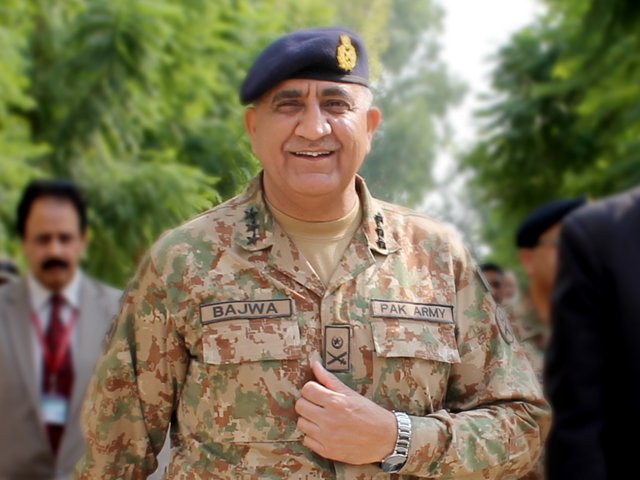
    On International Women’s Day, Chief of the Army Staff  (COAS) General Qamar Javed Bajwa said that Pakistani women have contributed immensely for the glory and honour of our nation.

    “They are also at the forefront against COVID. Women in uniform have proved their mettle by contributing copiously in diverse fields serving the nation and humanity. They deserve our immense respect and gratitude,” General Bajwa added.

    COAS’ message on Women’s Day was tweeted by DG ISPR’s official account.

  • JUI-F lawmaker accused of marrying minor girl

    JUI-F lawmaker accused of marrying minor girl

    Chitral police have started an investigation after reports of a marriage between Jamiat Ulema-e-Islam-Fazl (JUI-F) leader Maulana Salahuddin Ayyubi, who is a National Assembly lawmaker hailing from Balochistan, and a 14-year-old girl from Chitral, reported Jang.

    On Feb 18, a local organisation, Anjuman Dawat-o-Azeemat, requested police to conduct an inquiry into whether the girl had attained the marriageable age of 18, and if not, take action against all those responsible under the Prevention of Child Marriage Act, reported Dawn.

    Chitral police station SHO Inspector Sajjad Ahmed said that the family of the girl is not in town yet, but the police will start an investigation into these reports once they come back to Chitral.

    According to reports, the girl is a student of a government school in Jughoor and her date of birth is recorded as Oct 28, 2006. And if the record is accurate, then the girl is considered a minor in Pakistan and such marriages are criminalised.

    According to police, the father of the girl denied the reports of the marriage and even signed an affidavit to this effect.

  • ‘!نہیں، عورت’

    ‘!نہیں، عورت’

    میری زندگی کا محدود تجربہ مجھے یہی بتاتا ہے کہ لفظ “نہیں” کہنا سب سے آسان کام ہے . دِل نہیں کر رہا ، میں نے نہیں جانا ، میں نے نہیں كھانا ، یہ نہیں ، وہ نہیں ، بس کہہ دیا نہ نہیں . بچہ جب بولنا سیکھتا ہے تو اماں ابا کے علاوہ “نو” فوراََ سیکھتا ہے . بچے پر تو پیار آتا ہی ہے لیکن یہی لفظ وقت گزرنے کے ساتھ اتنا تلخ ہوجائے گا اندازہ ہی نہیں ہو پاتا اور یہ تلخی صرف اِس سماج کی عورت ہی سمجھ سکتی ہے . عورت اپنی زندگی میں ہر رشتے سے اتنی بار نہیں سنتی ہے کہ اب مجھے لگتا ہے کہ اُردو لغت میں “نہیں” کی جگہ “عورت” کا لفظ بھی اِستعمال ہو سکتا ہے .

    یہ کپڑے نہیں پہننے سے لے کر ایسے نہیں بیٹھنے تک ، یہ نہیں کا لفظ مسلسل اک تلوار بن کر عورت پر لٹکا رہتا ہے . لیکن اصل فرق اِس “نہیں” کا تب نظر آیا جب گھر کے مرد حضرات بغیر اِجازَت کے گھر سے باہر نکل جاتے جبکہ مجھے اپنے دماغ میں اک پُورا مضمون باندھ کر اپنی سہیلیوں سے ملنے کی اِجازَت لینی پڑتی، اور جواب کیا ہوتا ؟ نہیں . یقین جانئے ہم عورتیں اِس نہیں پر صرف حیران نہیں بلکہ پریشان بھی ہوتی ہیں . کیونکہ یہ”نہیں” ایک سیکنڈ بھی ضائع کئے بغیر منہ سے نکلتا ہے . ایسے جیسے ہمارے والدین کے ڈی-این-اے میں بیٹیوں کے لیے “نہیں” شامل ہے اور وہ کچھ اور کہہ ہی نہیں سکتے . ہم عورتیں اکثر والداین سے اِس “نہیں” کی وجہ پوچھتی بھی ہیں . کبھی والدہ کہہ دیتی ہیں “بیٹا آپ کے ابو کو اچھا نہیں لگتا” ، کبھی وہ کہتی ہیں “یہ وقت نہیں ہے جانے کا” ، کبھی وہ کہتی ہیں “کیا کرنا ہے جا کر ؟ ” ، کبھی وہ کہتی ہیں “ابھی اس دن تو گئی تھیں” جو کہ زیادہ تر 2 مہینے پہلے کی ملاقات ہوتی ہے ، اور کبھی ان کے پاس کوئی جواب ہی نہیں ہوتا . کوئی وجہ نہیں ہوتی . اور سب سے زیادہ خوبصورت وجہ اِس “نہیں” کی ہوتی ہے “بیٹا شادی کے بعد خاوند کے ساتھ جانا” . اِس وجہ پر تو میں بالکل ہونقوں کی طرح گھورتی ہی رہ جاتی ہوں کہ زندگی کا کوئی بھروسہ نہیں ، کل ہے یا نہیں . اور آپ مجھے میرے خاوند کی اِجازَت کا انتظار کرنے کو کہہ رہی ہیں ؟

    اور اگر باخدا اِجازت مل جائے، تو عورت کو اپنی ہی دوست کا پُورا شجرہ نسب بتانا پڑتا ہے . دوست کہاں رہتی ہے ، کتنے بہن بھائی ہیں ، وہ کیوں نہیں آ سکتی ؟ ، تم ہی کیوں جاتی ہو ہر بار ؟ ، اور کون جا رہا ہے ، اور کوئی کیوں نہیں جا رہا وغیرہ . بس گھر کتنے رقبے پر بنا ہے اور کتنی گاڑیاں ہیں جیسے سوال ہی رہ جاتے ہیں . ان تفصیلات کے ساتھ ساتھ ، یہ بھی بتانا لازم ہے کہ دوست کے گھر کتنی دیر میں پہنچو گی ، کتنے گھنٹے بیٹھو گی ، اور واپس کتنے بجے آؤ گی . یہ تفصیلات فراہم کرتے کرتے وہ عورت اک عجیب احساس جرم کا شکار ہوجاتی ہے . ایسے لگنے لگتا ہے کہ جیسے دوست سے ملنے نہیں بلکہ بہت بڑا گناہ کرنے جا رہی ہو . ملنا سہیلی سے ہی ہوتا ہے لیکن لگتا ہے کہ شاید کسی نامناسب انسان سے ملاقات کرنے جارہی ہیں .

    جہاں مرد حضرات گھر میں محض اعلان کر کے روز ہی باہر نکل جاتے ہیں ، ہم خواتین ہفتے میں دوسری بار دوستوں سے ملنے کا ذکر کریں تو آگے سے جواب ملتا ہے “بیٹا آپ پِھر گھر سے باہر ہی رہیں . گھر کیوں آنا ہے ؟ ” . ہم لڑکیاں دِل ہی دِل میں دعا کرتی ہیں کے ملنے کا پروگرام ہی ختم ہوجائے . کوئی قدرتی آفت آ جائے یا ملک میں ایمرجنسی لگ جائے ، لیکن خدارا ! کوئی دوبارہ ملنے کا مت کہے !

    ٹویٹر پر اِس موضوع پر بات ہوئی تو ایک صاحب نے کہا “آپ اچھی طرح سے پوچھیں تو کیوں نہیں جانے دیں گے والدین ؟ ” اِس سے زیادہ اور اچھی طرح اِجازَت کیسے مانگیں جب ہم اپنی دوستوں کا پُورا شجرہ نسب ہی بتا رہی ہیں ؟ اور کس طرح اِجازَت مانگیں جب ہم اپنے آنے اور جانے کا وقت بھی بتا رہی ہیں ؟ اور کس طرح اِجازَت مانگیں کے ہم ہفتے میں صرف ایک ہی بار نکل رہی ہیں ؟ اور کس طرح اِجازَت مانگیں کہ ہم اپنی ملاقاتوں کو بھی کم کرتی جا رہی ہیں کے کہیں والدین کو یہ نہ لگے کہ لڑکی ہاتھ سے نکل گئی ہے

    ہنسی تو اس بات پر آتی ہے کہ اجازت کا طریقہ بتانے والے خود اجازت لیتے ہی نہیں۔ نہ وہ دنوں کی قید میں ہیں اور نہ ہی گھنٹوں کی قید میں۔ نہ ان کیلئے دن کی پابندی ہے نہ رات کی۔ نہ ان پر عزت کی قید ہے اور نہ ہی بے عزتی کی۔ اگر قید ہے تو وہ ہے سوچ کی، جو نہ بدلی ہے اور شاید نہ ہی بدلےگی۔ عورت کیلئے صرف ایک ہی چیز بدلتی ہے۔ اس کا گھر۔ لیکن اس گھر میں بھی “نہیں” کبھی نہیں بدلتا!

  • 8 Pakistani women among world’s ‘100 outstanding nurses and midwives’

    Eight women from Pakistan have been listed among the World’s 100 outstanding Nurses and Midwives.

    To acknowledge the work of nurses and midwives amidst a global pandemic, the World Health Organisation (WHO), United Nations Population Fund (UNFPA), Nursing Now, International Council of Nurses (ICN), International Confederation of Midwives (ICM), and Women in Global Health (WGH), have compiled a list of World’s 100 Outstanding Nurses and Midwives.

    The list features the achievements and contributions of nurses and midwives from 43 countries and across six global regions.

    The Ministry of Foreign Affairs also congratulated the women on being recognised for their work.

    Here are the details of five of the eight women who made it to the list :

    Rozina Karmaliani, Board & Management – Midwife Nurse

    Dr Rozina Karmaliani is a Professor and Interim Dean at the School of Nursing and Midwifery and joint faculty with the Department of Community Health Sciences at Aga Khan University (AKU). Dr Rozina Karmaliani has spent decades working to inspire and empower others. Her efforts are currently focused on improving adolescent health, the development and strengthening of research capacities, and the integration of research into education and practice.

    Samina Vertejee, Community Hero – Nurse

    Samina Vertejee is an Assistant Professor at Aga Khan University School of Nursing and Midwifery (AKUSONAM). She brings together her practical and academic expertise to effect policy change for the care of older people. Recognising the gap in knowledge needed to properly care for Pakistan’s ageing population, especially during the COVID-19 pandemic due to their unique vulnerabilities, Vertejee has taken up the challenge at the policy level to improve the welfare of the country’s growing number of older people.

    Saima Sachwani, Human Capital Development: Midwife Nurse

    Ms Sachwani is an Assistant Professor and Section Head of the Public Health Stream, Aga Khan University School of Nursing and Midwifery (AKUSONAM). As a determined public health advocate and educator, her current focus is on creating awareness about the role of nurses in helping achieve universal health coverage. She was the first in Pakistan to introduce simulation into the community health nursing curriculum, with a lasting positive impact on teaching.

    Yasmin Nadeem Parpio, Community Hero: Nurse

    Yasmin Nadeem Parpio is an Assistant Professor at Aga Khan University School of Nursing and Midwifery (AKUSONAM). Yasmin works tirelessly to strengthen nursing curricula and to optimise the learning experiences of nursing students. She is currently undertaking a PhD on the subject of how building social skills among adolescents can reduce stress and improve resilience and quality of life. She also works on a voluntary basis with the local geriatric population, arranging regular educational sessions and working on yearly activity plans, and has established a peer support group.

    Marina Baig, Innovation, Science & Health: MidwifeNurse

    Marina Baig is a senior instructor at the Aga Khan University (AKU) School of Nursing and Midwifery. Her work on the use of mobile health (mHealth) technology to improve antenatal care coverage and skilled delivery in rural settings is exemplary and could serve as an innovative strategy in improving maternal health outcomes. Her contributions in developing an interactive e-book on women-centred reproductive health care focused on family planning and post-abortion care has been recognised as another key development in midwifery education in Pakistan.

  • ہنس کیوں رہی ہو؟

    مجھے یاد ہے میرے بچپن سے ہی میرے ماں باپ پریشان تھے کے اتنی لا ابالی سی لڑکی، اتنی ہنستی مسکراتی لڑکی اگر لڑکوں میں پڑھی ، تو بڑا مسئلہ ہو جائے گا۔ میری ہنسی کی آواز بچپن سے ہی کم کروانے کی کوشش کی گئی تھی ۔ لیکن میرا مسئلہ ہی یہ تھا کہ مجھے ہنسی آتی ہی بہت تھی، آخر کہاں تک کنٹرول کر پاتی ۔ میرے قہقے سکول میں کافی مشہور ہوگئے ۔ کافی بار ٹیچرز نے بھی کہہ ڈالا کہ ” لڑکیاں اس طرح نہیں ہنستی ” اس وقت تو میں نے دھیان نہیں دیا کیونکہ بچپن تھا ، زندگی مست تھی ۔ لیکن بڑی ہوتی گئی تو احساس ہوا کہ لڑکیاں اس طرح ہنسیں، یا اس طرح ، لڑکیوں کا ہنسنا کسی طور بھی ٹھیک نہیں۔ میری ہنسی کے پیشِ نظر مجھے آل گرلز کالج میں بھیجا گیا ۔ مقصد یہی تھا کہ کہیں میری شوخ و چنچل طبیعت اور ہنسی کی وجہ سے کوئی مسئلہ نہ ہو جائے۔

    پہلے تو مجھے اپنے والدین پر حیرانگی ہوئی تھی لیکن پھر احساس ہوا کہ او ہو ! میری ہنسی یا مسکراہٹ کا تو کچھ اور ہی مطلب نکل آتا ہے۔ میری طرح اور بھی خواتین اس بات سے متفق ہونگی کہ ہمارے ہنسنے پر پورا کمرہ، پورا محلۤہ بلکہ پوری کائنات الرٹ ہو جاتی ہے۔ کہ آخر یہ ہنس کیوں رہی ہے ؟ کبھی کبھی یوں ہی بیٹھے ہوئے چہرے پر مسکراہٹ آجائے تو گھر والے اور رشتہ دار پوچھ بیٹھتے ہیں  ” کیا بات ہے ” ، کس کے بارے میں سوچ رہی ہو۔ اتنا مسکرا کیوں رہی ہو؟”  بے شک آپ اس وقت دال چاول کے بارے میں ہی سوچ رہے ہوں ، وہ کچھ اور ہی سوچیں گے ۔ والدین کو بتا کر  بھی کسی دوست سے فون پر بات کرتے ہوئے ہنسی نکل جائے تو والدین فوراَ پوچھتے ہیں  ” اتنا ہنس کیوں رہی ہو؟”

    جب کالج میں قدم رکھے ،تو لڑکیاں ہی نظر آئیں آس پاس ۔ تب کالج کے کوریڈور میں میں نے قہقہ مارا تو میری بہت ہی پسندیدہ ٹیچر نے میری کلاس لی کہ یہ کوریڈور میں ایسے کیوں ہنس رہی ہو؟

    جب سہیلیوں کے ساتھ باہر جانے کی اجازت ملی تو ہنستے ہوئے کئی بار احساس ہوا کہ لوگوں کی نظریں مجھ پر ٹک جاتی ہیں۔ والدین کی سختی کی وجہ سے میری زندگی میں میک اپ کافی دیر میں آیا اس لیے اور بھی حیرت ہوتی تھی کہ میرے چہرے پہ کیا ہے جو اتنا غور ہو رہا ہے ؟ پھر وقت کے ساتھ احساس ہوا کہ او ہو ! لوگ خاص کر کے مرد حضرات کو یہ لگتا ہے کہ ہنستی ہوئی لڑکی ان کی توجہ چاہتی ہے ۔ اور زیادہ تر مرد حضرات “ہنسی تو پھنسی ”  کو اپنے دین کا حصۤہ سمجھتے ہیں ۔ لڑکی کو بے شک اپنے آپ پر ہی ہنسی آ رہی ہو ، وہ یہی سوچ لیتے ہیں کہ یہ ہنسی ہمارے لیے ہی ہے۔

    کالج کے بعد رشتوں کا مرحلہ شروع ہوا ۔ والدہ نے ایک بار کہا  “بیٹا زیادہ ہنسنا نہیں ” ۔ تو میں بڑی مشکل سے منہ بسور کے بیٹھ گئی ۔ پھر اگلی بار کہا ” بیٹا تھوڑا ہنس ہی لیا کرو” ۔ تو جب میں نے ہنس کے دکھا دیا تو سب گھورنے لگ گئے کہ یہ ہنس کیوں رہی ہے ؟  اگر کوئی لڑکی رشتہ ہونے پر خوش ہو جائے اور منگنی پر خدا نا خواستہ ہنس پڑے تو سب صدمے کی حالت میں بول پڑتے ہیں ” یہ اتنا کیوں ہنس رہی ہے؟” کوئی لڑکی شادی پر ہنس پڑے ،تو بھی یہی سوال ہوتا ہے کہ “یہ ہنس کیوں رہی ہے؟”

    ہاں جی لڑکیاں ہنستی ہیں ۔ ہم لڑکیوں کو ہنسنا اچھا لگتا ہے ۔ہم اپنے لیے ہنستی ہیں ۔ ہم کھل کے قہقے لگاتی ہیں ۔ کبھی ہم کو بھولی بھٹکی یاد پر ہنستی ہیں ، کبھی کسی کی بات پر ۔ کبھی اپنی کسی بیوقوفی پر ہنستی ہیں ، اور کبھی اپنی کسی کامیابی پر ۔ کبھی کسی تلخ حقیقت کو چھپانے کے لیے ہنستی ہیں اور کبھی آنسئوو کو۔ لیکن اگر نہیں ہنستی تو آپ کے لیے نہیں ہنستی ۔ جی آپ جو ایک ہنستی ہوئی لڑکی کو برداشت نہیں کر پاتے ۔ جی آپ، جو ایک ہنستی ہوئی لڑکی کر بارے میں طرح طرح کے خیال بنا لیتے ہیں ۔ جی آپ ، جن کے لیے لڑکی کا ہنسنا عزت بے عزتی کا مسئلہ بن جاتا ہے ۔ جی آپ یہ اطمینان کر لیں کہ لڑکی اگر ہنستی ہے، تو اپنے لیے ۔ صرف اور صرف اپنی ذات کے لیے ۔ آپ کے لیے نہیں ۔ تو اسے ہنسنے دیں ، خوش رہنے دیں ۔ کچھ نہیں کر سکتے تو اپنی نظر ہٹا لیں تاکہ آپ کو مسلئہ نہ ہو۔۔۔

  • Dowry culture

    According to a recent survey conducted by Pulse Consultants, more than 50 per cent Pakistanis believe that a girl’s family should give dowry when she is getting married. Around 61 per cent respondents were of the view that dowry should be allowed in the Pakistani system while 36 per cent were against it. Almost 73 per cent women believed that dowry should be allowed whereas 24 per cent were against it.

    This survey’s results should not be surprising given that dowry has become an unfortunate reality in our region.

    Dowry is used as a measure of worth for the bride; it is used as a bargaining tool or as a price tag when marrying off girls. This is rooted in the patriarchal and misogynist belief that daughters are a burden when they are born and so to marry them off, a price must be attached to them to ‘lure’ a groom. Despite laws against dowry in the country, this ‘tradition’ continues. Underage girls are often married so that the family gives less dowry in comparison to an adult bride. Many women are left unmarried because their families cannot afford to give a sizeable dowry. This tradition is one that perpetuates violence against women. Pakistan has a high rate of dowry-related deaths. Many women are tortured and even killed for not meeting the dowry requirements of their in-laws. Laws can only do so much. Not many people would report that the other party is demanding dowry for their daughter’s hand in marriage. Dowry transcends all classes. A lot of people would say what they are giving to their daughter is a ‘gift’ when actually it is more like ‘ransom’. Sometimes it is also used to deny a woman her inheritance rights – once dowry is given, the family says they have no rights in their inheritance any more. In a patriarchal society, women are treated like a property or objects instead of human beings with any rights. Dowry is a custom that encourages such thinking.

    The need of the hour is a public awareness campaign against dowry and why this cultural tradition must end. Both the government and the media need to do their part to educate the masses that there are laws against dowry in the country and also why this custom is a social evil. The acceptability of dowry will not end overnight. It will take years of education and awareness for the masses to eradicate this menace.

  • The Silencing Act

    “The biggest threat to gender justice right now are defamation laws and the FIA.”

    “Women are harassed and so we must introduce a law to protect them,” went the PML-N narrative in favour of enacting the Prevention of Electronic Crimes Act (PECA), 2016. This line peddled was mainly by the then minister for state for information technology and telecom, Anusha Rahman, to shut down critique levelled at the draconian provisions of the law, criminalising various forms of speech in an overbroad manner.

    Criticism of the law was deflected by making wild accusations and false imputations against critics, what actually qualifies as defamatory statements: foreign-funded agents working against the interests of the country and religion. As recorded in the House Debates on August 11, 2016, the day PECA 2016 was passed into law, dismissing all concerns raised regarding the violation of rights, Rahman remarked women were committing suicide as a result of online harassment, ‘what about them?’

    In 2017, news broke of Sindh University student, Naila Rind’s death. According to reports, she “committed suicide due to exploitation and blackmailing by a man who had befriended her on WhatsApp.” She was found hanging by the neck in her hostel room. Just last month in September 2020, a woman who had filed a complaint with the Federal Investigation Agency (FIA) committed suicide. Reportedly, she had contacted the investigation officer just hours before deciding to end her life. A law purportedly enacted to shield women from harassment and provide them with legal recourse has done no such thing.

    PECA In Practice

    While much haste was made to pass PECA, once enacted it took over a month to designate FIA as the investigation agency. It was not until March 2017 that courts to try PECA cases were notified. Meanwhile, complainants and litigants were left hanging. Many women who attempt to file a complaint through the online web form say it does not work or they do not hear back. Several women who visit FIA offices to file in-person complaints talk about the misconduct of investigation officers. Among the complaints that do make it to court, some complainants are advised – and at other times coerced – to withdraw and settle. Compromises are facilitated even in non-compoundable cases, which the law does not allow. Women who wish to see their cases through to the end are punished.

    In a case registered in 2016, FIA “lost” the evidence file. It was only after the complainant petitioned the Sindh High Court against the FIA that the file was “recovered.” Four years after the registration of the case, the trial has not concluded because the FIA’s investigation officers, who are required to appear as prosecution witnesses in order to complete evidence, do not show up. This is routine. Case diaries are replete with show-cause notices, bailable and non-bailable warrants to compel FIA officers to attend court hearings. But this has little effect on them.

    Women who participated in the Aurat Marches and were targeted online, women journalists who filed complaints with the FIA and are consistently attacked online, share the experience of so many others: the FIA does nothing about their complaints. Instead, the priority for the FIA is to register cases when men complain their reputation has been damaged by women alleging harassment. On September 29, 2020, an FIR was registered against singer Meesha Shafi and eight others under Section 20 of the PECA read with Section 109 of the Pakistan Penal Code. This FIR comes after a spate of summons issued last year by the FIA in response to a complaint made by singer Ali Zafar. Section 20, referred to as the criminal defamation section of PECA, has been weaponised by the state to silence journalists but also private complainants against women alleging sexual harassment or violence.

    In July 2019, several people received a summon by the FIA requiring their attendance in Lahore. Many received summons once the date for appearance written on it had already passed. The summons themselves were vague. They contained no details about what the investigation pertained to or the section of the law it was under. Requests for a copy of the complaint were met with yet another summon. In violation of the law and investigation Rules under PECA, “sources” within the FIA leaked names to the press during the 2019 investigation, even though the law requires confidentiality to be maintained and the Rules bar disclosure of identities of both the complainant and accused.

    Despite responding in writing and, in the case of some, appearing in person at the FIA office, an FIR was registered. Those summoned earlier and now named in the FIR include those who have spoken up in support of Shafi, spoken of their own experiences and covered the cases in a journalistic capacity. Many found out about the FIR through news reports. While a civil defamation trial was already underway, now a criminal case has also been lodged, not only against Shafi but also witnesses in her case. The purpose and intent of this exercise is nothing but to further harass and intimidate. It is also a tactic to scare away witnesses and diminish their credibility in the court of law.

    The Chilling Effect

    An FIR in another city entails contacting a lawyer, applying for protective/transitory bail. The amount is decided by the court and typically can be anywhere between Rs. 30,000-100,000. This is usually granted for a period of a week in which time arrangements have to be made to travel to the city the FIR is registered in — in this case, Lahore. A second lawyer, in the city where the FIR was lodged, must apply for pre-arrest bail. Then the investigation has to be joined which essentially means going to the FIA office and giving a statement that is included in the investigation report. This is all at the pre-trial stage. The trial itself has no specified time frame and can go on for years. As an accused in a criminal case, it is mandatory to attend hearings unless a special exemption is granted by the court. All this adds up to monetary expenses, time and psychological strain, affecting work, life and mental health. The cost of ostensibly one or a few social media posts.

    It is a myth that the FIA does not act in a coercive manner against women. This is not the first time an FIR has been registered by the FIA against a woman after she levelled an allegation of sexual violence and harassment. There are other cases in which the FIA obtained search and seizure permissions and moved arrest applications at the investigation stage, while a petition against harassment by the investigation officer and validity of the search and seizure order was pending before the High Court.

    The immediate fall out of summons by the FIA and now an FIR, is a chilling effect. Not only do people stop speaking about issues and self-censor to protect themselves, but those implicated in cases, depending on the level of support they enjoy and resources at their disposal, end up settling by retracting and apologising. This then serves as a narrative win for the other party. In the public domain, the outcome – retraction or apology – becomes the subject of debate, useful also to vindicate in ongoing legal proceedings. Hanging a criminal case over someone’s head to force certain terms and extract such an outcome never becomes public knowledge or the subject of discussion – for obvious reasons.

    What Next?

    A statement released by the Women’s Action Forum – Karachi chapter in August 2019, pointed to an emerging pattern of criminal defamation laws being used as a silencing tool against those speaking about sexual harassment and violence, both in relation to online calls outs but also against women who filed cases of harassment before legal forums. In September 2019, this issue was taken up with the Senate’s Functional Committee on Human Rights. The committee was apprised of the illegal and unconstitutional manner in which the FIA acts against citizens — in this case women. Proposals to repeal criminal defamation laws – 499 and 500 of the PPC and Section 20 of PECA – were laid before the committee and recommendations on fixing the civil defamation procedure in relation to cases of harassment, were also made. Since then, summons and investigations have turned into challans and FIRs. The onus lies on parliamentary committees to take this up again. The MeToo movement, women’s marches and more recently, the motorway rape has sparked conversations around everyday misogyny, harassment and a culture that enables harassment and rape. Laws and the criminal ‘justice’ system are being weaponised against women and their supporters, to suppress disclosures of harassment and sexual violence. Especially, PECA.

    The biggest threat to gender justice right now are defamation laws and the FIA. Repealing Section 20 of PECA, 499 and 500 of the PPC, fixing civil defamation law and procedures to prevent their misuse, and holding the FIA to account for its excesses is imperative.
  • Karachi police station gives shelter to newly-wed girl after husband abandons her

    Karachi police station gives shelter to newly-wed girl after husband abandons her

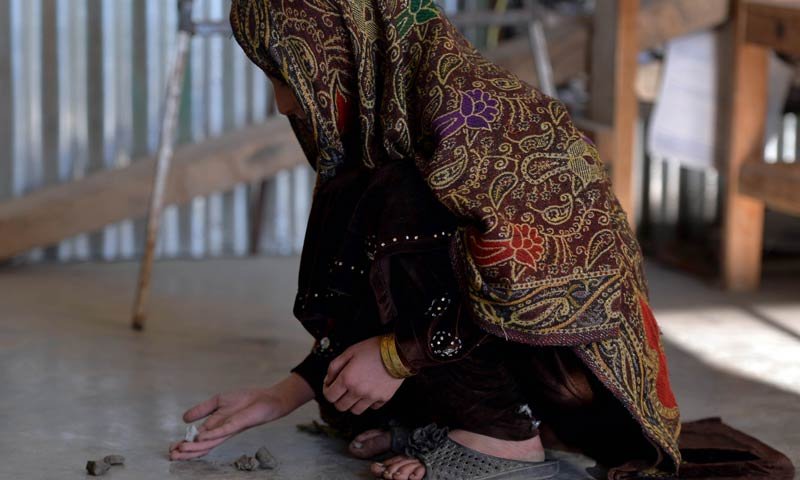
    A newly-wed girl from Nawabshah reportedly found shelter at a women’s police station in the metropolis’ west zone after her husband abandoned her.

    According to details, the women’s police station staff is searching for the family of the young girl. The girl said she got married to a man named Ahmed six months ago. After a few weeks, her husband kicked her out of the house. She had to come to Karachi as she was left with no other option.

    After being admitted to a shelter home in Karachi’s Central district, the facility’s management found her uncles and sent her to their house. However, her uncles also refused to keep her at their home. Since then, the girl had nowhere to go.

    For now, she has taken refuge at the Liaquatabad women’s police station. According to the girl, her mother had died and her only brother also passed away two-and-a-half years ago and she has no idea where her father is.

    According to Station House Officer (SHO) Liaqatabad Uzma Khan, Karachi police is trying to trace her father by contacting their counterparts in Nawabshah.

  • Malala’s future

    Malala’s future

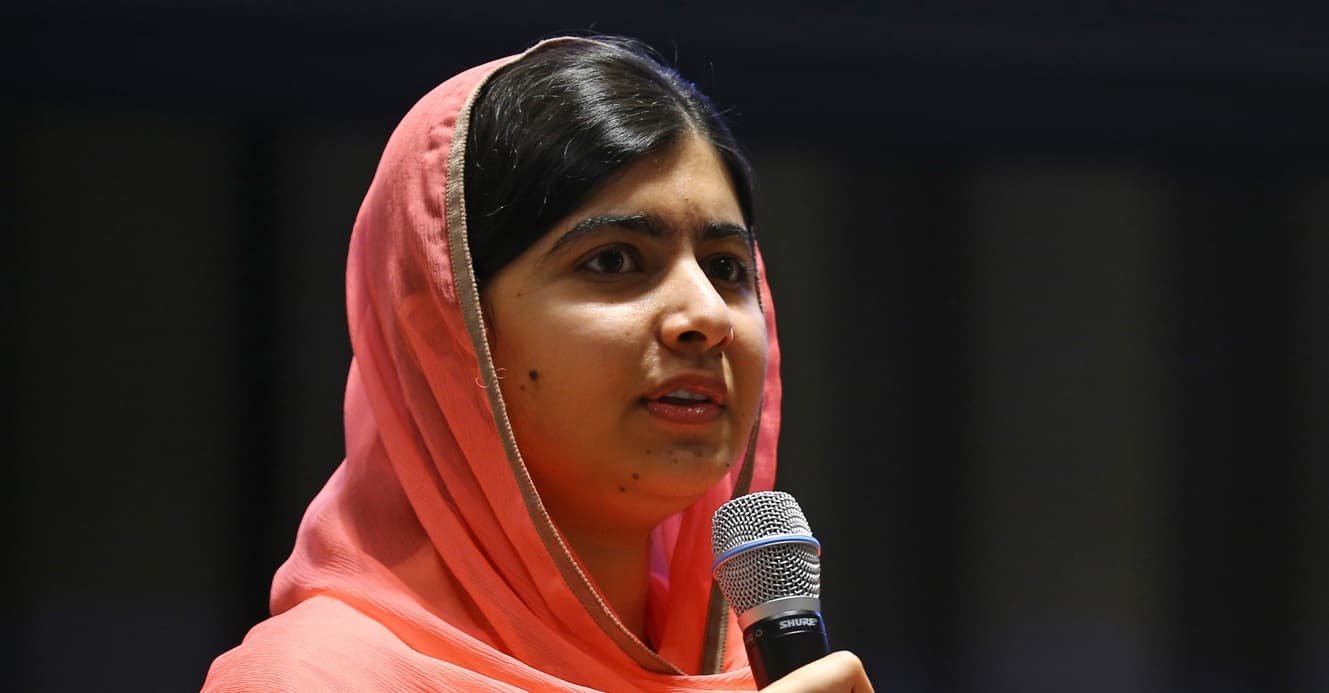
    Pakistani women have time and again proven that despite the country’s patriarchal setup, they can always be counted on to make a mark. Malala Yousafzai, the country’s second and the world’s youngest Nobel laureate, is continuing the legacy of Pakistan’s iconic women.

    Malala graduated from Oxford University earlier this week. “Hard to express my joy and gratitude right now as I completed my philosophy, politics and economics degree at Oxford. I don’t know what’s ahead. For now, it will be Netflix, reading and sleep,” she tweeted.

    For someone so young, Malala has achieved what most of us cannot even imagine in our lifetimes. But it did not come easy; in fact, it was at a great personal cost. In 2009, Malala started writing a diary for BBC Urdu under the pen name ‘Gul Makai’. Swat Valley was under Taliban rule at the time. In one of the entries, she wrote, “I am sad watching my uniform, school bag and geometry box. I felt hurt on opening my wardrobe and seeing my uniform, school bag and geometry box. Boys’ schools are opening tomorrow. But the Taliban have banned girls’ education.”

    Malala and her family received multiple threats from the Taliban even after their rule ended in Swat.

    She was shot by the Taliban in October 2012 when she was on her way home from school in Swat. The Taliban tried to assassinate her because she had become an ambassador for girls’ education. The assassination attempt left her in a critical condition when she was taken to a hospital in Rawalpindi. She was later transferred to a hospital in the United Kingdom (UK).

    Malala went on to become a global icon. From writing a diary under a pseudonym at an incredibly young age to surviving a brutal assassination attempt, her bravery makes one wonder about the determination and grit this young woman has shown over the years. Despite her success, Malala remains down to earth and humble. One can see that there is no pretense.

    After her graduation, many are wondering what role she would take on in the future. It is for Malala to decide what is next but we can say with certainty that her future will not be anything ordinary. For an extraordinary woman like Malala, an ordinary job would obviously not do. She will always be a global ambassador for girls’ education and may well continue her work since it is a huge task indeed. Some speculate whether she will enter politics at some stage. Whatever she decides, we know she will continue to make Pakistan proud of her work.

    May your light continue to shine bright, Malala!

  • After media, Tariq  Jamil apologises to nation for controversial remarks against women

    After media, Tariq Jamil apologises to nation for controversial remarks against women

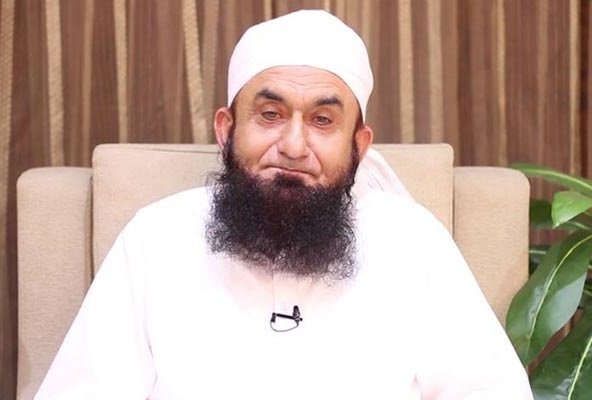
    After media, renowned preacher Maulana Tariq Jamil has also apologised to the nation for his controversial remarks on women, which had drawn mixed reactions over both mainstream and social media.

    During Prime Minister (PM) Imran Khan’s Ehsaas Telethon to raise funds for government’s coronavirus relief programme on April 23, Jamil, who was invited to deliver a prayer, had said that the COVID-19 pandemic was caused partly because of the “immodesty” of women.

    He had also called out media houses both in Pakistan and around the globe for “spreading lies”.

    The comments sparked outrage on social media with leading human rights activists, as well as some of the ruling Pakistan Tehreek-e-Insaf’s (PTI) ministers, demanding Jamil to tender an apology for his “callous” and “demeaning” remarks.

    “My aim was to point out that we are all to blame for our current state. It was meant to be a general remark not targeting any specific men, women, persons, or gender, but as a reminder to get closer to what Allah teaches us,” Jamil clarified in a series of tweets early Tuesday morning.

    The cleric also said that his “goal was to remind us all to focus on the spiritual and away from our desires and the materialistic”.

    “I am the first to admit as I have taught over the years, that there is no excuse for making any hurtful comments about anyone or making anyone feel uncomfortable.”

    The apology has been very well received by a majority of netizens.

    “Thank you for the clarification. Really appreciate it. You have many followers and this will send a clear message to those who seek to misinterpret your words to target women,” wrote Federal Minister for Human Rights Dr Shireen Mazari while retweeting Jamil’s apology.